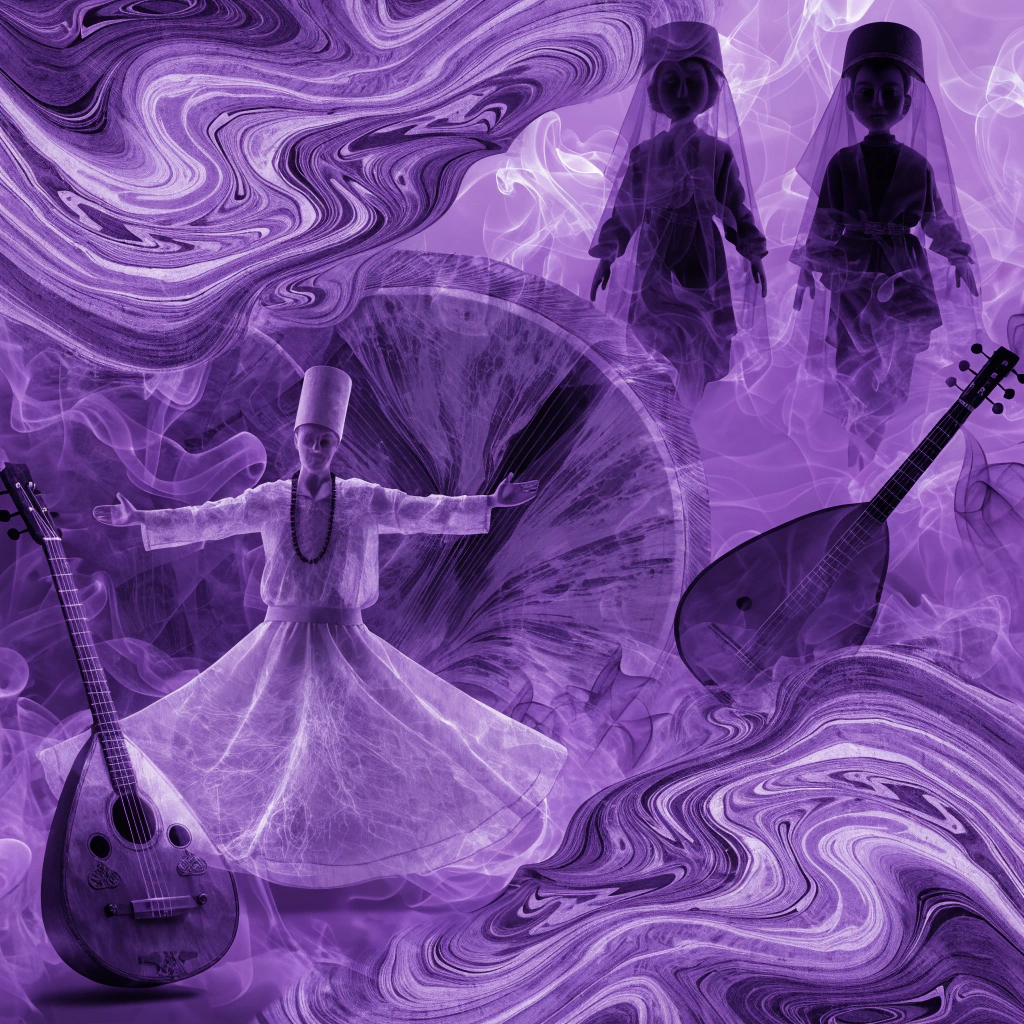
तुर्की की अद्भुत कला: एब्रू
एब्रू तुर्की की एक बहुत पुरानी कला है। यह पानी पर रंगों से बनती है। कलाकार एक विशेष पानी पर रंग डालते हैं। ये रंग पानी पर तैरते हैं। कलाकार फिर कंघी या सुई से इन रंगों को हिलाते हैं। वे सुंदर डिज़ाइन बनाते हैं। यह डिज़ाइन कागज़ पर लिया जाता है। हर एब्रू डिज़ाइन अनोखा होता है। कोई भी दो एब्रू एक जैसे नहीं होते। यह कला बहुत शांत और सुंदर है। तुर्की में लोग इस कला को बहुत पसंद करते हैं। यह एक खास और अद्भुत काम है।
व्याकरण स्पॉटलाइट
पैटर्न: है/हैं का प्रयोग (होना क्रिया)
"एब्रू तुर्की की एक बहुत पुरानी कला है।"
हिंदी में 'है' (एकवचन के लिए) और 'हैं' (बहुवचन या आदर के लिए) का प्रयोग 'होना' (to be) क्रिया के वर्तमान काल के रूप में होता है। यह बताता है कि कोई चीज़ क्या है या कहाँ है। वाक्य में कर्ता के बाद 'है' या 'हैं' आता है।
पैटर्न: कर्ता + कर्म + क्रिया वाक्य संरचना
"कलाकार पानी पर रंग डालते हैं।"
हिंदी में सामान्य वाक्य संरचना कर्ता (करने वाला) + कर्म (जिस पर काम हो रहा है) + क्रिया (काम) होती है। इस उदाहरण में, 'कलाकार' कर्ता है, 'रंग' कर्म है और 'डालते हैं' क्रिया है।
अपनी समझ जाँचें
10 सवाल · A1 शुरुआती · 1 मुफ्त प्रीव्यू
इस लेख से आपने जो सीखा उसकी जाँच करें। सभी सवालों के जवाब दें और XP कमाएँ!
एब्रू कहाँ की कला है?
क्या आप क्विज़ समाप्त करना चाहते हैं?
9 और सवाल आपका इंतज़ार कर रहे हैं। पूरा क्विज़ अनलॉक करने और XP कमाने के लिए मुफ्त साइन अप करें!
मुफ़्त साइन अप करोपहले से अकाउंट है? साइन इन करो
बहुत बढ़िया!
अभ्यास जारी रखें!
पहले से पूर्ण — कोई अतिरिक्त XP नहीं
XP कमाने के लिए साइन अप करोसवालों का विवरण
एब्रू कहाँ की कला है?
आपका जवाब:
सही जवाब: तुर्की
एब्रू पानी पर रंगों से बनती है।
आपका जवाब:
सही जवाब: सही
शब्द 'पानी' का क्या अर्थ है?
आपका जवाब:
सही जवाब: जल
हर एब्रू डिज़ाइन _____ होता है।
आपका जवाब:
सही जवाब: अनोखा
Ebru: The Magic of Painting on Water
Ebru is a famous art from Turkey. People often call it "painting on water" because the artist works on a tray of liquid. This liquid is thicker than normal water because it contains a special plant.
The artist uses natural colors and special tools. For example, the brushes are made of wood and horse hair. First, the artist drops colors onto the water. Then, they use a metal tool to move the colors and make patterns like flowers or clouds.
When the pattern is ready, the artist puts a sheet of paper on the water. The colors move to the paper very quickly. Finally, the artist lifts the paper carefully. The result is always a surprise because every painting is unique. No two pieces of Ebru are the same.
In the past, Ebru was important for books and documents. Today, many people learn it because it is relaxing and meditative. It is more difficult than it looks, but it is very fun to try.
व्याकरण स्पॉटलाइट
पैटर्न: Comparatives
"This liquid is thicker than normal water because it contains a special plant."
We use comparatives to compare two different things. For short adjectives, we add '-er' and use the word 'than' after the adjective.
पैटर्न: Sequencing Adverbs
"First, the artist drops colors onto the water."
Words like 'First', 'Then', and 'Finally' show the order of steps in a process. They help the reader understand which action happens first and what follows.
अपनी समझ जाँचें
11 सवाल · A2 बिगिनर · 1 मुफ्त प्रीव्यू
इस लेख से आपने जो सीखा उसकी जाँच करें। सभी सवालों के जवाब दें और XP कमाएँ!
What is Ebru often called?
क्या आप क्विज़ समाप्त करना चाहते हैं?
10 और सवाल आपका इंतज़ार कर रहे हैं। पूरा क्विज़ अनलॉक करने और XP कमाने के लिए मुफ्त साइन अप करें!
मुफ़्त साइन अप करोपहले से अकाउंट है? साइन इन करो
बहुत बढ़िया!
अभ्यास जारी रखें!
पहले से पूर्ण — कोई अतिरिक्त XP नहीं
XP कमाने के लिए साइन अप करोसवालों का विवरण
What is Ebru often called?
आपका जवाब:
सही जवाब: Painting on water
The brushes used in Ebru are made of plastic.
आपका जवाब:
सही जवाब: गलत
What does 'unique' mean?
आपका जवाब:
सही जवाब: Only one of its kind
The artist puts a sheet of _____ on the water.
आपका जवाब:
सही जवाब: paper
Why is every Ebru painting a surprise?
आपका जवाब:
सही जवाब: Because every piece is unique
Ebru: The Beautiful Art of Dancing Water
Ebru is a traditional Turkish art form that has fascinated people for centuries. It is often described as the 'dance of colors on water.' This unique technique involves creating colorful patterns by sprinkling natural pigments onto a tray of oily, thick water. Once the design is finished, it is carefully transferred to a sheet of paper.
The process of Ebru requires great patience and skill. First, the artist prepares the water by adding a special substance to make it thick. Then, the colors, which are made from natural earth and minerals, are dropped onto the surface. The artist uses brushes that are made from horsehair and rose branches to move the paint. Because the water is thick, the colors do not mix completely, allowing the artist to create beautiful shapes like flowers or clouds.
Since the patterns on the water’s surface move constantly, every piece of Ebru is unique. It is impossible to replicate the exact same design twice. For many artists, Ebru is more than just a decorative technique; it is a meditative practice. They believe that the art reflects the uniqueness of creation.
In recent years, Ebru has become popular all over the world. It has been added to the UNESCO list of Intangible Cultural Heritage because of its historical importance. Many students have started to learn this craft to connect with Turkish culture. Whether you are an expert or a beginner, the magic of seeing colors float on water is an experience that you will never forget.
व्याकरण स्पॉटलाइट
पैटर्न: Passive Voice
"It is often described as the 'dance of colors on water.'"
The passive voice is used when the action is more important than the person doing it. It is formed using the verb 'to be' followed by the past participle.
पैटर्न: Present Perfect
"Ebru has fascinated people for centuries."
This tense is used for actions that started in the past and are still relevant or continuing now. It is formed with 'have/has' and the past participle.
अपनी समझ जाँचें
11 सवाल · B1 मध्यम · 1 मुफ्त प्रीव्यू
इस लेख से आपने जो सीखा उसकी जाँच करें। सभी सवालों के जवाब दें और XP कमाएँ!
What is the primary surface used to create the patterns in Ebru before they are put on paper?
क्या आप क्विज़ समाप्त करना चाहते हैं?
10 और सवाल आपका इंतज़ार कर रहे हैं। पूरा क्विज़ अनलॉक करने और XP कमाने के लिए मुफ्त साइन अप करें!
मुफ़्त साइन अप करोपहले से अकाउंट है? साइन इन करो
बहुत बढ़िया!
अभ्यास जारी रखें!
पहले से पूर्ण — कोई अतिरिक्त XP नहीं
XP कमाने के लिए साइन अप करोसवालों का विवरण
What is the primary surface used to create the patterns in Ebru before they are put on paper?
आपका जवाब:
सही जवाब: Thick, oily water
The brushes used in Ebru are made from synthetic plastic materials.
आपका जवाब:
सही जवाब: गलत
What does the word 'replicate' mean?
आपका जवाब:
सही जवाब: To make an exact copy
Since the patterns on the water’s _____ move constantly, every piece of Ebru is unique.
आपका जवाब:
सही जवाब: surface
Why was Ebru added to the UNESCO list?
आपका जवाब:
सही जवाब: Because of its historical importance
Ebru: The Spiritual Art of Dancing Water
Ebru, often referred to as the 'dance of colors on water,' is a traditional Turkish art form that transcends mere decoration. This intricate technique involves floating natural pigments on a tray of viscous liquid, typically thickened with a substance known as kitre. Artists then manipulate these colors using specialized tools, such as horsehair brushes and metal needles, to create mesmerizing patterns that are subsequently transferred onto paper. While the origins of Ebru remain a subject of historical debate, it flourished significantly within the Ottoman Empire, where it was utilized for both aesthetic purposes and the protection of official documents against forgery. Because every pattern is unique, it was impossible to replicate a marbled background, making it an ideal security feature for state records.
The process of Ebru is as much a spiritual journey as it is a physical craft. Practitioners emphasize that the art requires immense patience and a deep connection with the materials. Because the liquid surface is constantly in motion, the artist must work in harmony with the water rather than attempting to control it completely. This philosophy reflects the Islamic concept of the uniqueness of creation; since the environmental conditions and the artist's movements can never be perfectly replicated, every single Ebru sheet is a unique masterpiece that can never be duplicated. It is this element of surprise and surrender to the divine will that defines the Ebru experience.
Furthermore, the materials used in Ebru are entirely natural, which highlights the art's organic roots. Pigments are derived from earth and minerals, while the brushes are traditionally made from rosewood and horsehair. This reliance on nature reinforces the meditative quality of the practice, allowing the artist to escape the pressures of modern life. In recent years, there has been a global resurgence of interest in Ebru, leading to its inclusion on the UNESCO Representative List of the Intangible Cultural Heritage of Humanity. This recognition has helped ensure that the traditional methods are preserved for future generations.
Despite the rise of digital art, Ebru continues to thrive as a symbol of cultural identity and spiritual reflection. It serves as a bridge between the past and the present, reminding us that true beauty often lies in the ephemeral and the irreproducible. For those who witness an Ebru master at work, the experience is often described as hypnotic, offering a rare glimpse into a world where art and soul become one. Ultimately, Ebru is not just about making paper; it is about capturing a fleeting moment of beauty that will never exist in the exact same way again.
व्याकरण स्पॉटलाइट
पैटर्न: Passive Voice
"Ebru, often referred to as the 'dance of colors on water,' is a traditional Turkish art form..."
The passive voice is used here to focus on the art form itself rather than who is naming it. It is formed using the verb 'to be' and the past participle of the main verb.
पैटर्न: Relative Clauses
"...to create mesmerizing patterns that are subsequently transferred onto paper."
The relative pronoun 'that' introduces a clause that provides essential information about the 'patterns'. This structure allows for more complex and descriptive sentences.
पैटर्न: Present Perfect
"In recent years, there has been a global resurgence of interest in Ebru..."
The present perfect is used to describe an action or state that started in the past and continues to have relevance or effect in the present. It is formed using 'has/have' + past participle.
अपनी समझ जाँचें
11 सवाल · B2 अपर इंटरमीडिएट · 1 मुफ्त प्रीव्यू
इस लेख से आपने जो सीखा उसकी जाँच करें। सभी सवालों के जवाब दें और XP कमाएँ!
Why was Ebru historically used on official documents?
क्या आप क्विज़ समाप्त करना चाहते हैं?
10 और सवाल आपका इंतज़ार कर रहे हैं। पूरा क्विज़ अनलॉक करने और XP कमाने के लिए मुफ्त साइन अप करें!
मुफ़्त साइन अप करोपहले से अकाउंट है? साइन इन करो
बहुत बढ़िया!
अभ्यास जारी रखें!
पहले से पूर्ण — कोई अतिरिक्त XP नहीं
XP कमाने के लिए साइन अप करोसवालों का विवरण
Why was Ebru historically used on official documents?
आपका जवाब:
सही जवाब: As a security measure to prevent forgery
Ebru patterns can be perfectly duplicated if the artist is skilled enough.
आपका जवाब:
सही जवाब: गलत
What does 'ephemeral' mean in the context of the article?
आपका जवाब:
सही जवाब: Lasting for a very short time
Ebru serves as a _____ between the past and the present.
आपका जवाब:
सही जवाब: bridge
What is 'kitre' used for in the Ebru process?
आपका जवाब:
सही जवाब: To thicken the water
The Ephemeral Masterpiece: Deciphering the Ontological Significance of Ebru
In the vast tapestry of traditional Turkish arts, Ebru, or paper marbling, stands as a profound manifestation of the synthesis between human intent and the fluid capriciousness of nature. Often heralded as the 'dance of colors on water,' Ebru transcends mere decorative utility, positioning itself as a meditative pursuit that probes the depths of spiritual transcendence. The process begins with a tray filled with viscous water, typically thickened by 'kitre' (tragacanth gum), which serves as a liquid canvas for natural pigments. Seldom does an art form demand such meticulous preparation; the artist must meticulously harmonize the density of the water with the chemical weight of the ox-gall-infused paints to ensure the colors float rather than sink.
The allure of Ebru lies in its precarious balance between control and chaos. As the artist drops pigments onto the surface, they expand in concentric circles, creating a vibrant, yet delicate, topography of color. Through the nuanced use of horsehair brushes and metal needles, these patterns are manipulated into intricate floral motifs—most notably the tulip, which carries significant theological symbolism—or abstract swirls. It is the inherent unpredictability of the medium that mirrors the Islamic perception of the cosmos—a world in constant flux where no two moments, and no two patterns, are ever identical. Every transfer of the design onto paper represents a singular, unrepeatable event, an ephemeral masterpiece that captures a fleeting intersection of time and motion. This lack of reproducibility is not viewed as a flaw but as a celebration of the uniqueness of creation.
Furthermore, the meticulousness of the preparation process underscores the artist’s patience and humility. The master-apprentice (usta-çırak) relationship in Ebru is not merely about technical instruction but the transmission of an entire philosophical worldview. The apprentice learns that the water is not a passive recipient but a collaborator with its own agency. This ontological perspective challenges the traditional Western dichotomy of subject and object, suggesting instead a symbiotic relationship between the creator and the elements. Never before has the role of the artist been so intertwined with the physical properties of their tools, requiring a state of 'flow' that is as much psychological as it is physical.
In the contemporary era, characterized by the sterile precision of digital reproducibility, the cultural and spiritual value of Ebru has only intensified. While modern technology can simulate the aesthetic of marbling through algorithms, it cannot replicate the spiritual resonance or the sensory depth of the manual process. The tactile engagement with natural materials—earth pigments, rose branches, and horsehair—provides a grounding experience in an increasingly virtual world. Thus, Ebru remains a vital cultural pillar, reminding us of the beauty found in imperfection and the profound depth of traditional artistry. Ultimately, what Ebru offers is a glimpse into the divine order through the lens of human creativity, proving that the most enduring art is often that which is most fleeting.
व्याकरण स्पॉटलाइट
पैटर्न: Inversion
"Seldom does an art form demand such meticulous preparation; the artist must meticulously harmonize the density of the water."
Inversion is used here by placing 'Seldom' at the start of the sentence for emphasis. This requires the auxiliary verb 'does' to come before the subject 'an art form', creating a formal and dramatic tone.
पैटर्न: Cleft Sentence
"It is the inherent unpredictability of the medium that mirrors the Islamic perception of the cosmos."
This 'It is... that' cleft sentence focuses the reader's attention on the 'inherent unpredictability' as the primary cause. It is used to highlight a specific element within a complex argument.
पैटर्न: Nominalisation
"The meticulousness of the preparation process underscores the artist’s patience and humility."
The adjective 'meticulous' is turned into the noun 'meticulousness'. This allows the writer to treat a quality as a concept or subject, which is a hallmark of academic and C1 level writing.
अपनी समझ जाँचें
12 सवाल · C1 उन्नत · 1 मुफ्त प्रीव्यू
इस लेख से आपने जो सीखा उसकी जाँच करें। सभी सवालों के जवाब दें और XP कमाएँ!
According to the article, why is Ebru considered more than just a decorative art?
क्या आप क्विज़ समाप्त करना चाहते हैं?
11 और सवाल आपका इंतज़ार कर रहे हैं। पूरा क्विज़ अनलॉक करने और XP कमाने के लिए मुफ्त साइन अप करें!
मुफ़्त साइन अप करोपहले से अकाउंट है? साइन इन करो
बहुत बढ़िया!
अभ्यास जारी रखें!
पहले से पूर्ण — कोई अतिरिक्त XP नहीं
XP कमाने के लिए साइन अप करोसवालों का विवरण
According to the article, why is Ebru considered more than just a decorative art?
आपका जवाब:
सही जवाब: Because it serves as a meditative pursuit probing spiritual transcendence.
The patterns in Ebru can be perfectly replicated if the artist is skilled enough.
आपका जवाब:
सही जवाब: गलत
What does 'ephemeral' mean in the context of the article?
आपका जवाब:
सही जवाब: Lasting for a very short time.
The water used in Ebru must be _____ so that the pigments can float on the surface.
आपका जवाब:
सही जवाब: viscous
What does the master-apprentice relationship in Ebru primarily transmit?
आपका जवाब:
सही जवाब: A philosophical worldview and technical instruction.
The article suggests that digital technology cannot replicate the spiritual resonance of Ebru.
आपका जवाब:
सही जवाब: सही
The Ephemeral Alchemy of Ebru: An Ontological Inquiry into Turkish Paper Marbling
To the uninitiated eye, the traditional Turkish art of Ebru might appear to be a mere decorative technique, yet to the connoisseur, it represents a profound ontological meditation on the nature of existence and the divine. Often heralded as the 'dance of colors on water,' Ebru is a process wherein natural pigments are meticulously suspended upon a viscous surface—typically water thickened with tragacanth—before being transferred onto paper. This art form, which flourished within the Ottoman Empire, is far more than a technical exercise; it is an embodiment of the Islamic concept of the uniqueness of creation.
Central to the practice is the inherent unpredictability of the medium. Not only does the artist navigate the physical properties of the aqueous solution, but they also engage in a profound spiritual exercise where control is surrendered to the fluid dynamics of the water. It is imperative that the practitioner remain attuned to the subtle vibrations of the environment, as even the slightest atmospheric shift may alter the outcome. Were one to attempt a precise replication of a previous work, one would find the task insurmountable. Each pattern is a singular, ephemeral manifestation of a specific moment in time, ensuring that no two 'Ebru' papers are ever identical. This lack of reproducibility serves as a powerful metaphor for the soul’s journey through a world defined by serendipity and divine providence.
The technical nomenclature of Ebru is as rich as its visual palette. The use of ox-gall, a surfactant that prevents the colors from blending into a muddy mess, is quintessential to the process. It allows the pigments to expand across the surface while maintaining their distinct boundaries. One might argue that this dichotomy between expansion and containment mirrors the human condition: the burgeoning desire for expression tempered by the constraints of the physical realm. Furthermore, the tools employed—brushes crafted from horsehair and rosewood—are vestiges of a lineage that prioritizes natural materials, ensuring that the art remains grounded in the organic world.
In contemporary discourse, Ebru has seen a burgeoning resurgence, not merely as a relic of the past but as a vibrant, evolving discipline. Scholars have noted that the meditative state required for its execution provides a necessary antithesis to the frenetic pace of modern life. It is essential that the student observe the master's hand meticulously lest the subtle nuances of the stroke be lost to the passage of time. The master-apprentice relationship, or 'icazet,' remains the cornerstone of its preservation, precluding the dilution of its spiritual essence by purely commercial interests.
Ultimately, Ebru stands as a testament to the beauty of the transient. It challenges the observer to find meaning in the fluid and the fleeting, suggesting that the quintessence of art lies not in its permanence, but in the sincerity of its creation. To engage with Ebru is to witness a confluence of science, spirituality, and aesthetic brilliance, where the artist acts as a conduit for a beauty that is at once intentional and divinely accidental.
व्याकरण स्पॉटलाइट
पैटर्न: Negative Inversion
"Not only does the artist navigate the physical properties of the medium, but they also engage in a profound spiritual exercise."
This structure is used for emphasis by placing a negative adverbial at the beginning of the sentence, requiring the auxiliary verb to come before the subject.
पैटर्न: The Subjunctive Mood
"It is essential that the student observe the master's hand meticulously lest the subtle nuances of the stroke be lost."
The 'mandative subjunctive' is used after adjectives of necessity (essential, imperative) to express a requirement. The base form of the verb (observe) is used regardless of the subject.
पैटर्न: Mixed Conditionals (Hypothetical)
"Were one to attempt a precise replication of a previous work, one would find the task insurmountable."
The use of 'Were one to...' is a formal alternative to 'If someone were to...', expressing a hypothetical future or present condition with a high degree of formality.
अपनी समझ जाँचें
12 सवाल · C2 महारत · 1 मुफ्त प्रीव्यू
इस लेख से आपने जो सीखा उसकी जाँच करें। सभी सवालों के जवाब दें और XP कमाएँ!
What does the author suggest is the primary philosophical significance of Ebru's irreproducibility?
क्या आप क्विज़ समाप्त करना चाहते हैं?
11 और सवाल आपका इंतज़ार कर रहे हैं। पूरा क्विज़ अनलॉक करने और XP कमाने के लिए मुफ्त साइन अप करें!
मुफ़्त साइन अप करोपहले से अकाउंट है? साइन इन करो
बहुत बढ़िया!
अभ्यास जारी रखें!
पहले से पूर्ण — कोई अतिरिक्त XP नहीं
XP कमाने के लिए साइन अप करोसवालों का विवरण
What does the author suggest is the primary philosophical significance of Ebru's irreproducibility?
आपका जवाब:
सही जवाब: It serves as a metaphor for the unique nature of the human soul and divine creation.
The author argues that modern technology has made the traditional master-apprentice relationship obsolete in Ebru.
आपका जवाब:
सही जवाब: गलत
Which word describes the thick, sticky quality of the liquid used in Ebru?
आपका जवाब:
सही जवाब: Viscous
The use of ox-gall is _____ to the process, as it prevents colors from merging into a muddy mess.
आपका जवाब:
सही जवाब: quintessential
According to the text, what role does the 'surrender of control' play in the artist's process?
आपका जवाब:
सही जवाब: It is a spiritual exercise involving fluid dynamics.
Ox-gall acts as a surfactant that helps maintain distinct boundaries between different pigments.
आपका जवाब:
सही जवाब: सही

