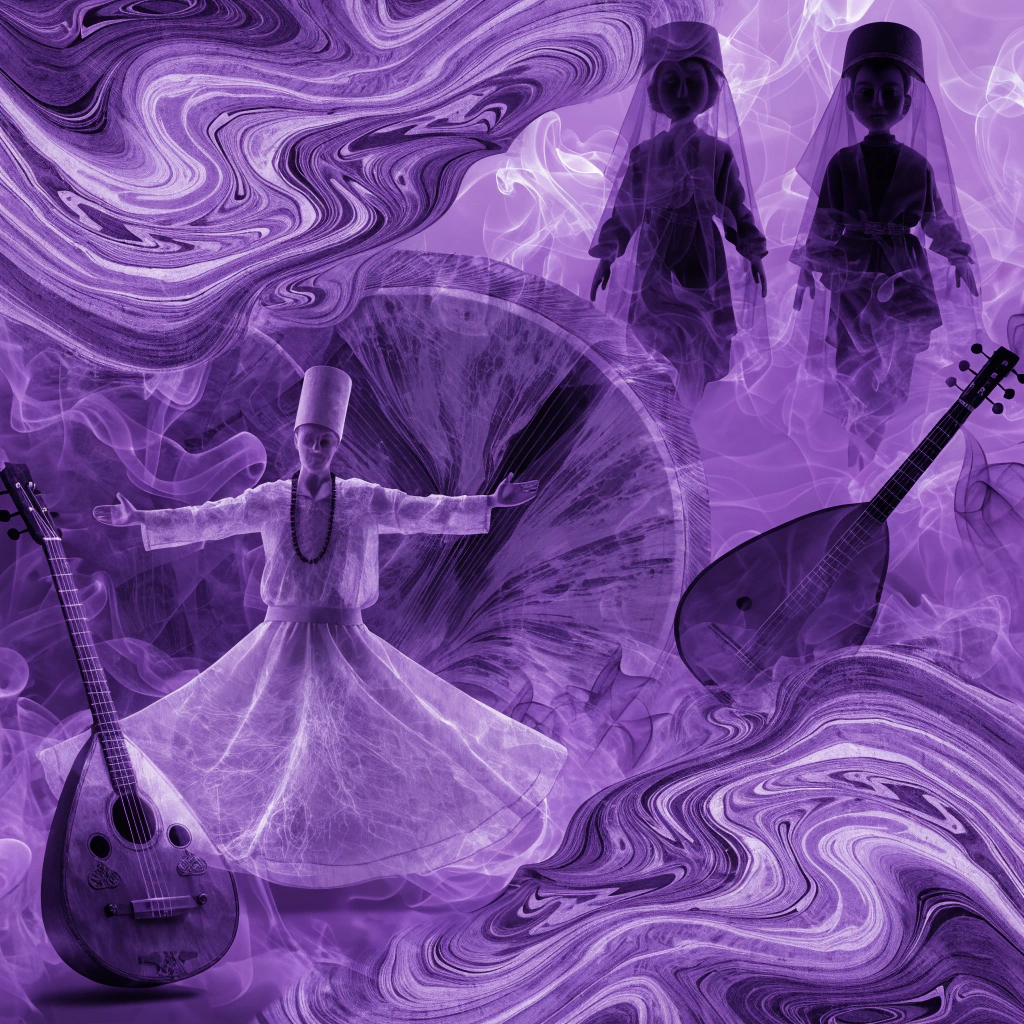
Ebru: The Beautiful Art of Water
Ebru is a special art from Turkey. People call it paper marbling. It is very beautiful.
Artists use a tray of water. The water is thick. They put colors on the water. They use brushes to make patterns. The colors look like they are dancing.
Then, the artist puts a piece of paper on the water. The pattern goes onto the paper. No two papers are the same. Every piece of art is unique. Ebru is very relaxing. People in Turkey love this old tradition.
نکته دستوری
الگو: Present Simple (to be)
"Ebru is a special art from Turkey."
We use 'is' with singular nouns to describe facts or states. In this sentence, it describes what Ebru is.
الگو: Present Simple (regular verbs)
"Artists use a tray of water."
For plural subjects like 'Artists', we use the base form of the verb. This describes a regular action or habit.
درک خود را بسنجید
10 سوال · A1 مبتدی · 1 پیشنمایش رایگان
آنچه از این مقاله آموختید را بسنجید. به همه سؤالات پاسخ دهید و XP کسب کنید!
Where is Ebru from?
آیا میخواهید آزمون را تمام کنید؟
9 سؤال دیگر منتظر شماست. ثبتنام رایگان کنید تا آزمون کامل را باز کنید و XP کسب کنید!
ثبتنام رایگانقبلاً ثبتنام کردی؟ ورود
جزئیات سؤالات
Where is Ebru from?
پاسخ شما:
پاسخ درست: Turkey
The water used in Ebru is thick.
پاسخ شما:
پاسخ درست: درست
What does 'patterns' mean?
پاسخ شما:
پاسخ درست: Shapes or lines
Every piece of art is _____.
پاسخ شما:
پاسخ درست: unique
Ebru: The Magic of Painting on Water
Ebru is a famous art from Turkey. People often call it "painting on water" because the artist works on a tray of liquid. This liquid is thicker than normal water because it contains a special plant.
The artist uses natural colors and special tools. For example, the brushes are made of wood and horse hair. First, the artist drops colors onto the water. Then, they use a metal tool to move the colors and make patterns like flowers or clouds.
When the pattern is ready, the artist puts a sheet of paper on the water. The colors move to the paper very quickly. Finally, the artist lifts the paper carefully. The result is always a surprise because every painting is unique. No two pieces of Ebru are the same.
In the past, Ebru was important for books and documents. Today, many people learn it because it is relaxing and meditative. It is more difficult than it looks, but it is very fun to try.
نکته دستوری
الگو: Comparatives
"This liquid is thicker than normal water because it contains a special plant."
We use comparatives to compare two different things. For short adjectives, we add '-er' and use the word 'than' after the adjective.
الگو: Sequencing Adverbs
"First, the artist drops colors onto the water."
Words like 'First', 'Then', and 'Finally' show the order of steps in a process. They help the reader understand which action happens first and what follows.
درک خود را بسنجید
11 سوال · A2 مقدماتی · 1 پیشنمایش رایگان
آنچه از این مقاله آموختید را بسنجید. به همه سؤالات پاسخ دهید و XP کسب کنید!
What is Ebru often called?
آیا میخواهید آزمون را تمام کنید؟
10 سؤال دیگر منتظر شماست. ثبتنام رایگان کنید تا آزمون کامل را باز کنید و XP کسب کنید!
ثبتنام رایگانقبلاً ثبتنام کردی؟ ورود
جزئیات سؤالات
What is Ebru often called?
پاسخ شما:
پاسخ درست: Painting on water
The brushes used in Ebru are made of plastic.
پاسخ شما:
پاسخ درست: نادرست
What does 'unique' mean?
پاسخ شما:
پاسخ درست: Only one of its kind
The artist puts a sheet of _____ on the water.
پاسخ شما:
پاسخ درست: paper
Why is every Ebru painting a surprise?
پاسخ شما:
پاسخ درست: Because every piece is unique
Ebru: The Beautiful Art of Dancing Water
Ebru is a traditional Turkish art form that has fascinated people for centuries. It is often described as the 'dance of colors on water.' This unique technique involves creating colorful patterns by sprinkling natural pigments onto a tray of oily, thick water. Once the design is finished, it is carefully transferred to a sheet of paper.
The process of Ebru requires great patience and skill. First, the artist prepares the water by adding a special substance to make it thick. Then, the colors, which are made from natural earth and minerals, are dropped onto the surface. The artist uses brushes that are made from horsehair and rose branches to move the paint. Because the water is thick, the colors do not mix completely, allowing the artist to create beautiful shapes like flowers or clouds.
Since the patterns on the water’s surface move constantly, every piece of Ebru is unique. It is impossible to replicate the exact same design twice. For many artists, Ebru is more than just a decorative technique; it is a meditative practice. They believe that the art reflects the uniqueness of creation.
In recent years, Ebru has become popular all over the world. It has been added to the UNESCO list of Intangible Cultural Heritage because of its historical importance. Many students have started to learn this craft to connect with Turkish culture. Whether you are an expert or a beginner, the magic of seeing colors float on water is an experience that you will never forget.
نکته دستوری
الگو: Passive Voice
"It is often described as the 'dance of colors on water.'"
The passive voice is used when the action is more important than the person doing it. It is formed using the verb 'to be' followed by the past participle.
الگو: Present Perfect
"Ebru has fascinated people for centuries."
This tense is used for actions that started in the past and are still relevant or continuing now. It is formed with 'have/has' and the past participle.
درک خود را بسنجید
11 سوال · B1 متوسط · 1 پیشنمایش رایگان
آنچه از این مقاله آموختید را بسنجید. به همه سؤالات پاسخ دهید و XP کسب کنید!
What is the primary surface used to create the patterns in Ebru before they are put on paper?
آیا میخواهید آزمون را تمام کنید؟
10 سؤال دیگر منتظر شماست. ثبتنام رایگان کنید تا آزمون کامل را باز کنید و XP کسب کنید!
ثبتنام رایگانقبلاً ثبتنام کردی؟ ورود
جزئیات سؤالات
What is the primary surface used to create the patterns in Ebru before they are put on paper?
پاسخ شما:
پاسخ درست: Thick, oily water
The brushes used in Ebru are made from synthetic plastic materials.
پاسخ شما:
پاسخ درست: نادرست
What does the word 'replicate' mean?
پاسخ شما:
پاسخ درست: To make an exact copy
Since the patterns on the water’s _____ move constantly, every piece of Ebru is unique.
پاسخ شما:
پاسخ درست: surface
Why was Ebru added to the UNESCO list?
پاسخ شما:
پاسخ درست: Because of its historical importance
Ebru: The Spiritual Art of Dancing Water
Ebru, often referred to as the 'dance of colors on water,' is a traditional Turkish art form that transcends mere decoration. This intricate technique involves floating natural pigments on a tray of viscous liquid, typically thickened with a substance known as kitre. Artists then manipulate these colors using specialized tools, such as horsehair brushes and metal needles, to create mesmerizing patterns that are subsequently transferred onto paper. While the origins of Ebru remain a subject of historical debate, it flourished significantly within the Ottoman Empire, where it was utilized for both aesthetic purposes and the protection of official documents against forgery. Because every pattern is unique, it was impossible to replicate a marbled background, making it an ideal security feature for state records.
The process of Ebru is as much a spiritual journey as it is a physical craft. Practitioners emphasize that the art requires immense patience and a deep connection with the materials. Because the liquid surface is constantly in motion, the artist must work in harmony with the water rather than attempting to control it completely. This philosophy reflects the Islamic concept of the uniqueness of creation; since the environmental conditions and the artist's movements can never be perfectly replicated, every single Ebru sheet is a unique masterpiece that can never be duplicated. It is this element of surprise and surrender to the divine will that defines the Ebru experience.
Furthermore, the materials used in Ebru are entirely natural, which highlights the art's organic roots. Pigments are derived from earth and minerals, while the brushes are traditionally made from rosewood and horsehair. This reliance on nature reinforces the meditative quality of the practice, allowing the artist to escape the pressures of modern life. In recent years, there has been a global resurgence of interest in Ebru, leading to its inclusion on the UNESCO Representative List of the Intangible Cultural Heritage of Humanity. This recognition has helped ensure that the traditional methods are preserved for future generations.
Despite the rise of digital art, Ebru continues to thrive as a symbol of cultural identity and spiritual reflection. It serves as a bridge between the past and the present, reminding us that true beauty often lies in the ephemeral and the irreproducible. For those who witness an Ebru master at work, the experience is often described as hypnotic, offering a rare glimpse into a world where art and soul become one. Ultimately, Ebru is not just about making paper; it is about capturing a fleeting moment of beauty that will never exist in the exact same way again.
نکته دستوری
الگو: Passive Voice
"Ebru, often referred to as the 'dance of colors on water,' is a traditional Turkish art form..."
The passive voice is used here to focus on the art form itself rather than who is naming it. It is formed using the verb 'to be' and the past participle of the main verb.
الگو: Relative Clauses
"...to create mesmerizing patterns that are subsequently transferred onto paper."
The relative pronoun 'that' introduces a clause that provides essential information about the 'patterns'. This structure allows for more complex and descriptive sentences.
الگو: Present Perfect
"In recent years, there has been a global resurgence of interest in Ebru..."
The present perfect is used to describe an action or state that started in the past and continues to have relevance or effect in the present. It is formed using 'has/have' + past participle.
درک خود را بسنجید
11 سوال · B2 بالاتر از متوسط · 1 پیشنمایش رایگان
آنچه از این مقاله آموختید را بسنجید. به همه سؤالات پاسخ دهید و XP کسب کنید!
Why was Ebru historically used on official documents?
آیا میخواهید آزمون را تمام کنید؟
10 سؤال دیگر منتظر شماست. ثبتنام رایگان کنید تا آزمون کامل را باز کنید و XP کسب کنید!
ثبتنام رایگانقبلاً ثبتنام کردی؟ ورود
جزئیات سؤالات
Why was Ebru historically used on official documents?
پاسخ شما:
پاسخ درست: As a security measure to prevent forgery
Ebru patterns can be perfectly duplicated if the artist is skilled enough.
پاسخ شما:
پاسخ درست: نادرست
What does 'ephemeral' mean in the context of the article?
پاسخ شما:
پاسخ درست: Lasting for a very short time
Ebru serves as a _____ between the past and the present.
پاسخ شما:
پاسخ درست: bridge
What is 'kitre' used for in the Ebru process?
پاسخ شما:
پاسخ درست: To thicken the water
The Ephemeral Masterpiece: Deciphering the Ontological Significance of Ebru
In the vast tapestry of traditional Turkish arts, Ebru, or paper marbling, stands as a profound manifestation of the synthesis between human intent and the fluid capriciousness of nature. Often heralded as the 'dance of colors on water,' Ebru transcends mere decorative utility, positioning itself as a meditative pursuit that probes the depths of spiritual transcendence. The process begins with a tray filled with viscous water, typically thickened by 'kitre' (tragacanth gum), which serves as a liquid canvas for natural pigments. Seldom does an art form demand such meticulous preparation; the artist must meticulously harmonize the density of the water with the chemical weight of the ox-gall-infused paints to ensure the colors float rather than sink.
The allure of Ebru lies in its precarious balance between control and chaos. As the artist drops pigments onto the surface, they expand in concentric circles, creating a vibrant, yet delicate, topography of color. Through the nuanced use of horsehair brushes and metal needles, these patterns are manipulated into intricate floral motifs—most notably the tulip, which carries significant theological symbolism—or abstract swirls. It is the inherent unpredictability of the medium that mirrors the Islamic perception of the cosmos—a world in constant flux where no two moments, and no two patterns, are ever identical. Every transfer of the design onto paper represents a singular, unrepeatable event, an ephemeral masterpiece that captures a fleeting intersection of time and motion. This lack of reproducibility is not viewed as a flaw but as a celebration of the uniqueness of creation.
Furthermore, the meticulousness of the preparation process underscores the artist’s patience and humility. The master-apprentice (usta-çırak) relationship in Ebru is not merely about technical instruction but the transmission of an entire philosophical worldview. The apprentice learns that the water is not a passive recipient but a collaborator with its own agency. This ontological perspective challenges the traditional Western dichotomy of subject and object, suggesting instead a symbiotic relationship between the creator and the elements. Never before has the role of the artist been so intertwined with the physical properties of their tools, requiring a state of 'flow' that is as much psychological as it is physical.
In the contemporary era, characterized by the sterile precision of digital reproducibility, the cultural and spiritual value of Ebru has only intensified. While modern technology can simulate the aesthetic of marbling through algorithms, it cannot replicate the spiritual resonance or the sensory depth of the manual process. The tactile engagement with natural materials—earth pigments, rose branches, and horsehair—provides a grounding experience in an increasingly virtual world. Thus, Ebru remains a vital cultural pillar, reminding us of the beauty found in imperfection and the profound depth of traditional artistry. Ultimately, what Ebru offers is a glimpse into the divine order through the lens of human creativity, proving that the most enduring art is often that which is most fleeting.
نکته دستوری
الگو: Inversion
"Seldom does an art form demand such meticulous preparation; the artist must meticulously harmonize the density of the water."
Inversion is used here by placing 'Seldom' at the start of the sentence for emphasis. This requires the auxiliary verb 'does' to come before the subject 'an art form', creating a formal and dramatic tone.
الگو: Cleft Sentence
"It is the inherent unpredictability of the medium that mirrors the Islamic perception of the cosmos."
This 'It is... that' cleft sentence focuses the reader's attention on the 'inherent unpredictability' as the primary cause. It is used to highlight a specific element within a complex argument.
الگو: Nominalisation
"The meticulousness of the preparation process underscores the artist’s patience and humility."
The adjective 'meticulous' is turned into the noun 'meticulousness'. This allows the writer to treat a quality as a concept or subject, which is a hallmark of academic and C1 level writing.
درک خود را بسنجید
12 سوال · C1 پیشرفته · 1 پیشنمایش رایگان
آنچه از این مقاله آموختید را بسنجید. به همه سؤالات پاسخ دهید و XP کسب کنید!
According to the article, why is Ebru considered more than just a decorative art?
آیا میخواهید آزمون را تمام کنید؟
11 سؤال دیگر منتظر شماست. ثبتنام رایگان کنید تا آزمون کامل را باز کنید و XP کسب کنید!
ثبتنام رایگانقبلاً ثبتنام کردی؟ ورود
جزئیات سؤالات
According to the article, why is Ebru considered more than just a decorative art?
پاسخ شما:
پاسخ درست: Because it serves as a meditative pursuit probing spiritual transcendence.
The patterns in Ebru can be perfectly replicated if the artist is skilled enough.
پاسخ شما:
پاسخ درست: نادرست
What does 'ephemeral' mean in the context of the article?
پاسخ شما:
پاسخ درست: Lasting for a very short time.
The water used in Ebru must be _____ so that the pigments can float on the surface.
پاسخ شما:
پاسخ درست: viscous
What does the master-apprentice relationship in Ebru primarily transmit?
پاسخ شما:
پاسخ درست: A philosophical worldview and technical instruction.
The article suggests that digital technology cannot replicate the spiritual resonance of Ebru.
پاسخ شما:
پاسخ درست: درست
ابرو: رقص رنگها بر آب و تجلی بیهمتایی آفرینش
ابرو، هنری دیرینه و بینظیر از دیار آناتولی، نه تنها صرفاً یک تکنیک تزیینی برای کاغذ، بلکه تجلیگاه رقص سیال رنگها بر سطح آب است. این هنر که ریشههای عمیق در فرهنگ و معنویت ترکیه دارد، قرنهاست که با ظرافت و زیبایی خیرهکننده خود، چشمان هر بینندهای را مسحور میسازد. ماهیت اصلی ابرو در خلق نقوش منحصر به فرد و تکرارناپذیر نهفته است که گویی هر بار، قصهای نو از بیکرانگی هستی را روایت میکند. در واقع، ابرو فراتر از یک صنعت دستی، فلسفهای عمیق را در خود جای داده که در آن، هنرمند با طبیعت و عناصر آن در تعامل است تا تصویری از یگانگی و تنوع آفرینش را به منصه ظهور برساند.
فرایند خلق ابرو، خود مستلزم مهارتی مثالزدنی و تمرکزی بیبدیل است. هنرمند ابتدا مایعی چسبناک و غلیظ را در سینی مخصوصی آماده میکند که معمولاً از صمغ گیاهی (مانند کتیرا) و آب تشکیل شده است. سپس، رنگهای طبیعی حاوی اکسیدهای معدنی و جوهر گال (صفراوی که به پراکندگی رنگ کمک میکند) با دقت فراوان بر سطح این مایع پاشیده میشوند. اینجاست که معجزه آغاز میگردد؛ رنگها، به دلیل کشش سطحی آب و خاصیت گال، به آرامی بر سطح گسترده شده و به شکلی سیال به حرکت درمیآیند. با استفاده از ابزارهای ظریف نظیر سوزنها و شانههای مخصوص، هنرمند به رنگها جهت میدهد، آنها را در هم میآمیزد و نقوش بدیع و خیالانگیزی را پدید میآورد. این مرحله، اوج خلاقیت و شهود هنرمند است، چرا که هر حرکت، نقشی نو و غیرقابل پیشبینی را رقم میزند.
یکی از ابعاد شگرف ابرو، بُعد تأملی و معنوی آن است. این هنر، آینهای است برای انعکاس مفهوم اسلامی "وحدت در کثرت" و بیهمتایی هر لحظه از آفرینش. از آنجایی که هیچ دو قطره رنگی به یک شکل بر آب نمینشینند و هیچ دو حرکتی عیناً تکرار نمیشوند، هر اثر ابرو، تمثالی منحصر به فرد از زمان و مکان خود است. هنرمند در حین کار، در یک حالت مراقبهگونه فرو میرود؛ او نه تنها خالق یک اثر هنری است، بلکه واسطهای است که اجازه میدهد زیبایی ازلی و ابدی از طریق دستهای او متجلی شود. این تمرین، نه تنها مهارتهای فنی را تقویت میکند، بلکه به پرورش صبر، فروتنی و درک عمیقتر از جریان هستی نیز کمک شایانی میکند.
تاریخچه ابرو به قرنها پیش بازمیگردد و اگرچه خاستگاه دقیق آن مورد بحث است، اما شواهد حاکی از آن است که این هنر از آسیای مرکزی به ایران و سپس از طریق جاده ابریشم به آناتولی راه یافته و در دوران عثمانی به اوج شکوفایی خود رسیده است. در آن زمان، ابرو نه تنها برای تزیین کتابها و اسناد رسمی به کار میرفت، بلکه نقشی کلیدی در محافظت از متون مهم در برابر جعل ایفا میکرد، زیرا تکرار دقیق یک طرح ابرو عملاً ناممکن بود. اهمیت فرهنگی و هنری ابرو به حدی است که در سال ۲۰۱۴، سازمان یونسکو این هنر را به عنوان "میراث فرهنگی ناملموس بشریت" به رسمیت شناخت، اقدامی که به حفظ و ترویج این گنجینه بیبدیل کمک شایانی کرده است.
امروزه، ابرو نه تنها به عنوان یک هنر سنتی ارزشمند، بلکه به عنوان منبع الهام برای هنرمندان معاصر در سراسر جهان شناخته میشود. سیالیت، پویایی و طیف بینظیر رنگها در هر اثر ابرو، قابلیتهای بیپایانی برای بیان هنری فراهم میآورد. چالش اصلی در عصر حاضر، تداوم بخشیدن به اصالت این هنر در کنار نوآوری و تطبیق آن با ذائقههای مدرن است. با این حال، ماهیت تأملی و زیباییشناختی ابرو، آن را از گذر زمان مصون داشته و همچنان به عنوان نمادی از تعامل انسان با طبیعت و جستجوی زیبایی در بینظمیهای ظاهری، پابرجاست. میتوان گفت که ابرو، بیش از آنکه یک تصویر ثابت باشد، روایتی زنده از لحظهای گذرا و در عین حال ابدی است؛ رقص بیبدیل رنگها که هر بار، روح تازهای به کالبد کاغذ میبخشد.
نکته دستوری
الگو: استفاده از جملات موصولی پیچیده با "که"
"این هنر که ریشههای عمیق در فرهنگ و معنویت ترکیه دارد، قرنهاست که با ظرافت و زیبایی خیرهکننده خود، چشمان هر بینندهای را مسحور میسازد."
این ساختار برای افزودن اطلاعات تکمیلی و تفصیلی درباره یک اسم یا عبارت به کار میرود. "که" در اینجا نقش ضمیر موصولی را ایفا میکند و جمله بعد از آن، ویژگی یا توضیحی را برای جزء قبل از "که" بیان میکند. استفاده از این جملات به افزایش پیچیدگی و غنای متن کمک میکند و در نوشتار آکادمیک رایج است.
الگو: کاربرد مصدر مرکب و اسم مصدر در نقشهای مختلف
"فرایند خلق ابرو، خود مستلزم مهارتی مثالزدنی و تمرکزی بیبدیل است."
در سطح C2، استفاده از اسم مصدرها (مانند "خلق" از فعل "خلق کردن") و اسمهای مشتق شده از افعال (مانند "مهارت" از "ماهر بودن") برای ایجاد جملات فشردهتر و رسمیتر رایج است. این ساختارها امکان میدهند تا افعال به صورت اسمی درآمده و در نقش فاعل، مفعول یا متمم به کار روند، که به روانی و فخامت متن میافزاید.
الگو: کاربرد "از آنجایی که" برای بیان علت و معلول
"از آنجایی که هیچ دو قطره رنگی به یک شکل بر آب نمینشینند و هیچ دو حرکتی عیناً تکرار نمیشوند، هر اثر ابرو، تمثالی منحصر به فرد از زمان و مکان خود است."
این عبارت برای معرفی یک بند علت یا دلیل به کار میرود و نشاندهنده رابطه مستقیم علت و معلول بین دو بخش جمله است. استفاده از "از آنجایی که" به جای "چون" یا "زیرا" به متن لحنی رسمیتر و آکادمیکتر میبخشد و برای تحلیل و استدلال مناسب است و به ساختار جملات پیچیدگی میبخشد.
درک خود را بسنجید
12 سوال · C2 تسلط · 1 پیشنمایش رایگان
آنچه از این مقاله آموختید را بسنجید. به همه سؤالات پاسخ دهید و XP کسب کنید!
ماهیت اصلی هنر ابرو چیست؟
آیا میخواهید آزمون را تمام کنید؟
11 سؤال دیگر منتظر شماست. ثبتنام رایگان کنید تا آزمون کامل را باز کنید و XP کسب کنید!
ثبتنام رایگانقبلاً ثبتنام کردی؟ ورود
جزئیات سؤالات
ماهیت اصلی هنر ابرو چیست؟
پاسخ شما:
پاسخ درست: خلق نقوش منحصر به فرد و تکرارناپذیر
هنرمند ابرو در حین کار، در یک حالت مراقبهگونه فرو میرود.
پاسخ شما:
پاسخ درست: درست
"مستلزم" در متن به چه معناست؟
پاسخ شما:
پاسخ درست: نیازمند به
سازمان یونسکو در سال ۲۰۱۴، هنر ابرو را به عنوان میراث فرهنگی _____ بشریت به رسمیت شناخت.
پاسخ شما:
پاسخ درست: ناملموس
کدام یک از مواد زیر برای کمک به پراکندگی رنگها در هنر ابرو استفاده میشود؟
پاسخ شما:
پاسخ درست: جوهر گال
ابرو در دوران عثمانی تنها برای تزیین کتابها کاربرد داشت.
پاسخ شما:
پاسخ درست: نادرست

