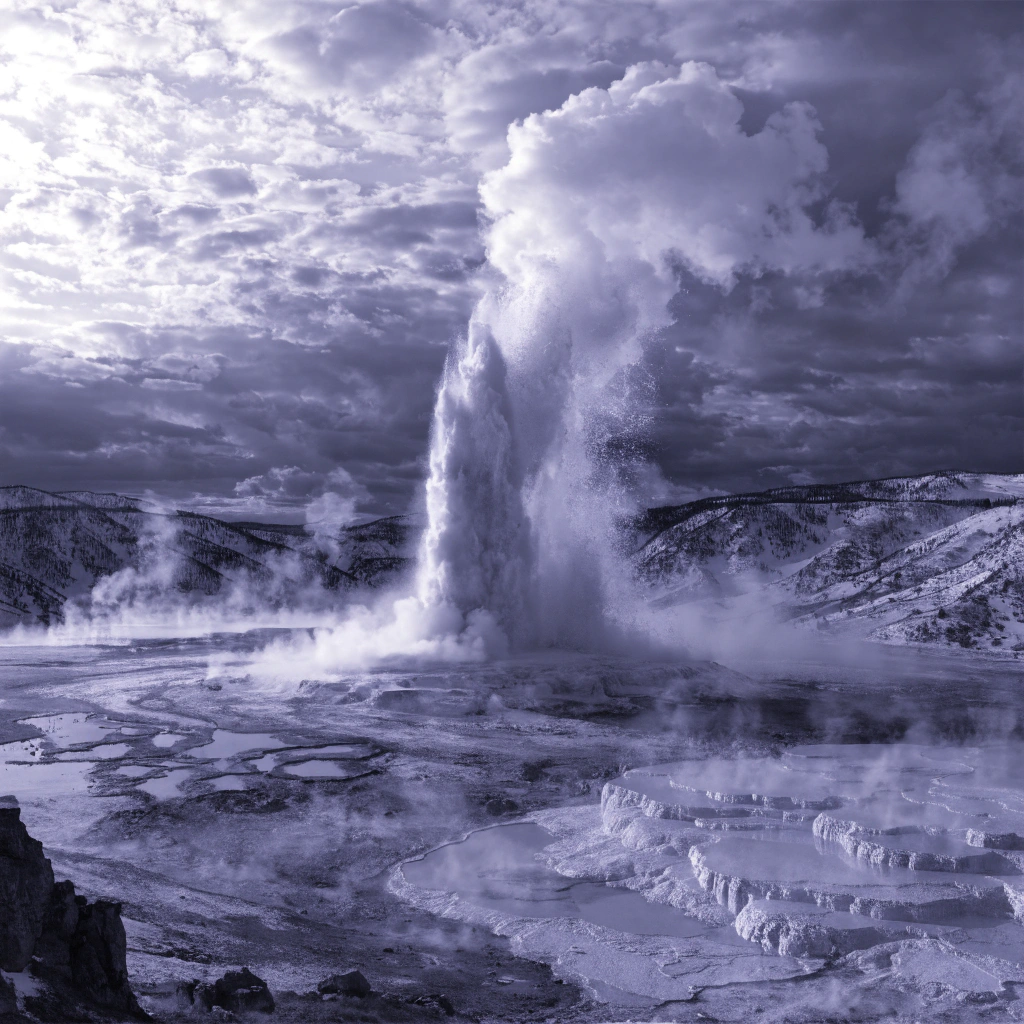
A Famous Park: Yellowstone
Yellowstone is a very big park in the USA. It is in three states: Wyoming, Montana, and Idaho. It is the first national park in the world. It is very old. There are many hot springs and geysers. One geyser is called Old Faithful. It is very famous. Many animals live there. You can see bears, wolves, and bison. The park is beautiful in summer and winter. Many people visit the park every year. They like to take photos of the nature. It is a special place.
व्याकरण स्पॉटलाइट
पैटर्न: Present Simple 'be'
"It is the first national park in the world."
We use 'is' with the subject 'it' to describe facts. This is the most common verb in English for descriptions.
पैटर्न: Plural Nouns
"Many animals live there."
To make a noun plural, we usually add 's' to the end of the word. For example, 'animal' becomes 'animals'.
अपनी समझ जाँचें
10 सवाल · A1 शुरुआती · 1 मुफ्त प्रीव्यू
इस लेख से आपने जो सीखा उसकी जाँच करें। सभी सवालों के जवाब दें और XP कमाएँ!
Where is Yellowstone National Park?
क्या आप क्विज़ समाप्त करना चाहते हैं?
9 और सवाल आपका इंतज़ार कर रहे हैं। पूरा क्विज़ अनलॉक करने और XP कमाने के लिए मुफ्त साइन अप करें!
मुफ़्त साइन अप करोपहले से अकाउंट है? साइन इन करो
बहुत बढ़िया!
अभ्यास जारी रखें!
पहले से पूर्ण — कोई अतिरिक्त XP नहीं
XP कमाने के लिए साइन अप करोसवालों का विवरण
Where is Yellowstone National Park?
आपका जवाब:
सही जवाब: In the USA
Yellowstone is the first national park in the world.
आपका जवाब:
सही जवाब: सही
What does 'beautiful' mean?
आपका जवाब:
सही जवाब: Very pretty
Many _____ live there.
आपका जवाब:
सही जवाब: animals
Yellowstone: The World's First National Park
Yellowstone is a very famous place in the United States. It became the first national park in the world on March 1, 1872. The park is very large and beautiful. It is in three states: Wyoming, Montana, and Idaho. Many people visit it every year because they love the fresh air and the trees.
There is a huge volcano under the ground. This volcano makes the water in the park very hot. You can see hot steam and colorful pools of water everywhere. One famous geyser is "Old Faithful." It shoots hot water into the air many times a day. It is more exciting than a normal fountain in a city.
Yellowstone is also a home for many animals. You can see big bears, wolves, and bison walking near the roads. The park is bigger than some small countries. Visitors must be careful because the animals are wild and strong. It is important to keep the park clean and safe for everyone.
व्याकरण स्पॉटलाइट
पैटर्न: Past Simple
"It became the first national park in the world on March 1, 1872."
We use the past simple for finished actions in the past. To form it with irregular verbs, we use the past form like 'became' instead of 'become'.
पैटर्न: Comparatives
"The park is bigger than some small countries."
We use comparatives to compare two things. For short adjectives like 'big', we add '-er' and use the word 'than'.
अपनी समझ जाँचें
11 सवाल · A2 बिगिनर · 1 मुफ्त प्रीव्यू
इस लेख से आपने जो सीखा उसकी जाँच करें। सभी सवालों के जवाब दें और XP कमाएँ!
Where is Yellowstone National Park located?
क्या आप क्विज़ समाप्त करना चाहते हैं?
10 और सवाल आपका इंतज़ार कर रहे हैं। पूरा क्विज़ अनलॉक करने और XP कमाने के लिए मुफ्त साइन अप करें!
मुफ़्त साइन अप करोपहले से अकाउंट है? साइन इन करो
बहुत बढ़िया!
अभ्यास जारी रखें!
पहले से पूर्ण — कोई अतिरिक्त XP नहीं
XP कमाने के लिए साइन अप करोसवालों का विवरण
Where is Yellowstone National Park located?
आपका जवाब:
सही जवाब: In the United States
Yellowstone was the first national park in the world.
आपका जवाब:
सही जवाब: सही
What does 'wild' mean?
आपका जवाब:
सही जवाब: Living in nature and not controlled by humans
Old Faithful shoots hot _____ into the air.
आपका जवाब:
सही जवाब: water
How many states is the park in?
आपका जवाब:
सही जवाब: Three states
Yellowstone: The World’s First National Park
Yellowstone National Park, which is located in the western United States, is a place of incredible natural beauty. It was established in 1872, making it the first national park in the world. Since then, millions of people have visited this vast wilderness to see its unique features. The park covers parts of Wyoming, Montana, and Idaho, offering a home to many wild animals.
The park is famous for its geothermal activity because it sits on top of a giant sleeping volcano. This heat creates more than 10,000 natural wonders, including colorful hot springs and powerful geysers. Old Faithful, which is the most popular geyser, has erupted regularly for many years. Visitors are often amazed by the steam that rises from the ground.
Wildlife is another reason why people love Yellowstone. Large animals, such as grizzly bears, wolves, and bison, have lived in these forests for centuries. However, visitors are reminded to keep a safe distance from the animals. The park is carefully managed by experts who ensure that the environment is protected.
In recent years, many programs have been started to teach people about conservation. Yellowstone has become a symbol of how nature can be preserved for the future. If you enjoy hiking and exploring the outdoors, this park is a destination that should not be missed. It is truly a treasure that has been kept safe for everyone to enjoy.
व्याकरण स्पॉटलाइट
पैटर्न: The Passive Voice
"It was established in 1872, making it the first national park in the world."
The passive voice is used when the action is more important than who did it. It is formed using the verb 'to be' and the past participle of the main verb.
पैटर्न: Relative Clauses with 'Which'
"Yellowstone National Park, which is located in the western United States, is a place of incredible natural beauty."
A relative clause gives extra information about a noun. We use 'which' to add details about things or places.
अपनी समझ जाँचें
11 सवाल · B1 मध्यम · 1 मुफ्त प्रीव्यू
इस लेख से आपने जो सीखा उसकी जाँच करें। सभी सवालों के जवाब दें और XP कमाएँ!
Where is Yellowstone National Park located?
क्या आप क्विज़ समाप्त करना चाहते हैं?
10 और सवाल आपका इंतज़ार कर रहे हैं। पूरा क्विज़ अनलॉक करने और XP कमाने के लिए मुफ्त साइन अप करें!
मुफ़्त साइन अप करोपहले से अकाउंट है? साइन इन करो
बहुत बढ़िया!
अभ्यास जारी रखें!
पहले से पूर्ण — कोई अतिरिक्त XP नहीं
XP कमाने के लिए साइन अप करोसवालों का विवरण
Where is Yellowstone National Park located?
आपका जवाब:
सही जवाब: In parts of Wyoming, Montana, and Idaho
Yellowstone was the first national park to be created in the world.
आपका जवाब:
सही जवाब: सही
What does the word 'erupted' mean in the context of a geyser?
आपका जवाब:
सही जवाब: To explode with steam and water
The park sits on top of a giant sleeping _____, which provides heat for the geysers.
आपका जवाब:
सही जवाब: volcano
What is 'Old Faithful'?
आपका जवाब:
सही जवाब: A popular geyser
येलोस्टोन राष्ट्रीय उद्यान: प्रकृति का एक अद्वितीय चमत्कार
येलोस्टोन राष्ट्रीय उद्यान, जिसे 1 मार्च, 1872 को स्थापित किया गया था, संयुक्त राज्य अमेरिका के व्योमिंग राज्य के उत्तर-पश्चिमी कोने में स्थित एक विशाल और अछूता वन्यजीव क्षेत्र है, जो मोंटाना और इडाहो राज्यों तक फैला हुआ है। इसे विश्व के पहले राष्ट्रीय उद्यान के रूप में वैश्विक स्तर पर मान्यता प्राप्त है, एक ऐसी अवधारणा जिसने प्रकृति के संरक्षण के प्रति मानवीय दृष्टिकोण को मौलिक रूप से बदल दिया। यह उद्यान येलोस्टोन काल्डेरा के ऊपर स्थित है, जो महाद्वीप का सबसे बड़ा सुपरज्वालामुखी है। इसी भूगर्भीय गतिविधि के कारण इस क्षेत्र में 10,000 से अधिक भूतापीय विशेषताएँ पाई जाती हैं, जिनमें प्रसिद्ध गीजर, गर्म झरने और मिट्टी के बर्तन शामिल हैं।
येलोस्टोन की भूतापीय विशेषताएँ, विशेष रूप से 'ओल्ड फेथफुल' गीजर, जो एक निश्चित अंतराल पर जल का फव्वारा छोड़ता है, दुनिया भर से लाखों पर्यटकों को आकर्षित करती हैं। इन प्राकृतिक चमत्कारों का अवलोकन करना अपने आप में एक अविस्मरणीय अनुभव होता है। पार्क का भूदृश्य भी अत्यंत विविध है, जिसमें घने जंगल, अल्पाइन नदियाँ, गहरी घाटियाँ और विशाल घास के मैदान शामिल हैं। इसके अतिरिक्त, यह उद्यान उत्तरी अमेरिका के सबसे बड़े अक्षुण्ण समशीतोष्ण पारिस्थितिकी तंत्रों में से एक है, जो भालू, भेड़ियों, एल्क और बाइसन सहित विभिन्न प्रकार के वन्यजीवों का घर है। यहाँ वन्यजीवों को उनके प्राकृतिक आवास में देखना एक दुर्लभ अवसर प्रदान करता है।
पार्क का संरक्षण न केवल इसकी प्राकृतिक सुंदरता के लिए महत्वपूर्ण है, बल्कि यह वैज्ञानिक अनुसंधान और पर्यावरणीय शिक्षा के लिए भी एक महत्वपूर्ण स्थल है। येलोस्टोन में भूगर्भीय प्रक्रियाओं, पारिस्थितिकी तंत्रों और वन्यजीवों पर गहन अध्ययन किया जाता है, जिससे हमें पृथ्वी के प्राकृतिक इतिहास और उसके भविष्य को समझने में मदद मिलती है। हालांकि, जलवायु परिवर्तन और मानव गतिविधियों के कारण इस अद्वितीय पारिस्थितिकी तंत्र को विभिन्न चुनौतियों का सामना करना पड़ रहा है।
परिणामस्वरूप, येलोस्टोन राष्ट्रीय उद्यान का प्रबंधन इसके नाजुक संतुलन को बनाए रखने और भावी पीढ़ियों के लिए इसके संरक्षण को सुनिश्चित करने के लिए निरंतर प्रयासरत है। आगंतुकों से अपेक्षा की जाती है कि वे पार्क के नियमों का पालन करें, वन्यजीवों से सुरक्षित दूरी बनाए रखें और पर्यावरण को स्वच्छ रखने में सहयोग करें। येलोस्टोन सिर्फ एक पर्यटक स्थल नहीं है, बल्कि यह प्रकृति की शक्ति, सुंदरता और लचीलेपन का एक जीवंत प्रमाण है, जो मानव जाति को प्रकृति के साथ सामंजस्य बिठाकर रहने की प्रेरणा देता है।
व्याकरण स्पॉटलाइट
पैटर्न: पैसिव वॉयस (Passive Voice) – किया गया था
"येलोस्टोन राष्ट्रीय उद्यान, जिसे 1 मार्च, 1872 को स्थापित किया गया था, संयुक्त राज्य अमेरिका के व्योमिंग राज्य के उत्तर-पश्चिमी कोने में स्थित एक विशाल और अछूता वन्यजीव क्षेत्र है।"
यह संरचना तब उपयोग की जाती है जब क्रिया का कर्ता महत्वपूर्ण नहीं होता या अज्ञात होता है, और जोर क्रिया के परिणाम पर होता है। इसे 'क्रिया का कर्म + किया/गया/जाना + था/है/होगा' के रूप में बनाया जाता है।
पैटर्न: संबंधवाचक सर्वनाम (Relative Pronoun) – जो/जिसे
"येलोस्टोन राष्ट्रीय उद्यान, जिसे 1 मार्च, 1872 को स्थापित किया गया था, संयुक्त राज्य अमेरिका के व्योमिंग राज्य के उत्तर-पश्चिमी कोने में स्थित एक विशाल और अछूता वन्यजीव क्षेत्र है, जो मोंटाना और इडाहो राज्यों तक फैला हुआ है।"
ये शब्द (जो, जिसे, जिसका, जहाँ, जब आदि) दो वाक्यों या खंडों को जोड़ते हैं और पहले खंड में वर्णित संज्ञा या सर्वनाम के बारे में अतिरिक्त जानकारी देते हैं। 'जो' आमतौर पर किसी वस्तु या व्यक्ति के लिए, और 'जिसे' किसी व्यक्ति या वस्तु के लिए कर्म कारक में प्रयुक्त होता है।
पैटर्न: के कारण (due to, because of)
"इसी भूगर्भीय गतिविधि के कारण इस क्षेत्र में 10,000 से अधिक भूतापीय विशेषताएँ पाई जाती हैं, जिनमें प्रसिद्ध गीजर, गर्म झरने और मिट्टी के बर्तन शामिल हैं।"
यह एक पोस्टपोज़िशन है जिसका उपयोग किसी घटना या स्थिति के कारण या वजह को व्यक्त करने के लिए किया जाता है। यह अक्सर किसी संज्ञा या सर्वनाम के बाद आता है और 'क्यों' प्रश्न का उत्तर देता है।
अपनी समझ जाँचें
11 सवाल · B2 अपर इंटरमीडिएट · 1 मुफ्त प्रीव्यू
इस लेख से आपने जो सीखा उसकी जाँच करें। सभी सवालों के जवाब दें और XP कमाएँ!
येलोस्टोन राष्ट्रीय उद्यान कब स्थापित किया गया था?
क्या आप क्विज़ समाप्त करना चाहते हैं?
10 और सवाल आपका इंतज़ार कर रहे हैं। पूरा क्विज़ अनलॉक करने और XP कमाने के लिए मुफ्त साइन अप करें!
मुफ़्त साइन अप करोपहले से अकाउंट है? साइन इन करो
बहुत बढ़िया!
अभ्यास जारी रखें!
पहले से पूर्ण — कोई अतिरिक्त XP नहीं
XP कमाने के लिए साइन अप करोसवालों का विवरण
येलोस्टोन राष्ट्रीय उद्यान कब स्थापित किया गया था?
आपका जवाब:
सही जवाब: 1872 में
येलोस्टोन राष्ट्रीय उद्यान केवल व्योमिंग राज्य में स्थित है।
आपका जवाब:
सही जवाब: गलत
'अद्वितीय' शब्द का क्या अर्थ है?
आपका जवाब:
सही जवाब: बेजोड़
यह उद्यान येलोस्टोन _____ के ऊपर स्थित है, जो महाद्वीप का सबसे बड़ा सुपरज्वालामुखी है।
आपका जवाब:
सही जवाब: काल्डेरा
येलोस्टोन में कितनी भूतापीय विशेषताएँ पाई जाती हैं?
आपका जवाब:
सही जवाब: 10,000 से अधिक
येलोस्टोन राष्ट्रीय उद्यान: प्रकृति का एक अनूठा वरदान
संयुक्त राज्य अमेरिका के वायमिंग, मोंटाना और इडाहो राज्यों में फैला येलोस्टोन राष्ट्रीय उद्यान, मार्च 1, 1872 को स्थापित किया गया था। यह न केवल अमेरिका का, बल्कि विश्व का पहला राष्ट्रीय उद्यान होने का गौरव रखता है, जिसने प्रकृति संरक्षण की अवधारणा को एक अभूतपूर्व आयाम दिया। यह एक ऐसा स्थान है जहाँ प्रकृति की अप्रतिम सुंदरता और भूगर्भीय गतिविधियों का अद्भुत संगम देखने को मिलता है, जो इसे पृथ्वी पर कुछ सबसे असाधारण परिदृश्यों में से एक बनाता है।
इस उद्यान का अधिष्ठाता येलोस्टोन काल्डेरा है, जो उत्तरी अमेरिका का सबसे बड़ा सुपरज्वालामुखी कुंड है। इस विशालकाय भूगर्भीय संरचना की उपस्थिति ही पार्क में 10,000 से अधिक भूतापीय विशेषताओं के पीछे का रहस्य है, जिनमें विश्व के आधे से अधिक गीज़र और गर्म झरने शामिल हैं। 'ओल्ड फेथफुल' जैसे प्रसिद्ध गीज़र नियमित अंतराल पर गर्म पानी और भाप का फव्वारा छोड़ते हैं, जो पर्यटकों के लिए एक अविस्मरणीय अनुभव होता है। इन भूतापीय विशेषताओं का होना न केवल एक दर्शनीय स्थल है, बल्कि यह वैज्ञानिकों के लिए पृथ्वी के आंतरिक भूगर्भीय प्रक्रियाओं को समझने का एक महत्वपूर्ण प्रयोगशाला भी है।
येलोस्टोन की पारिस्थितिकी भी उतनी ही विविध और समृद्ध है जितनी इसकी भूगर्भीय संरचना। यह उत्तरी अमेरिका के सबसे बड़े अक्षुण्ण समशीतोष्ण पारिस्थितिकी तंत्रों में से एक है। यहाँ भूरे भालू, ग्रिज़ली भालू, भेड़ियों, बाइसन (अमेरिकी भैंस), एल्क और अन्य वन्यजीवों की एक विस्तृत श्रृंखला निवास करती है। बाइसन और एल्क के झुंड खुले मैदानों में घूमते हुए देखे जा सकते हैं, और पार्क इन प्रजातियों के प्राकृतिक आवास को बनाए रखने में महत्वपूर्ण भूमिका निभाता है। वन्यजीवों का संरक्षण और उनके प्राकृतिक व्यवहार का अवलोकन यहाँ के मुख्य आकर्षणों में से एक है।
पार्क का प्रबंधन और संरक्षण एक जटिल कार्य है। एक ओर जहाँ इसे प्रतिवर्ष लाखों आगंतुक आकर्षित करते हैं, वहीं दूसरी ओर इसकी नाजुक पारिस्थितिकी और भूगर्भीय संरचना को मानवीय हस्तक्षेप से बचाना एक चुनौती है। जलवायु परिवर्तन, बढ़ती पर्यटन संख्या और आसपास के क्षेत्रों में विकास का दबाव पार्क के दीर्घकालिक स्वास्थ्य के लिए महत्वपूर्ण निहितार्थ रखता है। इन चुनौतियों के बावजूद, येलोस्टोन ने सफलतापूर्वक अपनी प्राकृतिक विरासत को बनाए रखा है, और यह भविष्य की पीढ़ियों के लिए प्रकृति संरक्षण के एक प्रतीक के रूप में खड़ा है।
जो बात येलोस्टोन को केवल एक पर्यटन स्थल से कहीं अधिक बनाती है, वह है इसका वैज्ञानिक महत्व और प्रकृति के साथ मानव के संबंध को पुनर्परिभाषित करने की इसकी क्षमता। यह हमें याद दिलाता है कि पृथ्वी पर ऐसे स्थान भी हैं जहाँ प्राकृतिक प्रक्रियाएँ अभी भी अप्रभावित रूप से जारी हैं, और जहाँ हमें केवल दर्शक बनकर इनकी भव्यता का सम्मान करना चाहिए। येलोस्टोन वास्तव में एक जीवित भूगर्भीय संग्रहालय और वन्यजीव अभयारण्य है, जो अपनी भव्यता और रहस्य के साथ हमें मोहित करता रहता है।
व्याकरण स्पॉटलाइट
पैटर्न: नामवाचीकरण (Nominalisation) - 'का होना'
"इन भूतापीय विशेषताओं का होना न केवल एक दर्शनीय स्थल है, बल्कि यह वैज्ञानिकों के लिए पृथ्वी के आंतरिक भूगर्भीय प्रक्रियाओं को समझने का एक महत्वपूर्ण प्रयोगशाला भी है।"
यह संरचना किसी क्रिया या विशेषण को संज्ञा रूप में प्रस्तुत करने के लिए प्रयोग की जाती है, जिससे वाक्य में अधिक औपचारिकता और जटिलता आती है। यहाँ 'होना' क्रिया को 'का' के साथ जोड़कर एक संज्ञा वाक्यांश बनाया गया है, जो पूरे उपवाक्य को एक इकाई के रूप में संदर्भित करता है।
पैटर्न: सापेक्ष सर्वनाम का उपयोग (Cleft Sentence) - 'जो... वह...'
"जो बात येलोस्टोन को केवल एक पर्यटन स्थल से कहीं अधिक बनाती है, वह है इसका वैज्ञानिक महत्व और प्रकृति के साथ मानव के संबंध को पुनर्परिभाषित करने की इसकी क्षमता।"
यह पैटर्न किसी विशेष जानकारी या विचार पर जोर देने के लिए प्रयोग किया जाता है। 'जो' से शुरू होने वाला उपवाक्य मुख्य बात को प्रस्तुत करता है, और 'वह' के बाद आने वाला उपवाक्य उस बात की व्याख्या या परिणाम देता है। यह वाक्य को अधिक प्रभावशाली और स्पष्ट बनाता है।
पैटर्न: अधिकरण कारक के साथ 'के बावजूद'
"इन चुनौतियों के बावजूद, येलोस्टोन ने सफलतापूर्वक अपनी प्राकृतिक विरासत को बनाए रखा है, और यह भविष्य की पीढ़ियों के लिए प्रकृति संरक्षण के एक प्रतीक के रूप में खड़ा है।"
'के बावजूद' का उपयोग किसी विपरीत परिस्थिति या बाधा के होते हुए भी किसी कार्य के होने या किसी स्थिति के बने रहने को व्यक्त करने के लिए किया जाता है। यह वाक्य में विरोधाभास या छूट का भाव प्रकट करता है, जिससे वाक्य की जटिलता बढ़ती है।
अपनी समझ जाँचें
12 सवाल · C1 उन्नत · 1 मुफ्त प्रीव्यू
इस लेख से आपने जो सीखा उसकी जाँच करें। सभी सवालों के जवाब दें और XP कमाएँ!
येलोस्टोन राष्ट्रीय उद्यान विश्व का पहला राष्ट्रीय उद्यान क्यों कहलाता है?
क्या आप क्विज़ समाप्त करना चाहते हैं?
11 और सवाल आपका इंतज़ार कर रहे हैं। पूरा क्विज़ अनलॉक करने और XP कमाने के लिए मुफ्त साइन अप करें!
मुफ़्त साइन अप करोपहले से अकाउंट है? साइन इन करो
बहुत बढ़िया!
अभ्यास जारी रखें!
पहले से पूर्ण — कोई अतिरिक्त XP नहीं
XP कमाने के लिए साइन अप करोसवालों का विवरण
येलोस्टोन राष्ट्रीय उद्यान विश्व का पहला राष्ट्रीय उद्यान क्यों कहलाता है?
आपका जवाब:
सही जवाब: क्योंकि यह सबसे पुराना है और इसने प्रकृति संरक्षण की नई अवधारणा दी।
येलोस्टोन काल्डेरा उत्तरी अमेरिका का सबसे छोटा सुपरज्वालामुखी कुंड है।
आपका जवाब:
सही जवाब: गलत
'अधिष्ठाता' शब्द का क्या अर्थ है?
आपका जवाब:
सही जवाब: मुख्य नियंत्रक या आधार
येलोस्टोन में 10,000 से अधिक _____ विशेषताएं हैं, जिनमें गीज़र और गर्म झरने शामिल हैं।
आपका जवाब:
सही जवाब: भूतापीय
लेख के अनुसार, येलोस्टोन की पारिस्थितिकी कैसी है?
आपका जवाब:
सही जवाब: उत्तरी अमेरिका के सबसे बड़े अक्षुण्ण समशीतोष्ण पारिस्थितिकी तंत्रों में से एक।
मानवीय हस्तक्षेप और जलवायु परिवर्तन येलोस्टोन पार्क के लिए कोई चुनौती नहीं हैं।
आपका जवाब:
सही जवाब: गलत
The Primordial Tapestry: Yellowstone and the Ontological Shift in Global Conservation
To contemplate the vast expanse of Yellowstone is to engage with a geological palimpsest, where the strata of time are laid bare by the relentless forces of magmatic upheaval and glacial retreat. Established on March 1, 1872, this sanctuary represents not merely a topographical anomaly but a profound shift in the human psyche—the genesis of a global conservationist ethos. One might argue that the park serves as a progenitor for all subsequent environmental stewardship, marking the moment humanity first sought to decouple natural splendor from the inexorable march of industrial utility. Were it not for the foresight of early preservationists, the subterranean wonders and geothermal manifestations of this region might have been consigned to the annals of lost heritage, sacrificed at the altar of unmitigated expansion.
At the heart of Yellowstone’s identity lies the caldera, a supervolcano of such latent volatility that its historical eruptions have reshaped the continent’s very physiognomy. This magmatic crucible fuels more than 10,000 geothermal features, ranging from the rhythmic fidelity of Old Faithful to the prismatic brilliance of the Grand Prismatic Spring. Such phenomena are not merely aesthetic marvels; they are windows into the primordial conditions of our planet. It is imperative that scientists continue to scrutinize these hydrothermal systems, for they may hold the key to understanding the extremophilic origins of life itself. The confluence of heat, mineral-rich waters, and ancient microbial mats creates an ecosystem of unparalleled complexity, where the boundaries between geology and biology become increasingly porous.
Beyond its subterranean turbulence, Yellowstone serves as a critical laboratory for studying the trophic cascade. The reintroduction of the gray wolf in the 1990s—a decision as controversial as it was ecologically transformative—demonstrated the profound impact of apex predators on an entire biosphere. By recalibrating the elk populations, the wolves indirectly facilitated the rejuvenation of willow and aspen stands, which in turn provided habitats for songbirds and beavers. This intricate web of interdependence underscores the fragility of endemic species and the necessity of holistic management. Seldom has a single ecological intervention yielded such a comprehensive restructuring of a landscape, suggesting that the restoration of a single keystone species can trigger a systemic renaissance.
However, the park’s current status is not without its existential threats. The paradox of the 'protected wilderness' is that its very popularity can lead to its degradation. Anthropogenic pressures, ranging from the subtle encroachments of climate change to the more visceral impact of mass tourism, necessitate a delicate balancing act. It is recommended that the park administration implement more stringent regulations to mitigate the carbon footprint of visitors while ensuring that the educational value of the park remains accessible. Should the delicate equilibrium between human appreciation and environmental integrity be compromised, we risk transforming these sacred grounds into a mere caricature of the wild.
In conclusion, Yellowstone stands as a testament to the enduring power of the natural world and the capacity of humanity to act as its guardian. It is a place where the ephemeral nature of human life meets the deep time of the Earth. Whether viewed through the lens of geological volatility or the lens of ecological resilience, the park remains an indispensable asset to our collective heritage. As we navigate the uncertainties of the Anthropocene, the lessons gleaned from this wilderness—of humility, interconnectedness, and the necessity of preservation—remain more pertinent than ever. It is through the continued protection of such primordial spaces that we might hope to reconcile our industrial ambitions with our biological roots.
व्याकरण स्पॉटलाइट
पैटर्न: Inverted Conditionals (Type 2/3)
"Were it not for the foresight of early preservationists, the subterranean wonders and geothermal manifestations of this region might have been consigned to the annals of lost heritage."
This structure replaces 'If it were not for' with an inverted 'Were it not for'. It is used in formal or academic English to express a hypothetical condition that did not happen.
पैटर्न: The Subjunctive Mood
"It is imperative that scientists continue to scrutinize these hydrothermal systems."
The subjunctive 'continue' (base form) is used after adjectives of urgency or importance like 'imperative', 'essential', or 'crucial'. It emphasizes necessity rather than fact.
पैटर्न: Negative Inversion for Emphasis
"Seldom has a single ecological intervention yielded such a comprehensive restructuring of a landscape."
By placing a negative adverb like 'Seldom' at the beginning of the sentence, the subject and auxiliary verb are inverted. This creates a rhetorical, emphatic effect common in C2-level prose.
अपनी समझ जाँचें
12 सवाल · C2 महारत · 1 मुफ्त प्रीव्यू
इस लेख से आपने जो सीखा उसकी जाँच करें। सभी सवालों के जवाब दें और XP कमाएँ!
What does the author suggest by calling Yellowstone a 'geological palimpsest'?
क्या आप क्विज़ समाप्त करना चाहते हैं?
11 और सवाल आपका इंतज़ार कर रहे हैं। पूरा क्विज़ अनलॉक करने और XP कमाने के लिए मुफ्त साइन अप करें!
मुफ़्त साइन अप करोपहले से अकाउंट है? साइन इन करो
बहुत बढ़िया!
अभ्यास जारी रखें!
पहले से पूर्ण — कोई अतिरिक्त XP नहीं
XP कमाने के लिए साइन अप करोसवालों का विवरण
What does the author suggest by calling Yellowstone a 'geological palimpsest'?
आपका जवाब:
सही जवाब: The landscape contains visible evidence of different historical and geological eras.
The reintroduction of wolves in Yellowstone only affected the elk population and had no impact on other species.
आपका जवाब:
सही जवाब: गलत
Which word is synonymous with 'the study of the nature of being' in the context of the article?
आपका जवाब:
सही जवाब: Ontological
The historical eruptions of the Yellowstone _____ have significantly altered the continent's physical features.
आपका जवाब:
सही जवाब: caldera
According to the text, what is the 'paradox' of protected wilderness?
आपका जवाब:
सही जवाब: Its popularity and the resulting human presence can damage the very environment being protected.
The author believes that Yellowstone's geothermal features could provide insights into the beginnings of life on Earth.
आपका जवाब:
सही जवाब: सही

