monarchies 30 सेकंड में
- Monarchies are governments led by a king or queen.
- The position is usually hereditary, passing through a family line.
- They can be absolute (total power) or constitutional (limited power).
- The word is the plural form of 'monarchy'.
The term monarchies refers to a specific and ancient system of governance where a single individual, the monarch, serves as the head of state. Historically, this role was often absolute, meaning the king or queen held total power over the law, the military, and the economy. In modern times, however, the concept has evolved significantly. We now distinguish between absolute monarchies, where the ruler still holds significant sway, and constitutional monarchies, where the monarch's role is largely ceremonial and bound by a constitution or parliament. The plural form 'monarchies' is used when discussing multiple such systems across different countries or throughout various historical periods. For instance, one might compare the monarchies of Europe with those of the Middle East to understand how traditional power structures adapt to modern democratic pressures. This word is essential for students of history, political science, and international relations because it encapsulates a wide range of political realities, from the symbolic figureheads in Scandinavia to the powerful ruling families in the Gulf states.
- Political Structure
- A system where authority is typically hereditary and centered around a single royal family.
- Historical Context
- The dominant form of government globally until the rise of republicanism and democracy in the 18th and 19th centuries.
Many European monarchies transitioned into symbolic roles during the twentieth century.
When using this word, it is important to recognize the nuance of 'hereditary' power. Unlike a presidency, which is usually earned through election, monarchies rely on the 'bloodline.' This means that the right to rule is passed from parent to child, often the eldest. This continuity is often cited by supporters of monarchies as a source of national stability, providing a non-partisan symbol of unity that exists above the fray of daily politics. Critics, however, argue that monarchies are outdated and undemocratic, as they grant status based on birth rather than merit. In academic writing, you will often see 'monarchies' paired with adjectives like 'absolute,' 'constitutional,' 'hereditary,' or 'elective' to specify the exact nature of the rule being discussed. Understanding these distinctions is key to using the word correctly in a professional or academic setting.
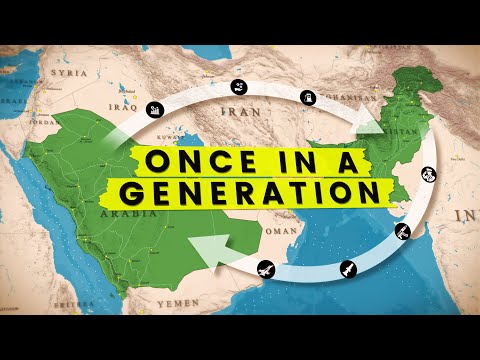
The history of the Middle East includes several powerful monarchies that control vast natural resources.
Scholars often debate why some monarchies survived the age of revolution while others fell.
- Symbolism
- The monarch often represents the historical continuity and identity of the nation.
In fairy tales, monarchies are frequently depicted as either benevolent protectors or tyrannical oppressors.
The abolition of various monarchies after World War I changed the map of Europe forever.
- Modern Examples
- Countries like Japan, Spain, and Thailand maintain their monarchies as vital parts of their national culture.
Using the word monarchies correctly requires an understanding of its plural nature and the political contexts it describes. Because it is a plural noun, it must always be paired with plural verbs (e.g., 'monarchies are,' 'monarchies have'). It is most frequently used when comparing different nations or discussing historical trends. For example, a historian might write, 'The 19th century saw the decline of absolute monarchies across the continent.' Here, the word serves to group various national systems under a single conceptual umbrella. You can also use it to describe the general concept of royal rule in a broad sense, such as 'The study of ancient monarchies reveals much about early human social organization.' In this context, it refers to the collective history of such systems.
- Grammar Tip
- Always use 'monarchies' when referring to more than one kingdom or the general category of royal governments.
During the summit, representatives from various monarchies discussed regional security.
In more casual conversation, you might use 'monarchies' when talking about travel or culture. For instance, 'I am fascinated by the history of European monarchies, so I love visiting old palaces.' In this case, the word is used to describe a specific interest. It is also common in political debates, where someone might say, 'I believe that constitutional monarchies provide a better sense of national identity than republics.' Notice how the word is used to categorize a type of government for the purpose of comparison. When writing, be careful not to confuse 'monarchies' with 'monarchs.' 'Monarchs' refers to the individual people (the kings and queens), while 'monarchies' refers to the systems of government themselves. You would say 'The monarchs met at the palace,' but 'The monarchies of the world are diverse.'
The transition from absolute to constitutional monarchies was often a violent process.
Some people argue that monarchies are an expensive tradition that modern societies no longer need.
- Collocation
- Commonly paired with 'abolished,' 'surviving,' 'hereditary,' and 'ancient.'
The surviving monarchies of the 21st century have had to adapt to social media and transparency.
The lecture focused on the role of monarchies in the development of modern nation-states.
- Formal Writing
- Use 'monarchies' to discuss the institution as a whole rather than specific individuals.
You will encounter the word monarchies in a variety of high-level contexts, ranging from news broadcasts to academic journals. In the news, it is often mentioned during major royal events, such as coronations, royal weddings, or funerals. For example, during the funeral of Queen Elizabeth II, many news outlets ran segments comparing the different 'monarchies of the world' and how they are evolving in the modern era. It is also a staple of political commentary, especially when discussing the governance of countries like Saudi Arabia, Jordan, or Morocco. In these contexts, the word is used to describe the specific political reality of those nations. Furthermore, if you watch documentaries about history—such as those on the BBC or National Geographic—you will hear 'monarchies' used to describe the rise and fall of empires like the Roman, British, or Austro-Hungarian.
- News Media
- Used when reporting on royal families or political changes in kingdoms.
The news report discussed how Middle Eastern monarchies are diversifying their economies.
In literature and entertainment, 'monarchies' is a common term in the fantasy genre. Fans of 'Game of Thrones' or 'The Lord of the Rings' are very familiar with the concept of warring monarchies and the struggle for the throne. In these fictional worlds, the word is used to establish the setting and the stakes of the story. Similarly, in historical fiction, the word helps to ground the narrative in a specific time period where royal power was the norm. In a classroom or university setting, 'monarchies' is a fundamental term in history and political science lectures. Professors use it to categorize different types of states and to explain the transition from feudalism to modern democracy. You might hear a professor say, 'The survival of certain monarchies into the 21st century is a fascinating sociological phenomenon.'
In many fantasy novels, the plot revolves around the collapse of ancient monarchies.
The documentary explored the hidden lives of the people living under absolute monarchies.
- Academic Lectures
- Used to compare political systems and historical eras.
During the history exam, we had to compare the monarchies of France and England.
The travel guide highlighted the architectural legacy of the region's former monarchies.
- Travel & Tourism
- Used when describing palaces, castles, and the history of royal families in a region.
One of the most frequent mistakes learners make with the word monarchies is confusing it with the word 'monarchs.' While they are related, they refer to different things. 'Monarchs' are the people (kings, queens, emperors), whereas 'monarchies' are the systems or countries themselves. For example, it is incorrect to say 'The monarchies were wearing their crowns.' Instead, you should say 'The monarchs were wearing their crowns.' Conversely, you wouldn't say 'The monarchs of Europe were abolished,' but rather 'The monarchies of Europe were abolished.' Another common error is the spelling of the plural form. Because the singular 'monarchy' ends in a consonant followed by 'y,' the 'y' must be changed to 'i' before adding 'es.' Spelling it as 'monarchys' is a common mistake that should be avoided in formal writing.
- Spelling Error
- Incorrect: monarchys. Correct: monarchies.
- Conceptual Error
- Confusing the system (monarchy) with the person (monarch).
Incorrect: Several monarchies attended the royal wedding in London.
Additionally, some learners struggle with the distinction between 'monarchy' and other forms of government like 'empire' or 'dictatorship.' While a monarchy can be an empire (like the British Empire), not all monarchies are empires. Similarly, while an absolute monarchy might look like a dictatorship, the key difference is the hereditary nature of the monarchy. A dictator usually takes power by force or political maneuvering, whereas a monarch inherits it. Using 'monarchies' to describe any form of one-person rule can be imprecise in a political science context. Finally, be careful with the pronunciation. The 'ch' in 'monarchies' is pronounced like a 'k' (/ˈmɒnərkiz/), not like the 'ch' in 'church.' Mispronouncing it can lead to confusion in spoken English.
Correct: The monarchies of the world have different levels of political power.
Incorrect: He studied the monarchies of the Roman emperors (Better: the reigns of the emperors).
- Grammar Check
- Remember that 'monarchies' is plural; ensure your subject and verb agree.
Incorrect: The monarchies is a thing of the past. Correct: Monarchies are a thing of the past.
The student was corrected for writing 'the monarchies power' instead of 'the monarchy's power'.
- Apostrophe Use
- Plural possessive is 'monarchies'', while singular possessive is 'monarchy's'.
To truly master the word monarchies, it is helpful to compare it with similar terms that describe political systems. The most common alternative is 'kingdoms.' While 'monarchies' describes the system of government, 'kingdoms' often refers to the actual territory or land ruled by a king or queen. For example, you might say 'The ancient kingdoms of Africa,' but 'The monarchies of Africa.' Another related term is 'empires.' An empire is a large group of states or countries ruled over by a single supreme authority, often an emperor. While many empires are monarchies, the term 'empire' emphasizes the scale and the diverse territories being ruled. In contrast, 'monarchies' emphasizes the method of rule (by a monarch).
- Kingdoms vs. Monarchies
- 'Kingdoms' refers to the land; 'monarchies' refers to the political system.
- Empires vs. Monarchies
- 'Empires' implies a collection of many territories; 'monarchies' can be small or large.
The monarchies of Southeast Asia have very different traditions than those in Europe.
Other terms to consider are 'autocracies' and 'oligarchies.' An autocracy is a system of government by one person with absolute power, which includes absolute monarchies but also modern dictatorships. An oligarchy is rule by a small group of people. While some monarchies might function like oligarchies (where a royal family rules together), the formal structure is different. In modern political discourse, 'republics' is the direct antonym of 'monarchies.' A republic is a state in which supreme power is held by the people and their elected representatives, and which has an elected or nominated president rather than a monarch. Understanding these distinctions helps you choose the most precise word for your writing. For instance, if you are writing about the democratic nature of a country, you would contrast its 'republican' values with its 'monarchical' history.
The debate between monarchies and republics has lasted for centuries.
Some monarchies are also theocracies, where the ruler is seen as a religious leader.
- Theocracies
- A system where the monarch rules in the name of a god or deity.
The study compared various monarchies to determine which were the most stable.
The transition of ancient monarchies into modern states is a key theme in history.
- Dynasties
- Refers to the sequence of rulers from the same family within monarchies.
How Formal Is It?
रोचक तथ्य
The concept of 'monarchies' is one of the oldest forms of government, with some dating back over 3,000 years to ancient Egypt and Mesopotamia.
उच्चारण मार्गदर्शिका
- Pronouncing 'ch' as in 'church' instead of 'k'.
- Stressing the second syllable (mon-ARCH-ies).
- Pronouncing the 'ies' as 'eyes' instead of 'eez'.
- Muttering the 'r' too much in non-rhotic accents.
- Confusing the spelling with 'monarchys'.
कठिनाई स्तर
The word is common in history and news, making it moderately easy to recognize.
Spelling the plural form and using it in complex political contexts can be challenging.
Pronunciation of the 'ch' as 'k' is the main hurdle for speakers.
Easily understood in context, though it can be confused with 'monarchs'.
आगे क्या सीखें
पूर्वापेक्षाएँ
आगे सीखें
उन्नत
ज़रूरी व्याकरण
Pluralization of nouns ending in -y
monarchy -> monarchies
Subject-verb agreement with plural nouns
The monarchies are stable.
Use of definite articles with specific groups
The monarchies of Europe.
Adjective placement before nouns
Powerful monarchies.
Possessive form of plural nouns ending in -s
The monarchies' histories.
स्तर के अनुसार उदाहरण
The UK and Spain are monarchies.
UK ve İspanya monarşilerdir.
Simple plural subject and verb.
Do all monarchies have kings?
Tüm monarşilerin kralları mı var?
Question form with 'do'.
I like reading about old monarchies.
Eski monarşiler hakkında okumayı severim.
Gerund 'reading' followed by a prepositional phrase.
Monarchies are in many storybooks.
Monarşiler birçok hikaye kitabında vardır.
Basic plural 'are' usage.
Some monarchies are very small.
Bazı monarşiler çok küçüktür.
Adjective 'small' modifying the plural noun.
The monarchies have beautiful palaces.
Monarşilerin güzel sarayları vardır.
Plural 'have' with a plural object.
We learned about monarchies in school.
Okulda monarşiler hakkında bilgi edindik.
Past tense 'learned'.
Are there many monarchies today?
Bugün çok fazla monarşi var mı?
'Are there' for plural existence questions.
European monarchies often have long histories.
Avrupa monarşilerinin genellikle uzun tarihleri vardır.
Adjective 'European' modifying the noun.
Many monarchies changed after the big wars.
Büyük savaşlardan sonra birçok monarşi değişti.
Past tense 'changed'.
He studies the monarchies of the Middle East.
Orta Doğu monarşilerini inceliyor.
Third-person singular 'studies'.
Monarchies usually pass power to the children.
Monarşiler genellikle gücü çocuklara devreder.
Adverb 'usually' modifying the verb 'pass'.
There are still a few monarchies in Asia.
Asya'da hala birkaç monarşi var.
'A few' used with a plural countable noun.
Why do people still support monarchies?
İnsanlar neden hala monarşileri destekliyor?
Question with 'why' and 'do'.
The monarchies in the North are very modern.
Kuzeydeki monarşiler çok moderndir.
Prepositional phrase 'in the North'.
I visited three different monarchies last summer.
Geçen yaz üç farklı monarşiyi ziyaret ettim.
Past tense 'visited' with a number.
Constitutional monarchies limit the power of the king.
Anayasal monarşiler kralın gücünü sınırlar.
Compound noun 'Constitutional monarchies'.
Most modern monarchies are symbolic rather than political.
Çoğu modern monarşi siyasiden ziyade semboliktir.
'Rather than' used for contrast.
The history of these monarchies is very complex.
Bu monarşilerin tarihi çok karmaşıktır.
Singular verb 'is' because the subject is 'history'.
Several monarchies were abolished during the 20th century.
20. yüzyılda birkaç monarşi kaldırıldı.
Passive voice 'were abolished'.
Monarchies can provide a sense of national stability.
Monarşiler ulusal bir istikrar duygusu sağlayabilir.
Modal verb 'can' for possibility.
Comparing different monarchies helps us understand politics.
Farklı monarşileri karşılaştırmak siyaseti anlamamıza yardımcı olur.
Gerund phrase as a subject.
The survival of monarchies depends on public support.
Monarşilerin hayatta kalması halkın desteğine bağlıdır.
Verb 'depends on' with a noun phrase.
In some monarchies, the ruler is also a religious leader.
Bazı monarşilerde hükümdar aynı zamanda dini bir liderdir.
Introductory prepositional phrase.
Absolute monarchies are rare in the contemporary world.
Mutlak monarşiler çağdaş dünyada nadirdir.
Adjective 'contemporary' for timing.
The transition of monarchies to republics was often turbulent.
Monarşilerin cumhuriyetlere geçişi genellikle çalkantılıydı.
Noun 'transition' followed by 'of' and 'to'.
Scholars debate the economic impact of surviving monarchies.
Bilim insanları hayatta kalan monarşilerin ekonomik etkisini tartışıyor.
Present simple for general academic debate.
Hereditary monarchies rely on a clear line of succession.
Verasetle geçen monarşiler net bir halefiyet çizgisine dayanır.
Verb 'rely on' with a specific noun phrase.
Many monarchies have adapted to modern democratic values.
Birçok monarşi modern demokratik değerlere uyum sağlamıştır.
Present perfect 'have adapted'.
The ceremonial roles of monarchies are often misunderstood.
Monarşilerin törensel rolleri genellikle yanlış anlaşılır.
Passive voice 'are misunderstood'.
Some monarchies maintain a high level of influence in diplomacy.
Bazı monarşiler diplomaside yüksek düzeyde nüfuz sahibidir.
Noun 'influence' with 'maintain'.
The legal framework of monarchies varies significantly by country.
Monarşilerin yasal çerçevesi ülkeden ülkeye önemli ölçüde değişir.
Adverb 'significantly' modifying 'varies'.
The legitimacy of monarchies is frequently questioned in the 21st century.
Monarşilerin meşruiyeti 21. yüzyılda sıkça sorgulanmaktadır.
Abstract noun 'legitimacy' as the focus.
Vestigial monarchies often serve as a unifying force during crises.
Kalıntı monarşiler genellikle krizler sırasında birleştirici bir güç görevi görür.
Adjective 'vestigial' to describe something remaining from the past.
The socio-political functions of monarchies extend beyond mere symbolism.
Monarşilerin sosyo-politik işlevleri sadece sembolizmin ötesine geçer.
Verb 'extend beyond' for abstract concepts.
Enlightened monarchies of the 18th century sought to modernize their states.
18. yüzyılın aydınlanmış monarşileri devletlerini modernize etmeye çalıştı.
Historical term 'Enlightened monarchies'.
The interplay between monarchies and parliaments defines British history.
Monarşiler ve parlamentolar arasındaki etkileşim İngiliz tarihini tanımlar.
Noun 'interplay' for complex relationships.
Critics argue that monarchies perpetuate social inequality by their very nature.
Eleştirmenler, monarşilerin doğası gereği sosyal eşitsizliği sürdürdüğünü savunuyor.
Verb 'perpetuate' for continuing a situation.
The restoration of certain monarchies followed periods of republican rule.
Bazı monarşilerin restorasyonu, cumhuriyet yönetimi dönemlerini takip etti.
Noun 'restoration' in a historical context.
Globalized media has transformed how monarchies project their image.
Küreselleşen medya, monarşilerin imajlarını nasıl yansıttıklarını dönüştürdü.
Present perfect 'has transformed'.
The ontological status of the Crown remains a cornerstone of legal theory in many monarchies.
Tacın ontolojik statüsü, birçok monarşide hukuk teorisinin temel taşı olmaya devam etmektedir.
Highly academic 'ontological status'.
The semiotics of royal ritual in modern monarchies reveal deep-seated cultural anxieties.
Modern monarşilerdeki kraliyet ritüellerinin göstergebilimi, köklü kültürel kaygıları ortaya koymaktadır.
Subject-verb agreement with 'semiotics' (plural in this context).
One must analyze the hegemonic influence of historical monarchies to understand current borders.
Mevcut sınırları anlamak için tarihi monarşilerin hegemonik etkisini analiz etmek gerekir.
Formal 'one must' construction.
The constitutional conventions governing monarchies are often unwritten but strictly followed.
Monarşileri yöneten anayasal teamüller genellikle yazılı değildir ancak sıkı bir şekilde takip edilir.
Participial phrase 'governing monarchies'.
The transition from elective to hereditary monarchies marked a significant shift in European feudalism.
Seçimli monarşilerden verasetli monarşilere geçiş, Avrupa feodalizminde önemli bir değişikliğe işaret etti.
Comparison of two types of monarchies.
Scholars critique the legal fictions that sustain the authority of modern monarchies.
Bilim insanları, modern monarşilerin otoritesini sürdüren yasal kurguları eleştiriyor.
Complex noun phrase 'legal fictions'.
The symbolic capital of monarchies is often leveraged for national branding and tourism.
Monarşilerin sembolik sermayesi genellikle ulusal markalaşma ve turizm için kullanılır.
Passive voice 'is leveraged'.
The persistent allure of monarchies in popular culture suggests a lingering fascination with hierarchy.
Popüler kültürde monarşilerin kalıcı cazibesi, hiyerarşiye olan süregelen bir hayranlığı akla getiriyor.
Noun 'allure' with 'persistent'.
सामान्य शब्द संयोजन
सामान्य वाक्यांश
— The end of royal rule in various countries.
The fall of monarchies in the early 20th century changed Europe.
— Bringing back royal rule after it was removed.
The restoration of monarchies often happens after a revolution fails.
— A general term for all existing royal governments.
He wrote a book about the remaining monarchies of the world.
— The chronological study of royal systems.
The history of monarchies is full of drama and intrigue.
— The formal act of ending royal government.
The abolition of monarchies was a key goal of many revolutionaries.
— Royal systems that exist in the present day.
Modern monarchies often focus on charity work.
— A comparison of two main types of royal rule.
The teacher explained the difference between absolute vs constitutional monarchies.
— The function or purpose of royal systems in society.
The role of monarchies has changed significantly over time.
— The lasting impact or influence of royal rule.
The architectural legacy of monarchies is visible in many cities.
— Public approval or backing of royal systems.
Support for monarchies remains high in some countries.
अक्सर इससे भ्रम होता है
Monarchs are the people; monarchies are the systems.
A monastery is a building for monks, unrelated to government.
This is the singular possessive form, not the plural.
मुहावरे और अभिव्यक्तियाँ
— The most valuable or prized part of something.
These monarchies treat their national parks as the crown jewels.
metaphorical— Of very high quality; excellent.
The hospitality in these monarchies is fit for a king.
informal— Very good or special treatment.
Visitors to these monarchies often receive the royal treatment.
informal— The belief that a monarch's power comes directly from God.
Ancient monarchies were often built on the idea of divine right.
historical— The people who have the power in a situation.
In absolute monarchies, the powers that be are very centralized.
neutral— The person who is in the top position.
Historically, these monarchies fought to be king of the hill in Europe.
informal— Secret plans or conspiracies within a government.
The history of monarchies is full of palace intrigue.
neutral— Being of noble or royal birth.
In many monarchies, having blue blood was a requirement for power.
informal— To live in great luxury.
Even today, some rulers in monarchies live like kings.
informal— A humorous or dramatic way to suggest someone should be punished.
In the stories of tyrannical monarchies, the king often says 'off with their heads!'
informal/literaryआसानी से भ्रमित होने वाले
They sound similar and are related to the same topic.
Monarchs refers to the individual rulers (kings/queens), while monarchies refers to the countries or systems of government.
The monarchs (people) of the various monarchies (countries) met for a summit.
Both refer to royal rule.
Kingdoms usually refers to the physical territory, while monarchies refers to the political structure.
The ancient kingdoms were organized as absolute monarchies.
Both involve powerful rulers.
An empire is a collection of many states or territories, while a monarchy can be a single state.
The British Empire consisted of many different monarchies and colonies.
Both are forms of non-democratic government.
An oligarchy is rule by a small group, while a monarchy is formally rule by one person.
Some monarchies function more like oligarchies in practice.
Both involve a single ruler with great power.
Autocracy is a broader term that includes dictatorships, whereas monarchy specifically implies hereditary rule.
Not all autocracies are monarchies; some are military dictatorships.
वाक्य संरचनाएँ
[Country] and [Country] are monarchies.
Spain and Norway are monarchies.
There are many monarchies in [Region].
There are many monarchies in Europe.
Most modern monarchies are [Adjective].
Most modern monarchies are constitutional.
The role of monarchies has [Verb] over time.
The role of monarchies has changed over time.
The legitimacy of monarchies depends on [Noun].
The legitimacy of monarchies depends on public consent.
The semiotics of [Noun] in monarchies reveal [Noun].
The semiotics of ritual in monarchies reveal cultural values.
Comparing [Noun] and monarchies is [Adjective].
Comparing republics and monarchies is interesting.
Monarchies provide a sense of [Noun].
Monarchies provide a sense of continuity.
शब्द परिवार
संज्ञा
क्रिया
विशेषण
संबंधित
इसे कैसे इस्तेमाल करें
Common in historical and political contexts; less common in daily casual speech.
-
Using 'monarchys' as the plural.
→
monarchies
Nouns ending in a consonant + y must change the y to i and add es in the plural.
-
Saying 'The monarchies were wearing crowns.'
→
The monarchs were wearing crowns.
Monarchies refers to the system; monarchs refers to the people who wear crowns.
-
Pronouncing the 'ch' like 'church'.
→
Pronounce it like 'k'.
The word comes from Greek, where the 'ch' (chi) is a hard sound.
-
Using 'monarchy' (singular) with a plural verb.
→
The monarchies are...
Ensure subject-verb agreement. Plural subjects need plural verbs.
-
Confusing 'monarchies' with 'monasteries'.
→
monarchies
Monasteries are for religious monks; monarchies are for royal governments.
सुझाव
Spelling the Plural
Always remember to change the 'y' to 'i' before adding 'es'. This is a standard rule for nouns ending in a consonant + y.
Monarchs vs. Monarchies
Use 'monarchs' for the people and 'monarchies' for the systems. This distinction is important for clarity in your writing.
The Hard 'K'
The 'ch' in monarchies is always pronounced like a 'k'. Practice saying it like 'mon-ark-eez' to avoid common mistakes.
Types of Monarchies
When discussing monarchies, specify if they are 'absolute' or 'constitutional' to show a deeper understanding of the topic.
Academic Tone
In formal essays, use 'monarchies' to discuss the institution's role in history or politics rather than focusing only on individuals.
Key Words
When you hear words like 'throne', 'succession', or 'royal', the speaker is likely discussing monarchies.
Historical Context
In history books, 'monarchies' often refers to the dominant form of government before the 20th century.
Comparison
Use 'monarchies' when comparing the government of the UK with that of Spain or other royal nations.
Mnemonic
Think: 'Many Monarchies' to remember the plural form and the concept of multiple royal systems.
Modern vs. Ancient
Be careful to distinguish between ancient monarchies (often absolute) and modern ones (often ceremonial).
याद करें
स्मृति सहायक
Think of 'MON' (one) and 'ARCH' (ruler). One ruler for many countries = MONARCHIES.
दृश्य संबंध
Imagine a map of the world where several countries have a crown on top of them. These are the monarchies.
Word Web
चैलेंज
Try to name five modern monarchies and write a sentence about each using the word 'monarchies'.
शब्द की उत्पत्ति
The word comes from the Old French 'monarchie', which originated from the Late Latin 'monarchia'. This, in turn, was derived from the Greek 'monarkhia'.
मूल अर्थ: The Greek 'monarkhia' means 'rule of one'. It is composed of 'monos' (alone) and 'arkhein' (to rule).
Indo-European (Greek -> Latin -> French -> English).सांस्कृतिक संदर्भ
Be aware that in some countries, criticizing the monarchy is a legal offense (lèse-majesté).
The British Monarchy is the most famous example in the English-speaking world, often referred to simply as 'The Crown'.
असल ज़िंदगी में अभ्यास करें
वास्तविक संदर्भ
History Class
- The rise of monarchies
- Feudal monarchies
- Absolute rule
- Royal succession
Political News
- Constitutional reform
- Royal wedding
- Head of state
- Public opinion on the monarchy
Travel and Tourism
- Royal palace
- Historical landmark
- Cultural heritage
- Ancient kingdom
Fantasy Literature
- Warring kingdoms
- The rightful heir
- Usurping the throne
- Royal decree
Academic Research
- Comparative politics
- Institutional stability
- Symbolic capital
- Governance models
बातचीत की शुरुआत
"Do you think monarchies are still relevant in the 21st century?"
"Which of the world's monarchies do you find most interesting?"
"How do monarchies in your part of the world differ from those in Europe?"
"Would you prefer to live in a monarchy or a republic?"
"What is the most famous story you know about ancient monarchies?"
डायरी विषय
Write about a time you visited a country that is one of the world's monarchies. What did you notice?
Imagine you are the advisor to one of the historical monarchies. What advice would you give the king?
Compare the pros and cons of monarchies versus republics as systems of government.
How do you think monarchies will change in the next 100 years?
Describe the role of monarchies in your favorite book or movie.
अक्सर पूछे जाने वाले सवाल
10 सवालIn absolute monarchies, the monarch has total power over the government and the law. In constitutional monarchies, the monarch's power is limited by a constitution or parliament, and they often serve a ceremonial role. Most modern monarchies in Europe are constitutional.
Yes, there are about 44 monarchies in the world today. These include well-known ones like the United Kingdom, Japan, and Spain, as well as others like Saudi Arabia, Thailand, and Morocco. They vary greatly in how much power the monarch actually holds.
In most monarchies, power is hereditary, meaning it is passed down through a family line, usually from a parent to their eldest child. However, some are 'elective monarchies,' where the monarch is chosen by a small group of people, like in Malaysia or the Vatican City.
Countries keep monarchies for various reasons, including tradition, national identity, and stability. In many cases, the monarch serves as a non-political symbol that unites the people, even if they have no real power to make laws.
Not exactly. While both involve a single ruler with significant power, a monarchy is usually based on hereditary right and tradition. A dictatorship often involves a ruler who took power by force and does not have a traditional or legal claim to the position.
Yes, many countries have transitioned from monarchies to republics through revolutions, votes, or political reforms. For example, France and Italy were once monarchies but are now republics.
A ceremonial monarchy is one where the king or queen has no real political power. Their job is to represent the country at events, sign laws (as a formality), and act as a symbol of the nation's history and culture.
Hereditary means that the title of monarch is passed from one generation of a family to the next. It is based on birthright rather than being elected or appointed by the people.
No, monarchies are very diverse. Some are very powerful, some are purely symbolic, some are religious, and some are very modern. The way they function depends on the history and laws of each specific country.
The plural of monarchy is 'monarchies'. You change the 'y' to an 'i' and add 'es'. It is used when talking about more than one system or country with a monarch.
खुद को परखो 200 सवाल
Write a paragraph comparing absolute and constitutional monarchies.
Well written! Good try! Check the sample answer below.
Describe the role of monarchies in a fantasy book you have read.
Well written! Good try! Check the sample answer below.
Explain why some countries chose to abolish their monarchies in the 20th century.
Well written! Good try! Check the sample answer below.
Write a short story about a person living in one of the ancient monarchies.
Well written! Good try! Check the sample answer below.
Discuss the pros and cons of hereditary rule in modern monarchies.
Well written! Good try! Check the sample answer below.
Write a letter to a monarch suggesting a change in their country.
Well written! Good try! Check the sample answer below.
Summarize the history of monarchies in your own country or a country you know well.
Well written! Good try! Check the sample answer below.
Argue for or against the relevance of monarchies in the 21st century.
Well written! Good try! Check the sample answer below.
Create a travel guide for tourists visiting the palaces of European monarchies.
Well written! Good try! Check the sample answer below.
Analyze the impact of the French Revolution on the future of monarchies.
Well written! Good try! Check the sample answer below.
Write a dialogue between a supporter of a monarchy and a supporter of a republic.
Well written! Good try! Check the sample answer below.
Describe the symbolic functions of modern ceremonial monarchies.
Well written! Good try! Check the sample answer below.
Explain the etymology of the word 'monarchies' and how its meaning has evolved.
Well written! Good try! Check the sample answer below.
Write a poem about the fall of an ancient monarchy.
Well written! Good try! Check the sample answer below.
Compare the monarchies of Scandinavia with those of the Middle East.
Well written! Good try! Check the sample answer below.
Discuss the role of globalized media in shaping the image of modern monarchies.
Well written! Good try! Check the sample answer below.
Write a news report about a royal wedding in one of the world's monarchies.
Well written! Good try! Check the sample answer below.
Explain the concept of 'divine right' and its role in historical monarchies.
Well written! Good try! Check the sample answer below.
Write an essay on the relationship between monarchies and national identity.
Well written! Good try! Check the sample answer below.
Describe the architectural legacy of monarchies in a city like London or Madrid.
Well written! Good try! Check the sample answer below.
Discuss with a partner: Should monarchies still exist?
Read this aloud:
तुमने कहा:
Speech recognition is not supported in your browser. Try Chrome or Edge.
Give a 2-minute presentation on one of the world's monarchies.
Read this aloud:
तुमने कहा:
Speech recognition is not supported in your browser. Try Chrome or Edge.
Explain the difference between absolute and constitutional monarchies to a friend.
Read this aloud:
तुमने कहा:
Speech recognition is not supported in your browser. Try Chrome or Edge.
Describe a famous monarch from history and their impact on their monarchy.
Read this aloud:
तुमने कहा:
Speech recognition is not supported in your browser. Try Chrome or Edge.
Role-play a debate between a royalist and a republican.
Read this aloud:
तुमने कहा:
Speech recognition is not supported in your browser. Try Chrome or Edge.
Talk about a movie or book that features a monarchy.
Read this aloud:
तुमने कहा:
Speech recognition is not supported in your browser. Try Chrome or Edge.
Explain why you think some people are fascinated by monarchies.
Read this aloud:
तुमने कहा:
Speech recognition is not supported in your browser. Try Chrome or Edge.
Discuss the importance of tradition in modern monarchies.
Read this aloud:
तुमने कहा:
Speech recognition is not supported in your browser. Try Chrome or Edge.
Describe the palaces of a monarchy you have visited or seen in photos.
Read this aloud:
तुमने कहा:
Speech recognition is not supported in your browser. Try Chrome or Edge.
Talk about the role of the monarch in your country (if applicable) or a country you know.
Read this aloud:
तुमने कहा:
Speech recognition is not supported in your browser. Try Chrome or Edge.
Explain the concept of hereditary rule and its challenges.
Read this aloud:
तुमने कहा:
Speech recognition is not supported in your browser. Try Chrome or Edge.
Discuss how monarchies have adapted to the digital age.
Read this aloud:
तुमने कहा:
Speech recognition is not supported in your browser. Try Chrome or Edge.
Talk about the most famous royal wedding you can remember.
Read this aloud:
तुमने कहा:
Speech recognition is not supported in your browser. Try Chrome or Edge.
Explain the term 'ceremonial head of state'.
Read this aloud:
तुमने कहा:
Speech recognition is not supported in your browser. Try Chrome or Edge.
Discuss the relationship between monarchies and tourism.
Read this aloud:
तुमने कहा:
Speech recognition is not supported in your browser. Try Chrome or Edge.
Talk about the fall of a famous monarchy from history.
Read this aloud:
तुमने कहा:
Speech recognition is not supported in your browser. Try Chrome or Edge.
Explain the difference between a kingdom and an empire.
Read this aloud:
तुमने कहा:
Speech recognition is not supported in your browser. Try Chrome or Edge.
Discuss the symbolic power of the crown in various monarchies.
Read this aloud:
तुमने कहा:
Speech recognition is not supported in your browser. Try Chrome or Edge.
Talk about the future of monarchies in the next century.
Read this aloud:
तुमने कहा:
Speech recognition is not supported in your browser. Try Chrome or Edge.
Explain why some monarchies are also theocracies.
Read this aloud:
तुमने कहा:
Speech recognition is not supported in your browser. Try Chrome or Edge.
Listen to a short clip about the British Monarchy and identify two roles of the King.
Listen to a news report about a royal visit and note which countries were mentioned.
Listen to a history lecture on absolute monarchies and list three characteristics.
Listen to a debate on monarchies and identify the main arguments for and against.
Listen to a description of a royal palace and draw a simple map of what you hear.
Listen to a podcast about abolished monarchies and note the dates they ended.
Listen to a conversation about royal weddings and identify the speakers' opinions.
Listen to a lecture on the etymology of political terms and note the origin of 'monarchies'.
Listen to a documentary clip about the Japanese monarchy and identify its symbolic role.
Listen to a discussion on the cost of the monarchy and note the key figures mentioned.
Listen to a story about a fictional king and describe his kingdom.
Listen to an interview with a historian about the French Revolution and note the fate of the monarchy.
Listen to a report on the Commonwealth and the role of the monarch within it.
Listen to a description of royal regalia and identify the items mentioned (crown, scepter, etc.).
Listen to a talk on the survival of monarchies in the modern era and summarize the conclusion.
/ 200 correct
Perfect score!
Summary
Monarchies are a diverse group of political systems where a single person holds a hereditary title as head of state, ranging from the absolute rulers of history to the ceremonial figureheads of modern democracies. Example: 'The surviving monarchies of Europe are often seen as symbols of tradition.'
- Monarchies are governments led by a king or queen.
- The position is usually hereditary, passing through a family line.
- They can be absolute (total power) or constitutional (limited power).
- The word is the plural form of 'monarchy'.
Spelling the Plural
Always remember to change the 'y' to 'i' before adding 'es'. This is a standard rule for nouns ending in a consonant + y.
Monarchs vs. Monarchies
Use 'monarchs' for the people and 'monarchies' for the systems. This distinction is important for clarity in your writing.
The Hard 'K'
The 'ch' in monarchies is always pronounced like a 'k'. Practice saying it like 'mon-ark-eez' to avoid common mistakes.
Types of Monarchies
When discussing monarchies, specify if they are 'absolute' or 'constitutional' to show a deeper understanding of the topic.