mournstead 30 सेकंड में
- A mournstead is a literary term for a place specifically dedicated to mourning and honoring the deceased, combining 'mourn' and 'stead' (place).
- It is primarily used in gothic literature, high fantasy, and archaic poetry to evoke a sense of permanent, localized grief and solemnity.
- Unlike a common cemetery, a mournstead implies a more domestic or ancestral connection, where the atmosphere of the land is defined by loss.
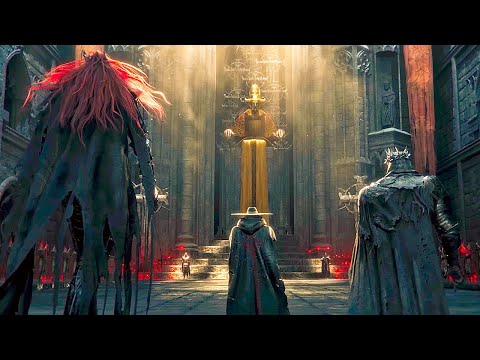
- The word has gained modern recognition through its use as a setting in dark fantasy video games like 'Lords of the Fallen'.
The term mournstead is a evocative, compound noun that bridges the gap between physical architecture and the metaphysical experience of grief. At its core, it refers to a place—a 'stead'—specifically established for the act of mourning. Unlike a cemetery, which is primarily a functional site for the disposal of remains, a mournstead implies a more domestic or localized environment where the living reside with their sorrow, or where the dead are honored through perpetual ritual. It suggests a permanent settlement of sadness, a homestead for the bereaved. In literary contexts, it is often used to describe an ancestral home that has become a monument to those lost, or a specific plot of land in a fantasy setting where the veil between life and death is thin.
- Etymological Root
- The word combines the Old English 'murnan' (to feel deep sorrow) with 'stede' (a place or position), creating a literal 'place of sorrow'.
Historically, the suffix '-stead' appears in common words like 'homestead' or 'farmstead,' indicating a place of production or living. By attaching 'mourn' to this suffix, the speaker transforms the concept of a home into a site of funerary focus. This word is rarely used in casual conversation; rather, it belongs to the realms of high fantasy, gothic horror, and archaic poetry. It carries a weight of solemnity that 'graveyard' or 'tomb' lacks, as it implies that the location itself is defined by the act of remembering the deceased. It is a word of atmosphere, used by writers to evoke a sense of ancient, heavy, and perhaps even magical grief that permeates the very soil of the location.
The fallen kingdom was nothing more than a vast mournstead, where the wind whistled through empty crypts and the living were but shadows of their ancestors.
In modern usage, particularly in video games like 'Lords of the Fallen,' the mournstead serves as a central hub or a significant region. Here, the term takes on a physical reality—a crumbling fortress or a desolate valley where the history of a civilization's collapse is etched into every stone. It serves as a reminder that some places are so defined by loss that they can no longer be called homes or cities; they are simply sites of enduring lamentation. When a character enters a mournstead, they are entering a space where the past is more present than the future, and where the architecture itself serves as a liturgy for the dead.
She walked through the ancestral mournstead, touching the cold marble of the effigies that represented five centuries of her lineage.
- Atmospheric Connotation
- The word evokes images of fog-drenched moors, crumbling stone walls, and a silence so profound it feels heavy.
Furthermore, the concept of a mournstead can be applied metaphorically. A person who dwells excessively on their past failures or lost loved ones might be said to have built a 'mournstead of the mind.' This usage highlights the 'stead' aspect—the idea that grief has become a fixed residence rather than a passing emotion. It is a powerful tool for poets and novelists who wish to describe a state of being where sorrow is the foundation of one's existence. The mournstead is where the heart settles when it refuses to move on from what has been lost.
The poet described his lonely cottage as a mournstead, a place where every creak of the floorboards echoed his wife's name.
Ultimately, to understand a mournstead is to understand the human need to localize memory. We do not just mourn in our heads; we mourn in places. We build shrines, we visit graves, and we preserve rooms exactly as they were. A mournstead is the ultimate expression of this impulse—a dedicated, permanent site where the living and the dead coexist through the medium of grief. It is a word that honors the weight of history and the persistence of love in the face of mortality.
- Cultural Significance
- In many cultures, the 'stead' of the dead is kept separate from the 'stead' of the living to maintain spiritual balance, a concept perfectly captured by this term.
The villagers avoided the mournstead after dusk, fearing the restless spirits that were said to guard the ancient tombs.
He spent his final years as the caretaker of the royal mournstead, polishing the names of kings who had long been forgotten by the world.
Using the word mournstead requires a certain level of linguistic flair and an appreciation for the archaic. Because it is a compound noun, it functions grammatically just like 'homestead' or 'farmstead.' It is almost always a concrete noun, referring to a specific physical location, though it can be used abstractly in poetic contexts. When integrating it into your writing, consider the mood you wish to establish. It is most effective in descriptions of settings that are intended to feel ancient, heavy, or emotionally charged. Below are several ways to utilize this rare term effectively.
- As a Subject
- The mournstead stood at the edge of the cliff, a silent sentinel overlooking the churning sea.
When 'mournstead' is the subject of a sentence, it often takes on a personified quality. It 'stands,' 'watches,' or 'holds' the history of a family. This emphasizes the permanence of the location. In the example above, the mournstead is not just a place; it is a 'sentinel,' suggesting it has a purpose or a will of its own. This is a common trope in gothic literature where the setting reflects the internal states of the characters.
Their family mournstead was located in a valley where the sun rarely reached the valley floor.
As an object, 'mournstead' often follows verbs of creation, visitation, or abandonment. One might 'build' a mournstead, 'visit' a mournstead, or 'flee' from a mournstead. The choice of verb dictates the character's relationship with their grief. To build one suggests a deliberate commitment to memory; to flee one suggests a desire to escape the weight of the past. This versatility allows the word to fit into various narrative arcs.
- As a Direct Object
- The exiled queen vowed to return and reclaim the sacred mournstead of her ancestors.
In descriptive passages, 'mournstead' serves as a powerful anchor for imagery. You can describe the 'weeping willows of the mournstead,' the 'cracked flagstones of the mournstead,' or the 'eternal flame that flickered within the mournstead.' By using the word as a possessive or as the head of a prepositional phrase, you can build a rich, sensory world around it. It provides a focal point for the reader's imagination, immediately signaling that this is a place of importance and sorrow.
Beyond the iron gates lay the mournstead, its paths overgrown with thorns and nightshade.
Finally, consider the metaphorical use. While less common, it can be used to describe a person's emotional state. If someone is 'living in a mournstead,' they are stuck in a place of grief. This uses the 'stead' suffix to imply that their sorrow has become their home. This is a highly sophisticated use of the word that would be appropriate in a C2-level essay or a literary critique.
- Metaphorical Usage
- After the tragedy, his heart became a mournstead, a place where no new joy could take root.
The ruins of the old library were a mournstead for lost knowledge, a silent testament to what the fire had consumed.
Every village in this war-torn land has its own mournstead, a small plot where the names of the fallen are whispered to the wind.
He did not wish to be buried in a common cemetery, but in the private mournstead he had built on the hill.
In the modern world, you are unlikely to hear the word mournstead in a grocery store or a business meeting. Its habitat is much more specific: the world of dark fantasy, historical fiction, and high-level academic literature. However, its visibility has increased significantly due to its use in popular media, specifically in the 'Soulslike' subgenre of video games. Understanding where this word appears helps clarify its register and the specific 'vibe' it conveys.
- Video Games and Digital Media
- The most prominent modern example is 'Lords of the Fallen' (2023), where 'Mournstead' is the name of the primary kingdom where the game takes place. In this context, it is a proper noun, but it perfectly encapsulates the meaning of the word: a land defined by death, religious fervor, and perpetual mourning.
In such games, the word is chosen for its phonetic weight. The 'mourn' sound is heavy and somber, while the 'stead' ending provides a sense of place and stability. For players, the term 'Mournstead' immediately sets the tone of the adventure—it is not a place of joy or growth, but a place of reckoning and remembrance. This use of the word has introduced it to a younger, global audience who might not have encountered it in traditional literature.
'Welcome to Mournstead,' the narrator whispered, as the camera panned over a landscape of ruined cathedrals and ash-covered fields.
Beyond gaming, you will find 'mournstead' in gothic and neo-Victorian literature. Writers like H.P. Lovecraft or modern authors who emulate the 'Gothic Sublime' style might use the word to describe a family estate that has fallen into decay following a series of tragedies. In these stories, the mournstead is often a character in its own right, exerting a psychological influence over those who enter it. It represents the 'haunted' nature of history and the difficulty of escaping one's lineage.
- Gothic Literature
- The word fits perfectly into the lexicon of writers like Edgar Allan Poe or Shirley Jackson, where the environment is an extension of the character's internal grief.
You might also encounter the term in poetry, particularly in elegies or epic poems that deal with the fall of civilizations. Poets use 'mournstead' to create a sense of 'deep time'—the idea that the land has been a site of sorrow for centuries. It is a word that requires the reader to slow down and feel the weight of the syllables. It is often used in contrast to words like 'hearth' or 'home,' showing how a place of life has been transformed into a place of death.
The epic poem described the battlefield as a 'great mournstead for the youth of the nation,' where an entire generation was laid to rest.
In academic circles, particularly in the study of 'thanatopolitics' (the politics of death) or 'memorial landscapes,' a scholar might use 'mournstead' to describe a site that has been culturally designated for perpetual mourning. For example, the site of a major historical tragedy might be analyzed as a modern mournstead, where the architecture and rituals are designed to prevent the public from ever forgetting the event. This usage is highly specialized but demonstrates the word's utility in describing complex cultural phenomena.
The historian argued that the entire district had been turned into a mournstead, where the economy was based entirely on the tourism of tragedy.
In the fantasy novel, the mournstead was the only place where one could speak to the ghosts of the past without the use of magic.
The old man's garden, filled with flowers that only bloomed at night, was his private mournstead for his lost children.
Because mournstead is such a rare and specialized word, it is easy to misuse. Most mistakes stem from a misunderstanding of the 'stead' suffix or a confusion with more common words that sound similar. To use this word correctly at a C2 level, one must respect its archaic roots and its specific emotional resonance. Here are the most frequent errors to avoid.
- Confusion with 'Homestead'
- Mistake: Using 'mournstead' to simply mean a sad house. Correction: A mournstead is specifically dedicated to the dead or the act of mourning; a homestead is for the living.
A common error is treating 'mournstead' as a direct synonym for 'sad home.' While a mournstead can be a home, its primary function must be memorial or funerary. If you just mean a house where people are currently sad, 'mournful home' or 'sorrowful household' is more appropriate. 'Mournstead' implies a level of permanence and ritual that a temporary state of sadness does not possess. It is a place that has been *defined* by mourning, perhaps for generations.
Incorrect: 'After the breakup, my apartment became a mournstead.' (Too casual/temporary). Correct: 'The ancient mausoleum was the family's mournstead.'
Another mistake is confusing 'mournstead' with 'mournful.' Because they share the same root, some learners use 'mournstead' as a descriptor for a feeling. Remember that 'mournstead' is a *place*. You cannot 'feel mournstead,' but you can 'feel mournful.' This distinction is vital for maintaining grammatical accuracy. If you find yourself wanting to use it as an adjective, try 'mournstead-like' or simply stick to 'mournful' or 'sepulchral.'
- Overuse in Modern Contexts
- Mistake: Using 'mournstead' in a contemporary news report or a casual blog post. Correction: Stick to 'memorial site' or 'cemetery' unless you are writing creatively.
Using 'mournstead' in a modern, practical context can make your writing seem 'purple' or overly dramatic (what critics call 'purple prose'). It is a word that demands a certain setting. If you use it to describe a modern funeral home, it might come across as unintentionally funny or pretentious. It is best reserved for fiction, poetry, or high-level literary analysis where the goal is to evoke a specific, archaic atmosphere.
Avoid: 'The city council approved the new mournstead on 5th Avenue.' Use: 'The city council approved the new memorial park...'
Finally, be careful with the spelling. Some might try to spell it 'mournsted' or 'mornstead.' The 'a' in 'stead' is crucial, as it links the word to the concept of a 'steady' or fixed place. 'Morn' refers to the morning, which would change the meaning entirely to something like 'morning-place.' Always double-check the compound structure: Mourn + Stead.
- Spelling and Phonetics
- The 'u' in 'mourn' and the 'ea' in 'stead' are non-negotiable for the correct archaic look and sound.
The scholar noted that the misspelling of mournstead in the local records suggested a decline in the village's literacy.
He was careful not to call the graveyard a mournstead in front of the grieving widow, fearing it sounded too cold and ancient.
The novelist used the word mournstead only once, at the very end of the book, to maximize its emotional impact.
While mournstead is a unique and powerful word, there are several alternatives that might be more appropriate depending on the specific nuance you want to convey. Understanding the subtle differences between these synonyms is key to mastering C2-level English. Below is a comparison of 'mournstead' with other terms related to death and memorialization.
- Mournstead vs. Necropolis
- A 'necropolis' (literally 'city of the dead') refers to a large, designed cemetery with elaborate monuments. While a mournstead can be large, it implies a more intimate or domestic connection to grief, whereas a necropolis is grand and public.
A 'necropolis' often feels like an architectural achievement—think of the Great Pyramids or the Père Lachaise Cemetery in Paris. A 'mournstead,' by contrast, feels like a place where someone might actually live while they grieve. It has a 'homely' (though dark) quality that 'necropolis' lacks. If you are describing a massive, ancient city of tombs, use 'necropolis.' If you are describing a small, private estate dedicated to the dead, 'mournstead' is better.
The explorers found a vast necropolis beneath the desert sands, but the hermit lived in a tiny mournstead on the surface.
Another close relative is the 'cenotaph.' A cenotaph is a monument built in honor of someone whose remains are elsewhere. A mournstead could contain a cenotaph, but the mournstead is the *entire area* or *property*, while the cenotaph is the specific structure. Similarly, a 'mausoleum' is a building housing tombs. A mournstead might be a property that *includes* a mausoleum, but it also includes the surrounding land, the atmosphere, and the ritualistic purpose of the site.
- Mournstead vs. Ossuary
- An 'ossuary' is a chest, building, or site serving as the final resting place of human skeletal remains. It is very functional and often crowded. A mournstead is more about the act of mourning than the storage of bones.
For a more poetic alternative, consider 'elysium' (though this refers to a place of the blessed dead) or 'hallowed ground.' However, 'mournstead' remains unique because of that '-stead' suffix. It grounds the grief in a specific location of 'living.' It suggests that the grief is not just a visitor; it has moved in and unpacked its bags. This makes it a perfect word for describing a character's 'emotional home.'
The poet rejected the term 'graveyard,' preferring to call the site a mournstead to emphasize the ongoing love of the survivors.
In summary, choose 'mournstead' when you want to combine the ideas of 'home' and 'grief.' Choose 'necropolis' for scale, 'sepulcher' for stone structures, 'ossuary' for bones, and 'memorial' for modern public sites. By selecting the right word, you demonstrate a sophisticated grasp of English vocabulary and an ability to paint precise pictures with your words.
- Summary Table
-
Word Focus Mournstead The place of dwelling with grief. Necropolis The scale and architecture of death. Ossuary The physical remains (bones). Cenotaph The memory of those not present.
The king's mournstead was more beautiful than his palace, for it was built with the devotion of a grieving nation.
She found solace in the mournstead, where the only sounds were the rustle of leaves and the beating of her own heart.
The village was a mournstead for a way of life that had been destroyed by the industrial revolution.
How Formal Is It?
रोचक तथ्य
The suffix '-stead' is a distant relative of the word 'stand.' So, a mournstead is literally a place where your grief 'stands' or remains fixed.
उच्चारण मार्गदर्शिका
- Pronouncing 'mourn' as 'morn' without the long vowel (it should be a deep 'o' sound).
- Mispronouncing 'stead' as 'steed' (it should rhyme with 'head').
- Placing the stress on the second syllable.
- Dropping the 'n' in mourn.
- Pronouncing the 'u' in mourn like 'moon'.
कठिनाई स्तर
Requires knowledge of archaic suffixes and literary context.
Difficult to use without sounding overly dramatic or 'purple'.
Rarely used in speech; might confuse listeners.
Easy to mishear as 'morning' or 'homestead'.
आगे क्या सीखें
पूर्वापेक्षाएँ
आगे सीखें
उन्नत
ज़रूरी व्याकरण
Compound Noun Formation
Mourn + Stead = Mournstead. Similar to Farm + Stead = Farmstead.
Archaic Suffixes
Using '-stead' to denote a place is an Old English pattern.
Attributive Nouns
Using 'mournstead' as an adjective in phrases like 'mournstead gates'.
Personification of Places
The mournstead 'watches' or 'waits,' a common literary device.
Register Shift
Moving from 'graveyard' (neutral) to 'mournstead' (literary) changes the tone.
स्तर के अनुसार उदाहरण
The old mournstead was very quiet.
مكان الحداد القديم كان هادئاً جداً.
Subject + Verb + Adjective.
I see flowers at the mournstead.
أرى زهوراً في مكان الحداد.
Simple present tense.
The mournstead is on the hill.
مكان الحداد على التل.
Prepositional phrase 'on the hill'.
Is the mournstead a sad place?
هل مكان الحداد مكان حزين؟
Question form.
The king has a big mournstead.
الملك لديه مكان حداد كبير.
Possessive 'has'.
We walk to the mournstead today.
نحن نمشي إلى مكان الحداد اليوم.
Present simple for a habit or plan.
The mournstead has many old names.
مكان الحداد فيه الكثير من الأسماء القديمة.
Plural noun 'names'.
It is a small mournstead.
إنه مكان حداد صغير.
Pronoun 'It' as subject.
They visited the mournstead to remember their family.
زاروا مكان الحداد ليتذكروا عائلتهم.
Past simple 'visited'.
The mournstead was built many years ago.
بُني مكان الحداد منذ سنوات عديدة.
Passive voice 'was built'.
You can find the mournstead near the old church.
يمكنك العثور على مكان الحداد بالقرب من الكنيسة القديمة.
Modal verb 'can'.
The mournstead is a place for peace and quiet.
مكان الحداد هو مكان للسلام والهدوء.
Compound object 'peace and quiet'.
He left a letter at the mournstead.
ترك رسالة في مكان الحداد.
Irregular past 'left'.
The mournstead looks beautiful in the snow.
مكان الحداد يبدو جميلاً في الثلج.
Linking verb 'looks'.
Every village has its own mournstead.
كل قرية لها مكان حداد خاص بها.
Determiner 'Every'.
She does not like to go to the mournstead alone.
هي لا تحب الذهاب إلى مكان الحداد بمفردها.
Negative present simple.
The mournstead was a place of deep significance for the local people.
كان مكان الحداد مكاناً ذا أهمية عميقة للسكان المحليين.
Noun phrase 'deep significance'.
If you visit the mournstead, you must be very respectful.
إذا زرت مكان الحداد، يجب أن تكون محترماً جداً.
First conditional 'If... must'.
The mournstead contained the remains of many ancient warriors.
احتوى مكان الحداد على بقايا العديد من المحاربين القدامى.
Past tense 'contained'.
While walking through the mournstead, she felt a strange chill.
بينما كانت تسير عبر مكان الحداد، شعرت بقشعريرة غريبة.
Participle clause 'While walking'.
The mournstead had been abandoned for centuries before it was rediscovered.
كان مكان الحداد قد هُجر لقرون قبل أن يُكتشف مرة أخرى.
Past perfect passive 'had been abandoned'.
It is said that the mournstead is haunted by the ghosts of the past.
يقال إن مكان الحداد تسكنه أشباح الماضي.
Passive reporting 'It is said that'.
The mournstead was the only part of the estate that remained intact.
كان مكان الحداد هو الجزء الوحيد من العقار الذي ظل سليماً.
Relative clause 'that remained intact'.
He spent his afternoons cleaning the stones in the mournstead.
قضى فترات بعد الظهر في تنظيف الأحجار في مكان الحداد.
Spend + time + gerund.
The mournstead served as a stark reminder of the tragedy that had struck the town.
كان مكان الحداد بمثابة تذكير صارخ بالمأساة التي ضربت البلدة.
Serve as + noun phrase.
Despite its grim purpose, the mournstead was a place of surprising beauty.
على الرغم من غرضه القاتم، كان مكان الحداد مكاناً ذا جمال مفاجئ.
Preposition 'Despite'.
The mournstead was strategically located at the highest point of the island.
كان مكان الحداد يقع استراتيجياً في أعلى نقطة في الجزيرة.
Adverb 'strategically' modifying 'located'.
The community gathered at the mournstead every year to pay their respects.
كان المجتمع يجتمع في مكان الحداد كل عام لتقديم احترامهم.
Habitual past action.
The mournstead's architecture was unlike anything else in the region.
كانت بنية مكان الحداد لا تشبه أي شيء آخر في المنطقة.
Possessive 'mournstead's'.
She found the mournstead to be a peaceful retreat from the chaos of the city.
وجدت أن مكان الحداد هو ملاذ هادئ من فوضى المدينة.
Find + object + to be + adjective.
The mournstead was carefully maintained by a group of dedicated monks.
تمت صيانة مكان الحداد بعناية من قبل مجموعة من الرهبان المخلصين.
Adverbial phrase 'carefully maintained'.
No one dared to enter the mournstead after the sun had set.
لم يجرؤ أحد على دخول مكان الحداد بعد غروب الشمس.
Dare + to-infinitive.
The mournstead, with its crumbling facades and overgrown paths, epitomized the decline of the dynasty.
مكان الحداد، بواجهاته المتداعية ومساراته المتضخمة، جسد تراجع السلالة.
Appositive phrase 'with its crumbling facades'.
In the mournstead, the boundaries between the past and the present seemed to dissolve.
في مكان الحداد، بدت الحدود بين الماضي والحاضر وكأنها تذوب.
Metaphorical language 'dissolve'.
The mournstead was not merely a burial ground but a site of profound cultural memory.
لم يكن مكان الحداد مجرد أرض دفن بل كان موقعاً لذاكرة ثقافية عميقة.
Not merely... but (correlative conjunction).
Scholars have long debated the symbolic significance of the mournstead's central obelisk.
ناقش العلماء طويلاً الأهمية الرمزية للمسلة المركزية في مكان الحداد.
Present perfect 'have long debated'.
The mournstead stood as a testament to the enduring power of grief across generations.
وقف مكان الحداد كشهادة على القوة الدائمة للحزن عبر الأجيال.
Stand as a testament to.
To walk through the mournstead is to confront the inevitability of one's own mortality.
المشي عبر مكان الحداد هو مواجهة حتمية فناء المرء.
To-infinitive as subject and complement.
The mournstead was meticulously designed to evoke a sense of awe and reverence.
تم تصميم مكان الحداد بدقة لإثارة شعور بالرهبة والتبجيل.
Adverb 'meticulously'.
The mournstead's isolation only added to its aura of mystery and sanctity.
عزلة مكان الحداد زادت فقط من هالة الغموض والقدسية.
Noun 'aura' used for atmosphere.
The mournstead functioned as a heterotopia, a space where the normal rules of social engagement were suspended in favor of ritualized bereavement.
عمل مكان الحداد كـ 'هيتيروتوبيا'، وهو فضاء يتم فيه تعليق القواعد العادية للمشاركة الاجتماعية لصالح الحزن الطقسي.
Use of academic term 'heterotopia'.
The mournstead’s topographical layout mirrored the hierarchical structure of the society that built it.
عكس التخطيط الطبوغرافي لمكان الحداد الهيكل الهرمي للمجتمع الذي بناه.
Adjective 'topographical'.
Within the mournstead, the materiality of the stone seemed to absorb the collective sorrow of the pilgrims.
داخل مكان الحداد، بدت مادية الحجر وكأنها تمتص الحزن الجماعي للحجاج.
Noun 'materiality'.
The mournstead was a crucible of memory, where individual losses were forged into a national narrative.
كان مكان الحداد بوتقة للذاكرة، حيث صُهرت الخسائر الفردية في رواية وطنية.
Metaphor 'crucible of memory'.
The mournstead’s desolate beauty was a poignant reflection of the protagonist's internal desolation.
كان الجمال المقفر لمكان الحداد انعكاساً مؤثراً للخراب الداخلي لبطل الرواية.
Adjective 'poignant'.
The mournstead was characterized by an ontological ambiguity, existing somewhere between the world of the living and the realm of the dead.
تميز مكان الحداد بغموض وجودي، حيث وجد في مكان ما بين عالم الأحياء وعالم الأموات.
Academic phrase 'ontological ambiguity'.
The mournstead served as the ultimate memento mori, a permanent fixture in the landscape that no one could ignore.
كان مكان الحداد بمثابة 'تذكار الموت' النهائي، وهو عنصر دائم في المشهد لا يمكن لأحد تجاهله.
Latin phrase 'memento mori'.
The mournstead’s preservation was a political act, intended to legitimize the current regime’s claim to ancestral heritage.
كان الحفاظ على مكان الحداد عملاً سياسياً، يهدف إلى إضفاء الشرعية على مطالبة النظام الحالي بالتراث الأجداد.
Infinitive of purpose 'intended to'.
समानार्थी शब्द
विलोम शब्द
सामान्य शब्द संयोजन
सामान्य वाक्यांश
— The physical or symbolic entrance to a place of death or deep grief.
He stood before the gates of the mournstead, hesitating to enter.
— A metaphorical state where a person is trapped in their own grief.
She lived in a mournstead of the mind, unable to see the beauty of the present.
— To establish a permanent site or state of mourning.
The widow spent her fortune to build a mournstead for her late husband.
— In the most central or solemn part of a memorial site.
The most ancient tombs were located deep in the mournstead.
— The specific, heavy silence found in places of mourning.
He sought the peace of the mournstead to clear his thoughts.
— A person or entity that protects a site of the dead.
The old monk was the sole guardian of the mournstead.
— Referring to the world of the living or the afterlife.
Few dared to look at what lay beyond the mournstead's walls.
— The feeling that the past is still present in a memorial site.
One could hear the echoes of history in the mournstead.
— The journey toward death or the process of grieving.
The path to the mournstead was long and winding.
— The lingering influence of the deceased or the darkness of grief.
The shadows of the mournstead seemed to follow him home.
अक्सर इससे भ्रम होता है
A homestead is a place for living and farming; a mournstead is a place for death and grieving.
Mournful is an adjective (a feeling); mournstead is a noun (a place).
A bedstead is the frame of a bed; it has no connection to mourning.
मुहावरे और अभिव्यक्तियाँ
— To be unable to move past a tragedy or loss.
He has been dwelling in a mournstead since his business failed.
Literary— The emotional cost of long-term grieving.
You can see the mournstead's toll in the lines on her face.
Poetic— Extremely emotionally distant or physically cold.
His heart was as cold as a mournstead stone.
Descriptive— To make choices that lead to a tragic end.
With his reckless actions, he is paving his own mournstead.
Metaphorical— A state of isolation caused by personal sorrow.
He lived in a mournstead for one, refusing all visitors.
Literary— Small, perhaps futile, gestures of comfort in the face of great loss.
Her kind words were but flowers for the mournstead of his life.
Poetic— The secret or memory that unlocks a person's grief.
That old photograph was the mournstead's key for her.
Metaphorical— To finally begin healing from a loss.
It took five years, but he finally left the mournstead and found love again.
Literary— The somber, quiet behavior expected in a place of death.
The children were taught mournstead manners from a young age.
Archaic— A cold or depressing reception.
The empty house gave them a mournstead's welcome.
Ironicalआसानी से भ्रमित होने वाले
Sounds identical in some accents.
Mornstead (if it existed) would refer to a place of the morning. Mournstead refers to grief.
He woke up at dawn (morn), but he walked to the mournstead.
Shares the '-stead' suffix.
A roadstead is a place outside a harbor where ships can ride at anchor.
The ships were in the roadstead, far from the silent mournstead on the hill.
Common '-stead' word.
A farmstead is a farm and its buildings. It is a place of life and work.
The war turned the thriving farmstead into a desolate mournstead.
Both relate to burial.
A sepulcher is a specific tomb; a mournstead is the entire place or property.
The mournstead contained many small sepulchers.
General synonym.
Cemetery is a modern, functional word. Mournstead is literary and atmospheric.
The city built a new cemetery, but the old family mournstead remained on the private estate.
वाक्य संरचनाएँ
The [adjective] mournstead was [prepositional phrase].
The old mournstead was near the river.
They built a mournstead to [verb phrase].
They built a mournstead to honor the fallen king.
As a site of [noun], the mournstead [verb].
As a site of perpetual grief, the mournstead stood silent for years.
The mournstead’s [noun] served as a [metaphor].
The mournstead’s isolation served as a mirror to her own soul.
I have never seen a mournstead [adverb].
I have never seen a mournstead so beautiful.
While [verb-ing], he found the mournstead.
While exploring the woods, he found the mournstead.
It was in the mournstead that [clause].
It was in the mournstead that the truth was finally revealed.
The very existence of the mournstead [verb] the [noun].
The very existence of the mournstead challenged the villagers' desire to forget.
शब्द परिवार
संज्ञा
क्रिया
विशेषण
संबंधित
इसे कैसे इस्तेमाल करें
Very Low (mostly found in specialized fiction).
-
Using 'mournstead' as a synonym for 'sadness'.
→
Using it to describe a 'place' of sadness.
Mournstead is a noun for a location, not an abstract noun for an emotion.
-
Spelling it 'mornstead'.
→
Mournstead.
The 'u' is necessary to link it to 'mourning' (grief) rather than 'morning' (time of day).
-
Using it in a casual, modern conversation.
→
Using it in a story or formal essay.
The word is too archaic for casual use and will sound strange to native speakers in a normal setting.
-
Confusing it with 'homestead'.
→
Recognizing the difference between a place of life and a place of death.
While they share a suffix, their meanings are opposite in terms of life and death.
-
Thinking it refers only to a single grave.
→
Understanding it refers to a larger site or property.
A 'stead' implies a settlement or a plot of land, not just one small hole in the ground.
सुझाव
Setting the Scene
Use 'mournstead' when you want to create a 'Gothic' atmosphere. It immediately tells the reader that the location is old, sad, and important.
The '-stead' Suffix
Remember that '-stead' means place. Learning other '-stead' words like 'roadstead' or 'farmstead' will help you remember 'mournstead' more easily.
Avoid Overuse
Because it is a rare word, using it more than once or twice in a short story can make your writing feel repetitive. Use it for the most important memorial site.
Pairing with Adjectives
Adjectives like 'desolate,' 'sacred,' 'crumbling,' and 'ancient' work perfectly with 'mournstead' to enhance the mood.
Noun vs Adjective
Don't use 'mournstead' to describe a person's mood. Use 'mournful' for feelings and 'mournstead' for locations.
Old English Roots
Knowing that 'stead' comes from Old English helps you understand why the word sounds so ancient and traditional.
Metaphorical Mournsteads
Try using the word to describe a 'place' in someone's memory. 'Her mind was a mournstead for her lost youth' is a powerful image.
The Long 'O'
Make sure the 'o' in 'mourn' is deep and long. It should sound solemn, not quick like the 'o' in 'hot'.
Cultural Awareness
In a real-world setting, 'mournstead' might sound too 'fantasy-like.' Use 'memorial' or 'shrine' if you are talking about a real tragedy.
C2 Mastery
Mastering words like 'mournstead' shows that you have a deep understanding of English word formation and literary registers.
याद करें
स्मृति सहायक
Think of a 'Homestead' where instead of 'Home' (living), you have 'Mourn' (grief). It is a home for the dead.
दृश्य संबंध
Imagine a dark, stone cottage surrounded by weeping willow trees and tombstones instead of a garden.
Word Web
चैलेंज
Try to describe a fictional 'mournstead' using at least three other '-stead' words (like homestead, farmstead, or bedstead) to show the contrast.
शब्द की उत्पत्ति
The word is a compound of 'mourn' and 'stead.' 'Mourn' comes from the Old English 'murnan,' meaning to feel sorrow or anxiety. 'Stead' comes from the Old English 'stede,' meaning a place, site, or position. While not a common historical word, it follows the traditional Germanic pattern of place-naming.
मूल अर्थ: A place of sorrow or a site for grieving.
Germanic (Old English roots).सांस्कृतिक संदर्भ
As the word relates to death and grief, it should be used with respect in real-world contexts, though it is mostly a fictional/literary term.
The word sounds very 'British' or 'Old World' to American ears, often associated with the moors of England or Scottish highlands.
असल ज़िंदगी में अभ्यास करें
वास्तविक संदर्भ
Fantasy Literature
- The ancient mournstead
- Sacred grounds of the mournstead
- Guardian of the mournstead
- Cursed mournstead
Gothic Horror
- Crumbling mournstead
- Haunted mournstead
- Shadows of the mournstead
- The mournstead at midnight
Poetry
- A mournstead for my heart
- Silent mournstead of the past
- Weeping in the mournstead
- The mournstead's embrace
Video Games
- Explore the mournstead
- The Kingdom of Mournstead
- Mournstead armor
- Mournstead lore
Academic Analysis
- The concept of the mournstead
- Cultural mournsteads
- Spatializing grief in the mournstead
- The mournstead as a heterotopia
बातचीत की शुरुआत
"Have you ever encountered the word 'mournstead' in a fantasy novel or a video game?"
"Do you think 'mournstead' is a more powerful word than 'cemetery' for describing a place of memory?"
"If you were writing a gothic story, how would you describe the atmosphere of a mournstead?"
"Can a person's home become a mournstead if they refuse to let go of the past?"
"Why do you think the suffix '-stead' makes a word sound more permanent and grounded?"
डायरी विषय
Describe a fictional mournstead that has been forgotten by time. What does it look like, and who is buried there?
Reflect on the idea of a 'mournstead of the mind.' Is it healthy to have a place in our thoughts dedicated to grief?
Compare and contrast a 'homestead' (a place of life) with a 'mournstead' (a place of death). How do they differ in feeling?
Write a short poem using the word 'mournstead' as the central theme.
Imagine you are the caretaker of an ancient mournstead. Describe your daily routine and the things you see.
अक्सर पूछे जाने वाले सवाल
10 सवालYes, it is a real English word, though it is extremely rare and primarily used in literary or archaic contexts. It follows standard English rules for compound noun formation using the suffix '-stead'. You will most often find it in fantasy novels or gothic poetry.
You can, but it changes the tone. A 'cemetery' is a neutral, functional place. A 'mournstead' sounds more poetic, ancient, and emotionally heavy. It implies that the place is a 'home' for grief rather than just a place for bodies.
A homestead is a place where people live and work (a home). A mournstead is a place where people go to mourn the dead. The suffix '-stead' means 'place' in both words, but the prefix changes the purpose of the location from life to death.
It is pronounced MOURN-sted. The first part sounds like 'morn' (as in morning), and the second part sounds like 'sted' (rhyming with 'bed'). The stress is on the first syllable.
It appears in various gothic and fantasy works, though it is not a 'common' word like 'house' or 'grave.' It has recently become more famous as the name of the kingdom in the video game 'Lords of the Fallen'.
No, 'mournstead' is strictly a noun. You cannot 'mournstead' something. You can 'mourn' (verb) at a 'mournstead' (noun).
It is more 'literary' or 'archaic' than formal. You wouldn't use it in a legal document or a business email, but you would use it in a poem, a novel, or an academic essay about literature.
Synonyms include necropolis, sepulcher, burial ground, memorial site, and graveyard. However, none of these perfectly capture the 'home of grief' nuance that 'mournstead' provides.
Yes! You can describe a person's heart or a ruined city as a 'mournstead' to show that it is a place where only sadness lives now. This is a very sophisticated way to use the word.
Yes, the plural is 'mournsteads.' For example: 'The kingdom was dotted with ancient mournsteads from the Great War.'
खुद को परखो 200 सवाल
Write a sentence using 'mournstead' to describe an old family estate.
Well written! Good try! Check the sample answer below.
Use 'mournstead' in a metaphorical way to describe someone's emotional state.
Well written! Good try! Check the sample answer below.
Write a short dialogue (3-4 lines) between two characters visiting a mournstead.
Well written! Good try! Check the sample answer below.
Describe a mournstead using at least three adjectives.
Well written! Good try! Check the sample answer below.
Explain the difference between a 'homestead' and a 'mournstead' in your own words.
Well written! Good try! Check the sample answer below.
Write a sentence using 'mournstead' in a fantasy setting.
Well written! Good try! Check the sample answer below.
Use 'mournstead' in a sentence that includes the word 'ancestors'.
Well written! Good try! Check the sample answer below.
Write a formal sentence about the historical significance of a mournstead.
Well written! Good try! Check the sample answer below.
Describe the atmosphere of a mournstead at night.
Well written! Good try! Check the sample answer below.
Write a sentence using 'mournstead' and 'willow tree'.
Well written! Good try! Check the sample answer below.
Imagine a 'mournstead' for lost books. Describe it in one sentence.
Well written! Good try! Check the sample answer below.
Write a sentence using 'mournstead' as the subject.
Well written! Good try! Check the sample answer below.
Use 'mournstead' in a sentence about a character's duty.
Well written! Good try! Check the sample answer below.
Write a sentence using 'mournstead' and 'sacred'.
Well written! Good try! Check the sample answer below.
Write a sentence using 'mournstead' and 'crumbling'.
Well written! Good try! Check the sample answer below.
Use 'mournstead' in a sentence that expresses a desire to leave.
Well written! Good try! Check the sample answer below.
Write a sentence using 'mournstead' and 'monument'.
Well written! Good try! Check the sample answer below.
Write a sentence using 'mournstead' and 'silence'.
Well written! Good try! Check the sample answer below.
Use 'mournstead' in a sentence about a secret.
Well written! Good try! Check the sample answer below.
Write a sentence using 'mournstead' and 'flowers'.
Well written! Good try! Check the sample answer below.
Pronounce the word 'mournstead' clearly. Focus on the 'n' and the 'sted' sound.
Read this aloud:
तुमने कहा:
Speech recognition is not supported in your browser. Try Chrome or Edge.
Describe a mournstead you might see in a movie. Use at least three sentences.
Read this aloud:
तुमने कहा:
Speech recognition is not supported in your browser. Try Chrome or Edge.
Explain the meaning of 'mournstead' to a friend who has never heard the word.
Read this aloud:
तुमने कहा:
Speech recognition is not supported in your browser. Try Chrome or Edge.
Discuss why a video game creator might choose the name 'Mournstead' for a dark fantasy kingdom.
Read this aloud:
तुमने कहा:
Speech recognition is not supported in your browser. Try Chrome or Edge.
Use 'mournstead' in a sentence about a historical monument.
Read this aloud:
तुमने कहा:
Speech recognition is not supported in your browser. Try Chrome or Edge.
How does the suffix '-stead' change the meaning of 'mourn'?
Read this aloud:
तुमने कहा:
Speech recognition is not supported in your browser. Try Chrome or Edge.
Describe the difference between a 'mournstead' and a 'graveyard' in terms of 'vibe'.
Read this aloud:
तुमने कहा:
Speech recognition is not supported in your browser. Try Chrome or Edge.
Create a short story opening using the word 'mournstead'.
Read this aloud:
तुमने कहा:
Speech recognition is not supported in your browser. Try Chrome or Edge.
Talk about a 'mournstead of the mind.' What things might be kept there?
Read this aloud:
तुमने कहा:
Speech recognition is not supported in your browser. Try Chrome or Edge.
If you had to build a mournstead for something other than people, what would it be for?
Read this aloud:
तुमने कहा:
Speech recognition is not supported in your browser. Try Chrome or Edge.
Why is 'mournstead' considered a C2 level word?
Read this aloud:
तुमने कहा:
Speech recognition is not supported in your browser. Try Chrome or Edge.
What adjectives would you use to describe a 'royal mournstead'?
Read this aloud:
तुमने कहा:
Speech recognition is not supported in your browser. Try Chrome or Edge.
How would you feel if you lived near a mournstead?
Read this aloud:
तुमने कहा:
Speech recognition is not supported in your browser. Try Chrome or Edge.
Can you think of any other '-stead' words? Name three.
Read this aloud:
तुमने कहा:
Speech recognition is not supported in your browser. Try Chrome or Edge.
Use 'mournstead' in a sentence about a ghost.
Read this aloud:
तुमने कहा:
Speech recognition is not supported in your browser. Try Chrome or Edge.
What is the opposite of a mournstead in terms of atmosphere?
Read this aloud:
तुमने कहा:
Speech recognition is not supported in your browser. Try Chrome or Edge.
Explain the etymology of 'mournstead' briefly.
Read this aloud:
तुमने कहा:
Speech recognition is not supported in your browser. Try Chrome or Edge.
Use 'mournstead' to describe a ruined city.
Read this aloud:
तुमने कहा:
Speech recognition is not supported in your browser. Try Chrome or Edge.
Is 'mournstead' a positive or negative word?
Read this aloud:
तुमने कहा:
Speech recognition is not supported in your browser. Try Chrome or Edge.
How do you spell 'mournstead'?
Read this aloud:
तुमने कहा:
Speech recognition is not supported in your browser. Try Chrome or Edge.
Listen to the sentence: 'The mournstead was silent.' What was silent?
Listen to the phrase: 'Ancestral mournstead.' Does this refer to a new or old place?
Listen to the word: 'Mournstead.' Does it rhyme with 'bed' or 'bead'?
In the sentence 'The mournstead gates creaked,' what action happened?
Listen for the adjective: 'The desolate mournstead.' What is the adjective?
Does the speaker sound happy or sad when they say 'mournstead'?
Listen to the sentence: 'He built a mournstead for his wife.' Who was it built for?
In the phrase 'Mournstead of the Fallen,' what does 'Fallen' refer to?
Listen to the stress: MOURN-stead. Which syllable is louder?
Listen to the sentence: 'The mournstead was overgrown with ivy.' What was growing on it?
Listen to the sentence: 'The mournstead stood on a hill.' Where was it?
Listen to the sentence: 'She visited the mournstead at dusk.' When did she visit?
Listen to the sentence: 'The mournstead was a place of peace.' What did it offer?
Listen to the sentence: 'The mournstead's bell tolled.' What made a sound?
Listen to the sentence: 'They left the mournstead in silence.' How did they leave?
/ 200 correct
Perfect score!
Summary
A mournstead is more than just a graveyard; it is a 'homestead of grief' where the architecture and environment are permanently dedicated to the memory of the dead. Example: 'The crumbling estate was no longer a home, but a mournstead for a lost generation.'
- A mournstead is a literary term for a place specifically dedicated to mourning and honoring the deceased, combining 'mourn' and 'stead' (place).
- It is primarily used in gothic literature, high fantasy, and archaic poetry to evoke a sense of permanent, localized grief and solemnity.
- Unlike a common cemetery, a mournstead implies a more domestic or ancestral connection, where the atmosphere of the land is defined by loss.
- The word has gained modern recognition through its use as a setting in dark fantasy video games like 'Lords of the Fallen'.
Setting the Scene
Use 'mournstead' when you want to create a 'Gothic' atmosphere. It immediately tells the reader that the location is old, sad, and important.
The '-stead' Suffix
Remember that '-stead' means place. Learning other '-stead' words like 'roadstead' or 'farmstead' will help you remember 'mournstead' more easily.
Avoid Overuse
Because it is a rare word, using it more than once or twice in a short story can make your writing feel repetitive. Use it for the most important memorial site.
Pairing with Adjectives
Adjectives like 'desolate,' 'sacred,' 'crumbling,' and 'ancient' work perfectly with 'mournstead' to enhance the mood.