









rib 30 सेकंड में
- A rib is a curved bone in the chest that protects vital organs like the heart and lungs.
- In cooking, ribs refer to a popular cut of meat, often grilled or smoked with sauce.
- Informally, to rib someone means to tease or joke with them in a friendly, non-mean way.
- In engineering, a rib is a structural part that provides support and shape to a larger object.
The word rib is a versatile noun and verb that primarily describes a specific anatomical structure but extends into culinary, structural, and social contexts. Anatomically, a rib is one of the twenty-four curved bones that form the thoracic cage in humans, serving the vital purpose of shielding the heart and lungs from external impact. This protective function is so central to the word's identity that it has become a metaphor for support and framework in various fields. When you hear a doctor mention a 'fractured rib,' they are referring to a break in this skeletal protection. However, the word is equally common in a restaurant setting, where 'ribs' refers to a popular cut of meat, typically from pork or beef, that includes these bones and the surrounding muscle and fat. This culinary usage is a staple of global cuisines, particularly in American barbecue culture where 'baby back ribs' or 'spare ribs' are celebrated delicacies.
- Anatomical Context
- The human rib cage consists of twelve pairs of ribs that articulate with the vertebral column. These bones are flexible enough to allow for the expansion of the chest during breathing, yet strong enough to resist pressure.
The doctor pointed to the X-ray, showing a hairline fracture on the third rib from the top.
Beyond the physical bone, 'rib' serves as a verb in informal English. To rib someone is to tease them in a friendly, lighthearted manner. This social 'ribbing' is usually a sign of affection or camaraderie among friends, where the goal is to provoke a laugh rather than to cause genuine distress. It is a form of social bonding that relies on shared history and mutual understanding. In technical fields like boat building or architecture, a rib is a structural member that provides shape and strength to a hull or a vaulted ceiling. Just as the biological rib gives shape to the chest, these mechanical ribs define the contours of complex structures.
- Culinary Usage
- In cooking, ribs are often slow-cooked to break down the connective tissue, making the meat tender enough to fall off the bone. This is a common feature in Southern BBQ traditions.
We ordered a full rack of ribs to share at the local smokehouse.
In the world of textiles and knitting, a 'rib' refers to a pattern of vertical columns of stitches that create a stretchy, textured fabric. This is commonly seen on the cuffs of sweaters or the necklines of t-shirts. The 'ribbing' allows the garment to cling comfortably to the body while maintaining its shape. This diverse range of meanings—from the skeletal to the social, and from the structural to the sartorial—makes 'rib' a fascinating example of how a single word can adapt to various human activities and observations. Whether you are discussing anatomy, enjoying a meal, building a ship, or joking with a friend, the concept of the 'rib' as a supporting or defining element remains constant.
- Social Dynamics
- Ribbing is often considered a 'rite of passage' in certain group settings, such as sports teams or military units, where it tests a person's ability to take a joke.
His brothers would constantly rib him about his obsession with vintage comic books.
The boat's wooden ribs were visible before the outer hull was attached.
The sweater featured a thick rib knit at the collar to prevent it from stretching out.
Using the word rib correctly requires an understanding of whether you are using it as a noun or a verb, and which specific domain you are addressing. As a noun, it usually refers to a physical object—either biological or manufactured. As a verb, it describes a social action. Let's explore how these different meanings manifest in sentence structures. When discussing health or anatomy, 'rib' is often the subject or object of physical actions like 'breaking,' 'bruising,' or 'protecting.' For example, 'The seatbelt protected his ribs during the collision.' In this context, the word is literal and serious.
- Medical Usage
- In medical sentences, 'rib' is often paired with adjectives like 'floating,' 'false,' or 'true' to specify the type of rib being discussed. It is also common to see it in the plural form when referring to the entire cage.
A sharp pain in my rib area made it difficult to take a deep breath.
In a culinary context, 'rib' is almost always plural unless referring to a single piece of meat. You will see it used with verbs like 'grill,' 'smoke,' 'marinate,' or 'braise.' Sentences like 'The chef prepared a rack of ribs with a spicy dry rub' highlight the word's role in gastronomy. Here, the focus is on the preparation and consumption of the food. When transitioning to the verb form, the sentence structure changes to 'rib [someone] about [something].' This pattern is essential for expressing the act of teasing. For instance, 'They liked to rib him about his terrible singing voice.' This usage is informal and implies a level of intimacy between the speaker and the person being teased.
- Structural Usage
- In engineering, 'rib' is used to describe reinforcing parts. Sentences might involve 'installing ribs,' 'reinforcing with ribs,' or 'the ribs of the aircraft wing.'
The engineer examined the steel ribs that supported the stadium's massive roof.
Furthermore, 'rib' can be used as an adjective in the form of 'ribbed.' This describes a surface that has a series of raised lines or ridges. You might encounter 'ribbed fabric,' 'ribbed tires,' or 'ribbed glass.' This descriptive use is common in design and manufacturing. For example, 'The ribbed texture of the bottle made it easier to grip.' By understanding these patterns, you can use 'rib' accurately across a wide spectrum of topics, from describing the texture of a sweater to explaining a structural failure in a bridge or a playful interaction at a party.
- Social Context
- When ribbing someone, the tone is crucial. Sentences often include adverbs like 'playfully,' 'mercilessly,' or 'constantly' to indicate the intensity of the teasing.
Even though they ribbed him for being late, he knew they were just happy he arrived safely.
The umbrella's ribs snapped under the force of the gale-force winds.
The waiter brought a plate of sticky ribs along with a stack of napkins.
The word rib is a staple in several distinct environments, making it a high-frequency word despite its specific anatomical origin. One of the most common places you will hear it is in a medical or fitness setting. If you visit a doctor after a fall, they might ask, 'Does it hurt when you press on your ribs?' Similarly, in a gym, an instructor might tell you to 'pull your ribs in' to engage your core muscles during an exercise. In these contexts, the word is used with precision and refers strictly to the skeletal structure of the torso.
- The BBQ Joint
- In casual dining, especially in the United States, 'ribs' is a buzzword. You'll hear customers ordering 'a half-rack of ribs' or debating whether 'dry rub' or 'wet sauce' is better for pork ribs.
'I'll take the beef ribs with a side of coleslaw, please,' the customer said to the server.
Another frequent setting is among close friends or family members. Here, the verb form 'to rib' is common. You might hear someone say, 'Stop ribbing him; he's already embarrassed enough!' or 'We were just ribbing you about your new car.' This usage is almost exclusively oral and informal, rarely appearing in formal writing unless it's in dialogue. It captures the essence of playful, low-stakes social conflict. In more technical environments, such as a shipyard or a construction site, 'rib' is a standard term for structural supports. A foreman might instruct workers to 'align the ribs of the hull' or 'check the ribs for corrosion.' In these professional spheres, the word is technical and functional.
- Fashion and Retail
- In clothing stores, you might hear a sales associate describe a garment as having a 'ribbed knit' or 'ribbed detailing.' This refers to the texture of the fabric.
'This ribbed sweater is very popular this season because it's so stretchy,' the clerk explained.
You will also encounter 'rib' in literature and religious texts. The most famous example is the biblical story of the creation of Eve from Adam's rib, which has made the word a symbol of connection and origin in Western culture. In poetry, 'ribs' might be used metaphorically to describe the framework of a building or the earth itself. Finally, in the world of sports, particularly contact sports like football or rugby, 'rib' injuries are a frequent topic of commentary. You might hear an announcer say, 'He's clutching his ribs after that heavy tackle,' indicating a potential injury to the player's chest area. This wide distribution across medicine, food, social life, engineering, fashion, and sports ensures that 'rib' is a word you will encounter frequently in daily life.
- Sports Commentary
- Announcers often use the term 'rib protector' when discussing the gear worn by quarterbacks or catchers to prevent injury to the torso.
The quarterback took a hard hit to the ribs but managed to stay in the game.
The old ship's ribs were bleaching in the sun on the abandoned beach.
'Don't rib me about my accent,' she laughed, 'I'm still learning!'
One of the most frequent mistakes learners make with the word rib is confusing it with phonetically similar words like 'rip,' 'rid,' or 'lip.' While 'rib' ends in a voiced 'b' sound, 'rip' ends in a voiceless 'p.' Confusing these can lead to awkward sentences like 'I have a broken rip,' which sounds like you have a torn piece of paper in your chest. Similarly, 'rid' means to get rid of something, which is entirely unrelated. Precision in pronunciation is key to ensuring the listener understands you are referring to a bone or a piece of meat rather than an action or a different body part.
- Confusion with 'Tease'
- While 'rib' means to tease, it is much more specific and informal than 'tease.' You cannot 'rib' someone in a mean-spirited or bullying way; 'ribbing' implies a friendly intent. Using 'rib' to describe genuine harassment is a mistake in register and tone.
Incorrect: The bully was ribbing the younger student until he cried. (Better: The bully was mocking or harassing the student.)
Another common error involves the pluralization and usage of 'ribs' in a culinary context. Learners often forget that 'ribs' as a dish is almost always plural. Ordering 'a rib' in a restaurant would be very unusual, as the dish typically consists of several bones. Additionally, when using 'rib' as a verb, the past tense 'ribbed' and the present participle 'ribbing' must have a double 'b.' Forgetting this second 'b' is a common spelling mistake. For example, writing 'he ribed me' is incorrect. This rule applies to many short verbs ending in a consonant-vowel-consonant pattern, and 'rib' is a prime example.
- Misunderstanding 'Ribbed' Fabric
- Some learners confuse 'ribbed' fabric with 'ripped' fabric. 'Ribbed' means it has a textured pattern of ridges, while 'ripped' means it is torn. Describing a stylish 'ripped sweater' when you mean 'ribbed' could lead to a significant misunderstanding of the garment's condition.
Incorrect: I love the ripped collar on this shirt. (If you mean the texture, use 'ribbed'.)
Finally, there is the confusion between 'rib' and 'spine.' While both are parts of the skeletal system, the spine is the central column of the back, and the ribs are the bones that curve around to the front. Learners sometimes use 'rib' to refer to any bone in the torso area. It is important to distinguish between the 'backbone' (spine) and the 'chest bones' (ribs). In technical or medical discussions, this distinction is vital. Misusing these terms can lead to incorrect diagnoses or misunderstandings in a professional setting. By being mindful of these phonetic, grammatical, and conceptual pitfalls, you can use 'rib' with the confidence of a native speaker.
- Anatomical Precision
- Do not use 'rib' to describe the sternum (breastbone) or the clavicle (collarbone). Each has its own specific name, and 'rib' only refers to the curved bones of the cage.
The athlete suffered a bruised rib, not a broken collarbone as initially feared.
She was ribbing him about his new hat, but he didn't seem to mind.
The ribs of the fan were made of lightweight plastic.
To truly master the word rib, it is helpful to compare it with its synonyms and related terms. Depending on the context—whether anatomical, culinary, or social—different alternatives might be more appropriate. In anatomy, 'rib' is quite specific, but it belongs to the broader category of 'bones.' If you are speaking generally about the chest structure, you might use 'rib cage' or 'thorax.' In a medical context, 'costa' (the Latin root) is sometimes used in technical terms like 'intercostal muscles' (the muscles between the ribs). Understanding these related terms can help you navigate more complex medical texts.
- Rib vs. Tease
- While 'rib' and 'tease' are often used interchangeably, 'rib' is more specific to friendly, lighthearted banter. 'Tease' can sometimes have a more negative or persistent connotation. Other alternatives include 'banter,' 'joke with,' or 'kid.'
Instead of saying 'he teased me,' you could say 'he ribbed me' to emphasize that it was all in good fun.
In the culinary world, 'ribs' are a specific cut of meat. If you are looking for alternatives, you might consider 'chops' (which often include a bit of rib bone) or 'cutlets.' However, 'ribs' usually refers to the long, curved sections specifically. In structural engineering, synonyms for 'rib' include 'brace,' 'strut,' 'frame,' or 'reinforcement.' A 'rib' specifically provides a curved or shaped support, whereas a 'strut' might be a straight support beam. Choosing the right word depends on the shape and function of the component you are describing. For example, the 'ribs' of an umbrella are the thin metal rods that give it its circular shape.
- Rib vs. Ridge
- A 'ridge' is a long, narrow hilltop or mountain range, or a raised strip on a surface. While a 'rib' can create a ridge, a 'ridge' is more about the surface appearance, while a 'rib' often implies an underlying structure.
The ribs of the corrugated metal roof provided extra strength against the snow.
In knitting, 'ribbing' is a specific technique. Alternatives might include 'purling' or 'stockinette,' but these refer to different types of stitches. 'Ribbing' is unique because of its elasticity. If you are describing a garment's texture, you might use 'grooved,' 'furrowed,' or 'striated,' though 'ribbed' is the most common term in fashion. By expanding your vocabulary to include these synonyms and related terms, you can more precisely describe the world around you, whether you are talking about the 'ribs' of a leaf, the 'ribs' of a ship, or the 'ribbing' on your favorite socks. This nuanced understanding allows for more sophisticated and accurate communication.
- Comparison Table
-
- Rib: Curved, structural, often biological or mimicking biology.
- Slat: Flat, thin strip of wood or metal (like in a blind).
- Spoke: Rods connecting the center of a wheel to the rim.
- Banter: The act of playful ribbing between people.
The ribs of the vaulting in the cathedral were decorated with gold leaf.
The chef served a single, perfectly glazed short rib on a bed of mashed potatoes.
He couldn't help but rib his sister about her failed attempt at baking a cake.
How Formal Is It?
रोचक तथ्य
The use of 'rib' to mean 'to tease' only appeared in the early 20th century, possibly from the idea of poking someone in the ribs to get a reaction.
उच्चारण मार्गदर्शिका
- Pronouncing it like 'rip' (voiceless 'p' instead of voiced 'b').
- Pronouncing it like 'reb' (using the 'e' sound from 'red').
- Making the 'i' sound too long, like 'reeb'.
- Swallowing the final 'b' sound so it isn't heard.
- Confusing the 'r' with an 'l' sound in some languages.
कठिनाई स्तर
The word is short and easy to recognize in most texts.
Remembering the double 'b' in 'ribbed' and 'ribbing' can be tricky.
Easy to pronounce, but avoid confusing it with 'rip'.
Can be hard to hear the final 'b' in fast speech.
आगे क्या सीखें
पूर्वापेक्षाएँ
आगे सीखें
उन्नत
ज़रूरी व्याकरण
CVC Doubling Rule
Rib -> Ribbed / Ribbing (Double the 'b' because it's a one-syllable word ending in Consonant-Vowel-Consonant).
Plural Nouns as Adjectives
Rib cage (The plural 'ribs' becomes singular 'rib' when acting as an adjective for 'cage').
Collective Nouns for Food
A rack of ribs (Use 'rack' to describe a set of ribs served together).
Prepositional Patterns
To rib someone *about* something (Always use 'about' to indicate the topic of the teasing).
Adjective Suffixes
Ribbed (Adding '-ed' to the noun 'rib' to create an adjective describing texture).
स्तर के अनुसार उदाहरण
I have a pain in my rib.
J'ai une douleur à la côte.
Singular noun 'rib'.
The dog is eating a rib bone.
Le chien mange un os de côte.
Noun used as a modifier for 'bone'.
He has twelve ribs on the left side.
Il a douze côtes sur le côté gauche.
Plural noun 'ribs'.
Do you like to eat ribs?
Aimes-tu manger des côtes ?
Plural noun used for food.
The rib protects the heart.
La côte protège le cœur.
Definite article 'the' with singular noun.
She broke a rib in the accident.
Elle s'est cassé une côte dans l'accident.
Indefinite article 'a' with singular noun.
The ribs are hard bones.
Les côtes sont des os durs.
Plural noun as subject.
Look at the ribs of the umbrella.
Regarde les baleines de l'apapluie.
Structural use of the word.
I bought a ribbed sweater today.
J'ai acheté un pull à côtes aujourd'hui.
Adjective 'ribbed' describing a noun.
The doctor touched my ribs to check for pain.
Le médecin a touché mes côtes pour vérifier la douleur.
Possessive pronoun 'my' with plural noun.
We had delicious BBQ ribs for dinner.
Nous avons eu de délicieuses côtes au barbecue pour le dîner.
Compound noun 'BBQ ribs'.
The cat's ribs were visible because it was very thin.
Les côtes du chat étaient visibles parce qu'il était très maigre.
Possessive 'cat's' with plural noun.
Be careful not to hurt your ribs.
Fais attention à ne pas te blesser aux côtes.
Imperative sentence with 'ribs'.
The boat has strong wooden ribs.
Le bateau a des membrures en bois solides.
Adjective 'strong' and 'wooden' modifying 'ribs'.
The baby's ribs move when she breathes.
Les côtes du bébé bougent quand elle respire.
Present simple tense 'move'.
The radiator has many metal ribs.
Le radiateur a de nombreuses ailettes métalliques.
Noun used for technical parts.
My brothers always rib me about my messy room.
Mes frères me taquinent toujours sur ma chambre en désordre.
Verb 'rib' meaning to tease.
The ship's ribs were exposed after the storm.
Les membrures du navire étaient exposées après la tempête.
Passive voice 'were exposed'.
He was ribbed by his teammates for missing the goal.
Il a été taquiné par ses coéquipiers pour avoir raté le but.
Past participle 'ribbed' in passive voice.
The knit pattern is a simple one-by-one rib.
Le motif de tricot est une simple côte une par une.
Noun used in a technical hobby context.
She felt a sharp poke in her ribs.
Elle a senti une piqûre vive dans ses côtes.
Noun as object of a prepositional phrase.
The leaf has a very prominent central rib.
La feuille a une nervure centrale très proéminente.
Botanical use of the word.
Stop ribbing him; he's had a long day.
Arrête de le taquiner ; il a eu une longue journée.
Gerund 'ribbing' after the verb 'stop'.
The vault of the church was supported by stone ribs.
La voûte de l'église était soutenue par des nervures en pierre.
Architectural use of the word.
The structural integrity of the wing depends on these ribs.
L'intégrité structurelle de l'aile dépend de ces nervures.
Technical noun in a complex sentence.
They spent the whole evening ribbing each other about their college days.
Ils ont passé toute la soirée à se taquiner sur leurs années d'université.
Reciprocal use of the verb 'ribbing each other'.
The fan's ribs were intricately carved from ivory.
Les montants de l'éventail étaient finement sculptés dans l'ivoire.
Adverb 'intricately' modifying the verb.
A fractured rib can make even coughing extremely painful.
Une côte fracturée peut rendre même la toux extrêmement douloureuse.
Gerund 'coughing' as the subject of the clause.
The ribbed texture of the tires provides better grip on wet roads.
La texture rainurée des pneus offre une meilleure adhérence sur les routes mouillées.
Adjective 'ribbed' in a functional context.
The comedian's act was mostly ribbing the celebrities in the front row.
Le spectacle du comédien consistait principalement à taquiner les célébrités au premier rang.
Present participle as a complement.
The arch was reinforced with a series of transverse ribs.
L'arche était renforcée par une série de nervures transversales.
Technical adjective 'transverse' modifying 'ribs'.
He took the ribbing in good spirits, laughing along with the rest.
Il a pris les taquineries de bonne grâce, riant avec les autres.
Noun 'ribbing' referring to the act of teasing.
The intercostal muscles are located between the ribs and facilitate breathing.
Les muscles intercostaux sont situés entre les côtes et facilitent la respiration.
Technical anatomical terminology.
The author uses the 'ribs of the ship' as a metaphor for the skeletal remains of a lost civilization.
L'auteur utilise les « membrures du navire » comme métaphore des restes squelettiques d'une civilisation perdue.
Literary analysis of a metaphor.
Despite the relentless ribbing from the press, the politician remained composed.
Malgré les taquineries incessantes de la presse, l'homme politique est resté calme.
Abstract use of 'ribbing' in a professional context.
The gothic cathedral is famous for its intricate rib vaulting.
La cathédrale gothique est célèbre pour ses voûtes d'ogives complexes.
Specific architectural term 'rib vaulting'.
The fossil showed clear evidence of rib fractures that had healed during the dinosaur's lifetime.
Le fossile montrait des preuves claires de fractures de côtes qui avaient guéri du vivant du dinosaure.
Scientific observation in the past perfect tense.
The social cohesion of the group was maintained through constant, playful ribbing.
La cohésion sociale du groupe était maintenue par des taquineries constantes et ludiques.
Sociological description of behavior.
The designer chose a ribbed silk fabric to add depth and texture to the evening gown.
Le créateur a choisi un tissu en soie côtelée pour ajouter de la profondeur et de la texture à la robe de soirée.
Descriptive language in a professional design context.
The ribs of the umbrella buckled under the sheer pressure of the wind.
Les baleines de l'apapluie ont cédé sous la simple pression du vent.
Verb 'buckled' describing structural failure.
The theological implications of the 'rib' in Genesis have been debated for millennia.
Les implications théologiques de la « côte » dans la Genèse sont débattues depuis des millénaires.
Academic discussion of a specific text.
The fuselage's internal ribs are engineered to withstand immense aerodynamic stress.
Les membrures internes du fuselage sont conçues pour résister à d'immenses contraintes aérodynamiques.
High-level engineering terminology.
His prose is characterized by a certain 'ribbed' quality, full of structural ridges and unexpected turns.
Sa prose se caractérise par une certaine qualité « côtelée », pleine de crêtes structurelles et de virages inattendus.
Metaphorical use of 'ribbed' in literary criticism.
The ribbing was so subtle that it bordered on genuine critique, testing the limits of their friendship.
La taquinerie était si subtile qu'elle frisait la critique véritable, testant les limites de leur amitié.
Nuanced description of social interaction.
The restoration project aimed to preserve the original 12th-century stone ribs of the abbey.
Le projet de restauration visait à préserver les nervures en pierre d'origine du XIIe siècle de l'abbaye.
Historical and architectural precision.
In the anatomy of the leaf, the midrib serves as the primary conduit for nutrients.
Dans l'anatomie de la feuille, la nervure centrale sert de conduit principal pour les nutriments.
Specific botanical term 'midrib'.
The ship lay like a bleached skeleton, its ribs curving toward the sky in a silent plea.
Le navire gisait comme un squelette blanchi, ses membrures s'arquant vers le ciel dans un plaidoyer silencieux.
Highly descriptive, evocative language.
The engineer noted that the ribs were showing signs of fatigue, necessitating immediate reinforcement.
L'ingénieur a noté que les membrures montraient des signes de fatigue, ce qui nécessitait un renforcement immédiat.
Professional report style.
सामान्य शब्द संयोजन
सामान्य वाक्यांश
— Describes food that is very filling and satisfying. It is usually heavy or hearty food.
This thick oatmeal will really stick to your ribs on a cold morning.
— A full set of ribs served as a single dish in a restaurant. It usually contains several bones.
Can we order a rack of ribs for the table to share?
— The act of teasing someone in a friendly way. It is a common social activity.
The ribbing continued until he finally admitted he was wrong.
— The entire structure of bones in the chest. It includes all the ribs and the sternum.
The rib cage protects the most important organs in the body.
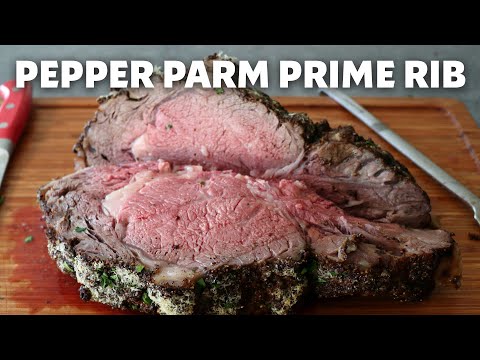
— A high-quality cut of beef from the rib section. It is often served as a roast.
The restaurant is famous for its slow-roasted prime rib.
— Describes a surface with ridges designed to make it easier to hold. Often used for tools or bottles.
The handle of the screwdriver is ribbed for better grip.
— A specific, smaller type of pork rib that is very tender. They are popular in BBQ.
I prefer baby back ribs because they are easier to eat.
— A literal poke to get someone's attention or a metaphorical reminder. It is often playful.
He gave me a poke in the ribs to remind me to stop talking.
— Fabric that has a pattern of raised vertical lines. It is known for being stretchy.
The cuffs of the jacket are made of ribbed fabric.
— A medical term for a broken rib. It is a common injury in sports or accidents.
A fractured rib takes a long time to heal because you can't put it in a cast.
अक्सर इससे भ्रम होता है
A 'rip' is a tear in fabric. A 'rib' is a bone. They sound very similar.
To 'get rid of' something means to throw it away. 'Rib' is a noun or a teasing verb.
The 'lip' is part of the mouth. 'Rib' is in the chest. Both are three-letter body parts.
मुहावरे और अभिव्यक्तियाँ
— To be substantial and filling, especially of food. It implies the food gives lasting energy.
A bowl of stew will stick to your ribs throughout the workday.
informal— To poke someone in the side with a finger or elbow, usually to draw attention to a joke.
He dug me in the ribs when the teacher made a funny mistake.
neutral— Something that is very funny or amusing. It makes you laugh so much your ribs might 'tickle'.
That movie was a real rib-tickler; I couldn't stop laughing.
informal— While primarily a food item, it is sometimes used metaphorically for something extra or thin.
He looked like a spare rib in that oversized suit.
slang— A poetic way to describe mountain ridges or the fundamental structure of the land.
The explorers climbed over the rocky ribs of the earth.
literary— To tease someone excessively or for a long period of time.
His friends ribbed the life out of him after he tripped on stage.
informal— Describing something that is extremely basic or a person who is very thin.
The old house was just bare bones and ribs after the fire.
neutral— A specific cut of steak. While not an idiom, it is a very common fixed expression.
I'll have the rib-eye steak, medium-rare.
neutral— An archaic or technical term for being stiff in the chest or having limited movement.
The old horse seemed rib-bound and struggled to gallop.
technical— A reference to the biblical origin of women; used to discuss the relationship between genders.
The play explores the ancient theme of Adam's rib in a modern setting.
literaryआसानी से भ्रमित होने वाले
Sounds like rip.
Rib ends with a 'b' (voiced); rip ends with a 'p' (voiceless). Rib is a bone; rip is a tear.
I have a broken rib, but a rip in my shirt.
Sounds like ripping.
Ribbing is teasing or a fabric pattern; ripping is the act of tearing something apart.
His friends were ribbing him while he was ripping up the old carpet.
Sounds like ripped.
Ribbed means having ridges; ripped means torn or (in slang) having very muscular abs.
He wore a ribbed shirt to show off his ripped physique.
Similar meaning in structure.
A ridge is the top line or a raised part; a rib is the internal support that might create a ridge.
The rib of the tent created a ridge in the fabric.
Both are bones in the torso.
The spine is the back bone; ribs are the side bones that connect to the spine.
The ribs attach to the spine to protect the organs.
वाक्य संरचनाएँ
I have a [adjective] rib.
I have a sore rib.
He/She [verb] a rib.
He broke a rib.
They like to rib [person] about [topic].
They like to rib him about his shoes.
The [object] is reinforced with ribs.
The boat is reinforced with steel ribs.
Despite the [noun], the ribbing continued.
Despite his protests, the ribbing continued.
The [metaphorical object] formed the ribs of the [noun].
The ancient traditions formed the ribs of the society.
It's a [adjective] ribbed [clothing].
It's a blue ribbed sweater.
Can I have [number] ribs?
Can I have four ribs?
शब्द परिवार
संज्ञा
क्रिया
विशेषण
संबंधित
इसे कैसे इस्तेमाल करें
Common in daily conversation, cooking, and medicine.
-
I have a broken rip.
→
I have a broken rib.
Confusing 'rib' with 'rip' (a tear). Ribs are bones; rips are holes in fabric.
-
He was ribing me about my hair.
→
He was ribbing me about my hair.
Forgetting to double the 'b' in the present participle 'ribbing'.
-
I ordered a rib for dinner.
→
I ordered ribs for dinner.
Using the singular 'rib' for a meal. Ribs are almost always served in multiples.
-
The bully was ribbing the new kid.
→
The bully was mocking the new kid.
Using 'ribbing' for mean-spirited teasing. Ribbing is only for friendly, playful jokes.
-
The sweater has a ripped pattern.
→
The sweater has a ribbed pattern.
Confusing 'ripped' (torn) with 'ribbed' (having ridges).
सुझाव
Ordering Ribs
When ordering ribs at a BBQ restaurant, specify if you want 'pork' or 'beef' and 'half-rack' or 'full-rack'. This helps the server give you exactly what you want.
Friendly Teasing
Only 'rib' people you are close to. If you rib a stranger, they might think you are being rude or mean. It requires a foundation of trust.
The Double B
Always remember the double 'b' in 'ribbing' and 'ribbed'. It's one of the most common spelling mistakes for this word. Think: 'Two bones, two Bs!'
Rib Pain
If you have pain in your ribs that gets worse when you breathe deeply or cough, you should see a doctor. It could be a fracture or a muscle strain.
Ribbed Texture
Ribbed clothing is great for a snug fit. If you want a shirt that shows your shape but is still comfortable, look for 'ribbed' in the description.
Technical Ribs
In engineering, a rib is a 'reinforcement'. If you see this word in a manual, think of it as a part that makes the structure stronger.
Voice the B
To pronounce 'rib' correctly, make sure your vocal cords vibrate at the very end for the 'b' sound. Practice saying 'rib-bbbb'.
Hearty Food
Use the phrase 'sticks to your ribs' to describe a really good, filling meal like a thick soup or a big bowl of pasta.
Context is King
If you hear 'rib' and aren't sure of the meaning, look at the surroundings. A kitchen? Food. A hospital? Bone. A group of laughing friends? Teasing.
Metaphorical Ribs
You can use 'ribs' to describe the skeleton of anything—a building, a plan, or even a story. It adds a strong visual element to your writing.
याद करें
स्मृति सहायक
Think of a 'Rib' as a 'Real Internal Brace' for your chest. It holds everything together and protects your heart.
दृश्य संबंध
Imagine a birdcage. The bars of the cage are like your ribs, and the bird inside is your heart. Both protect something precious.
Word Web
चैलेंज
Try to use 'rib' in three different ways today: once for a bone, once for food, and once to tease a friend. Write down the sentences you used.
शब्द की उत्पत्ति
The word 'rib' comes from the Old English 'ribb', which has roots in Proto-Germanic '*rebjan'. It is related to the Old Norse 'rif' and the German 'Rippe'. The word has always referred to the bones of the chest.
मूल अर्थ: A bone of the side of the body.
Germanicसांस्कृतिक संदर्भ
Be careful when ribbing someone you don't know well; it can be mistaken for bullying if the relationship isn't established.
Ribbing is a very common way for friends to bond in the UK, USA, and Australia. It is often called 'banter'.
असल ज़िंदगी में अभ्यास करें
वास्तविक संदर्भ
At the Doctor's Office
- Does it hurt when I press here?
- I think I cracked a rib.
- Take a deep breath.
- We need an X-ray of your chest.
At a BBQ Restaurant
- I'll have the full rack of ribs.
- Are the ribs pork or beef?
- The meat is falling off the bone.
- Can I get extra napkins for these ribs?
Hanging out with Friends
- I'm just ribbing you!
- He can't take a bit of ribbing.
- We were ribbing him about his date.
- It was all in good fun.
In a Clothing Store
- Is this a ribbed knit?
- I like the texture of this ribbed shirt.
- The ribbing on the cuffs is very tight.
- Does this come in a non-ribbed version?
Building or Repairing Something
- The ribs of the boat are rotten.
- We need to reinforce the ribs.
- Check the spacing between the ribs.
- The umbrella rib is snapped.
बातचीत की शुरुआत
"Have you ever broken a rib? It's supposed to be incredibly painful."
"What's your favorite place to get BBQ ribs in this city?"
"Do you think 'ribbing' friends is a good way to bond, or can it go too far?"
"Do you prefer sweaters with a ribbed texture or a smooth one?"
"Have you ever seen the ribs of a ship being built? It's a fascinating process."
डायरी विषय
Describe a time when your friends ribbed you about something. How did you react?
Write about your favorite comfort food. If it involves ribs, explain why you like them.
Imagine you are a doctor explaining a rib injury to an athlete. What would you say?
Think of a structure (like an umbrella or a building). Describe its 'ribs' and why they are important.
Reflect on the phrase 'stick to your ribs'. What does it mean to you in terms of family and home?
अक्सर पूछे जाने वाले सवाल
10 सवालMost humans have 24 ribs, arranged in 12 pairs. They protect the heart and lungs and help with breathing. Some people may have an extra rib, known as a cervical rib, but this is rare.
To 'rib' someone means to tease them in a friendly, playful way. It's usually done between friends or family members who have a good relationship. For example, 'We ribbed him about his new bright red shoes.'
Short ribs are a cut of beef taken from the brisket, chuck, plate, or rib areas. They are called 'short' because they are cut into smaller pieces than a full rack. They are usually braised or slow-cooked.
Yes, it can be. While the bone itself will heal, a broken rib can sometimes puncture a lung or damage other internal organs. It is important to see a doctor if you think you have broken a rib.
Ribbed fabric has a pattern of raised vertical lines or 'ridges'. This is created by alternating different types of knit stitches. It is very stretchy and is often used for cuffs, collars, and tight-fitting shirts.
Generally, no. Using 'rib' to mean 'tease' is informal. In formal writing, you should use words like 'mock', 'ridicule', or 'jest with', depending on the tone you want to achieve.
Floating ribs are the last two pairs of ribs (the 11th and 12th pairs). They are called 'floating' because they are only attached to the spine in the back and do not connect to the sternum in the front.
A 'rib-tickler' is an informal term for a very funny joke or story. The idea is that you laugh so hard that your ribs feel like they are being tickled from the inside.
The past tense is spelled 'ribbed' with a double 'b'. This follows the English spelling rule where you double the final consonant of a one-syllable word ending in a single vowel and consonant before adding '-ed'.
The ribs of a ship are the curved structural frames that extend upward from the keel. They give the ship its shape and provide the framework to which the outer planks or plates are attached.
खुद को परखो 200 सवाल
Describe what a rib cage does in three sentences.
Well written! Good try! Check the sample answer below.
Write a short dialogue where one person ribs another.
Well written! Good try! Check the sample answer below.
Explain the difference between 'ribbed' and 'ripped'.
Well written! Good try! Check the sample answer below.
What are 'spare ribs' and how are they usually served?
Well written! Good try! Check the sample answer below.
Describe the structural use of 'ribs' in an umbrella.
Well written! Good try! Check the sample answer below.
Why is 'ribbing' considered a social bonding activity?
Well written! Good try! Check the sample answer below.
Write a sentence using 'rib' as a medical term.
Well written! Good try! Check the sample answer below.
What does 'stick to your ribs' mean when talking about food?
Well written! Good try! Check the sample answer below.
Describe a 'ribbed' knit pattern.
Well written! Good try! Check the sample answer below.
How do ribs help with the process of breathing?
Well written! Good try! Check the sample answer below.
Write a sentence about the 'ribs' of a ship.
Well written! Good try! Check the sample answer below.
What is a 'rib-tickler' and give an example.
Well written! Good try! Check the sample answer below.
Explain the term 'floating rib'.
Well written! Good try! Check the sample answer below.
Write a sentence using 'ribbed' as an adjective for a tool.
Well written! Good try! Check the sample answer below.
What is 'prime rib' and when might someone eat it?
Well written! Good try! Check the sample answer below.
Describe a time you were ribbed by someone.
Well written! Good try! Check the sample answer below.
How are ribs used in Gothic architecture?
Well written! Good try! Check the sample answer below.
What is the 'midrib' of a leaf?
Well written! Good try! Check the sample answer below.
Write a sentence about a 'rib protector' in sports.
Well written! Good try! Check the sample answer below.
Why is the word 'rib' important in the Bible?
Well written! Good try! Check the sample answer below.
Pronounce the word 'rib' clearly.
Read this aloud:
तुमने कहा:
Speech recognition is not supported in your browser. Try Chrome or Edge.
Use 'rib' in a sentence about food.
Read this aloud:
तुमने कहा:
Speech recognition is not supported in your browser. Try Chrome or Edge.
Use 'rib' in a sentence about teasing a friend.
Read this aloud:
तुमने कहा:
Speech recognition is not supported in your browser. Try Chrome or Edge.
Describe where your ribs are located.
Read this aloud:
तुमने कहा:
Speech recognition is not supported in your browser. Try Chrome or Edge.
Explain what a 'ribbed' sweater looks like.
Read this aloud:
तुमने कहा:
Speech recognition is not supported in your browser. Try Chrome or Edge.
Tell a joke and call it a 'rib-tickler'.
Read this aloud:
तुमने कहा:
Speech recognition is not supported in your browser. Try Chrome or Edge.
Talk about a time you hurt your ribs.
Read this aloud:
तुमने कहा:
Speech recognition is not supported in your browser. Try Chrome or Edge.
Explain the use of ribs in a boat.
Read this aloud:
तुमने कहा:
Speech recognition is not supported in your browser. Try Chrome or Edge.
Use the phrase 'stick to your ribs' in a sentence.
Read this aloud:
तुमने कहा:
Speech recognition is not supported in your browser. Try Chrome or Edge.
Ask a waiter about the ribs on the menu.
Read this aloud:
तुमने कहा:
Speech recognition is not supported in your browser. Try Chrome or Edge.
Describe a 'rib cage' to a child.
Read this aloud:
तुमने कहा:
Speech recognition is not supported in your browser. Try Chrome or Edge.
Explain what a 'floating rib' is.
Read this aloud:
तुमने कहा:
Speech recognition is not supported in your browser. Try Chrome or Edge.
Use 'ribbing' as a noun in a sentence.
Read this aloud:
तुमने कहा:
Speech recognition is not supported in your browser. Try Chrome or Edge.
Describe the 'ribs' of an umbrella.
Read this aloud:
तुमने कहा:
Speech recognition is not supported in your browser. Try Chrome or Edge.
Say 'I have twenty-four ribs' correctly.
Read this aloud:
तुमने कहा:
Speech recognition is not supported in your browser. Try Chrome or Edge.
Use 'ribbed' to describe a bottle's texture.
Read this aloud:
तुमने कहा:
Speech recognition is not supported in your browser. Try Chrome or Edge.
Talk about 'prime rib' as a special meal.
Read this aloud:
तुमने कहा:
Speech recognition is not supported in your browser. Try Chrome or Edge.
Explain why 'ribbing' can be good for friendship.
Read this aloud:
तुमने कहा:
Speech recognition is not supported in your browser. Try Chrome or Edge.
Use 'rib' in a sentence about a leaf.
Read this aloud:
तुमने कहा:
Speech recognition is not supported in your browser. Try Chrome or Edge.
Describe a 'fractured rib' and how it feels.
Read this aloud:
तुमने कहा:
Speech recognition is not supported in your browser. Try Chrome or Edge.
Listen and identify the word: 'He broke a rib.'
Listen and identify the word: 'The ribs were delicious.'
Listen and identify the word: 'Stop ribbing me!'
Listen and identify the word: 'A ribbed sweater.'
Listen and identify the word: 'The rib cage.'
Listen and identify the word: 'Short ribs.'
Listen and identify the word: 'Floating ribs.'
Listen and identify the word: 'A rib-tickler.'
Listen and identify the word: 'The boat's ribs.'
Listen and identify the word: 'Prime rib.'
Listen and identify the word: 'Ribbed for grip.'
Listen and identify the word: 'The leaf's midrib.'
Listen and identify the word: 'Rib vaulting.'
Listen and identify the word: 'He was ribbed.'
Listen and identify the word: 'A spare rib.'
/ 200 correct
Perfect score!
Summary
The word 'rib' primarily refers to a protective bone in the chest, but it is also used for food, structural support, and friendly teasing. For example: 'He broke a rib while playing sports, but his friends still ribbed him about his clumsy fall.'
- A rib is a curved bone in the chest that protects vital organs like the heart and lungs.
- In cooking, ribs refer to a popular cut of meat, often grilled or smoked with sauce.
- Informally, to rib someone means to tease or joke with them in a friendly, non-mean way.
- In engineering, a rib is a structural part that provides support and shape to a larger object.
Ordering Ribs
When ordering ribs at a BBQ restaurant, specify if you want 'pork' or 'beef' and 'half-rack' or 'full-rack'. This helps the server give you exactly what you want.
Friendly Teasing
Only 'rib' people you are close to. If you rib a stranger, they might think you are being rude or mean. It requires a foundation of trust.
The Double B
Always remember the double 'b' in 'ribbing' and 'ribbed'. It's one of the most common spelling mistakes for this word. Think: 'Two bones, two Bs!'
Rib Pain
If you have pain in your ribs that gets worse when you breathe deeply or cough, you should see a doctor. It could be a fracture or a muscle strain.
उदाहरण
She slipped on the ice and bruised a rib.
संबंधित सामग्री

संबंधित मुहावरे
Body के और शब्द
tongue
B1जीभ मुँह के अंदर का वह हिस्सा है जिससे हम स्वाद लेते हैं और बोलते हैं।
eyelid
B1पलक त्वचा की वह परत है जो आँख को ढकती और सुरक्षित रखती है।
bone
B2हड्डी कशेरुकी जानवर के कंकाल बनाने वाले कठोर, कठोर भागों में से कोई भी है।
backs
B1'backs' शब्द का अर्थ कई लोगों की पीठ या वस्तुओं के पिछले हिस्से से है।
bones
B1हड्डियाँ शरीर के कठोर अंग हैं जो कंकाल का निर्माण करती हैं।
clitoris
C1भगशेफ (clitoris) महिला जननांगों का एक छोटा, संवेदनशील हिस्सा है जो मुख्य रूप से यौन आनंद के लिए होता है।
sleeping
A1शरीर और मन के लिए विश्राम की एक प्राकृतिक, आवर्ती स्थिति।
tendon
C1कंडरा (टेंडन) एक मजबूत रेशेदार ऊतक है जो मांसपेशियों को हड्डियों से जोड़ता है।
urine
B1मूत्र एक तरल अपशिष्ट उत्पाद है जिसे गुर्दे द्वारा रक्त से फ़िल्टर किया जाता है।
arm
C1वह हथियारों से लैस था।

