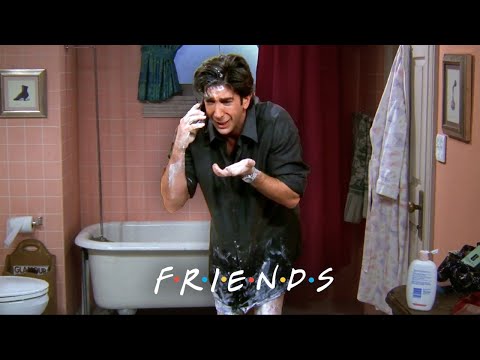
sprinkle 30 सेकंड में
- Sprinkle means to scatter small drops or particles lightly over a surface.
- It can be used as a verb (to sprinkle) or a noun (a sprinkle).
- Commonly used in cooking, gardening, and describing light rain or snow.
- Metaphorically, it means adding small amounts of something throughout a larger thing.
The word sprinkle is a versatile and evocative term that functions as both a verb and a noun. At its core, it describes the action of scattering small, discrete particles or droplets over a surface in a light, uneven manner. Imagine the delicate motion of your fingers as you distribute a pinch of salt over a steaming pot of soup, or the way a baker finishes a cupcake with a dusting of colorful sugar crystals. This is the essence of sprinkling. It implies a sense of lightness, precision, and moderation. You are not pouring or dumping; you are carefully dispersing. This word is most frequently encountered in the culinary world, where it describes the final touches added to a dish to enhance flavor or appearance. However, its utility extends far beyond the kitchen. In meteorology, a sprinkle refers to a very light rain that barely wets the pavement, often occurring in brief intervals. Metaphorically, we use 'sprinkle' to describe the inclusion of small amounts of something throughout a larger entity, such as sprinkling jokes throughout a long speech to keep the audience engaged.
- Physical Action
- The act of taking small grains, like sand or spices, and letting them fall through your fingers or a shaker onto an object.
- Weather Phenomenon
- A brief and light fall of rain that does not result in significant accumulation or heavy wetness.
- Abstract Application
- Distributing small elements of a quality or feature across a project, conversation, or piece of writing.
The chef decided to sprinkle a handful of fresh parsley over the finished pasta to add a pop of color.
When using 'sprinkle' as a noun, it often refers to the substance being scattered or the event of scattering. For example, 'a sprinkle of cinnamon' or 'a sprinkle of rain.' In American English, the plural form 'sprinkles' specifically refers to the tiny, multi-colored sugar decorations used on ice cream and cakes, known as 'hundreds and thousands' in other parts of the English-speaking world. The word carries a connotation of gentleness. It is never aggressive. If you sprinkle water on a plant, you are being careful not to drown it. If you sprinkle criticism into a review, you are providing it in small, manageable doses rather than a concentrated attack. This nuance makes 'sprinkle' an essential word for describing subtle additions and light interactions with the environment.
We felt a light sprinkle on our faces, suggesting that we should head indoors before the storm arrived.
In social contexts, 'sprinkling' can describe the way people are distributed in a room. 'A few guests were sprinkled throughout the garden' suggests they were not clustered together but were standing in small groups or alone in various spots. This visual imagery is powerful because it allows the listener to see the spatial arrangement clearly. The word also appears in gardening, where one might sprinkle seeds over a flower bed. Here, the goal is to ensure the seeds have enough space to grow, which requires the light, even distribution that 'sprinkle' implies. Whether you are dealing with physical matter or abstract concepts, 'sprinkle' remains a go-to verb for describing the act of adding a little bit of something here and there.
She liked to sprinkle French phrases into her conversation to sound more sophisticated.
- Synonym: Dust
- Often used when the particles are extremely fine, like flour or powdered sugar.
- Synonym: Scatter
- A more general term that implies less precision than sprinkle.
The morning dew was like a sprinkle of diamonds across the lawn.
The architect decided to sprinkle small skylights across the roof to improve natural lighting.
Mastering the use of sprinkle involves understanding its grammatical patterns and the typical objects it takes. As a transitive verb, it usually follows the structure: [Subject] + sprinkle + [Substance] + on/over + [Surface]. For example, 'He sprinkled salt on the fries.' Alternatively, you can use the structure: [Subject] + sprinkle + [Surface] + with + [Substance]. For example, 'He sprinkled the fries with salt.' Both are equally common and correct, though the latter often emphasizes the surface being covered. When using it as an intransitive verb, it often refers to the weather: 'It started to sprinkle just as we left the house.' In this case, 'it' is a dummy subject referring to the environmental conditions.
- Direct Object Focus
- Sprinkle the glitter onto the glue-covered paper carefully.
- Surface Focus
- Sprinkle the cake with powdered sugar before serving it to the guests.
- Weather Usage
- It began to sprinkle, so we quickly folded the picnic blanket.
You should sprinkle a little water on the dough if it feels too dry while kneading.
In more advanced writing, 'sprinkle' is used figuratively to describe the distribution of non-physical things. You might sprinkle a story with anecdotes, sprinkle a presentation with data points, or sprinkle a garden with statues. The key is that these elements are small and scattered. If you 'sprinkle' a book with errors, it means there are a few mistakes found here and there, not that the whole book is wrong. This figurative use is excellent for adding variety to your descriptions. It suggests a deliberate, artistic choice rather than a random occurrence. When describing a person's appearance, you might say they have 'a sprinkle of gray hair at their temples,' which sounds much more poetic than saying they are starting to go gray.
The director decided to sprinkle clues throughout the first act of the play.
When using 'sprinkle' in the past tense ('sprinkled') or as a present participle ('sprinkling'), the same rules apply. 'The gardener was sprinkling the lawn' describes a continuous action. 'The rain sprinkled down' uses the verb to describe the motion of the water. As a noun, 'sprinkle' can also be modified by adjectives to provide more detail. 'A generous sprinkle of cheese' suggests a bit more than usual, while 'a tiny sprinkle of dust' suggests almost nothing. Understanding these variations allows you to use the word with precision in both casual and formal contexts. Whether you are writing a recipe, a weather report, or a novel, 'sprinkle' provides a specific image of light, scattered distribution that few other words can match.
A light sprinkle of snow covered the ground, making the morning look magical.
- Collocation: Light Sprinkle
- Used almost exclusively for rain or snow that is not heavy.
- Collocation: Liberal Sprinkle
- An oxymoron used to describe adding quite a lot of something in a scattered way.
The author was known to sprinkle hidden meanings into every chapter of his books.
Just a sprinkle of salt is enough to bring out the flavor of the chocolate.
You will encounter the word sprinkle in a variety of everyday environments, ranging from the domestic to the professional. One of the most common places is in the kitchen or while watching cooking shows. Chefs and home cooks use it constantly to describe adding seasonings. If you are following a recipe for a pizza, it might tell you to 'sprinkle the mozzarella evenly over the sauce.' On television, a celebrity chef might tell the audience to 'finish the dish with a sprinkle of sea salt.' This usage is so ubiquitous that it has become a fundamental part of culinary vocabulary. Beyond the kitchen, you will hear it frequently in weather forecasts. Meteorologists often use 'sprinkles' to describe light, intermittent rain that isn't significant enough to be called a 'shower.' You might hear a weather reporter say, 'Expect some morning sprinkles, but it should clear up by noon.'
- Cooking Shows
- 'Now, we just sprinkle a little bit of fresh basil on top for that aromatic finish.'
- Weather Reports
- 'There is a 20% chance of sprinkles late in the afternoon, so keep an umbrella handy.'
- Parenting
- 'Do you want sprinkles on your ice cream cone, or just plain vanilla?'
The baker began to sprinkle flour on the counter before rolling out the pie crust.
In the world of parenting and childhood, 'sprinkles' is a magical word. It refers to the tiny sugar bits used to decorate desserts. Children often ask for 'extra sprinkles' on their donuts or birthday cakes. This specific noun usage is very common in ice cream parlors and bakeries. You might also hear the word in a more formal or creative context, such as a writing workshop or a design meeting. An editor might suggest that an author 'sprinkle some more descriptive adjectives' into a dry paragraph to make it more vivid. A graphic designer might talk about 'sprinkling some icons' throughout a website layout to improve navigation. In these cases, the word is used metaphorically to suggest a light and strategic distribution of elements.
The meteorologist warned that a few sprinkles might occur during the outdoor wedding ceremony.
Another place you might hear this word is in the context of fire safety. 'Fire sprinkles' or 'sprinkler systems' are common in commercial buildings. These systems are designed to 'sprinkle' water over a fire to extinguish it. While the action is more of a spray, the term 'sprinkler' is the standard technical name. In gardening, 'sprinklers' are devices used to water lawns. You will often hear homeowners talking about 'turning on the sprinkles' or 'adjusting the sprinkler heads.' This usage links the word to the mechanical distribution of water. Finally, in casual conversation, someone might use 'sprinkle' to describe a small amount of something, like 'a sprinkle of hope' or 'a sprinkle of luck.' This poetic usage is common in songs and literature, adding a touch of delicacy to the sentiment being expressed.
The gardener used a watering can to sprinkle the delicate seedlings in the greenhouse.
- Fire Safety
- 'The building is equipped with an automatic sprinkle system to prevent fire damage.'
- Gardening
- 'I need to fix the sprinkler in the backyard because it's leaking water.'
She decided to sprinkle some lavender oil on her pillow to help her sleep better.
The artist would sprinkle gold leaf over the painting to give it a luxurious finish.
One of the most frequent mistakes learners make with sprinkle is confusing it with other verbs of distribution like 'pour,' 'spray,' or 'scatter.' The key difference lies in the quantity and the manner of the action. You 'pour' a liquid or a large amount of grain in a steady stream. You 'sprinkle' only a small amount in individual drops or particles. For example, saying 'I sprinkled the milk into the bowl' is usually incorrect unless you are literally flicking tiny drops of milk. Similarly, 'sprinkle' is often confused with 'spray.' While both involve small droplets, 'spray' implies force and pressure (like from a bottle), whereas 'sprinkle' implies gravity and a gentle fall. Using 'sprinkle' when you mean 'spray' can make your sentence sound weak or physically impossible.
- Sprinkle vs. Pour
- Sprinkle is for small amounts; pour is for large, continuous amounts.
- Sprinkle vs. Spray
- Sprinkle is gentle and gravity-based; spray is forceful and pressurized.
- Sprinkle vs. Scatter
- Sprinkle implies a smaller, more delicate particle than scatter.
Incorrect: He sprinkled the entire bucket of water on the fire. (Better: He poured or threw the water.)
Another common error involves the prepositional structure. As mentioned before, you can sprinkle [substance] ON [surface] or sprinkle [surface] WITH [substance]. A common mistake is to mix these up, such as saying 'I sprinkled the cake on the sugar.' This would mean you are taking a cake and scattering it over sugar, which is the opposite of the intended meaning. Always ensure that the substance being moved is the direct object, or that the surface is the direct object followed by 'with.' Additionally, learners sometimes use 'sprinkle' for things that are too large to be sprinkled. You can't 'sprinkle' chairs in a room; you 'scatter' or 'arrange' them. 'Sprinkle' is reserved for things that are small enough to be held in a pinch or fall as tiny droplets.
Incorrect: I sprinkled the floor with my toys. (Better: I scattered my toys on the floor.)
In the context of weather, 'sprinkling' is often used interchangeably with 'drizzling,' but there is a subtle difference. 'Drizzle' is a steady, very fine rain that can last for a long time and make everything quite damp. 'Sprinkling' is usually more intermittent and consists of slightly larger drops that are few and far between. If you say 'it is sprinkling,' people expect to see a few drops on their windshield. If you say 'it is drizzling,' they expect a misty, wet atmosphere. Finally, be careful with the plural 'sprinkles.' In American English, if you say 'I want sprinkles,' people will assume you are talking about the candy topping for ice cream. If you want to talk about multiple instances of light rain, it is better to say 'a few sprinkles of rain' or 'intermittent sprinkles.'
Incorrect: The rain was sprinkling so hard I couldn't see the road. (Better: The rain was pouring.)
- Spelling Error
- Commonly misspelled as 'sprinkel' or 'sprincle.'
- Intensity Error
- Using 'sprinkle' to describe heavy rain or a large amount of a substance.
Make sure you sprinkle the seeds thinly so they have room to grow.
He tried to sprinkle some humor into the eulogy to lighten the mood.
While sprinkle is a very specific word, there are several alternatives that can be used depending on the context and the desired nuance. 'Scatter' is perhaps the closest synonym, but it implies a more random and less controlled distribution. You might scatter seeds in a field, but you sprinkle sugar on a cookie. 'Dust' is another common alternative, especially in cooking and cleaning. It implies using a very fine powder, like flour or real dust. You 'dust' a cake with powdered sugar, which suggests an even thinner layer than 'sprinkle.' 'Drizzle' is used specifically for liquids, usually thick ones like honey, chocolate sauce, or olive oil. While sprinkling involves drops, drizzling involves a thin, continuous stream moved back and forth.
- Scatter
- Used for larger items or a more random distribution (e.g., scattering toys, scattering seeds).
- Dust
- Used for very fine powders (e.g., dusting with flour, dusting for fingerprints).
- Drizzle
- Used for liquids in a thin, flowing line (e.g., drizzling honey over yogurt).
Instead of a sprinkle, the recipe called for a heavy dusting of cocoa powder.
In the context of weather, 'shower' is a more intense version of a 'sprinkle.' A shower involves more rain and usually lasts longer, whereas a sprinkle might only last a minute or two. 'Mist' is another weather-related term, describing very fine droplets that hang in the air rather than falling clearly to the ground. In figurative language, you might use 'pepper' as an alternative to 'sprinkle.' To 'pepper' something with questions or 'pepper' a speech with facts suggests a more rapid and perhaps slightly more aggressive distribution than 'sprinkle.' 'Interspersing' is a more formal and academic term that means to place something at intervals among other things. 'The text was interspersed with illustrations' is a formal way of saying 'illustrations were sprinkled throughout the text.'
The professor would sprinkle his lectures with references to classical literature.
When talking about the physical objects called 'sprinkles,' there aren't many direct synonyms in American English, but 'toppings' or 'decorations' are broader categories. In the UK, 'hundreds and thousands' is the specific term for the tiny round ones, while 'vermicelli' might be used for the rod-shaped chocolate ones. Understanding these regional and contextual differences helps you choose the most precise word for your situation. Whether you want to describe a light rain, a culinary technique, or a literary style, knowing the alternatives to 'sprinkle' allows you to paint a clearer picture for your audience. Always consider the size of the particles and the intent behind the action when selecting your verb.
The sky was clear except for a sprinkle of stars in the northern horizon.
- Pepper
- To hit or cover with many small items (e.g., peppering a target with shots).
- Intersperse
- To distribute among other things (e.g., interspersing photos in a blog post).
He decided to sprinkle some fertilizer over the flower beds to help them bloom.
The clouds were thin, allowing a sprinkle of sunlight to reach the forest floor.
How Formal Is It?
रोचक तथ्य
The frequentative suffix '-le' in 'sprinkle' indicates that the action is repeated many times, just like in 'twinkle' or 'sparkle.'
उच्चारण मार्गदर्शिका
- Pronouncing the 'le' as 'el' (sprink-el).
- Dropping the 'n' sound (sprik-le).
- Making the 'i' sound too long like 'ee' (spreen-kle).
- Confusing the 'k' with a 'g' sound (sprin-gle).
- Adding an extra vowel between 's' and 'p' (es-prinkle).
कठिनाई स्तर
Easy to recognize in context, but metaphorical uses require more attention.
Requires understanding of the 'with/on' prepositional patterns.
Common word with a straightforward pronunciation.
Easily distinguished from similar sounding words.
आगे क्या सीखें
पूर्वापेक्षाएँ
आगे सीखें
उन्नत
ज़रूरी व्याकरण
Transitive Verb Patterns
You can say 'sprinkle A on B' or 'sprinkle B with A'.
Dummy Subject 'It'
In 'It is sprinkling,' 'it' refers to the weather.
Count vs. Non-count Nouns
'Sprinkles' (candy) is countable; 'sprinkle' (rain) is often uncountable.
Frequentative Suffix '-le'
Words like sprinkle, twinkle, and wobble show repeated small actions.
Participle Adjectives
'Sprinkled' can be used as an adjective, as in 'the sprinkled sugar'.
स्तर के अनुसार उदाहरण
I sprinkle salt on my eggs.
I put a little salt on my eggs.
Subject + verb + object + prepositional phrase.
It is starting to sprinkle.
It is raining a very little bit.
Present continuous tense for weather.
Can I have sprinkles on my ice cream?
I want the colorful candy on my ice cream.
Noun used as a plural object.
Sprinkle some sugar on the fruit.
Put a little sugar on the fruit.
Imperative mood for instructions.
The rain was just a sprinkle.
The rain was very light.
Noun used as a subject complement.
She sprinkles water on the flowers.
She gives a little water to the flowers.
Third-person singular present tense.
Do not sprinkle too much pepper.
Don't put a lot of pepper.
Negative imperative.
There are sprinkles on the cake.
The cake has candy on it.
There is/are construction.
He sprinkled some flour on the table.
He put a little flour on the table for baking.
Past tense of a regular verb.
The sky is gray and it might sprinkle later.
It might rain a little bit later.
Modal verb 'might' for possibility.
She likes a sprinkle of cinnamon in her coffee.
She likes a small amount of cinnamon.
Noun phrase 'a sprinkle of'.
Sprinkle the cheese evenly over the pizza.
Put the cheese everywhere on the pizza.
Adverb 'evenly' modifying the verb.
The children were sprinkling glitter on their drawings.
The kids were putting shiny bits on their art.
Past continuous tense.
A light sprinkle of snow covered the grass.
A very small amount of snow was on the grass.
Noun used as a subject.
You should sprinkle some water on the dry bread.
Put a little water on the bread to make it soft.
Modal verb 'should' for advice.
The gardener is sprinkling the lawn right now.
The gardener is watering the grass.
Present continuous tense.
The chef sprinkled the dish with fresh herbs.
The chef added herbs to the top of the food.
Sprinkle [surface] with [substance] pattern.
We had to cancel the picnic because of the constant sprinkles.
The light rain wouldn't stop.
Plural noun referring to rain events.
The author sprinkles humor throughout the serious novel.
The author adds funny parts to the book.
Metaphorical use of the verb.
The sprinkler system in the office is for fire safety.
The water machines on the ceiling are for fires.
Compound noun 'sprinkler system'.
Just a sprinkle of fairy dust made the story magical.
A tiny bit of magic powder.
Noun phrase used for fantasy context.
He sprinkled the seeds across the garden bed.
He scattered the seeds for planting.
Preposition 'across' indicating distribution.
The rain was so light it was barely a sprinkle.
It was almost not raining at all.
Adverb 'barely' modifying the noun phrase.
She sprinkled some lavender oil on her pillow.
She put a few drops of oil on her pillow.
Direct object 'lavender oil'.
The architect decided to sprinkle small windows along the hallway.
The architect put windows in different spots.
Infinitive phrase as a direct object.
The speech was sprinkled with anecdotes about his childhood.
The speech had many short stories in it.
Passive voice 'was sprinkled with'.
A sprinkle of gray hair was visible at his temples.
He had a few gray hairs.
Noun phrase describing physical appearance.
The recipe suggests sprinkling the top with toasted almonds.
Put almonds on top of the food.
Gerund 'sprinkling' after the verb 'suggests'.
The desert landscape was sprinkled with hardy cacti.
There were cacti scattered across the desert.
Passive voice with a descriptive adjective.
It began to sprinkle, but we decided to keep hiking anyway.
It started raining lightly, but we didn't stop.
Contrastive conjunction 'but'.
The artist used a brush to sprinkle paint onto the canvas.
The artist flicked paint to make dots.
Infinitive of purpose 'to sprinkle'.
A sprinkle of salt is essential to balance the sweetness.
A little salt is needed for the taste.
Subject noun phrase.
The document was sprinkled with technical jargon that made it hard to read.
The paper had too many difficult words.
Metaphorical use in a critical context.
The morning dew appeared as a sprinkle of diamonds on the grass.
The dew looked like tiny jewels.
Simile using 'as a sprinkle of'.
The director chose to sprinkle subtle clues throughout the first act.
The director put hidden hints in the play.
Verb used to describe artistic intent.
A sprinkle of doubt began to form in the back of her mind.
She started to have a little bit of doubt.
Abstract noun phrase.
The sky was a deep blue, sprinkled with a few wispy clouds.
There were only a few thin clouds in the blue sky.
Participle phrase 'sprinkled with'.
The history of the region is sprinkled with tales of legendary heroes.
The history has many stories of heroes.
Passive voice in a historical context.
He would sprinkle his conversation with French phrases to sound sophisticated.
He used French words to seem smart.
Habitual 'would' for past behavior.
The city lights looked like a sprinkle of gold across the valley.
The lights looked like gold from far away.
Metaphorical noun phrase.
The prose is delicately sprinkled with archaic terms that evoke a sense of the past.
The writing uses old words to feel historical.
Adverb 'delicately' modifying the passive verb.
The scientist noted a sprinkle of anomalies in the otherwise consistent data set.
There were a few strange results in the data.
Noun used in a technical/scientific context.
The composer chose to sprinkle dissonant chords throughout the symphony.
The music had some clashing sounds on purpose.
Verb used in an aesthetic/artistic context.
Her memories were like a sprinkle of dust on the surface of a forgotten mirror.
Her memories were old and faint.
Complex literary simile.
The political landscape was sprinkled with small, independent parties.
There were many small parties in politics.
Metaphorical use in a social/political context.
The night was silent, save for the occasional sprinkle of rain against the windowpane.
It was quiet except for a little rain.
Formal 'save for' construction.
The author’s intent was to sprinkle the narrative with red herrings to mislead the reader.
The author put false clues in the story.
Infinitive of purpose with a specific literary term.
A sprinkle of optimism remained, despite the overwhelming evidence to the contrary.
There was still a little bit of hope.
Abstract noun phrase as a subject.
समानार्थी शब्द
विलोम शब्द
सामान्य शब्द संयोजन
सामान्य वाक्यांश
— A very light and brief period of rain.
It was just a sprinkle of rain, so we didn't get wet.
— To add something as a final touch on the surface.
Add a sprinkle of parsley on top for color.
— A figurative expression meaning to do something with care.
The grandmother's cookies were always sprinkled with love.
— A poetic way to describe something magical or special.
The performance had a sprinkle of stardust.
— To distribute something in small amounts across a whole thing.
He sprinkled examples throughout the textbook.
— Emphasizing that only a very small amount is needed.
I only want just a sprinkle of sugar in my tea.
— To add a special or exciting element to something.
The designer sprinkled some magic on the old house.
— A small amount of truth in a larger story or lie.
There was a sprinkle of truth in his explanation.
— To water the grass using a sprinkler or hose.
He spends every evening sprinkling the lawn.
अक्सर इससे भ्रम होता है
Spray is forceful and pressurized; sprinkle is gentle and gravity-based.
Pour is a heavy, continuous stream; sprinkle is small drops or grains.
Scatter is more random and often involves larger items.
मुहावरे और अभिव्यक्तियाँ
— To make something seem better or more magical than it really is.
The marketing team tried to sprinkle some fairy dust on the failing product.
informal— Often used in the phrase 'take with a grain of salt,' but 'sprinkle' can imply a small amount of skepticism.
You should take his promises with a sprinkle of salt.
informal— To make a process easier or more pleasant by adding small benefits.
The company sprinkled the path to retirement with extra bonuses.
neutral— To start the beginning of something, often an idea or a feeling.
The teacher sprinkled the seeds of curiosity in her students.
literary— To bring happiness or positivity to a situation.
She always tries to sprinkle some sunshine wherever she goes.
informal— To distribute wealth or resources in small amounts.
The government decided to sprinkle the gold among several small projects.
neutral— To finish something or put it to rest (less common).
He sprinkled the dust on his old career and started a new one.
literary— A small amount of good fortune.
All we need is a sprinkle of luck to win the game.
neutral— To calm a situation or add a small influence.
He tried to sprinkle the waters of peace over the argument.
literary— To make someone or something appear glamorous or famous.
The Hollywood premiere was sprinkled with stardust.
informalआसानी से भ्रमित होने वाले
Both describe light rain or adding small amounts.
Drizzle is a fine, steady mist or a thin stream of liquid. Sprinkle is individual drops or particles.
Drizzle the honey; sprinkle the sugar.
Both involve covering a surface with a fine substance.
Dusting implies a much finer, thinner layer than sprinkling.
Dust the cake with flour; sprinkle it with nuts.
Both involve drops of liquid hitting a surface.
Spatter implies an accidental or messy splash; sprinkle is usually intentional and light.
The grease spattered the stove; I sprinkled water on the plant.
Both mean to scatter things over a surface.
Strew is often more literary and implies a messy or untidy covering.
Papers were strewn across the desk.
Both can mean to distribute small things throughout.
Pepper implies a higher frequency or intensity than sprinkle.
He peppered the wall with bullets; she sprinkled the lawn with water.
वाक्य संरचनाएँ
I sprinkle [substance].
I sprinkle salt.
Sprinkle [substance] on [surface].
Sprinkle sugar on the cake.
Sprinkle [surface] with [substance].
Sprinkle the floor with water.
It is [adverb] sprinkling.
It is lightly sprinkling.
[Noun] is sprinkled with [noun].
The speech was sprinkled with jokes.
A sprinkle of [abstract noun].
A sprinkle of hope remained.
To sprinkle [substance] throughout [noun].
To sprinkle clues throughout the story.
There is a sprinkle of [noun].
There is a sprinkle of rain.
शब्द परिवार
संज्ञा
क्रिया
विशेषण
संबंधित
इसे कैसे इस्तेमाल करें
Common in daily life, especially in culinary and meteorological contexts.
-
I sprinkled the water into the glass.
→
I poured the water into the glass.
Sprinkle is for small drops, not a steady stream filling a container.
-
The rain was sprinkling very hard.
→
It was raining very hard.
Sprinkling is by definition light. You cannot sprinkle 'hard'.
-
I sprinkled the cake on the sugar.
→
I sprinkled sugar on the cake.
The substance being scattered must be the object of 'on'.
-
He sprinkled the room with chairs.
→
He scattered chairs around the room.
Chairs are too large to be 'sprinkled'. Use 'scatter' or 'place'.
-
I need to sprinkle my hair.
→
I need to spray my hair.
Hair products are usually applied with pressure, so 'spray' is the correct term.
सुझाव
Cooking Tip
When a recipe says to sprinkle, use your fingers from a height to get an even distribution. This prevents the seasoning from clumping in one spot.
Preposition Choice
Use 'on' for the substance (Sprinkle salt on the fries) and 'with' for the surface (Sprinkle the fries with salt). Both are common and correct.
Weather Nuance
If the rain is so light you can barely see it but can feel it, it's a sprinkle. If it's a fine mist, it's a drizzle.
Metaphorical Flair
Use 'sprinkle' to describe subtle additions in your writing. It sounds more artistic than 'add' or 'put'.
Ending Sound
Remember the '-le' ending. It's the same as in 'twinkle,' 'sparkle,' and 'crinkle,' which all describe light or small things.
Ice Cream Order
In the US, if you want the candy topping, just ask for 'sprinkles.' In the UK, ask for 'hundreds and thousands'.
Seed Sowing
When sprinkling seeds, mix them with a little sand first. This helps you see where you have already sprinkled.
Fire Sprinklers
Never hang anything from a fire sprinkler head. It can damage the mechanism and cause a flood or failure during a fire.
Frequentative Form
The '-le' suffix means the action happens many times. Sprinkling is many tiny 'springs' of water or particles.
Clear Cluster
Make sure to pronounce the 'n' before the 'k'. It's 'sprin-kle,' not 'spri-kle.' The nasal sound is important.
याद करें
स्मृति सहायक
Think of 'Spring' rain that is 'Little'. Spr-inkle. A little bit of spring rain.
दृश्य संबंध
Imagine a salt shaker with only three holes, letting out just a few grains at a time.
Word Web
चैलेंज
Try to use 'sprinkle' in three different ways today: once for food, once for the weather, and once for an abstract idea.
शब्द की उत्पत्ति
The word 'sprinkle' originates from the Middle English word 'sprenkelen,' which is a frequentative form of 'sprenge' (to spring or scatter). It is related to the Dutch word 'sprinkelen' and the German word 'sprenkeln.'
मूल अर्थ: The original meaning was to scatter in small drops or particles, often in a religious or ritualistic context.
Germanicसांस्कृतिक संदर्भ
No major sensitivities, but be aware of regional terms like 'hundreds and thousands' to avoid confusion.
The word is very common in domestic settings, especially cooking and gardening.
असल ज़िंदगी में अभ्यास करें
वास्तविक संदर्भ
Cooking
- sprinkle with salt
- sprinkle on top
- a sprinkle of herbs
- sprinkle evenly
Weather
- light sprinkle
- it's sprinkling
- morning sprinkles
- a sprinkle of rain
Gardening
- sprinkle the seeds
- sprinkle the lawn
- adjust the sprinkler
- sprinkle water
Writing/Art
- sprinkle with humor
- sprinkle clues
- sprinkle metaphors
- sprinkle glitter
Fire Safety
- sprinkler system
- fire sprinkler
- automatic sprinkle
- sprinkler head
बातचीत की शुरुआत
"Do you like sprinkles on your ice cream, or do you prefer it plain?"
"Has it started to sprinkle outside yet, or is it still clear?"
"What kind of spices do you usually sprinkle on your favorite dish?"
"Do you think it's better to sprinkle humor into a serious speech?"
"How often do you have to sprinkle your garden during the summer?"
डायरी विषय
Describe a time when a light sprinkle of rain changed your plans for the day.
If you could sprinkle one quality (like kindness or courage) over the whole world, what would it be and why?
Write about your favorite dessert and the 'sprinkles' or toppings that make it special.
Think of a book you read recently. How did the author sprinkle clues or interesting details throughout the story?
Describe the feeling of walking through a light sprinkle of snow for the first time.
अक्सर पूछे जाने वाले सवाल
10 सवालYes, you can sprinkle liquids like water or oil, but it implies very small drops. If you are adding a thin stream, 'drizzle' is better. For example, you might sprinkle water on a plant or sprinkle some vinegar on chips.
In American English, 'sprinkles' almost always refers to the sugar decorations for desserts. However, in other contexts, it can be the plural of a light rain or the act of sprinkling. For example, 'The forecast calls for afternoon sprinkles.'
Sprinkle is more delicate and usually involves smaller particles like salt or sugar. Scatter is more general and can involve larger things like seeds, toys, or papers. Scattering is often more random than sprinkling.
Yes, 'it is sprinkling' is a very common and correct way to describe very light rain. It is less intense than 'drizzling' and much lighter than 'raining.'
You can use it to describe adding small amounts of a quality or feature to something larger. For example, 'The author sprinkles metaphors throughout the book' or 'He sprinkled his speech with jokes.' It suggests a light touch.
Yes, that is a very common pattern. 'Sprinkle the cake with sugar' is just as correct as 'Sprinkle sugar on the cake.' The first focuses on the cake, the second on the sugar.
A sprinkler system is a network of pipes and heads that automatically 'sprinkles' water to extinguish fires in buildings or to water lawns in gardens.
It is a neutral word. It is used in casual conversation, recipes, and weather reports, but it can also be used in formal writing to describe the distribution of elements.
'Jimmies' is a regional American term (mostly in the Northeast) for chocolate or multi-colored sprinkles used as an ice cream topping.
Yes, 'a sprinkle of snow' describes a very light, thin layer of snow that barely covers the ground.
खुद को परखो 200 सवाल
Write a sentence using 'sprinkle' as a verb for cooking.
Well written! Good try! Check the sample answer below.
Write a sentence using 'sprinkle' as a noun for weather.
Well written! Good try! Check the sample answer below.
Describe how to decorate a cupcake using the word 'sprinkles'.
Well written! Good try! Check the sample answer below.
Use 'sprinkle' metaphorically to describe a book or a speech.
Well written! Good try! Check the sample answer below.
Explain the difference between sprinkling and pouring in two sentences.
Well written! Good try! Check the sample answer below.
Write a short weather report including the word 'sprinkles'.
Well written! Good try! Check the sample answer below.
Describe a garden scene using the word 'sprinkler'.
Well written! Good try! Check the sample answer below.
Use the phrase 'a sprinkle of doubt' in a sentence.
Well written! Good try! Check the sample answer below.
Write a sentence using 'sprinkled with' in the passive voice.
Well written! Good try! Check the sample answer below.
Describe the night sky using 'sprinkle' as a metaphor.
Well written! Good try! Check the sample answer below.
Write a recipe instruction that uses the word 'sprinkle'.
Well written! Good try! Check the sample answer below.
How would you use 'sprinkle' to describe someone's hair?
Well written! Good try! Check the sample answer below.
Write a sentence about fire safety using 'sprinkler'.
Well written! Good try! Check the sample answer below.
Use 'sprinkle' to describe an artist's technique.
Well written! Good try! Check the sample answer below.
Write a sentence about planting seeds using 'sprinkle'.
Well written! Good try! Check the sample answer below.
Describe a 'baby sprinkle' and why it is different from a shower.
Well written! Good try! Check the sample answer below.
Use 'sprinkle' in a sentence about a historical event.
Well written! Good try! Check the sample answer below.
Write a sentence using 'sprinkle' and 'glitter'.
Well written! Good try! Check the sample answer below.
Explain why you might sprinkle water on clothes before ironing.
Well written! Good try! Check the sample answer below.
Use 'sprinkle' to describe a feeling of hope.
Well written! Good try! Check the sample answer below.
Describe your favorite ice cream topping. Do you like sprinkles?
Read this aloud:
तुमने कहा:
Speech recognition is not supported in your browser. Try Chrome or Edge.
What do you do when it starts to sprinkle outside?
Read this aloud:
तुमने कहा:
Speech recognition is not supported in your browser. Try Chrome or Edge.
How do you use salt and pepper when you cook?
Read this aloud:
तुमने कहा:
Speech recognition is not supported in your browser. Try Chrome or Edge.
Talk about a time you used a sprinkler in a garden.
Read this aloud:
तुमने कहा:
Speech recognition is not supported in your browser. Try Chrome or Edge.
Do you think it's good to sprinkle humor into a serious presentation?
Read this aloud:
तुमने कहा:
Speech recognition is not supported in your browser. Try Chrome or Edge.
Explain the difference between a 'sprinkle' and a 'shower' of rain.
Read this aloud:
तुमने कहा:
Speech recognition is not supported in your browser. Try Chrome or Edge.
What kind of things do you sprinkle on your food?
Read this aloud:
तुमने कहा:
Speech recognition is not supported in your browser. Try Chrome or Edge.
Describe a beautiful night sky using the word 'sprinkled'.
Read this aloud:
तुमने कहा:
Speech recognition is not supported in your browser. Try Chrome or Edge.
How do you feel about 'baby sprinkles' compared to 'baby showers'?
Read this aloud:
तुमने कहा:
Speech recognition is not supported in your browser. Try Chrome or Edge.
Tell a story about a time you made a mess with glitter or sprinkles.
Read this aloud:
तुमने कहा:
Speech recognition is not supported in your browser. Try Chrome or Edge.
Why is a fire sprinkler system important in a building?
Read this aloud:
तुमने कहा:
Speech recognition is not supported in your browser. Try Chrome or Edge.
What are some things that can be 'sprinkled' throughout a book?
Read this aloud:
तुमने कहा:
Speech recognition is not supported in your browser. Try Chrome or Edge.
How do you sprinkle seeds when you are gardening?
Read this aloud:
तुमने कहा:
Speech recognition is not supported in your browser. Try Chrome or Edge.
Describe the taste of something with a sprinkle of cinnamon.
Read this aloud:
तुमने कहा:
Speech recognition is not supported in your browser. Try Chrome or Edge.
Do you prefer a sprinkle of rain or a heavy downpour?
Read this aloud:
तुमने कहा:
Speech recognition is not supported in your browser. Try Chrome or Edge.
Talk about a person who 'sprinkles kindness' wherever they go.
Read this aloud:
तुमने कहा:
Speech recognition is not supported in your browser. Try Chrome or Edge.
What happens if you sprinkle too much salt on your food?
Read this aloud:
तुमने कहा:
Speech recognition is not supported in your browser. Try Chrome or Edge.
Describe a snowy day with only a 'sprinkle' of snow.
Read this aloud:
तुमने कहा:
Speech recognition is not supported in your browser. Try Chrome or Edge.
How do you sprinkle water on clothes before ironing them?
Read this aloud:
तुमने कहा:
Speech recognition is not supported in your browser. Try Chrome or Edge.
What are 'hundreds and thousands' called in your country?
Read this aloud:
तुमने कहा:
Speech recognition is not supported in your browser. Try Chrome or Edge.
Listen to the recipe: 'First, bake the cookies. Then, sprinkle them with sugar.' What is the last step?
Listen to the weather report: 'Expect light sprinkles in the morning.' When will it rain?
Listen to the teacher: 'I've sprinkled some extra credit questions throughout the test.' Where are the questions?
Listen to the chef: 'Finish the pasta with a sprinkle of cheese.' What is the final touch?
Listen to the gardener: 'The sprinkler is broken, so I have to water by hand.' What is the problem?
Listen to the child: 'I want more sprinkles on my donut!' What does the child want?
Listen to the news: 'The building's sprinklers prevented a major fire.' What saved the building?
Listen to the author: 'I like to sprinkle metaphors in my poems.' What does the author do?
Listen to the friend: 'It's just sprinkling, let's keep walking.' Is it raining hard?
Listen to the baker: 'Sprinkle the flour lightly over the surface.' How should the flour be added?
Listen to the parent: 'Don't sprinkle glitter on the carpet!' What is the rule?
Listen to the scientist: 'There is a sprinkle of anomalies in the data.' Are there many errors?
Listen to the traveler: 'The sky was sprinkled with stars last night.' What did the traveler see?
Listen to the host: 'We're having a baby sprinkle for Sarah next week.' What kind of party is it?
Listen to the instruction: 'Sprinkle the seeds and then cover them with soil.' What is the first step?
I sprinkled the water into the bucket.
It is sprinkling very hard today.
I sprinkled the cake on the sugar.
The sprinkel system is working.
He sprinkled the room with tables.
I want sprinkle on my ice cream.
She sprinkles water to the plants.
The sky was sprinkle with stars.
Just a sprinkle of salt are enough.
He sprinkled his speech by jokes.
/ 200 correct
Perfect score!
Summary
The word 'sprinkle' is essential for describing light, scattered additions. Whether you are adding salt to a meal or humor to a story, it implies a gentle and moderate touch. Example: 'Sprinkle the glitter over the glue.'
- Sprinkle means to scatter small drops or particles lightly over a surface.
- It can be used as a verb (to sprinkle) or a noun (a sprinkle).
- Commonly used in cooking, gardening, and describing light rain or snow.
- Metaphorically, it means adding small amounts of something throughout a larger thing.
Cooking Tip
When a recipe says to sprinkle, use your fingers from a height to get an even distribution. This prevents the seasoning from clumping in one spot.
Preposition Choice
Use 'on' for the substance (Sprinkle salt on the fries) and 'with' for the surface (Sprinkle the fries with salt). Both are common and correct.
Weather Nuance
If the rain is so light you can barely see it but can feel it, it's a sprinkle. If it's a fine mist, it's a drizzle.
Metaphorical Flair
Use 'sprinkle' to describe subtle additions in your writing. It sounds more artistic than 'add' or 'put'.