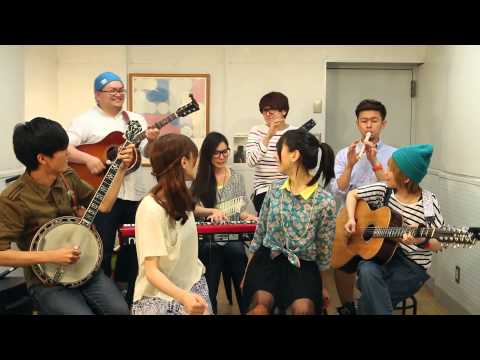
寂しさを込めて強い自分を守っていこうか
寂しさを込めて強い自分を守っていこうか 30 सेकंड में
- A poetic resolution to embrace loneliness as a source of personal strength.
- Literary phrase meaning 'Shall I protect my strong self with loneliness?'
- Focuses on maintaining independence by accepting and infusing inner sadness.
- Common in J-Pop and modern literature to describe stoic emotional resilience.
The phrase 「寂しさを込めて強い自分を守っていこうか」 (Sabishisa o komete tsuyoi jibun o mamotte ikou ka) is a deeply evocative and literary expression that translates roughly to "Shall I go on protecting my strong self, while infusing it with my loneliness?" This isn't just a simple sentence; it is a philosophical stance common in modern Japanese lyrical traditions and introspective literature. It encapsulates the idea of stoic resilience—the decision to not discard one's pain or loneliness, but rather to embrace it as a fundamental component of one's strength. In Japanese culture, there is a long-standing appreciation for the beauty found in melancholy, often referred to as mono no aware. This phrase modernizes that sentiment by suggesting that loneliness (寂しさ) is not a weakness to be cured, but a fuel or a protective layer for the 'strong self' (強い自分) that one strives to maintain in a complex world.
- Grammatical Nuance
- The use of the verb 込めて (komete) is crucial. Derived from komeru, it implies putting one's heart, soul, or a specific feeling into an action or object. By 'infusing' loneliness into the self, the speaker suggests that their strength is tempered by their sadness, making it more authentic and resilient. The ending いこうか (ikou ka) is the volitional form of iku (to go/proceed) followed by the question particle ka. This creates a self-reflective, almost meditative invitation to oneself: 'Shall we continue this way?' or 'Let us move forward like this.'
Example: 寂しさを込めて強い自分を守っていこうか、と彼は日記に書き記した。 (He wrote in his diary, "Shall I go on protecting my strong self, infusing it with my loneliness?")
People use this expression when they are at a turning point in their lives—perhaps after a breakup, a career change, or a period of isolation. It signifies a move away from the 'victim' mindset. Instead of saying 'I am lonely and therefore I am weak,' the speaker says 'I am lonely, and I will use this feeling to fortify my resolve.' It is a very adult, mature way of handling emotion. It suggests that being 'strong' (強い) does not mean being emotionless; rather, it means being able to carry your emotions without letting them break you. This phrase is frequently found in the lyrics of 'City Pop' or modern 'J-Pop' artists who focus on urban isolation and the internal struggles of young adults in Tokyo or other major cities.
Furthermore, the choice of the word 守る (mamoru - to protect) is significant. It implies that the 'strong self' is something precious and vulnerable that requires active effort to maintain. It’s not a natural state, but a cultivated one. By adding loneliness into the mix, the speaker is acknowledging that their strength is not a facade of happiness, but a fortress built out of their lived experiences, including the painful ones. This resonates with the Japanese concept of hitori-gurashi (living alone) culture, where finding strength in solitude is seen as a necessary part of personal growth and maturity.
- Contextual Usage
- This phrase is most appropriate in written form, such as in poetry, song lyrics, or reflective social media posts. In spoken conversation, it would sound very dramatic and poetic, so it is rarely used unless one is quoting something or speaking in a very intimate, deep manner with a close confidant. It is a 'literary' (文語的) expression that carries a weight of sophistication and emotional depth.
Context: A protagonist standing on a rooftop looking at the city lights. 「寂しさを込めて強い自分を守っていこうか」—その決意が、彼女を明日へと動かした。
In summary, this expression is a beautiful synthesis of vulnerability and power. It teaches us that in the Japanese worldview, emotions like loneliness are not obstacles to strength, but the very materials from which a truly resilient 'self' is constructed. It encourages a forward-looking (前向き) attitude that doesn't ignore the past or the pain, but integrates it into a stronger future identity.
Using the phrase 「寂しさを込めて強い自分を守っていこうか」 requires an understanding of its poetic structure. Because it is a complete thought or a 'motto,' it often functions as a standalone sentence or a quoted thought. However, you can adapt parts of it to fit different grammatical needs while maintaining its core sentiment of 'strength through loneliness.'
- Sentence Structure Breakdown
- 寂しさを込めて: (Adverbial phrase) With loneliness infused.
- 強い自分を: (Object) The strong self.
- 守っていこうか: (Verb phrase) Shall we/I go on protecting.
When you want to use this in a sentence, you are usually describing a state of mind or a resolution. It is common to see it followed by particles like と (to - quotation) or という (to iu - called/that is). This allows you to treat the entire phrase as a single noun-like concept representing a specific 'philosophy of life.'
Example 1: 「寂しさを込めて強い自分を守っていこうか」という歌詞が、多くの若者の共感を呼んでいる。 (The lyrics "Shall I go on protecting my strong self, infusing it with my loneliness?" are resonating with many young people.)
You can also modify the ending to change the level of certainty or the target of the action. For instance, changing いこうか to いきたい (ikitai - want to go on) makes it a personal desire. Changing it to いくことにした (iku koto ni shita - decided to go on) makes it a firm decision. However, the original いこうか remains the most poetic because of its gentle, questioning nature.
Example 2: 誰にも頼らず、寂しさを込めて強い自分を守っていこうと心に決めた。 (I decided in my heart to go on protecting my strong self, infusing it with loneliness, without relying on anyone.)
In more formal writing, such as an essay or a literary critique, you might use this phrase to analyze a character's development. It serves as a perfect summary for a character who has undergone hardship and emerged not 'healed' in the traditional sense, but 'fortified' by their experiences. The phrase acts as a bridge between the emotional state (loneliness) and the external manifestation (strength).
- Variations for Practice
- 悲しみを込めて: (Kanashimi o komete) Infusing with sadness.
- 誇りを込めて: (Hokori o komete) Infusing with pride.
- 本当の自分を守る: (Hontou no jibun o mamoru) Protecting the true self.
By swapping out sabishisa for other emotions, you can see how the structure [Emotion] o komete [Self-image] o mamotte ikou ka works as a template for expressing complex psychological states. However, the original version with 'loneliness' is the most iconic because of the inherent paradox between being 'lonely' and being 'strong.' It challenges the listener to rethink what it means to be independent (自立).
Example 3: 都会の喧騒の中で、彼女は寂しさを込めて強い自分を守っていく術を学んだ。 (In the hustle and bustle of the city, she learned the art of protecting her strong self while infusing it with loneliness.)
Finally, remember that this phrase is highly subjective. It is about the internal world. You wouldn't usually say this to someone else as a command (e.g., "You should protect your strong self with loneliness!"). It is almost always a first-person reflection or a general observation about the human condition. It is a way to give dignity to one's own suffering by turning it into a shield or a source of power.
You are most likely to encounter the phrase 「寂しさを込めて強い自分を守っていこうか」 in the realm of Japanese creative arts. It is not a phrase you would hear at a grocery store or in a business meeting. Instead, it thrives in spaces where emotional honesty and artistic expression are valued. Its natural habitats include J-Pop lyrics, anime scripts, contemporary novels, and the introspective corners of Japanese social media like 'X' (formerly Twitter) or Note.
- 1. Music and Lyrics (J-Pop/J-Rock)
- Modern Japanese music often explores the theme of 'loneliness in the city.' Artists like Yoasobi, Eve, or Zutomayo frequently use complex, poetic language to describe the inner lives of their protagonists. A line like this would fit perfectly into a bridge or a final chorus, serving as the 'resolution' of the song's emotional arc. It provides a sense of closure—not by making the loneliness go away, but by accepting it as part of the journey.
Scenario: A music video showing a character walking through Shibuya at night. The lyrics on screen read: 「寂しさを込めて強い自分を守っていこうか」
In these songs, the phrase acts as a 'hook' that captures the listener's own feelings of isolation. It validates the listener's experience, telling them that it's okay to be lonely and that they can still be strong. This 'cool' and 'stoic' approach to sadness is a major trend in Japanese youth culture, often associated with the 'aesthetic' of nighttime and urban solitude.
- 2. Anime and Manga Monologues
- In 'Seinen' (young adult) or 'Josei' (adult female) anime, characters often engage in internal monologues to process their growth. A character who has decided to live independently after a painful experience might think this phrase to themselves. It marks a shift from 'loneliness as a burden' to 'loneliness as an identity.' You might hear it in series that deal with psychological themes, such as March Comes in Like a Lion or Blue Period.
3. Literature and Essays: Contemporary Japanese authors like Sayaka Murata or Mieko Kawakami often explore the boundaries of the self and society. This phrase reflects a common theme in their work: the necessity of maintaining a 'strong self' in a world that often demands conformity. In an essay about modern life, a writer might use this phrase to describe the 'armor' that city dwellers wear—an armor made of their own solitary experiences.
- 4. Social Media and Digital Diaries
- On platforms like Note (a Japanese blogging site), users often write deeply personal reflections. This phrase is a popular choice for a title or a concluding sentence because it sounds sophisticated and emotionally resonant. It signals to the reader that the writer has achieved a level of self-awareness and is ready to face the future with a 'quiet strength.'
Social Media Post: 「一人で生きていくのは大変だけど、寂しさを込めて強い自分を守っていこうかと思う夜もある。」 (Living alone is hard, but there are nights when I think, "Shall I go on protecting my strong self, infusing it with loneliness?")
Ultimately, you hear this phrase wherever there is a need to articulate the complex relationship between individual pain and personal resilience. It is a hallmark of 'literary' Japanese, used to elevate a common feeling (loneliness) into a noble pursuit (protecting the self).
Because 「寂しさを込めて強い自分を守っていこうか」 is a nuanced, high-level expression, learners often make several common mistakes when trying to understand or use it. These errors usually stem from a literal translation of the individual words without grasping the underlying cultural and grammatical context.
- Mistake 1: Misinterpreting "Komete" (込めて)
- Many learners confuse komete with fukumete (including) or tsurete (bringing along). However, komete implies a deep, intentional infusion of emotion. If you say 'loneliness including,' it sounds like loneliness is just an extra item in your bag. 'Loneliness infused' means the loneliness has changed the very nature of your strength. It’s the difference between 'coffee with sugar' and 'sugar dissolved into coffee.'
Mistake 2: Taking "Mamoru" (守る) too literally. In English, 'protect' often implies defending against an external enemy. In this Japanese phrase, mamoru is more about 'maintaining,' 'preserving,' or 'staying true to.' Learners might think they are 'protecting' themselves from loneliness. In fact, the phrase says you are protecting your strong self by using loneliness. It’s an internal preservation of character, not a physical defense.
Incorrect thought: "I must protect myself from loneliness." (寂しさから自分を守る)
Correct nuance: "I will protect my strength by embracing loneliness." (寂しさを込めて自分を守る)
Mistake 3: Confusing the "ka" (か) at the end. Learners often see ka and think it's a question directed at someone else. They might translate it as "Shall we protect...?" while looking for a partner. In this literary style, the ka is a rhetorical self-question. It expresses a soft uncertainty or a gentle proposal to one's own soul. It’s more like "I wonder if I should go on like this... yes, let's." It is a monologue, not a dialogue.
- Mistake 4: Register Mismatch
- Using this phrase in a formal business setting or with a superior would be very strange. It is a 'Bungoteki' (literary) expression. If you said this to your boss when they asked how you were doing, they would likely be very confused or worried about your mental state. It belongs in the world of art, journals, and deep personal reflection.
Mistake 5: Overlooking the "te-iku" (ていく) aspect. The 'te-iku' indicates a process. Some learners translate it as a one-time action: "I will protect my self." But the phrase implies a continuous journey into the future. It’s about the act of going on while being lonely. Skipping this nuance loses the sense of 'perseverance' that is central to the phrase's meaning.
Focus on: ...いこうか (the 'going forward' part). It’s about the future, not just the present state.
To avoid these mistakes, think of the phrase as a 'lyrical mantra.' It’s not a functional piece of communication meant to convey information, but an emotional expression meant to convey a 'vibe' or a 'philosophy.' When in doubt, look at how it is used in song lyrics to see the emotional weight it carries.
While 「寂しさを込めて強い自分を守っていこうか」 is a unique and poetic expression, there are several other Japanese words and phrases that touch upon similar themes of loneliness, strength, and self-preservation. Understanding these alternatives will help you grasp the specific 'flavor' of our target phrase.
- 1. 孤高 (Kokou)
- Meaning: Aloof, solitary pride, or 'noble isolation.'
Comparison: While kokou is a noun/adjective describing a state of being proudly alone, our target phrase is a process of becoming or staying that way. Kokou sounds more traditional and perhaps a bit more arrogant, whereas our phrase is more vulnerable and modern.
- 2. 独り立ち (Hitoridachi)
- Meaning: Standing on one's own feet; independence.
Comparison: This is a much more common, everyday word. It focuses on the functional aspect of being independent (e.g., moving out of your parents' house). Our target phrase focuses on the emotional cost and internal resolve required for that independence.
Comparison:
A: 「やっと独り立ちできた。」 (I finally became independent.) - Functional
B: 「寂しさを込めて強い自分を守っていこうか。」 - Emotional/Philosophical
3. 孤独を噛みしめる (Kodoku o kamishimeru): This means 'to savor or reflect deeply on one's loneliness.' It shares the idea of not running away from loneliness. However, 'kamishimeru' is more about the act of feeling, while 'mamotte ikou ka' is about the act of using that feeling to maintain one's strength and move forward.
- 4. 凛として (Rin to shite)
- Meaning: Dignified, sharp, cold but beautiful, like a clear winter morning.
Comparison: This describes the result of the target phrase. Someone who 'protects their strong self with loneliness' likely appears rin to shite to others. It is a very positive, admired trait in Japanese culture, especially for women.
5. 自分を貫く (Jibun o tsuranuku): This means 'to stay true to oneself' or 'to carry out one's will to the end.' It is more active and aggressive than 'mamoru' (protect). Our target phrase is more about 'preservation' in the face of sadness, whereas 'tsuranuku' is about 'pushing through' regardless of anything.
- Summary Table
Phrase Nuance 孤高 (Kokou) Noble, proud isolation. 独り立ち (Hitoridachi) Functional independence. 自分を守る (Jibun o mamoru) Self-preservation/defense. Target Phrase Emotional resilience via loneliness.
By comparing these, we see that the target phrase is uniquely positioned as a 'modern literary resolution.' It doesn't seek to eliminate loneliness but to transform it into a protective, strengthening force. This makes it particularly resonant in a modern world where many people feel 'alone together.'
How Formal Is It?
रोचक तथ्य
The word 'Komeru' (込める) originally referred to putting something inside a container or loading a gun. Its emotional use ('infusing with feeling') is a beautiful metaphorical extension of this 'loading' action.
उच्चारण मार्गदर्शिका
- Pronouncing 'komete' as 'ko-meet'. It should be 'ko-meh-teh'.
- Over-stressing the 'u' in 'jibun'. It is often nearly silent.
- Making the 'r' in 'mamoru' too heavy like an English 'R'.
- Treating 'ka' as a high-pitched question. In this context, it is often low and reflective.
- Misplacing the pitch on 'sabishisa', making it sound like a different word.
कठिनाई स्तर
Requires knowledge of kanji like 寂, 込, and 守, plus literary grammar.
Constructing such a poetic sentence requires a good grasp of particles and volitional forms.
Pronunciation is easy, but getting the 'reflective' tone right is tricky.
Often spoken quickly or whispered in songs/anime, making it hard to catch.
आगे क्या सीखें
पूर्वापेक्षाएँ
आगे सीखें
उन्नत
ज़रूरी व्याकरण
Noun + を込めて (With ... infused/dedicated)
愛を込めて花束を贈る。
Verb-te + いく (To go on doing/continue into the future)
これからも日本語を勉強していく。
Volitional Form + か (Rhetorical self-question)
そろそろ寝ようか。
Adjective + Noun (Direct modification)
強い風が吹いている。
Object + を + Verb (Basic transitive pattern)
自分を守る。
स्तर के अनुसार उदाहरण
私は寂しいです。
I am lonely.
Basic 'A-i desu' structure.
強い人になりたい。
I want to become a strong person.
Adjective + Noun + naritai.
自分を守ります。
I will protect myself.
Object + mamoru (polite form).
寂しさは怖くない。
Loneliness is not scary.
Noun + wa + negative adjective.
明日も行こう。
Let's go tomorrow too.
Volitional form 'ikou'.
強い心があります。
I have a strong heart.
Adjective + Noun + ga arimasu.
寂しい時、本を読みます。
When I am lonely, I read books.
Adjective + toki (when).
一人は寂しいですか?
Is being alone lonely?
Question with 'ka'.
寂しさを感じることがあります。
There are times when I feel loneliness.
Noun form '~sa' + koto ga aru.
心を込めて手紙を書きました。
I wrote a letter with all my heart.
Expression '~o komete'.
強い自分になりたいと思っています。
I am thinking that I want to become a strong self.
Quotation 'to omotte iru'.
一人で歩いていこう。
Let's go on walking alone.
V-te ikou (continuing action).
自分の夢を守りたいです。
I want to protect my dreams.
Object + mamoritai.
寂しさに負けないでください。
Please don't lose to loneliness.
Negative request '~naide kudasai'.
強い自分を見せたい。
I want to show my strong self.
Adjective + Noun + o misetai.
寂しさを忘れるために走ります。
I run in order to forget loneliness.
Verb + tame ni (purpose).
寂しさを込めて、この歌を歌います。
I will sing this song, infusing it with loneliness.
Using '~o komete' for emotional expression.
どんな時も、強い自分を失いたくない。
No matter when, I don't want to lose my strong self.
Adverb 'donna toki mo' + negative desire.
寂しさを抱えたまま、前へ進んでいこう。
Let's move forward while carrying loneliness.
V-ta mama (remaining in a state).
自分を守ることは、わがままではありません。
Protecting oneself is not selfishness.
Gerund 'koto' as a subject.
寂しさを力に変えていこうか。
Shall we go on changing loneliness into strength?
Ni kaete ikou ka (transforming and proceeding).
強い自分を演じるのにも疲れました。
I'm tired of acting like a strong self, too.
No ni (despite/for) + tsukareta.
寂しさが私を強くしてくれた。
Loneliness made me strong.
Causative-like structure 'A-ku shite kureta'.
一人で生きていく決意をしました。
I made the resolution to go on living alone.
V-te iku + ketsui (resolution).
寂しさを込めて強い自分を守っていこうか、と彼は呟いた。
He muttered, "Shall I go on protecting my strong self, infusing it with loneliness?"
Full target phrase used as a quotation.
都会の孤独を糧にして、自分を磨いていく。
Using urban solitude as fuel, I will go on refining myself.
Kate ni shite (using as food/fuel).
寂しさを排除するのではなく、それを受け入れる強さが必要だ。
Instead of excluding loneliness, the strength to accept it is necessary.
Noun + o haijo suru no dewa naku (not X, but Y).
強い自分を守るためには、時には孤独になる勇気もいる。
In order to protect one's strong self, sometimes the courage to be lonely is also needed.
Mamoru tame ni wa (in order to...).
寂しさを込めた言葉は、誰かの心に深く届く。
Words infused with loneliness reach deeply into someone's heart.
V-ta (past/perfective) modifying a noun.
自分を律し、寂しさと共に歩んでいこうか。
Shall I discipline myself and go on walking together with loneliness?
Jibun o risshi (disciplining oneself) + to tomo ni.
寂しさを抱きしめて、私はもっと強くなれる。
By embracing loneliness, I can become even stronger.
V-te (by doing) + potential form.
強い自分を守り抜くのは、容易なことではない。
Protecting one's strong self to the end is no easy feat.
V-masu stem + nuku (to do to the end).
寂しさを込めて強い自分を守っていこうかという問いは、現代人の宿命かもしれない。
The question of whether to protect one's strong self with loneliness might be the destiny of modern people.
Complex sentence with 'to iu toi' (the question that...).
内なる寂しさを昇華させ、自己のアイデンティティを確立する。
Sublimating inner loneliness to establish one's own identity.
Shouka sase (causative sublimation).
寂しさを込めるという行為は、自己救済の一種である。
The act of infusing loneliness is a type of self-salvation.
Noun + to iu koui (the act of...).
強い自分を守るという虚勢の裏には、深い寂しさが隠れている。
Behind the bravado of protecting a strong self, a deep loneliness is hidden.
Kyosei no ura ni wa (behind the bluff).
寂しさを込めて生きることは、他者との安易な同調を拒むことだ。
Living with loneliness infused is to refuse easy synchronization with others.
Doukyou o kobamu (refusing synchronization).
寂しさを糧に、自分だけの城を築いていこうか。
Shall I go on building my own castle, using loneliness as fuel?
Jibun dake no shiro (one's own castle).
強い自分を守るという決意が、かえって寂しさを際立たせる。
The resolution to protect one's strong self conversely makes the loneliness stand out.
Kaette (on the contrary) + kiwatataseru (make stand out).
寂しさを込めた沈黙が、饒舌な言葉よりも多くを語る。
A silence infused with loneliness speaks more than voluble words.
Jougetsu na (talkative/voluble).
「寂しさを込めて強い自分を守っていこうか」というフレーズの背後には、実存的な孤独への覚悟が読み取れる。
Behind the phrase "Shall I go on protecting my strong self, infusing it with loneliness?", one can discern a readiness for existential solitude.
Jitsuzonteki (existential) + kakugo (readiness/resolve).
寂しさを込めるというメタファーは、自己の断片を統合するプロセスを象徴している。
The metaphor of infusing loneliness symbolizes the process of integrating fragments of the self.
Metafaa (metaphor) + shouchou (symbolize).
強い自分を守るというパラドックスが、現代文学の核心を突いている。
The paradox of protecting a strong self strikes at the core of modern literature.
Paradokkusu (paradox) + kakushin o tsuku (strike the core).
寂しさを込めて歩む道は、自己との飽くなき対話の連続である。
The path walked with loneliness infused is a continuous, insatiable dialogue with the self.
Akunaki taiwa (insatiable dialogue).
強い自分を守るための鎧として、寂しさを纏う。
Wearing loneliness as armor to protect one's strong self.
Yoroitoshite (as armor) + matou (to wear/wrap).
寂しさを込めることで、自己の存在論的な重みが増す。
By infusing loneliness, the ontological weight of one's existence increases.
Sonzaironteki (ontological) + omomi (weight).
強い自分を守っていこうかという自問自答が、魂の深淵を照らす。
The self-questioning of whether to protect one's strong self illuminates the abyss of the soul.
Jimon-jitou (self-questioning) + shin'en (abyss).
寂しさを込めた生は、他者への依存を断ち切った究極の自律である。
A life infused with loneliness is the ultimate autonomy, having severed dependence on others.
Izon o tachikitta (severed dependence).
समानार्थी शब्द
विलोम शब्द
सामान्य शब्द संयोजन
सामान्य वाक्यांश
— To turn loneliness into power. A more common, less poetic version of the phrase.
寂しさを力に変えて、夢を追いかける。
— I like being alone. A simple way to express a preference for solitude.
私は昔から一人が好きなんです。
— To live true to oneself. Often used alongside the idea of being strong alone.
誰に何を言われても、自分らしく生きる。
— Dying alone. A social issue in Japan that provides a dark contrast to 'noble solitude.'
都会では孤独死が問題になっている。
— All alone (often with a sad nuance).
公園で一人ぼっちで座っている。
— Selfish. Sometimes people confuse 'protecting the self' with being 'selfish.'
自分勝手な行動は慎むべきだ。
— Emotional support. The 'strong self' often lacks this from others.
彼女が私の心の支えだった。
— Lone wolf. Someone who prefers to work or live alone.
彼はチームに馴染まない一匹狼だ。
— A reward for oneself. A common phrase in 'solo living' culture.
今日は仕事が頑張ったから、自分へのご褒美にケーキを買う。
— Single aristocrat. Someone who enjoys a wealthy, single life.
彼は独身貴族を謳歌している。
अक्सर इससे भ्रम होता है
This means 'running away from loneliness,' which is the opposite of 'infusing' it.
This means 'hiding oneself,' whereas 'mamoru' is about protecting the *strong* self you've built.
This means 'enjoying solitude,' which is more lighthearted than the 'stoic' target phrase.
मुहावरे और अभिव्यक्तियाँ
— To work oneself to the bone or sacrifice oneself. Related to the 'effort' in the phrase.
身を削って強い自分を作り上げた。
Neutral— To grit one's teeth and endure. Part of being 'strong' (tsuyoi).
寂しさに耐え、歯を食いしばって頑張る。
Neutral— To be talked about behind one's back. A fear that might lead one to 'protect' the self.
誰に後ろ指を指されても構わない。
Neutral— To engrave in one's heart. Similar to 'komete' (infusing).
その決意を胸に刻んで生きていく。
Literary— To shed a skin; to grow or mature through hardship.
寂しさを乗り越えて、一皮剥けた気がする。
Neutral— To make up one's mind; to prepare for the worst.
一人で生きていくと腹を括った。
Informal— To endure extreme hardship (lit. to sip mud).
泥を啜るような思いをして、今の強さを手に入れた。
Literary— To go one's own way regardless of others.
彼は常に我が道を行く人だ。
Neutral— Isolated and helpless. The negative state the phrase tries to transform.
孤立無援の状態でも、自分を失わなかった。
Formal— Silence is gold. Related to the quiet nature of the 'strong self.'
余計なことは言わず、沈黙は金を守る。
Neutralआसानी से भ्रमित होने वाले
Both mean loneliness/solitude.
Kodoku is more objective/sociological; Sabishisa is more subjective/emotional.
都会の孤独 (Urban solitude) vs. 胸の寂しさ (Loneliness in the chest).
Sounds similar to 'Komete'.
Fukumete means 'including' (logical); Komete means 'infusing' (emotional).
税金を含めて (Including tax) vs. 愛を込めて (With love).
Similar to 'Mamoru'.
Tamotsu is more about maintaining a level/status; Mamoru is about protecting from harm or loss.
健康を保つ (Maintain health) vs. 自分を守る (Protect oneself).
Both used as auxiliary verbs.
Te-iku is moving away from now into the future; Te-kuru is moving from the past towards now.
生きていく (Go on living) vs. 生きてきた (Have lived until now).
Both mean strong.
Tsuyoi is general strength; Takumashii is robust/sturdy/brawny.
強い意志 (Strong will) vs. 逞しい体 (Robust body).
वाक्य संरचनाएँ
[Emotion]を込めて[Self-image]を守っていこうか
悲しみを込めて優しい自分を守っていこうか。
[Noun]を糧にして[Verb-te]いく
孤独を糧にして生きていく。
[Adjective]自分でありたい
強い自分でありたい。
[Noun]を込めて[Verb]
願いを込めて祈る。
[Phrase]という決意
自分を守るという決意。
[Verb-te]いく術を学ぶ
一人で生きていく術を学ぶ。
[Adjective]です
寂しいです。
[Noun]の背後には[Noun]がある
強さの背後には寂しさがある。
शब्द परिवार
संज्ञा
क्रिया
विशेषण
संबंधित
इसे कैसे इस्तेमाल करें
Low in daily speech, High in artistic media.
-
Using 'Fukumete' instead of 'Komete'.
→
Komete
Fukumete is for logical inclusion (like tax); Komete is for emotional infusion.
-
Thinking 'ka' is a question for the listener.
→
It's a self-question.
In literary contexts, 'ka' often indicates an internal monologue or reflection.
-
Translating 'Mamoru' as 'Defend against'.
→
Protect/Maintain
In this phrase, you are protecting your *character*, not defending against an enemy.
-
Using this phrase in a business meeting.
→
Use formal, non-poetic language.
This phrase is too emotional and 'artsy' for professional environments.
-
Pronouncing 'Sabishisa' with an English 'S' stress.
→
Flat Japanese pitch.
Japanese doesn't have word-level stress like English; keep the syllables even.
सुझाव
The Power of '~sa'
Changing adjectives to nouns with '~sa' (e.g., tsuyosa, sabishisa) allows you to talk about emotions as objects. This is key for poetic Japanese.
Embrace the Melancholy
In Japan, sadness isn't always something to 'fix.' Sometimes it's something to 'wear' with dignity. This phrase is a prime example.
'Mamoru' vs 'Fusegu'
Use 'Mamoru' for protecting something precious (like yourself). Use 'Fusegu' for preventing something bad (like an accident).
Volitional + Ka
Using '...ikou ka' instead of '...ikou' makes your Japanese sound more thoughtful and less aggressive. It's great for internal monologues.
The Kanji for 'Komete'
The kanji 込 (ko-mu) contains the 'road' radical and 'enter.' Think of it as 'entering' a feeling into your path.
Lyric Hunting
Search for the phrase 'を込めて' on lyric websites like Uta-Net to see how many different emotions Japanese artists 'infuse' into their songs.
The 'Whisper' Effect
When practicing this phrase, try saying it as a whisper. It helps you capture the 'monologue' feel that is essential to its meaning.
Diary Practice
Start your diary with 'Today, I felt [Emotion].' Then end it with '[Emotion] o komete, ashita mo ganbarou' (Infusing [Emotion], let's do our best tomorrow).
Context Clues
If you see 'strong self' (強い自分) in a book, look for words like 'armor' (鎧) or 'solitude' (孤独) nearby. They often go together.
Integration
Remember: this phrase is about *integration*, not *elimination*. You are keeping the loneliness, not throwing it away.
याद करें
स्मृति सहायक
Imagine you are 'loading' (Komete) a 'shield' (Mamoru) with 'blue loneliness' (Sabishisa) to make it 'strong' (Tsuyoi).
दृश्य संबंध
A person standing in a blue rainstorm, but they are wearing a glowing, golden armor that is powered by the rain itself.
Word Web
चैलेंज
Try to write a 3-line poem ending with 'mamotte ikou ka' to express how you feel about your own growth.
शब्द की उत्पत्ति
The phrase is a modern construction using classical Japanese grammatical structures (volitional + ka). It reflects the 'New Sensibility' in Japanese literature and lyrics from the 1980s onwards, where individual emotional states became central themes.
मूल अर्थ: To protect the self while putting heart/emotion into it.
Japonicसांस्कृतिक संदर्भ
Be careful not to romanticize loneliness too much if someone is actually suffering from clinical depression. This is a literary sentiment, not medical advice.
In English, we often say 'What doesn't kill you makes you stronger.' This phrase is the Japanese poetic equivalent, but with a focus on the *internal* maintenance of the self rather than just survival.
असल ज़िंदगी में अभ्यास करें
वास्तविक संदर्भ
Personal Diary
- 今日の決意
- 自分を見つめ直す
- 寂しさと向き合う
- 一人の時間
Songwriting
- 夜の街
- 星空の下で
- 消えない痛み
- 強くなれる気がした
Social Media Reflection
- 独り言
- 今の気持ち
- 明日からまた頑張る
- 自分らしく
Literary Analysis
- 主人公の心理
- 孤独のテーマ
- 自己の確立
- 文語的な表現
Counseling/Self-help
- 感情を受け入れる
- 自己肯定感
- レジリエンス
- 内なる強さ
बातचीत की शुरुआत
"「寂しさを込めて強い自分を守る」という考え方についてどう思う?"
"最近、一人でいる時に自分を強く保つためにしていることはある?"
"このフレーズ、歌詞みたいでかっこいいよね。どんな曲に合いそう?"
"寂しさを「捨てる」んじゃなくて「込める」って、面白い表現だと思わない?"
"あなたが「強い自分」を守るために、大切にしている感情は何?"
डायरी विषय
Write about a time you felt lonely but used that feeling to achieve something difficult.
What does 'protecting your strong self' mean to you in your current stage of life?
If you had to 'infuse' (komete) an emotion into your work or hobby, what would it be and why?
Reflect on the difference between 'being lonely' and 'choosing to be alone' (solitude).
Write a letter to your future self about how you plan to stay strong through upcoming challenges.
अक्सर पूछे जाने वाले सवाल
10 सवालRarely in spoken conversation. It is mostly found in lyrics, novels, or personal writing. If you say it out loud, people will think you are quoting a song or being very dramatic.
Yes! You can say 'Kanashimi' (sadness), 'Ikari' (anger), or even 'Ai' (love). The structure '[Emotion] o komete' is very flexible.
It's a rhetorical question. It makes the sentence sound less like a command and more like a gentle suggestion to oneself. It adds a 'literary' and 'soft' feel.
It depends. It can mean 'self-defense' (good) or 'being closed off' (sometimes seen as negative). In this phrase, it is seen as a positive, stoic act of self-preservation.
There is no single English word. 'Infused with,' 'with all my,' 'filled with,' or 'dedicated with' are all good translations depending on the context.
It is gender-neutral. Both men and women use this kind of poetic language in Japanese music and literature.
Using the noun form '~sa' makes the emotion feel like a 'thing' or a 'substance' that you can handle and 'infuse' into something else.
It is B2/C1 level because it involves abstract concepts, literary grammar, and cultural nuances that go beyond basic communication.
Absolutely not. It is far too emotional and poetic for a professional setting. Stick to 'Kansha o komete' (With gratitude) if you want to use the 'komete' pattern.
Many songs have similar titles or lyrics. It is a very common 'trope' in J-Pop lyrics that deal with urban loneliness.
खुद को परखो 180 सवाल
Write 'I am strong' in Japanese.
Well written! Good try! Check the sample answer below.
Write 'I want to be strong' in Japanese.
Well written! Good try! Check the sample answer below.
Write 'I will protect myself' in Japanese.
Well written! Good try! Check the sample answer below.
Write the target phrase: 'Shall I go on protecting my strong self with loneliness?'
Well written! Good try! Check the sample answer below.
Write 'I use loneliness as fuel' in Japanese.
Well written! Good try! Check the sample answer below.
Write 'I am lonely' in Japanese.
Well written! Good try! Check the sample answer below.
Write 'Let's go forward' in Japanese.
Well written! Good try! Check the sample answer below.
Write 'I made a resolution' in Japanese.
Well written! Good try! Check the sample answer below.
Write 'Accepting loneliness' in Japanese.
Well written! Good try! Check the sample answer below.
Write 'Existential solitude' in Japanese.
Well written! Good try! Check the sample answer below.
Write 'Strong heart' in Japanese.
Well written! Good try! Check the sample answer below.
Write 'With love' in Japanese.
Well written! Good try! Check the sample answer below.
Write 'Living alone' in Japanese.
Well written! Good try! Check the sample answer below.
Write 'Protecting the true self' in Japanese.
Well written! Good try! Check the sample answer below.
Write 'Establishing identity' in Japanese.
Well written! Good try! Check the sample answer below.
Write 'My book' in Japanese.
Well written! Good try! Check the sample answer below.
Write 'Protecting the environment' in Japanese.
Well written! Good try! Check the sample answer below.
Write 'Turning sadness into power' in Japanese.
Well written! Good try! Check the sample answer below.
Write 'A quiet resolution' in Japanese.
Well written! Good try! Check the sample answer below.
Write 'Sublimating emotions' in Japanese.
Well written! Good try! Check the sample answer below.
Say 'I am lonely' in Japanese.
Read this aloud:
तुमने कहा:
Speech recognition is not supported in your browser. Try Chrome or Edge.
Say 'I want to be strong' in Japanese.
Read this aloud:
तुमने कहा:
Speech recognition is not supported in your browser. Try Chrome or Edge.
Say 'I will protect myself' in Japanese.
Read this aloud:
तुमने कहा:
Speech recognition is not supported in your browser. Try Chrome or Edge.
Recite the target phrase with a reflective tone.
Read this aloud:
तुमने कहा:
Speech recognition is not supported in your browser. Try Chrome or Edge.
Say 'I use loneliness as fuel' in Japanese.
Read this aloud:
तुमने कहा:
Speech recognition is not supported in your browser. Try Chrome or Edge.
Say 'Strong heart' in Japanese.
Read this aloud:
तुमने कहा:
Speech recognition is not supported in your browser. Try Chrome or Edge.
Say 'With love' in Japanese.
Read this aloud:
तुमने कहा:
Speech recognition is not supported in your browser. Try Chrome or Edge.
Say 'Let's go forward' in Japanese.
Read this aloud:
तुमने कहा:
Speech recognition is not supported in your browser. Try Chrome or Edge.
Say 'Accepting loneliness' in Japanese.
Read this aloud:
तुमने कहा:
Speech recognition is not supported in your browser. Try Chrome or Edge.
Say 'Existential solitude' in Japanese.
Read this aloud:
तुमने कहा:
Speech recognition is not supported in your browser. Try Chrome or Edge.
Listen and write: 私は寂しい。
Listen and write: 強くなりたい。
Listen and write: 自分を守る。
Listen and write the target phrase.
Listen and write: 孤独を糧にする。
Listen and write: 強い心。
Listen and write: 愛を込めて。
Listen and write: 前へ行こう。
Listen and write: 寂しさを受け入れる。
Listen and write: 実存的な孤独。
/ 180 correct
Perfect score!
Summary
The phrase '寂しさを込めて強い自分を守っていこうか' teaches that strength isn't about the absence of loneliness, but about the integration of it. Example: 'Even after the breakup, she decided to live by the motto: 寂しさを込めて強い自分を守っていこうか.'
- A poetic resolution to embrace loneliness as a source of personal strength.
- Literary phrase meaning 'Shall I protect my strong self with loneliness?'
- Focuses on maintaining independence by accepting and infusing inner sadness.
- Common in J-Pop and modern literature to describe stoic emotional resilience.
The Power of '~sa'
Changing adjectives to nouns with '~sa' (e.g., tsuyosa, sabishisa) allows you to talk about emotions as objects. This is key for poetic Japanese.
Embrace the Melancholy
In Japan, sadness isn't always something to 'fix.' Sometimes it's something to 'wear' with dignity. This phrase is a prime example.
'Mamoru' vs 'Fusegu'
Use 'Mamoru' for protecting something precious (like yourself). Use 'Fusegu' for preventing something bad (like an accident).
Volitional + Ka
Using '...ikou ka' instead of '...ikou' makes your Japanese sound more thoughtful and less aggressive. It's great for internal monologues.