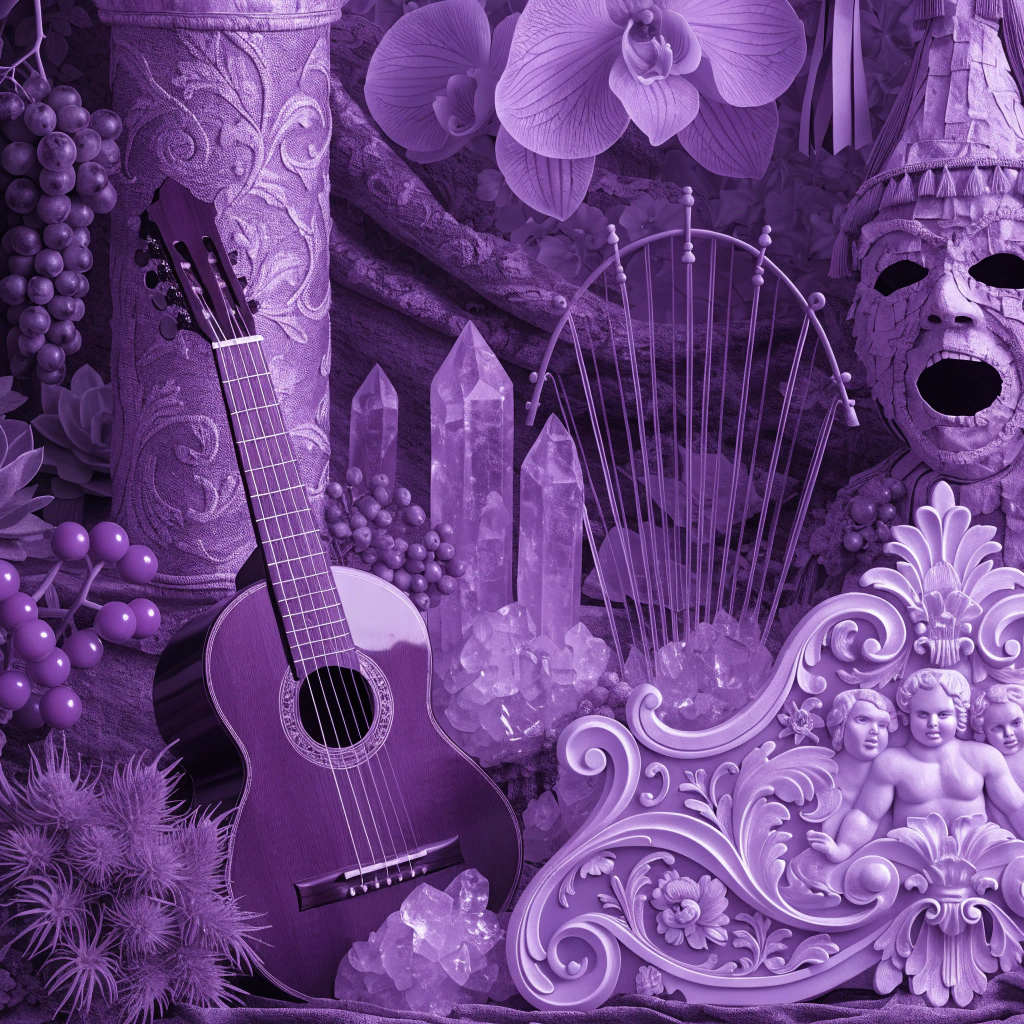
Fado: The Music of Portugal
Fado is a famous style of music from Portugal. It is very old. People sing Fado in the streets of Lisbon. Lisbon is the capital city.
Fado songs are often sad. They are about life and fate. The word Fado means fate. The singers wear dark clothes. They sing with a guitar.
Many people love this music. It is an important part of Portuguese culture. You can listen to Fado in small restaurants. It is very beautiful.
문법 스포트라이트
패턴: Present Simple (to be)
"Fado is a famous style of music from Portugal."
We use 'is' with singular subjects like 'Fado' to state facts. It describes what something is or where it is from.
패턴: Plural Nouns
"The singers wear dark clothes."
We add '-s' to nouns like 'singer' to show there is more than one person. 'Clothes' is always plural in this context.
이해도를 테스트하세요
10 질문 · A1 초급 · 무료 미리보기 1회
이 기사에서 배운 내용을 테스트하세요. 모든 질문에 답하여 XP를 획득하세요!
Where is Fado music from?
문제별 결과
Where is Fado music from?
내 답변:
정답: Portugal
Fado is a very new style of music.
내 답변:
정답: 거짓
What does the word 'sad' mean?
내 답변:
정답: Not happy
The singers wear dark _____.
내 답변:
정답: clothes
The Soul of Portugal: Fado Music
Fado is the most famous music in Portugal. It started a long time ago in the small streets of Lisbon. People first sang Fado in taverns near the sea. The word "Fado" means fate or destiny.
Usually, one person sings Fado and two people play guitars. The music is often sad because the songs are about loss and longing. The Portuguese people have a special word for this feeling: "saudade." It is a mix of sadness and love for someone who is not there.
Today, Fado is more popular than before. You can hear it in many restaurants in Lisbon. Tourists love it because the singers have very strong emotions. In 2011, UNESCO said Fado is part of the world's culture. If you visit Portugal, you must listen to a Fado song. It is a beautiful experience because it tells a story about the heart.
문법 스포트라이트
패턴: Comparatives
"Today, Fado is more popular than before."
We use 'more + adjective + than' to compare two things. This is common for long adjectives like 'popular' or 'beautiful'.
패턴: Past Simple
"It started a long time ago in the small streets of Lisbon."
We use the Past Simple to talk about finished actions in the past. For regular verbs, we add '-ed' to the end of the verb.
이해도를 테스트하세요
11 질문 · A2 초등급 · 무료 미리보기 1회
이 기사에서 배운 내용을 테스트하세요. 모든 질문에 답하여 XP를 획득하세요!
Where did Fado music start?
문제별 결과
Where did Fado music start?
내 답변:
정답: In the small streets of Lisbon
Fado music is usually very happy and fast.
내 답변:
정답: 거짓
What does 'destiny' mean?
내 답변:
정답: Things that will happen in the future
The word Fado means ____.
내 답변:
정답: fate
How many guitars usually play during a Fado song?
내 답변:
정답: Two
Fado: The Soul of Portugal
Fado is the most famous type of music in Portugal, and it has been part of the country's culture for over two hundred years. It started in the 19th century in the narrow streets of Lisbon, especially in neighborhoods like Alfama. In the past, it was sung by sailors and poor people who lived near the docks. They used music to express their feelings about their difficult lives.
The word 'Fado' comes from a Latin word that means 'fate' or 'destiny.' The songs often tell stories about the sea, the lives of the poor, and a special feeling called 'saudade.' This word is difficult to translate, but it describes a mix of sadness, longing, and love for someone or something that is gone. Even though the music sounds sad, it is very beautiful and powerful.
In a traditional performance, there is usually one singer, called a 'fadista,' who is accompanied by two musicians. One musician plays the classical guitar, while the other plays the unique Portuguese guitar, which has twelve strings. The singer often wears a black shawl and stands between the guitarists to perform these emotional songs.
Today, Fado is loved by people all over the world. In 2011, it was added to the UNESCO list of Intangible Cultural Heritage. Many modern singers have experimented with the style, but the emotional heart of Fado remains the same. If you walk through the streets of Lisbon at night, you can still hear these soulful voices coming from small restaurants and traditional 'Casas de Fado.' It is an experience that should not be missed by any traveler.
문법 스포트라이트
패턴: Present Perfect Passive
"Fado is the most famous type of music in Portugal, and it has been part of the country's culture for over two hundred years."
The present perfect passive (has/have been + past participle) is used to describe an action that started in the past and continues to be relevant now. It focuses on the subject receiving the action.
패턴: Relative Clauses
"One musician plays the classical guitar, while the other plays the unique Portuguese guitar, which has twelve strings."
Relative clauses starting with 'which' or 'who' provide extra information about a noun. In this example, it describes a specific characteristic of the Portuguese guitar.
이해도를 테스트하세요
11 질문 · B1 중급 · 무료 미리보기 1회
이 기사에서 배운 내용을 테스트하세요. 모든 질문에 답하여 XP를 획득하세요!
Where did Fado music originally start?
문제별 결과
Where did Fado music originally start?
내 답변:
정답: In the narrow streets and docks of Lisbon
The word 'Fado' means 'happiness' in Latin.
내 답변:
정답: 거짓
What does the word 'saudade' describe?
내 답변:
정답: A mix of sadness, longing, and love
A person who sings Fado is called a _____.
내 답변:
정답: fadista
What happened to Fado in 2011?
내 답변:
정답: It was added to the UNESCO heritage list
파두: 포르투갈 영혼의 애수 깃든 선율
포르투갈의 문화적 상징 중 가장 국제적으로 잘 알려진 것은 아마도 '파두(Fado)'일 것입니다. 19세기 초 리스본의 알파마(Alfama)와 모우라리아(Mouraria) 지구의 부두가 선술집과 좁은 골목에서 탄생한 이 음악 장르는 깊은 정서적 무게로 정의됩니다. '파두'라는 단어 자체는 라틴어 'fatum'(운명 또는 숙명)에서 유래했으며, 그 노래들은 종종 상실감, 그리움, 바다, 그리고 피할 수 없는 삶의 고난과 같은 주제를 다룹니다. 이러한 집단적인 정서는 '사우다데(Saudade)'라는 포르투갈어 단어에 응축되어 있습니다.
파두는 단순히 음악적 장르를 넘어 포르투갈인의 삶과 정서를 반영하는 거울과 같습니다. 그 가사에는 고된 삶의 애환과 바다를 떠난 연인을 기다리는 간절함, 돌아오지 않는 배에 대한 슬픔 등 서민들의 이야기가 담겨 있습니다. 파두 가수는 주로 여성이며, 강렬한 목소리로 듣는 이의 마음을 울리는 독특한 창법을 선보입니다. 기타 반주 또한 파두의 중요한 구성 요소로, 포르투갈 기타와 비올라(클래식 기타)가 어우러져 애수 띤 멜로디를 만들어냅니다.
파두의 기원에 대해서는 여러 설이 존재하지만, 아프리카와 브라질의 노예 음악, 아랍의 선율, 그리고 포르투갈 민요의 영향을 받아 형성되었다는 견해가 지배적입니다. 특히 리스본의 항구 지역은 다양한 문화가 교차하는 곳이었기에, 여러 음악적 요소가 융합될 수 있는 이상적인 환경을 제공했습니다. 초기 파두는 주로 서민층 사이에서 불렸으며, 당시 사회의 고통과 희망을 표현하는 수단이었습니다.
20세기 들어 파두는 점차 대중성을 확보하고 국가적 상징으로 자리매김했습니다. 특히 아마리아 로드리게스(Amália Rodrigues)와 같은 전설적인 가수들은 파두를 전 세계에 알리는 데 결정적인 역할을 했습니다. 그녀의 목소리는 파두의 애절함과 강렬함을 동시에 담아내며 많은 이들을 매료시켰습니다. 2011년에는 유네스코 인류 무형문화유산으로 등재되어 그 가치를 국제적으로 인정받았습니다. 이는 파두가 단순한 음악을 넘어 포르투갈인의 정체성과 역사를 담고 있는 중요한 문화유산임을 증명하는 것입니다.
오늘날 파두는 여전히 리스본의 파두 하우스(Casa de Fado)에서 살아 숨 쉬고 있으며, 관광객뿐만 아니라 현지인들에게도 깊은 감동을 선사합니다. 현대에 와서는 전통적인 형태를 유지하면서도 새로운 음악적 시도를 통해 진화하고 있습니다. 파두는 포르투갈의 과거와 현재, 그리고 미래를 잇는 다리 역할을 하며, 듣는 이로 하여금 삶의 깊은 의미와 감동을 느끼게 합니다. 이처럼 파두는 포르투갈의 영혼을 담은 노래이자, 시대를 초월하여 사랑받는 보편적인 예술 형식으로 자리매김하고 있습니다.
문법 스포트라이트
패턴: -다는 견해가 지배적이다
"아프리카와 브라질의 노예 음악, 아랍의 선율, 그리고 포르투갈 민요의 영향을 받아 형성되었다는 견해가 지배적입니다."
이 표현은 어떤 주장이나 의견이 가장 널리 받아들여지거나 우세하다는 것을 나타낼 때 사용합니다. '-다는'은 앞 문장이 사실임을 전달하며, '지배적이다'는 '주류를 이룬다'는 의미입니다.
패턴: -으로 하여금 ~게 하다
"듣는 이로 하여금 삶의 깊은 의미와 감동을 느끼게 합니다."
이 문법 패턴은 어떤 대상(이로 하여금)이 특정 행동(느끼게 하다)을 하도록 유도하거나 영향을 미칠 때 사용됩니다. 주체가 다른 대상에게 어떤 행위를 하게 만드는 사동의 의미를 지닙니다.
패턴: -뿐만 아니라 ~도
"관광객뿐만 아니라 현지인들에게도 깊은 감동을 선사합니다."
이 패턴은 'A뿐만 아니라 B도'라는 의미로, 어떤 사실이나 대상이 하나에만 해당되는 것이 아니라 다른 것에도 해당됨을 강조할 때 사용합니다. 'A도' 또는 'B도'와 같이 뒤에 '도'가 붙어 추가됨을 나타냅니다.
이해도를 테스트하세요
11 질문 · B2 중상급 · 무료 미리보기 1회
이 기사에서 배운 내용을 테스트하세요. 모든 질문에 답하여 XP를 획득하세요!
파두의 주요 주제가 아닌 것은 무엇입니까?
문제별 결과
파두의 주요 주제가 아닌 것은 무엇입니까?
내 답변:
정답: 미래에 대한 낙관적인 희망
파두는 주로 포르투갈의 왕실과 귀족들 사이에서 시작된 음악 장르이다.
내 답변:
정답: 거짓
'애환'의 의미로 가장 적절한 것은 무엇입니까?
내 답변:
정답: 인생의 기쁨과 슬픔
2011년에 파두는 유네스코 인류 무형문화유산으로 _____ 그 가치를 국제적으로 인정받았습니다.
내 답변:
정답: 등재되어
파두의 기원에 대한 '지배적인 견해'에 포함되지 않는 것은 무엇입니까?
내 답변:
정답: 북유럽 민요의 영향
The Melancholic Resonance of Fado: Destiny, Saudade, and the Portuguese Soul
Seldom has a musical genre so poignantly captured the collective psyche of a nation as Fado has for Portugal. Emerging from the labyrinthine alleys of Lisbon’s Alfama and Mouraria districts during the early 19th century, Fado is far more than mere entertainment; it is an existential exploration of 'saudade'—a term famously difficult to translate, yet viscerally understood by the Portuguese. It is this profound sense of longing for something lost, or perhaps something that never was, that constitutes the thematic backbone of the genre. The etymological roots of the word 'Fado' lie in the Latin 'fatum,' meaning fate or destiny. This linguistic heritage underscores the fatalistic worldview inherent in the lyrics, where the individual is often depicted as being at the mercy of the sea, poverty, or unrequited love. Indeed, it was the marginalization of the urban poor and the shared hardships of dockworkers that provided the fertile ground for these melancholic narratives to flourish.
The institutionalization of Fado during the mid-20th century, particularly under the Estado Novo regime, saw the genre transition from the grit of dockside taverns to the polished stages of international concert halls. This shift, while broadening Fado’s global appeal, sparked a perennial debate regarding the preservation of grassroots authenticity versus the pressures of commercialization. Musically, Fado is characterized by a stark, emotive simplicity. The 'fadista' is typically accompanied by the classical guitar and the twelve-stringed Portuguese guitar, whose ethereal, metallic timbre provides a sharp contrast to the deep, resonant vocals. It is through the haunting strains of the 'guitarra portuguesa' that the singer’s lament finds its instrumental echo. Not until the arrival of Amália Rodrigues, the 'Rainha do Fado,' did the genre achieve its current status as a sophisticated art form capable of expressing complex poetic nuances.
Critically speaking, the contemporary resurgence of Fado suggests a nation grappling with its historical identity in an increasingly globalized world. The recognition of Fado by UNESCO as an Intangible Cultural Heritage of Humanity in 2011 served as a formal validation of its cultural significance, yet it also accelerated the commodification of the experience for tourism. While some purists argue that the professionalization of the genre has diluted its raw emotional power, others maintain that the evolution of Fado is necessary for its survival in the 21st century. What remains undisputed is the visceral impact of a live performance in a dimly lit 'casa de fado.' Only by immersing oneself in the acoustic intimacy of these venues can one truly appreciate the evocation of a shared destiny. Ultimately, Fado serves as a sonic bridge between Portugal’s maritime past and its modern aspirations, proving that even in the face of inevitable loss, there is a certain dignity to be found in the song.
문법 스포트라이트
패턴: Negative Inversion
"Seldom has a musical genre so poignantly captured the collective psyche of a nation as Fado has for Portugal."
Inversion is used after restrictive adverbs like 'seldom' to add emphasis. The auxiliary verb comes before the subject, creating a more formal and dramatic tone.
패턴: Cleft Sentences
"It is through the haunting strains of the 'guitarra portuguesa' that the singer’s lament finds its instrumental echo."
Cleft sentences focus on a specific part of the information. Using 'It is... that' highlights the instrumental cause of the musical echo.
패턴: Nominalisation
"The institutionalization of Fado during the mid-20th century... saw the genre transition from the grit of dockside taverns..."
Nominalisation turns verbs or adjectives into nouns (e.g., 'institutionalization'). This allows the writer to pack complex ideas into the subject of the sentence, common in academic and C1 level writing.
이해도를 테스트하세요
12 질문 · C1 고급 · 무료 미리보기 1회
이 기사에서 배운 내용을 테스트하세요. 모든 질문에 답하여 XP를 획득하세요!
What is the primary thematic focus of Fado as described in the text?
문제별 결과
What is the primary thematic focus of Fado as described in the text?
내 답변:
정답: An exploration of longing and destiny
Fado originated in the high-class concert halls of Lisbon.
내 답변:
정답: 거짓
What does 'perennial' mean in the context of the debate over Fado?
내 답변:
정답: Enduring for a long time
The recognition of Fado by UNESCO led to the _____ of the experience for tourism.
내 답변:
정답: commodification
Who is credited with elevating Fado into a sophisticated literary art form?
내 답변:
정답: Amália Rodrigues
The term 'saudade' is easily translated into most other languages.
내 답변:
정답: 거짓
포르투갈의 영혼, 파두: 숙명과 정념의 음악
포르투갈의 수도 리스본의 좁은 골목길과 항구 선술집에서 19세기 초 태동한 파두(Fado)는 단순한 음악 장르를 넘어 포르투갈 국민의 정서와 역사를 고스란히 담아낸 문화적 정수라 할 수 있습니다. 그 이름 자체가 라틴어 'fatum'(숙명)에서 유래했음에 비추어 볼진대, 파두가 운명론적 비탄과 불가피한 삶의 애환을 노래하는 것은 어찌 보면 당연한 귀결이라 하겠습니다. 이 음악은 특히 '사우다드(Saudade)'라는 포르투갈어 특유의 정서를 기반으로 하는데, 이는 과거에 대한 아련한 그리움, 부재하는 것에 대한 갈망, 그리고 다시는 돌아오지 않을 것에 대한 체념이 뒤섞인 복합적인 감정으로, 영어의 'nostalgia'나 'longing'으로는 온전히 번역될 수 없는 심오한 개념입니다.
파두의 발생지는 주로 리스본의 알파마(Alfama)와 모우라리아(Mouraria) 지구였으며, 뱃사람, 노동자, 그리고 소외된 이들의 삶의 고뇌가 그 주된 서사를 이루었습니다. 초기 파두는 즉흥적이고 거칠었으나, 시간이 흐르면서 점차 체계화되고 세련되어졌습니다. 파두를 노래하는 가수를 '파디스타(Fadista)'라 칭하며, 이들은 보통 기타라(Guitarra, 포르투갈 기타)와 비올라(Viola, 스페인 기타)의 반주에 맞춰 애절한 목소리로 삶의 희로애락을 토해냅니다. 파디스타의 목소리에는 단순한 슬픔을 넘어선, 숙명에 대한 깊은 이해와 이를 묵묵히 받아들이는 포르투갈인의 강인함이 배어 있습니다.
파두는 그 특유의 비극적 아름다움으로 인해 한때는 사회의 저층민들이 향유하는 음악으로 치부되기도 했으나, 20세기 중반 아말리아 로드리게스(Amália Rodrigues)와 같은 위대한 파디스타의 등장으로 국제적인 명성을 얻게 됩니다. 그녀는 파두의 예술적 지평을 넓히고 대중적 인기를 견인하며, 파두가 포르투갈의 상징이자 세계적인 문화유산으로 자리매김하는 데 결정적인 역할을 했습니다. 그녀의 목소리는 파두의 정념과 사우다드를 가장 완벽하게 표현한 것으로 평가받으며, 오늘날까지도 수많은 파디스타에게 영감을 주고 있습니다.
파두는 단순히 슬픈 음악이 아닙니다. 비록 그 기저에 비탄과 절망이 깔려 있을지언정, 이는 삶의 고통을 예술적으로 승화시키고, 그 속에서 작은 위안과 희망을 찾아내려는 인간 본연의 의지를 반영합니다. 파두를 감상하는 것은 삶의 부조리함과 대면하고, 그 속에서 인간적인 연대감을 느끼며, 결국에는 삶을 긍정하게 되는 심미적 경험이라 할 수 있습니다. 2011년 유네스코 인류 무형문화유산으로 등재된 것은 파두가 지닌 이러한 보편적 가치와 예술성을 국제사회가 인정한 데 다름 아닙니다.
오늘날 파두는 전통을 고수하면서도 끊임없이 진화하고 있습니다. 젊은 파디스타들은 과거의 유산을 존중하면서도 현대적인 감각을 접목하여 새로운 파두를 창조해나가고 있습니다. 이는 파두가 박물관에 갇힌 유물이 아니라, 살아 숨 쉬는 문화로서 현재진행형임을 방증합니다. 리스본의 밤거리, 파두 하우스(Casa de Fado)에 울려 퍼지는 애잔한 선율은 방문객들에게 포르투갈의 깊은 영혼과 마주하는 특별한 경험을 선사할 것입니다. 파두는 숙명에 대한 체념을 넘어, 그 안에서 삶의 의미를 찾아가는 인류 공통의 정서를 대변하며 영원히 울려 퍼질 것입니다.
문법 스포트라이트
패턴: -ㄹ진대
"그 이름 자체가 라틴어 'fatum'(숙명)에서 유래했음에 비추어 볼진대, 파두가 운명론적 비탄과 불가피한 삶의 애환을 노래하는 것은 어찌 보면 당연한 귀결이라 하겠습니다."
'-ㄹ진대'는 앞선 내용이 어떤 판단이나 결론의 중요한 근거가 됨을 나타내는 연결어미입니다. '만약 ~라면, ~할진대'와 같이 가정의 의미를 포함하여 뒤따르는 내용의 타당성을 강조할 때 사용됩니다. 문어체나 격식적인 글에서 주로 쓰입니다.
패턴: -에 다름 아니다
"2011년 유네스코 인류 무형문화유산으로 등재된 것은 파두가 지닌 이러한 보편적 가치와 예술성을 국제사회가 인정한 데 다름 아닙니다."
'-에 다름 아니다'는 앞의 내용이 뒤의 내용과 본질적으로 같음을 강조하는 표현입니다. '다름없다'와 같은 의미로, 명사 뒤에 붙어 '명사와 같은 것이다'라는 의미로 사용되며, 주로 단정적인 어조로 쓰입니다.
패턴: -다 할지라도
"비록 그 기저에 비탄과 절망이 깔려 있을지언정, 이는 삶의 고통을 예술적으로 승화시키고, 그 속에서 작은 위안과 희망을 찾아내려는 인간 본연의 의지를 반영합니다."
'-다 할지라도'는 앞선 사실이나 상황을 인정하더라도 뒤의 내용에는 영향을 미치지 않거나, 뒤의 내용이 더 중요함을 나타낼 때 사용됩니다. '비록 ~일지라도'의 의미로, 양보의 뜻을 나타내며 문어체에서 자주 쓰입니다. 동사, 형용사, 그리고 '이다' 뒤에 붙어 활용됩니다.
이해도를 테스트하세요
12 질문 · C2 마스터 · 무료 미리보기 1회
이 기사에서 배운 내용을 테스트하세요. 모든 질문에 답하여 XP를 획득하세요!
파두의 이름 'Fado'의 어원은 무엇입니까?
문제별 결과
파두의 이름 'Fado'의 어원은 무엇입니까?
내 답변:
정답: 라틴어로 '숙명'
'사우다드(Saudade)'는 단순히 '향수(nostalgia)'로 번역될 수 있는 감정이다.
내 답변:
정답: 거짓
'방증하다'의 올바른 의미는 무엇입니까?
내 답변:
정답: 어떤 사실이 간접적으로 증명되거나 뒷받침됨을 보여주다
파두는 주로 리스본의 _________와 모우라리아 지구에서 발생했습니다.
내 답변:
정답: 알파마
파두의 세계적인 명성을 얻는 데 결정적인 역할을 한 파디스타는 누구입니까?
내 답변:
정답: 아말리아 로드리게스
파두는 유네스코 인류 무형문화유산으로 등재된 적이 없다.
내 답변:
정답: 거짓

