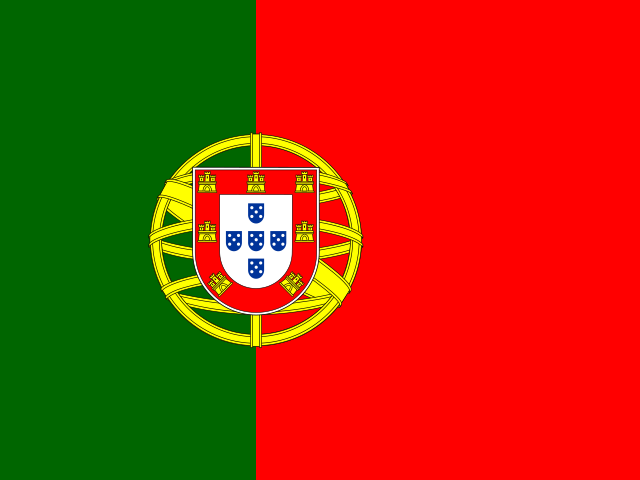
포르투갈 소개
Portugal, the westernmost nation of mainland Europe, is defined by its dramatic Atlantic coastline and a seafaring legacy that fueled the global Age of Discovery. As one of the continent’s oldest nation-states, it balances a deep history of maritime exploration with a contemporary identity centered on relaxed coastal living, intricate Manueline architecture, and soulful Fado music.
기본 정보
수도
Lisbon
인구
10,196,709
지역
Europe · Southern Europe
통화
Euro (EUR)
사용 언어

포르투갈어
Português
알고 계셨나요?
Portugal is the oldest nation-state in Europe, having maintained the same defined borders since the mid-12th century.
The country is the world's leading producer of cork, accounting for roughly 50% of global production sourced from its protected cork oak forests.
The British tradition of drinking tea was popularized by Catherine of Braganza, a Portuguese princess, after she married King Charles II in 1662.
Lisbon is home to Livraria Bertrand, which has been in continuous operation since 1732 and is recognized as the world's oldest bookstore.
유명 랜드마크

Jerónimos Monastery
A 16th-century architectural masterpiece in Lisbon that celebrates Portugal's Age of Discovery through its intricate Manueline stonework.
더 읽기
Pena Palace
A colorful Romanticist palace perched in the Sintra Mountains that blends various architectural styles into a fairy-tale summer residence.
더 읽기
Benagil Cave
A spectacular sea cave on the Algarve coast famous for its natural skylight and secluded beach accessible only by water.
더 읽기
Douro Valley
세계에서 가장 오래된 경계가 지정된 와인 지역으로, 드라마틱한 계단식 포도밭과 수세기 동안 이어진 Port wine 생산이 특징이에요.
더 읽기요리
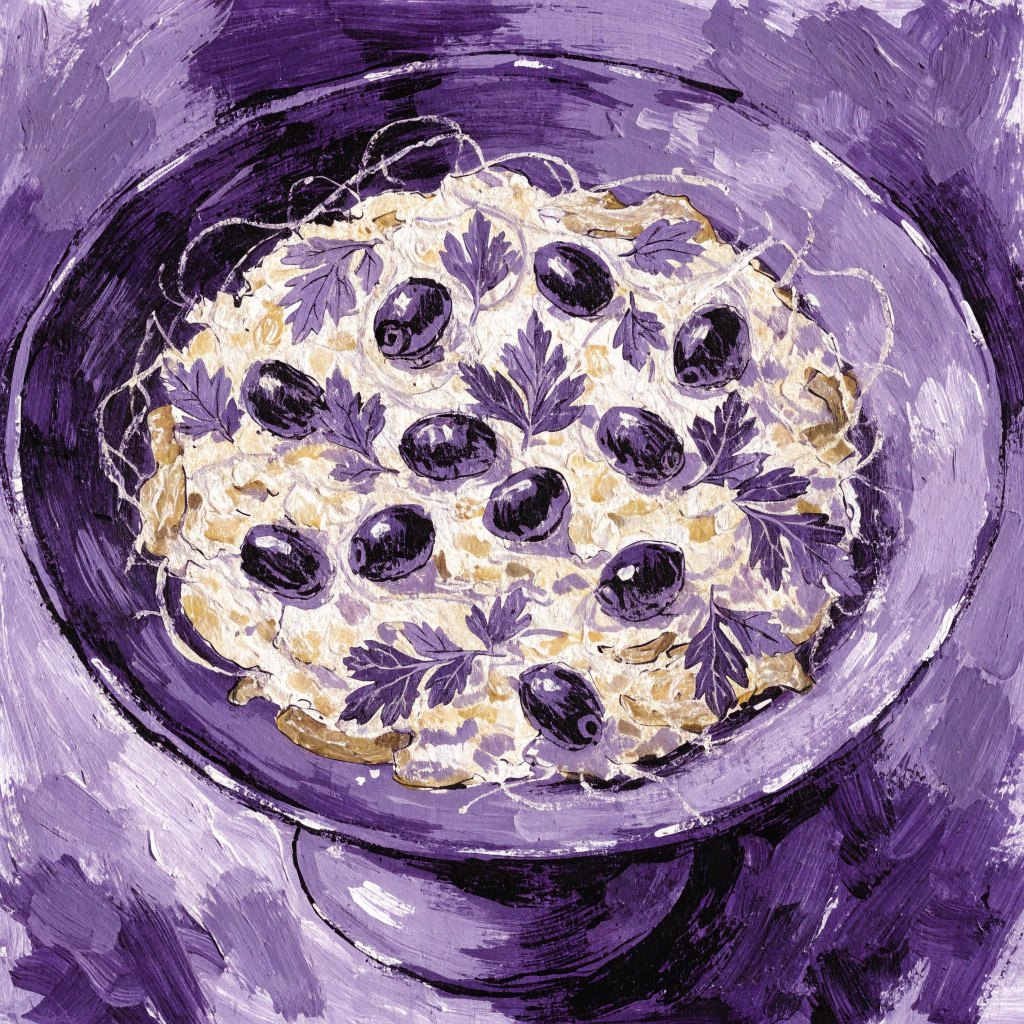
Bacalhau à Brás
으깬 소금에 절인 대구, 얇게 썬 튀긴 감자, 스크램블 에그로 만들고 올리브와 파슬리를 곁들인, 포르투갈의 상징적이고 마음이 따뜻해지는 요리예요.
더 읽기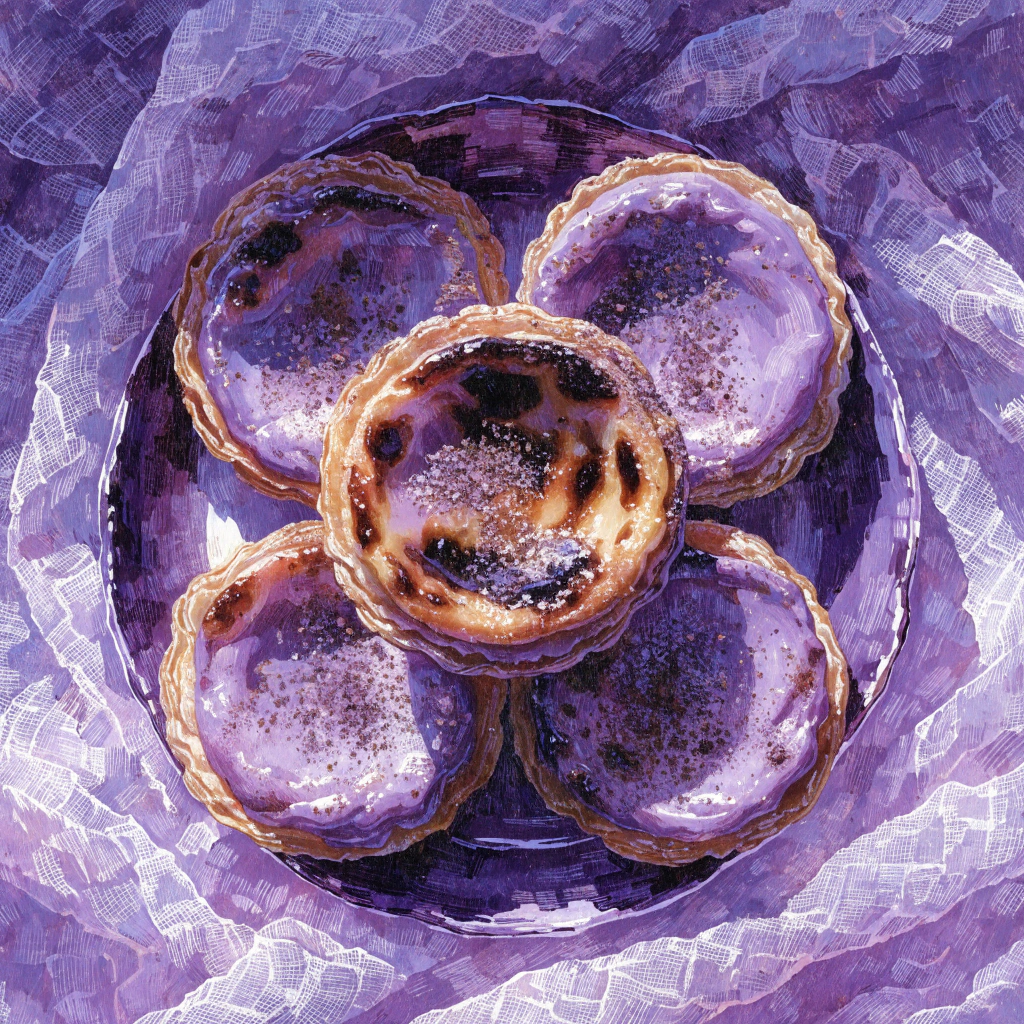
Pastel de Nata
Portugal's most famous pastry, these creamy custard tarts feature a crisp, flaky crust and a caramelized top, traditionally enjoyed with a sprinkle of cinnamon.
더 읽기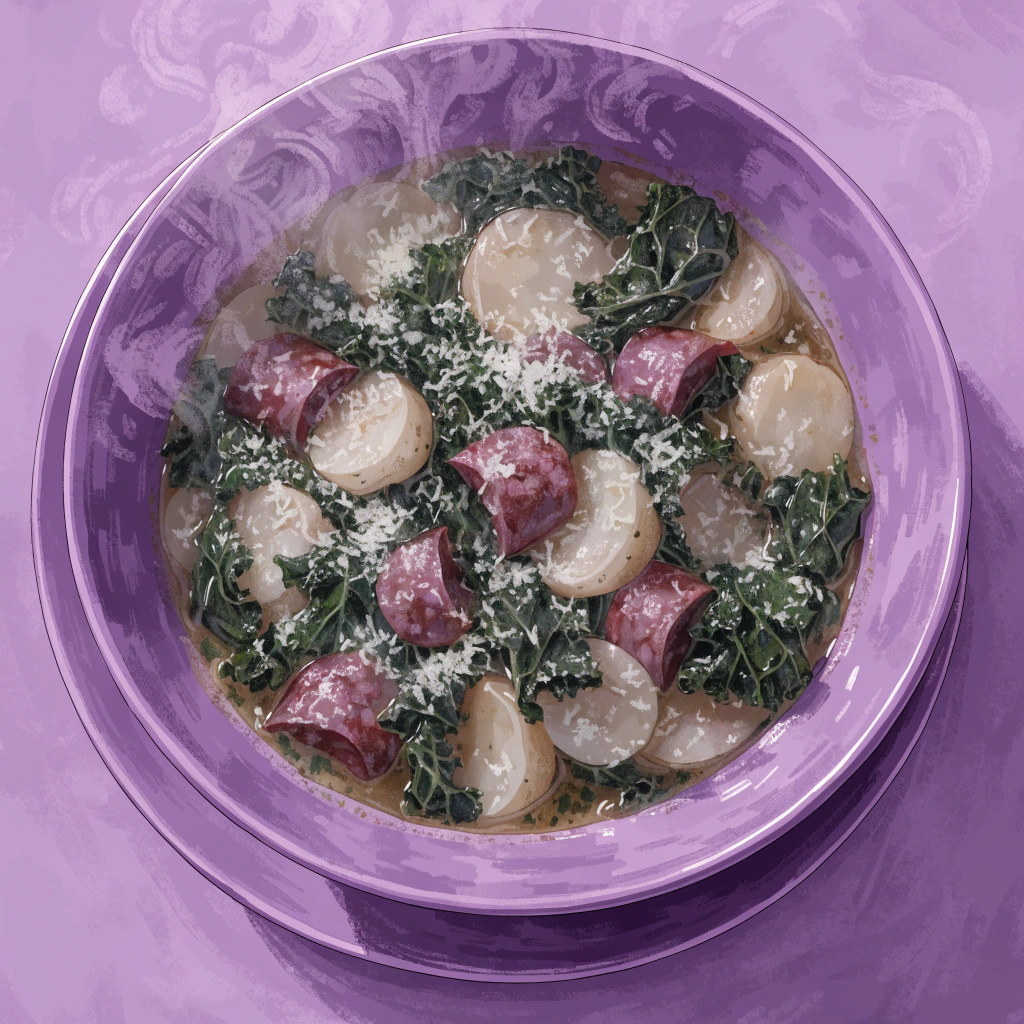
Caldo Verde
A soul-warming traditional soup originating from northern Portugal, made with finely shredded kale, potatoes, and slices of spicy chouriço sausage.
더 읽기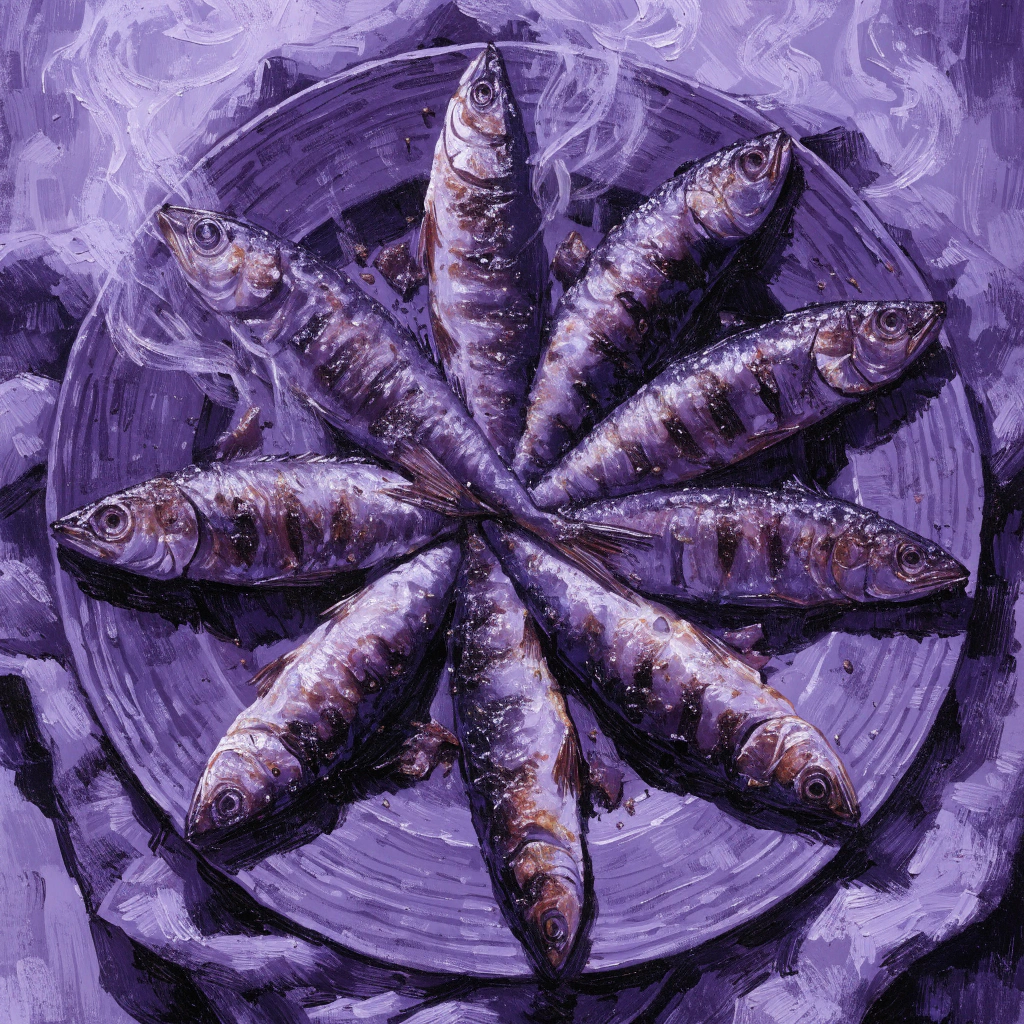
Sardinhas Assadas
Grilled sardines are the quintessential flavor of Portuguese summer, especially during the festive month of June when the aroma of charcoal-grilled fish fills the streets.
더 읽기음악 및 예술
Portugal's music and arts are a profound reflection of its maritime history and rural heritage, characterized by the soulful melodies of Fado and the communal harmony of Cante Alentejano. The nation's visual identity is inextricably linked to the intricate blue-and-white patterns of Azulejo tiles and the vibrant, ritualistic masks of the Caretos de Podence.
전통 예술
이벤트 및 축제

Carnaval de Portugal
2월 또는 3월 (Shrove Tuesday)여러 지역에서 사순절 전 기간을 기념하는 색채, 풍자, 퍼레이드의 활기찬 대폭발이에요.
더 읽기
Semana Santa de Braga
March or April (The week before Easter)Portugal's most solemn and magnificent religious celebration, featuring torchlit processions and ancient rituals.
더 읽기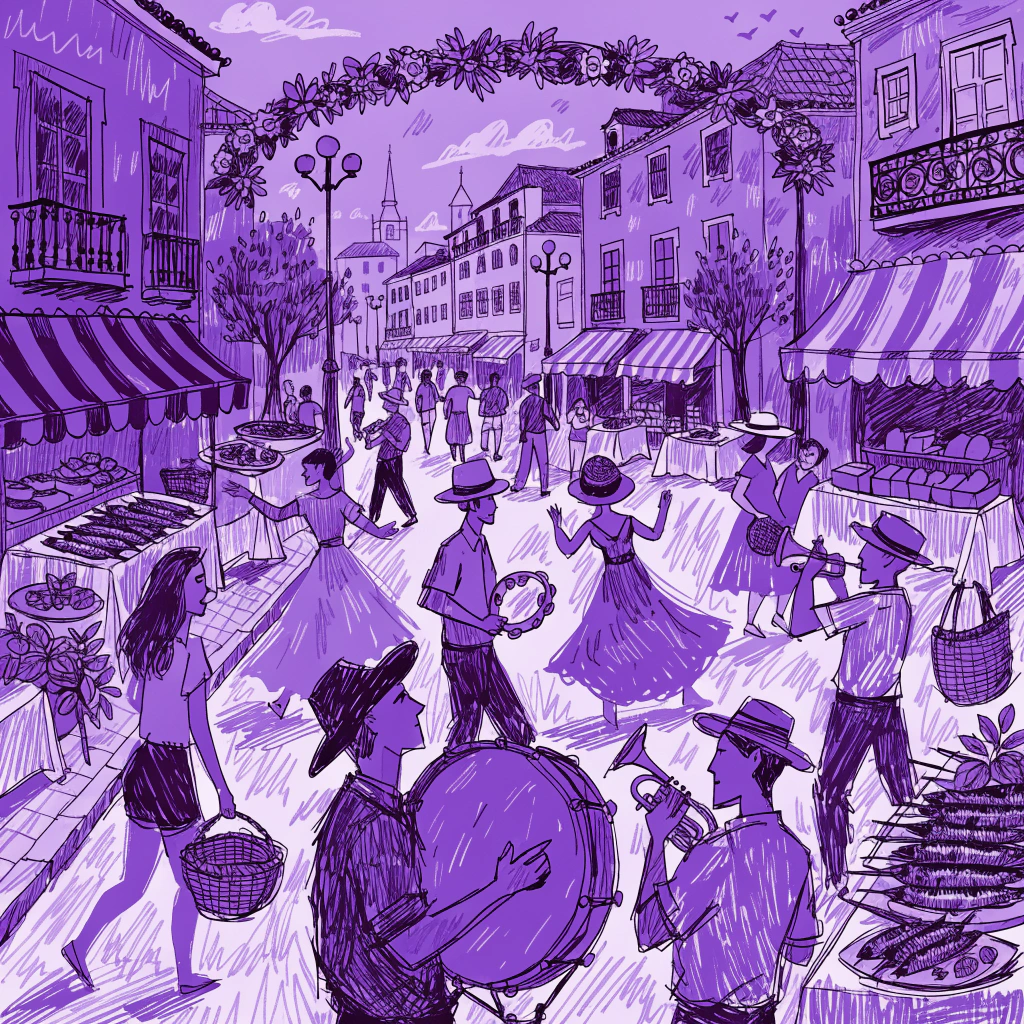
Festas de Lisboa (Santo António)
June 12-13Lisbon's biggest street party, celebrating its patron saint with grilled sardines, basil plants, and colorful parades.
더 읽기
Festa de São João do Porto
6월 23일-24일포르투에서 열리는 신나는 한여름 축제로, 플라스틱 망치와 풍등, 그리고 거대한 불꽃놀이로 유명해요.
더 읽기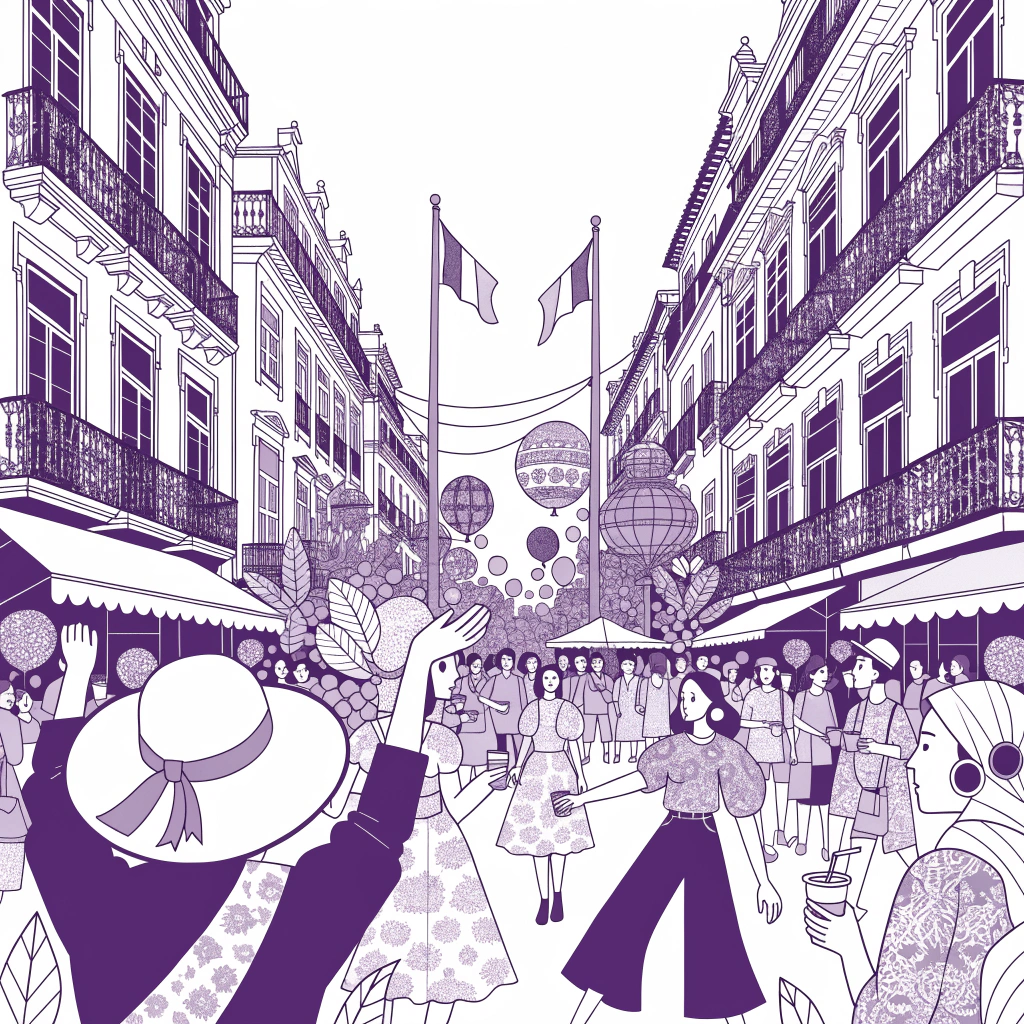
Web Summit Lisbon
NovemberOne of the world's largest technology conferences, transforming Lisbon into a global hub for innovation and networking.
더 읽기여행 표현
Bom dia
Good morning / Greeting
Obrigado / Obrigada
Thank you (masculine / feminine)
Olá
Hello
Como está?
How are you?
Por favor
Please
Desculpe
Excuse me / Sorry
생활 방식 및 관습
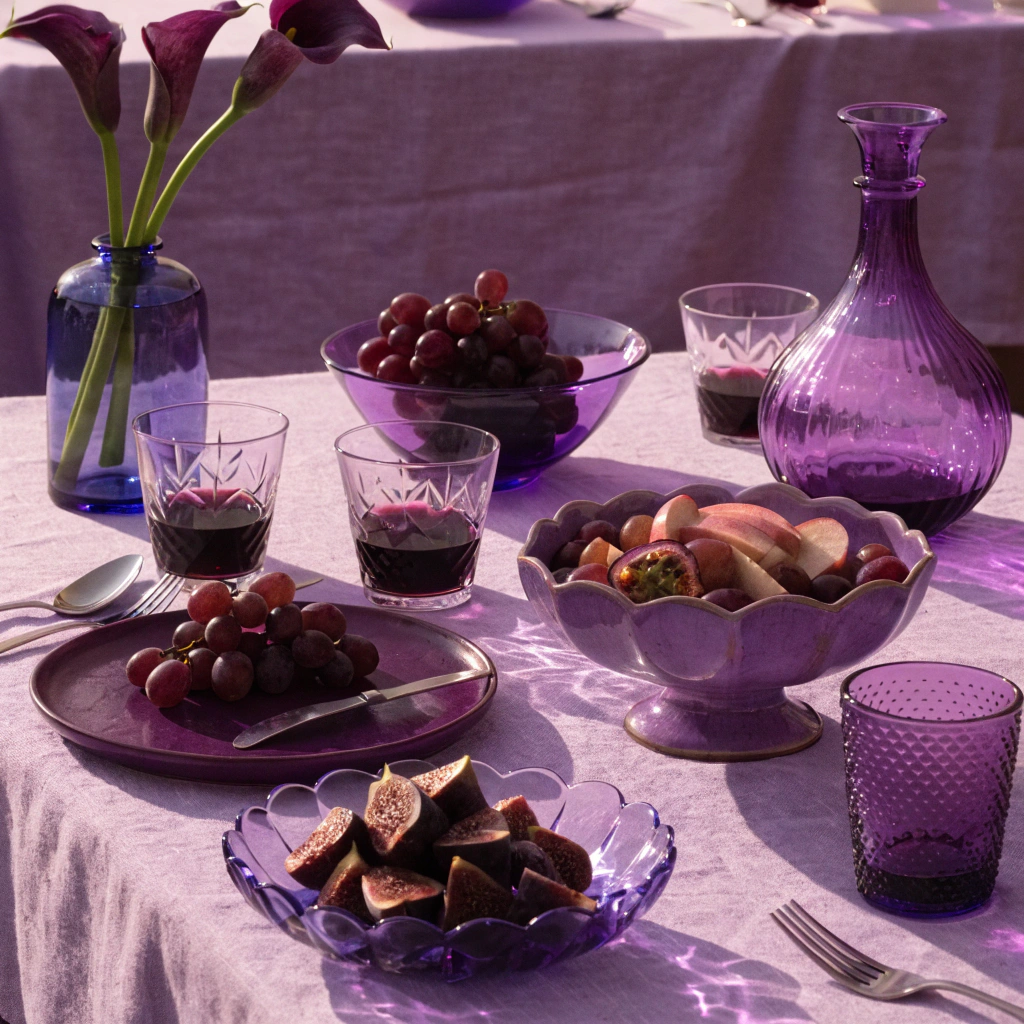
The Art of Portuguese Hospitality and Table Manners
Portuguese social life revolves around the table, where long meals and warm greetings define the country's welcoming spirit.
더 읽기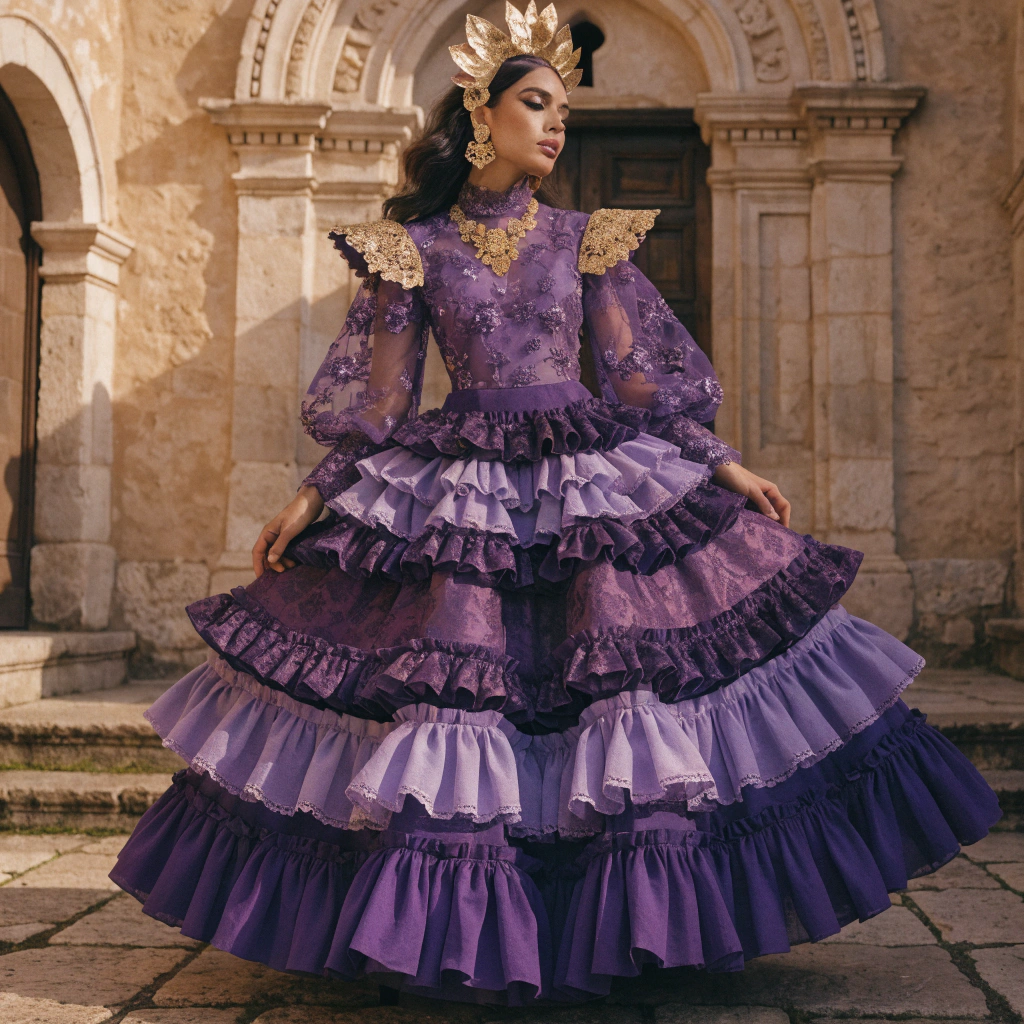
The Traje à Vianesa: Embroidery and Gold of the North
Hailing from the Minho region, this iconic folk costume represents Portuguese identity through vibrant embroidery and intricate gold filigree.
더 읽기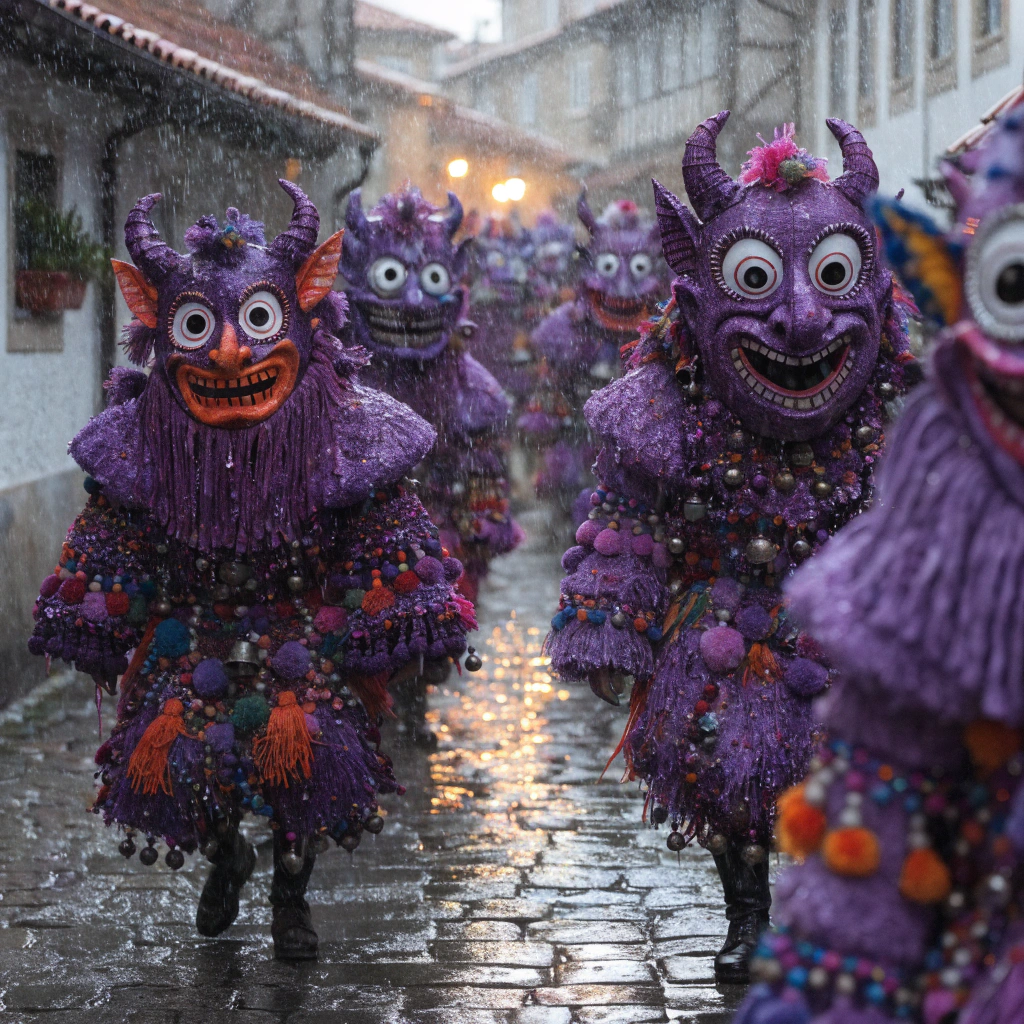
The Caretos of Podence: A Primal Carnival Tradition
Every winter, masked figures in colorful wool suits run through the streets of Podence in a UNESCO-recognized ritual of renewal and chaos.
더 읽기에티켓 팁
Greet people formally with a handshake or a double-kiss on the cheeks (starting with the right) when meeting socially.
Use first names immediately with someone you have just met; wait until you are invited to do so or see others doing it.
Say 'Obrigado' if you identify as male or 'Obrigada' if you identify as female to show appreciation.
Forget to adjust the gender ending of 'thank you' to match your own gender, regardless of who you are speaking to.
Compliment the food and the chef, as Portuguese culture takes immense pride in its culinary heritage.
Add salt, pepper, or piri-piri to your meal before tasting it, as this is often viewed as an insult to the cook's seasoning.
Dress modestly and respectfully when visiting churches, cathedrals, or small traditional rural villages.
Wear revealing beachwear, such as swimsuits or very short shorts, when entering religious buildings or formal establishments.