colosseum in 30 Seconds
- The Colosseum is the largest ancient amphitheater in the world, located in Rome, Italy, and built during the Flavian dynasty in the first century AD.
- Historically, it served as a venue for gladiatorial contests, animal hunts, and public spectacles, holding up to 80,000 spectators at its peak capacity.
- Today, it is a major tourist attraction, a UNESCO World Heritage site, and a symbol of the architectural and engineering brilliance of ancient Rome.
- The term can also be used as a common noun to describe any large arena or a place of intense, public competition and struggle.
The term colosseum primarily refers to the Flavian Amphitheatre, an iconic and massive oval structure located in the center of Rome, Italy. Constructed of travertine limestone, tuff, and brick-faced concrete, it remains the largest ancient amphitheater ever built and is still the largest standing amphitheater in the world today, despite its age. Historically, it was the stage for gladiatorial contests, mock sea battles, animal hunts, executions, re-enactments of famous battles, and dramas based on Classical mythology. In a broader, more contemporary sense, the word is often used to describe any large building or outdoor arena used for public entertainment, particularly sports or large-scale concerts. When you hear someone use the word in a modern context, they are often drawing a parallel between the grandeur and intensity of ancient Roman spectacles and the high-stakes environment of modern athletic or performance venues.
- Historical Context
- The Colosseum was commissioned by Emperor Vespasian in 72 AD and completed by his heir, Titus, in 80 AD. It represents the peak of Roman engineering and social organization, as it could hold between 50,000 and 80,000 spectators who were seated according to their social rank.
Standing before the colosseum, one cannot help but feel the weight of nearly two thousand years of history pressing down upon the ancient stones.
In modern English, the word functions as both a proper noun (The Colosseum in Rome) and a common noun (a colosseum of modern sports). When used as a common noun, it evokes images of vast crowds, roaring cheers, and a sense of monumental scale. Architects might refer to a new stadium design as a 'modern-day colosseum' to emphasize its capacity to host tens of thousands of people and its role as a focal point for community gathering and spectacle. The word carries a connotation of endurance, architectural brilliance, and sometimes, the brutal nature of public entertainment. It is used in academic discussions about urban planning, in travel writing to describe the awe of visiting Italy, and in sports journalism to describe the atmosphere of a championship game.
- Metaphorical Usage
- The word is frequently used metaphorically to describe a place of intense competition or a public trial. For instance, a high-stakes political debate might be described as a 'political colosseum' where participants fight for survival in the eyes of the public.
The tech industry has become a digital colosseum where only the most innovative companies survive the ruthless competition.
Understanding the word requires recognizing its dual identity. It is a physical place that you can visit in Rome, but it is also a symbol of human achievement and human cruelty. In literature, it often serves as a backdrop for themes of power, the fall of empires, and the passage of time. When writing about the Colosseum, it is important to capitalize it when referring to the specific Roman monument, but use lowercase when using it as a general term for a large arena. This distinction helps the reader understand whether you are discussing a specific historical site or using a descriptive analogy. The word's roots in the Latin 'colosseus', meaning gigantic, perfectly capture the essence of why this word remains so popular in the English language: it describes things that are not just large, but truly monumental in their impact and presence.
- Architectural Influence
- The design of the Colosseum has influenced almost every modern stadium. Its system of tiered seating, arched entrances (vomitoria), and elliptical shape are the blueprints for contemporary sports architecture.
The new national stadium was designed to mimic the tiered structure of a classical colosseum.
Tourists flock to the colosseum every year to witness the grandeur of Roman engineering.
The courtroom felt like a colosseum as the lawyers battled for the jury's favor.
Using the word colosseum effectively involves understanding its grammatical role and the imagery it evokes. As a noun, it typically functions as the subject or object of a sentence. When referring to the specific landmark in Rome, it is a proper noun and must be capitalized: 'The Colosseum is a UNESCO World Heritage site.' When used as a common noun to describe any large arena, it is lowercase: 'The city built a massive colosseum for the upcoming Olympic Games.' This distinction is crucial for formal writing and academic contexts. Furthermore, the word can be modified by various adjectives to specify its condition or atmosphere, such as 'ancient colosseum,' 'ruined colosseum,' 'modern colosseum,' or 'metaphorical colosseum.'
- Subject Position
- When the word acts as the subject, it often performs actions related to standing, enduring, or hosting. For example: 'The Colosseum stands as a testament to Roman power.'
The colosseum dominates the skyline of the ancient city, drawing eyes from every direction.
In the object position, the word is often the recipient of actions like visiting, studying, or building. For instance: 'Archaeologists are currently excavating the lower levels of the colosseum.' In this case, the focus is on the interaction with the structure. The word is also frequently found in prepositional phrases, such as 'inside the colosseum' or 'near the colosseum,' which help establish the setting of a narrative or a historical account. When writing about the Colosseum, authors often use vivid verbs to describe the experience of being there, such as 'towering,' 'looming,' or 'echoing.' These choices enhance the reader's sensory experience and emphasize the structure's massive scale.
- Adjectival Usage
- While 'colosseum' is primarily a noun, it can sometimes be used attributively, though 'amphitheater' or 'stadium' is more common in that role. Example: 'The colosseum walls were made of stone.'
Historians often debate the exact number of spectators that the colosseum could accommodate during its peak.
Another common way to use the word is in the context of travel and tourism. Sentences like 'We bought tickets to see the Colosseum at sunset' or 'The Colosseum was much larger than I had imagined' are standard in everyday conversation. In more formal or academic writing, you might see the word used in complex sentence structures: 'Despite the extensive damage caused by earthquakes and stone-robbers, the Colosseum remains an iconic symbol of Imperial Rome.' This sentence uses a concessive clause ('Despite...') to highlight the structure's resilience. Using the word in various sentence types—simple, compound, and complex—allows for a more nuanced and professional level of English communication.
- Plural Forms
- The plural is 'colosseums' or 'colossea' (the latter being more Latinate and rare). Example: 'The Roman Empire built many colosseums across its vast territories.'
After the earthquake, the colosseum required extensive repairs to ensure its structural integrity.
The crowd's roar within the colosseum was said to be heard miles away in the surrounding hills.
She spent her afternoon sketching the intricate arches of the colosseum in her notebook.
The word colosseum is most frequently encountered in contexts related to history, travel, architecture, and sports. In a classroom setting, a history teacher might lecture on the social functions of the Colosseum in ancient Rome, explaining how it served as a tool for political control—a concept often summarized as 'bread and circuses.' In this context, the word is associated with the power of the emperors and the daily life of Roman citizens. You will also hear it constantly in the travel industry. Tour guides in Rome use the word hundreds of times a day, and travel documentaries on platforms like National Geographic or the BBC frequently feature the Colosseum as a primary subject of interest. For a traveler, the word is synonymous with a 'must-see' destination and the grandeur of European history.
- In Media and Film
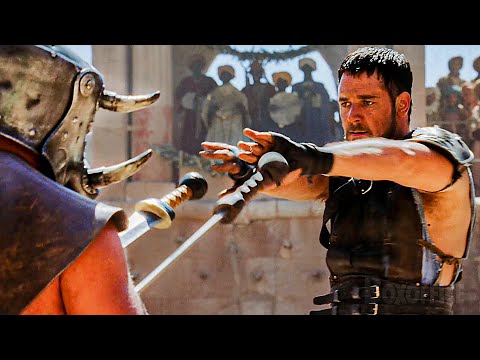
- The Colosseum is a staple of Hollywood cinema, particularly in 'sword-and-sandal' epics like 'Gladiator.' In these films, the word is linked to the visceral excitement and danger of the arena.
The film's climax takes place in a digital recreation of the colosseum, bringing ancient history to life for modern audiences.
In the world of sports, the word is often used as a proper name for specific venues. For example, the 'Los Angeles Memorial Coliseum' (using a slightly different spelling) or the 'Oakland–Alameda County Coliseum.' In these instances, the word is heard in sports broadcasts, news reports, and by fans discussing their favorite teams. The choice of the word 'Coliseum' for these venues is intentional, meant to evoke the same sense of massive public gathering and intense competition that characterized the original Roman structure. You might hear a commentator say, 'The atmosphere inside the colosseum is electric tonight!' to describe a particularly intense game. This usage bridges the gap between ancient history and modern-day entertainment, showing how the concept of the colosseum remains relevant in our collective consciousness.
- In Academic Discourse
- Architects and urban planners use the word when discussing the design of large public spaces. They might analyze the 'colosseum model' for crowd control and spectator visibility.
The professor explained how the colosseum served as a microcosm of Roman society, with seating arranged by class.
Beyond these specific fields, the word appears in literature and poetry as a symbol of ruin and the transience of human glory. Poets like Lord Byron and Edgar Allan Poe have written about the Colosseum, using it to reflect on the passage of time and the eventual decay of even the greatest empires. In these contexts, you hear the word used with a tone of melancholy or philosophical reflection. In everyday conversation, someone might use it as a hyperbolic way to describe a large room or a crowded event: 'The new mall is a total colosseum; I got lost twice!' This informal usage shows how the word has permeated general language as a synonym for 'vast and overwhelming.' Whether in a serious historical discussion or a casual remark about a large building, the word 'colosseum' carries a distinct and powerful meaning.
- In Video Games
- Many fantasy and historical video games feature a 'colosseum' where players can engage in combat challenges, further cementing the word's association with battle and skill.
The news report highlighted the recent restoration efforts aimed at preserving the colosseum for future generations.
During the Super Bowl, the announcer referred to the stadium as a 'modern colosseum' where legends are made.
The travel vlog showed the long queues of people waiting to enter the colosseum on a hot summer day.
One of the most frequent mistakes people make with the word colosseum is its spelling. Because of its Latin origin and the way it is pronounced, many learners and even native speakers struggle with the placement of the 'l's and 's's. The correct spelling is 'C-O-L-O-S-S-E-U-M' (one 'l', two 's's). Common misspellings include 'Collosseum' (two 'l's), 'Coloseum' (one 's'), or 'Coliseum' (which is actually an accepted variant, but usually refers to modern stadiums rather than the Roman one). In formal writing, especially when referring to the historical landmark in Rome, 'Colosseum' is the preferred and most accurate spelling. Using the wrong spelling can make a piece of writing appear less professional or historically inaccurate.
- Capitalization Errors
- Another common error is failing to capitalize the word when referring to the specific structure in Rome. As a unique historical site, it should be treated as a proper noun: 'The Colosseum.' Conversely, capitalizing it when used as a general term for an arena is also a mistake.
Incorrect: We visited the colosseum in Rome. Correct: We visited the Colosseum in Rome.
Misunderstanding the difference between a 'colosseum' and a 'stadium' or 'amphitheater' is another area of confusion. While all three terms refer to places where people gather to watch events, they have different connotations. An 'amphitheater' is the general architectural term for a circular or oval building with tiers of seats. The 'Colosseum' is a specific example of an amphitheater. A 'stadium' usually refers to a modern venue, often with a rectangular or oval field for sports like football or track and field. Using 'colosseum' to describe a small local high school football field might be seen as overly dramatic or incorrect unless used intentionally for humorous effect. It is best to reserve 'colosseum' for structures that truly possess a sense of ancient grandeur or massive scale.
- Pronunciation Pitfalls
- Some speakers mispronounce the word by adding an extra syllable or misplacing the stress. The stress should be on the third syllable: col-os-SEE-um. Avoid saying 'col-o-SEEM' or 'col-o-SAY-um.'
Incorrect: The colloseum was built by Vespasian. Correct: The Colosseum was built by Vespasian.
Finally, learners sometimes use the word 'colosseum' when they actually mean 'forum' or 'pantheon.' While all three are famous Roman landmarks, they serve very different purposes. The Forum was the center of political and social life, the Pantheon was a temple (and later a church), and the Colosseum was an arena for entertainment. Mixing these up in a history essay or during a conversation with a history buff can lead to significant misunderstandings. It is helpful to associate each word with its primary function: Forum = Politics, Pantheon = Religion, Colosseum = Spectacle. By keeping these distinctions in mind, you can use the word 'colosseum' with greater accuracy and confidence in both spoken and written English.
- Grammar Tip
- When using the word as a count noun, remember that it follows standard pluralization rules: one colosseum, two colosseums. The Latin plural 'colossea' is almost never used in modern English.
Incorrect: I saw many colosseum in Italy. Correct: I saw many colosseums (or amphitheaters) in Italy.
The guide corrected the tourist who spelled colosseum with two 'l's on the postcard.
It is a mistake to think the colosseum was used for chariot races; those were held at the Circus Maximus.
While colosseum is a very specific word, there are several alternatives that can be used depending on the context. The most direct architectural synonym is amphitheater. This term is more technical and refers to the circular or oval shape of the building with rising tiers of seats. If you are writing a research paper on Roman architecture, 'amphitheater' might be the more appropriate term to use. Another common alternative is arena. This word originally referred to the sand (Latin: *arena*) that covered the floor of the colosseum to soak up blood. Today, 'arena' is used broadly for any level area surrounded by seats for spectators, such as a basketball arena or a concert arena. It lacks the historical weight of 'colosseum' but is very versatile.
- Colosseum vs. Stadium
- A 'stadium' is typically used for modern sports venues. While a colosseum is a type of stadium, the word 'stadium' is more neutral and common in everyday language. You would say 'The Yankees play in a stadium,' not 'The Yankees play in a colosseum.'
The local amphitheater hosts outdoor concerts every summer, providing a similar but smaller experience to a colosseum.
For metaphorical uses, words like battleground, theater, or forum might be better choices. If you want to describe a place of intense conflict, 'battleground' is very effective. If you want to emphasize the public nature of an event, 'theater' or 'stage' works well. 'Forum' is excellent for describing a place of public discussion or debate. However, none of these words quite capture the specific sense of 'spectacle' and 'grandeur' that 'colosseum' provides. When you choose 'colosseum' as a metaphor, you are specifically invoking the image of a massive, cheering crowd watching a high-stakes struggle. It is a powerful choice that should be used when you want to make a strong, vivid impression on your reader.
- Comparison Table
-
- Colosseum: Historical, grand, specific to Rome or massive scale.
- Amphitheater: Technical, focuses on shape and acoustics.
- Arena: Modern, focuses on the event space and floor.
- Stadium: General, most common for sports.
The political debate was a battleground where each candidate fought for every single vote.
In some contexts, you might use the word circus, though this has a very different meaning today. In ancient Rome, a 'circus' (like the Circus Maximus) was a long, rectangular track used for chariot racing. Today, 'circus' refers to a traveling show with performers and animals. Be careful not to use 'circus' as a synonym for 'colosseum' unless you are specifically referring to the Roman concept of 'bread and circuses.' Another related word is hippodrome, which was the Greek version of a stadium for horse and chariot racing. These words all belong to the same family of public entertainment venues but have distinct historical and architectural identities. Choosing the right one shows a high level of vocabulary precision and cultural knowledge.
- Register and Tone
- 'Colosseum' has a higher register than 'stadium' or 'arena.' It sounds more formal, literary, and evocative.
The arena was cleared of ice to prepare for the evening's hockey game.
The ancient hippodrome in Constantinople was once the heart of the Byzantine Empire's social life.
The open-air theater provided a stunning view of the Mediterranean Sea during the play.
How Formal Is It?
Fun Fact
The original name of the building was the Flavian Amphitheatre. It only became known as the Colosseum in the Middle Ages, long after the giant statue of Nero had disappeared.
Pronunciation Guide
- Putting the stress on the second syllable: col-OS-se-um.
- Pronouncing it as 'col-o-seem'.
- Adding an extra 'l' sound in the middle.
- Confusing it with the pronunciation of 'museum'.
- Failing to pronounce the final 'm' clearly.
Difficulty Rating
The word is common but its historical context can be complex.
Spelling and capitalization are frequent points of error.
Pronunciation is generally straightforward but requires correct stress.
Easily recognizable in most contexts due to its distinct sound.
What to Learn Next
Prerequisites
Learn Next
Advanced
Grammar to Know
Capitalization of Proper Nouns
The Colosseum is in Rome.
Use of the Definite Article with Unique Landmarks
We saw the Colosseum.
Passive Voice for Historical Facts
The Colosseum was built by the Flavians.
Adjective Order
The massive ancient stone Colosseum.
Prepositional Phrases for Location
The hotel is near the Colosseum.
Examples by Level
The Colosseum is in Rome.
Le Colisée est à Rome.
Proper noun, requires capitalization.
I want to see the Colosseum.
Je veux voir le Colisée.
Direct object of the verb 'see'.
The Colosseum is very big.
Le Colisée est très grand.
Subject followed by the linking verb 'is' and an adjective.
It is an old building.
C'est un vieux bâtiment.
Pronoun 'it' refers back to the Colosseum.
Many people visit the Colosseum.
Beaucoup de gens visitent le Colisée.
Present simple tense for a general fact.
The Colosseum has many arches.
Le Colisée a beaucoup d'arches.
Third-person singular verb 'has'.
Is the Colosseum in Italy?
Le Colisée est-il en Italie ?
Interrogative sentence structure.
The Colosseum is famous.
Le Colisée est célèbre.
Adjective 'famous' describes the subject.
Romans built the Colosseum for games.
Les Romains ont construit le Colisée pour les jeux.
Past simple tense 'built'.
The Colosseum is made of stone and concrete.
Le Colisée est fait de pierre et de béton.
Passive voice 'is made of'.
Gladiators fought inside the Colosseum.
Les gladiateurs se battaient à l'intérieur du Colisée.
Prepositional phrase 'inside the Colosseum'.
You can see the Colosseum from the street.
On peut voir le Colisée depuis la rue.
Modal verb 'can' followed by the base form of the verb.
The Colosseum is an oval shape.
Le Colisée est de forme ovale.
Noun phrase 'an oval shape' acting as a complement.
It was finished in 80 AD.
Il a été achevé en 80 après J.-C.
Passive voice in the past tense.
The Colosseum is a very popular place.
Le Colisée est un endroit très populaire.
Adjective 'popular' modifying the noun 'place'.
We took a tour of the Colosseum.
Nous avons fait une visite du Colisée.
Compound noun 'tour of the Colosseum'.
The Colosseum is the largest amphitheater ever built.
Le Colisée est le plus grand amphithéâtre jamais construit.
Superlative adjective 'largest'.
Earthquakes have damaged the Colosseum over the centuries.
Les tremblements de terre ont endommagé le Colisée au fil des siècles.
Present perfect tense 'have damaged'.
The Colosseum could hold up to 80,000 spectators.
Le Colisée pouvait accueillir jusqu'à 80 000 spectateurs.
Modal verb 'could' for past ability.
It is considered a masterpiece of Roman engineering.
Il est considéré comme un chef-d'œuvre de l'ingénierie romaine.
Passive voice 'is considered'.
The Colosseum was used for gladiatorial contests.
Le Colisée était utilisé pour des combats de gladiateurs.
Adjective 'gladiatorial' modifying 'contests'.
Visitors must buy tickets to enter the Colosseum.
Les visiteurs doivent acheter des billets pour entrer dans le Colisée.
Modal verb 'must' for obligation.
The Colosseum is a UNESCO World Heritage site.
Le Colisée est un site du patrimoine mondial de l'UNESCO.
Proper noun phrase used as a complement.
I was amazed by the size of the Colosseum.
J'ai été impressionné par la taille du Colisée.
Past participle 'amazed' used as an adjective.
The Colosseum's design influenced modern stadium architecture.
La conception du Colisée a influencé l'architecture des stades modernes.
Possessive form 'Colosseum's'.
Spectators were seated according to their social status in the Colosseum.
Les spectateurs étaient assis selon leur statut social dans le Colisée.
Passive voice 'were seated'.
The Colosseum remains an enduring symbol of the Roman Empire.
Le Colisée reste un symbole durable de l'Empire romain.
Linking verb 'remains' followed by a noun phrase.
Restoration projects are essential to preserve the Colosseum.
Les projets de restauration sont essentiels pour préserver le Colisée.
Infinitive of purpose 'to preserve'.
The Colosseum's exterior features three levels of arches.
L'extérieur du Colisée présente trois niveaux d'arches.
Verb 'features' meaning 'to have as a prominent attribute'.
Many myths surround the events that took place in the Colosseum.
De nombreux mythes entourent les événements qui ont eu lieu au Colisée.
Relative clause 'that took place in the Colosseum'.
The Colosseum was built on the site of Nero's artificial lake.
Le Colisée a été construit sur l'emplacement du lac artificiel de Néron.
Prepositional phrase 'on the site of'.
Walking through the Colosseum is a truly evocative experience.
Se promener dans le Colisée est une expérience vraiment évocatrice.
Gerund phrase 'Walking through the Colosseum' as the subject.
The Colosseum's hypogeum was a complex network of tunnels and cages.
L'hypogée du Colisée était un réseau complexe de tunnels et de cages.
Technical term 'hypogeum' used in context.
The sheer scale of the Colosseum reflects the ambitions of the Flavian dynasty.
L'ampleur même du Colisée reflète les ambitions de la dynastie flavienne.
Abstract noun 'ambitions' as the object.
The Colosseum served as a tool for political propaganda through public spectacles.
Le Colisée servait d'outil de propagande politique à travers des spectacles publics.
Prepositional phrase 'through public spectacles' indicating means.
Architectural historians analyze the Colosseum's use of different classical orders.
Les historiens de l'architecture analysent l'utilisation par le Colisée de différents ordres classiques.
Compound noun 'architectural historians'.
The Colosseum's preservation is a constant challenge for Italian authorities.
La préservation du Colisée est un défi constant pour les autorités italiennes.
Noun 'preservation' as the subject.
The Colosseum was often the site of brutal and bloody entertainment.
Le Colisée était souvent le lieu de divertissements brutaux et sanglants.
Adjectives 'brutal' and 'bloody' providing descriptive detail.
The Colosseum's influence can be seen in the design of modern arenas worldwide.
L'influence du Colisée se retrouve dans la conception des arènes modernes du monde entier.
Passive modal 'can be seen'.
The Colosseum's inauguration was celebrated with one hundred days of games.
L'inauguration du Colisée a été célébrée par cent jours de jeux.
Noun 'inauguration' as the subject.
The Colosseum functions as a poignant memento mori for the vanished Roman Empire.
Le Colisée fonctionne comme un poignant memento mori pour l'Empire romain disparu.
Latin phrase 'memento mori' used as a metaphor.
The Colosseum's structural integrity is a testament to the ingenuity of Roman concrete.
L'intégrité structurelle du Colisée témoigne de l'ingéniosité du béton romain.
Noun phrase 'structural integrity' as the subject.
The Colosseum's transition from a site of slaughter to a sacred space is a fascinating historical arc.
La transition du Colisée d'un lieu de massacre à un espace sacré est un arc historique fascinant.
Complex subject phrase 'The Colosseum's transition...'.
Scholars debate the extent to which the Colosseum's spectacles were intended to pacify the urban poor.
Les chercheurs débattent de la mesure dans laquelle les spectacles du Colisée étaient destinés à pacifier les pauvres des villes.
Relative clause 'to which...'.
The Colosseum's ruins evoke a sense of the sublime, blending beauty with a terrifying history.
Les ruines du Colisée évoquent un sentiment de sublime, mêlant beauté et histoire terrifiante.
Present participle phrase 'blending beauty...'.
The Colosseum's architectural vocabulary has been appropriated by various political regimes throughout history.
Le vocabulaire architectural du Colisée a été approprié par divers régimes politiques tout au long de l'histoire.
Present perfect passive 'has been appropriated'.
The Colosseum's enduring legacy is intertwined with the very identity of the city of Rome.
L'héritage durable du Colisée est étroitement lié à l'identité même de la ville de Rome.
Passive voice 'is intertwined'.
The Colosseum's intricate system of vomitoria ensured the efficient egress of thousands of spectators.
Le système complexe de vomitoria du Colisée assurait la sortie efficace de milliers de spectateurs.
Technical term 'egress' meaning 'exit'.
Synonyms
Antonyms
Common Collocations
Common Phrases
— The specific historical building in Italy. Used to distinguish it from other arenas.
The Colosseum of Rome is a must-see for any history lover.
— A large contemporary stadium or arena. Used to emphasize scale and excitement.
The new Olympic stadium is truly a modern-day colosseum.
— To step into a place of intense competition or public scrutiny. Often used metaphorically.
The young lawyer was ready to enter the colosseum of the courtroom.
— A phrase referring to the Colosseum's role in keeping the public happy with food and entertainment.
The government used the festival as a form of bread and circuses to distract the people.
— The sound of a massive crowd cheering. Evokes a sense of power and excitement.
He could still hear the roar of the colosseum in his dreams.
— Being near the building or under its historical influence. Often used in travel writing.
We enjoyed a quiet dinner in the shadow of the colosseum.
— Extremely large. Used as an adjective to describe something of massive proportions.
The project faced a colosseum-sized challenge from the very beginning.
— Constructed with great strength and tiered levels. Describes sturdy, large buildings.
The new library is built like a colosseum, with levels of books rising high.
— The remaining parts of the ancient structure. Emphasizes its age and historical value.
The ruins of the colosseum are beautiful even in their decay.
— The fighters who performed in the arena. A common historical reference.
The stories of the gladiators of the colosseum are legendary.
Often Confused With
This is a spelling variant. In the US, it often refers to modern stadiums. In the UK and for the Roman landmark, 'Colosseum' is preferred.
The Pantheon is a former Roman temple with a dome, while the Colosseum is an open-air amphitheater.
The Roman Forum was a plaza for public meetings and markets, not an arena for games like the Colosseum.
Idioms & Expressions
— To leave someone in a difficult situation without help. Originates from the Colosseum's animal hunts.
The manager threw the new employee to the lions by making him lead the meeting alone.
informal— A gesture of approval or disapproval. Popularly believed to have been used in the Colosseum to decide a gladiator's fate.
The boss gave a thumbs up to the new marketing plan.
neutral— The world or society seen as a place of struggle and competition, similar to the Colosseum floor.
He entered the arena of life with nothing but his ambition.
literary— Something that people watch rather than participate in, often with a sense of detachment.
Politics has become a spectator sport for many people.
neutral— To be the center of public attention, like a performer in the middle of a colosseum.
The actress has been in the spotlight since she was a child.
neutral— A very difficult first experience that tests someone's ability. Similar to the challenges faced in the arena.
His first day as a surgeon was a real trial by fire.
neutral— To accept the unpleasant consequences of one's actions, often in a public setting.
After the scandal, the politician had to face the music.
neutral— Public approval, which was vital for survival in the ancient colosseum.
The singer worked hard to win the crowd's favor.
neutral— To compete or struggle with extreme intensity until the very end.
The two companies are fighting to the death for market share.
neutral— Entertainment or profit derived from the suffering of others. Named after the public spectacles in Rome.
The media's coverage of the celebrity's breakdown was a Roman holiday.
literaryEasily Confused
Both refer to circular seating areas.
Amphitheater is the general architectural term; Colosseum is a specific, famous one.
The Colosseum is the most famous amphitheater in the world.
Both are places for watching events.
Stadiums are usually modern and for sports; Colosseums are ancient or very grand.
We went to the stadium for the game, but we visited the Colosseum for history.
Both refer to the place of action.
Arena is often the floor or the modern building; Colosseum is the whole historical structure.
The gladiators entered the arena inside the Colosseum.
Both were Roman entertainment venues.
A circus was for chariot racing (long track); a colosseum was for gladiators (oval).
Chariots raced at the Circus Maximus, not the Colosseum.
Both are historical sites people visit.
A museum holds objects; the Colosseum is the object (a building) itself.
After visiting the Colosseum, we went to the Capitoline Museum.
Sentence Patterns
The Colosseum is [adjective].
The Colosseum is old.
I saw the Colosseum in [place].
I saw the Colosseum in Rome.
The Colosseum was used for [activity].
The Colosseum was used for games.
Despite its age, the Colosseum [verb].
Despite its age, the Colosseum remains standing.
The Colosseum's [noun] reflects [concept].
The Colosseum's scale reflects imperial power.
As a symbol of [concept], the Colosseum [verb].
As a symbol of endurance, the Colosseum inspires awe.
A [adjective] colosseum of [noun].
A modern colosseum of entertainment.
Visit the [proper noun] Colosseum.
Visit the Roman Colosseum.
Word Family
Nouns
Adjectives
Related
How to Use It
Common in history, travel, and sports contexts.
-
colloseum
→
colosseum
People often add an extra 'l' because of the word 'collateral' or 'collect', but 'colosseum' only has one 'l'.
-
the coloseum
→
the Colosseum
When referring to the landmark in Rome, it must be capitalized as it is a proper noun.
-
a colosseum in Rome
→
the Colosseum in Rome
Since there is only one specific Colosseum in Rome, you should use the definite article 'the'.
-
coloseum
→
colosseum
Missing one 's' is a common error; remember it has a double 's' like 'possess'.
-
using colosseum for a small gym
→
using stadium or arena
Colosseum implies a massive scale; using it for a small space is usually incorrect unless it's a joke.
Tips
One L, Two S's
Always remember that the Colosseum is 'colossal' but spelled with only one 'L'. This is the most common mistake people make.
Capitalization
Capitalize it when you mean the one in Rome. Use lowercase when you are using it as a metaphor or for a general arena.
Use 'Amphitheater'
If you want to sound more professional in a history essay, use the word 'amphitheater' to describe the building's type.
Know the History
Understanding that it was built by the Flavians helps you understand why its official name is the Flavian Amphitheatre.
Stress the 'SEE'
When speaking, make sure the third syllable is the loudest: col-os-SEE-um. This makes you sound more like a native speaker.
Arena vs. Colosseum
Use 'arena' for the flat part where the action happens, and 'colosseum' for the whole massive building.
Booking Tickets
If you visit, always book 'Colosseum tickets' in advance, as they sell out very quickly every single day.
Epic Scale
Use 'colosseum' as a metaphor only for things that are truly huge or involve a very large crowd.
Stadium vs. Colosseum
A stadium is for sports; a colosseum is for history. Use the right word for the right time.
The Rome Connection
Associate the word with the color of old stone and the city of Rome to help it stick in your memory.
Memorize It
Mnemonic
Think of a 'COLOSSAL' building with a 'SEE' (view) inside for the 'UM' (crowd). COL-OS-SEE-UM.
Visual Association
Imagine a giant, stone donut in the middle of a busy city, filled with cheering people and brave warriors.
Word Web
Challenge
Try to use 'colosseum' in a sentence about a modern sports event and then in a sentence about a historical trip.
Word Origin
The word 'Colosseum' comes from the Latin word 'colosseus', which means 'gigantic' or 'colossal'. This was likely a reference to the 'Colossus of Nero', a massive bronze statue of Emperor Nero that stood nearby.
Original meaning: Gigantic or colossal structure.
Indo-European (Latin)Cultural Context
When discussing the Colosseum, be mindful of the violent nature of the events that took place there, as it was a site of many deaths.
In English-speaking countries, the Colosseum is often the first thing people think of when they imagine ancient Rome.
Practice in Real Life
Real-World Contexts
Tourism in Rome
- Skip the line at the Colosseum
- Guided tour of the Colosseum
- Colosseum night tour
- Best view of the Colosseum
History Class
- The fall of the Colosseum
- Games held in the Colosseum
- Construction of the Colosseum
- Social hierarchy in the Colosseum
Sports Commentary
- The stadium is a colosseum of noise
- Entering the colosseum of sport
- A modern-day colosseum
- The atmosphere of the colosseum
Architecture Studies
- The elliptical plan of the Colosseum
- Arched structure of the Colosseum
- Materials used in the Colosseum
- The Colosseum's influence on design
Metaphorical Conflict
- The political colosseum
- A colosseum of ideas
- Thrown into the colosseum
- Surviving the colosseum
Conversation Starters
"Have you ever visited the Colosseum in Rome, or is it on your bucket list?"
"What do you think was the most impressive part of the Colosseum's design?"
"Do you think modern sports stadiums are similar to the ancient Colosseum?"
"If you could go back in time, would you want to see a show at the Colosseum?"
"Why do you think the Colosseum is still such a famous symbol today?"
Journal Prompts
Imagine you are a spectator in the Colosseum 2,000 years ago. Describe what you see, hear, and feel.
Write about why it is important to preserve ancient monuments like the Colosseum for future generations.
Compare a modern sports event you have attended to what you know about the games in the Colosseum.
If you were an architect, how would you use the Colosseum as inspiration for a new public building?
Reflect on the phrase 'bread and circuses' and whether it still applies to our society today.
Frequently Asked Questions
10 questionsWhile it is no longer used for gladiatorial games, the Colosseum occasionally hosts events like concerts or religious ceremonies. However, its primary use today is as a museum and archaeological site for millions of tourists. Large-scale modern events are usually held in other venues in Rome to protect the ancient structure.
The name comes from a 'colossal' statue of Emperor Nero that used to stand next to the building. Although the statue is long gone, the name stuck. Its original name was the Flavian Amphitheatre, named after the family of emperors who built it.
The most accepted spelling for the Roman landmark is 'Colosseum' with one 'l' and two 's's. In American English, 'Coliseum' is often used for modern buildings, but 'Colosseum' remains the standard for the historical site in Italy.
No, it was a complete and magnificent building for centuries. It fell into ruin due to natural disasters like earthquakes and because people in the Middle Ages used it as a 'quarry,' taking its stones to build other churches and palaces in Rome.
Yes, you can buy tickets to enter and explore the different levels, including the arena floor and the underground tunnels where gladiators and animals were kept. It is one of the most popular things to do in Rome.
Historians estimate that it could hold between 50,000 and 80,000 people. This is comparable to many modern professional sports stadiums, which shows how advanced Roman engineering was.
It was commissioned by Emperor Vespasian of the Flavian dynasty around 72 AD and completed by his son Titus in 80 AD. Further modifications were made by his other son, Domitian.
Gladiators were often slaves or prisoners who were trained to fight. While some died in the arena, others became famous and could even win their freedom. The games were eventually banned as the Roman Empire became Christian.
Yes, it was named one of the 'New Seven Wonders of the World' in 2007. It is also a UNESCO World Heritage site, recognized for its cultural and historical importance.
Yes, it can be. While 'The Colosseum' refers to the one in Rome, you can use 'a colosseum' to describe any very large and impressive arena. For example, 'The new airport terminal is a colosseum of glass and steel.'
Test Yourself 200 questions
Describe the Colosseum in three sentences.
Well written! Good try! Check the sample answer below.
Why do you think the Colosseum is still famous today?
Well written! Good try! Check the sample answer below.
Compare the Colosseum to a modern sports stadium.
Well written! Good try! Check the sample answer below.
Imagine you are a tourist in Rome. Write a postcard about visiting the Colosseum.
Well written! Good try! Check the sample answer below.
Discuss the ethical issues of the games held in the Colosseum.
Well written! Good try! Check the sample answer below.
How did the Colosseum reflect Roman social hierarchy?
Well written! Good try! Check the sample answer below.
Write a short story set in the Colosseum during its peak.
Well written! Good try! Check the sample answer below.
Explain the origin of the name 'Colosseum'.
Well written! Good try! Check the sample answer below.
Describe the architectural features of the Colosseum.
Well written! Good try! Check the sample answer below.
What is the significance of the Colosseum as a UNESCO site?
Well written! Good try! Check the sample answer below.
Write a dialogue between two people visiting the Colosseum for the first time.
Well written! Good try! Check the sample answer below.
Analyze the impact of the Colosseum on modern stadium design.
Well written! Good try! Check the sample answer below.
How has the Colosseum changed over the last 2,000 years?
Well written! Good try! Check the sample answer below.
Write a persuasive paragraph on why someone should visit the Colosseum.
Well written! Good try! Check the sample answer below.
Describe the experience of walking through the Colosseum's tunnels.
Well written! Good try! Check the sample answer below.
What does the Colosseum symbolize to you?
Well written! Good try! Check the sample answer below.
Discuss the preservation efforts currently underway at the Colosseum.
Well written! Good try! Check the sample answer below.
How did the 'bread and circuses' policy involve the Colosseum?
Well written! Good try! Check the sample answer below.
Write a poem about the ruins of the Colosseum.
Well written! Good try! Check the sample answer below.
Explain the role of the 'velarium' in the Colosseum.
Well written! Good try! Check the sample answer below.
Pronounce 'Colosseum' correctly, emphasizing the third syllable.
Read this aloud:
You said:
Speech recognition is not supported in your browser. Try Chrome or Edge.
Describe the Colosseum to a friend who has never heard of it.
Read this aloud:
You said:
Speech recognition is not supported in your browser. Try Chrome or Edge.
Give a short presentation on the history of the Colosseum.
Read this aloud:
You said:
Speech recognition is not supported in your browser. Try Chrome or Edge.
Discuss whether you think the Colosseum should be fully restored or left as a ruin.
Read this aloud:
You said:
Speech recognition is not supported in your browser. Try Chrome or Edge.
Explain the metaphorical meaning of 'entering the colosseum' in a political context.
Read this aloud:
You said:
Speech recognition is not supported in your browser. Try Chrome or Edge.
Compare the experience of a Roman spectator to a modern sports fan.
Read this aloud:
You said:
Speech recognition is not supported in your browser. Try Chrome or Edge.
Talk about the architectural influence of the Colosseum on modern stadiums.
Read this aloud:
You said:
Speech recognition is not supported in your browser. Try Chrome or Edge.
Debate the morality of the gladiatorial games.
Read this aloud:
You said:
Speech recognition is not supported in your browser. Try Chrome or Edge.
Describe your favorite historical fact about the Colosseum.
Read this aloud:
You said:
Speech recognition is not supported in your browser. Try Chrome or Edge.
Explain why the Colosseum is a symbol of Rome.
Read this aloud:
You said:
Speech recognition is not supported in your browser. Try Chrome or Edge.
Talk about a movie you have seen that features the Colosseum.
Read this aloud:
You said:
Speech recognition is not supported in your browser. Try Chrome or Edge.
Discuss the challenges of preserving a 2,000-year-old building.
Read this aloud:
You said:
Speech recognition is not supported in your browser. Try Chrome or Edge.
What would you ask a tour guide at the Colosseum?
Read this aloud:
You said:
Speech recognition is not supported in your browser. Try Chrome or Edge.
Explain the term 'amphitheater' and how it applies to the Colosseum.
Read this aloud:
You said:
Speech recognition is not supported in your browser. Try Chrome or Edge.
Describe the visual appearance of the Colosseum's exterior.
Read this aloud:
You said:
Speech recognition is not supported in your browser. Try Chrome or Edge.
Talk about the different levels of seating in the Colosseum.
Read this aloud:
You said:
Speech recognition is not supported in your browser. Try Chrome or Edge.
Discuss the significance of the Colosseum being one of the New Seven Wonders.
Read this aloud:
You said:
Speech recognition is not supported in your browser. Try Chrome or Edge.
How does the Colosseum make you feel when you look at pictures of it?
Read this aloud:
You said:
Speech recognition is not supported in your browser. Try Chrome or Edge.
Explain the importance of the Flavian dynasty in Roman history.
Read this aloud:
You said:
Speech recognition is not supported in your browser. Try Chrome or Edge.
Give a 1-minute summary of the Colosseum's construction.
Read this aloud:
You said:
Speech recognition is not supported in your browser. Try Chrome or Edge.
Listen to a description of the Colosseum and identify the year it was finished.
Listen to a tour guide and note down the number of entrances mentioned.
Identify the tone of a speaker talking about the ruins of the Colosseum.
Listen for the word 'amphitheater' in a lecture about Roman architecture.
What does the speaker say about the 'hypogeum' in the recording?
Listen to a news report about the Colosseum's restoration and summarize the main points.
Identify the stressed syllable in the word 'Colosseum' as spoken by a native speaker.
Listen to a poem about the Colosseum and describe the imagery used.
What is the speaker's opinion on the 'bread and circuses' policy?
Listen to a conversation between two tourists and identify their next destination after the Colosseum.
Listen for historical names like 'Vespasian' and 'Titus' in a podcast.
Identify the difference in pronunciation between 'Colosseum' and 'Coliseum' in the audio.
What does the guide say about the 'velarium'?
Listen to a description of a gladiator fight and list the weapons mentioned.
Summarize the speaker's feelings about the scale of the building.
/ 200 correct
Perfect score!
Summary
The Colosseum is more than just an ancient ruin; it is a monumental symbol of Roman power and engineering that continues to influence modern stadium design. Example: 'The atmosphere in the modern sports colosseum was as intense as any ancient gladiator match.'
- The Colosseum is the largest ancient amphitheater in the world, located in Rome, Italy, and built during the Flavian dynasty in the first century AD.
- Historically, it served as a venue for gladiatorial contests, animal hunts, and public spectacles, holding up to 80,000 spectators at its peak capacity.
- Today, it is a major tourist attraction, a UNESCO World Heritage site, and a symbol of the architectural and engineering brilliance of ancient Rome.
- The term can also be used as a common noun to describe any large arena or a place of intense, public competition and struggle.
One L, Two S's
Always remember that the Colosseum is 'colossal' but spelled with only one 'L'. This is the most common mistake people make.
Capitalization
Capitalize it when you mean the one in Rome. Use lowercase when you are using it as a metaphor or for a general arena.
Use 'Amphitheater'
If you want to sound more professional in a history essay, use the word 'amphitheater' to describe the building's type.
Know the History
Understanding that it was built by the Flavians helps you understand why its official name is the Flavian Amphitheatre.