Describing the World
Chapter in 30 Seconds
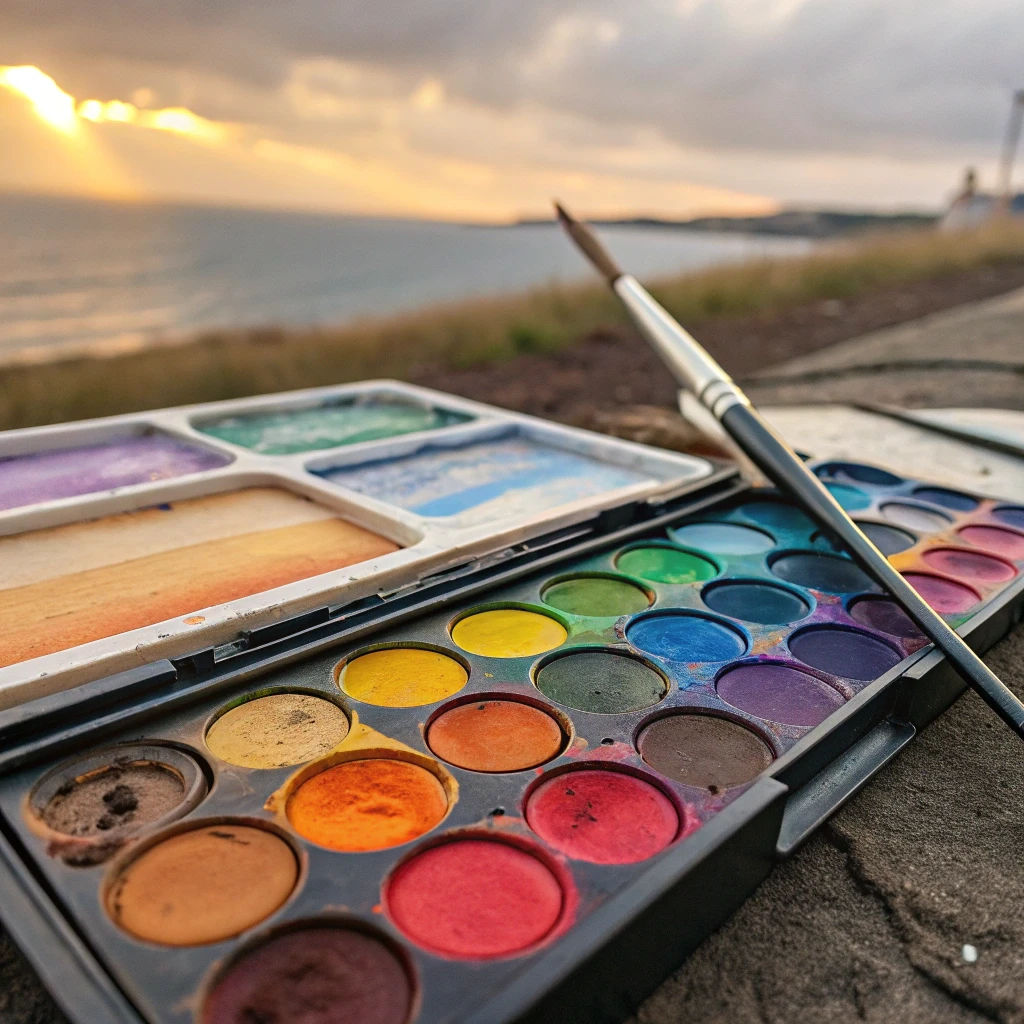
Bring your Russian sentences to life by adding color, size, and personality to every noun.
- Match adjectives to masculine, feminine, and neuter nouns.
- Use short-form adjectives to describe current states.
- Expand your descriptive vocabulary for everyday objects.
Was du lernen wirst
Using adjectives to modify nouns. Learning gender agreement for adjectives.
-
Russische Adjektiv-Genus-Anpassung: (новый, новая, новое)In Russian, adjectives act like mirrors, reflecting the gender of the noun they describe through their endings.
-
Kurzadjektive: Zustände beschreiben (красив, готов)Short adjectives describe the current state of a subject, functioning like a verb 'to be' in the present.
Learning Objectives
By the end of this chapter, you will be able to:
-
1
By the end you will be able to: correctly identify the gender of a noun and apply the matching adjective ending.
-
2
By the end you will be able to: express that someone or something is currently ready, busy, or beautiful.
Wichtige Beispiele (4)
Это мой `новый` телефон.
This is my new phone.
Russische Adjektiv-Genus-Anpassung: (новый, новая, новое)Какая `красивая` фотография!
What a beautiful photo!
Russische Adjektiv-Genus-Anpassung: (новый, новая, новое)Твоя идея очень интересна.
Your idea is very interesting.
Kurzadjektive: Zustände beschreiben (красив, готов)Tipps & Tricks (2)
The Rhyme Rule
Word Order Matters
Wichtige Vokabeln (6)
Real-World Preview
At the Café
Review Summary
- Adj + Noun (Ends: -ый/-ая/-ое)
- Subject + Short Adj
Häufige Fehler
You used the masculine ending for a feminine noun. Always check the noun's ending first.
When using the adjective as a predicate (after 'to be'), use the short form.
House is masculine in Russian, so it requires the masculine -ый ending.
Regeln in diesem Kapitel (2)
Next Steps
You are making amazing progress! Keep practicing your gender agreement, and it will become second nature soon.
Label 5 items in your room using adjectives.
Schnelle Übung (4)
Это ___ девушка. (This is a beautiful girl.)
frontend.learn_grammar.from_rule: Russische Adjektiv-Genus-Anpassung: (новый, новая, новое)
Мама, обед ___?
frontend.learn_grammar.from_rule: Kurzadjektive: Zustände beschreiben (красив, готов)
Find and fix the mistake:
Я пью холодный молоко.
frontend.learn_grammar.from_rule: Russische Adjektiv-Genus-Anpassung: (новый, новая, новое)
Find and fix the mistake:
Она очень занят сегодня.
frontend.learn_grammar.from_rule: Kurzadjektive: Zustände beschreiben (красив, готов)
Score: /4

