The video owner has disabled playback on external websites.
This video is no longer available on YouTube.
This video cannot be played right now.
Watch on YouTube
ابزارهای یادگیری هوش مصنوعی را باز کنید
ثبتنام کنید تا به ابزارهای قدرتمندی دسترسی پیدا کنید که به شما کمک میکنند سریعتر از هر ویدیو یاد بگیرید.
How childhood trauma affects health across a lifetime | Nadine Burke Harris | TED
آمار یادگیری
سطح CEFR
سختی
زیرنویسها (245 بخشها)
In the mid-'90s,
the CDC and Kaiser Permanente
discovered an exposure that dramatically increased the risk
for seven out of 10 of the leading causes of death in the United States.
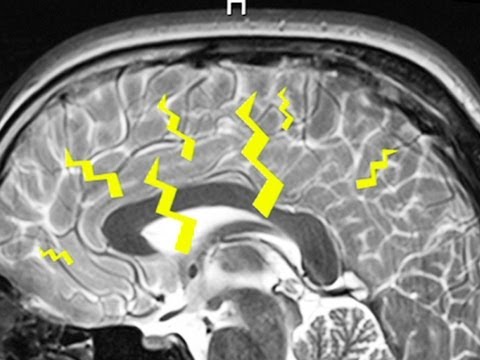
In high doses, it affects brain development,
the immune system, hormonal systems,
and even the way our DNA is read and transcribed.
Folks who are exposed in very high doses
have triple the lifetime risk of heart disease and lung cancer
and a 20-year difference in life expectancy.
And yet, doctors today are not trained in routine screening or treatment.
Now, the exposure I'm talking about is not a pesticide or a packaging chemical.
It's childhood trauma.
Okay. What kind of trauma am I talking about here?
I'm not talking about failing a test or losing a basketball game.
I am talking about threats that are so severe or pervasive
that they literally get under our skin and change our physiology:
things like abuse or neglect,
or growing up with a parent who struggles with mental illness
or substance dependence.
Now, for a long time,
I viewed these things in the way I was trained to view them,
either as a social problem -- refer to social services --
or as a mental health problem -- refer to mental health services.
And then something happened to make me rethink my entire approach.
When I finished my residency,
I wanted to go someplace where I felt really needed,
someplace where I could make a difference.
So I came to work for California Pacific Medical Center,
one of the best private hospitals in Northern California,
and together, we opened a clinic in Bayview-Hunters Point,
one of the poorest, most underserved neighborhoods in San Francisco.
Now, prior to that point,
there had been only one pediatrician in all of Bayview
to serve more than 10,000 children,
so we hung a shingle, and we were able to provide top-quality care
regardless of ability to pay.
It was so cool. We targeted the typical health disparities:
access to care, immunization rates, asthma hospitalization rates,
and we hit all of our numbers.
We felt very proud of ourselves.
But then I started noticing a disturbing trend.
A lot of kids were being referred to me for ADHD,
or Attention Deficit Hyperactivity Disorder,
but when I actually did a thorough history and physical,
what I found was that for most of my patients,
I couldn't make a diagnosis of ADHD.
Most of the kids I was seeing had experienced such severe trauma
that it felt like something else was going on.
زیرنویس کامل در پخشکننده ویدیو موجود است
با تمرینها یاد بگیرید
تمرینهای واژگان، گرامر و درک مطلب از این ویدیو بسازید
نظرات (0)
برای نظر دادن وارد شویدثبتنام کن و همه امکانات رو باز کن
پیشرفتت رو دنبال کن، واژگان رو ذخیره کن و تمرین کن
حالت تعاملی
آزمون
پاسخ صحیح:




آزمون
پاسخ صحیح:
آزمونها هنگام تماشای ویدیو ظاهر میشوند
راهنمای حفظ
از این ویدیو
شروع رایگان یادگیری زبان

