clown in 30 Sekunden
- A clown is a comic entertainer known for colorful costumes, makeup, and slapstick humor.
- Informally, the word describes someone who behaves foolishly or lacks seriousness in important moments.
- The term is a countable noun and can be used both positively (fun) and negatively (incompetent).
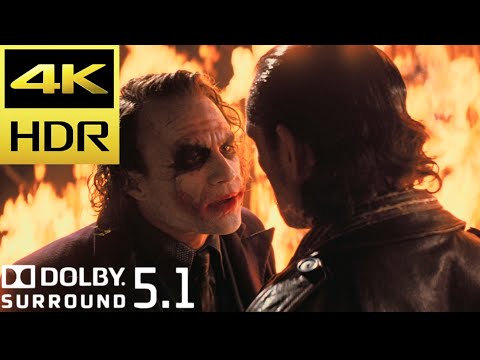
- Clowns are central figures in circuses, birthday parties, and even horror movies or political satire.
The word clown primarily describes a professional entertainer who uses physical comedy, elaborate costumes, and distinctive makeup to amuse an audience. Historically, the clown is a figure that dates back centuries, evolving from the court jesters of medieval times and the 'zanni' characters of the Italian Commedia dell'arte. In a modern context, when you hear the word clown, the immediate image is often that of a circus performer with a large red nose, oversized shoes, and a colorful wig. These entertainers specialize in slapstick—a type of comedy based on deliberately clumsy actions and humorously embarrassing events. However, the term has expanded significantly beyond the circus ring. In everyday conversation, calling someone a clown often serves as a mild to moderate insult, suggesting that the person is acting foolishly, making unnecessary jokes, or failing to take a serious situation with the required gravity. It is a versatile noun that captures both the joy of performance and the frustration of dealing with someone who lacks maturity. Understanding the nuance of this word requires looking at its dual nature: the beloved figure of childhood parties and the metaphorical label for someone whose behavior is erratic or nonsensical.
- Professional Context
- A trained performer who uses mime, juggling, or acrobatics to entertain, typically in a circus or theater setting.
- Informal Context
- A person who behaves in a silly or stupid way, often to get attention or because they are incompetent.
The children screamed with delight when the clown tripped over his own giant feet.
The cultural impact of the clown is profound. In many Western cultures, the clown is a staple of birthday parties and community festivals. They are symbols of innocence and fun. Yet, there is a darker side to the archetype. The 'scary clown' or 'evil clown' trope has become a common theme in horror literature and cinema, playing on the uncanny nature of a face hidden behind a permanent, painted smile. This psychological phenomenon, known as coulrophobia, highlights how the same figure can evoke both laughter and intense fear. When using the word, it is important to consider the setting. In a circus, it is a job title; in an office, it might be a critique of a colleague's lack of professionalism. The word also appears in the phrase 'class clown,' referring to a student who constantly tries to make other students laugh, often at the expense of their own studies or the teacher's patience. This social role is common in schools worldwide, where the clown uses humor as a way to gain social status or deflect from academic difficulties.
Stop acting like a clown and focus on the presentation; this meeting is important.
Furthermore, the concept of the 'sad clown' is a powerful literary and artistic motif. It represents the idea that behind a cheerful exterior, an individual may be experiencing deep personal sorrow. This duality—the public face versus the private reality—makes the clown a complex subject for analysis in psychology and the arts. In political discourse, the word is frequently used as a derogatory term for politicians who are perceived as incompetent or who treat serious governance as a theatrical performance. This usage is particularly common in editorial cartoons and social media commentary. Despite these varied uses, the core definition remains rooted in the idea of performance and the subversion of normal social behavior through humor or absurdity. Whether as a source of joy, a target of ridicule, or a figure of fear, the clown remains a central character in the human story, reflecting our own follies and our need for laughter.
The opera 'Pagliacci' tells the tragic story of a clown who must make people laugh while his heart is breaking.
- Archetypal Role
- The 'Trickster' or 'Fool' who reveals truths through humor or exposes the absurdity of social norms.
He was the undisputed clown of the group, always ready with a joke to lighten the mood.
The circus poster featured a smiling clown holding a bunch of balloons.
Using the word clown correctly involves understanding its grammatical function as a countable noun and its various semantic applications. In its most literal sense, it functions as a subject or object in sentences describing entertainment. For example, 'The clown performed a series of backflips.' Here, the word identifies a specific professional. When used as a metaphor, it often follows the verb 'to be' or 'to act like.' For instance, 'Don't be such a clown' is a common imperative used to discourage silly behavior. The word can also be modified by various adjectives to specify the type of clown or the nature of the foolishness. Common modifiers include 'scary,' 'sad,' 'professional,' 'birthday,' and 'class.' Each of these pairings changes the tone of the sentence significantly, from festive to critical to frightening.
- Literal Usage
- Describing the physical presence or actions of a circus entertainer.
We hired a clown for my son's seventh birthday party to make balloon animals.
In more complex sentence structures, 'clown' can appear in prepositional phrases or as part of compound nouns. 'The room was filled with the laughter of a clown' uses a possessive relationship to attribute the sound. 'Clown college' and 'clown suit' are compound nouns where 'clown' acts as an attributive noun, describing the type of college or suit. It is also important to note the verb form 'to clown around,' which is a phrasal verb meaning to behave in a silly way. While the noun is the focus here, the relationship between the noun and this verb is essential for learners to grasp the full range of the word's utility. In academic or analytical writing, one might discuss 'the figure of the clown' in literature, treating the word as a symbolic archetype rather than a specific person.
- Metaphorical Usage
- Using the word to criticize someone's lack of seriousness or competence.
The manager called the incompetent contractor a clown after the roof started leaking again.
Sentences involving 'clown' often carry a specific emotional weight. In a positive context, the word is associated with 'amusement,' 'entertainment,' and 'laughter.' In a negative context, it is associated with 'ridicule,' 'embarrassment,' and 'unprofessionalism.' For example, 'The politician's clownish behavior was mocked by the press' uses the adjective form to describe actions, but the root noun 'clown' is the source of the insult. When writing, consider whether you are referring to the person's profession or their character. If you say, 'He is a clown,' you are likely commenting on his character. If you say, 'He works as a clown,' you are describing his job. This distinction is vital for clear communication in English.
During the parade, a clown on stilts handed out candy to the spectators.
- Collective Nouns
- While not strictly formal, people often refer to a 'troupe' of clowns or a 'carload' of clowns (referencing the famous circus gag).
The horror movie featured a creepy clown lurking in the shadows of the old carnival.
Even though he was a professional clown, he was actually a very serious person in his private life.
The word clown is pervasive in various environments, from the highly specialized world of circus arts to the casual banter of a high school hallway. In the entertainment industry, you will hear it used with respect when referring to the history of the craft. Professional clowns often discuss 'clowning' as a rigorous discipline involving physical theater, timing, and emotional intelligence. In these circles, the word is a badge of honor. Conversely, in the world of cinema and literature, the word is frequently heard in the context of the 'horror' genre. Since the late 20th century, particularly with the influence of Stephen King's 'It,' the word has become synonymous with a specific type of supernatural or psychological terror. You will hear fans of the genre debating who the 'scariest clown' is, moving the word far away from its origins in lighthearted comedy.
- Educational Settings
- Teachers often use the term 'class clown' to describe students who disrupt lessons with humor.
The teacher warned the class clown that his jokes were no longer funny during the exam.
In the workplace, 'clown' is often used as a sharp, informal critique. If a project fails due to poor management, a frustrated employee might refer to the leadership as a 'circus run by clowns.' This idiomatic use highlights a perceived lack of organization and competence. You will also hear the word in sports commentary. When a player makes a ridiculous mistake or engages in unnecessary showboating, commentators or fans might call them a clown. This usage emphasizes that the player is not taking the game seriously or is making a fool of themselves. In social media, the 'clown emoji' (🤡) has become a shorthand for calling someone out for saying something foolish or for being 'clowned' (tricked or made to look stupid). This digital evolution of the word shows how its core meaning of 'foolishness' continues to adapt to new forms of communication.
- Media and Politics
- Used to describe public figures who are seen as performing for attention rather than acting with substance.
The talk show host referred to the scandalous politician as a 'political clown'.
In families, the word is often used affectionately. A parent might call their silly toddler a 'little clown' when the child is doing something funny. This demonstrates the word's capacity for warmth and endearment. Additionally, in the medical field, 'therapeutic clowning' is a recognized practice where clowns visit hospitals to help reduce stress and anxiety in patients, especially children. In this context, you would hear doctors and nurses discussing the positive impact of the clown on patient recovery. This wide range of environments—from the hospital ward to the horror movie set to the corporate boardroom—illustrates that 'clown' is a word deeply embedded in the English-speaking world's way of describing behavior, performance, and character.
The hospital's resident clown brought a smile to the faces of the children in the oncology ward.
- Pop Culture
- References to 'clown cars' or 'clown makeup' are common in fashion and comedy critiques.
She looked like a clown after trying to apply her makeup in the back of a moving taxi.
The documentary explored the rigorous training required to become a clown at the famous Cirque du Soleil.
One of the most frequent mistakes learners make with the word clown is confusing it with other similar roles like 'joker,' 'fool,' or 'mime.' While all these figures are related to entertainment and humor, they are not interchangeable. A 'joker' is someone who tells jokes; a 'mime' is a performer who uses only gesture and movement without speech; and a 'fool' is a more archaic term often associated with historical royal courts. Using 'clown' to describe a mime is a common error because both often wear white face makeup, but their performance styles are distinct. Another mistake is using 'clown' as a verb without the preposition 'around.' While you can say 'He is clowning around,' it is grammatically incorrect in most standard dialects to simply say 'He is clowning the situation' (unless using very specific modern slang where 'clowning' means 'mocking').
- Confusing with 'Joker'
- A joker tells stories; a clown performs physical comedy and wears a specific costume.
Incorrect: He is a clown because he tells funny stories at dinner. (Better: He is a joker/wit.)
Another common error involves the tone and register of the word. Because 'clown' can be an insult, using it in a professional setting to describe a colleague can be much more offensive than intended. If you mean that someone is being lighthearted, calling them a 'clown' might suggest you think they are incompetent. Learners should be careful to distinguish between 'funny' (positive) and 'clownish' (often negative). Additionally, the pluralization of 'clown' is straightforward ('clowns'), but learners sometimes forget that 'clown' can also function as an adjective in compound nouns. You don't say 'the clowns shoes'; you say 'the clown shoes' or 'the clown's shoes.' The first is a compound noun, the second is possessive. Misusing the possessive apostrophe is a frequent grammatical slip.
- Register Misuse
- Using 'clown' in a formal report to describe a serious error is too informal and aggressive.
Correct: The clown's performance was the highlight of the evening.
Finally, there is the confusion between 'clown' and 'buffoon.' While they are synonyms, 'buffoon' is almost always negative and implies a lack of intelligence, whereas 'clown' can be a professional title. If you call a professional circus performer a 'buffoon,' it is an insult to their skill. Conversely, if you call a silly friend a 'clown,' it is often playful. Understanding these subtle differences in connotation is key to mastering the word. Learners also sometimes struggle with the pronunciation of the 'ow' sound, which should rhyme with 'down' or 'town,' not 'own.' Mispronouncing it can lead to confusion with other words. By paying attention to these common pitfalls, you can use the word 'clown' with confidence and precision in any context.
The clown shoes were so large that he kept tripping over them for the audience's amusement.
- Pronunciation Error
- Rhyming 'clown' with 'bone' instead of 'brown'.
He felt like a clown when he realized he was the only one wearing a suit to the casual party.
The clown at the fair was excellent at making animals out of balloons.
The English language offers a rich variety of words that share semantic space with clown, each with its own specific nuance. Understanding these alternatives allows for more precise expression. For instance, 'buffoon' is a close synonym but carries a much stronger sense of ridiculousness and lack of dignity. While a clown might be a skilled professional, a buffoon is usually just someone who makes a fool of themselves. 'Jester' is a historical term, specifically referring to the entertainers in medieval and Renaissance courts who had the unique privilege of mocking the monarch. 'Harlequin' refers to a specific type of clown from the Commedia dell'arte, characterized by a diamond-patterned costume and a mask. Using 'harlequin' instead of 'clown' adds a layer of historical or artistic sophistication to your description.
- Clown vs. Buffoon
- A clown is a performer; a buffoon is a person who acts ridiculously, often unintentionally.
The king's jester was the only person allowed to speak the truth to the throne.
Other alternatives include 'prankster,' 'comedian,' and 'fool.' A 'prankster' is someone who plays practical jokes on others, which is only one aspect of a clown's repertoire. A 'comedian' is a broad term for anyone who entertains through humor, but it usually implies a verbal performance like stand-up comedy, whereas 'clown' implies physical comedy. 'Fool' is a more general and often harsher term for someone who lacks judgment. In modern slang, you might hear words like 'goofball' or 'joker' used in place of 'clown' when the tone is lighthearted. 'Goofball' is particularly common in American English to describe someone who is silly in a harmless, endearing way. Choosing the right word depends on whether you want to emphasize the person's profession, their intent, or the effect they have on others.
- Clown vs. Comedian
- A clown uses physical antics and costumes; a comedian uses words and timing.
He is a total goofball who always makes us laugh during lunch breaks.
In the context of fear, 'clown' is often replaced by 'specter' or 'monster' in horror descriptions, though the visual of the clown remains. In the context of incompetence, 'idiot' or 'moron' are much stronger and more offensive alternatives. 'Zany' is an interesting adjective derived from the Commedia dell'arte character 'Zanni,' and it describes behavior that is clownishly eccentric or wacky. Using 'zany' can be a more sophisticated way to describe clown-like energy without using the noun itself. By expanding your vocabulary to include these synonyms and related terms, you can describe people and performances with much greater nuance and accuracy, ensuring your message is received exactly as you intended.
The harlequin costume was meticulously designed with silk diamonds.
- Clown vs. Prankster
- A clown performs for an audience; a prankster targets individuals for a reaction.
The zany antics of the street performer drew a large crowd in the plaza.
The comedian's style was more like a clown than a traditional stand-up act.
How Formal Is It?
Wusstest du?
The modern circus clown was largely invented by Joseph Grimaldi in the early 1800s. He was so famous that clowns are still called 'Joeys' in his honor.
Aussprachehilfe
- Pronouncing the 'ow' like 'oh' (rhyming with 'bone').
- Failing to pronounce the final 'n' clearly.
- Adding an extra syllable (e.g., 'clow-en').
- Confusing the 'cl' sound with a 'gl' sound.
- Making the 'ow' sound too short.
Schwierigkeitsgrad
The word is very common and easy to recognize in text.
Spelling is simple, but using it metaphorically requires some skill.
The pronunciation is straightforward for most learners.
Easily identified in speech due to the distinct 'ow' sound.
Was du als Nächstes lernen solltest
Voraussetzungen
Als Nächstes lernen
Fortgeschritten
Wichtige Grammatik
Countable Nouns
One clown, two clowns.
Attributive Nouns
A clown suit (clown describes the suit).
Phrasal Verbs
Clown around (to behave sillily).
Possessive Nouns
The clown's nose was red.
Similes
He acts like a clown.
Beispiele nach Niveau
The clown has a red nose.
Le clown a un nez rouge.
Use 'the' for a specific clown.
I see a funny clown at the party.
Je vois un clown drôle à la fête.
'Funny' is an adjective describing the clown.
The clown is wearing big shoes.
Le clown porte de grandes chaussures.
Present continuous tense: 'is wearing'.
Do you like the clown?
Aimes-tu le clown ?
Question form with 'do'.
The clown makes a balloon dog.
Le clown fait un chien en ballon.
Simple present for a regular action.
There are three clowns in the circus.
Il y a trois clowns au cirque.
Plural form: 'clowns'.
The clown is very happy.
Le clown est très heureux.
'Very' is an adverb of degree.
My brother wants to be a clown.
Mon frère veut être un clown.
'To be' follows the verb 'wants'.
The clown performed many tricks for the children.
Le clown a fait beaucoup de tours pour les enfants.
Past simple: 'performed'.
Stop being a clown and sit down!
Arrête de faire le clown et assieds-toi !
Imperative mood used for commands.
He wore a colorful clown costume to the parade.
Il a porté un costume de clown coloré pour le défilé.
'Clown' acts as an attributive noun here.
The class clown always makes everyone laugh.
Le clown de la classe fait toujours rire tout le monde.
Compound noun: 'class clown'.
We saw a clown riding a tiny bicycle.
Nous avons vu un clown monter un tout petit vélo.
Participle phrase: 'riding a tiny bicycle'.
The clown's makeup was very bright.
Le maquillage du clown était très vif.
Possessive form: 'clown's'.
I don't like clowns because they are scary.
Je n'aime pas les clowns parce qu'ils sont effrayants.
Negative sentence with 'because'.
The clown threw water at the audience.
Le clown a jeté de l'eau sur le public.
Past simple: 'threw'.
The entertainer worked as a professional clown for ten years.
L'artiste a travaillé comme clown professionnel pendant dix ans.
Present perfect would also work here for duration.
He is such a clown that no one takes his advice seriously.
C'est un tel clown que personne ne prend ses conseils au sérieux.
'Such a... that' construction for emphasis.
The movie features a sad clown who lost his job.
Le film met en scène un clown triste qui a perdu son travail.
Relative clause: 'who lost his job'.
They spent the afternoon clowning around in the park.
Ils ont passé l'après-midi à faire les fous dans le parc.
Gerund 'clowning' after the verb 'spent'.
The circus is famous for its troupe of talented clowns.
Le cirque est célèbre pour sa troupe de clowns talentueux.
Collective noun 'troupe' used with clowns.
Her clownish behavior at the meeting was quite embarrassing.
Son comportement de clown à la réunion était assez embarrassant.
Adjective form: 'clownish'.
The children were terrified by the creepy clown in the dark.
Les enfants étaient terrifiés par le clown effrayant dans le noir.
Passive voice: 'were terrified by'.
I felt like a clown when I realized I was at the wrong house.
Je me suis senti comme un clown quand j'ai réalisé que j'étais à la mauvaise maison.
Simile: 'like a clown'.
The political commentator described the debate as a complete clown show.
Le commentateur politique a décrit le débat comme un véritable spectacle de clowns.
Idiomatic compound: 'clown show'.
Coulrophobia is a legitimate psychological fear of clowns.
La coulrophobie est une peur psychologique légitime des clowns.
Scientific term related to the word.
He managed to hide his depression behind the mask of a clown.
Il a réussi à cacher sa dépression derrière le masque d'un clown.
Metaphorical use of 'mask'.
The director used the figure of the clown to represent social chaos.
Le réalisateur a utilisé la figure du clown pour représenter le chaos social.
Abstract noun phrase: 'the figure of the clown'.
Despite his skills, he was often dismissed as a mere clown by his peers.
Malgré ses compétences, il était souvent rejeté comme un simple clown par ses pairs.
'Dismissed as' indicates a negative judgment.
The elaborate makeup of the clown took three hours to apply.
Le maquillage élaboré du clown a pris trois heures à appliquer.
Infinitive of purpose: 'to apply'.
She criticized the CEO for running the company like a circus with clowns.
Elle a critiqué le PDG pour avoir dirigé l'entreprise comme un cirque avec des clowns.
Extended metaphor: 'circus with clowns'.
The novel explores the tragic life of a 19th-century circus clown.
Le roman explore la vie tragique d'un clown de cirque du XIXe siècle.
Compound adjective: '19th-century'.
The protagonist's descent into madness is mirrored by his obsession with clown archetypes.
La descente du protagoniste dans la folie est reflétée par son obsession pour les archétypes de clowns.
Academic vocabulary: 'archetypes', 'mirrored'.
In the play, the clown serves as a subversive voice against the tyrannical king.
Dans la pièce, le clown sert de voix subversive contre le roi tyrannique.
Functional description: 'serves as'.
The artist's latest exhibition deconstructs the traditional imagery of the clown.
La dernière exposition de l'artiste déconstruit l'imagerie traditionnelle du clown.
High-level verb: 'deconstructs'.
Calling the lead scientist a clown was a calculated move to undermine the research.
Traiter le scientifique principal de clown était une démarche calculée pour saper la recherche.
Gerund phrase as subject: 'Calling the lead scientist a clown'.
The performance was a masterful blend of tragedy and clowning.
La performance était un mélange magistral de tragédie et de pitreries.
Noun form of the action: 'clowning'.
He possessed a clownish agility that allowed him to perform incredible physical feats.
Il possédait une agilité de clown qui lui permettait de réaliser d'incroyables prouesses physiques.
Adjective 'clownish' used technically.
The satire portrays the entire administration as a troupe of bumbling clowns.
La satire dépeint toute l'administration comme une troupe de clowns maladroits.
Descriptive phrase: 'bumbling clowns'.
The philosophical essay examines the clown as a symbol of existential absurdity.
L'essai philosophique examine le clown comme un symbole de l'absurdité existentielle.
Prepositional phrase: 'as a symbol of'.
The director’s choice to utilize a clown as the narrator adds a layer of carnivalesque irony to the film.
Le choix du réalisateur d'utiliser un clown comme narrateur ajoute une couche d'ironie carnavalesque au film.
Complex literary term: 'carnivalesque'.
His public persona was so carefully curated that any slip-up made him look like a pathetic clown.
Son image publique était si soigneusement travaillée que le moindre faux pas le faisait passer pour un clown pathétique.
Conditional logic: 'so... that'.
The sheer clownery of the situation would have been funny if it weren't so dangerous.
La pure bouffonnerie de la situation aurait été drôle si elle n'était pas si dangereuse.
Abstract noun: 'clownery'.
The author explores the 'Auguste' clown tradition to highlight the character's inherent clumsiness.
L'auteur explore la tradition du clown 'Auguste' pour souligner la maladresse inhérente du personnage.
Specific cultural reference.
The politician’s attempt to pivot was met with derision, labeled as nothing more than clownish posturing.
La tentative de pivot du politicien a été accueillie avec dérision, qualifiée de simple posture de clown.
Passive construction with 'labeled as'.
She navigated the social gathering with a clown-like grace, masking her true intentions with humor.
Elle a navigué dans la réunion sociale avec une grâce de clown, masquant ses véritables intentions par l'humour.
Hyphenated adjective: 'clown-like'.
The documentary traces the evolution of the clown from the rustic fool to the modern entertainer.
Le documentaire retrace l'évolution du clown, du fou rustique à l'artiste moderne.
Parallel structure: 'from the... to the...'.
The court's decision was widely panned as a clownish interpretation of the existing law.
La décision du tribunal a été largement critiquée comme une interprétation bouffonne de la loi existante.
Metaphorical adjective use in a formal context.
Häufige Kollokationen
Häufige Phrasen
— To behave in a silly or foolish way that is not appropriate for the situation.
Stop acting like a clown; this is a serious funeral.
— A situation that is disorganized, incompetent, or ridiculous.
The management of the project was a total clown show.
— Used when a situation has become so bad or ridiculous that it is almost funny.
The meeting was a disaster, so I guess it's time to send in the clowns.
— To play or act silly instead of being productive.
The kids were clowning around in the backyard all afternoon.
— To appear ridiculous, often due to bad clothing or makeup choices.
She felt she looked like a clown with that bright blue eyeshadow.
— The student in a class who is known for making jokes and being silly.
Being the class clown made him popular, but his grades suffered.
— Someone whose actual career is performing as a clown.
He is a professional clown who works at the city hospital.
— A common horror trope involving a frightening version of a clown.
I can't watch horror movies with a scary clown in them.
— A reference to the circus trick where many clowns come out of a small car.
The elevator was like a clown car this morning.
— Actions that are silly, foolish, or reminiscent of a clown.
His clownish behavior at the gala was not well-received.
Wird oft verwechselt mit
A joker tells jokes; a clown performs physical comedy.
A mime is silent; a clown often makes noise or speaks.
A fool is an older term for a silly person or a jester.
Redewendungen & Ausdrücke
— To behave in a silly or foolish way, often to avoid work or seriousness.
The boys were clowning around instead of cleaning their room.
informal— A phrase suggesting that a situation has become a farce or a disaster.
When the third speaker failed to show up, the host said, 'Well, send in the clowns.'
neutral— A person who is always making jokes in a group setting, especially school.
He was voted class clown in his high school yearbook.
neutral— A very disorganized or incompetent event or organization.
The press called the new administration a total clown show.
informal/critical— To look ridiculous or foolish because of one's appearance or actions.
I felt like a clown when I realized I was the only one in costume.
informal— Something that is surprisingly crowded or contains more than it seems possible.
That small apartment is like a clown car with six people living there.
informal— Silly or ridiculous behavior intended to amuse or distract.
The puppy's clownish antics kept the family entertained for hours.
neutral— The idea of someone who is funny in public but deeply unhappy in private.
He lived the life of the sad clown, hiding his pain behind jokes.
literary— Often used to describe poorly applied or excessively bright cosmetics.
She needs to blend her foundation; right now it looks like clown makeup.
informal— To act foolishly or to be a person who is not taken seriously.
Don't be a clown; you know that's not how the machine works.
informalLeicht verwechselbar
Both make people laugh.
A joker primarily uses verbal humor and wit, while a clown uses physical antics, costumes, and makeup.
The joker told a funny story, but the clown fell off his chair.
Both often wear white face makeup.
A mime performs silently using only body movements, while a clown uses props, sound, and often speaks.
The mime pretended to be in a box, but the clown honked a horn.
Both describe silly people.
A clown is often a skilled professional; a buffoon is usually someone who acts ridiculously without skill or dignity.
The circus clown was amazing, but the politician acted like a buffoon.
Both are historical entertainers.
A jester was specifically a court entertainer in the past; a clown is a more modern, general term.
The medieval jester entertained the king, but the clown entertained the kids.
Both do funny things.
A prankster plays tricks on specific people; a clown performs for an entire audience.
The prankster put salt in the sugar bowl, but the clown juggled oranges.
Satzmuster
The clown is [adjective].
The clown is funny.
He is a [adjective] clown.
He is a happy clown.
Stop [verb-ing] like a clown.
Stop acting like a clown.
He is the [noun] clown.
He is the class clown.
The [noun] was a total clown show.
The meeting was a total clown show.
He hid his [emotion] behind a clown's mask.
He hid his sadness behind a clown's mask.
The [adjective] clownery of the [noun]...
The sheer clownery of the administration...
Utilizing the clown as a [noun] for...
Utilizing the clown as a metaphor for existential dread...
Wortfamilie
Substantive
Verben
Adjektive
Verwandt
So verwendest du es
Common in daily conversation and media.
-
I saw clown at the circus.
→
I saw a clown at the circus.
Clown is a countable noun and needs an article.
-
He is clowning the meeting.
→
He is clowning around during the meeting.
The verb 'clown' usually requires 'around' to mean acting silly.
-
The clown's shoes is big.
→
The clown's shoes are big.
Shoes is plural, so the verb must be 'are'.
-
He is a very good joker.
→
He is a very good clown.
If he is wearing makeup and doing physical comedy, use 'clown', not 'joker'.
-
I have a fear of clown.
→
I have a fear of clowns.
When talking about a general fear, use the plural form.
Tipps
Context Matters
Always check the situation before calling someone a clown. It's fine at a party, but rude in an office.
Countable Noun
Remember to use 'a' or 'the' with clown. 'I saw clown' is incorrect; say 'I saw a clown'.
Use 'Clown Around'
This is a very natural-sounding phrasal verb for learners to use when describing kids playing.
Rhyme Time
Rhyme 'clown' with 'town' to get the vowel sound right every time.
Metaphorical Use
Use 'clown' to describe a situation that is ridiculous, like a 'clown show'.
Be Sensitive
Some people are truly afraid of clowns, so don't use the image if you know someone has coulrophobia.
Adjective Form
Use 'clownish' to describe actions: 'His clownish antics were funny at first but soon became annoying'.
Listen for the 'n'
Don't confuse 'clown' with 'cloud'. The final 'n' sound is very important.
Intonation
When using 'clown' as an insult, the stress is often heavier on the word.
Visual Link
Link the word to the color red (the nose) to help it stick in your mind.
Einprägen
Eselsbrücke
Think of a 'Clown' in a 'Town' wearing a 'Gown' with a 'Frown'. All these words rhyme and help you remember the 'ow' sound.
Visuelle Assoziation
Imagine a bright red nose and giant shoes. This visual is so strong that it immediately links to the word 'clown'.
Word Web
Herausforderung
Try to use the word 'clown' in three different ways today: once for a performer, once as an insult, and once as the verb 'clown around'.
Wortherkunft
The word 'clown' first appeared in English in the 1560s. It likely comes from a Germanic or Scandinavian source, such as the Low German 'klönne' meaning a clumsy person or a lump of earth.
Ursprüngliche Bedeutung: Originally, it referred to a rustic, clumsy person, a peasant, or a 'country bumpkin.'
GermanicKultureller Kontext
Be aware that some people have a genuine phobia of clowns (coulrophobia), so use the imagery carefully.
In the UK and US, the 'class clown' is a recognized social archetype in schools.
Im Alltag üben
Kontexte aus dem Alltag
At a Circus
- Where is the clown?
- The clown is funny.
- Look at the clown's shoes.
- The clown is juggling.
In School
- He is the class clown.
- Stop acting like a clown.
- The teacher is angry at the clown.
- Don't be a clown in class.
At a Party
- We hired a clown.
- The clown made balloons.
- The clown is doing magic.
- Is the clown here yet?
Describing Someone
- He's a total clown.
- Stop clowning around.
- You look like a clown.
- He's such a clown.
In a Movie
- The clown is scary.
- It's a horror movie about a clown.
- The clown is the villain.
- I hate scary clowns.
Gesprächseinstiege
"Did you ever have a clown at your birthday party when you were a child?"
"Why do you think some people are so afraid of clowns?"
"Who is the most famous clown in your country?"
"Do you think the 'class clown' is usually a happy person or just looking for attention?"
"What is your favorite funny movie that features a clown-like character?"
Tagebuch-Impulse
Describe a time when you felt like a clown because you made a silly mistake.
Write about a circus performance you saw. What did the clowns do?
Do you think being a professional clown is a difficult job? Why or why not?
Reflect on the 'sad clown' idea. Have you ever had to act happy when you were sad?
If you had to design a clown costume for yourself, what would it look like?
Häufig gestellte Fragen
10 FragenNo, 'clown' is not always an insult. It is a neutral job title for a professional entertainer. However, when used to describe someone's behavior in a serious setting, it is usually a mild to moderate insult. For example, 'He is a great clown' (at a circus) is a compliment, but 'He is a clown' (at a business meeting) is an insult.
A clown is a physical performer who uses costumes and makeup. A joker is someone who tells jokes or plays tricks. While a clown can be a joker, the word 'clown' specifically implies the visual and physical aspect of the performance.
Yes, 'clown' can be a verb, usually used with the word 'around.' To 'clown around' means to act silly or foolishly. For example, 'The children were clowning around in the garden.' In some modern slang, 'clowning' can also mean mocking someone.
The fear of clowns is called coulrophobia. It often comes from the 'uncanny' nature of clown makeup, which hides a person's true expressions and identity. This has been popularized by horror movies like 'It'.
A 'class clown' is a student who is always making jokes and trying to make other students laugh. They are often the center of attention but can sometimes be disruptive to the teacher.
It is pronounced /klaʊn/. It rhymes with 'town,' 'down,' and 'brown.' Make sure to use the 'ow' sound like in 'ouch'.
A 'clown show' is an idiomatic expression for a situation or organization that is very poorly managed, incompetent, or ridiculous. For example, 'The project was a total clown show from start to finish.'
Yes, 'clownish' is an adjective used to describe behavior or appearance that is like a clown. It often has a negative connotation, meaning something is silly or inappropriate.
The word originally meant a 'clumsy peasant' in the 16th century. It evolved to mean a professional fool in theater and eventually the circus clown we know today.
Yes, in the circus world, there are 'Whiteface' clowns (more serious and authoritative) and 'Auguste' clowns (more foolish and clumsy). There are also rodeo clowns and hospital clowns.
Teste dich selbst 200 Fragen
Describe a clown you have seen in a movie or at a party.
Well written! Good try! Check the sample answer below.
Why do you think the 'class clown' acts the way they do?
Well written! Good try! Check the sample answer below.
Write a short story about a clown who is actually very serious.
Well written! Good try! Check the sample answer below.
Explain the idiom 'clown show' and give an example of its use.
Well written! Good try! Check the sample answer below.
Discuss the psychological reasons why some people are afraid of clowns.
Well written! Good try! Check the sample answer below.
Analyze the role of the clown in a specific play or book.
Well written! Good try! Check the sample answer below.
Compare the 'Whiteface' and 'Auguste' clown traditions.
Well written! Good try! Check the sample answer below.
Evaluate the use of the clown as a political metaphor in modern media.
Well written! Good try! Check the sample answer below.
Write five sentences using the phrase 'clown around'.
Well written! Good try! Check the sample answer below.
Describe a clown's costume in detail.
Well written! Good try! Check the sample answer below.
How has the image of the clown changed over the last 50 years?
Well written! Good try! Check the sample answer below.
Write a dialogue between a teacher and a class clown.
Well written! Good try! Check the sample answer below.
What is the difference between a clown and a jester?
Well written! Good try! Check the sample answer below.
Describe the 'sad clown' trope in art.
Well written! Good try! Check the sample answer below.
Discuss the 'carnivalesque' in relation to clowning.
Well written! Good try! Check the sample answer below.
If you were a clown, what would your name be and what tricks would you do?
Well written! Good try! Check the sample answer below.
Is it fair to use 'clown' as an insult? Why or why not?
Well written! Good try! Check the sample answer below.
Write a review of a performance that involved clowning.
Well written! Good try! Check the sample answer below.
How does the clown archetype function in different cultures?
Well written! Good try! Check the sample answer below.
Describe the makeup of a traditional clown.
Well written! Good try! Check the sample answer below.
Tell a story about a funny person you know.
Read this aloud:
Du hast gesagt:
Speech recognition is not supported in your browser. Try Chrome or Edge.
Describe what a clown looks like to a partner.
Read this aloud:
Du hast gesagt:
Speech recognition is not supported in your browser. Try Chrome or Edge.
Argue for or against the idea that clowns are scary.
Read this aloud:
Du hast gesagt:
Speech recognition is not supported in your browser. Try Chrome or Edge.
Explain the phrase 'class clown' to someone who doesn't know it.
Read this aloud:
Du hast gesagt:
Speech recognition is not supported in your browser. Try Chrome or Edge.
Discuss the importance of humor in society.
Read this aloud:
Du hast gesagt:
Speech recognition is not supported in your browser. Try Chrome or Edge.
Give a short presentation on the history of clowning.
Read this aloud:
Du hast gesagt:
Speech recognition is not supported in your browser. Try Chrome or Edge.
Debate the artistic value of slapstick comedy.
Read this aloud:
Du hast gesagt:
Speech recognition is not supported in your browser. Try Chrome or Edge.
Analyze the symbolism of the clown in modern culture.
Read this aloud:
Du hast gesagt:
Speech recognition is not supported in your browser. Try Chrome or Edge.
Talk about your favorite childhood entertainer.
Read this aloud:
Du hast gesagt:
Speech recognition is not supported in your browser. Try Chrome or Edge.
Roleplay: You are hiring a clown for a party. Ask them questions.
Read this aloud:
Du hast gesagt:
Speech recognition is not supported in your browser. Try Chrome or Edge.
Describe a 'clown show' situation you have experienced.
Read this aloud:
Du hast gesagt:
Speech recognition is not supported in your browser. Try Chrome or Edge.
How would you react if you saw a scary clown?
Read this aloud:
Du hast gesagt:
Speech recognition is not supported in your browser. Try Chrome or Edge.
Discuss the 'sad clown' archetype in movies.
Read this aloud:
Du hast gesagt:
Speech recognition is not supported in your browser. Try Chrome or Edge.
Explain the difference between a clown and a comedian.
Read this aloud:
Du hast gesagt:
Speech recognition is not supported in your browser. Try Chrome or Edge.
Discuss the ethics of using 'clown' as a political insult.
Read this aloud:
Du hast gesagt:
Speech recognition is not supported in your browser. Try Chrome or Edge.
What are the pros and cons of being a clown?
Read this aloud:
Du hast gesagt:
Speech recognition is not supported in your browser. Try Chrome or Edge.
Talk about a time you felt like a clown.
Read this aloud:
Du hast gesagt:
Speech recognition is not supported in your browser. Try Chrome or Edge.
How does clowning differ from other forms of theater?
Read this aloud:
Du hast gesagt:
Speech recognition is not supported in your browser. Try Chrome or Edge.
Discuss the 'carnivalesque' in modern festivals.
Read this aloud:
Du hast gesagt:
Speech recognition is not supported in your browser. Try Chrome or Edge.
Describe a circus you have visited.
Read this aloud:
Du hast gesagt:
Speech recognition is not supported in your browser. Try Chrome or Edge.
Listen to a description of a party and identify the entertainer.
Listen to a child talking about a clown and list the colors mentioned.
Listen to a news report about a 'clown show' and identify the problem.
Listen to a podcast about phobias and identify 'coulrophobia'.
Listen to a lecture on Shakespeare's fools and clowns.
Listen to an interview with a circus performer.
Listen to a discussion on the philosophy of humor.
Listen to a critique of an opera involving a clown.
Listen for the word 'clown' in a series of sentences.
Listen to instructions on how to dress like a clown.
Listen to a debate about scary clowns in movies.
Listen to a story about a class clown's prank.
Listen to a talk about the 'Auguste' clown tradition.
Listen to a poem about a sad clown.
Listen to a linguistic analysis of the word 'clown'.
/ 200 correct
Perfect score!
Summary
The word 'clown' describes both a professional entertainer and a person acting foolishly. For example: 'The circus clown made us laugh, but don't be a clown during the meeting.'
- A clown is a comic entertainer known for colorful costumes, makeup, and slapstick humor.
- Informally, the word describes someone who behaves foolishly or lacks seriousness in important moments.
- The term is a countable noun and can be used both positively (fun) and negatively (incompetent).
- Clowns are central figures in circuses, birthday parties, and even horror movies or political satire.
Context Matters
Always check the situation before calling someone a clown. It's fine at a party, but rude in an office.
Countable Noun
Remember to use 'a' or 'the' with clown. 'I saw clown' is incorrect; say 'I saw a clown'.
Use 'Clown Around'
This is a very natural-sounding phrasal verb for learners to use when describing kids playing.
Rhyme Time
Rhyme 'clown' with 'town' to get the vowel sound right every time.