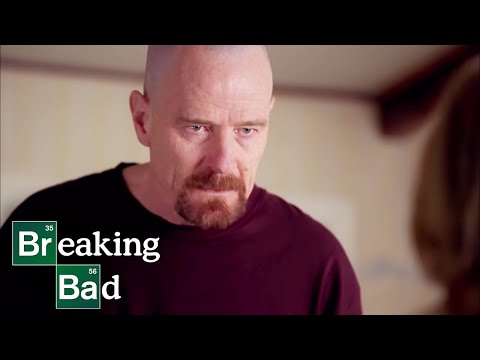
hardened in 30 Sekunden
- Describes physical materials that have become solid and firm through a process like drying or cooling.
- Refers to people who have become emotionally tough or desensitized due to difficult life experiences.
- Commonly used in phrases like 'hardened criminal' to indicate a fixed and unrepentant character.
- Used in technical contexts like cybersecurity to describe systems that have been made more secure.
The word hardened is a versatile adjective that describes a state of being that has transitioned from a softer, more pliable, or more sensitive condition into one that is firm, rigid, or emotionally resistant. In its most literal, physical sense, it refers to materials that have undergone a chemical or physical change to become solid. For example, when liquid concrete is poured into a mold, it eventually becomes hardened, providing the structural integrity needed for buildings and bridges. This physical transformation is often permanent and signifies a completion of a process, such as the cooling of volcanic lava into hardened rock or the drying of clay in a kiln. Beyond the physical world, the term is frequently applied to human character and psychology. When we describe a person as hardened, we are often suggesting that their life experiences—usually difficult, traumatic, or repetitive ones—have built a metaphorical shell around their emotions. A hardened soldier or a hardened detective is someone who has seen so much conflict or suffering that they no longer react with the same shock or sensitivity as a newcomer might. This emotional hardening is a defense mechanism, a way for the mind to protect itself from the overwhelming nature of its environment. It implies a loss of innocence or a gain of cynical wisdom. In social and legal contexts, the term is famously paired with 'criminal.' A hardened criminal is not just someone who has broken the law once, but someone whose lifestyle and mindset are firmly rooted in illegal activity, showing little sign of remorse or desire to change. This usage suggests a fixity of character that is difficult to penetrate or alter.
- Physical State
- Describes materials like steel, clay, or cement that have become solid and unyielding through cooling, drying, or chemical treatment.
The workers had to wait until the hardened resin was completely dry before they could sand the surface of the boat.
- Emotional Resilience
- Refers to a person who has become less sensitive to pain, suffering, or shock due to repeated exposure to harsh conditions.
Furthermore, the term can be used in technical or specialized fields. In cybersecurity, 'system hardening' refers to the process of securing a computer system by reducing its surface of vulnerability, essentially making it 'hardened' against attacks. In the culinary world, fats like butter or oil can become hardened when chilled, changing the texture of a pastry or sauce. The common thread across all these uses is the transition from a state of vulnerability or fluidity to a state of resistance and stability. Whether it is a piece of bread that has hardened because it was left out on the counter or a politician who has become hardened by years of public scrutiny and criticism, the word captures the essence of endurance and the often-unintended consequences of exposure to the elements or to the harsh realities of life. It is a word about the passage of time and the marks it leaves on both objects and souls.
Years of living on the streets had hardened his resolve to succeed against all odds.
- Habitual Behavior
- Indicates a person whose habits or attitudes are so deeply ingrained that they are unlikely to change, such as a hardened skeptic.
The hardened lava flows created a dramatic and jagged landscape that was difficult for hikers to navigate.
Even the most hardened critics were moved to tears by the young pianist's final performance.
Using hardened correctly requires an understanding of whether you are describing a physical object, a person's character, or a habitual state. As an adjective, it typically precedes the noun it modifies, though it can also function as a predicate adjective following a linking verb. When describing physical materials, it often appears in technical or descriptive writing. For instance, 'The hardened clay was ready for painting.' Here, it tells us the state of the clay. If you use it as a predicate adjective, you might say, 'The mud had hardened in the sun.' In this case, 'hardened' is actually the past participle of the verb 'harden,' functioning as part of the verb phrase, but it describes the resulting state of the mud. When applying the word to people, it is crucial to consider the nuance. Calling someone a 'hardened veteran' is usually a sign of respect for their experience and endurance. However, calling someone a 'hardened criminal' or 'hardened liar' is a serious accusation, implying that their negative behavior is a fixed part of their identity. The word often collocates with nouns that represent roles or types of people, such as 'hardened detective,' 'hardened traveler,' or 'hardened cynic.' It can also modify abstract nouns like 'resolve,' 'attitude,' or 'heart.' For example, 'Her heart had hardened after years of disappointment' uses the word metaphorically to describe an emotional closing-off. In academic or formal writing, you might see it used in the context of 'hardened positions' in a debate, meaning that the opposing sides have become so firm in their beliefs that compromise is unlikely. This usage highlights the lack of flexibility that the word implies.
- Attributive Use
- Placing the adjective before the noun: 'The hardened surface of the lake was safe for skating.'
The hardened criminals were transferred to a high-security facility to prevent any escape attempts.
- Predicative Use
- Using the word after a verb: 'After the frost, the ground became hardened and difficult to dig.'
In terms of grammar, 'hardened' is the past participle of the verb 'harden.' While it often functions as a pure adjective, it retains its sense of a completed action. This is why it is so effective at describing results. You wouldn't usually say 'a hardening criminal' unless you were describing the process of them becoming that way; 'hardened' implies the process is finished. In more complex sentence structures, you might see it modified by adverbs: 'battle-hardened,' 'weather-hardened,' or 'emotionally hardened.' These compound adjectives provide more specific information about *how* the hardening occurred. 'Battle-hardened' specifically refers to soldiers who have gained experience through actual combat. 'Weather-hardened' might describe a fisherman whose skin and constitution have been toughened by years at sea. When writing, consider the intensity you want to convey. 'Hardened' is stronger than 'firm' but less extreme than 'impenetrable.' It suggests a history of struggle or process that 'hard' alone does not. 'Hard' is a quality; 'hardened' is a result of experience or time.
She was a hardened traveler who knew exactly how to navigate the most chaotic airports in the world.
- Compound Adjectives
- Words like 'battle-hardened' or 'case-hardened' provide specific context for the state of being hardened.
The hardened steel used in the construction of the vault made it virtually impossible to break into.
By the end of the winter, the snow had hardened into a thick layer of ice that covered the entire driveway.
The word hardened is a staple in several specific domains of English communication, ranging from the evening news to technical manuals and classic literature. One of the most common places you will encounter it is in crime reporting and legal dramas. Journalists and screenwriters frequently use the phrase 'hardened criminal' to distinguish between a first-time offender and someone with a long, unrepentant history of crime. This usage immediately paints a picture of a person who is 'tough' and unlikely to be reformed by the standard prison system. You might hear a news anchor say, 'Police believe the robbery was the work of a hardened gang of professionals.' In this context, it implies expertise gained through a life of crime. Another frequent setting is in military and historical contexts. Books and documentaries about war often speak of 'battle-hardened troops.' This phrase conveys a sense of respect for soldiers who have survived the horrors of combat and have become more efficient and less prone to panic as a result. It suggests that their experiences have forged them into something stronger. In the world of science and engineering, the word is used with literal precision. You will find it in geology textbooks describing 'hardened lava' or 'hardened sediments.' In materials science, engineers discuss 'hardened steel' or 'hardened glass,' referring to materials that have been treated to increase their durability and resistance to impact. If you enjoy cooking or DIY projects, you might see instructions warning you that a substance 'must be used before it becomes hardened.' For example, a tube of caulk or a container of wood filler will have a shelf life after which it becomes hardened and useless. In literature and film, the word is often used to describe the emotional arc of a character. A protagonist might start as a soft-hearted idealist but become a 'hardened cynic' by the end of the story due to betrayal or loss. This metaphorical use is powerful because it evokes the physical process of something becoming cold and unyielding. You might hear it in a movie dialogue: 'Don't let this city make you hardened, kid.' This is a warning against losing one's empathy and kindness in a harsh environment. Finally, in the modern era of technology, 'hardened' has found a new home in cybersecurity. IT professionals speak of 'hardened servers' or 'hardened software,' meaning they have removed all unnecessary programs and closed all security gaps to make the system as resistant to hacking as possible. This shows how an old word can adapt to describe cutting-edge concepts of protection and resistance.
- News & Media
- Often used in crime reports: 'The suspect is a hardened offender with a history of violent behavior.'
The documentary focused on the lives of hardened coal miners who had spent decades working in dangerous conditions underground.
- Technical Manuals
- Used to describe material states: 'Ensure the adhesive is fully hardened before applying any weight to the joint.'
The IT department implemented a hardened security protocol to protect the company's sensitive financial data from cyberattacks.
After years of covering war zones, the journalist had become hardened to the sight of destruction and human suffering.
While hardened is a common word, it is frequently misused in ways that can confuse the listener or reader. One of the most frequent errors is confusing 'hardened' with the simple adjective 'hard.' While they are related, they are not interchangeable. 'Hard' describes a quality of a material (e.g., 'The diamond is hard'), whereas 'hardened' describes a material that *became* hard through a process (e.g., 'The hardened cement'). If you say 'the hard cement,' you are just stating its current state, but 'hardened cement' implies the transition from liquid to solid. Another common mistake is using 'hardened' when you actually mean 'hardly.' 'Hardly' is an adverb meaning 'scarcely' or 'almost not.' For example, 'I could hardly see' is correct, but 'I could hardened see' is a major grammatical error. Learners also sometimes confuse 'hardened' with 'hardening.' 'Hardening' is the present participle or gerund, describing a process that is currently happening. 'The hardening of the arteries' is a medical condition that is ongoing. 'Hardened arteries' refers to the condition once the process has already resulted in a rigid state. In emotional contexts, a common mistake is using 'hardened' to mean 'strong' in a positive, healthy way. While 'hardened' can imply resilience, it often carries a negative nuance of being 'callous' or 'unfeeling.' If you want to say someone is mentally strong but still empathetic, 'resilient' or 'tough' might be better choices. 'Hardened' suggests a certain loss of sensitivity that isn't always desirable. Additionally, people sometimes misspell the word as 'hardend' or 'hardon.' The correct spelling always ends in '-ed' because it is derived from the past participle of the verb 'harden.' In writing, ensure you don't confuse 'hardened' with 'heartened.' 'Heartened' means to be encouraged or made cheerful, which is almost the opposite of the emotional sense of 'hardened.' For example, 'I was heartened by the news' means the news made me feel better, while 'I was hardened by the news' would mean the news made me more cynical or tough.
- Hard vs. Hardened
- 'Hard' is a static quality; 'Hardened' implies a change or a process that has been completed.
Incorrect: He is a hardly criminal. Correct: He is a hardened criminal.
- Hardened vs. Heartened
- 'Hardened' means toughened or desensitized; 'Heartened' means encouraged or cheered up.
Another subtle mistake involves the use of 'hardened' in the phrase 'hardened heart.' While this is a common idiom, it is often used too loosely. In a biblical or literary sense, a 'hardened heart' refers to someone who is stubbornly refusing to do what is right or to feel compassion. Using it to simply mean someone is 'sad' or 'angry' misses the nuance of stubbornness and permanence. Finally, in technical writing, be careful with 'case-hardened.' This is a specific engineering term where only the outer surface of a metal part is made hard. Using it to describe a person's general character might be confusing unless you specifically mean they are only tough on the outside but soft on the inside, which is not the standard metaphorical meaning. Stick to 'hardened' for general toughness and 'case-hardened' for the specific industrial process or a very specific literary metaphor.
The hardened surface of the road was cracked after the earthquake, showing how brittle it had become.
She didn't want to become hardened by the corporate world, so she made a point to volunteer every weekend.
To enrich your vocabulary, it is helpful to look at words that share a similar meaning with hardened, as well as those that offer a slightly different nuance. A close synonym in the physical sense is solidified. While 'hardened' implies becoming firm, 'solidified' specifically refers to the transition from a liquid or gaseous state to a solid one. For example, 'The solidified lava' and 'The hardened lava' are very similar, but 'solidified' sounds a bit more scientific. Another physical synonym is toughened, though this often implies that the material has been made more resistant to breaking, not just harder. For instance, 'toughened glass' is designed to be safer and stronger. In the emotional and psychological sense, callous is a powerful alternative. However, 'callous' is almost always negative, implying a cruel lack of empathy for others. A 'hardened' person might just be protecting themselves, but a 'callous' person is actively indifferent to the suffering of others. Another similar word is desensitized. This is often used in a clinical or psychological context to describe someone who has seen so much of something (like violence in media) that they no longer have a strong emotional reaction to it. 'Hardened' is a more general, everyday term for this state. Obdurate is a more formal and literary synonym, meaning stubbornly refusing to change one's opinion or course of action. A 'hardened' sinner and an 'obdurate' sinner are both stuck in their ways, but 'obdurate' emphasizes the stubbornness of the will. Inured is another sophisticated alternative, meaning to be accustomed to something, especially something unpleasant. You might say someone is 'inured to hardship,' which is very close to being 'hardened by hardship,' but 'inured' focuses more on the habituation than the resulting toughness.
- Callous vs. Hardened
- 'Callous' implies a cruel or insensitive disregard for others; 'Hardened' implies a personal toughness or lack of sensitivity due to experience.
The hardened clay was difficult to carve, so the artist decided to use a different material for the fine details.
- Solidified vs. Hardened
- 'Solidified' is more technical and refers to a change in the state of matter; 'Hardened' is more general and refers to an increase in firmness.
On the opposite end of the spectrum, antonyms for 'hardened' include soft, pliable, sensitive, and vulnerable. A 'soft' person is easily moved by emotion, while a 'hardened' person is not. A 'pliable' material is easy to bend, while a 'hardened' material will snap or resist. In a social context, a 'naive' or 'innocent' person is the opposite of a 'hardened' one. Understanding these contrasts helps to clarify the boundaries of the word. For example, if you are describing a character who is undergoing a change, you might say they are moving from 'vulnerable' to 'hardened.' This creates a clear sense of development. In professional settings, you might choose 'seasoned' as a more positive alternative to 'hardened.' A 'seasoned executive' sounds experienced and capable, whereas a 'hardened executive' might sound a bit cynical or weary. Choosing the right word depends entirely on the tone you wish to convey and the specific type of 'hardness' you are describing.
He was a hardened veteran of many political campaigns, so he was not surprised by the last-minute scandals.
The hardened exterior of the fruit protected the sweet and juicy flesh inside from insects.
How Formal Is It?
Wusstest du?
The term 'case-hardened' originally referred to a process in blacksmithing where only the outer 'case' of a metal object was hardened, leaving the inside tough but flexible.
Aussprachehilfe
- Pronouncing it as three syllables (har-den-ed).
- Forgetting the 'd' at the end.
- Confusing the vowel sound with 'heard'.
- Pronouncing the 'e' in the middle too clearly.
- Mixing it up with 'hardened' (verb) vs 'hardened' (adjective).
Schwierigkeitsgrad
Common in news and literature, easy to recognize.
Requires understanding of nuance between physical and emotional uses.
Useful for describing people and materials.
Easily understood in context.
Was du als Nächstes lernen solltest
Voraussetzungen
Als Nächstes lernen
Fortgeschritten
Wichtige Grammatik
Past Participles as Adjectives
The 'hardened' clay (from the verb 'harden').
Compound Adjectives with Hyphens
A 'battle-hardened' soldier.
Predicate Adjectives
The ground was 'hardened'.
Adverbs modifying Adjectives
He was 'emotionally' hardened.
Collocations
'Hardened' criminal is a fixed phrase.
Beispiele nach Niveau
The bread is hardened because it is old.
O pão está endurecido porque é velho.
Adjective following the linking verb 'is'.
The mud became hardened in the sun.
A lama tornou-se endurecida ao sol.
Adjective following the verb 'became'.
Don't touch the hardened paint.
Não toque na tinta endurecida.
Adjective before the noun 'paint'.
The hardened clay is very strong.
A argila endurecida é muito forte.
Adjective before the noun 'clay'.
The snow is hardened now.
A neve está endurecida agora.
Adjective used as a predicate.
He has a hardened look on his face.
Ele tem um olhar endurecido no rosto.
Adjective describing 'look'.
The hardened glue holds the pieces together.
A cola endurecida mantém as peças unidas.
Adjective describing 'glue'.
The hardened sugar is hard to break.
O açúcar endurecido é difícil de quebrar.
Adjective describing 'sugar'.
The hardened lava looked like black rocks.
A lava endurecida parecia rochas negras.
Adjective describing the result of a process.
He is a hardened criminal who has been to jail many times.
Ele é um criminoso endurecido que já esteve na prisão muitas vezes.
Common collocation 'hardened criminal'.
The hardened cement is safe to walk on.
O cimento endurecido é seguro para caminhar.
Describes a material that has finished drying.
Her heart was hardened by the sad news.
O seu coração foi endurecido pelas notícias tristes.
Metaphorical use of the word.
The hardened fat on top of the soup was white.
A gordura endurecida em cima da sopa era branca.
Physical state change due to temperature.
The hardened earth was difficult to dig.
A terra endurecida era difícil de cavar.
Describes the state of the soil.
They used hardened steel to make the tools.
Eles usaram aço endurecido para fazer as ferramentas.
Technical use in manufacturing.
The hardened resin was shiny and smooth.
A resina endurecida era brilhante e lisa.
Describes the texture of a material.
A hardened detective doesn't get shocked easily.
Um detetive endurecido não se choca facilmente.
Describes emotional resilience.
The hardened surface of the lake was perfect for ice skating.
A superfície endurecida do lago era perfeita para patinar no gelo.
Describes a natural physical change.
Years of war had hardened the young soldiers.
Anos de guerra tinham endurecido os jovens soldados.
Past participle used as a verb to describe a process.
The hardened wax was difficult to remove from the table.
A cera endurecida era difícil de remover da mesa.
Describes a material that has solidified.
He became a hardened cynic after his business failed.
Ele tornou-se um cínico endurecido depois que o seu negócio faliu.
Describes a change in personality.
The hardened bread was only good for making breadcrumbs.
O pão endurecido só servia para fazer pão ralado.
Describes food that is no longer fresh.
The hardened oil in the pipes caused a blockage.
O óleo endurecido nos canos causou um entupimento.
Technical problem caused by physical change.
She gave him a hardened look, showing she wouldn't change her mind.
Ela deu-lhe um olhar endurecido, mostrando que não mudaria de ideia.
Describes a facial expression conveying resolve.
The battle-hardened troops were ready for the next mission.
As tropas endurecidas pela batalha estavam prontas para a próxima missão.
Compound adjective 'battle-hardened'.
The government took a hardened stance against the protesters.
O governo tomou uma posição endurecida contra os manifestantes.
Describes a firm, unyielding political position.
The hardened arteries can lead to serious heart problems.
As artérias endurecidas podem levar a problemas cardíacos graves.
Medical term for a physical condition.
The software was hardened to prevent any unauthorized access.
O software foi endurecido para evitar qualquer acesso não autorizado.
Cybersecurity context meaning 'secured'.
He was a hardened gambler who couldn't stop even when he was losing.
Ele era um jogador endurecido que não conseguia parar mesmo quando estava a perder.
Describes a habitual, fixed behavior.
The hardened soil made it impossible for the seeds to grow.
O solo endurecido tornou impossível o crescimento das sementes.
Environmental factor affecting growth.
The hardened glass in the window didn't break when the ball hit it.
O vidro endurecido na janela não partiu quando a bola lhe acertou.
Refers to tempered or strengthened glass.
She had become hardened to the criticism of her peers.
Ela tinha-se tornado endurecida às críticas dos seus colegas.
Describes emotional desensitization.
The hardened resolve of the community helped them rebuild after the disaster.
A determinação endurecida da comunidade ajudou-os a reconstruir após o desastre.
Describes a strengthened abstract quality.
He was an obdurate and hardened negotiator who never gave an inch.
Ele era um negociador obstinado e endurecido que nunca cedia um milímetro.
Used with a synonym to emphasize stubbornness.
The hardened cynicism of the era was reflected in its dark literature.
O cinismo endurecido da época refletia-se na sua literatura sombria.
Describes a widespread social attitude.
The case-hardened steel was used for the outer layer of the safe.
O aço endurecido superficialmente foi usado para a camada externa do cofre.
Technical term 'case-hardened'.
The hardened crust of the earth protects the molten core below.
A crosta endurecida da terra protege o núcleo fundido por baixo.
Scientific description of a planetary layer.
After years in the industry, she was a hardened veteran of corporate politics.
Depois de anos na indústria, ela era uma veterana endurecida da política corporativa.
Metaphorical use in a professional context.
The hardened heart of the protagonist is the central theme of the novel.
O coração endurecido do protagonista é o tema central do romance.
Literary and symbolic usage.
The system was hardened through multiple layers of encryption and firewalls.
O sistema foi endurecido através de múltiplas camadas de criptografia e firewalls.
Advanced technical use in IT security.
The hardened ideological divisions in the country made any form of consensus impossible.
As divisões ideológicas endurecidas no país tornaram impossível qualquer forma de consenso.
Describes fixed and unyielding social structures.
His prose was hardened by a lack of sentimentality, making it stark and powerful.
A sua prosa foi endurecida por uma falta de sentimentalismo, tornando-a crua e poderosa.
Describes a stylistic quality in writing.
The hardened reality of the situation finally dawned on the idealistic students.
A realidade endurecida da situação finalmente caiu sobre os estudantes idealistas.
Describes the uncompromising nature of truth.
The hardened sediments provided a detailed record of the region's geological history.
Os sedimentos endurecidos forneceram um registo detalhado da história geológica da região.
Scientific use in geology.
She was a hardened survivor of the systemic failures that had plagued her city.
Ela era uma sobrevivente endurecida das falhas sistémicas que tinham assolado a sua cidade.
Describes resilience in the face of complex issues.
The hardened positions of the warring factions led to a prolonged and bloody conflict.
As posições endurecidas das fações em guerra levaram a um conflito prolongado e sangrento.
Describes the lack of diplomatic flexibility.
The hardened exterior of the building was designed to withstand extreme weather conditions.
O exterior endurecido do edifício foi concebido para resistir a condições meteorológicas extremas.
Architectural and engineering description.
The hardened skepticism of the public made it difficult for the new policy to gain support.
O ceticismo endurecido do público tornou difícil para a nova política ganhar apoio.
Describes a collective psychological state.
Synonyme
Gegenteile
Häufige Kollokationen
Häufige Phrasen
— Having lost innocence and become cynical about life.
By twenty, he was already hardened to the world.
— A person who is considered impossible to change or reform.
The teacher felt the student was a hardened case.
— Being very stubborn and unwilling to change habits.
My grandfather is hardened in his ways.
— To become resistant or indifferent to something.
She was hardened against his constant complaints.
— Gaining toughness through living through many things.
He was a man hardened by experience.
— In gardening, to gradually accustom a plant to outdoor conditions.
The seedlings need to be hardened off before planting.
— A viewpoint that has become fixed and unchangeable.
The two sides took hardened positions in the debate.
— The top layer of something that has become solid.
The hardened surface of the pond was safe to walk on.
— A long history of serious crimes.
His hardened criminal record made him a prime suspect.
— A tough or cynical way of seeing the world.
Her hardened outlook was a result of her upbringing.
Wird oft verwechselt mit
Hard is a quality; hardened implies a process of becoming hard.
Hardly is an adverb meaning 'scarcely'; hardened is an adjective.
Heartened means encouraged; hardened means toughened or desensitized.
Redewendungen & Ausdrücke
— A lack of compassion or a refusal to be moved by emotion.
The king's hardened heart led to the suffering of his people.
literary/biblical— Toughened by experience in war or difficult struggles.
The company hired battle-hardened managers to fix the crisis.
general— Continuing to do wrong without any feeling of guilt.
The preacher spoke of those who were hardened in sin.
religious— Toughened by experience, often implying a lack of sensitivity.
She was case-hardened by years of working in the emergency room.
informal— Completely and utterly tough or cynical.
He was a villain who was hardened to the core.
emphatic— Someone who is very difficult to convince of anything.
Even a hardened skeptic would be impressed by this magic trick.
general— Someone with a great deal of experience in a particular field.
As a hardened veteran of the stage, she never got nervous.
general— Refusing to accept what is true despite evidence.
They were hardened against the truth of the situation.
formal— A person who has committed many crimes and shows no remorse.
The police warned that he was a hardened criminal.
legal/news— A determination that has become stronger over time.
The failure only gave her a hardened resolve to win.
abstractLeicht verwechselbar
Both come from the verb 'harden'.
Hardening is the process (ongoing); hardened is the result (finished).
The hardening of the cement took hours. The hardened cement was strong.
Both mean strong and resistant.
Tough implies strength and durability; hardened implies a loss of sensitivity or a change in state.
He is a tough guy. He is a hardened criminal.
Both describe firm materials.
Solid describes the state of matter; hardened describes the result of a process.
The rock is solid. The lava has hardened.
Both describe lack of emotion.
Callous is always negative and implies cruelty; hardened can be a neutral description of experience.
His callous remark hurt her. The hardened soldier didn't flinch.
Both mean not flexible.
Stiff often refers to physical movement or formality; hardened refers to a permanent state of firmness.
My neck is stiff. The hardened mud was like rock.
Satzmuster
The [noun] is hardened.
The bread is hardened.
The [noun] became hardened in the [noun].
The mud became hardened in the sun.
He is a hardened [noun].
He is a hardened traveler.
She was hardened to the [noun].
She was hardened to the criticism.
The [adjective]-hardened [noun] [verb].
The battle-hardened troops advanced.
Years of [noun] had hardened [pronoun].
Years of failure had hardened him.
The hardened [abstract noun] of the [noun] [verb].
The hardened cynicism of the public grew.
[Noun] was hardened through [noun].
The system was hardened through encryption.
Wortfamilie
Substantive
Verben
Adjektive
Verwandt
So verwendest du es
Common in news, literature, and technical fields.
-
He is a hardly criminal.
→
He is a hardened criminal.
'Hardly' is an adverb meaning 'scarcely'. 'Hardened' is the correct adjective for a criminal.
-
The harded clay was ready.
→
The hardened clay was ready.
The correct form is 'hardened', not 'harded'.
-
I was hardened by the good news.
→
I was heartened by the good news.
'Heartened' means encouraged; 'hardened' means toughened or desensitized.
-
The hardening lava is now rock.
→
The hardened lava is now rock.
'Hardening' is the process; 'hardened' is the result.
-
He has a hard heart.
→
He has a hardened heart.
While 'hard heart' is okay, 'hardened heart' is the more common and idiomatic expression.
Tipps
Choose the right noun
Pair 'hardened' with nouns that imply a history or a process, like 'veteran', 'criminal', or 'lava'.
Adjective vs Verb
Remember that 'hardened' can be an adjective (the hardened mud) or a verb (the sun hardened the mud).
Use synonyms for variety
Try 'solidified' for physical things and 'inured' or 'seasoned' for people to add variety to your writing.
Consider the tone
Think about whether you want to sound technical, respectful, or critical when using 'hardened' for people.
Don't forget the 'ed'
Always include the 'ed' at the end when using it as an adjective to describe a result.
Two syllables
Pronounce it as 'HAR-dnd', not 'har-den-ed'. The middle 'e' is almost silent.
Show, don't just tell
Instead of just saying someone is tough, use 'hardened' to suggest they have a history that made them that way.
Common phrases
Learn fixed phrases like 'hardened criminal' as they are very common in everyday English.
Listen for 'to'
When you hear 'hardened to', it usually means someone has become used to something difficult.
Look for clues
In stories, 'hardened' often signals a character who has a complex or difficult past.
Einprägen
Eselsbrücke
Think of 'hard' + 'end'. When something reaches its 'end' state of being 'hard', it is 'hardened'.
Visuelle Assoziation
Imagine a piece of soft clay sitting in the hot sun until it turns into a rock-hard brick.
Word Web
Herausforderung
Write three sentences: one about a material, one about a person's character, and one about a habit, all using 'hardened'.
Wortherkunft
Derived from the Old English word 'heardian,' which means to make hard or to become hard. It is related to the German word 'härten.'
Ursprüngliche Bedeutung: To make firm, solid, or strong.
GermanicKultureller Kontext
Be careful when calling a person 'hardened' as it can imply they are unfeeling or cynical.
Commonly used in crime fiction and news reporting in the US, UK, and Australia.
Im Alltag üben
Kontexte aus dem Alltag
Construction
- hardened concrete
- hardened steel
- fully hardened
- hardened surface
Crime
- hardened criminal
- hardened offender
- hardened gang
- hardened record
Psychology
- hardened heart
- hardened cynic
- emotionally hardened
- hardened to pain
Nature
- hardened lava
- hardened mud
- hardened earth
- hardened sap
Technology
- hardened system
- hardened software
- hardened security
- hardened server
Gesprächseinstiege
"Do you think people become more hardened as they get older, or more sensitive?"
"Have you ever tried to work with clay after it has already hardened?"
"What makes someone a 'hardened' professional in your line of work?"
"Do you think the news makes us hardened to the suffering of others?"
"How do you keep your heart from becoming hardened after a difficult experience?"
Tagebuch-Impulse
Describe a time when a difficult experience made you feel more hardened. Was this a good or bad thing?
Think of a material that changes when it is hardened. How does its purpose change?
Write about a 'hardened' character from a book or movie. What made them that way?
Reflect on the phrase 'hardened heart.' What does it mean to you personally?
How can a person stay soft and kind in a world that often demands they be hardened?
Häufig gestellte Fragen
10 FragenYes, it is often used for food that has become stale or dry, like 'hardened bread' or 'hardened sugar'. It implies the food is no longer fresh or soft.
Not always. While 'hardened criminal' is negative, 'battle-hardened' or 'hardened veteran' can be respectful, showing that someone has a lot of experience and strength.
It is the process of securing a computer system by reducing its vulnerabilities. This makes the system 'hardened' against potential attacks or hackers.
'Hard' is a simple description of a quality (a hard rock). 'Hardened' implies that something *became* hard through a process (hardened cement).
You can say someone has a 'hardened heart' or has become 'hardened to' something, like 'She was hardened to the cold weather after living in Alaska'.
It can be both. As an adjective, it describes a noun (hardened clay). As a verb, it is the past tense of 'harden' (The sun hardened the mud).
Common ones include 'hardened criminal', 'hardened veteran', 'hardened steel', and 'hardened lava'.
Yes, but it usually implies a specific kind of strength that comes from experience or a process of becoming firm, rather than just natural strength.
It's a technical term for hardening only the surface of a metal object. Metaphorically, it can describe someone who is tough on the outside but perhaps not on the inside.
Yes, 'hardened arteries' (atherosclerosis) is a common medical term describing when the walls of the arteries become thick and stiff.
Teste dich selbst 200 Fragen
Write a sentence using 'hardened' to describe a physical material.
Well written! Good try! Check the sample answer below.
Write a sentence using 'hardened' to describe a person's character.
Well written! Good try! Check the sample answer below.
Use the phrase 'hardened criminal' in a sentence.
Well written! Good try! Check the sample answer below.
Describe a character who has become 'hardened' by their experiences.
Well written! Good try! Check the sample answer below.
Write a sentence about 'hardened lava'.
Well written! Good try! Check the sample answer below.
Use 'hardened' in a sentence about technology or security.
Well written! Good try! Check the sample answer below.
Write a sentence about someone being 'hardened to' a difficult situation.
Well written! Good try! Check the sample answer below.
Explain the difference between 'hard' and 'hardened' in two sentences.
Well written! Good try! Check the sample answer below.
Use 'battle-hardened' in a sentence about a professional context.
Well written! Good try! Check the sample answer below.
Write a sentence using 'hardened' to describe food.
Well written! Good try! Check the sample answer below.
Describe a 'hardened heart' in a short paragraph.
Well written! Good try! Check the sample answer below.
Use 'hardened' in a sentence about a political position.
Well written! Good try! Check the sample answer below.
Write a sentence about 'hardened steel'.
Well written! Good try! Check the sample answer below.
Use 'hardened' as a verb in the past tense.
Well written! Good try! Check the sample answer below.
Write a sentence about a 'hardened cynic'.
Well written! Good try! Check the sample answer below.
Describe the process of mud becoming 'hardened'.
Well written! Good try! Check the sample answer below.
Use 'hardened' to describe a facial expression.
Well written! Good try! Check the sample answer below.
Write a sentence about 'hardened arteries'.
Well written! Good try! Check the sample answer below.
Use 'hardened' in a sentence about a habitual gambler.
Well written! Good try! Check the sample answer below.
Write a sentence about 'hardened resolve'.
Well written! Good try! Check the sample answer below.
Describe a physical object that is 'hardened'.
Read this aloud:
Du hast gesagt:
Speech recognition is not supported in your browser. Try Chrome or Edge.
Talk about a 'hardened' person you know or have seen in a movie.
Read this aloud:
Du hast gesagt:
Speech recognition is not supported in your browser. Try Chrome or Edge.
Explain why a criminal might be called 'hardened'.
Read this aloud:
Du hast gesagt:
Speech recognition is not supported in your browser. Try Chrome or Edge.
Discuss how someone might become 'hardened' to a difficult environment.
Read this aloud:
Du hast gesagt:
Speech recognition is not supported in your browser. Try Chrome or Edge.
What are the benefits of 'hardened steel' in tools?
Read this aloud:
Du hast gesagt:
Speech recognition is not supported in your browser. Try Chrome or Edge.
How does a 'hardened heart' affect a person's relationships?
Read this aloud:
Du hast gesagt:
Speech recognition is not supported in your browser. Try Chrome or Edge.
Describe the process of 'system hardening' in your own words.
Read this aloud:
Du hast gesagt:
Speech recognition is not supported in your browser. Try Chrome or Edge.
Why are 'battle-hardened' troops valuable in a military?
Read this aloud:
Du hast gesagt:
Speech recognition is not supported in your browser. Try Chrome or Edge.
Can you think of a time when your own resolve 'hardened'?
Read this aloud:
Du hast gesagt:
Speech recognition is not supported in your browser. Try Chrome or Edge.
What is the difference between being 'hardened' and being 'strong'?
Read this aloud:
Du hast gesagt:
Speech recognition is not supported in your browser. Try Chrome or Edge.
Talk about 'hardened lava' and where you might find it.
Read this aloud:
Du hast gesagt:
Speech recognition is not supported in your browser. Try Chrome or Edge.
How do you 'harden off' a plant in a garden?
Read this aloud:
Du hast gesagt:
Speech recognition is not supported in your browser. Try Chrome or Edge.
What does a 'hardened look' on a face communicate?
Read this aloud:
Du hast gesagt:
Speech recognition is not supported in your browser. Try Chrome or Edge.
Why is 'hardened bread' usually not good to eat?
Read this aloud:
Du hast gesagt:
Speech recognition is not supported in your browser. Try Chrome or Edge.
Discuss the 'hardened positions' of two people in an argument.
Read this aloud:
Du hast gesagt:
Speech recognition is not supported in your browser. Try Chrome or Edge.
How can a 'hardened cynic' be convinced to change their mind?
Read this aloud:
Du hast gesagt:
Speech recognition is not supported in your browser. Try Chrome or Edge.
What are 'hardened arteries' and why are they dangerous?
Read this aloud:
Du hast gesagt:
Speech recognition is not supported in your browser. Try Chrome or Edge.
Describe a 'hardened traveler' and what they carry.
Read this aloud:
Du hast gesagt:
Speech recognition is not supported in your browser. Try Chrome or Edge.
Is it possible to 'unharden' a person's heart?
Read this aloud:
Du hast gesagt:
Speech recognition is not supported in your browser. Try Chrome or Edge.
Why do we use 'hardened' to describe certain types of criminals?
Read this aloud:
Du hast gesagt:
Speech recognition is not supported in your browser. Try Chrome or Edge.
Listen to the sentence: 'The hardened mud cracked under the sun.' What caused the mud to crack?
Listen to the sentence: 'He was a hardened criminal who showed no remorse.' Does the criminal feel sorry?
Listen to the sentence: 'The hardened steel drill bits were very expensive.' Why were they expensive?
Listen to the sentence: 'She had become hardened to the sight of poverty.' Is she still shocked by poverty?
Listen to the sentence: 'The hardened lava flows were visible from the airplane.' What could be seen?
Listen to the sentence: 'The IT department is hardening the network.' What are they doing?
Listen to the sentence: 'A hardened veteran of the industry, she knew all the secrets.' How much experience does she have?
Listen to the sentence: 'The hardened bread was used for stuffing.' What was the bread used for?
Listen to the sentence: 'His hardened resolve led him to victory.' What led him to victory?
Listen to the sentence: 'The hardened arteries were a concern for the doctor.' Who was concerned?
Listen to the sentence: 'The hardened clay pot was beautiful.' What was the pot made of?
Listen to the sentence: 'He was a hardened cynic about politics.' What was his attitude toward politics?
Listen to the sentence: 'The hardened wax was difficult to scrape off.' What was difficult to remove?
Listen to the sentence: 'The hardened positions of the negotiators led to a stalemate.' What was the result of the negotiation?
Listen to the sentence: 'The hardened surface of the pond was safe for skating.' Was the pond safe?
/ 200 correct
Perfect score!
Summary
The word 'hardened' describes a state of being firm or unyielding, whether physically (like cement) or emotionally (like a veteran), resulting from a specific process or history of experience. Example: 'The hardened detective remained calm at the scene.'
- Describes physical materials that have become solid and firm through a process like drying or cooling.
- Refers to people who have become emotionally tough or desensitized due to difficult life experiences.
- Commonly used in phrases like 'hardened criminal' to indicate a fixed and unrepentant character.
- Used in technical contexts like cybersecurity to describe systems that have been made more secure.
Choose the right noun
Pair 'hardened' with nouns that imply a history or a process, like 'veteran', 'criminal', or 'lava'.
Adjective vs Verb
Remember that 'hardened' can be an adjective (the hardened mud) or a verb (the sun hardened the mud).
Use synonyms for variety
Try 'solidified' for physical things and 'inured' or 'seasoned' for people to add variety to your writing.
Consider the tone
Think about whether you want to sound technical, respectful, or critical when using 'hardened' for people.