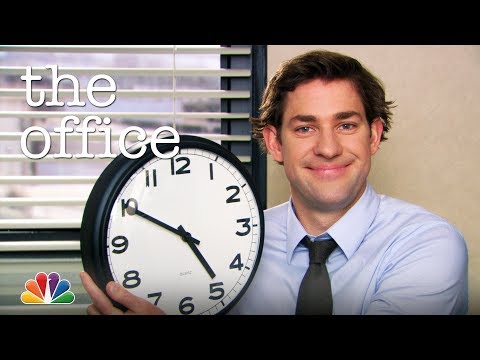
promptly in 30 Sekunden
- Promptly is an adverb that means doing something without any delay or at a very specific, scheduled time, showing efficiency and punctuality.
- It is commonly used in business and travel contexts to emphasize that actions or departures will happen exactly when they are supposed to.
- Grammatically, it usually appears before the main verb or at the end of a sentence, and it is more formal than 'quickly' or 'soon'.
- Mastering 'promptly' helps learners sound more professional and reliable in English-speaking environments, as it conveys a high respect for other people's time.
The adverb promptly is a sophisticated yet accessible term used to describe actions that occur without any unnecessary delay or at a precisely scheduled time. In the landscape of English adverbs, it occupies a unique space between 'quickly' and 'punctually.' While 'quickly' focuses purely on the speed of an action, and 'punctually' focuses on adhering to a clock, promptly often encompasses both. It suggests a readiness to act and a respect for the timeline established by a situation or a request. When you do something promptly, you are demonstrating efficiency, reliability, and often, a high degree of professionalism. This word is a staple in business communications, where time is a valuable commodity and responsiveness is a key performance indicator.
- Core Definition
- To perform an action immediately, without hesitation, or exactly at the time that was previously agreed upon.
In everyday conversation, people use promptly to emphasize that an action followed a cause almost instantly. For example, if a fire alarm goes off, one would hope the building is evacuated promptly. Here, the word conveys a sense of urgency and necessity. In a more formal setting, such as a legal contract, the word might be used to define the expected window for a payment or a response. If a contract states that 'the buyer shall notify the seller promptly of any defects,' it implies that any delay could have legal consequences. This versatility makes it a powerful tool for speakers who want to be precise about timing without sounding overly clinical or robotic.
The doctor arrived promptly at 8:00 AM to begin the surgery, ensuring the schedule remained on track.
Furthermore, the word carries a psychological weight. When someone responds to your email promptly, it signals that they value your time and the relationship. Conversely, a lack of promptness can be interpreted as a lack of interest or competence. This social dimension is why the word is so frequently taught at the B1 level; it moves beyond simple description into the realm of social etiquette and professional standards. It is not just about how fast you move, but about how well you manage the expectations of others. Whether it is a train departing promptly from the station or a student submitting their homework promptly, the word highlights a successful alignment between an action and its intended time frame.
Historically, the word is derived from the adjective 'prompt,' which comes from the Latin 'promptus,' meaning 'brought forth' or 'at hand.' This historical context provides a beautiful image: something that is prompt is already 'at hand' and ready to be used. When we apply the '-ly' suffix to turn it into an adverb, we are describing the manner in which an action is 'brought forth.' This explains why the word feels so active and decisive. It is not a passive waiting; it is an active readiness. In modern usage, we see this in technology as well, such as when a computer system responds promptly to a user's command, indicating a healthy and efficient processing state.
- Usage Context: Business
- Used to request or describe quick replies to emails, invoices, or project milestones to maintain workflow.
To truly master 'promptly,' one must understand its collocations. We often see it paired with verbs like 'respond,' 'arrive,' 'act,' 'pay,' and 'depart.' These pairings reinforce the idea of a timeline. If you 'act promptly,' you are preventing a problem from escalating. If you 'pay promptly,' you are maintaining a good credit standing. The word acts as a modifier that adds a layer of responsibility to the verb. It is a word that demands attention and respect. In literature, an author might use 'promptly' to show a character's decisive nature or their submissiveness to authority, depending on the context of the command they are following.
Upon hearing the news of the inheritance, he promptly resigned from his tedious job at the factory.
In summary, 'promptly' is more than just a synonym for 'soon.' It is a word that combines the concepts of speed, punctuality, and appropriateness. It is used when the timing of an action is just as important as the action itself. By using 'promptly,' speakers can convey a sense of order, urgency, and respect for time, making it an essential component of both formal and informal English. Its roots in readiness and its modern application in efficiency make it a bridge between the physical act of moving and the social act of being reliable. As you continue to build your vocabulary, look for opportunities to replace 'fast' or 'on time' with 'promptly' to add a touch of precision and professionalism to your speech.
- Synonym Comparison
- 'Immediately' suggests zero time elapsed, while 'promptly' suggests the action happened as soon as it was appropriate or expected.
The meeting will begin promptly at noon, so please ensure you are in your seats by 11:55 AM.
She promptly apologized for the misunderstanding, which helped de-escalate the tension in the room.
The software update was promptly installed to patch the security vulnerability discovered earlier that day.
Using promptly correctly involves understanding its grammatical placement and the specific nuances it brings to a sentence. As an adverb, its primary job is to modify verbs, but it can also influence the tone of the entire clause. The most common position for 'promptly' is immediately before the main verb or at the very end of the sentence for emphasis. For example, in 'He promptly replied,' the adverb emphasizes the speed of the action. In 'The meeting started promptly,' it emphasizes the punctuality of the event. Understanding these placements allows you to control the rhythm and focus of your writing.
- Mid-Sentence Placement
- Placing 'promptly' before the verb (e.g., 'She promptly finished') focuses on the character's efficiency and readiness.
When using 'promptly' with auxiliary verbs (like 'will,' 'has,' or 'should'), it usually sits between the auxiliary and the main verb. For instance, 'The package will be promptly delivered' or 'They have promptly addressed the issue.' This structure is very common in formal correspondence and customer service communications. It creates a sense of assurance and reliability. If you move 'promptly' to the beginning of the sentence—'Promptly, he left the room'—it adds a dramatic flair, highlighting the suddenness of the departure. However, this is less common in standard business English and more frequent in narrative storytelling.
Please ensure that all invoices are paid promptly to avoid any late fees or service interruptions.
Another important aspect of using 'promptly' is its relationship with specific time markers. It is frequently paired with 'at' to indicate a strict start time. 'The concert begins promptly at 7 PM.' In this context, 'promptly' acts as a warning to the audience that there will be no delay. It is also used with 'after' to show a sequence of events: 'Promptly after the speech, the guests were invited to the dining hall.' This usage helps create a clear timeline for the reader, making the narrative or the instructions easier to follow. It eliminates the 'gray area' of when the next action should occur.
In negative sentences, 'promptly' can be used to highlight a failure to meet expectations, though this is less common than its positive use. 'He did not promptly return the library books' sounds a bit formal; a more natural way might be 'He failed to return the books promptly.' Here, the adverb emphasizes the lack of punctuality. It is also useful in questions, especially in professional inquiries: 'Could you please let us know if the shipment was received promptly?' This asks not just if it was received, but if it arrived within the expected timeframe.
- End-of-Sentence Placement
- Placing 'promptly' at the end (e.g., 'The train arrived promptly') often emphasizes the punctuality of a schedule.
To add variety to your writing, you can compare 'promptly' with other adverbs of time. While 'immediately' suggests an instant reaction, 'promptly' suggests an appropriate reaction within a reasonable (and usually short) timeframe. For example, 'The fire department responded immediately' (within seconds) vs. 'The company responded promptly to the complaint' (perhaps within 24 hours). Understanding this distinction allows you to choose the word that best fits the urgency of the situation. 'Promptly' is often the 'polite' version of 'immediately' in business contexts.
After the alarm sounded, the security team promptly secured all exits to prevent any unauthorized departures.
Finally, consider the tone. 'Promptly' is a 'middle-ground' word. It is more formal than 'fast' or 'quick,' but less stuffy than 'expeditiously' or 'posthaste.' This makes it ideal for a wide range of situations, from telling a friend you'll be there 'promptly at six' to writing a professional email. It strikes a balance between being direct and being courteous. By mastering its placement and understanding its nuances, you can communicate timelines with greater clarity and confidence, ensuring that your listeners and readers know exactly what to expect regarding the timing of actions.
- Common Pattern
- [Subject] + [Verb] + [Object] + promptly (e.g., 'He finished the task promptly.')
The store manager promptly addressed the customer's concerns, offering a full refund and a sincere apology.
We expect all participants to arrive promptly so that the workshop can begin as scheduled.
The judge promptly dismissed the case due to a lack of evidence presented by the prosecution.
You will encounter the word promptly in a variety of real-world scenarios, ranging from public announcements to professional correspondence. One of the most common places is in the travel industry. Whether you are at an airport, a train station, or a bus terminal, announcements often use 'promptly' to indicate departure times. 'The 9:15 train to London will depart promptly from platform four.' In this context, the word serves as a clear instruction to passengers that the train will not wait for latecomers. It establishes a firm boundary and sets a standard for punctuality that is essential for the smooth operation of transport networks.
- Public Announcements
- Used in airports and stations to emphasize that departures occur exactly on schedule.
In the corporate world, 'promptly' is a high-frequency word in emails and official documents. Managers use it to set expectations for their teams: 'Please review the attached report and provide your feedback promptly.' Here, it acts as a polite but firm deadline. It is also a key term in customer service. A company might promise to 'respond to all inquiries promptly,' which is a way of building trust with their clients. In these instances, the word is used to project an image of efficiency and care. If you are working in an English-speaking office, you will likely hear this word several times a week, if not daily, as people coordinate tasks and deadlines.
'Your call is important to us; a representative will be with you promptly,' the automated voice assured the waiting customer.
The medical and emergency services sectors also rely heavily on the concept of promptness. In a hospital setting, a 'prompt response' can literally be a matter of life and death. You might hear a nurse say, 'The doctor was paged and arrived promptly to the ER.' In this environment, the word carries an intensity that reflects the urgency of the situation. Similarly, in legal settings, 'promptly' is used to describe the required speed of action for filing motions or responding to summons. A lawyer might advise their client, 'We must file this appeal promptly to ensure it is considered by the court.' The word here is tied to strict legal timelines and procedural requirements.
In the world of technology and software, 'promptly' is often used in user manuals and error messages. If a program crashes, it might ask you to 'report the issue promptly' so that developers can fix it. Or, a website might state that 'confirmation emails are sent promptly after purchase.' In these cases, the word is used to reassure the user that the system is working as intended and that their actions have been recognized. It bridges the gap between the user's input and the system's output, providing a sense of real-time interaction that is crucial for a good user experience.
- Customer Service Promise
- A common phrase in service level agreements (SLAs) to guarantee a fast response time to client issues.
Finally, you will hear 'promptly' in social settings that involve formal invitations or organized events. A wedding invitation might state that 'the ceremony will begin promptly at four o'clock.' A theater usher might tell late arrivals that they will be seated 'promptly at the first intermission.' In these contexts, the word is a polite way of enforcing rules and ensuring that the event proceeds smoothly for everyone involved. It is a word that signals a shared understanding of time and respect for the organizers and other attendees. By paying attention to where you hear 'promptly,' you can gain a better sense of the social and professional standards of the English-speaking world.
The school principal announced that the assembly would start promptly after the first bell, and no students would be admitted late.
In summary, 'promptly' is a word that thrives in environments where time is structured and actions have consequences. From the rhythmic departures of trains to the high-pressure environment of an emergency room, the word serves as a marker for efficiency and reliability. It is a word that you will hear in the voices of authority—conductors, managers, doctors, and organizers—as they coordinate the complex movements of modern life. Understanding its use in these contexts will help you navigate professional and social situations with greater ease and precision.
- Legal Context
- Often used in contracts to mean 'within a reasonable time under the circumstances,' which can vary by industry.
The news anchor reported that the fire department had promptly arrived at the scene, preventing the blaze from spreading to nearby buildings.
In the court of law, the witness was asked to promptly identify the suspect from the lineup provided by the police.
The restaurant critic noted that the appetizers were served promptly, though the main course took significantly longer to arrive.
One of the most frequent mistakes learners make with promptly is confusing it with the adjective 'prompt.' While they share the same root, they serve different grammatical functions. You might hear someone say, 'Thank you for your promptly reply,' which is incorrect. The correct form is 'Thank you for your prompt reply' (adjective modifying a noun) or 'Thank you for replying promptly' (adverb modifying a verb). This distinction is crucial for maintaining grammatical accuracy, especially in written English where such errors are more noticeable. Always check if you are describing a thing (noun) or an action (verb) before choosing between 'prompt' and 'promptly.'
- Adjective vs. Adverb
- Mistake: 'A promptly response.' Correct: 'A prompt response' OR 'Responding promptly.'
Another common error is using 'promptly' as a direct synonym for 'quickly' in contexts where speed isn't the primary focus. While 'promptly' does involve speed, it specifically implies speed in relation to a starting point or a request. For example, you wouldn't usually say 'He ran promptly to win the race.' Instead, you would say 'He ran quickly.' 'Promptly' is better suited for 'He promptly started running when the whistle blew.' The mistake here is forgetting that 'promptly' requires a trigger or a schedule. It describes the reaction time rather than the sustained speed of an action. Understanding this nuance will help you avoid sounding slightly 'off' to native speakers.
Incorrect: He drives promptly on the highway. Correct: He drives fast on the highway.
Misplacement in the sentence is also a frequent issue. While English is somewhat flexible with adverb placement, putting 'promptly' in the wrong spot can change the meaning or make the sentence clunky. For instance, 'He replied to the email promptly' is perfect. 'He promptly to the email replied' is grammatically incorrect. Learners often struggle with where to place it when multiple verbs are involved. A good rule of thumb is to place it as close to the verb it modifies as possible. If you are using an auxiliary verb, 'promptly' should usually go between the auxiliary and the main verb: 'The issue will be promptly resolved,' not 'The issue promptly will be resolved.'
Furthermore, some learners use 'promptly' when they actually mean 'punctually.' While 'promptly' can mean 'at the exact time,' it often carries the extra meaning of 'without delay.' If you say 'The train arrived promptly,' it means it arrived exactly on time. But if you say 'He arrived promptly for the interview,' it sounds like he was there exactly at the start time, perhaps even a bit early and ready to go. If you just mean he wasn't late, 'on time' or 'punctually' might be simpler. However, 'promptly' is often preferred in formal settings because it sounds more proactive. The mistake is using it in very casual settings where 'on time' would be more natural, like 'I'll meet you at the park promptly at 5' (unless you are being intentionally humorous or very firm).
- Overuse in Informal Speech
- Using 'promptly' in casual text messages with friends can sometimes come across as overly formal or even sarcastic.
Finally, be careful with the 'intensity' of the word. 'Promptly' is a strong word. If you ask someone to do something 'promptly,' you are giving a clear command. If you use it too often with peers or subordinates, it might come across as demanding or impatient. In these cases, phrases like 'as soon as you can' or 'when you have a moment' are softer alternatives. The mistake is not realizing the social power the word holds. It is a word of authority and expectation. Using it correctly means not just getting the grammar right, but also getting the social context right. By avoiding these common pitfalls, you can use 'promptly' to communicate with precision and professional grace.
Mistake: 'I need the report promptly!' (Can sound rude). Better: 'Could you please send the report as soon as possible?'
In conclusion, the most common mistakes with 'promptly' involve confusing its part of speech, misinterpreting its focus on reaction time vs. sustained speed, misplacing it within a sentence, and misjudging its social tone. By paying attention to these details, you can ensure that your use of 'promptly' is always accurate and appropriate. Remember that 'promptly' is a tool for precision; use it when you want to emphasize that an action happened exactly when it should have, without any unnecessary waiting. This will make your English sound more natural and your communication more effective.
- Confusing with 'Soon'
- 'Soon' is vague; 'promptly' is specific and implies an immediate follow-up to an event.
Incorrect: The promptly arrival of the bus was a relief. Correct: The prompt arrival of the bus was a relief.
Incorrect: She promptly finished the marathon in record time. Correct: She quickly finished the marathon.
Incorrect: We will promptly see you at the party. Correct: We will see you soon at the party.
While promptly is a fantastic word, English offers a rich palette of synonyms that can help you fine-tune your meaning depending on the context. The most common alternative is 'immediately.' However, 'immediately' is often more intense and literal. If you do something immediately, you do it the very second the need arises. 'Promptly' allows for a tiny bit more 'breathing room'—it means doing it as soon as is reasonably possible or expected. For example, a computer might respond 'immediately' to a keystroke, but a human would respond 'promptly' to an email. Understanding this subtle difference in 'reaction time' is key to choosing the right word.
- Immediately vs. Promptly
- 'Immediately' is about zero delay; 'promptly' is about acting without unnecessary delay and with punctuality.
Another close relative is 'punctually.' This word is almost exclusively used for adhering to a schedule. You arrive 'punctually' for an appointment. You cannot 'punctually' reply to an email in the same way you can 'promptly' reply. 'Punctually' is about the clock; 'promptly' is about the action. If you want to emphasize that someone is never late, 'punctually' is your best bet. If you want to emphasize that they are efficient and responsive, 'promptly' is the better choice. In many cases, they are interchangeable when referring to arrival times, but 'promptly' feels slightly more active and professional.
He arrived punctually at 9:00, but he didn't start working promptly.
For a more formal or academic tone, you might consider 'expeditiously.' This word comes from 'expedite,' which means to speed up a process. It is often used in government or legal contexts: 'The application was processed expeditiously.' It sounds very official and suggests that a complex process was handled with great speed and efficiency. On the other end of the spectrum, 'right away' or 'straight away' are common informal alternatives. You might tell a friend, 'I'll call you right away,' but you would write to a client, 'I will call you promptly.' The meaning is the same, but the 'register' (the level of formality) is different.
'Swiftly' and 'quickly' are also related, but they focus more on the physical speed of the movement itself. If a bird flies 'swiftly,' it is moving through the air at a high speed. If a person 'promptly' leaves the room, they are leaving because the time has come or they were told to. You can see how 'swiftly' describes the motion, while 'promptly' describes the timing. Another interesting alternative is 'readily.' This suggests not just speed, but a willingness or eagerness to act. 'She readily agreed to help' implies she was happy to do it and did it without hesitation. 'She promptly agreed' focuses more on the lack of delay than her emotional state.
- Register Comparison
- Informal: 'Right away' | Neutral: 'Quickly' | Formal: 'Promptly' | Very Formal: 'Expeditiously'
Finally, consider 'instantly' and 'at once.' These are very similar to 'immediately' and are often used for dramatic effect. 'The light turned green and he drove off at once.' These phrases emphasize the lack of any gap in time. 'Promptly' is slightly softer and more suited for human interactions and scheduled events. By having these alternatives in your vocabulary, you can choose the word that perfectly matches the speed, formality, and intent of your message. Whether you want to sound urgent, professional, or just helpful, there is a synonym for 'promptly' that will do the job perfectly.
The team worked expeditiously to restore power to the city after the storm, completing the task promptly within the promised timeframe.
In conclusion, while 'promptly' is a versatile and essential word, its synonyms like 'immediately,' 'punctually,' 'expeditiously,' and 'readily' each offer a unique shade of meaning. 'Immediately' is for instant action, 'punctually' is for the clock, 'expeditiously' is for formal processes, and 'readily' is for willing action. By understanding these distinctions, you can become a more precise and effective communicator in English, tailoring your language to fit every situation perfectly.
- Summary of Alternatives
- 1. Immediately (No delay) 2. Punctually (On time) 3. Expeditiously (Formal speed) 4. Readily (Willingly) 5. Swiftly (Physical speed)
The customer was readily assisted by the staff, who promptly found the item she was looking for.
The software responded instantly to the command, and the results were promptly displayed on the screen.
Please return the signed documents at once so we can proceed promptly with the closing.
How Formal Is It?
Wusstest du?
The word 'prompt' is also used in the theater for the person who helps actors remember their lines. This person is called a 'prompter' because they help the actor bring forth the words promptly when they forget.
Aussprachehilfe
- Pronouncing it as 'prom-ly' and skipping the 'pt' sound entirely.
- Putting the stress on the second syllable: prompt-LY.
- Confusing the 'o' sound with a long 'o' as in 'hope'.
- Over-emphasizing the 't' so it sounds like two separate words.
- Pronouncing the 'ly' as 'lee' with too much emphasis.
Schwierigkeitsgrad
Common in news and business texts, easy to recognize.
Requires knowledge of correct adverb placement.
Pronouncing the 'pt' cluster can be tricky for some learners.
Clearly articulated in formal announcements.
Was du als Nächstes lernen solltest
Voraussetzungen
Als Nächstes lernen
Fortgeschritten
Wichtige Grammatik
Adverb Placement
He promptly left. (Before verb) / He left promptly. (After verb)
Adverbs with Auxiliary Verbs
He will promptly call you. (Between auxiliary and main verb)
Adverb vs Adjective
A prompt reply (Adjective) vs. Replying promptly (Adverb)
Passive Voice with Adverbs
The issue was promptly resolved.
Adverbs of Manner
Promptly describes HOW something was done (with speed and punctuality).
Beispiele nach Niveau
The class starts promptly at 9:00.
La classe commence précisément à 9h00.
Adverb modifying the verb 'starts'.
Please come to the meeting promptly.
S'il vous plaît, venez à la réunion à l'heure.
Used at the end of the sentence for emphasis.
The bus arrived promptly.
Le bus est arrivé à l'heure.
Modifies the verb 'arrived'.
He promptly finished his lunch.
Il a rapidement fini son déjeuner.
Placed before the main verb 'finished'.
She promptly answered the phone.
Elle a répondu au téléphone sans tarder.
Shows immediate action.
The show begins promptly at 8 PM.
Le spectacle commence précisément à 20h.
Often used with 'at' and a specific time.
They promptly left the park when it rained.
Ils ont quitté le parc sans tarder quand il a plu.
Describes a reaction to an event.
Please return the book promptly.
S'il vous plaît, rendez le livre rapidement.
Used in a polite request.
I will promptly send you the email.
Je vous enverrai l'e-mail sans tarder.
Placed between the auxiliary 'will' and the main verb 'send'.
The doctor arrived promptly for the appointment.
Le médecin est arrivé à l'heure pour le rendez-vous.
Emphasizes punctuality in a professional setting.
The store opened promptly at 10 AM.
Le magasin a ouvert précisément à 10h.
Standard usage for business hours.
She promptly cleaned up the mess.
Elle a rapidement nettoyé le désordre.
Shows a responsible reaction.
We promptly followed the teacher's instructions.
Nous avons rapidement suivi les instructions du professeur.
Indicates obedience and readiness.
The train departs promptly from platform 3.
Le train part précisément du quai 3.
Common in travel announcements.
He promptly apologized for being late.
Il s'est rapidement excusé d'être en retard.
Describes a social interaction.
Please pay the bill promptly.
S'il vous plaît, payez la facture sans tarder.
Used to set expectations for payment.
The company promptly addressed the customer's complaint.
L'entreprise a rapidement traité la plainte du client.
Key business English usage.
The meeting will start promptly at noon, so don't be late.
La réunion commencera précisément à midi, alors ne soyez pas en retard.
Used to enforce punctuality.
He promptly replied to the urgent message.
Il a répondu sans tarder au message urgent.
Indicates responsiveness.
The shipment was promptly delivered to the warehouse.
L'expédition a été livrée rapidement à l'entrepôt.
Passive voice construction.
We expect all staff to arrive promptly for their shifts.
Nous attendons de tout le personnel qu'il arrive à l'heure pour son service.
Used in workplace policies.
The fire department responded promptly to the alarm.
Les pompiers ont répondu rapidement à l'alarme.
Describes an emergency response.
She promptly updated her resume after the workshop.
Elle a rapidement mis à jour son CV après l'atelier.
Shows proactive behavior.
The issue was promptly resolved by the technical team.
Le problème a été rapidement résolu par l'équipe technique.
Common in project management reports.
Upon receiving the feedback, she promptly revised the proposal.
Dès réception des commentaires, elle a rapidement révisé la proposition.
Used with a participial phrase for better flow.
The government promptly implemented new safety regulations.
Le gouvernement a rapidement mis en œuvre de nouvelles réglementations de sécurité.
Formal usage in a political context.
He promptly resigned after the scandal was made public.
Il a démissionné sans tarder après que le scandale a été rendu public.
Describes a decisive action in a narrative.
The system promptly notifies users of any security breaches.
Le système informe rapidement les utilisateurs de toute faille de sécurité.
Describes automated functionality.
We must act promptly to take advantage of this opportunity.
Nous devons agir sans tarder pour profiter de cette opportunité.
Used to convey strategic urgency.
The judge promptly overruled the lawyer's objection.
Le juge a immédiatement rejeté l'objection de l'avocat.
Legal context showing authority.
The appetizers were served promptly, but the main course was delayed.
Les entrées ont été servies rapidement, mais le plat principal a été retardé.
Used to contrast different timings.
She promptly forgot the name of the person she had just met.
Elle a immédiatement oublié le nom de la personne qu'elle venait de rencontrer.
Can be used ironically to show a quick failure.
The central bank acted promptly to stabilize the currency.
La banque centrale a agi rapidement pour stabiliser la monnaie.
Economic context showing decisive intervention.
The research findings were promptly published in a peer-reviewed journal.
Les résultats de la recherche ont été rapidement publiés dans une revue à comité de lecture.
Academic context showing efficiency in dissemination.
Any deviations from the protocol must be promptly reported to the supervisor.
Tout écart par rapport au protocole doit être signalé sans tarder au superviseur.
Used in formal procedural instructions.
He promptly identified the flaw in the logic of the argument.
Il a rapidement identifié la faille dans la logique de l'argumentation.
Describes intellectual sharpness.
The museum promptly returned the artifacts to their country of origin.
Le musée a rapidement restitué les objets à leur pays d'origine.
Formal usage involving ethics and policy.
The software update was promptly deployed across all servers.
La mise à jour logicielle a été rapidement déployée sur tous les serveurs.
Technical context showing widespread action.
She promptly dismissed the rumors as mere speculation.
Elle a immédiatement rejeté les rumeurs comme étant de simples spéculations.
Shows strong, decisive communication.
The board of directors promptly approved the merger agreement.
Le conseil d'administration a rapidement approuvé l'accord de fusion.
High-level corporate usage.
The poet's death was promptly followed by a surge in his book sales.
Le décès du poète a été rapidement suivi d'une augmentation des ventes de ses livres.
Describes a historical or literary sequence.
The administration's failure to act promptly exacerbated the crisis.
L'incapacité de l'administration à agir rapidement a exacerbé la crise.
Used in critical analysis of events.
He promptly set about dismantling the very system he had helped create.
Il s'est rapidement mis à démanteler le système même qu'il avait aidé à créer.
Narrative usage showing irony and intent.
The nuances of the treaty were promptly debated by international scholars.
Les nuances du traité ont été rapidement débattues par des universitaires internationaux.
Academic context showing intellectual engagement.
The witness's testimony was promptly challenged by the defense counsel.
Le témoignage du témoin a été immédiatement contesté par l'avocat de la défense.
Precise legal usage in a high-stakes environment.
The artist promptly abandoned his earlier style in favor of abstraction.
L'artiste a rapidement abandonné son style antérieur au profit de l'abstraction.
Describes a significant shift in creative direction.
The company promptly diversified its portfolio to mitigate risk.
L'entreprise a rapidement diversifié son portefeuille pour atténuer les risques.
Strategic business usage.
The news of the discovery was promptly transmitted around the globe.
La nouvelle de la découverte a été rapidement transmise dans le monde entier.
Describes the rapid spread of information.
Häufige Kollokationen
Häufige Phrasen
— Used to emphasize that an event will start exactly at a specific hour.
The meeting starts promptly at 9 AM.
— A polite way to ask for something to be done quickly without sounding too demanding.
Please send the files as promptly as possible.
— A standard professional phrase used to show appreciation for a quick reply.
I received your email; thank you for your prompt response.
— Used to show that one action happened immediately following another.
He left promptly after the speech ended.
— Used to describe a problem or task that was handled without delay.
The customer's complaint was dealt with promptly.
— A business term meaning that a request has been put into effect quickly.
Your request has been actioned promptly by our team.
— Describes the act of answering a message or letter quickly.
She replied promptly to my text message.
— Similar to 'dealt with promptly,' often used for physical items or tasks.
The fragile packages were handled promptly and carefully.
— Used when a conflict or technical issue is fixed quickly.
The technical glitch was resolved promptly by the IT department.
— Used for plans or orders that are carried out without delay.
The general's orders were executed promptly by the troops.
Wird oft verwechselt mit
Properly means 'correctly' or 'in the right way,' while promptly means 'on time' or 'without delay.'
Proudly means 'with pride,' which sounds similar but has a completely different meaning.
Probably means 'likely,' which is a very common word that can be confused with promptly by beginners.
Redewendungen & Ausdrücke
— Exactly at the specified time; very similar to 'promptly at'.
He arrived at 8 o'clock on the dot.
informal— Without any more delay; often used to start a presentation promptly.
Without further ado, let's begin the ceremony.
neutral— Doing something immediately and without hesitation.
She is ready to travel at the drop of a hat.
informal— Very quickly; often used as a command to move faster.
Get those boxes moved, double time!
informal/military— At great speed; very quickly.
The kids cleaned their room lickety-split.
informal/playful— Extremely quickly.
He finished his dinner before you could say Jack Robinson.
informal— A command to do something quickly or promptly.
Chop-chop! We're going to be late!
informal/sometimes rudeLeicht verwechselbar
It is the adjective form of the same root.
Prompt is an adjective (a prompt reply), while promptly is an adverb (replying promptly).
He gave a prompt answer. He answered promptly.
Both involve speed.
Quickly refers to the speed of the action itself, while promptly refers to the lack of delay before starting the action.
He ran quickly. He promptly started running.
Both involve being on time.
Punctually is strictly about the clock. Promptly can mean on time, but also means 'without delay' in response to something.
He arrived punctually at 9. He promptly replied to the email.
Both mean 'now'.
Immediately is more urgent and literal (zero seconds). Promptly is more professional and allows for a reasonable timeframe.
Stop immediately! We will process your order promptly.
Both refer to a short time in the future.
Soon is vague and could mean minutes or days. Promptly implies a specific expectation of speed or a scheduled time.
See you soon. The meeting starts promptly at 5.
Satzmuster
The [noun] starts promptly at [time].
The movie starts promptly at 7:00.
I will [verb] promptly.
I will call promptly.
Please [verb] the [noun] promptly.
Please return the form promptly.
The [noun] was promptly [past participle].
The email was promptly answered.
Upon [gerund], he promptly [verb].
Upon arriving, he promptly sat down.
He [verb] promptly after [event].
He left promptly after the meeting.
It is imperative that we [verb] promptly.
It is imperative that we act promptly.
The [noun] having been [past participle], the [noun] promptly [verb].
The order having been given, the soldiers promptly marched.
Wortfamilie
Substantive
Verben
Adjektive
Verwandt
So verwendest du es
Common in professional and travel contexts; less common in very casual speech.
-
Using 'promptly' to describe a noun.
→
Using 'prompt' to describe a noun.
You cannot say 'a promptly reply' because 'reply' is a noun. You must say 'a prompt reply.'
-
Using 'promptly' instead of 'quickly' for physical speed.
→
Using 'quickly' for physical speed.
You wouldn't say 'The car drove promptly down the street.' You would say 'The car drove quickly.'
-
Misplacing 'promptly' in a sentence with auxiliary verbs.
→
Placing it between the auxiliary and the main verb.
Incorrect: 'I promptly will call you.' Correct: 'I will promptly call you.'
-
Confusing 'promptly' with 'properly'.
→
Using 'promptly' for time and 'properly' for quality.
'Properly' means doing something correctly. 'Promptly' means doing it on time. They are not the same.
-
Using 'promptly' as a synonym for 'probably'.
→
Using 'probably' for likelihood.
This is a common phonetic mistake for beginners. 'Probably' means 'maybe'; 'promptly' means 'on time.'
Tipps
Professional Emails
Use 'promptly' when you want to assure a client that you will take care of their request quickly. It sounds much more reliable than 'soon'.
Adverb Placement
Remember that 'promptly' usually follows the verb it modifies or comes before it. 'He acted promptly' or 'He promptly acted' are both correct.
Politeness
If you are asking someone else to do something 'promptly,' add a 'please' to make it sound like a polite request rather than a harsh command.
Synonym Choice
Choose 'promptly' over 'quickly' when the timing of the action is more important than the physical speed of the movement.
The 'PT' Sound
Don't skip the 't'! If you say 'promly,' people will still understand you, but saying 'promptly' clearly makes you sound more advanced.
Resumes
Use 'promptly' in your resume to describe how you handled tasks: 'Promptly resolved customer issues' sounds very efficient to employers.
Public Announcements
When you hear 'promptly' at a train station, it's a signal to stop what you're doing and get to your platform immediately.
Visual Aid
Visualize a 'prompt' on a computer screen. It is waiting for you, and as soon as you type, it reacts. That is the essence of 'promptly'.
Punctuality
In English-speaking cultures, 'promptly' often means exactly on time. If a party starts 'promptly at 8,' don't arrive at 8:30!
Prompt vs Promptly
Always check if you need an adjective (prompt) or an adverb (promptly). Use 'prompt' for things and 'promptly' for actions.
Einprägen
Eselsbrücke
Think of a 'PRO' who is 'MPT' (Most Punctual Today). A PRO is always PROMPTLY on time.
Visuelle Assoziation
Imagine a stopwatch that stops exactly on the zero mark the moment someone finishes a task.
Word Web
Herausforderung
Try to use 'promptly' in three different emails today: one to a colleague, one to a friend, and one to a service provider.
Wortherkunft
Derived from the Middle English 'prompt,' which came from the Old French 'prompt' and directly from the Latin 'promptus.' The Latin root is the past participle of 'promere,' which means 'to bring forth.'
Ursprüngliche Bedeutung: The original Latin meaning was 'brought forth' or 'ready/at hand.' It evolved to describe someone who was ready to act immediately.
Indo-European > Italic > Latin > Romance (via French) > Germanic (English).Kultureller Kontext
Be careful not to sound too demanding when using 'promptly' as a command to others; it can sometimes sound impatient.
In the US, 'promptly' is often used in retail to promise fast service. In the UK, it is frequently heard in formal announcements.
Im Alltag üben
Kontexte aus dem Alltag
Business Communication
- Respond promptly to emails
- Pay invoices promptly
- Address concerns promptly
- Deliver results promptly
Public Transportation
- Departs promptly at
- Arrives promptly at
- Please board promptly
- Service resumes promptly
Emergency Services
- Act promptly in an emergency
- Respond promptly to the alarm
- Arrive promptly at the scene
- Report issues promptly
Social Events
- Starts promptly at
- Please arrive promptly
- Dinner is served promptly
- Ceremony begins promptly
Legal/Official
- Notify the court promptly
- File the documents promptly
- Respond to the summons promptly
- Comply promptly with the order
Gesprächseinstiege
"Do you think it is important to always arrive promptly for social gatherings?"
"How do you feel when a company doesn't respond promptly to your complaints?"
"Can you remember a time when acting promptly saved you from a big problem?"
"Is 'promptly' a word you use often in your own language?"
"In your culture, does 'promptly at 8' mean exactly 8 or around 8?"
Tagebuch-Impulse
Describe a day when everything happened promptly and how it made you feel.
Write about a situation where you failed to act promptly and what the consequences were.
Compare the importance of acting promptly in your personal life versus your professional life.
If you were a manager, how would you encourage your team to respond to clients more promptly?
Write a short story about a character who is obsessed with doing everything promptly.
Häufig gestellte Fragen
10 FragenYes, 'promptly' is considered a formal or professional word. While it can be used in casual speech, it is most common in business, travel, and official contexts where punctuality is important.
Not exactly. 'Fast' describes the speed of a movement (like a fast car). 'Promptly' describes how quickly an action starts or that it happens at the right time. You wouldn't say 'He drives promptly,' but you would say 'He promptly started the car.'
You can put it before the main verb ('He promptly replied') or at the end of the sentence ('He replied promptly'). In sentences with 'will' or 'has,' put it in the middle ('He will promptly reply').
'Punctually' only means 'on time' according to a clock. 'Promptly' means 'on time' but also 'without delay' in response to a request or event.
No, that is incorrect. You should use the adjective 'prompt' to describe the noun 'response': 'Thank you for your prompt response.' Alternatively, you can say 'Thank you for responding promptly.'
Yes, it is very common in the past tense to describe a quick reaction: 'When the bell rang, the students promptly left the classroom.'
In many contexts, yes. However, in business, it often means 'as soon as is reasonable,' which might be a few hours or a day, whereas 'immediately' usually means 'right this second.'
The 'p' and 't' are both pronounced, but they are very quick. It's like a tiny explosion of air. Many native speakers soften the 't' slightly, but you should try to include both sounds.
The most common opposites are 'slowly,' 'belatedly,' or 'tardily.' 'Late' is also an antonym in terms of punctuality.
Yes, 'promptly' is typically categorized as a B1 (Intermediate) level word because it is essential for professional communication and has specific nuances beyond basic speed.
Teste dich selbst 180 Fragen
Write a sentence using 'promptly' to describe a train departure.
Well written! Good try! Check the sample answer below.
Write a professional email sentence thanking someone for a quick reply using 'prompt'.
Well written! Good try! Check the sample answer below.
Write a sentence using 'promptly' to describe an emergency response.
Well written! Good try! Check the sample answer below.
Write a sentence using 'promptly' to describe a student's behavior.
Well written! Good try! Check the sample answer below.
Write a sentence using 'promptly' and the word 'after'.
Well written! Good try! Check the sample answer below.
Write a sentence using 'promptly' in the passive voice.
Well written! Good try! Check the sample answer below.
Write a sentence using 'promptly' to describe a sudden change in plans.
Well written! Good try! Check the sample answer below.
Write a sentence using 'promptly' to describe a legal requirement.
Well written! Good try! Check the sample answer below.
Write a sentence using 'promptly' to describe a computer system's action.
Well written! Good try! Check the sample answer below.
Write a sentence using 'promptly' to describe a restaurant experience.
Well written! Good try! Check the sample answer below.
Write a sentence using 'promptly' to describe a financial transaction.
Well written! Good try! Check the sample answer below.
Write a sentence using 'promptly' to describe a social invitation.
Well written! Good try! Check the sample answer below.
Write a sentence using 'promptly' to describe a character's personality.
Well written! Good try! Check the sample answer below.
Write a sentence using 'promptly' to describe a government action.
Well written! Good try! Check the sample answer below.
Write a sentence using 'promptly' to describe a scientific discovery.
Well written! Good try! Check the sample answer below.
Write a sentence using 'promptly' to describe a sports event.
Well written! Good try! Check the sample answer below.
Write a sentence using 'promptly' to describe a cleaning task.
Well written! Good try! Check the sample answer below.
Write a sentence using 'promptly' to describe a teacher's action.
Well written! Good try! Check the sample answer below.
Write a sentence using 'promptly' to describe a news report.
Well written! Good try! Check the sample answer below.
Write a sentence using 'promptly' to describe a personal goal.
Well written! Good try! Check the sample answer below.
Pronounce the word 'promptly' clearly, focusing on the 'pt' sound.
Read this aloud:
Du hast gesagt:
Speech recognition is not supported in your browser. Try Chrome or Edge.
Say this sentence aloud: 'The meeting starts promptly at nine.'
Read this aloud:
Du hast gesagt:
Speech recognition is not supported in your browser. Try Chrome or Edge.
Explain the difference between 'quickly' and 'promptly' in your own words.
Read this aloud:
Du hast gesagt:
Speech recognition is not supported in your browser. Try Chrome or Edge.
How would you ask a coworker to reply to an email quickly using 'promptly'?
Read this aloud:
Du hast gesagt:
Speech recognition is not supported in your browser. Try Chrome or Edge.
Describe a time you arrived promptly for an important event.
Read this aloud:
Du hast gesagt:
Speech recognition is not supported in your browser. Try Chrome or Edge.
Say this sentence aloud: 'She promptly replied to the urgent message.'
Read this aloud:
Du hast gesagt:
Speech recognition is not supported in your browser. Try Chrome or Edge.
What is a synonym for 'promptly' that starts with 'I'?
Read this aloud:
Du hast gesagt:
Speech recognition is not supported in your browser. Try Chrome or Edge.
Use 'promptly' in a sentence about a bus.
Read this aloud:
Du hast gesagt:
Speech recognition is not supported in your browser. Try Chrome or Edge.
Say this sentence aloud: 'The issue was promptly resolved by the team.'
Read this aloud:
Du hast gesagt:
Speech recognition is not supported in your browser. Try Chrome or Edge.
Why is 'promptly' important in a business setting?
Read this aloud:
Du hast gesagt:
Speech recognition is not supported in your browser. Try Chrome or Edge.
Say this sentence aloud: 'The train departs promptly from platform three.'
Read this aloud:
Du hast gesagt:
Speech recognition is not supported in your browser. Try Chrome or Edge.
How do you pronounce the stress in 'promptly'?
Read this aloud:
Du hast gesagt:
Speech recognition is not supported in your browser. Try Chrome or Edge.
Use 'promptly' in a sentence about a doctor.
Read this aloud:
Du hast gesagt:
Speech recognition is not supported in your browser. Try Chrome or Edge.
Say this sentence aloud: 'Please pay the invoice promptly.'
Read this aloud:
Du hast gesagt:
Speech recognition is not supported in your browser. Try Chrome or Edge.
What does 'promptly at noon' mean?
Read this aloud:
Du hast gesagt:
Speech recognition is not supported in your browser. Try Chrome or Edge.
Say this sentence aloud: 'He promptly apologized for his mistake.'
Read this aloud:
Du hast gesagt:
Speech recognition is not supported in your browser. Try Chrome or Edge.
Use 'promptly' in a sentence about a computer.
Read this aloud:
Du hast gesagt:
Speech recognition is not supported in your browser. Try Chrome or Edge.
Say this sentence aloud: 'The show begins promptly at eight.'
Read this aloud:
Du hast gesagt:
Speech recognition is not supported in your browser. Try Chrome or Edge.
What is the opposite of 'promptly'?
Read this aloud:
Du hast gesagt:
Speech recognition is not supported in your browser. Try Chrome or Edge.
Say this sentence aloud: 'We must act promptly to solve this.'
Read this aloud:
Du hast gesagt:
Speech recognition is not supported in your browser. Try Chrome or Edge.
Listen to the announcement: 'The 9:15 train to London will depart promptly from platform four.' What time does the train leave?
Listen to the message: 'Thank you for your email. We will respond promptly.' What is the company promising?
Listen to the instruction: 'Please return your library books promptly to avoid fines.' Why should you return the books quickly?
Listen to the news: 'The fire department arrived promptly and saved the building.' Did the fire department arrive quickly?
Listen to the teacher: 'The exam will start promptly at 10:00.' What happens if you are late?
Listen to the conversation: 'I'll call you promptly after the meeting.' When will the person call?
Listen to the alert: 'The system has promptly detected a security threat.' What did the system do?
Listen to the request: 'Could you please pay the bill promptly?' Is this a formal or informal request?
Listen to the story: 'He promptly forgot his keys and had to go back.' What did he forget?
Listen to the announcement: 'The store will open promptly at 8 AM tomorrow.' What time does the store open?
Listen to the doctor: 'The results will be promptly sent to your email.' Where will the results go?
Listen to the judge: 'The objection is promptly overruled.' What did the judge decide?
Listen to the pilot: 'We will be departing promptly once all passengers are seated.' When will the plane leave?
Listen to the manager: 'We need to address this issue promptly.' What is the manager's priority?
Listen to the customer: 'I expect my order to be delivered promptly.' What does the customer want?
/ 180 correct
Perfect score!
Summary
The key takeaway for 'promptly' is its dual focus on speed and punctuality; it is the ideal word for professional responsiveness. For example, 'The company promptly issued a refund' shows both speed and good service.
- Promptly is an adverb that means doing something without any delay or at a very specific, scheduled time, showing efficiency and punctuality.
- It is commonly used in business and travel contexts to emphasize that actions or departures will happen exactly when they are supposed to.
- Grammatically, it usually appears before the main verb or at the end of a sentence, and it is more formal than 'quickly' or 'soon'.
- Mastering 'promptly' helps learners sound more professional and reliable in English-speaking environments, as it conveys a high respect for other people's time.
Professional Emails
Use 'promptly' when you want to assure a client that you will take care of their request quickly. It sounds much more reliable than 'soon'.
Adverb Placement
Remember that 'promptly' usually follows the verb it modifies or comes before it. 'He acted promptly' or 'He promptly acted' are both correct.
Politeness
If you are asking someone else to do something 'promptly,' add a 'please' to make it sound like a polite request rather than a harsh command.
Synonym Choice
Choose 'promptly' over 'quickly' when the timing of the action is more important than the physical speed of the movement.