saloon in 30 Sekunden
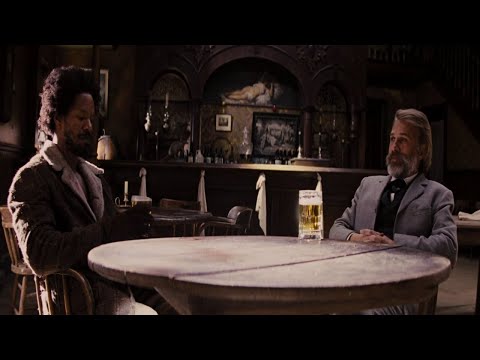
- A historical bar from the American Old West, often seen in movies with swinging doors and whiskey.
- The standard British English term for a sedan car, featuring four doors and a separate trunk.
- A more comfortable and expensive section of a traditional British pub, often called the saloon bar.
- A large public room on a ship or train used for dining and social activities for passengers.
The word saloon is a fascinating term that carries different meanings depending on the geographical context and the historical period being discussed. At its core, a saloon is a large, public room or establishment designed for social gathering, drinking, and entertainment. In the most common historical sense, particularly within North American culture, a saloon refers to the iconic drinking establishments of the Old West. These were the social hubs of frontier towns where cowboys, miners, and travelers would congregate to drink whiskey, play cards, and exchange news. The term evokes a specific architectural aesthetic: swinging wooden doors, a long polished mahogany bar, and perhaps a piano player in the corner. However, the word's utility extends far beyond the dusty trails of the 19th century. In British English, a saloon traditionally refers to a more comfortable or 'classy' section of a public house (pub), often requiring a slightly higher price for drinks in exchange for better furniture and a more refined atmosphere compared to the 'public bar'. Furthermore, the term has evolved in the automotive industry, where in the United Kingdom and many Commonwealth nations, a saloon car is what Americans call a sedan—a vehicle with a fixed roof and a separate compartment for luggage.
- Historical Context
- The American saloon was more than just a bar; it was a community center, a polling place, and sometimes even a temporary courtroom in the expanding frontier.
- British Usage
- In the UK, a saloon bar was historically the more expensive and carpeted area of a pub, catering to a middle-class clientele.
- Automotive Terminology
- A saloon car features a three-box design with distinct compartments for the engine, passengers, and cargo.
The weary traveler pushed through the swinging doors of the saloon, seeking a cold drink and a place to rest.
Understanding the word requires recognizing its shift from a general 'large room' (derived from the French salon) to a specific type of commercial establishment. In the 18th and 19th centuries, the term was frequently used for the grand public cabins on passenger ships, known as the 'dining saloon' or 'main saloon'. This usage persists today in the maritime industry. When you use the word today, you are likely either talking about a historical setting, a specific part of a British pub, or a type of car. It is a word steeped in nostalgia and cultural history, often appearing in literature and film to set a specific mood of ruggedness or vintage elegance. For a B1 learner, the most important distinction is between the 'bar' meaning and the 'car' meaning, as using them interchangeably in the wrong country can lead to minor confusion. For instance, telling an American you bought a new 'saloon' might leave them picturing you as a bar owner rather than a car owner.
The ship's saloon was decorated with gold leaf and velvet, hosting the wealthiest passengers for dinner.
He parked his silver saloon right in front of the hotel entrance.
In the old Western movies, the saloon is often the site of a dramatic brawl.
We met in the saloon bar because it was quieter than the main taproom.
Using the word saloon correctly involves understanding its grammatical role as a countable noun and its specific collocations. When referring to a place, it functions like any other building or room. You can go to a saloon, stay in a saloon, or wait outside a saloon. Because it is a countable noun, it almost always requires an article (a, an, the) or a possessive pronoun (my, his, their). For example, 'The town had three saloons' or 'He walked into a saloon.' When used in the context of the American West, it often carries descriptive adjectives that paint a picture of the environment, such as 'rowdy', 'dusty', 'bustling', or 'notorious'. In these contexts, the word is often the subject or object of actions related to socializing, drinking, or conflict.
- As a Place
- 'The sheriff entered the saloon to look for the outlaw.' Here, it acts as the direct object of the action.
- As a Vehicle Type
- 'I prefer driving a saloon because it offers a smoother ride than an SUV.' In this British English context, it describes the car's body style.
- As a Modifier
- 'The saloon doors creaked in the wind.' Here, 'saloon' modifies 'doors' to specify their type.
The hotel's dining saloon was large enough to accommodate two hundred guests.
In the maritime context, 'saloon' is often part of a compound noun like 'dining saloon' or 'officers' saloon'. In these cases, it refers to a specific communal area on a ship. When writing about cars, you might encounter phrases like 'four-door saloon' or 'luxury saloon'. It is important to note that 'saloon' is rarely used as a verb, though one might occasionally see 'salooning' in very informal or creative historical fiction to mean 'visiting saloons', but this is not standard English. Instead, stick to using it as a noun. When describing the atmosphere of a saloon, you might use verbs like 'frequented', 'patronized', or 'haunted'. For example, 'The local miners frequented the saloon every Saturday night.' This highlights the social habit associated with the location.
They spent the evening in the saloon bar, enjoying the live jazz music.
The outlaw was known for his habit of starting fights in every saloon he visited.
A classic saloon usually has a separate trunk, unlike a hatchback.
The saloon was the only building in town with a piano.
In the modern world, you are most likely to encounter the word saloon in three specific environments: entertainment media, British automotive discussions, and historical tourism. If you are a fan of 'Western' movies or television shows (like *Westworld* or *Deadwood*), the saloon is a central setting. It is the stage for confrontations, deals, and character introductions. In these fictional worlds, the word is spoken with a sense of grit and danger. You might hear a character say, 'Meet me at the saloon at sundown,' or 'There's a new girl singing at the saloon.' In these contexts, the word is a powerful cultural signifier of the 19th-century American frontier.
- In Movies
- 'The saloon doors swung open as the stranger walked in.' This is a classic cinematic trope used to build tension.
- In Car Reviews
- 'This new BMW saloon offers exceptional legroom and a quiet cabin.' You will hear this frequently on British car shows like *Top Gear*.
- In Historical Sites
- 'Welcome to the Crystal Saloon, established in 1884.' Tour guides in old mining towns use the word to maintain historical accuracy.
The car enthusiast explained that a saloon is more aerodynamic than a boxy SUV.
Beyond the screen, if you travel to the United Kingdom, Ireland, or Australia, you will hear the word used in the context of cars. Car salesmen, mechanics, and everyday drivers use 'saloon' to categorize vehicles. If you are looking to rent a car in London, the agent might ask if you prefer a 'saloon' or a 'hatchback'. This is a very common, everyday use of the word that has nothing to do with cowboys or whiskey. Additionally, in the world of luxury travel, particularly on vintage trains like the Orient Express or on cruise ships, the 'saloon' remains the term for the grand social halls. You might hear an announcement like, 'Afternoon tea will be served in the main saloon.' In these settings, the word conveys a sense of old-world elegance and formality. Finally, in some parts of the UK, older generations still refer to the 'saloon bar' of their local pub, though this distinction is fading as modern pubs become more open-plan.
'Is this car a saloon or an estate?' the buyer asked the dealer.
The pianist in the ship's saloon played a gentle melody as the waves crashed outside.
In the movie, the sheriff walked into the saloon and the music stopped instantly.
The local pub has a small saloon area that is perfect for private parties.
The most frequent mistake learners make with the word saloon is confusing it with the word salon. While they look and sound very similar, their meanings are entirely different. A salon (pronounced /səˈlɒn/) is a place where you go to get your hair cut, your nails done, or to receive beauty treatments. It can also refer to a gathering of intellectuals or artists. In contrast, a saloon (pronounced /səˈluːn/) is a place to drink alcohol or a type of car. Mixing these up can lead to humorous or embarrassing situations. For example, saying 'I'm going to the saloon to get my hair dyed' would imply you are planning to use beer or whiskey as hair dye in a dusty Western bar!
- Saloon vs. Salon
- Saloon has two 'o's and refers to bars or cars. Salon has one 'o' and refers to beauty or art.
- Saloon vs. Sedan
- In the US, 'saloon' is never used for a car. If you use it there, people will think of cowboys. Use 'sedan' instead.
- Spelling Error
- Don't forget the double 'o'. 'Salon' is a different word, and 'salun' is not a word at all.
Incorrect: I need to go to the saloon for a haircut. (Unless the barber works in a bar!)
Another common mistake involves the regional usage of the word regarding cars. As mentioned, 'saloon' is the standard British term for a sedan. However, learners often try to use 'saloon' in American English to describe their vehicle. In the United States, the word 'saloon' is considered archaic or highly specific to the 19th century. If you tell an American friend, 'I just bought a new saloon,' they will likely be confused. Conversely, using 'sedan' in a very traditional British context might be understood, but it won't sound natural. It is also a mistake to use 'saloon' as a general synonym for 'bar' in modern contexts. While all saloons are bars, not all bars are saloons. A 'saloon' implies a specific historical style or a specific section of a pub. Calling a modern, neon-lit nightclub a 'saloon' would be stylistically incorrect.
Correct: The cowboys tied their horses outside the saloon.
Correct: She drove her saloon car to the office in London.
Incorrect: Let's go to the saloon to watch the football game on the big screen. (Use 'bar' or 'pub' for modern sports settings.)
Correct: The grand saloon of the Titanic was a marvel of engineering.
Depending on what you mean by saloon, there are several alternatives you can use to be more precise or to fit a specific dialect. If you are referring to a place that serves alcohol, the most common synonyms are bar, pub, and tavern. A bar is the most general term, used worldwide for any establishment where drinks are served over a counter. A pub (short for public house) is specifically British or Irish in origin and often implies a cozy, community-focused atmosphere that might also serve food. A tavern is a slightly more old-fashioned term, often suggesting a place that provides both food and lodging, similar to an inn. In a historical US context, you might also hear the term speakeasy, which refers to an illegal bar during the Prohibition era (1920-1933).
- Saloon vs. Bar
- A bar is modern and general; a saloon is historical, themed, or a specific pub section.
- Saloon vs. Sedan
- These are identical in meaning for cars, but 'saloon' is British and 'sedan' is American.
- Saloon vs. Lounge
- A lounge is usually a more comfortable, relaxed area with sofas, whereas a saloon might have a more formal or traditional bar setup.
Instead of a saloon, they decided to meet at a trendy rooftop bar.
If you are using 'saloon' to describe a car, your primary alternative is sedan. Other car body styles include hatchback (where the rear door opens upwards), estate (British) or station wagon (American), and coupe (usually a two-door car with a sloping roof). In the context of grand rooms, alternatives include hall, ballroom, or parlor. A parlor is typically a smaller, more private sitting room in a house, while a ballroom is specifically for dancing. The word lounge is also a very common modern alternative for the 'social room' meaning of saloon, especially in hotels and airports. When choosing which word to use, consider the 'vibe' you want to create. 'Saloon' feels old-fashioned, rugged, or British-technical. 'Bar' feels modern and efficient. 'Pub' feels warm and social. Using the right word shows a high level of English proficiency and cultural awareness.
The old tavern had been converted into a modern restaurant, but it kept its original saloon doors.
He preferred his sedan over his wife's hatchback because of the larger trunk space.
The ship's lounge was filled with passengers reading and playing board games.
The speakeasy required a secret password to enter, unlike the public saloons of the past.
How Formal Is It?
Wusstest du?
The transition from 'salon' (a fancy room) to 'saloon' (a rugged bar) happened in America as the word was adapted for frontier establishments.
Aussprachehilfe
- Pronouncing it like 'salon' (/səˈlɒn/).
- Putting the stress on the first syllable (SA-loon).
- Confusing the 'oo' sound with a short 'u' sound.
- Adding an extra 'i' sound (sal-ee-on).
- Swapping the 'l' and 'n' sounds (sanoon).
Schwierigkeitsgrad
Easy to recognize in context, but requires knowing regional differences.
Spelling is often confused with 'salon'.
Pronunciation is straightforward once the 'oo' sound is mastered.
Must distinguish from 'salon' by the vowel length and stress.
Was du als Nächstes lernen solltest
Voraussetzungen
Als Nächstes lernen
Fortgeschritten
Wichtige Grammatik
Countable Nouns
There were three saloons on the street.
Compound Nouns
The saloon doors were made of oak.
British vs American Vocabulary
He calls it a saloon; I call it a sedan.
Prepositions of Place
He is waiting at the saloon.
Adjective Order
The dusty, old, wooden saloon.
Beispiele nach Niveau
The cowboy went into the saloon.
El vaquero entró en el salón (bar).
Subject + Verb + Prepositional Phrase.
Is that a saloon car?
¿Es ese un coche sedán?
Question form using 'is'.
The saloon has big doors.
El salón tiene puertas grandes.
Simple present tense.
I see a saloon in the movie.
Veo un salón en la película.
Direct object 'a saloon'.
The saloon is very old.
El salón es muy viejo.
Adjective 'old' describing the noun.
He drinks water in the saloon.
Él bebe agua en el salón.
Preposition 'in'.
The saloon is next to the hotel.
El salón está al lado del hotel.
Prepositional phrase of place.
My dad has a new saloon.
Mi papá tiene un sedán nuevo.
Possessive 'my'.
We parked our saloon near the park.
Aparcamos nuestro sedán cerca del parque.
Past tense 'parked'.
The saloon was full of people last night.
El salón estaba lleno de gente anoche.
Adjective phrase 'full of'.
Do you want to go to the saloon bar?
¿Quieres ir al bar del salón?
Infinitive 'to go'.
The saloon doors made a loud noise.
Las puertas del salón hicieron un ruido fuerte.
Compound noun 'saloon doors'.
He bought a used saloon for a good price.
Compró un sedán usado por un buen precio.
Adjective 'used' modifying 'saloon'.
The sheriff walked slowly into the saloon.
El sheriff entró lentamente en el salón.
Adverb 'slowly' modifying 'walked'.
There are many saloons in this old town.
Hay muchos salones en este pueblo viejo.
Plural 'saloons'.
The ship's saloon is very beautiful.
El salón del barco es muy hermoso.
Possessive 'ship's'.
The historical society restored the old saloon to its former glory.
La sociedad histórica restauró el antiguo salón a su antigua gloria.
Transitive verb 'restored'.
In the UK, a saloon is a car with a separate trunk for luggage.
En el Reino Unido, un 'saloon' es un coche con un maletero separado para el equipaje.
Defining relative clause.
The saloon bar was much more comfortable than the public bar.
El bar del salón era mucho más cómodo que el bar público.
Comparative adjective 'more comfortable'.
The pianist played a lively tune in the corner of the saloon.
El pianista tocó una melodía alegre en el rincón del salón.
Prepositional phrase 'in the corner of'.
Many western films feature a dramatic fight inside a saloon.
Muchas películas del oeste presentan una pelea dramática dentro de un salón.
Present simple for general truths.
The luxury saloon car accelerated smoothly down the highway.
El coche sedán de lujo aceleró suavemente por la carretera.
Adverb 'smoothly'.
The captain invited the passengers to dine in the main saloon.
El capitán invitó a los pasajeros a cenar en el salón principal.
Infinitive phrase 'to dine'.
He spent his afternoons reading in the quiet saloon bar.
Pasaba sus tardes leyendo en el tranquilo bar del salón.
Gerund 'reading' after 'spent his afternoons'.
The saloon served as the social heart of the mining community.
El salón servía como el corazón social de la comunidad minera.
Phrasal verb 'served as'.
The distinction between a saloon and a hatchback is the fixed rear window.
La distinción entre un sedán y un utilitario es la ventana trasera fija.
Noun clause as subject.
The saloon's atmosphere was thick with smoke and the smell of whiskey.
La atmósfera del salón estaba cargada de humo y olor a whisky.
Adjective 'thick with'.
In Victorian times, the saloon bar was a place for middle-class socialization.
En la época victoriana, el bar del salón era un lugar para la socialización de la clase media.
Prepositional phrase of time.
The outlaw burst through the saloon doors, startling everyone inside.
El forajido irrumpió por las puertas del salón, asustando a todos los de adentro.
Participle phrase 'startling everyone'.
A high-performance saloon can offer both speed and practicality.
Un sedán de alto rendimiento puede ofrecer tanto velocidad como practicidad.
Correlative conjunction 'both... and'.
The grand saloon of the ocean liner was decorated in the Art Deco style.
El gran salón del transatlántico estaba decorado al estilo Art Deco.
Passive voice 'was decorated'.
The town's only saloon was also used for local government meetings.
El único salón del pueblo también se utilizaba para las reuniones del gobierno local.
Adverb 'also' position.
The saloon's role in the American frontier was multifaceted, acting as a post office and a social club.
El papel del salón en la frontera americana era polifacético, actuando como oficina de correos y club social.
Present participle 'acting as' for additional information.
British automotive journalists often debate the merits of the saloon versus the estate car.
Los periodistas automovilísticos británicos suelen debatir los méritos del sedán frente al coche familiar.
Preposition 'versus' for comparison.
The saloon bar provided a sanctuary from the rowdy behavior of the public bar.
El bar del salón proporcionaba un santuario frente al comportamiento ruidoso del bar público.
Noun 'sanctuary' as a metaphor.
The architect designed the ship's saloon to maximize natural light through large portholes.
El arquitecto diseñó el salón del barco para maximizar la luz natural a través de grandes ojos de buey.
Infinitive of purpose 'to maximize'.
The saloon's notoriety grew as it became a frequent haunt for famous outlaws.
La notoriedad del salón creció a medida que se convirtió en un lugar frecuentado por forajidos famosos.
Conjunction 'as' showing simultaneous development.
Modern saloons incorporate advanced safety features while maintaining a classic silhouette.
Los sedanes modernos incorporan características de seguridad avanzadas manteniendo una silueta clásica.
Conjunction 'while' with present participle.
The temperance movement targeted saloons as the primary source of social moral decay.
El movimiento por la templanza señaló a los salones como la fuente principal de la decadencia moral social.
Transitive verb 'targeted'.
The saloon carriage on the vintage train offered an unparalleled view of the countryside.
El vagón salón del tren de época ofrecía una vista inigualable del campo.
Adjective 'unparalleled'.
The quintessential American saloon is an enduring archetype in the mythology of the West.
El salón americano por excelencia es un arquetipo perdurable en la mitología del Oeste.
Adjective 'quintessential' for emphasis.
The evolution of the saloon car reflects shifting consumer preferences towards aerodynamics and fuel efficiency.
La evolución del coche sedán refleja las cambiantes preferencias de los consumidores hacia la aerodinámica y la eficiencia del combustible.
Gerund phrase as subject.
The saloon bar served as a bastion of Victorian social hierarchy, subtly enforcing class distinctions.
El bar del salón servía como un bastión de la jerarquía social victoriana, reforzando sutilmente las distinciones de clase.
Metaphorical use of 'bastion'.
The ship's saloon was a triumph of interior design, blending opulence with maritime functionality.
El salón del barco fue un triunfo del diseño de interiores, combinando la opulencia con la funcionalidad marítima.
Participial phrase 'blending opulence...'.
The saloon's closure marked the end of an era for the small, once-thriving mining town.
El cierre del salón marcó el fin de una era para el pequeño pueblo minero, antaño próspero.
Possessive noun as subject.
Automotive engineers must balance the structural rigidity of a saloon with the need for weight reduction.
Los ingenieros automotrices deben equilibrar la rigidez estructural de un sedán con la necesidad de reducción de peso.
Modal verb 'must' for necessity.
The saloon's interior was a cacophony of clinking glasses, boisterous laughter, and piano notes.
El interior del salón era una cacofonía de tintineo de vasos, risas estrepitosas y notas de piano.
Noun 'cacophony' with 'of' phrases.
The transition from the public house to the specialized saloon bar mirrors broader shifts in urban social patterns.
La transición de la casa pública al bar de salón especializado refleja cambios más amplios en los patrones sociales urbanos.
Subject-verb agreement with complex subject.
Synonyme
Gegenteile
Häufige Kollokationen
Häufige Phrasen
— Entering a bar in a dramatic or classic way. Often used in storytelling.
The stranger pushed through the saloon doors and everyone went quiet.
— A general invitation to gather in a social hall or bar. Common in historical fiction.
Let's meet in the saloon after the sun goes down.
— A specific description of a car type. Very common in British car sales.
I am looking for a reliable four-door saloon for my commute.
— The primary social area on a large vessel. Used in travel contexts.
The party was held in the ship's main saloon.
— Refers to the higher cost of drinks in the nicer part of a pub. British context.
I don't mind paying saloon bar prices for a bit of peace.
— Referring to the traditional design of a car or a room. Descriptive.
The new model retains the classic saloon style.
— A fight that takes place in a bar. Common in action movies.
The movie ended with a massive saloon brawl.
— A specific style of upbeat, often slightly out-of-tune music. Musical context.
I love the sound of a saloon piano in old movies.
— The level of a ship where the public rooms are located. Maritime term.
Our cabin is located just above the saloon deck.
— A common way to describe a bar in a desert or frontier town. Atmospheric.
The town consisted of a few houses and one dusty saloon.
Wird oft verwechselt mit
A beauty shop or art gathering. Spelled with one 'o'.
The American term for a saloon car.
A specific part of a pub, not the whole building.
Redewendungen & Ausdrücke
— A metaphor for politics that are open and shut quickly, or involve frequent changes. Rare.
The city council is known for its saloon-door politics.
informal— Making a lot of noise in a place where people are trying to socialize. Very rare.
Stop barking in the saloon; people are trying to talk.
slang— Doing something in a rugged, old-fashioned, or informal way. Descriptive.
They had a saloon-style wedding with hay bales and whiskey.
neutral— To spend time visiting various bars. Informal and creative.
He spent his vacation salooning around the coast.
informal— A standard of comfort associated with a smooth-riding sedan. Automotive.
This SUV surprisingly offers saloon-car comfort.
neutral— Looking like a character from an old Western movie. Descriptive.
He walked in wearing a hat and boots, looking straight out of a saloon.
informal— Someone who gives strong opinions on complex topics while drinking in a pub. British.
Don't listen to him; he's just a saloon-bar philosopher.
informal— Something that moves back and forth easily or frequently. Metaphorical.
The stock prices were swinging like saloon doors all day.
informal— A high level of comfort associated with the best parts of a ship. Travel.
The hotel offered saloon-deck luxury at a fraction of the price.
neutral— To go to a bar to start drinking. Similar to 'hit the bar'.
After a long day, they decided to hit the saloon.
informalLeicht verwechselbar
Similar spelling and sound.
A salon is for beauty treatments or intellectual discussions. A saloon is a bar or a car. The pronunciation is also different.
She went to the salon for a facial, then met him at the saloon for a drink.
They mean the same thing in different dialects.
Sedan is American English; Saloon is British English. They both describe a car with four doors and a separate trunk.
In New York, it's a sedan; in London, it's a saloon.
Both are places to drink.
A tavern often implies a historical or rural setting and may provide food and lodging. A saloon is more specific to the US West or a pub section.
The old tavern had a small saloon bar for regular customers.
Both are social rooms.
A lounge is focused on comfort and relaxation (sofas). A saloon is more traditional and often centered around a bar counter.
The hotel has a lively saloon and a quiet lounge.
Both are car types.
A hatchback has a rear door that includes the window and opens upwards. A saloon has a separate trunk lid below the window.
He prefers the saloon's style, but she likes the hatchback's utility.
Satzmuster
The [noun] is [adjective].
The saloon is big.
I have a [adjective] [noun].
I have a blue saloon.
He went to the [noun] to [verb].
He went to the saloon to drink.
The [noun] was [adjective] with [noun].
The saloon was thick with smoke.
Despite the [noun], the [noun] remained [adjective].
Despite the noise, the saloon remained inviting.
The [noun] serves as a [noun] for [noun].
The saloon serves as a microcosm for frontier life.
Is that a [noun] or a [noun]?
Is that a saloon or a hatchback?
The [noun] [verb] through the [noun].
The cowboy burst through the saloon doors.
Wortfamilie
Substantive
Adjektive
Verwandt
So verwendest du es
Medium. High in historical fiction and British automotive contexts.
-
I'm going to the saloon to get my hair cut.
→
I'm going to the salon to get my hair cut.
You go to a salon for beauty treatments. A saloon is for drinking or driving.
-
He drives a beautiful sedan car in London.
→
He drives a beautiful saloon car in London.
While 'sedan' is understood, 'saloon' is the natural British term.
-
The cowboy entered the salon.
→
The cowboy entered the saloon.
Cowboys go to saloons. Artists or ladies in the 18th century went to salons.
-
There is a saloon on the ship for eating.
→
There is a dining saloon on the ship.
While 'saloon' is okay, 'dining saloon' is the specific and more common term for ships.
-
I like the saloon of this car.
→
I like this saloon car.
In the car context, 'saloon' is the type of car, not a part of the car (like the interior).
Tipps
The Double O Rule
Always remember that 'saloon' has two 'o's. If you write 'salon', you are talking about a hair dresser. Think of the two 'o's as two barrels of beer.
Know Your Audience
Use 'saloon' for cars in London, but 'sedan' in New York. This small change makes you sound much more like a native speaker.
Compound Power
Learn 'saloon doors' and 'saloon bar' as set phrases. They are much more common than using 'saloon' on its own in many contexts.
The Moon Sound
Practice saying 'moon', 'spoon', and 'saloon' together. This will help you get the long 'oo' sound right every time.
Movie Magic
Watch a Western movie and count how many times they say 'saloon'. It's a great way to hear the word used in its most famous context.
Count It
Remember that 'saloon' is a countable noun. You can have one saloon, two saloons, or many saloons. Don't forget your articles (a/the)!
Atmospheric Writing
Use the word 'saloon' instead of 'bar' if you want to make your story feel like it's set in the past or in a rugged location.
Car Anatomy
To remember the car meaning, think of a 'saloon' as a car where the trunk is a separate 'room' (saloon) for your bags.
The French Connection
Remember that it comes from 'salon'. This helps you understand why it's used for 'grand rooms' on ships and in hotels.
Stress Test
When listening, focus on where the stress is. If the end of the word is loud and long (LOON), it's a saloon.
Einprägen
Eselsbrücke
A salOOn has two 'O's like two glasses of beer. A salOn has one 'O' like a single mirror in a hair shop.
Visuelle Assoziation
Imagine a cowboy pushing through swinging wooden doors with a giant 'O' on each door.
Word Web
Herausforderung
Try to use 'saloon' in a sentence that mentions both a car and a bar to test your understanding of the context.
Wortherkunft
The word originates from the French 'salon', which in turn comes from the Italian 'salone', meaning a large hall. It entered English in the 18th century.
Ursprüngliche Bedeutung: A large, grand room in a public building or a private house used for receiving guests.
Romance (via French and Italian).Kultureller Kontext
In some historical contexts, saloons were sites of exclusion (e.g., excluding women or certain ethnic groups), which is noted in social history.
The word is a classic example of the 'two nations divided by a common language' phenomenon (UK car vs US bar).
Im Alltag üben
Kontexte aus dem Alltag
Western Movies
- The saloon doors swung open.
- A brawl started in the saloon.
- The sheriff entered the saloon.
- The saloon was the heart of the town.
Buying a Car (UK)
- I'm looking for a four-door saloon.
- Is this a saloon or a hatchback?
- The saloon has a larger boot.
- I prefer the look of a saloon.
On a Ship
- Dinner is in the dining saloon.
- The main saloon is on deck B.
- We relaxed in the ship's saloon.
- The saloon was very elegant.
In a British Pub
- Let's go into the saloon bar.
- The saloon bar is quieter.
- Drinks are more expensive in the saloon.
- The saloon bar has nice carpets.
Historical Fiction
- The saloon was filled with smoke.
- The saloonkeeper polished the bar.
- He lived above the saloon.
- The town's only saloon was closed.
Gesprächseinstiege
"Have you ever seen a classic American saloon in a movie?"
"Do you prefer driving a saloon car or an SUV?"
"What do you think life was like in a 19th-century saloon?"
"In your country, what do you call a car with a separate trunk?"
"Would you rather spend an evening in a rowdy bar or a quiet saloon bar?"
Tagebuch-Impulse
Imagine you are a traveler in the 1880s entering a saloon for the first time. Describe what you see, hear, and smell.
Write about the pros and cons of owning a saloon car compared to a hatchback.
Compare a modern bar in your city to the historical idea of a saloon.
Describe a fictional scene that takes place in the grand saloon of a luxury ship.
How does the meaning of 'saloon' change your understanding of a story depending on where it is set?
Häufig gestellte Fragen
10 FragenMostly, yes. In a historical context, a saloon is a specific type of bar from the American West. In a modern British pub, the saloon bar is a specific, nicer section of the bar. However, 'bar' is a much more general and common term used today.
The term comes from the 'saloon' carriages on trains, which were grand and comfortable. Early car manufacturers used the name to suggest that their cars were as comfortable as those train carriages. Americans chose the word 'sedan', which has different historical roots.
Saloon is pronounced /səˈluːn/ (rhymes with moon). Salon is pronounced /səˈlɒn/ (rhymes with gone). The stress in 'saloon' is very strong on the second syllable.
You can, but people might not understand you immediately. They will likely think you are talking about an old Western bar. It is better to use 'sedan' when speaking to Americans.
Saloon doors are 'cafe doors' or 'swinging doors'. They are short doors that are fixed in the middle of the doorway and can swing both ways. They were common in old Western saloons so people could enter easily while keeping the dust out.
It depends on the context. For bars, yes, it feels historical or themed. For cars in the UK, no, it is a perfectly modern and standard technical term.
Traditionally, British pubs were divided into the 'public bar' (for working men, cheaper) and the 'saloon bar' (more comfortable, carpeted, slightly more expensive). Today, many pubs have removed these walls, but the names sometimes remain.
It is a formal name for a dining room on a ship or a train. It suggests a large, grand space where many people eat together.
Yes, but they are usually 'Western-themed' bars or historical sites. In the UK, millions of people drive 'saloon' cars every day.
It is neutral. However, 'dining saloon' sounds quite formal, while 'saloon brawl' sounds very informal.
Teste dich selbst 200 Fragen
Write a sentence using 'saloon' to describe a historical setting.
Well written! Good try! Check the sample answer below.
Write a sentence using 'saloon' in the context of British cars.
Well written! Good try! Check the sample answer below.
Explain the difference between a 'saloon' and a 'salon' in two sentences.
Well written! Good try! Check the sample answer below.
Describe a typical scene in a Western saloon using three adjectives.
Well written! Good try! Check the sample answer below.
Write a short dialogue between two people in a British pub mentioning the 'saloon bar'.
Well written! Good try! Check the sample answer below.
Use 'saloon' in a sentence about a ship.
Well written! Good try! Check the sample answer below.
Create a sentence using 'saloon doors'.
Well written! Good try! Check the sample answer below.
Write a sentence comparing a saloon car to a hatchback.
Well written! Good try! Check the sample answer below.
Use 'saloon' as a modifier in a sentence about music.
Well written! Good try! Check the sample answer below.
Write a sentence about a 'saloonkeeper'.
Well written! Good try! Check the sample answer below.
Write a sentence using 'saloon' in a formal register.
Well written! Good try! Check the sample answer below.
Describe a car using the word 'saloon'.
Well written! Good try! Check the sample answer below.
Write a sentence about a 'saloon brawl'.
Well written! Good try! Check the sample answer below.
Use 'saloon' in a sentence about a train.
Well written! Good try! Check the sample answer below.
Write a sentence using 'saloon' and 'whiskey'.
Well written! Good try! Check the sample answer below.
Write a sentence about the 'saloon deck'.
Well written! Good try! Check the sample answer below.
Use 'saloon' in a sentence about a small town.
Well written! Good try! Check the sample answer below.
Write a sentence about a 'luxury saloon'.
Well written! Good try! Check the sample answer below.
Write a sentence about 'saloon bar prices'.
Well written! Good try! Check the sample answer below.
Use 'saloon' in a sentence about a movie.
Well written! Good try! Check the sample answer below.
Describe a saloon car to someone who only knows the word 'sedan'.
Read this aloud:
Du hast gesagt:
Speech recognition is not supported in your browser. Try Chrome or Edge.
Talk about your favorite Western movie and mention the saloon.
Read this aloud:
Du hast gesagt:
Speech recognition is not supported in your browser. Try Chrome or Edge.
Explain why you might prefer a saloon car over a hatchback.
Read this aloud:
Du hast gesagt:
Speech recognition is not supported in your browser. Try Chrome or Edge.
Describe the atmosphere of a historical saloon.
Read this aloud:
Du hast gesagt:
Speech recognition is not supported in your browser. Try Chrome or Edge.
Discuss the difference between a 'public bar' and a 'saloon bar'.
Read this aloud:
Du hast gesagt:
Speech recognition is not supported in your browser. Try Chrome or Edge.
How would you use the word 'saloon' if you were on a large ship?
Read this aloud:
Du hast gesagt:
Speech recognition is not supported in your browser. Try Chrome or Edge.
Practice pronouncing 'saloon' and 'salon' clearly.
Read this aloud:
Du hast gesagt:
Speech recognition is not supported in your browser. Try Chrome or Edge.
What would you say to a car dealer if you wanted a saloon?
Read this aloud:
Du hast gesagt:
Speech recognition is not supported in your browser. Try Chrome or Edge.
Tell a short story about a cowboy and a saloon.
Read this aloud:
Du hast gesagt:
Speech recognition is not supported in your browser. Try Chrome or Edge.
Explain the meaning of 'saloon doors' to a child.
Read this aloud:
Du hast gesagt:
Speech recognition is not supported in your browser. Try Chrome or Edge.
Discuss the pros and cons of the 'saloon' car design.
Read this aloud:
Du hast gesagt:
Speech recognition is not supported in your browser. Try Chrome or Edge.
How has the meaning of 'saloon' changed over time?
Read this aloud:
Du hast gesagt:
Speech recognition is not supported in your browser. Try Chrome or Edge.
What is a 'saloon-bar philosopher'?
Read this aloud:
Du hast gesagt:
Speech recognition is not supported in your browser. Try Chrome or Edge.
Why is 'saloon' an important word for Western culture?
Read this aloud:
Du hast gesagt:
Speech recognition is not supported in your browser. Try Chrome or Edge.
Describe a 'dining saloon' on a vintage train.
Read this aloud:
Du hast gesagt:
Speech recognition is not supported in your browser. Try Chrome or Edge.
Use the word 'saloon' in a sentence about a luxury hotel.
Read this aloud:
Du hast gesagt:
Speech recognition is not supported in your browser. Try Chrome or Edge.
What is a 'saloon brawl' and why is it a trope?
Read this aloud:
Du hast gesagt:
Speech recognition is not supported in your browser. Try Chrome or Edge.
How do you spell 'saloon'?
Read this aloud:
Du hast gesagt:
Speech recognition is not supported in your browser. Try Chrome or Edge.
What is the opposite of a saloon car?
Read this aloud:
Du hast gesagt:
Speech recognition is not supported in your browser. Try Chrome or Edge.
Is 'saloon' a common word in your native language?
Read this aloud:
Du hast gesagt:
Speech recognition is not supported in your browser. Try Chrome or Edge.
Listen to the sentence: 'The saloon was quiet today.' What is being described?
Listen to the sentence: 'I prefer the saloon version of this car.' What is the speaker talking about?
Listen to the sentence: 'Meet me in the saloon bar.' Where is the speaker?
Listen to the sentence: 'The ship's saloon is on the third deck.' What is the speaker referring to?
Listen for the difference: 'She went to the salon' vs 'She went to the saloon'. Which one involves a drink?
Listen to the sentence: 'The saloon doors creaked.' What sound is being described?
Listen to the sentence: 'He's a typical saloon-bar philosopher.' Is this a compliment?
Listen to the sentence: 'The luxury saloon accelerated quickly.' What kind of vehicle is it?
Listen to the sentence: 'The saloonkeeper was busy.' Who is being mentioned?
Listen to the sentence: 'The dining saloon was full.' What is happening?
Listen to the sentence: 'It's a four-door saloon.' How many doors does the car have?
Listen to the sentence: 'The saloon brawl lasted for an hour.' What happened?
Listen to the sentence: 'The saloon was the heart of the town.' What does this mean?
Listen to the sentence: 'The saloon carriage was elegant.' What is the speaker describing?
Listen to the sentence: 'I'll take the saloon, please.' What is the person choosing?
/ 200 correct
Perfect score!
Summary
The word 'saloon' is highly context-dependent: it refers to a historical Western bar in the US, a sedan car in the UK, or a grand public room on a ship. Example: 'The cowboy left the saloon and drove away in a modern saloon car' (a humorous mix of meanings).
- A historical bar from the American Old West, often seen in movies with swinging doors and whiskey.
- The standard British English term for a sedan car, featuring four doors and a separate trunk.
- A more comfortable and expensive section of a traditional British pub, often called the saloon bar.
- A large public room on a ship or train used for dining and social activities for passengers.
The Double O Rule
Always remember that 'saloon' has two 'o's. If you write 'salon', you are talking about a hair dresser. Think of the two 'o's as two barrels of beer.
Know Your Audience
Use 'saloon' for cars in London, but 'sedan' in New York. This small change makes you sound much more like a native speaker.
Compound Power
Learn 'saloon doors' and 'saloon bar' as set phrases. They are much more common than using 'saloon' on its own in many contexts.
The Moon Sound
Practice saying 'moon', 'spoon', and 'saloon' together. This will help you get the long 'oo' sound right every time.