









yucatan in 30 Sekunden
- The Yucatan is a major peninsula in southeastern Mexico, acting as a geographic divider between the Gulf of Mexico and the Caribbean Sea.
- It is globally famous for being the home of the ancient Maya civilization and hosting world-renowned archaeological sites like Chichen Itza.
- The region features a unique landscape of limestone plains and underground rivers, resulting in thousands of natural swimming holes known as cenotes.
- Today, the Yucatan is a premier travel destination, offering a mix of luxury resorts, colonial history, and vibrant indigenous culture.
The term Yucatan primarily refers to a significant geographic landmass in the southeastern portion of Mexico. It is a limestone peninsula that acts as a natural divider between the Gulf of Mexico to the west and north, and the Caribbean Sea to the east. When people use this word, they are often referring to one of three things: the entire geographic peninsula (which includes parts of Belize and Guatemala), the specific Mexican state named Yucatán, or the unique cultural and historical identity of the region, which is deeply rooted in Mayan heritage. In a conversational context, mentioning the Yucatan usually evokes images of white-sand beaches, crystal-clear underground rivers known as cenotes, and the towering stone pyramids of ancient civilizations. It is a word frequently used by travelers, historians, archaeologists, and geologists alike.
- Geographic Context
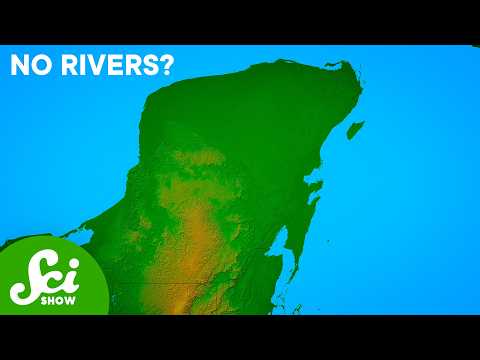
- The Yucatan is a vast, flat limestone shelf. Because of its porous nature, the region lacks major surface rivers, leading to the formation of thousands of sinkholes or cenotes which were vital to Mayan survival.
We spent our entire summer vacation exploring the hidden cenotes scattered across the Yucatan peninsula.
Beyond geography, the word carries immense cultural weight. The Yucatan was the heartland of the Postclassic Maya civilization. When discussing history, the word is inseparable from sites like Chichen Itza and Uxmal. It is also used in culinary discussions to describe a specific style of cooking—Yucatecan cuisine—which differs significantly from the food found in central or northern Mexico, utilizing ingredients like achiote, sour oranges, and habanero peppers. Scientists also use the word when discussing the Chicxulub crater, located on the coast of the peninsula, which is the site of the massive asteroid impact believed to have caused the extinction of the dinosaurs approximately 66 million years ago.
- Cultural Context
- The Yucatan maintains a distinct identity from the rest of Mexico, with a strong Mayan linguistic influence and a history of independent movements during the 19th century.
The biodiversity of the Yucatan jungles is home to jaguars, spider monkeys, and hundreds of bird species.
In modern usage, the word is a magnet for the tourism industry. Phrases like 'Yucatan adventure' or 'Yucatan resorts' are ubiquitous in travel brochures. It represents a blend of luxury and rugged exploration. Whether someone is talking about the high-end hotels of the Riviera Maya or the rustic charm of a colonial town like Valladolid, they are operating within the sphere of the Yucatan. The word serves as a shorthand for a tropical paradise that is as intellectually stimulating as it is visually stunning. It is also used in ecological discussions regarding the Mesoamerican Barrier Reef, which begins just off the coast of the peninsula.
Archaeologists continue to discover new structures buried deep within the Yucatan rainforest using LiDAR technology.
- Scientific Context
- Geologists study the Yucatan to understand the K-Pg boundary and the global environmental changes triggered by the Chicxulub impact.
The Yucatan is characterized by its lack of mountains, consisting instead of a low-lying plain.
Traditional music and dance remain a vibrant part of daily life in the villages of the Yucatan.
Using the word Yucatan in a sentence requires an understanding of whether you are treating it as a proper noun for a state or a geographic region. In most English contexts, it is preceded by 'the' when referring to the peninsula. For example, 'We are traveling to the Yucatan.' However, if you are referring specifically to the Mexican state of Yucatán, you might omit 'the' in more formal or administrative contexts, such as 'The capital of Yucatán is Mérida.' It functions as a noun, but it can also act as an adjective (an attributive noun) to describe things originating from there, like 'Yucatan honey' or 'Yucatan wildlife.'
- Travel & Tourism
- Sentences often focus on the destination aspect. 'The Yucatan is a top-rated destination for eco-tourists interested in bird watching and diving.'
Many cruise ships dock at Cozumel, an island just off the coast of the Yucatan.
In academic or historical writing, the word is used to ground events in a specific locale. You might see sentences like, 'The Caste War of Yucatan was a long-standing conflict between the native Maya people and the European-descended population.' Here, it provides essential geographic and cultural context. In scientific literature, it is often paired with terms like 'crater,' 'platform,' or 'basin.' For instance, 'The Yucatan Platform is composed of thick sequences of carbonate rocks.' This demonstrates the word's versatility across different registers of English, from casual holiday planning to rigorous scientific inquiry.
- History & Archaeology
- 'The ancient cities of the Yucatan were connected by a network of stone roads called sacbeob.'
The unique climate of the Yucatan supports both dry tropical forests and coastal mangroves.
Furthermore, the word appears in discussions about environmental conservation. A sentence might read, 'Protecting the underground aquifers of the Yucatan is crucial for the region's future water security.' This highlights the peninsula's unique geological vulnerability. In literature, authors use the word to set a mood of mystery or tropical intensity. 'The heat of the Yucatan sun was unlike anything he had ever felt, heavy and smelling of salt and ancient dust.' This evocative use of the word helps readers visualize the setting immediately. Whether you are describing a map, a menu, or a memory, 'Yucatan' serves as a powerful anchor for the imagination.
During the 19th century, the Yucatan became the world's leading producer of henequen, often called 'green gold.'
- Scientific Inquiry
- 'The Chicxulub impact site in the Yucatan remains a focal point for researchers studying mass extinction events.'
If you want to see flamingos in the wild, the northern coast of the Yucatan is the place to go.
The Yucatan channel separates Mexico from the island of Cuba.
You will encounter the word Yucatan in a variety of real-world settings, ranging from casual conversations to specialized professional environments. One of the most common places is in the travel industry. If you are at an airport, looking at a travel agency's website, or watching a travel vlog on YouTube, the word 'Yucatan' is frequently used to market destinations like Cancun, Playa del Carmen, and Tulum. It is a 'buzzword' for exotic, culturally rich vacations. You might hear a flight attendant announce, 'We are now beginning our descent into the Yucatan Peninsula,' or a tour guide explain the significance of the Mayan calendar while standing in the shadow of a pyramid.
- Media & Entertainment
- Documentaries on National Geographic or the Discovery Channel often feature the Yucatan's wildlife or archaeological mysteries.
'Tonight on Planet Earth, we dive into the secret underwater caves of the Yucatan.'
In the culinary world, 'Yucatan' is a label for a specific and highly respected regional cuisine. In high-end restaurants or food documentaries like 'Chef's Table' or 'Taco Chronicles,' you will hear chefs talk about 'Yucatan-style' slow-roasted pork (cochinita pibil). Foodies use the word to distinguish these flavors from the more common Tex-Mex or Central Mexican styles. Additionally, in news reports regarding climate change or natural disasters, the word often appears during hurricane season. Meteorologists might say, 'The storm is expected to make landfall on the Yucatan coast by Thursday evening,' making it a word associated with weather tracking and safety alerts.
- Culinary Arts
- Food critics often praise the unique blend of Mayan and European influences found in the Yucatan kitchen.
The news anchor reported that a new species of blind cave fish was discovered in the Yucatan.
Scientific and educational settings are also prime locations for hearing this word. In a geology lecture, a professor might discuss the impact of the asteroid in the Yucatan that ended the Cretaceous period. In a history classroom, students learn about the Mayan resistance and the unique social structure of the Yucatan during the colonial era. Even in pop culture, the Yucatan is sometimes mentioned in action-adventure movies or novels (like those featuring Indiana Jones-style explorers) as a place of hidden treasures and ancient curses. Whether it's a weather report, a menu, a history book, or a travel blog, the word 'Yucatan' is a frequent and evocative part of the English lexicon.
'Our next expedition takes us deep into the Yucatan to map the largest flooded cave system in the world.'
- Scientific Discourse
- Researchers often present findings on the unique hydrological system of the Yucatan at international conferences.
The Yucatan is often cited in discussions about sustainable tourism and the protection of indigenous cultures.
The Yucatan symphony orchestra is renowned for its performances in the historic city of Merida.
One of the most frequent mistakes English speakers make with the word Yucatan is related to the use of the definite article 'the.' While you would say 'I am going to Mexico' (no article), you usually say 'I am going to the Yucatan' when referring to the peninsula. Omitting the 'the' can sometimes make the sentence sound slightly unnatural in a geographic context, although it is correct when referring to the state of Yucatán specifically. Another common error is the spelling and pronunciation. Many people struggle with the placement of the 'a' and 'u,' sometimes writing 'Yucutan' or 'Yucatun.' The correct spelling is Y-U-C-A-T-A-N.
- Article Usage
- Incorrect: 'We traveled across Yucatan.' Correct: 'We traveled across the Yucatan.'
Don't confuse the Yucatan state with the entire Yucatan peninsula; the peninsula is much larger.
Pronunciation is another area where mistakes occur. In English, the stress is typically on the last syllable: yoo-kuh-TAN. Some speakers mistakenly place the stress on the second syllable (yoo-KOO-tan), which is incorrect. Furthermore, there is often confusion between 'Yucatan' and 'Cancun.' While Cancun is a city in the Yucatan, they are not interchangeable. Referring to the whole region as 'Cancun' is a common geographic error made by tourists. Similarly, people often assume the Yucatan is just a beach destination, forgetting its vast interior jungles, colonial cities, and mountainous-free plains.
- Geographic Confusion
- Mistake: Using 'Yucatan' to mean only the beaches. Reality: The Yucatan includes vast jungles and dry forests inland.
A common spelling error is 'Yucutan,' but remember it's 'tan' like a sun tan.
Finally, there is the mistake of over-generalizing the culture. While the Yucatan is famous for the Maya, it is a mistake to think that the culture is purely ancient. The modern Yucatecan people have a living, breathing culture that is a mix of indigenous, Spanish, and even Caribbean influences. Using 'Yucatan' only in the context of 'ancient ruins' ignores the vibrant modern cities like Merida. Also, be careful not to confuse the Yucatan Peninsula with the Baja Peninsula; they are on opposite sides of Mexico! One is in the southeast (Yucatan), and the other is in the northwest (Baja).
It's a mistake to think the Yucatan is near California; it's actually closer to Florida and Cuba.
- Cultural Generalization
- Mistake: Assuming everyone in the Yucatan lives in a traditional village. Reality: Merida is a cosmopolitan city with modern infrastructure.
When writing about the state government, use 'Yucatán,' but for the region, 'the Yucatan' is standard English.
The Yucatan is not a country; it is a region within the country of Mexico.
While Yucatan is a specific proper noun, there are several related terms that people use depending on the context. If you are talking about the tourist-heavy coastal area, you might use 'The Riviera Maya.' This term specifically refers to the eastern coast of the peninsula in the state of Quintana Roo. If you are discussing the ancient history of the region, you might use 'The Mayan World' (Mundo Maya), which encompasses the Yucatan as well as Chiapas, Guatemala, Belize, and Honduras. Understanding these distinctions helps in being more precise with your language.
- Riviera Maya vs. Yucatan
- The Riviera Maya is a specific coastal strip known for resorts, while the Yucatan refers to the entire landmass, including the interior jungles and the western coast.
While many stay in the Riviera Maya, the true heart of the Yucatan lies in its colonial cities like Merida.
Another alternative is 'Southeastern Mexico.' This is a more formal, administrative way to refer to the region. It is often used in government reports or economic analyses. If you are focusing on the indigenous aspect, you might refer to the 'Mayan Peninsula.' While not the official name, it emphasizes the ethnic and linguistic heritage of the area. In a scientific context, researchers might refer to the 'Yucatan Carbonate Platform' to describe the geological structure. Each of these terms shifts the focus slightly—from tourism to administration, from culture to geology.
- Mundo Maya vs. Yucatan
- 'Mundo Maya' is a cultural and archaeological term that includes the Yucatan but extends much further south into Central America.
The term 'Southeastern Mexico' is often used in news reports to describe the Yucatan and surrounding states.
For those interested in the environment, 'The Great Mayan Aquifer' is a term used to describe the vast network of water-filled caves beneath the Yucatan. This is a more specific term than just 'Yucatan' when discussing water conservation. Lastly, 'The Mexican Caribbean' is a popular marketing term for the eastern coast of the peninsula. While it overlaps with the Yucatan, it specifically highlights the Caribbean sea and the beaches. Choosing the right word depends on whether you want to sound like a traveler, a scientist, a historian, or a local resident. 'Yucatan' remains the most versatile and widely understood term for the region as a whole.
The 'Mexican Caribbean' is the brand name for the Yucatan's eastern shore, famous for its turquoise waters.
- Mayan Peninsula vs. Yucatan
- 'Mayan Peninsula' is an informal but descriptive term that highlights the region's primary indigenous group, often used in cultural documentaries.
Geologists prefer the term 'Yucatan Platform' when discussing the region's limestone composition.
The Yucatan stands as a bridge between the ancient world and modern Mexico.
How Formal Is It?
Wusstest du?
There is another theory that the name comes from the Mayan word 'Yokatlan,' which means 'place of richness' or 'place where the land is flat.' However, the 'I don't understand you' story is the most famous legend.
Aussprachehilfe
- Stressing the second syllable (yu-CA-tan).
- Pronouncing the 'u' like the 'u' in 'cup'.
- Pronouncing the 'c' as an 's' sound.
- Mumbling the final 'n'.
- Confusing it with 'Yukon'.
Schwierigkeitsgrad
Easy to recognize in text, though spelling can be tricky.
Requires correct capitalization and specific vowel placement.
Simple once the stress on the last syllable is learned.
Very distinct sound, rarely confused with other words.
Was du als Nächstes lernen solltest
Voraussetzungen
Als Nächstes lernen
Fortgeschritten
Wichtige Grammatik
Proper Nouns
Yucatan must always be capitalized.
Definite Articles with Regions
We use 'the' for the Yucatan Peninsula but not for the state of Yucatan.
Attributive Nouns
In 'Yucatan honey,' the word Yucatan acts like an adjective.
Prepositions of Place
Use 'in' for the region: 'I am in the Yucatan.'
Adjective Formation
The suffix '-an' is added to create 'Yucatecan'.
Beispiele nach Niveau
The Yucatan is a beautiful place in Mexico.
Yucatán es un lugar hermoso en México.
Use 'the' before Yucatan when talking about the region.
I want to visit the Yucatan next year.
Quiero visitar el Yucatán el próximo año.
Proper nouns like Yucatan are capitalized.
Is the Yucatan hot in the summer?
¿Hace calor en el Yucatán en el verano?
Questions use 'is' for singular subjects.
There are many fish in the Yucatan sea.
Hay muchos peces en el mar del Yucatán.
'There are' is used for plural nouns like fish.
The Yucatan has big pyramids.
El Yucatán tiene pirámides grandes.
Use 'has' for the third person singular.
My friend lives in the Yucatan.
Mi amigo vive en el Yucatán.
Prepositions like 'in' show location.
The sand in the Yucatan is white.
La arena en el Yucatán es blanca.
Adjectives like 'white' come after the verb 'is'.
We can see birds in the Yucatan.
Podemos ver aves en el Yucatán.
Modal verb 'can' is followed by the base form 'see'.
The Yucatan is famous for its ancient history.
El Yucatán es famoso por su historia antigua.
'Famous for' is a common adjective-preposition pair.
You can swim in a cenote in the Yucatan.
Puedes nadar en un cenote en el Yucatán.
'Can' expresses possibility or ability.
The Yucatan peninsula is very flat.
La península de Yucatán es muy plana.
'Peninsula' acts as a noun here, modified by 'Yucatan'.
Many people travel to the Yucatan for the beaches.
Mucha gente viaja al Yucatán por las playas.
'Many' is used with countable nouns like 'people'.
The food in the Yucatan is very delicious.
La comida en el Yucatán es muy deliciosa.
Definite article 'the' specifies the food of this region.
It takes a long time to drive across the Yucatan.
Se tarda mucho tiempo en cruzar el Yucatán en coche.
'It takes' is used to describe duration.
The Yucatan was home to the Maya people.
El Yucatán fue el hogar del pueblo maya.
'Was' is the past tense of 'is'.
There are three states in the Yucatan peninsula.
Hay tres estados en la península de Yucatán.
'There are' introduces a plural list.
The Yucatan is renowned for its stunning archaeological sites.
El Yucatán es reconocido por sus impresionantes sitios arqueológicos.
'Renowned for' is a more formal version of 'famous for'.
Because of its limestone base, the Yucatan has no rivers.
Debido a su base de piedra caliza, el Yucatán no tiene ríos.
'Because of' introduces a reason or cause.
The Yucatan's climate is tropical and humid throughout the year.
El clima del Yucatán es tropical y húmedo durante todo el año.
Possessive 's' shows the climate belongs to the region.
Exploring the Yucatan requires a good pair of walking shoes.
Explorar el Yucatán requiere un buen par de zapatos para caminar.
Gerund 'Exploring' acts as the subject of the sentence.
The Yucatan serves as a bridge between the past and the present.
El Yucatán sirve como un puente entre el pasado y el presente.
'Serves as' describes the function of something.
I was fascinated by the unique culture of the Yucatan.
Me fascinó la cultura única del Yucatán.
Passive voice 'was fascinated' focuses on the person's reaction.
The Yucatan is a major hub for the international cruise industry.
El Yucatán es un centro importante para la industria internacional de cruceros.
'Hub' is a metaphor for a central point of activity.
While visiting the Yucatan, we learned about the Chicxulub crater.
Mientras visitábamos el Yucatán, aprendimos sobre el cráter de Chicxulub.
'While' introduces a simultaneous action.
The Yucatan's karst landscape is dotted with thousands of cenotes.
El paisaje kárstico del Yucatán está salpicado de miles de cenotes.
'Dotted with' means spread across an area.
Agriculture in the Yucatan was historically dominated by henequen production.
La agricultura en el Yucatán estuvo históricamente dominada por la producción de henequén.
Adverb 'historically' modifies the verb 'dominated'.
The Yucatan maintains a distinct identity that sets it apart from the rest of Mexico.
El Yucatán mantiene una identidad distinta que lo diferencia del resto de México.
Relative clause 'that sets it apart' describes the identity.
Environmentalists are concerned about the impact of tourism on the Yucatan's ecosystems.
A los ambientalistas les preocupa el impacto del turismo en los ecosistemas del Yucatán.
'Concerned about' is a common phrase for expressing worry.
The Yucatan was the site of a massive asteroid impact 66 million years ago.
El Yucatán fue el lugar de un impacto masivo de asteroide hace 66 millones de años.
'Site of' specifies the location of an event.
Many indigenous communities in the Yucatan still speak the Mayan language.
Muchas comunidades indígenas en el Yucatán todavía hablan la lengua maya.
'Still' indicates a continuing state or action.
The Yucatan's economy relies heavily on the service and tourism sectors.
La economía del Yucatán depende en gran medida de los sectores de servicios y turismo.
'Relies on' means depends on something.
Despite the heat, the Yucatan attracts millions of visitors annually.
A pesar del calor, el Yucatán atrae a millones de visitantes anualmente.
'Despite' is used to show contrast.
The Yucatan's hydrological system is a marvel of natural engineering.
El sistema hidrológico del Yucatán es una maravilla de la ingeniería natural.
'Marvel of' is an idiomatic way to express great admiration.
The Caste War of Yucatan significantly altered the region's demographic landscape.
La Guerra de Castas de Yucatán alteró significativamente el panorama demográfico de la región.
Adverb 'significantly' emphasizes the degree of change.
The Yucatan serves as a critical habitat for numerous migratory bird species.
El Yucatán sirve como un hábitat crítico para numerosas especies de aves migratorias.
'Critical habitat' is a technical term in ecology.
The linguistic diversity of the Yucatan is a testament to its resilient heritage.
La diversidad lingüística del Yucatán es un testimonio de su herencia resiliente.
'Testament to' means proof or evidence of something.
Urbanization in the Yucatan must be balanced with ecological preservation.
La urbanización en el Yucatán debe equilibrarse con la preservación ecológica.
Passive modal 'must be balanced' indicates necessity.
The Yucatan's colonial architecture reflects a complex history of cultural synthesis.
La arquitectura colonial del Yucatán refleja una historia compleja de síntesis cultural.
'Synthesis' refers to the combination of different elements.
Researchers utilize LiDAR to uncover hidden Mayan structures in the Yucatan.
Los investigadores utilizan LiDAR para descubrir estructuras mayas ocultas en el Yucatán.
'Uncover' is a more formal synonym for 'find' or 'discover'.
The Yucatan's unique geology provides insights into the Earth's catastrophic past.
La geología única del Yucatán proporciona información sobre el pasado catastrófico de la Tierra.
'Insights into' means a deep understanding of something.
The Yucatan stands as a quintessential example of a karst landscape.
El Yucatán se erige como un ejemplo quintesencial de un paisaje kárstico.
'Quintessential' means the most perfect or typical example.
The socioeconomic disparities in the Yucatan are exacerbated by rapid tourism development.
Las disparidades socioeconómicas en el Yucatán se ven exacerbadas por el rápido desarrollo turístico.
'Exacerbated by' means made worse by something.
The Yucatan's cultural autonomy has historically been a point of contention with the central government.
La autonomía cultural del Yucatán ha sido históricamente un punto de discordia con el gobierno central.
'Point of contention' is a formal idiom for a subject of disagreement.
The delicate equilibrium of the Yucatan's aquifers is threatened by over-extraction.
El delicado equilibrio de los acuíferos del Yucatán está amenazado por la sobreextracción.
'Delicate equilibrium' refers to a fragile balance.
The Yucatan's archaeological record offers a profound narrative of human adaptation.
El registro arqueológico del Yucatán ofrece una narrativa profunda de la adaptación humana.
'Archaeological record' refers to the sum of physical evidence of the past.
The Yucatan's position in the hurricane belt necessitates robust disaster management strategies.
La posición del Yucatán en el cinturón de huracanes requiere estrategias robustas de gestión de desastres.
'Necessitates' is a formal verb meaning 'makes necessary'.
The Yucatan's culinary heritage is an intricate tapestry of indigenous and global flavors.
La herencia culinaria del Yucatán es un tapiz intrincado de sabores indígenas y globales.
'Intricate tapestry' is a metaphor for something complex and beautiful.
The Yucatan's limestone substrate is essentially a giant sponge for the region's rainfall.
El sustrato de piedra caliza del Yucatán es esencialmente una esponja gigante para las precipitaciones de la región.
'Substrate' is a technical term for an underlying layer.
Häufige Kollokationen
Häufige Phrasen
— The act of traveling through the region to see its sights.
Exploring the Yucatan was the highlight of our trip.
— Referring to the remote or interior parts of the peninsula.
They lived deep in the Yucatan, far from any city.
— The central or most important part of the region.
Merida is often called the heart of the Yucatan.
— A trip to the region involving exciting activities.
Are you ready for your Yucatan adventure?
— A short vacation or holiday in the region.
We are planning a quick Yucatan getaway.
— Referring to the region during the time of the Maya.
Ancient Yucatan was a land of powerful city-states.
— The friendly and welcoming nature of the local people.
We were overwhelmed by the Yucatan hospitality.
— The valuable cultural or natural features of the region.
The cenotes are among the greatest Yucatan treasures.
— In the waters surrounding the peninsula.
The reef lies just off the Yucatan coast.
— Moving from one side of the peninsula to the other.
The road stretches all the way across the Yucatan.
Wird oft verwechselt mit
Yukon is a territory in northwest Canada, while Yucatan is in southeast Mexico.
Baja is the peninsula on the western side of Mexico, near California.
Cancun is a city within the Yucatan region, not the name of the region itself.
Redewendungen & Ausdrücke
— Used to describe how unique the region feels compared to the rest of Mexico.
Once you cross the border, you'll see the Yucatan is a different world.
Informal— An informal way to describe being extremely hot and sweaty.
I'm sweating like a Yucatan summer in this office.
Slang/Informal— Can be literal, but often used metaphorically to mean being overwhelmed by beauty or history.
I could easily get lost in the Yucatan for a few months.
Informal— Historically referred to henequen fiber; now sometimes used for honey or tourism revenue.
The 'Yucatan gold' once made this region very wealthy.
Historical/Informal— A humorous way to describe a very slow pace of life.
Don't worry, he'll be here in a Yucatan minute.
Slang— Often used when talking about the Yucatan to describe things that are hard to explain.
The disappearance of the cities remains a Mayan mystery.
Informal— A creative way to say something is very deep or hidden.
His secrets are cenote deep.
Poetic/Slang— Specific historical term for the henequen plant.
The haciendas were built on the green gold of Yucatan.
Historical— Used to describe the intense experience of being in the region's climate.
Everything feels brighter under the Yucatan sun.
Informal/Poetic— Referring to the deep cultural essence of the region.
You can feel the Yucatan soul in their music.
InformalLeicht verwechselbar
People often forget that Yucatan is a peninsula.
Yucatan is the name; peninsula is the geographic type of landform.
The Yucatan is a famous peninsula.
Used interchangeably with Yucatan.
Mayan refers to the people and culture; Yucatan refers to the place.
We saw Mayan ruins in the Yucatan.
Often associated so closely that people confuse the terms.
A cenote is a specific type of sinkhole found in the Yucatan.
The Yucatan is full of cenotes.
The capital city vs the region.
Mérida is a city; Yucatan is the state or peninsula.
Mérida is the largest city in the Yucatan.
People think this is separate from the Yucatan.
Quintana Roo is a state located on the Yucatan Peninsula.
Tulum is in Quintana Roo, on the Yucatan Peninsula.
Satzmuster
The Yucatan is [Adjective].
The Yucatan is hot.
I want to go to the Yucatan to [Verb].
I want to go to the Yucatan to swim.
The Yucatan is known for its [Noun].
The Yucatan is known for its ancient ruins.
Despite [Noun], the Yucatan remains [Adjective].
Despite the heat, the Yucatan remains a popular destination.
The Yucatan's [Noun] reflects its [Adjective] history.
The Yucatan's architecture reflects its complex history.
The [Noun] of the Yucatan is inextricably linked to [Noun].
The identity of the Yucatan is inextricably linked to Mayan culture.
If you visit the Yucatan, you should [Verb].
If you visit the Yucatan, you should try the local food.
There are many [Noun] in the Yucatan.
There are many cenotes in the Yucatan.
Wortfamilie
Substantive
Adjektive
Verwandt
So verwendest du es
Common in travel, history, and science contexts.
-
Spelling it as 'Yucutan'.
→
Yucatan
The word has two 'a's and one 'u'. A good way to remember is that you get a 'tan' in the Yuca-tan.
-
Saying 'I am going to Yucatan' instead of 'the Yucatan'.
→
I am going to the Yucatan.
In English, geographic regions that are peninsulas often take the definite article 'the'.
-
Confusing Yucatan with Yukon.
→
Yucatan (Mexico) / Yukon (Canada)
Yukon is a cold, mountainous territory in northern Canada. Yucatan is a hot, flat peninsula in Mexico.
-
Thinking the Yucatan is a country.
→
The Yucatan is a region in Mexico.
It is a common geographic error to think of famous regions as independent countries. It is part of the United Mexican States.
-
Pronouncing it with the stress on the second syllable (yu-CA-tan).
→
yu-ca-TAN
In both English and Spanish, the primary stress falls on the final syllable of the word.
Tipps
Visit Merida
Don't just stay at the beach resorts. Spend a few days in Merida, the capital of the Yucatan state. It is a beautiful colonial city with amazing food, free cultural events every night, and a very safe, welcoming atmosphere. It gives you a much more authentic look at Yucatecan life than the tourist zones.
Bring Biodegradable Sunscreen
If you plan to swim in cenotes or near the coral reefs, it is essential to use biodegradable sunscreen. Regular sunscreens contain chemicals that can damage the delicate ecosystems of the underground rivers and kill the coral. Many cenotes actually ban the use of non-biodegradable products entirely.
Learn a Few Mayan Words
While Spanish is the main language, many people in the Yucatan still speak Mayan. Learning a few simple words like 'Bix a beel' (How are you?) or 'Yum bo'otik' (Thank you) can go a long way in showing respect and connecting with the local people in the smaller villages.
Drink Bottled Water
Do not drink the tap water in the Yucatan. Because of the limestone geography, the water has a very high mineral content and may contain bacteria that your body isn't used to. Always stick to bottled or purified water, which is readily available everywhere. Most hotels provide 'garrafones' (large jugs) of purified water for guests.
Go Early to Ruins
The Yucatan can get incredibly hot by midday. If you are visiting archaeological sites like Chichen Itza, try to be there right when they open at 8:00 AM. You will beat the intense heat and the massive crowds of tour buses that arrive around 11:00 AM, making your experience much more peaceful and enjoyable.
See the Flamingos
If you love wildlife, make sure to visit Celestun or Rio Lagartos on the northern coast of the Yucatan. These areas are home to thousands of wild pink flamingos. Taking a boat tour through the mangroves to see these birds in their natural habitat is one of the most magical experiences the region has to offer.
Use Colectivos
If you want to save money on transportation, use 'colectivos.' These are shared vans that run between major towns and tourist attractions. They are much cheaper than taxis and run very frequently. Just stand on the side of the main road and wave one down; they are a great way to travel like a local.
Beware the Habanero
Yucatecan food often comes with a side of chopped onions and habanero peppers. Be careful! Habaneros are some of the hottest peppers in the world. Always test a tiny bit before adding a lot to your food. If you find something too spicy, remember that drinking milk or eating bread helps more than drinking water.
Golden Hour at the Beach
The light in the Yucatan is incredibly bright. For the best photos of the beaches or the ruins, try to shoot during the 'golden hour'—the hour just after sunrise or just before sunset. The colors will be much softer and warmer, and you'll avoid the harsh shadows created by the midday tropical sun.
Respect the Ruins
When visiting Mayan sites, remember that these are sacred places for the local people. Do not climb on structures that are roped off, and never take stones or artifacts as souvenirs. Staying on the marked paths helps preserve these incredible historical treasures for future generations to see and study.
Einprägen
Eselsbrücke
Remember 'YOU CAN TAN' in the 'YUCATAN' because it is so sunny and tropical.
Visuelle Assoziation
Imagine a giant limestone 'Y' shape sticking out into the blue ocean, covered in green jungle and stone pyramids.
Word Web
Herausforderung
Try to use 'Yucatan' and 'peninsula' in the same sentence while describing a vacation you would like to take.
Wortherkunft
The name is believed to have originated from a misunderstanding between early Spanish explorers and the local Maya. When the Spanish asked what the land was called, the Maya reportedly replied 'Yuctlan' or 'Ma c'ubah than,' which meant 'I do not understand you.' The Spanish mistook this for the name of the place.
Ursprüngliche Bedeutung: Likely 'I do not understand your speech' in the Mayan language.
Mayan (origin) / Spanish (adoption) / English (loanword)Kultureller Kontext
When discussing the 'Caste War,' be mindful of the historical trauma and the ongoing struggles of indigenous communities for land rights and cultural recognition.
In the US and UK, the Yucatan is primarily known as a top-tier vacation destination, often associated with spring break or luxury honeymoons.
Im Alltag üben
Kontexte aus dem Alltag
Travel Planning
- Best time to visit the Yucatan
- Yucatan road trip itinerary
- Affordable hotels in the Yucatan
- Top things to do in the Yucatan
History Class
- The fall of the Yucatan Maya
- Spanish conquest of the Yucatan
- The Caste War of Yucatan
- Ancient cities of the Yucatan
Science/Geology
- Yucatan asteroid impact
- Karst features of the Yucatan
- Yucatan's underground aquifer
- Biodiversity of the Yucatan
Cooking/Dining
- Authentic Yucatan recipes
- Yucatan spices and flavors
- Best Yucatan restaurants
- Traditional Yucatan breakfast
News/Current Events
- Hurricane warning for the Yucatan
- Economic development in the Yucatan
- Environmental protection in the Yucatan
- Tourism trends in the Yucatan
Gesprächseinstiege
"Have you ever thought about visiting the Yucatan to see the Mayan ruins?"
"What do you think is the most interesting thing about the Yucatan's geography?"
"I heard the food in the Yucatan is completely different from the rest of Mexico."
"Did you know the asteroid that killed the dinosaurs hit the Yucatan?"
"If you went to the Yucatan, would you rather stay on the beach or explore the jungle?"
Tagebuch-Impulse
Imagine you are an explorer discovering a hidden city in the Yucatan jungle. Describe what you see.
Write about why the Yucatan is such a popular destination for travelers from all over the world.
Reflect on the importance of preserving the natural cenotes of the Yucatan for future generations.
If you could live in the Yucatan for a year, which city would you choose and why?
Discuss the impact of the Chicxulub asteroid on the Yucatan and the entire planet.
Häufig gestellte Fragen
10 FragenGenerally, the Yucatan is considered one of the safest regions in Mexico for travelers. The states of Yucatán and Campeche often report the lowest crime rates in the country. However, as with any travel destination, it is important to stay aware of your surroundings, especially in crowded tourist areas like Cancun or Playa del Carmen. Most visitors have a trouble-free experience exploring the ruins and beaches.
The best time to visit is typically during the dry season, which runs from late November to April. During these months, the weather is warm and sunny but not overwhelmingly hot or humid. This is also the peak tourist season. If you visit between June and October, be prepared for higher humidity, frequent afternoon rain showers, and the possibility of hurricanes, as this is the official Atlantic hurricane season.
While knowing some basic Spanish is always helpful and appreciated, you can get by with English in major tourist hubs like Cancun, Tulum, and the Riviera Maya. Hotel staff, tour guides, and restaurant workers in these areas usually speak English well. However, if you plan to explore smaller villages or colonial cities like Valladolid, having a translation app or a basic grasp of Spanish phrases will make your trip much smoother and more enjoyable.
Cenotes are natural sinkholes resulting from the collapse of limestone bedrock that exposes groundwater underneath. The Yucatan Peninsula is essentially a giant limestone platform, and over millions of years, rainwater has carved out an enormous network of underground caves and rivers. Because there are almost no surface rivers in the region, these cenotes were the primary source of fresh water for the ancient Maya and are now popular spots for swimming and diving.
Not exactly. The Yucatan Peninsula is the entire geographic landmass. The Riviera Maya is a specific tourism district that stretches along the Caribbean coast of the peninsula, specifically in the state of Quintana Roo. So, while the Riviera Maya is part of the Yucatan, the Yucatan also includes many other areas, such as the interior jungles, the Gulf coast, and the historic city of Merida.
Yucatecan cuisine is unique and delicious. You must try 'Cochinita Pibil,' which is slow-roasted pork marinated in citrus and achiote. Other favorites include 'Sopa de Lima' (lime soup), 'Panuchos' (fried tortillas stuffed with beans and topped with meat), and 'Papadzules' (tortillas filled with boiled eggs and covered in a pumpkin seed sauce). The flavors are distinct from typical Mexican food and are a highlight of any trip to the region.
The Yucatan is very easy to navigate. Many tourists rent cars, as the roads are generally flat, straight, and well-maintained. There is also an excellent bus system called ADO that connects all the major cities and tourist sites with comfortable, air-conditioned coaches. For shorter distances within towns, taxis and 'colectivos' (shared vans) are affordable and frequent options. A new train project, the Tren Maya, is also being developed to connect the entire region.
Yes, most of the major archaeological sites like Chichen Itza, Uxmal, Tulum, and Coba are open to the public daily. There is usually an entrance fee, and it is highly recommended to hire a certified guide at the entrance to learn about the history and significance of the structures. It is best to arrive early in the morning to avoid the heat and the large crowds that arrive on tour buses from the coastal resorts.
The official currency is the Mexican Peso (MXN). While many large hotels and shops in tourist areas like Cancun will accept US Dollars, the exchange rate is usually poor. It is much better to use pesos for everyday transactions, especially in smaller towns, local markets, and for transportation. ATMs are widely available in cities and tourist zones, but it's a good idea to carry some cash when heading into more remote areas.
Yes, the Yucatan has some of the most beautiful beaches in the world. The Caribbean side (eastern coast) is famous for its turquoise water and white sand, perfect for swimming and snorkeling. The Gulf of Mexico side (northern and western coasts) has calmer, shallower water, which is also great for swimming, though the water is often a more emerald green color. Always pay attention to beach flags and local warnings regarding currents or seaweed (sargassum).
Teste dich selbst 200 Fragen
Describe the geography of the Yucatan in three sentences.
Well written! Good try! Check the sample answer below.
Why do you think tourists are attracted to the Yucatan?
Well written! Good try! Check the sample answer below.
Write a short paragraph about the Mayan history of the Yucatan.
Well written! Good try! Check the sample answer below.
Imagine you are visiting a cenote in the Yucatan. Describe your experience.
Well written! Good try! Check the sample answer below.
Explain the significance of the Chicxulub crater.
Well written! Good try! Check the sample answer below.
What are the main differences between the Yucatan and other parts of Mexico?
Well written! Good try! Check the sample answer below.
Write a travel itinerary for a 3-day trip to the Yucatan.
Well written! Good try! Check the sample answer below.
Discuss the environmental challenges facing the Yucatan today.
Well written! Good try! Check the sample answer below.
How did the limestone geography shape the life of the Maya in the Yucatan?
Well written! Good try! Check the sample answer below.
Write a dialogue between two travelers planning a trip to the Yucatan.
Well written! Good try! Check the sample answer below.
Describe a traditional Yucatecan meal.
Well written! Good try! Check the sample answer below.
What is the importance of Merida to the Yucatan region?
Well written! Good try! Check the sample answer below.
Reflect on the impact of the 'Caste War' on the Yucatan's history.
Well written! Good try! Check the sample answer below.
Why is the Yucatan considered a 'karst' landscape?
Well written! Good try! Check the sample answer below.
Write a postcard from the Yucatan to a friend.
Well written! Good try! Check the sample answer below.
Discuss the pros and cons of tourism in the Yucatan.
Well written! Good try! Check the sample answer below.
How does the Yucatan's climate affect its wildlife?
Well written! Good try! Check the sample answer below.
Explain the origin of the name 'Yucatan'.
Well written! Good try! Check the sample answer below.
What role do cenotes play in the Yucatan's ecosystem?
Well written! Good try! Check the sample answer below.
Compare the Yucatan to another peninsula you know.
Well written! Good try! Check the sample answer below.
Pronounce the word 'Yucatan' correctly.
Read this aloud:
Du hast gesagt:
Speech recognition is not supported in your browser. Try Chrome or Edge.
Tell a partner about a place in the Yucatan you would like to visit.
Read this aloud:
Du hast gesagt:
Speech recognition is not supported in your browser. Try Chrome or Edge.
Explain what a cenote is in your own words.
Read this aloud:
Du hast gesagt:
Speech recognition is not supported in your browser. Try Chrome or Edge.
Describe the climate of the Yucatan.
Read this aloud:
Du hast gesagt:
Speech recognition is not supported in your browser. Try Chrome or Edge.
Discuss the importance of Mayan culture in the Yucatan today.
Read this aloud:
Du hast gesagt:
Speech recognition is not supported in your browser. Try Chrome or Edge.
Give a short presentation on the Chicxulub asteroid impact.
Read this aloud:
Du hast gesagt:
Speech recognition is not supported in your browser. Try Chrome or Edge.
Debate the impact of tourism on the Yucatan's environment.
Read this aloud:
Du hast gesagt:
Speech recognition is not supported in your browser. Try Chrome or Edge.
Describe a traditional Yucatecan dish and how it might taste.
Read this aloud:
Du hast gesagt:
Speech recognition is not supported in your browser. Try Chrome or Edge.
Explain the geographic location of the Yucatan.
Read this aloud:
Du hast gesagt:
Speech recognition is not supported in your browser. Try Chrome or Edge.
Talk about the history of the Yucatan during the colonial era.
Read this aloud:
Du hast gesagt:
Speech recognition is not supported in your browser. Try Chrome or Edge.
Describe the wildlife you might see in the Yucatan.
Read this aloud:
Du hast gesagt:
Speech recognition is not supported in your browser. Try Chrome or Edge.
Discuss why the Yucatan is different from the rest of Mexico.
Read this aloud:
Du hast gesagt:
Speech recognition is not supported in your browser. Try Chrome or Edge.
Explain the concept of 'karst topography' in relation to the Yucatan.
Read this aloud:
Du hast gesagt:
Speech recognition is not supported in your browser. Try Chrome or Edge.
Tell a story about an imaginary trip to the Yucatan.
Read this aloud:
Du hast gesagt:
Speech recognition is not supported in your browser. Try Chrome or Edge.
Discuss the significance of Chichen Itza.
Read this aloud:
Du hast gesagt:
Speech recognition is not supported in your browser. Try Chrome or Edge.
How would you prepare for a trip to the Yucatan?
Read this aloud:
Du hast gesagt:
Speech recognition is not supported in your browser. Try Chrome or Edge.
What are the challenges of living in a tropical region like the Yucatan?
Read this aloud:
Du hast gesagt:
Speech recognition is not supported in your browser. Try Chrome or Edge.
Explain the term 'Riviera Maya'.
Read this aloud:
Du hast gesagt:
Speech recognition is not supported in your browser. Try Chrome or Edge.
Talk about the importance of water conservation in the Yucatan.
Read this aloud:
Du hast gesagt:
Speech recognition is not supported in your browser. Try Chrome or Edge.
Summarize the key takeaways about the Yucatan.
Read this aloud:
Du hast gesagt:
Speech recognition is not supported in your browser. Try Chrome or Edge.
Listen to the sentence: 'The Yucatan is a peninsula.' What is the Yucatan?
Listen: 'We are flying to Merida, the capital of Yucatan.' Where are we flying?
Listen: 'The Yucatan is famous for its cenotes.' What is it famous for?
Listen: 'An asteroid hit the Yucatan 66 million years ago.' When did the asteroid hit?
Listen: 'The Yucatan's soil is very thin.' How is the soil described?
Listen: 'Many people in the Yucatan speak Mayan.' What language do they speak?
Listen: 'The Yucatan is located in southeastern Mexico.' Where in Mexico is it?
Listen: 'Tourism is the main driver of the Yucatan's economy.' What drives the economy?
Listen: 'The Yucatan is a flat limestone plain.' What is the land like?
Listen: 'Hurricanes often strike the Yucatan coast.' What often strikes the coast?
Listen: 'The Yucatan has a rich culinary heritage.' What kind of heritage does it have?
Listen: 'The Yucatan was home to the ancient Maya.' Who lived there?
Listen: 'The Yucatan Channel separates Mexico from Cuba.' What does the channel separate?
Listen: 'The Yucatan is a geologically unique region.' How is the region described?
Listen: 'We saw many flamingos in the Yucatan.' What animals were seen?
/ 200 correct
Perfect score!
Summary
The Yucatan is more than just a vacation spot; it is a geologically and culturally rich peninsula that serves as a living museum of Mayan history and a critical site for scientific study regarding Earth's past.
- The Yucatan is a major peninsula in southeastern Mexico, acting as a geographic divider between the Gulf of Mexico and the Caribbean Sea.
- It is globally famous for being the home of the ancient Maya civilization and hosting world-renowned archaeological sites like Chichen Itza.
- The region features a unique landscape of limestone plains and underground rivers, resulting in thousands of natural swimming holes known as cenotes.
- Today, the Yucatan is a premier travel destination, offering a mix of luxury resorts, colonial history, and vibrant indigenous culture.
Visit Merida
Don't just stay at the beach resorts. Spend a few days in Merida, the capital of the Yucatan state. It is a beautiful colonial city with amazing food, free cultural events every night, and a very safe, welcoming atmosphere. It gives you a much more authentic look at Yucatecan life than the tourist zones.
Bring Biodegradable Sunscreen
If you plan to swim in cenotes or near the coral reefs, it is essential to use biodegradable sunscreen. Regular sunscreens contain chemicals that can damage the delicate ecosystems of the underground rivers and kill the coral. Many cenotes actually ban the use of non-biodegradable products entirely.
Learn a Few Mayan Words
While Spanish is the main language, many people in the Yucatan still speak Mayan. Learning a few simple words like 'Bix a beel' (How are you?) or 'Yum bo'otik' (Thank you) can go a long way in showing respect and connecting with the local people in the smaller villages.
Drink Bottled Water
Do not drink the tap water in the Yucatan. Because of the limestone geography, the water has a very high mineral content and may contain bacteria that your body isn't used to. Always stick to bottled or purified water, which is readily available everywhere. Most hotels provide 'garrafones' (large jugs) of purified water for guests.
Beispiel
We are planning a vacation to the Yucatán next winter.
Verwandte Inhalte
In Videos ansehen
Mehr Geography Wörter
abgeoency
C1systematisch analysieren oder nach geografischer Herkunft kategorisieren.
adjacency
B2Die Adjazenz der beiden Gebäude ermöglichte eine effiziente gemeinsame Nutzung der Heizsysteme.
africa
A1Afrika ist der zweitgrößte Kontinent der Erde und hat über 50 Länder.
agrarian
B2Bezieht sich auf bebautes Land, dessen Besitz oder ein auf Landwirtschaft basierendes Gesellschaftssystem. Beispiel: 'Die agrarische Gesellschaft war stark vom Wetter abhängig.'
agricultural
B2Landwirtschaftlich bezieht sich auf die Wissenschaft, Kunst oder Praxis des Ackerbaus und der Viehzucht.
alpine
B2Bezieht sich auf hohe Berge, insbesondere auf ihre Landschaften, Pflanzen oder Tiere. / Beschreibt Dinge, die in hohen Bergen vorkommen, wie Pflanzen, Tiere oder die Landschaft, oft oberhalb der Baumgrenze.
altitude
B2Das Flugzeug erreichte eine Reiseflughöhe von zehntausend Metern.
america
B1Amerika ist ein Land in Nordamerika, das oft als die Vereinigten Staaten bezeichnet wird.
antarctic
B2Bezieht sich auf den Südpol oder die ihn umgebenden Regionen. 'Die antarktische Tierwelt ist einzigartig.'
antarctica
A2Antarktis ist der südlichste Kontinent der Erde, der fast vollständig mit Eis bedeckt ist.

