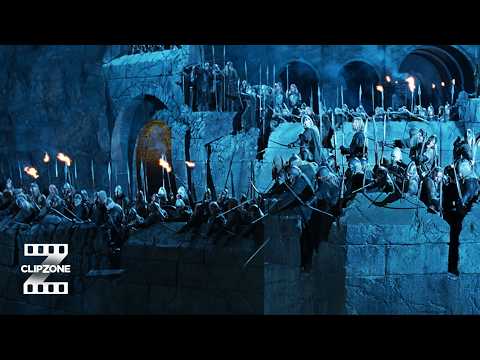
aragorn در ۳۰ ثانیه
- Aragorn is the primary human hero in Tolkien's Middle-earth, evolving from a rugged Ranger into a majestic King.
- He is a symbol of hope, leadership, and the restoration of a lost golden age through duty and service.
- Known by many names like Strider and Elessar, he represents the 'hidden king' trope in epic fantasy literature.
- His story focuses on reclaiming his heritage, leading the fight against evil, and his romance with the elf Arwen.
Aragorn is a name that resonates with themes of hidden nobility, the weight of destiny, and the archetypal journey of a hero from the shadows into the light of sovereignty. In the context of J.R.R. Tolkien's Middle-earth, the name refers to the son of Arathorn II, the thirty-ninth Heir of Isildur in the direct line. When people use the name Aragorn, they are often referring to the character's dual identity: the gritty, weather-beaten Ranger known as Strider and the majestic, rightful King of Gondor and Arnor known as Elessar. This duality makes the name a powerful symbol in literary discussions regarding the 'hidden king' trope. In common parlance among fans and scholars, invoking Aragorn serves to highlight qualities of leadership, humility, and endurance. He is not a king who demands his crown through force, but one who earns it through service and sacrifice. The name is used in literary analysis to discuss the restoration of order in a decaying world. Beyond the books, the name has entered the cultural lexicon to describe someone who possesses unrecognized greatness or someone who is waiting for the right moment to step into a significant role. It is a name associated with the 'Return of the King,' a phrase that has become a cultural shorthand for a triumphant comeback or the restoration of a legitimate authority. When discussing fantasy literature, Aragorn is the gold standard for the 'Ranger' class—a skilled survivalist who is also deeply learned and noble of heart.
- Etymological Root
- Derived from the Sindarin language, meaning 'Revered King' (Ara- meaning king, and -gon meaning revered).
The council looked toward the man in the corner, realizing that Aragorn was more than just a traveler.
The usage of 'Aragorn' also extends to discussions of masculinity and leadership. Unlike many modern action heroes, Aragorn is often depicted as compassionate, poetic, and doubtful of his own strength, which adds layers of complexity to the name. When a writer mentions an 'Aragorn-like figure,' they are usually implying a character who is rugged, capable in the wild, but ultimately destined for a much higher, more civilized purpose. This transition from the wild to the throne is central to his identity. In gaming and RPG circles, the name is synonymous with the ultimate 'multi-class' character—someone who can track a target through a forest, heal a wound with ancient herbs (athelas), and lead an army against a supernatural threat. The name also carries the weight of Tolkien's constructed history; to say 'Aragorn' is to acknowledge thousands of years of lore, from the fall of Númenor to the end of the Third Age. It is a name that bridges the gap between the mythic past and the narrative present of the story.
- Symbolic Association
- The White Tree of Gondor, which blooms again upon his return to the throne.
Many fans debated whether Aragorn was a better leader than Boromir due to his restraint.
Furthermore, the name is frequently used in academic circles studying the 'Monomyth' or Hero's Journey. Aragorn represents the 'Return' phase, where the hero brings back a 'boon'—in this case, peace and the restoration of the kingdom—to his society. His name is often contrasted with that of Frodo Baggins; while Frodo represents the internal struggle against corruption, Aragorn represents the external struggle to reclaim a lost heritage. In popular culture, the name is so iconic that it is rarely confused with other characters, though it is often misspelled as 'Aragon' (a region in Spain). This distinction is important for students of literature. To use the name correctly is to understand the difference between a simple warrior and a 'King of Men' who possesses the 'blood of Westernesse.' His long life (210 years) also makes his name a symbol of longevity and the fading of the elder days. In summary, the name Aragorn is a multifaceted identifier for a character who embodies the highest ideals of chivalry, wisdom, and the burden of command.
- Common Epithet
- The Dúnadan (Man of the West), a title used by Bilbo and the Elves.
The prophecy stated that the broken sword would be reforged for Aragorn.
Even in his rags, there was a kingly air about Aragorn that commanded respect.
The story of Aragorn and Arwen is one of the most famous romances in fantasy.
Using the name 'Aragorn' in a sentence requires an understanding of his status as a proper noun and a literary icon. Most commonly, the name functions as the subject of a sentence describing an action within the narrative of *The Lord of the Rings*. For example, 'Aragorn led the fellowship after Gandalf fell in Moria.' Here, the name is used to denote leadership and responsibility. However, the name can also be used as a descriptor in comparative sentences. One might say, 'He has an Aragorn-like quality of quiet strength,' where the name is transformed into an adjective to describe a specific personality type. This is common in character analysis and creative writing. When using the name, it is important to maintain the correct spelling, as the 'r' at the end is crucial to its Elvish phonology. In academic writing, the name is often paired with his titles to provide clarity: 'Aragorn II Elessar represents the synthesis of Northern and Southern Dúnedain.' This level of detail is expected in scholarly critiques of Tolkien's work.
- Subject Position
- Aragorn drew his sword, Andúril, and charged into the fray.
The hobbits were initially afraid of Aragorn when they met him at the Prancing Pony.
Another way to use the name is in the possessive form: 'Aragorn's journey.' This phrase often encompasses his entire character arc from a lonely wanderer to a crowned monarch. In dialogue-heavy writing, characters might refer to him by different names depending on their relationship with him. Elrond might call him 'Estel' (meaning Hope), while the Orcs might simply refer to him as 'the Ranger.' Using 'Aragorn' in a sentence often invokes a sense of epic scale. For instance, 'The fate of Middle-earth rested on the shoulders of Aragorn and his companions.' This usage highlights his central role in the global conflict of the story. Additionally, the name can be used in metaphorical contexts: 'The company needed an Aragorn to guide them through the corporate restructuring.' In this sense, the name becomes a metaphor for a competent, ethical leader who can navigate treacherous environments. This metaphorical usage is common in business and political commentary, where 'finding an Aragorn' means finding a leader with both skill and integrity.
- Possessive Usage
- Aragorn's lineage was the key to uniting the fractured kingdoms of Men.
Without Aragorn, the defense of Helm's Deep would likely have failed.
In creative writing, authors often use the name to evoke a specific atmosphere. 'The shadow of Aragorn loomed large over the battlefield' suggests a presence that is both protective and formidable. The name is also frequently used in the context of 'Aragorn and Arwen,' a pairing that represents the union of Men and Elves. Sentences like 'The love between Aragorn and Arwen was a testament to the enduring power of hope' are common in thematic essays. Furthermore, the name can be used in negative constructions to highlight a lack of leadership: 'The team was lost, for they had no Aragorn to show them the way.' This reinforces the idea of the character as a necessary guide. Finally, when using the name in a sentence, consider the register. In a formal essay, use 'Aragorn II' or 'the character Aragorn.' In a casual conversation among fans, 'Aragorn' or 'Strider' is sufficient. The versatility of the name reflects the complexity of the character himself, allowing it to fit into various linguistic and narrative structures with ease.
- Comparative Usage
- The new protagonist was designed to be a subversion of the Aragorn archetype.
I often wonder how Aragorn felt during his long years in the wilderness.
The coronation of Aragorn marked the beginning of the Fourth Age.
Isildur's bane was finally countered by Aragorn's strength of will.
The name 'Aragorn' is most frequently heard in environments where fantasy literature and cinema are discussed. This includes book clubs, university literature courses, and fan conventions like Comic-Con. In these settings, the name is a staple of conversation, often used to compare different fantasy heroes or to debate the merits of Tolkien's world-building. You will also hear the name in the context of film history, specifically when discussing Peter Jackson's *The Lord of the Rings* trilogy. Critics and film buffs often mention 'Aragorn' when praising Viggo Mortensen's performance or when discussing the evolution of the action hero in the early 21st century. Beyond these specialized circles, the name has a surprising presence in everyday pop culture. It is frequently referenced in television shows, other books, and even in music. For example, a character in a sitcom might be described as 'looking like Aragorn' if they have long, unkempt hair and a rugged appearance. This demonstrates how the name has become a visual and personality-based shorthand in the general public's mind.
- Media Context
- The name appears in countless documentaries about J.R.R. Tolkien and the history of fantasy.
In the documentary, the historian explained how Aragorn reflects Tolkien's experiences in WWI.
In the world of gaming, particularly in Dungeons & Dragons and other tabletop RPGs, 'Aragorn' is a name that comes up constantly. Players often use him as a reference point for their own characters, saying things like 'I want to build a character that feels like Aragorn.' This usually means a character who is a Ranger with high survival skills and a secret, noble background. The name is also heard in the context of video games, from the official *Lord of the Rings* titles to games like *Skyrim* or *The Witcher*, where the influence of Tolkien's character is palpable. In these contexts, the name is synonymous with a specific gameplay style and narrative arc. Furthermore, you might hear the name in discussions about names and naming conventions. Some parents, inspired by the character's virtues, have even named their children Aragorn, though this remains relatively rare compared to names like Arwen or Eowyn. When you hear the name in a domestic setting, it is often a sign of deep fandom or a desire to imbue a child with the character's legendary qualities.
- Gaming Context
- The 'Aragorn' build is a popular archetype in many fantasy role-playing games.
During the D&D session, the DM described the NPC as having the 'noble bearing of Aragorn'.
Another interesting place where you might hear the name is in scientific nomenclature. Biologists and astronomers who are fans of Tolkien sometimes name their discoveries after his characters. There are species of beetles, spiders, and even features on celestial bodies that bear names derived from *The Lord of the Rings*, including Aragorn. This highlights the name's reach beyond literature and into the realm of science and discovery. In educational settings, teachers might use Aragorn as an example when teaching about the 'Hero with a Thousand Faces' or when discussing the history of the English language and Tolkien's use of Old English and Norse influences. The name serves as a bridge to larger concepts in humanities. Finally, in the age of social media, the name is a frequent hashtag (#Aragorn) used to share fan art, cosplay, and quotes. Whether it's a TikTok video analyzing his character arc or a Twitter thread about his best moments, the name is a vibrant part of the digital conversation. Hearing the name today is a reminder of the enduring power of Tolkien's mythology.
- Scientific Context
- The genus *Aragorn* is a group of spiders in the family Agelenidae, named in honor of the character.
The astronomer joked that the new star should be named Aragorn because it was so bright and noble.
At the Renaissance fair, many people were dressed as Aragorn, complete with the Evenstar pendant.
The podcast host spent twenty minutes discussing why Aragorn is the heart of the story.
One of the most frequent mistakes people make with the name 'Aragorn' is misspelling it as 'Aragon.' While Aragon is a real and historically significant region in Spain, it has no direct connection to Tolkien's character. This mistake is particularly common because 'Aragon' is a more familiar word to many people. However, in the context of Middle-earth, the final 'r' is essential. Another common error is confusing Aragorn with other characters in the series, particularly Boromir. While both are Men of high status, their roles and fates are very different. Aragorn is the heir to the throne, while Boromir is the son of the Steward. Confusing their motivations—Aragorn's reluctance versus Boromir's desperation—can lead to a misunderstanding of the story's themes. Additionally, some readers mistakenly believe that Aragorn is an Elf, likely because of his long life and his close relationship with the Elves of Rivendell. It is important to clarify that he is a Man, specifically a Dúnadan, whose lifespan is naturally extended but who remains mortal. This mortality is a key part of his character arc and his romance with Arwen.
- Spelling Error
- Writing 'Aragon' instead of 'Aragorn'.
The student lost points on his essay for consistently spelling the character's name as Aragon.
Another mistake is misinterpreting Aragorn's 'reluctance' to be king. In the Peter Jackson films, Aragorn is portrayed as being deeply afraid of his own lineage and the 'weakness' of his ancestor Isildur. However, in the books, Aragorn is much more certain of his path and is actively working toward reclaiming the throne throughout the story. Readers who only know the films might mischaracterize the book version of Aragorn as being indecisive. This distinction is crucial for a deep understanding of the character. Furthermore, people often forget that Aragorn has many names. Referring to him only as 'Strider' after he has been revealed as the King can be seen as a mistake in formal analysis. Conversely, calling him 'King Elessar' when he is still wandering the wild as a Ranger is anachronistic. Using the right name for the right point in the timeline is a sign of a careful reader. There is also the mistake of underestimating his age; many assume he is in his 30s or 40s because of his appearance, but he is actually 87 during the events of *The Lord of the Rings*.
- Factual Error
- Assuming Aragorn is a young man, when he is actually nearly 90 years old.
It is a common mistake to think Aragorn was just a simple soldier before the war.
Finally, a subtle mistake is ignoring the linguistic significance of his name. Tolkien was a philologist, and every name he chose had a specific meaning in his constructed languages. Treating 'Aragorn' as just a 'cool-sounding fantasy name' misses the depth of Tolkien's craft. For example, the prefix 'Ara-' (king) is shared with many of his ancestors, such as Arathorn, Arador, and Arargorn I. Recognizing these patterns helps the reader understand the genealogical depth of the story. Another error is oversimplifying his relationship with Gandalf. While Gandalf is a mentor, their relationship is more of a partnership between equals in terms of wisdom and strategic importance. Some might mistakenly view Aragorn as merely Gandalf's 'enforcer.' Avoiding these common pitfalls—whether they are spelling errors, factual misunderstandings, or thematic oversimplifications—will allow for a much richer engagement with one of the most important characters in modern literature. By paying attention to the details of his name, his age, his lineage, and his true nature, you can avoid the mistakes that many casual fans make.
- Linguistic Error
- Failing to recognize the 'Ara-' prefix as a sign of royalty in Sindarin.
Don't make the mistake of thinking Aragorn and Arwen's marriage was just for politics; it was a deep love story.
Some people mistake Aragorn's humility for a lack of ambition.
The movie-only fan was surprised to learn that Aragorn was actually 87 years old.
When discussing Aragorn, it is often useful to have a repertoire of similar words and alternatives, whether they are his other names within the story or terms that describe his character type. The most obvious alternative is 'Strider,' the name he uses while operating as a Ranger in the North. This name carries a different connotation—one of secrecy, ruggedness, and a certain level of social exclusion. Another important name is 'Elessar,' which is his regnal name as King. This name, meaning 'Elfstone,' represents his connection to the Elves and his role as a restorer of the kingdom. Using 'Elessar' instead of 'Aragorn' can signal a focus on his post-war reign and his kingly duties. For those looking for more obscure titles, 'The Dúnadan' is a respectful term used by those who recognize his heritage as one of the Men of the West. This term emphasizes his lineage and his connection to the lost civilization of Númenor. In a broader literary sense, alternatives to the name 'Aragorn' might include 'the hidden heir,' 'the wandering king,' or 'the noble ranger.' These phrases capture the essence of his character without using his specific name.
- Strider vs. Aragorn
- Strider is the identity of the wanderer; Aragorn is the identity of the leader.
While he was known as Strider in Bree, his true name was Aragorn.
Another set of alternatives comes from the various languages of Middle-earth. In Rivendell, he was known as 'Estel,' which means 'Hope.' This name is particularly poignant as it reflects the hope he represents for the future of Men. Using 'Estel' in a discussion about his childhood or his relationship with Elrond adds a layer of intimacy and thematic depth. In the south, specifically in Gondor, he might be referred to as 'the Heir of Isildur.' This title is more formal and political, focusing on his legal right to the throne. When comparing Aragorn to other characters, terms like 'archetypal hero' or 'chivalric knight' can be used as alternatives to describe his role in the narrative. These terms place him within the wider tradition of Western literature. For instance, one might say, 'Aragorn is the quintessential chivalric hero of the 20th century.' This allows for a more analytical approach to the character. Additionally, the term 'Ranger' is often used as a synonym for his profession and his lifestyle during the first half of the story. While there are many Rangers, in the context of the Fellowship, 'the Ranger' almost always refers to him.
- Estel vs. Aragorn
- Estel is his 'childhood' name given by Elrond, emphasizing his potential.
Elrond called him Estel, but the world would know him as Aragorn.
Finally, in the context of modern fantasy, 'Aragorn' has become a synonym for a certain type of character. You might hear someone say, 'That character is the Aragorn of this series,' meaning they are the secret king or the most capable warrior. In this way, the name itself has become an alternative for the term 'heroic leader.' Other characters within Tolkien's own legendarium can also serve as points of comparison. Beren, an ancestor of Aragorn, is a very similar figure—a mortal man who loves an immortal elf-maiden and performs great deeds. Comparing Aragorn to Beren can help illustrate the cyclical nature of Tolkien's history. Similarly, comparing him to his ancestor Isildur provides a contrast between a leader who fails and one who succeeds. These comparisons are essential for a full understanding of the character's place in the world. Whether you are using his formal titles, his secret nicknames, or broad literary terms, having a variety of ways to refer to Aragorn will make your writing and speaking more engaging and precise. The richness of his character is reflected in the many names he carries, each one revealing a different facet of his identity.
- Elessar vs. Aragorn
- Elessar is the name of his fulfillment; Aragorn is the name of his struggle.
The crown was placed upon his head, and Aragorn was proclaimed King Elessar.
He was the last of a noble line, the true Aragorn.
Many legends were told of Aragorn's deeds during the War of the Ring.
چقدر رسمی است؟
نکته جالب
Tolkien spent decades refining the languages of Middle-earth, and Aragorn's name was carefully chosen to fit the linguistic history of the Dúnedain.
راهنمای تلفظ
- Aragon (missing the final 'r')
- A-ra-GONE (silent 'r')
- AIR-a-gorn (too much 'air' sound)
- Ar-a-GORN (wrong stress)
- Oregon (confusing it with the US state)
سطح دشواری
The name is easy to read but the lore around it can be complex.
Commonly misspelled as 'Aragon'.
Pronunciation is straightforward for English speakers.
Distinctive sound makes it easy to recognize.
بعداً چه یاد بگیریم؟
پیشنیازها
بعداً یاد بگیرید
پیشرفته
گرامر لازم
Proper Nouns
Aragorn is always capitalized.
Appositives
Aragorn, the heir of Isildur, led the charge.
Possessive Proper Nouns
Aragorn's sword was reforged.
Titles with Names
King Aragorn ruled for over a century.
Compound Adjectives
An Aragorn-inspired hero.
مثالها بر اساس سطح
Aragorn is a brave man.
Aragorn est un homme courageux.
Subject + Verb + Adjective + Noun.
He helps Frodo.
Il aide Frodo.
Simple present tense.
Aragorn has a big sword.
Aragorn a une grande épée.
Verb 'to have' in third person.
He is a king.
C'est un roi.
Use of the article 'a'.
Aragorn lives in the forest.
Aragorn vit dans la forêt.
Preposition 'in'.
I like Aragorn.
J'aime Aragorn.
Direct object.
Aragorn is very tall.
Aragorn est très grand.
Adverb 'very' modifying an adjective.
He fights bad monsters.
Il combat de méchants monstres.
Adjective before the noun.
Aragorn can track enemies in the wild.
Aragorn peut suivre les ennemis dans la nature.
Modal verb 'can' for ability.
He was known as Strider in the North.
Il était connu sous le nom de Grands-Pas dans le Nord.
Passive voice 'was known'.
Aragorn carried the broken sword of his father.
Aragorn portait l'épée brisée de son père.
Past simple tense.
He is older than he looks.
Il est plus vieux qu'il n'en a l'air.
Comparative adjective 'older than'.
Aragorn met the hobbits at an inn.
Aragorn a rencontré les hobbits dans une auberge.
Past simple of 'meet'.
He will become the king of Gondor.
Il deviendra le roi du Gondor.
Future tense with 'will'.
Aragorn is a skilled healer.
Aragorn est un guérisseur qualifié.
Compound noun 'skilled healer'.
He traveled many miles to save his friends.
Il a parcouru de nombreux kilomètres pour sauver ses amis.
Infinitive of purpose 'to save'.
Aragorn proved his worth by leading the army.
Aragorn a prouvé sa valeur en dirigeant l'armée.
Gerund 'leading' after 'by'.
The crown was rightfully his, but he waited.
La couronne lui revenait de droit, mais il a attendu.
Adverb 'rightfully'.
Aragorn, who was a Ranger, knew the secret paths.
Aragorn, qui était un Rôdeur, connaissait les chemins secrets.
Relative clause with 'who'.
He had been wandering for many years before the war.
Il errait depuis de nombreuses années avant la guerre.
Past perfect continuous.
Aragorn's sword was reforged in Rivendell.
L'épée d'Aragorn a été reforgée à Fondcombe.
Passive voice in the past.
If Aragorn had failed, Sauron would have won.
Si Aragorn avait échoué, Sauron aurait gagné.
Third conditional.
He is a man of few words but great actions.
C'est un homme de peu de mots mais de grandes actions.
Prepositional phrases.
Aragorn accepted his destiny with grace.
Aragorn a accepté son destin avec grâce.
Abstract noun 'destiny'.
Aragorn's lineage gave him the authority to command the dead.
Le lignage d'Aragorn lui a donné l'autorité de commander les morts.
Infinitive phrase as an object.
Despite his royal blood, Aragorn lived a humble life.
Malgré son sang royal, Aragorn a vécu une vie humble.
Concession with 'despite'.
The restoration of the kingdom depended on Aragorn's success.
La restauration du royaume dépendait du succès d'Aragorn.
Verb + preposition 'depend on'.
Aragorn embodies the ideal of a servant-leader.
Aragorn incarne l'idéal d'un leader-serviteur.
Present simple for general truths.
He was reluctant to claim the throne, fearing the weakness of his ancestors.
Il hésitait à revendiquer le trône, craignant la faiblesse de ses ancêtres.
Participle clause 'fearing...'.
Aragorn's presence inspired courage in the hearts of Men.
La présence d'Aragorn a inspiré le courage dans le cœur des hommes.
Abstract subject 'presence'.
He was the only one capable of uniting the divided peoples.
Il était le seul capable d'unir les peuples divisés.
Adjective 'capable' followed by 'of' + gerund.
Aragorn's journey is a classic example of the hero's quest.
Le voyage d'Aragorn est un exemple classique de la quête du héros.
Possessive 's.
Aragorn's character arc is meticulously crafted to reflect the theme of renewal.
L'arc de personnage d'Aragorn est méticuleusement conçu pour refléter le thème du renouveau.
Adverb 'meticulously' modifying a passive verb.
The name Aragorn itself evokes a sense of ancient majesty and lost glory.
Le nom Aragorn lui-même évoque un sentiment de majesté ancienne et de gloire perdue.
Reflexive pronoun 'itself' for emphasis.
By choosing a mortal life, Arwen validated Aragorn's worth as a man.
En choisissant une vie mortelle, Arwen a validé la valeur d'Aragorn en tant qu'homme.
Gerund phrase as an adverbial of manner.
Aragorn's wisdom was as sharp as his blade, honed by years of hardship.
La sagesse d'Aragorn était aussi tranchante que sa lame, affinée par des années d'épreuves.
Simile 'as... as...'.
His coronation served as the symbolic culmination of the Third Age.
Son couronnement a servi de point culminant symbolique du Troisième Âge.
Noun phrase 'symbolic culmination'.
Aragorn navigated the complexities of Middle-earth politics with remarkable finesse.
Aragorn a navigué dans les complexités de la politique de la Terre du Milieu avec une finesse remarquable.
Prepositional phrase 'with remarkable finesse'.
The dichotomy between Strider and Elessar is central to his identity.
La dichotomie entre Grands-Pas et Elessar est centrale à son identité.
Use of 'dichotomy' to describe contrast.
Aragorn's reign was characterized by a period of unprecedented peace and prosperity.
Le règne d'Aragorn a été caractérisé par une période de paix et de prospérité sans précédent.
Adjective 'unprecedented'.
Aragorn's narrative trajectory serves as a poignant meditation on the burden of sovereignty.
La trajectoire narrative d'Aragorn sert de méditation poignante sur le fardeau de la souveraineté.
Sophisticated vocabulary like 'trajectory' and 'sovereignty'.
He is the quintessential Virgilian hero, driven by duty rather than personal desire.
Il est le héros virgilien par excellence, poussé par le devoir plutôt que par le désir personnel.
Adjective 'Virgilian' referring to classical literature.
The linguistic nuances of his various titles provide insight into his multifaceted nature.
Les nuances linguistiques de ses divers titres donnent un aperçu de sa nature multiforme.
Subject-verb agreement with 'nuances'.
Aragorn's ability to transcend his ancestral failings is a testament to his moral fortitude.
La capacité d'Aragorn à transcender les défaillances de ses ancêtres est un témoignage de sa force morale.
Noun 'fortitude'.
His story arc underscores the Tolkienian belief in the 'ennoblement' of the humble.
Son arc narratif souligne la croyance tolkienienne en l'ennoblissement des humbles.
Adjective 'Tolkienian'.
Aragorn's long-deferred claim to the throne adds a layer of tension to the epic's pacing.
La revendication du trône longtemps différée d'Aragorn ajoute une couche de tension au rythme de l'épopée.
Compound adjective 'long-deferred'.
The mythopoetic resonance of Aragorn's return cannot be overstated.
La résonance mythopoétique du retour d'Aragorn ne saurait être surestimée.
Passive construction 'cannot be overstated'.
Aragorn remains a paragon of leadership, blending martial prowess with profound empathy.
Aragorn reste un parangon de leadership, mêlant prouesse martiale et empathie profonde.
Present participle 'blending' for simultaneous actions.
ترکیبهای رایج
عبارات رایج
— Refers to Aragorn reclaiming the throne.
The third book is titled The Return of the King.
— His most important title, linking him to the ancient kings.
He is Aragorn, son of Arathorn, Heir of Isildur.
— A sign of a true king in Gondor.
The hands of the king are the hands of a healer.
— A poem describing Aragorn's hidden nature.
Bilbo wrote 'All that is gold does not glitter' about Aragorn.
— A symbol of his family's lost power.
He carried the broken sword for eighty years.
— The group of people Aragorn leads.
Aragorn was the Chieftain of the Dúnedain of the North.
— A dangerous journey Aragorn took to find allies.
Aragorn alone could walk the Paths of the Dead.
— His official title after the war.
He was crowned King of the Reunited Kingdom.
— Often associated with his love for Arwen.
Aragorn wore the Evenstar as a token of Arwen's love.
اغلب اشتباه گرفته میشود با
A region in Spain, often confused due to similar spelling.
Another man in the Fellowship, but with a different fate and personality.
The protagonist of a different fantasy series by Christopher Paolini.
اصطلاحات و عبارات
— To be a natural leader who is humble and capable.
In times of crisis, we need someone to be an Aragorn.
Slang/Pop Culture— When someone looks rough but is actually very important or noble.
He has the Strider effect; don't judge him by his clothes.
Informal— Waiting for a legitimate leader to solve a problem.
The company is just waiting for the King to fix the mess.
Metaphorical— Taking something broken and making it better than before.
We are reforging the sword of our department's policy.
Metaphorical— Doing something extremely dangerous that no one else can do.
Entering that negotiation was like walking the paths of the dead.
Informal— Having a gentle and restorative touch or influence.
She has the hands of a healer in our community.
Literary— Things are not always what they seem; true value is hidden.
Remember, all that is gold does not glitter.
Proverbial— A major comeback or restoration of power.
His return to the CEO position was the return of the king.
Common— Someone carrying a heavy family legacy.
He feels like the heir of Isildur with all those expectations.
Metaphorical— Like Aragorn as Strider, something important that is not recognized.
The solution was hidden in plain sight, just like Strider.
Generalبهراحتی اشتباه گرفته میشود
Spelling
Aragon is a place in Spain; Aragorn is a fictional king.
I visited Aragon, but I read about Aragorn.
Similar sound
Arathorn is Aragorn's father.
Aragorn is the son of Arathorn.
Starts with 'Ar'
Arwen is the elf princess he loves.
Aragorn and Arwen were married.
Historical link
Isildur is his ancestor from thousands of years ago.
Aragorn is the heir of Isildur.
Fellowship member
Legolas is an elf; Aragorn is a man.
Aragorn and Legolas are best friends.
الگوهای جملهسازی
Aragorn is [adjective].
Aragorn is brave.
Aragorn can [verb].
Aragorn can track orcs.
Aragorn, who is [description], [action].
Aragorn, who is a Ranger, helps the hobbits.
It was Aragorn who [action].
It was Aragorn who led the army to the Black Gate.
The significance of Aragorn lies in [noun phrase].
The significance of Aragorn lies in his moral integrity.
Aragorn's narrative arc serves as a [noun phrase].
Aragorn's narrative arc serves as a meditation on leadership.
Aragorn's [noun] is [adjective].
Aragorn's sword is sharp.
Despite [noun], Aragorn [action].
Despite his fear, Aragorn accepted the crown.
خانواده کلمه
اسمها
فعلها
صفتها
مرتبط
نحوه استفاده
High in fantasy contexts, low in general daily conversation.
-
Aragon
→
Aragorn
Missing the 'r' at the end makes it a place in Spain, not the character.
-
Aragorn is an Elf.
→
Aragorn is a Man (Dúnadan).
He lives a long time, but he is still a mortal human.
-
Calling him King in Bree.
→
Calling him Strider in Bree.
He was in disguise and people didn't know his true identity yet.
-
Thinking he is 30 years old.
→
He is 87 years old.
His long life is a gift of his noble bloodline.
-
Confusing him with Eragon.
→
Aragorn (LOTR) vs Eragon (Inheritance Cycle).
These are two different characters from different book series.
نکات
The Final R
Always remember the 'r' at the end of Aragorn. It's not the Spanish region Aragon!
Know Your Names
Use 'Strider' when talking about him in the first half of the story and 'Aragorn' or 'Elessar' later.
The Dúnedain
Remember he is a Dúnadan, which explains his long life and noble bearing.
Proper Noun
Always capitalize Aragorn, even when using it as an adjective (Aragorn-like).
Reforged
The word 'reforged' is almost always used in connection with Aragorn's sword.
Archetype
Aragorn is the perfect example of the 'Hidden King' archetype in literature.
Stress the Start
Put the emphasis on the first part of the name: AR-a-gorn.
Healer vs Warrior
Don't forget he is a healer; this is what truly proves he is the king.
Age
He is 87, not 30! This is a great fact to impress other fans.
Avoid Repetition
Use 'the Ranger' or 'the Heir of Isildur' to avoid saying 'Aragorn' too many times.
حفظ کنید
روش یادسپاری
Think of 'A-RA-GORN': A Royal Ancestor Gathers Old Rightful Nations.
تداعی تصویری
Imagine a dirty, hooded man slowly taking off his cloak to reveal a shining crown and a bright sword.
شبکه واژگان
چالش
Try to use the name 'Aragorn' in three different sentences: one as a ranger, one as a king, and one as a healer.
ریشه کلمه
Tolkien created the name using his invented language, Sindarin. It is a compound of 'ara' (king) and 'gorn' (revered).
معنای اصلی: Revered King
Sindarin (Constructed Language)بافت فرهنگی
No specific sensitivities, though some fans are very protective of the character's book-accurate portrayal.
The name is a staple of English-speaking pop culture, often used in jokes about long hair or epic journeys.
تمرین در زندگی واقعی
موقعیتهای واقعی
Literary Discussion
- The Aragorn archetype
- Tolkien's characterization
- Heroic journey
- Hidden king
Movie Night
- Viggo Mortensen's performance
- The scene at the Black Gate
- Aragorn's speech
- Epic battle
Gaming
- Ranger build
- High survival skills
- Aragorn-inspired character
- Tracking ability
History Class
- Medieval influences
- Chivalric code
- Restoration of order
- Mythic history
Fan Fiction
- Aragorn's early years
- Life as a Ranger
- The wedding of Elessar
- Post-war reign
شروعکنندههای مکالمه
"Do you think Aragorn was a better leader in the books or the movies?"
"If you were a Ranger like Aragorn, which part of Middle-earth would you protect?"
"Why do you think Aragorn was so reluctant to become king in the films?"
"What is your favorite Aragorn moment from the entire trilogy?"
"How does Aragorn's relationship with Arwen compare to other fantasy romances?"
موضوعات نگارش
Write about a time you had to step into a leadership role you weren't sure you were ready for, like Aragorn.
If you could have one of Aragorn's skills (tracking, healing, fighting), which would it be and why?
Describe what you think a day in the life of 'Strider' was like before he met Frodo.
Reflect on the idea that 'all that is gold does not glitter.' How does this apply to your life?
Imagine you are a citizen of Gondor seeing King Aragorn for the first time. What do you feel?
سوالات متداول
10 سوالIn 'The Lord of the Rings,' Aragorn is 87 years old. He belongs to the Dúnedain, who live much longer than normal humans. He eventually dies at the age of 210.
No, Aragorn is a human. However, he was raised by elves in Rivendell and has some elven ancestry from many generations back.
His sword is called Andúril, which means 'Flame of the West.' It was reforged from the shards of Narsil.
He is called Strider by the people in the North (like in the town of Bree) because they see him as a mysterious wanderer who 'strides' through the wild.
Aragorn marries Arwen Undómiel, the daughter of Elrond. She chooses to become mortal to be with him.
He rules the Reunited Kingdom of Gondor and Arnor.
Viggo Mortensen famously played Aragorn in Peter Jackson's film trilogy.
He doesn't have 'magic' in the way a wizard does, but he has the power of healing and a strong will that can command even the spirits of the dead.
In the movies, the Evenstar is a necklace Arwen gives to Aragorn. In the books, it is a name for Arwen herself.
Yes, he is the direct descendant of Isildur, which gives him the right to the throne of Gondor.
خودت رو بسنج 180 سوال
Describe Aragorn's appearance as Strider.
خوب نوشتید! تلاش خوبی بود! پاسخ نمونه را ببینید.
Explain why Aragorn is a good leader.
خوب نوشتید! تلاش خوبی بود! پاسخ نمونه را ببینید.
Write a short dialogue between Aragorn and Frodo.
خوب نوشتید! تلاش خوبی بود! پاسخ نمونه را ببینید.
Compare Aragorn to Boromir.
خوب نوشتید! تلاش خوبی بود! پاسخ نمونه را ببینید.
Discuss the significance of Aragorn's sword, Andúril.
خوب نوشتید! تلاش خوبی بود! پاسخ نمونه را ببینید.
Analyze the theme of 'the hidden king' in Aragorn's story.
خوب نوشتید! تلاش خوبی بود! پاسخ نمونه را ببینید.
How does Aragorn's long life affect his character?
خوب نوشتید! تلاش خوبی بود! پاسخ نمونه را ببینید.
Describe the relationship between Aragorn and Arwen.
خوب نوشتید! تلاش خوبی بود! پاسخ نمونه را ببینید.
What does the name 'Estel' (Hope) represent for Aragorn?
خوب نوشتید! تلاش خوبی بود! پاسخ نمونه را ببینید.
Write a poem about Aragorn's return to Gondor.
خوب نوشتید! تلاش خوبی بود! پاسخ نمونه را ببینید.
Explain the importance of the Dúnedain in Middle-earth.
خوب نوشتید! تلاش خوبی بود! پاسخ نمونه را ببینید.
How does Aragorn's healing power prove his kingship?
خوب نوشتید! تلاش خوبی بود! پاسخ نمونه را ببینید.
Discuss the differences between the book and movie versions of Aragorn.
خوب نوشتید! تلاش خوبی بود! پاسخ نمونه را ببینید.
Imagine Aragorn's thoughts before the Battle of the Black Gate.
خوب نوشتید! تلاش خوبی بود! پاسخ نمونه را ببینید.
What role does Aragorn play in the Fellowship of the Ring?
خوب نوشتید! تلاش خوبی بود! پاسخ نمونه را ببینید.
How does Aragorn's lineage influence his actions?
خوب نوشتید! تلاش خوبی بود! پاسخ نمونه را ببینید.
Describe the coronation of King Elessar.
خوب نوشتید! تلاش خوبی بود! پاسخ نمونه را ببینید.
Why did Aragorn choose to be a Ranger for so many years?
خوب نوشتید! تلاش خوبی بود! پاسخ نمونه را ببینید.
Discuss the symbolic meaning of the White Tree of Gondor.
خوب نوشتید! تلاش خوبی بود! پاسخ نمونه را ببینید.
How does Aragorn embody the virtues of a hero?
خوب نوشتید! تلاش خوبی بود! پاسخ نمونه را ببینید.
Tell a friend who Aragorn is in 3 sentences.
این را بلند بخوانید:
تو گفتی:
تشخیص گفتار در مرورگر شما پشتیبانی نمیشود. از کروم یا اج استفاده کنید.
Explain the difference between Strider and Aragorn.
این را بلند بخوانید:
تو گفتی:
تشخیص گفتار در مرورگر شما پشتیبانی نمیشود. از کروم یا اج استفاده کنید.
Describe your favorite scene involving Aragorn.
این را بلند بخوانید:
تو گفتی:
تشخیص گفتار در مرورگر شما پشتیبانی نمیشود. از کروم یا اج استفاده کنید.
Discuss why Aragorn is a hero.
این را بلند بخوانید:
تو گفتی:
تشخیص گفتار در مرورگر شما پشتیبانی نمیشود. از کروم یا اج استفاده کنید.
Debate whether Aragorn or Frodo is the true hero of the story.
این را بلند بخوانید:
تو گفتی:
تشخیص گفتار در مرورگر شما پشتیبانی نمیشود. از کروم یا اج استفاده کنید.
Explain the significance of Aragorn's lineage.
این را بلند بخوانید:
تو گفتی:
تشخیص گفتار در مرورگر شما پشتیبانی نمیشود. از کروم یا اج استفاده کنید.
Give a short speech as King Aragorn to his people.
این را بلند بخوانید:
تو گفتی:
تشخیص گفتار در مرورگر شما پشتیبانی نمیشود. از کروم یا اج استفاده کنید.
Analyze the role of destiny in Aragorn's life.
این را بلند بخوانید:
تو گفتی:
تشخیص گفتار در مرورگر شما پشتیبانی نمیشود. از کروم یا اج استفاده کنید.
Discuss the impact of Viggo Mortensen's portrayal of Aragorn.
این را بلند بخوانید:
تو گفتی:
تشخیص گفتار در مرورگر شما پشتیبانی نمیشود. از کروم یا اج استفاده کنید.
Explain the meaning of the poem 'All that is gold does not glitter'.
این را بلند بخوانید:
تو گفتی:
تشخیص گفتار در مرورگر شما پشتیبانی نمیشود. از کروم یا اج استفاده کنید.
How does Aragorn represent the 'Return of the King'?
این را بلند بخوانید:
تو گفتی:
تشخیص گفتار در مرورگر شما پشتیبانی نمیشود. از کروم یا اج استفاده کنید.
Discuss the importance of Aragorn's healing hands.
این را بلند بخوانید:
تو گفتی:
تشخیص گفتار در مرورگر شما پشتیبانی نمیشود. از کروم یا اج استفاده کنید.
What would you ask Aragorn if you met him?
این را بلند بخوانید:
تو گفتی:
تشخیص گفتار در مرورگر شما پشتیبانی نمیشود. از کروم یا اج استفاده کنید.
Describe the challenges Aragorn faced as a Ranger.
این را بلند بخوانید:
تو گفتی:
تشخیص گفتار در مرورگر شما پشتیبانی نمیشود. از کروم یا اج استفاده کنید.
How does Aragorn's relationship with Gandalf work?
این را بلند بخوانید:
تو گفتی:
تشخیص گفتار در مرورگر شما پشتیبانی نمیشود. از کروم یا اج استفاده کنید.
Discuss the theme of sacrifice in Aragorn's story.
این را بلند بخوانید:
تو گفتی:
تشخیص گفتار در مرورگر شما پشتیبانی نمیشود. از کروم یا اج استفاده کنید.
Explain the significance of the reforged sword.
این را بلند بخوانید:
تو گفتی:
تشخیص گفتار در مرورگر شما پشتیبانی نمیشود. از کروم یا اج استفاده کنید.
How does Aragorn unite the different races of Middle-earth?
این را بلند بخوانید:
تو گفتی:
تشخیص گفتار در مرورگر شما پشتیبانی نمیشود. از کروم یا اج استفاده کنید.
Discuss the ending of Aragorn's life as told in the Appendices.
این را بلند بخوانید:
تو گفتی:
تشخیص گفتار در مرورگر شما پشتیبانی نمیشود. از کروم یا اج استفاده کنید.
Why is Aragorn considered a 'sacral king'?
این را بلند بخوانید:
تو گفتی:
تشخیص گفتار در مرورگر شما پشتیبانی نمیشود. از کروم یا اج استفاده کنید.
Listen to the description of Aragorn and identify his three main titles.
Listen to Aragorn's speech at the Black Gate and write down the key message.
Listen to the pronunciation of 'Aragorn' and 'Aragon' and note the difference.
Listen to a summary of Aragorn's life and put the events in order.
Listen to the names of Aragorn's ancestors and identify the most famous one.
Listen to a discussion about Aragorn's sword and identify its original name.
Listen to a description of the White Tree and its connection to Aragorn.
Listen to the story of Aragorn and Arwen and identify why it is bittersweet.
Listen to a podcast about Tolkien's languages and identify the meaning of 'Aragorn'.
Listen to a critique of the LOTR movies and identify one change made to Aragorn's character.
Listen to the sound of Sindarin and identify the 'Ara-' prefix.
Listen to a description of Aragorn's coronation and list the people present.
Listen to the poem 'All that is gold does not glitter' and fill in the missing words.
Listen to a character profile of Aragorn and identify his age.
Listen to the instructions for a 'Ranger' roleplay and identify Aragorn's skills.
/ 180 درست
نمره کامل!
Summary
Aragorn is more than just a warrior; he is a multifaceted leader who proves his right to rule through humility, healing, and the endurance of hardship, ultimately uniting the world of Men against darkness. Example: His transition from the dirty 'Strider' to the crowned 'Elessar' is the heart of his journey.
- Aragorn is the primary human hero in Tolkien's Middle-earth, evolving from a rugged Ranger into a majestic King.
- He is a symbol of hope, leadership, and the restoration of a lost golden age through duty and service.
- Known by many names like Strider and Elessar, he represents the 'hidden king' trope in epic fantasy literature.
- His story focuses on reclaiming his heritage, leading the fight against evil, and his romance with the elf Arwen.
The Final R
Always remember the 'r' at the end of Aragorn. It's not the Spanish region Aragon!
Know Your Names
Use 'Strider' when talking about him in the first half of the story and 'Aragorn' or 'Elessar' later.
The Dúnedain
Remember he is a Dúnadan, which explains his long life and noble bearing.
Proper Noun
Always capitalize Aragorn, even when using it as an adjective (Aragorn-like).