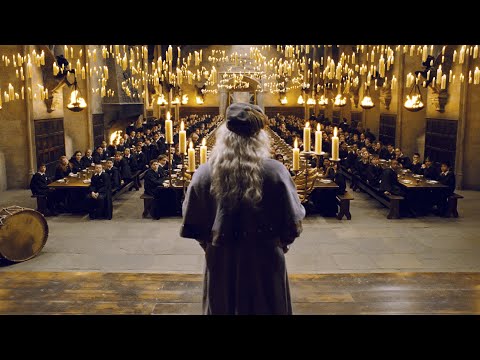
courage در ۳۰ ثانیه
- Courage is the ability to face fear, pain, or danger without losing your determination or moral principles.
- It is a noun used to describe both physical bravery and the moral strength to do what is right.
- Commonly paired with verbs like 'show,' 'summon,' or 'lack,' it is an essential quality for heroes and leaders.
- Unlike 'bravery,' which can be impulsive, 'courage' often implies a sustained and thoughtful response to a challenge.
Courage is a multifaceted concept that extends far beyond simple physical bravery. At its core, courage represents the psychological and moral fortitude required to face fear, pain, uncertainty, or intimidation. While we often associate the word with heroic acts in movies or historical battles, its most common application in daily life is found in the quiet moments of integrity. It is the internal engine that allows an individual to act according to their values even when the consequences might be personal loss or social rejection. In modern discourse, we use 'courage' to describe the resilience of a person facing a terminal illness, the determination of a student standing up to a bully, or the professional integrity of a whistleblower. It is not the absence of fear, but rather the judgment that something else is more important than fear. When people use this word, they are often conferring a high degree of respect upon the subject, acknowledging that the path taken was the difficult one.
- Moral Courage
- The ability to act rightly in the face of popular opposition or discouragement. It involves standing up for one's beliefs even when it is socially or professionally risky.
- Physical Courage
- Bravery in the face of physical pain, hardship, death, or threat of death. This is the traditional definition often applied to soldiers, firefighters, and athletes.
She showed incredible courage by speaking out against the unfair treatment of her colleagues.
The word is frequently used in political speeches to inspire action, in eulogies to honor the deceased, and in self-help contexts to encourage personal growth. It is a 'virtue' word, meaning it carries a positive moral weight. You wouldn't typically use 'courage' to describe someone doing something dangerous for a bad reason; that would more likely be called 'recklessness' or 'audacity.' Understanding the nuance of courage requires recognizing that it always involves a perceived risk. Without risk, there is no need for courage. This is why we often say someone 'found the courage' or 'summoned the courage,' suggesting that it is a resource drawn from deep within the self during times of crisis.
It takes a lot of courage to admit when you are wrong in front of a large audience.
In academic and philosophical circles, courage is often debated as one of the four cardinal virtues. Aristotle described it as the 'golden mean' between cowardice (too much fear) and rashness (too little fear). This suggests that true courage involves a rational assessment of danger. If you jump into a fire without a plan, you are rash; if you run away from a small candle, you are a coward; but if you enter a burning building to save a child while knowing the risks, you are showing courage. This distinction is vital for learners to understand because it highlights the 'intelligence' behind the emotion. Courage is a choice made by the mind to override the instinctual fear response of the body.
The explorers needed great courage to venture into the uncharted territories of the deep ocean.
- Everyday Context
- Asking for a raise, starting a new business, or moving to a new country all require courage.
He didn't have the courage to tell his parents that he wanted to drop out of medical school.
The civil rights leaders showed immense courage in their non-violent protests.
Using the word 'courage' effectively requires an understanding of its common verb pairings and prepositional structures. Most frequently, courage is the object of verbs that describe obtaining or demonstrating this quality. You 'have' courage, you 'show' courage, or you 'lack' courage. When a situation is particularly difficult, you might 'summon' or 'muster' your courage, which implies a conscious effort to pull strength from within. For example, 'I had to muster all my courage to step onto the stage.' This phrasing adds a layer of drama and effort to the sentence, making it more descriptive than simply saying 'I was brave.'
- Verb + Courage
- Common verbs include: show, display, exhibit, summon, muster, find, lack, lose, and require.
It took a great deal of courage for the young soldier to return to the front lines.
Another important structural aspect is the use of the preposition 'to' followed by an infinitive verb. We often say someone has the 'courage to [do something].' This specifies the action that requires the bravery. 'She had the courage to quit her stable job and pursue her passion for art.' Alternatively, we use 'of' when describing the type of courage, such as 'the courage of one's convictions.' This specific idiom means having the bravery to act according to your beliefs even when others disagree. It is a very common phrase in political and social commentary.
He lacked the courage to tell the truth, so he remained silent.
Adjectives also play a significant role in modifying 'courage.' You might hear 'remarkable courage,' 'extraordinary courage,' 'immense courage,' or 'dauntless courage.' These modifiers help scale the level of bravery being described. In a more negative or critical context, one might speak of 'Dutch courage,' which is a slang term referring to the false bravery gained from drinking alcohol. Understanding these nuances helps a learner move from basic communication to nuanced expression. For instance, saying 'He showed Dutch courage' is very different from saying 'He showed moral courage.'
The firefighters displayed courage far beyond the call of duty.
- Prepositional Phrases
- 'With courage' (adverbial use), 'Out of courage' (rare), 'The courage of...' (possessive).
She faced her illness with quiet courage and dignity.
Do you have the courage to stand up for what is right?
'Courage' is a staple of English literature, cinema, and public speaking. In the world of movies, perhaps the most famous reference is the Cowardly Lion from 'The Wizard of Oz,' who travels to see the Wizard specifically to ask for courage. This story teaches the classic lesson that courage is often something we already possess but haven't yet recognized. In modern cinema, superhero movies are essentially studies in different forms of courage—from the physical bravery of Captain America to the moral courage of characters who must make impossible ethical choices. When you watch a film where a character stands up to a corrupt system, you are watching a narrative centered on the theme of courage.
- Historical Speeches
- Winston Churchill and Martin Luther King Jr. frequently used 'courage' to galvanize their audiences during times of extreme crisis.
'Success is not final, failure is not fatal: it is the courage to continue that counts.' — Winston Churchill
In the news, you will hear 'courage' used to describe the actions of ordinary people in extraordinary circumstances. For example, during natural disasters, news anchors often report on the 'courage of first responders.' In the business world, CEOs are often praised for having the 'courage to innovate' or the 'courage to pivot' when a company is failing. This professional context usually refers to the willingness to take financial risks or to challenge established industry norms. It is also a common theme in sports commentary, where an athlete might be said to 'show great courage' by playing through an injury or coming back from a devastating loss.
The documentary highlighted the courage of the activists who risked everything for environmental protection.
Social media also plays a role in how we perceive courage today. The term 'courageous' is often applied to people who share personal struggles or vulnerabilities online. This 'vulnerability-as-courage' movement, popularized by researchers like Brené Brown, has shifted the public understanding of the word to include the bravery required to be seen as one truly is. Therefore, you might see a post about someone's 'courageous journey' with mental health. This demonstrates the word's evolution from a purely martial or physical attribute to a deeply emotional and psychological one. Whether in a graduation speech, a military commendation, or a heartfelt blog post, 'courage' remains one of the most powerful words in the English language to describe the human spirit.
It takes courage to grow up and become who you really are.
- Literature
- In 'To Kill a Mockingbird,' Atticus Finch defines courage as 'when you know you're licked before you begin but you begin anyway and you see it through no matter what.'
The mountain climber's courage was tested when the storm hit the peak.
We must find the courage to change the things we can no longer accept.
One of the most frequent mistakes learners make is confusing 'courage' with 'bravery.' While they are often used as synonyms, 'courage' usually implies a more internal, sustained, and moral quality, whereas 'bravery' often refers to a spontaneous, physical reaction to danger. You might be 'brave' for a second to catch a falling glass, but you need 'courage' to endure a year of difficult medical treatments. Another common error is using 'courage' as a countable noun. You cannot say 'He had many courages.' Instead, you should use 'acts of courage' or 'instances of courage.' This is a classic 'uncountable noun' trap that many B1 and B2 learners fall into.
- Countability Error
- Incorrect: 'He showed a courage.' Correct: 'He showed courage' or 'He showed an act of courage.'
It takes courage (not 'a courage') to admit your faults.
Prepositional errors are also common. Learners sometimes say 'courage for do' instead of 'courage to do.' Remember that 'courage' is almost always followed by the infinitive 'to' when describing an action. Another mistake is using the wrong verb to describe losing courage. While 'lose courage' is correct, 'drop courage' or 'fall courage' are not used in English. If you want to describe someone becoming less brave, you say they 'lost their nerve' or their 'courage failed them.' Understanding these fixed collocations is key to sounding like a native speaker.
His courage failed him at the last second, and he couldn't jump.
Lastly, be careful with the word 'courageousness.' While it is a technically valid word, it is rarely used. 'Courage' is almost always the preferred noun form. Using 'courageousness' can make your writing feel clunky and overly academic in a way that sounds unnatural. Similarly, avoid confusing 'courage' with 'confidence.' Confidence is a belief in your own ability, while courage is the willingness to act even when you lack that belief or feel afraid. You can have the courage to do something even if you have zero confidence that you will succeed. This distinction is subtle but important for advanced communication.
She had the courage to try, despite her lack of confidence.
- Spelling Tip
- The word comes from 'heart' (cor). Think of 'courage' as having a 'heart' (cour) for the 'age' (age).
Don't lose courage; things will get better soon.
It takes more courage to forgive than to seek revenge.
While 'courage' is a versatile word, English offers many alternatives that can provide more specific meaning depending on the context. 'Bravery' is the most common synonym, often used for physical acts of valor. 'Fortitude' is a more formal term that emphasizes mental and emotional strength in enduring pain or adversity over a long period. 'Grit' is a popular modern term, often used in psychology and education, to describe a combination of passion and perseverance for long-term goals. If you are describing someone who is brave in a very flashy or heroic way, you might use 'valor' or 'gallantry,' words often associated with military honors.
- Courage vs. Fortitude
- Courage is the initial act of facing fear; fortitude is the strength to keep going through long-term hardship.
- Courage vs. Grit
- Grit implies a 'toughness' and a refusal to quit, often in a professional or academic setting.
The marathon runner showed incredible grit as she crossed the finish line on a broken foot.
For more informal contexts, you might use words like 'guts' or 'pluck.' 'Guts' is a very common, slightly blunt way to describe courage: 'He has the guts to tell the boss he's wrong.' 'Pluck' is a bit more old-fashioned and suggests a spirited, determined kind of courage, often in a smaller or younger person. 'Mettle' is another sophisticated alternative, referring to a person's ability to cope well with difficulties or to face a demanding situation in a spirited and resilient way. You might say a difficult situation 'tested his mettle.' Using these alternatives correctly can significantly elevate your English proficiency.
It takes a lot of guts to start a business in this economy.
On the opposite end of the spectrum, understanding antonyms is equally important. 'Cowardice' is the direct opposite of courage, representing a lack of bravery. 'Timidity' suggests a lack of courage due to shyness or lack of confidence. 'Fearfulness' is the state of being afraid, which is the emotion that courage must overcome. By comparing courage to these opposites, we see that courage is a 'positive' action taken against a 'negative' state. In writing, you can create powerful contrast by using these words together: 'His courage stood in sharp contrast to the cowardice of his peers.' This type of sentence structure is common in high-level literature and journalism.
The soldier was awarded a medal for his valor on the battlefield.
- Register Check
- 'Guts' is informal; 'Courage' is neutral; 'Fortitude' is formal; 'Valor' is literary/military.
The team's mettle was tested during the final minutes of the championship game.
She showed great fortitude during her long recovery from the accident.
چقدر رسمی است؟
نکته جالب
Because the root is 'heart,' courage originally referred to a person's innermost feelings and character, not just their ability to face danger. This is why we still say things like 'take heart' to mean 'be brave.'
راهنمای تلفظ
- Pronouncing the 'ou' like 'house' (it should be a short 'u' sound).
- Pronouncing the 'g' like a hard 'g' in 'game' (it should be a soft 'j' sound).
- Stress on the second syllable.
- Confusing the pronunciation with 'encourage'.
- Adding an extra vowel sound at the end.
سطح دشواری
The word is common in literature and news, but its abstract nature can be tricky for beginners.
Using it with the correct collocations (summon, muster) requires practice.
The pronunciation is usually easy once the 'ou' sound is mastered.
It is a distinct-sounding word that is easy to recognize in speech.
بعداً چه یاد بگیریم؟
پیشنیازها
بعداً یاد بگیرید
پیشرفته
گرامر لازم
Uncountable Nouns
We say 'much courage' or 'a lot of courage,' but never 'many courages.'
Infinitive after Nouns
The noun 'courage' is often followed by a 'to-infinitive' (e.g., courage to speak).
Abstract Nouns
Courage is an abstract noun, meaning it refers to a quality rather than a physical object.
Adjective Formation
Add '-ous' to 'courage' to form the adjective 'courageous.'
Prefixes for Verbs
Use the prefix 'en-' to make the verb 'encourage' (to give courage).
مثالها بر اساس سطح
He has courage.
Il a du courage.
Subject + verb + noun.
The dog showed courage.
Le chien a montré du courage.
Past tense of 'show'.
I need courage today.
J'ai besoin de courage aujourd'hui.
Verb 'need' + noun.
You are full of courage.
Tu es plein de courage.
Adjective phrase 'full of'.
Courage is good.
Le courage est bon.
Simple definition sentence.
She has the courage to jump.
Elle a le courage de sauter.
Courage + to-infinitive.
Where is your courage?
Où est ton courage ?
Question form.
They have great courage.
Ils ont un grand courage.
Adjective 'great' modifying the noun.
It takes courage to speak a new language.
Il faut du courage pour parler une nouvelle langue.
It takes + noun + to-infinitive.
The firefighter showed courage in the fire.
Le pompier a montré du courage dans l'incendie.
Prepositional phrase 'in the fire'.
She didn't have the courage to say no.
Elle n'avait pas le courage de dire non.
Negative form 'didn't have'.
He found the courage to ask her out.
Il a trouvé le courage de lui proposer de sortir.
Verb 'found' implying a search for strength.
We admire her courage and strength.
Nous admirons son courage et sa force.
Compound object 'courage and strength'.
The little boy has more courage than me!
Le petit garçon a plus de courage que moi !
Comparative 'more... than'.
Courage helps us face our fears.
Le courage nous aide à affronter nos peurs.
Verb 'helps' + object + infinitive.
You must have courage to be a leader.
Tu dois avoir du courage pour être un leader.
Modal verb 'must'.
The explorer summoned all his courage to enter the cave.
L'explorateur a rassemblé tout son courage pour entrer dans la grotte.
Verb 'summoned' is a common B1 collocation.
It was an act of great courage to tell the truth.
C'était un acte de grand courage de dire la vérité.
Phrase 'act of courage'.
She lacked the courage to stand up to her boss.
Elle manquait de courage pour tenir tête à son patron.
Verb 'lacked' + noun.
His courage in the face of adversity was inspiring.
Son courage face à l'adversité était inspirant.
Prepositional phrase 'in the face of'.
You need moral courage to do what is right.
Il faut du courage moral pour faire ce qui est juste.
Adjective 'moral' specifying the type of courage.
The soldiers were praised for their extraordinary courage.
Les soldats ont été félicités pour leur courage extraordinaire.
Passive voice 'were praised'.
Don't lose courage; we are almost there.
Ne perds pas courage ; nous y sommes presque.
Imperative 'Don't lose'.
The film tells a story of courage and survival.
Le film raconte une histoire de courage et de survie.
Preposition 'of' introducing the themes.
She had the courage of her convictions and refused to back down.
Elle avait le courage de ses convictions et a refusé de céder.
Idiom 'courage of one's convictions'.
The whistleblower showed immense courage by exposing the corruption.
Le lanceur d'alerte a fait preuve d'un immense courage en dénonçant la corruption.
Gerund phrase 'by exposing'.
It requires considerable courage to admit one's mistakes publicly.
Il faut un courage considérable pour admettre ses erreurs publiquement.
Adjective 'considerable' for emphasis.
He was awarded a medal for his dauntless courage on the battlefield.
Il a reçu une médaille pour son courage intrépide sur le champ de bataille.
Adjective 'dauntless' is a high-level modifier.
The community found the courage to rebuild after the disaster.
La communauté a trouvé le courage de reconstruire après la catastrophe.
Verb 'found' with a collective subject.
His quiet courage was more impressive than any loud display of bravery.
Son courage tranquille était plus impressionnant que n'importe quelle démonstration de bravoure bruyante.
Comparative structure with 'more... than'.
She summoned the courage to confront her past.
Elle a rassemblé le courage d'affronter son passé.
Abstract use of 'confront'.
The entrepreneur's courage to innovate led to a major breakthrough.
Le courage d'innover de l'entrepreneur a mené à une percée majeure.
Possessive noun + courage + to-infinitive.
The senator's moral courage in voting against his party was widely noted.
Le courage moral du sénateur en votant contre son parti a été largement remarqué.
Complex noun phrase as subject.
It takes a rare kind of courage to challenge long-held scientific dogmas.
Il faut un type de courage rare pour remettre en question des dogmes scientifiques de longue date.
Adjective 'rare' and 'long-held' add precision.
Her unflinching courage in the face of terminal illness was a testament to her spirit.
Son courage inébranlable face à une maladie en phase terminale était un témoignage de son esprit.
Adjective 'unflinching' is highly formal.
The narrative explores the intersection of vulnerability and courage.
Le récit explore l'intersection de la vulnérabilité et du courage.
Academic verb 'explores'.
He lacked the intellectual courage to admit that his theory was flawed.
Il manquait de courage intellectuel pour admettre que sa théorie était erronée.
Specific type: 'intellectual courage'.
The poem is a moving tribute to the courage of ordinary people.
Le poème est un hommage émouvant au courage des gens ordinaires.
Noun phrase 'moving tribute to'.
They displayed a level of courage that bordered on the heroic.
Ils ont fait preuve d'un niveau de courage qui frisait l'héroïsme.
Relative clause 'that bordered on'.
To speak truth to power requires a profound sense of courage.
Dire la vérité au pouvoir exige un sens profond du courage.
Infinitive phrase as subject.
The protagonist's journey is a quintessential study in the nature of courage.
Le voyage du protagoniste est une étude quintessentielle de la nature du courage.
Adjective 'quintessential' for high-level precision.
His actions were characterized by a singular courage that defied easy categorization.
Ses actions étaient caractérisées par un courage singulier qui défiait toute catégorisation facile.
Passive construction with 'characterized by'.
The philosopher argued that courage is the ontological foundation of all virtues.
Le philosophe a soutenu que le courage est le fondement ontologique de toutes les vertus.
Academic term 'ontological'.
There is a subtle but vital distinction between courage and mere recklessness.
Il existe une distinction subtile mais vitale entre le courage et la simple témérité.
Noun 'recklessness' as a contrast.
She possessed an indomitable courage that no amount of hardship could suppress.
Elle possédait un courage indomptable qu'aucune épreuve ne pouvait réprimer.
Adjective 'indomitable' is very advanced.
The political landscape requires leaders with the courage to enact unpopular but necessary reforms.
Le paysage politique exige des dirigeants ayant le courage de promulguer des réformes impopulaires mais nécessaires.
Complex sentence with multiple modifiers.
The memoir captures the visceral reality of courage under fire.
Les mémoires capturent la réalité viscérale du courage sous le feu de l'ennemi.
Idiom 'under fire' used literally or figuratively.
He spoke with the quiet courage of a man who has nothing left to lose.
Il parlait avec le courage tranquille d'un homme qui n'a plus rien à perdre.
Relative clause 'who has nothing left to lose'.
مترادفها
متضادها
ترکیبهای رایج
عبارات رایج
— Be brave or feel encouraged in a difficult situation.
Take courage, my friend; the worst is over.
— The bravery to act according to one's beliefs.
She had the courage of her convictions and voted against the bill.
— Examples of people who have shown great bravery.
The book features several profiles in courage from history.
— To force yourself to be brave for a specific task.
I had to screw up my courage to ask for a raise.
— An instance where someone shows they are brave.
It was a magnificent display of courage by the young pilot.
— A specific brave action.
Saving the child from the river was a true act of courage.
— To become afraid and stop doing something.
He lost his courage at the last minute and didn't jump.
— Doing something in a very brave manner.
She faced the challenge with great courage.
— Something that needs bravery to be done.
The mission required courage and precision.
— A personality that is naturally brave.
He was known for his kind and courageous heart.
اغلب اشتباه گرفته میشود با
Bravery is often physical and impulsive; courage is often moral and sustained.
Confidence is believing you can do it; courage is doing it even if you're afraid you can't.
Encourage is a verb (to give courage); courage is the noun (the quality itself).
اصطلاحات و عبارات
— False bravery that comes from drinking alcohol.
He needed a bit of Dutch courage before he could give the speech.
Informal— To face a difficult situation directly and with courage.
She decided to take the bull by the horns and confront her manager.
Neutral— Trying to stay brave or optimistic in a scary situation.
He said he wasn't worried, but I think he was just whistling in the dark.
Informal— To show courage and not show emotion during a hard time.
The British are famous for keeping a stiff upper lip during crises.
Neutral/Cultural— To have the courage or nerves to do something unpleasant.
I don't think I have the stomach for another horror movie.
Informal— To accept something difficult or unpleasant with courage.
I'm going to have to bite the bullet and tell him the bad news.
Neutral— To accept the unpleasant consequences of one's actions with courage.
After breaking the window, he had to go home and face the music.
Neutral— To prepare yourself for a difficult or dangerous task.
Gird your loins; the meeting with the investors is going to be tough.
Literary/Humorous— To refuse to retreat or change your mind when faced with opposition.
Even when everyone disagreed, she stood her ground with courage.
Neutral— To take a great risk, often to help someone else or for a belief.
He put his neck on the line to defend his colleague's reputation.
Informalبهراحتی اشتباه گرفته میشود
They are very close synonyms.
Bravery is more about the action; courage is more about the internal state of mind.
His bravery in the fire was amazing, but his courage during his illness was even more so.
Both involve taking risks.
Audacity often has a negative connotation of being rude or too bold; courage is always positive.
He had the audacity to lie to me, but the courage to admit it later.
Both mean strength.
Fortitude is specifically about enduring pain or hardship over a long time.
The refugees showed great fortitude during their long journey.
Both involve perseverance.
Grit is more about hard work and not giving up on a goal; courage is about facing fear.
She had the grit to study every night and the courage to take the difficult exam.
Both refer to being brave.
Nerve often refers to coolness under pressure or sometimes to being impolite (e.g., 'What a nerve!').
He lost his nerve at the last second and didn't jump.
الگوهای جملهسازی
I have courage.
I have courage to go to the doctor.
It takes courage to [verb].
It takes courage to say sorry.
[Subject] summoned the courage to [verb].
He summoned the courage to ask for help.
Show courage in the face of [noun].
She showed courage in the face of danger.
The courage of one's convictions.
He had the courage of his convictions to leave the party.
[Adjective] courage was [adjective].
His remarkable courage was praised by all.
A testament to [possessive] courage.
The success was a testament to her courage.
[Noun] characterized by [adjective] courage.
The era was characterized by unflinching courage.
خانواده کلمه
اسمها
فعلها
صفتها
مرتبط
نحوه استفاده
Very common in both spoken and written English.
-
He has a great courage.
→
He has great courage.
Courage is an uncountable noun and does not take the indefinite article 'a'.
-
She showed courage for tell the truth.
→
She showed courage to tell the truth.
The noun courage is followed by the 'to-infinitive', not 'for' + verb.
-
He dropped his courage.
→
He lost his courage.
The standard collocation for becoming less brave is 'to lose one's courage.'
-
You are very courage.
→
You are very courageous.
Courage is a noun; you need the adjective 'courageous' to describe a person.
-
He had the courage of his conviction.
→
He had the courage of his convictions.
The idiom is always used in the plural: 'convictions.'
نکات
Uncountable Noun
Remember that courage is uncountable. Never use it with 'a' or in the plural form. Say 'He showed great courage' rather than 'He showed a courage.'
Verb Pairings
Learn the verbs that go with courage: summon, muster, find, show, and lack. These will make your English sound much more natural.
Moral vs Physical
In your writing, try to specify if you mean moral courage (standing up for beliefs) or physical courage (facing physical danger).
Encouragement
Use the phrase 'Take courage' when you want to support someone. It's a very warm and formal way to say 'be brave.'
Avoid Overuse
While 'courage' is a great word, don't use it in every sentence. Mix it up with 'bravery,' 'grit,' or 'fortitude' to keep your writing interesting.
Idiom Alert
Be careful with 'Dutch courage.' It's not a compliment! Only use it if you are talking about someone being brave because they are drunk.
The Heart Connection
Remember that 'cor' means heart. Courage is 'heart-strength.' This will help you remember the meaning and the spelling.
The 'To' Rule
Always use 'to' + a verb after courage. 'The courage to speak,' 'The courage to act,' 'The courage to change.'
Cardinal Virtue
In academic essays, you can refer to courage as one of the 'cardinal virtues' to show a higher level of vocabulary.
Soft G
Listen for the soft 'g' sound. It's the same sound as in 'age' or 'orange.' This is a key part of the word's identity.
حفظ کنید
روش یادسپاری
Think of the word 'CORE.' Courage comes from your 'core' (your heart). If you have courage, you have a strong core.
تداعی تصویری
Imagine a lion with a large, glowing heart inside its chest. The lion is the symbol of courage, and the heart is the root of the word.
شبکه واژگان
چالش
Try to use 'courage' in three different sentences today: one about a friend, one about a historical figure, and one about yourself.
ریشه کلمه
The word 'courage' entered Middle English from Old French 'corage,' which itself came from the Vulgar Latin 'coraticum.'
معنای اصلی: The root of the word is the Latin 'cor,' meaning 'heart.' In its earliest sense, courage meant to speak one's mind by telling all one's heart.
Indo-European > Italic > Romance > French > English.بافت فرهنگی
Be careful not to confuse 'courage' with 'recklessness.' Calling someone's dangerous and foolish act 'courageous' can be seen as insulting to true bravery.
In the UK and US, courage is often associated with 'underdogs' who stand up to powerful forces.
تمرین در زندگی واقعی
موقعیتهای واقعی
Personal Growth
- Find the courage to change
- Face your fears
- Step out of your comfort zone
- Believe in yourself
Military/Emergency Services
- Gallantry in action
- Beyond the call of duty
- Unflinching bravery
- Decorated for courage
Social Justice
- Moral courage
- Stand up for what is right
- Speak truth to power
- Defy injustice
Business/Innovation
- Courage to innovate
- Take a calculated risk
- Challenge the status quo
- Pioneer spirit
Healthcare/Illness
- Quiet courage
- Battle against illness
- Incredible fortitude
- Strength of spirit
شروعکنندههای مکالمه
“When was a time you had to show great courage in your life?”
“Who is the most courageous person you know, and why?”
“Do you think courage is something people are born with, or can it be learned?”
“Is it more courageous to fight or to walk away from a fight?”
“What is the difference between being courageous and being reckless?”
موضوعات نگارش
Describe a situation where you lacked the courage to do something. What would you do differently now?
Write about a historical figure whose courage changed the world. What can we learn from them?
How does having courage help you in your journey to learn a new language?
Reflect on the concept of 'moral courage.' When have you seen someone stand up for their beliefs?
If you had unlimited courage for one day, what is the first thing you would do?
سوالات متداول
10 سوالCourage is a noun. The adjective form is 'courageous.' For example, 'He has courage' (noun) and 'He is courageous' (adjective).
No, courage is an uncountable noun. You should say 'some courage,' 'great courage,' or 'an act of courage' instead.
Moral courage is the bravery to do what is right even when it is unpopular or risky to your reputation or career.
It is an idiom that refers to the false bravery someone gets from drinking alcohol. It is usually used in a slightly negative or humorous way.
To 'summon your courage' means to make a great effort to be brave when you are very afraid. Example: 'She summoned her courage and entered the dark room.'
While they are similar, courage often implies a moral or mental strength that lasts a long time, while bravery is often a quick, physical reaction.
Yes, it is a real word, but it is very rarely used. It is almost always better to just use the word 'courage.'
The most common opposite is 'cowardice.' Other opposites include 'timidity' and 'fearfulness.'
In very rare literary contexts, you might see 'courages,' but in 99% of English usage, it is strictly uncountable.
It is pronounced 'KUR-idj.' The first syllable sounds like 'current' and the second sounds like 'bridge' without the 'br'.
خودت رو بسنج 190 سوال
Write a sentence using 'courage' to describe a historical figure.
خوب نوشتید! تلاش خوبی بود! پاسخ نمونه را ببینید.
Write a sentence using 'summoned the courage'.
خوب نوشتید! تلاش خوبی بود! پاسخ نمونه را ببینید.
Write a sentence using 'moral courage'.
خوب نوشتید! تلاش خوبی بود! پاسخ نمونه را ببینید.
Write a sentence using 'courageous'.
خوب نوشتید! تلاش خوبی بود! پاسخ نمونه را ببینید.
Write a sentence using 'lack of courage'.
خوب نوشتید! تلاش خوبی بود! پاسخ نمونه را ببینید.
Describe a time you showed courage.
خوب نوشتید! تلاش خوبی بود! پاسخ نمونه را ببینید.
Write a sentence using 'act of courage'.
خوب نوشتید! تلاش خوبی بود! پاسخ نمونه را ببینید.
Write a sentence using 'find the courage'.
خوب نوشتید! تلاش خوبی بود! پاسخ نمونه را ببینید.
Write a sentence using 'courage of her convictions'.
خوب نوشتید! تلاش خوبی بود! پاسخ نمونه را ببینید.
Write a sentence using 'Dutch courage'.
خوب نوشتید! تلاش خوبی بود! پاسخ نمونه را ببینید.
Write a sentence using 'unflinching courage'.
خوب نوشتید! تلاش خوبی بود! پاسخ نمونه را ببینید.
Write a sentence using 'takes courage'.
خوب نوشتید! تلاش خوبی بود! پاسخ نمونه را ببینید.
Write a sentence using 'courageously'.
خوب نوشتید! تلاش خوبی بود! پاسخ نمونه را ببینید.
Write a sentence using 'summoned all his courage'.
خوب نوشتید! تلاش خوبی بود! پاسخ نمونه را ببینید.
Write a sentence using 'remarkable courage'.
خوب نوشتید! تلاش خوبی بود! پاسخ نمونه را ببینید.
Write a sentence using 'courage to continue'.
خوب نوشتید! تلاش خوبی بود! پاسخ نمونه را ببینید.
Write a sentence using 'lose courage'.
خوب نوشتید! تلاش خوبی بود! پاسخ نمونه را ببینید.
Write a sentence using 'physical courage'.
خوب نوشتید! تلاش خوبی بود! پاسخ نمونه را ببینید.
Write a sentence using 'muster the courage'.
خوب نوشتید! تلاش خوبی بود! پاسخ نمونه را ببینید.
Write a sentence using 'courageous act'.
خوب نوشتید! تلاش خوبی بود! پاسخ نمونه را ببینید.
Pronounce the word 'courage' clearly.
این را بلند بخوانید:
تو گفتی:
تشخیص گفتار در مرورگر شما پشتیبانی نمیشود. از کروم یا اج استفاده کنید.
Explain what 'moral courage' means to you.
این را بلند بخوانید:
تو گفتی:
تشخیص گفتار در مرورگر شما پشتیبانی نمیشود. از کروم یا اج استفاده کنید.
Tell a short story about a courageous person.
این را بلند بخوانید:
تو گفتی:
تشخیص گفتار در مرورگر شما پشتیبانی نمیشود. از کروم یا اج استفاده کنید.
Use 'summoned the courage' in a sentence.
این را بلند بخوانید:
تو گفتی:
تشخیص گفتار در مرورگر شما پشتیبانی نمیشود. از کروم یا اج استفاده کنید.
What is the difference between courage and fear?
این را بلند بخوانید:
تو گفتی:
تشخیص گفتار در مرورگر شما پشتیبانی نمیشود. از کروم یا اج استفاده کنید.
Pronounce 'courageous' and 'courageously'.
این را بلند بخوانید:
تو گفتی:
تشخیص گفتار در مرورگر شما پشتیبانی نمیشود. از کروم یا اج استفاده کنید.
Give an example of 'Dutch courage'.
این را بلند بخوانید:
تو گفتی:
تشخیص گفتار در مرورگر شما پشتیبانی نمیشود. از کروم یا اج استفاده کنید.
How do you 'find the courage' to do something hard?
این را بلند بخوانید:
تو گفتی:
تشخیص گفتار در مرورگر شما پشتیبانی نمیشود. از کروم یا اج استفاده کنید.
Who is a hero with great courage?
این را بلند بخوانید:
تو گفتی:
تشخیص گفتار در مرورگر شما پشتیبانی نمیشود. از کروم یا اج استفاده کنید.
Is it courageous to admit you are scared?
این را بلند بخوانید:
تو گفتی:
تشخیص گفتار در مرورگر شما پشتیبانی نمیشود. از کروم یا اج استفاده کنید.
Use 'take courage' in a sentence.
این را بلند بخوانید:
تو گفتی:
تشخیص گفتار در مرورگر شما پشتیبانی نمیشود. از کروم یا اج استفاده کنید.
What does 'grit' mean to you?
این را بلند بخوانید:
تو گفتی:
تشخیص گفتار در مرورگر شما پشتیبانی نمیشود. از کروم یا اج استفاده کنید.
Describe a courageous act you saw in a movie.
این را بلند بخوانید:
تو گفتی:
تشخیص گفتار در مرورگر شما پشتیبانی نمیشود. از کروم یا اج استفاده کنید.
Why is courage important for a leader?
این را بلند بخوانید:
تو گفتی:
تشخیص گفتار در مرورگر شما پشتیبانی نمیشود. از کروم یا اج استفاده کنید.
Can courage be taught?
این را بلند بخوانید:
تو گفتی:
تشخیص گفتار در مرورگر شما پشتیبانی نمیشود. از کروم یا اج استفاده کنید.
What is 'physical courage'?
این را بلند بخوانید:
تو گفتی:
تشخیص گفتار در مرورگر شما پشتیبانی نمیشود. از کروم یا اج استفاده کنید.
Use 'muster the courage' in a sentence.
این را بلند بخوانید:
تو گفتی:
تشخیص گفتار در مرورگر شما پشتیبانی نمیشود. از کروم یا اج استفاده کنید.
What is the opposite of a courageous person?
این را بلند بخوانید:
تو گفتی:
تشخیص گفتار در مرورگر شما پشتیبانی نمیشود. از کروم یا اج استفاده کنید.
Is it courageous to say 'no'?
این را بلند بخوانید:
تو گفتی:
تشخیص گفتار در مرورگر شما پشتیبانی نمیشود. از کروم یا اج استفاده کنید.
How do you feel when you show courage?
این را بلند بخوانید:
تو گفتی:
تشخیص گفتار در مرورگر شما پشتیبانی نمیشود. از کروم یا اج استفاده کنید.
Listen and identify the word: 'It takes a lot of [courage] to speak up.'
Listen for the adjective: 'She is a [courageous] woman.'
Listen for the verb: 'He [summoned] his courage.'
Listen for the phrase: 'He has the [courage of his convictions].'
Listen for the idiom: 'He needed some [Dutch courage].'
Listen for the adverb: 'They fought [courageously].'
Listen for the synonym: 'He showed great [valor].'
Listen for the opposite: 'His [cowardice] was obvious.'
Listen for the collocation: '[Moral] courage is rare.'
Listen for the modifier: '[Immense] courage was shown.'
Listen for the noun: 'The [act] of courage was recorded.'
Listen for the verb: 'She [lacked] the courage.'
Listen for the preposition: 'Courage [to] face the truth.'
Listen for the root word: 'The root is [heart].'
Listen for the quote: '[Success] is the courage to continue.'
/ 190 درست
نمره کامل!
Summary
Courage is not the absence of fear, but the triumph over it. For example, 'The student showed courage by reporting the cheating, even though she knew her classmates would be angry.'
- Courage is the ability to face fear, pain, or danger without losing your determination or moral principles.
- It is a noun used to describe both physical bravery and the moral strength to do what is right.
- Commonly paired with verbs like 'show,' 'summon,' or 'lack,' it is an essential quality for heroes and leaders.
- Unlike 'bravery,' which can be impulsive, 'courage' often implies a sustained and thoughtful response to a challenge.
Uncountable Noun
Remember that courage is uncountable. Never use it with 'a' or in the plural form. Say 'He showed great courage' rather than 'He showed a courage.'
Verb Pairings
Learn the verbs that go with courage: summon, muster, find, show, and lack. These will make your English sound much more natural.
Moral vs Physical
In your writing, try to specify if you mean moral courage (standing up for beliefs) or physical courage (facing physical danger).
Encouragement
Use the phrase 'Take courage' when you want to support someone. It's a very warm and formal way to say 'be brave.'