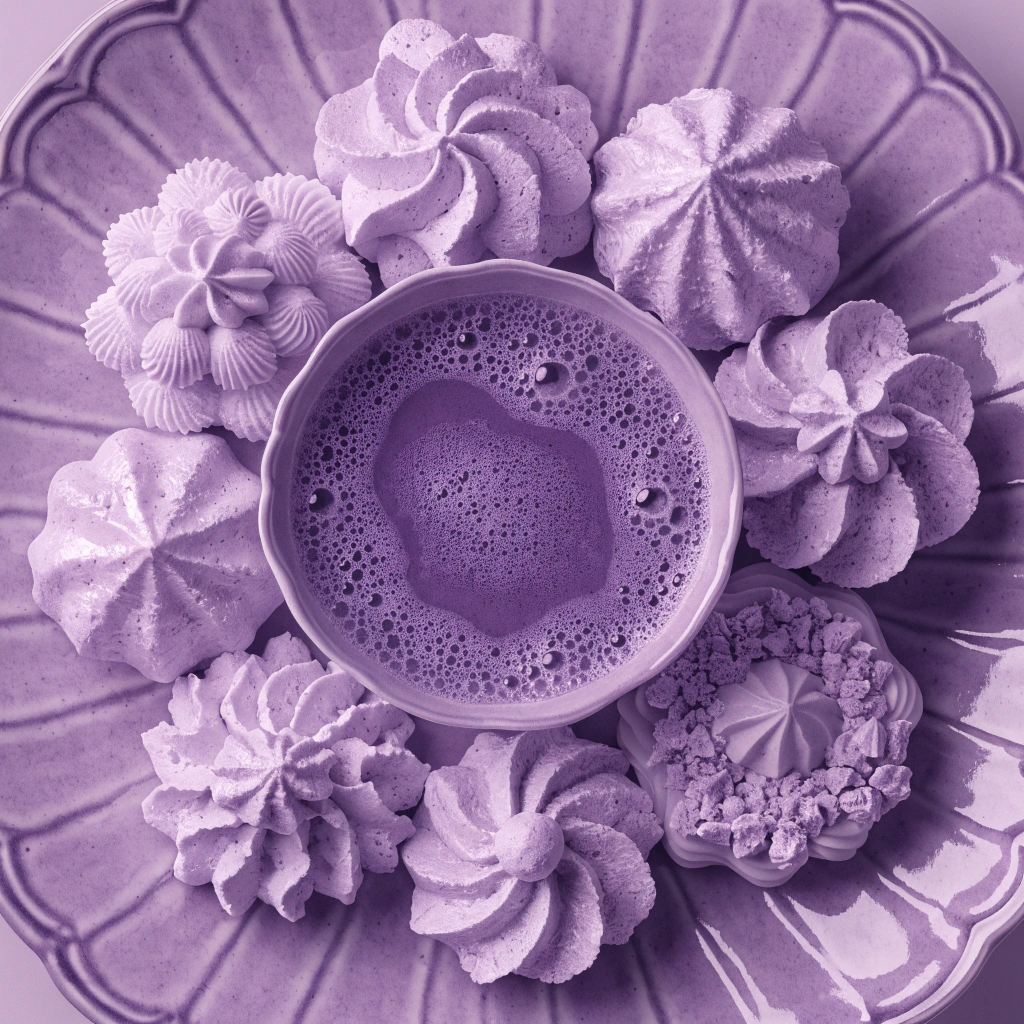
Green Tea and Sweet Treats in Japan
Matcha is a famous green tea from Japan. It is a green powder. People mix the powder with hot water. The tea is very bitter. Japanese people drink Matcha with small sweets. These sweets are called Wagashi. Wagashi are very beautiful. They look like flowers or fruit. Wagashi are very sweet. The sweet taste of Wagashi is good with the bitter tea. This is a special tradition in Japan. Many people visit Japan to try this tea. It is a quiet and happy time.
व्याकरण स्पॉटलाइट
पैटर्न: Present Simple 'to be'
"Matcha is a famous green tea from Japan."
We use 'is' for one person or thing. It helps us describe facts or how things look.
पैटर्न: Present Simple Action Verbs
"People mix the powder with hot water."
Use the basic form of the verb for plural subjects like 'people'. It describes a regular action.
अपनी समझ जाँचें
10 सवाल · A1 शुरुआती · 1 मुफ्त प्रीव्यू
इस लेख से आपने जो सीखा उसकी जाँच करें। सभी सवालों के जवाब दें और XP कमाएँ!
What is Wagashi?
क्या आप क्विज़ समाप्त करना चाहते हैं?
9 और सवाल आपका इंतज़ार कर रहे हैं। पूरा क्विज़ अनलॉक करने और XP कमाने के लिए मुफ्त साइन अप करें!
मुफ़्त साइन अप करोपहले से अकाउंट है? साइन इन करो
बहुत बढ़िया!
अभ्यास जारी रखें!
पहले से पूर्ण — कोई अतिरिक्त XP नहीं
XP कमाने के लिए साइन अप करोसवालों का विवरण
What is Wagashi?
आपका जवाब:
सही जवाब: A sweet treat
The Matcha tea is very sweet.
आपका जवाब:
सही जवाब: गलत
What does 'bitter' mean?
आपका जवाब:
सही जवाब: A strong, sharp taste
People mix the _____ with hot water.
आपका जवाब:
सही जवाब: powder
जापान में माचा और वागाशी: एक खास अनुभव
जापान में, माचा और वागाशी का मेल बहुत प्रसिद्ध है। यह सिर्फ खाने का अनुभव नहीं है, बल्कि यह जापानी संस्कृति और मेहमाननवाज़ी का एक महत्वपूर्ण हिस्सा है। माचा एक ख़ास हरी चाय है और वागाशी पारंपरिक जापानी मिठाइयाँ हैं।
माचा को सबसे पहले 12वीं सदी में बौद्ध भिक्षुओं ने जापान लाया था। वे इसे ध्यान करते समय इस्तेमाल करते थे। धीरे-धीरे, यह 'चानोयू' नाम की चाय समारोह का हिस्सा बन गया। ये समारोह बहुत शांत और सुंदर होते हैं।
माचा अक्सर थोड़ा कड़वा होता है। इसलिए, इसे हमेशा वागाशी के साथ परोसा जाता है। वागाशी मीठी होती है, और यह माचा के कड़वे स्वाद को संतुलित करती है। वागाशी कई रंगों और आकारों में आती हैं, और वे अक्सर प्रकृति से प्रेरित होती हैं, जैसे फूल या पत्तियाँ।
यह मेल जापान की सुंदरता और परंपरा को दिखाता है। जब आप माचा और वागाशी का स्वाद लेते हैं, तो आप जापान की पुरानी कहानियों और कला को भी समझते हैं। यह एक शांत और यादगार अनुभव होता है।
व्याकरण स्पॉटलाइट
पैटर्न: सामान्य भूतकाल (Simple Past Tense)
"माचा को सबसे पहले 12वीं सदी में बौद्ध भिक्षुओं ने जापान लाया था।"
यह क्रिया दर्शाती है कि कोई कार्य भूतकाल में हुआ था और पूरा हो गया था। 'लाया था' (पुरुष एकवचन) क्रिया 'लाना' (to bring) के सामान्य भूतकाल का रूप है। इसका प्रयोग अक्सर 'ने' कारक चिह्न के साथ होता है।
पैटर्न: होता है / होती है (General Truths/Characteristics)
"माचा अक्सर थोड़ा कड़वा होता है।"
यह पैटर्न किसी सामान्य सत्य, आदत या किसी चीज़ की विशेषता बताने के लिए उपयोग होता है। 'होता है' पुल्लिंग एकवचन के लिए और 'होती है' स्त्रीलिंग एकवचन के लिए प्रयोग होता है।
अपनी समझ जाँचें
11 सवाल · A2 बिगिनर · 1 मुफ्त प्रीव्यू
इस लेख से आपने जो सीखा उसकी जाँच करें। सभी सवालों के जवाब दें और XP कमाएँ!
माचा और वागाशी का मेल जापान में किस चीज़ का महत्वपूर्ण हिस्सा है?
क्या आप क्विज़ समाप्त करना चाहते हैं?
10 और सवाल आपका इंतज़ार कर रहे हैं। पूरा क्विज़ अनलॉक करने और XP कमाने के लिए मुफ्त साइन अप करें!
मुफ़्त साइन अप करोपहले से अकाउंट है? साइन इन करो
बहुत बढ़िया!
अभ्यास जारी रखें!
पहले से पूर्ण — कोई अतिरिक्त XP नहीं
XP कमाने के लिए साइन अप करोसवालों का विवरण
माचा और वागाशी का मेल जापान में किस चीज़ का महत्वपूर्ण हिस्सा है?
आपका जवाब:
सही जवाब: जापानी संस्कृति और मेहमाननवाज़ी
माचा को 15वीं सदी में जापान लाया गया था।
आपका जवाब:
सही जवाब: गलत
'कड़वा' शब्द का क्या अर्थ है?
आपका जवाब:
सही जवाब: एक प्रकार का स्वाद, जो मीठा या खट्टा नहीं होता
माचा को सबसे पहले 12वीं सदी में बौद्ध ______ ने जापान लाया था।
आपका जवाब:
सही जवाब: भिक्षुओं
वागाशी माचा के कड़वे स्वाद को क्या करती है?
आपका जवाब:
सही जवाब: संतुलित करती है
The Art of Matcha and Wagashi: A Taste of Japanese Tradition
Matcha is a special type of green tea that has been part of Japanese culture for centuries. Originally, it was brought to Japan by Buddhist monks who used it to stay awake during long meditation sessions. Today, it is famous all over the world, but the traditional way of drinking it is still very important in Japan.
The traditional tea ceremony, which is called 'Chanoyu', is a very calm and careful process. In this ceremony, the tea is prepared by a host who follows many strict rules. The Matcha powder is mixed with hot water using a bamboo whisk until it becomes frothy. Because the tea is quite bitter, it is always served with traditional Japanese sweets known as 'Wagashi'.
Wagashi are beautiful treats that are often shaped like flowers or symbols of the seasons. They are made from natural ingredients like sweetened bean paste and rice flour. These sweets, which are served before the tea, help to balance the strong flavor of the Matcha. The combination of the sweet snack and the bitter tea has been enjoyed by people for a long time because it creates a perfect harmony.
In recent years, Matcha has become very popular in modern cafes too. You can find Matcha lattes and ice cream almost everywhere. However, many people still prefer the traditional experience because it allows them to slow down and enjoy the moment. This ritual is not just about drinking tea; it is about hospitality and respect. If you ever visit Japan, you should try this unique pairing.
व्याकरण स्पॉटलाइट
पैटर्न: Passive Voice
"In this ceremony, the tea is prepared by a host who follows many strict rules."
The passive voice is used when the focus is on the action or the object rather than the person doing it. It is formed using 'be' + past participle.
पैटर्न: Relative Clauses
"Wagashi are beautiful treats that are often shaped like flowers or symbols of the seasons."
Relative clauses use words like 'that', 'which', or 'who' to give more information about a noun without starting a new sentence.
अपनी समझ जाँचें
11 सवाल · B1 मध्यम · 1 मुफ्त प्रीव्यू
इस लेख से आपने जो सीखा उसकी जाँच करें। सभी सवालों के जवाब दें और XP कमाएँ!
Why did Buddhist monks originally use Matcha?
क्या आप क्विज़ समाप्त करना चाहते हैं?
10 और सवाल आपका इंतज़ार कर रहे हैं। पूरा क्विज़ अनलॉक करने और XP कमाने के लिए मुफ्त साइन अप करें!
मुफ़्त साइन अप करोपहले से अकाउंट है? साइन इन करो
बहुत बढ़िया!
अभ्यास जारी रखें!
पहले से पूर्ण — कोई अतिरिक्त XP नहीं
XP कमाने के लिए साइन अप करोसवालों का विवरण
Why did Buddhist monks originally use Matcha?
आपका जवाब:
सही जवाब: To stay awake during meditation
Wagashi are usually made from artificial chemicals and sugar.
आपका जवाब:
सही जवाब: गलत
What does 'harmony' mean in the context of the article?
आपका जवाब:
सही जवाब: A pleasing combination
The Matcha powder is mixed with hot water using a bamboo _____.
आपका जवाब:
सही जवाब: whisk
When are Wagashi sweets served during the ceremony?
आपका जवाब:
सही जवाब: Before the tea is served
जापान का माचा और वागाशी: एक सांस्कृतिक संगम
जापानी संस्कृति में माचा (बारीक पिसी हुई हरी चाय) और वागाशी (पारंपरिक जापानी मिठाइयाँ) का मेल केवल एक साधारण जलपान नहीं है, बल्कि यह एक अनुष्ठानिक अनुभव है जो जापानी सौंदर्यशास्त्र और आतिथ्य के सार को दर्शाता है। यह एक ऐसी प्रथा है जो सदियों से चली आ रही है और जिसने जापान की चाय परंपरा को गहराई से प्रभावित किया है।
माचा का इतिहास 12वीं शताब्दी में बौद्ध भिक्षुओं द्वारा जापान में इसके आगमन से जुड़ा है। वे इसे ध्यान के दौरान एकाग्रता बढ़ाने वाले पेय के रूप में इस्तेमाल करते थे। समय के साथ, इस चाय का सेवन एक औपचारिक कला में विकसित हुआ जिसे 'चानोयू' या जापानी चाय समारोह के नाम से जाना जाता है। चानोयू सिर्फ चाय पीने का एक तरीका नहीं, बल्कि एक आध्यात्मिक और कलात्मक अभ्यास है जो सद्भाव, सम्मान, पवित्रता और शांति के सिद्धांतों पर आधारित है।
इस समारोह में उपयोग की जाने वाली उच्च श्रेणी की माचा, जिसे विशेष रूप से उगाया और तैयार किया जाता है, अपने तीव्र और केंद्रित कड़वेपन के लिए जानी जाती है। इस अनूठे स्वाद को संतुलित करने और तालु को सुखद अनुभव प्रदान करने के उद्देश्य से, पारंपरिक रूप से माचा के साथ वागाशी परोसी जाती है। वागाशी सिर्फ मिठाइयाँ नहीं हैं; वे कला के छोटे-छोटे नमूने हैं जो अक्सर प्रकृति की सुंदरता, मौसमों के बदलाव और जापानी साहित्य से प्रेरित होते हैं।
वागाशी की बनावट, रंग और आकार अत्यंत परिष्कृत होते हैं। इन्हें चावल के आटे, फलियों के पेस्ट (अज़ुकी बीन्स), फलों और प्राकृतिक रंगों का उपयोग करके सावधानीपूर्वक बनाया जाता है। प्रत्येक वागाशी का अपना एक प्रतीकात्मक अर्थ होता है और इसे अक्सर मौसम के अनुसार बदला जाता है – वसंत में चेरी ब्लॉसम, ग्रीष्म में हाइड्रेंजिया, शरद में मेपल पत्तियां और शीत में हिमपात के रूपांकन। यह मौसमी बदलाव चाय समारोह के समग्र अनुभव को और समृद्ध करता है।
माचा और वागाशी का संयोजन एक सामंजस्यपूर्ण द्वंद्व प्रस्तुत करता है: माचा का कड़वापन वागाशी की मिठास से पूरी तरह संतुलित होता है। यह तालमेल न केवल स्वाद कलिकाओं को संतुष्ट करता है, बल्कि यह एक गहरी सांस्कृतिक समझ और संवेदनशीलता को भी बढ़ावा देता है। यह अनुभव मेहमानों के प्रति सम्मान और प्रकृति के साथ गहरे जुड़ाव को दर्शाता है। जापान में, यह परंपरा केवल एक भोजन नहीं, बल्कि एक कला रूप है जो धैर्य, ध्यान और सौंदर्य की सराहना को सिखाता है। परिणामस्वरूप, माचा और वागाशी का यह युग्म जापान की समृद्ध सांस्कृतिक विरासत का एक अभिन्न अंग बन गया है।
व्याकरण स्पॉटलाइट
पैटर्न: -ते हुए (While doing / By doing)
"वे इसे ध्यान के दौरान एकाग्रता बढ़ाने वाले पेय के रूप में इस्तेमाल करते थे।"
यह क्रिया विशेषण वाक्यांश क्रिया के साथ 'हुए' का प्रयोग करके बनता है, और यह बताता है कि एक क्रिया करते समय दूसरी क्रिया भी हो रही थी। यह मुख्य क्रिया के साथ-साथ होने वाली क्रिया को दर्शाता है। उदाहरण में, 'ध्यान करते हुए' का अर्थ है 'जब वे ध्यान कर रहे थे'। यह किसी क्रिया के दौरान की स्थिति या तरीके को व्यक्त करता है।
पैटर्न: न केवल... बल्कि (Not only... but also)
"यह तालमेल न केवल स्वाद कलिकाओं को संतुष्ट करता है, बल्कि यह एक गहरी सांस्कृतिक समझ और संवेदनशीलता को भी बढ़ावा देता है।"
यह एक संयुक्त संयोजक है जिसका उपयोग दो समान या संबंधित विचारों को जोड़ने के लिए किया जाता है, जिसमें दूसरे विचार पर अधिक जोर दिया जाता है। इसका अर्थ है 'सिर्फ यह ही नहीं, बल्कि वह भी'। यह किसी बात के दो पहलुओं को उजागर करने या किसी तथ्य की व्यापकता को दर्शाने के लिए प्रयोग किया जाता है।
पैटर्न: के उद्देश्य से (With the aim of / For the purpose of)
"इस अनूठे स्वाद को संतुलित करने और तालु को सुखद अनुभव प्रदान करने के उद्देश्य से, पारंपरिक रूप से माचा के साथ वागाशी परोसी जाती है।"
यह वाक्यांश किसी क्रिया के पीछे के लक्ष्य या प्रयोजन को व्यक्त करता है। यह बताता है कि कोई कार्य किस खास मकसद या इरादे से किया गया है। इसका प्रयोग अक्सर औपचारिक या अकादमिक लेखन में होता है।
अपनी समझ जाँचें
11 सवाल · B2 अपर इंटरमीडिएट · 1 मुफ्त प्रीव्यू
इस लेख से आपने जो सीखा उसकी जाँच करें। सभी सवालों के जवाब दें और XP कमाएँ!
माचा जापान में सबसे पहले किस उद्देश्य से लाया गया था?
क्या आप क्विज़ समाप्त करना चाहते हैं?
10 और सवाल आपका इंतज़ार कर रहे हैं। पूरा क्विज़ अनलॉक करने और XP कमाने के लिए मुफ्त साइन अप करें!
मुफ़्त साइन अप करोपहले से अकाउंट है? साइन इन करो
बहुत बढ़िया!
अभ्यास जारी रखें!
पहले से पूर्ण — कोई अतिरिक्त XP नहीं
XP कमाने के लिए साइन अप करोसवालों का विवरण
माचा जापान में सबसे पहले किस उद्देश्य से लाया गया था?
आपका जवाब:
सही जवाब: ध्यान के दौरान एकाग्रता बढ़ाने के लिए
चानोयू केवल चाय पीने का एक तरीका है और इसमें कोई आध्यात्मिक या कलात्मक पहलू नहीं है।
आपका जवाब:
सही जवाब: गलत
लेख में 'अनुष्ठानिक' शब्द का क्या अर्थ है?
आपका जवाब:
सही जवाब: किसी विशेष रीति-रिवाज से संबंधित
उच्च श्रेणी की माचा अपने तीव्र और केंद्रित _______ के लिए जानी जाती है।
आपका जवाब:
सही जवाब: कड़वेपन
वागाशी की बनावट, रंग और आकार कैसे होते हैं?
आपका जवाब:
सही जवाब: अत्यंत परिष्कृत और कलात्मक
The Transcendent Synergy of Matcha and Wagashi: A Study in Japanese Aesthetics
The introduction of powdered green tea, or matcha, to the Japanese archipelago during the 12th century by Zen monks was not merely a culinary acquisition but a spiritual catalyst. This event marked the genesis of a ritualized consumption that would eventually be codified as Chanoyu, the formal tea ceremony. Central to this ritual is the sophisticated juxtaposition of contrasting sensory profiles. The profound astringency of high-grade matcha, often characterized by its umami-rich yet intensely bitter notes, necessitates a sweet counterpoint to reach a state of sensory equilibrium. Enter wagashi, traditional Japanese confections meticulously crafted to provide this essential balance. It is through this intentional pairing that the practitioner achieves a harmonious state of mind, bridging the gap between the physical and the metaphysical.
Rarely does one encounter a tradition so deeply steeped in the philosophy of transience. Wagashi are not static products; rather, they are ephemeral artworks reflecting the micro-seasons of the Japanese calendar. The meticulous craftsmanship involved in shaping a confection to resemble a budding plum blossom in late winter or a cooling stream in the heat of August is indicative of a deeper cultural preoccupation with the fleeting nature of existence. The nominalization of these natural phenomena into edible art forms allows the guest to ‘consume’ the season itself, internalizing the beauty of the present moment. This practice aligns with the Zen concept of ‘ichigo ichie,’ the belief that every encounter is unique and can never be replicated.
Furthermore, the ceremony serves as a quintessential embodiment of omotenashi, or wholehearted hospitality. Not until one observes the precise, deliberate movements of the host does the complexity of the ritual become apparent. Every gesture, from the cleansing of the tea bowl to the placement of the wagashi, is performed with a meditative focus that prioritizes the guest’s experience above all else. This communal aspect of sharing tea serves as a momentary suspension of the mundane, inviting participants into a space where time feels elongated and social hierarchies are momentarily dissolved. In an era dominated by hyper-connectivity and rapid consumption, the slow, deliberate pace of the matcha ritual offers a necessary sanctuary, proving that the preservation of ancient traditions remains vital for modern psychological well-being.
व्याकरण स्पॉटलाइट
पैटर्न: Negative Inversion
"Rarely does one encounter a tradition so deeply steeped in the philosophy of transience."
Used for emphasis, the auxiliary verb 'does' is placed before the subject 'one' when the sentence starts with a negative or restrictive adverb like 'rarely'.
पैटर्न: Cleft Sentences
"It is through this intentional pairing that the practitioner achieves a harmonious state of mind."
This structure focuses on a specific part of the sentence (the pairing) by using 'It is... that...' to highlight the cause of the result.
पैटर्न: Nominalisation
"The introduction of powdered green tea... was not merely a culinary acquisition but a spiritual catalyst."
Abstract nouns like 'introduction', 'acquisition', and 'catalyst' are used instead of verbs to create a more formal, academic, and concise tone.
अपनी समझ जाँचें
12 सवाल · C1 उन्नत · 1 मुफ्त प्रीव्यू
इस लेख से आपने जो सीखा उसकी जाँच करें। सभी सवालों के जवाब दें और XP कमाएँ!
What was the primary role of matcha when it was first brought to Japan?
क्या आप क्विज़ समाप्त करना चाहते हैं?
11 और सवाल आपका इंतज़ार कर रहे हैं। पूरा क्विज़ अनलॉक करने और XP कमाने के लिए मुफ्त साइन अप करें!
मुफ़्त साइन अप करोपहले से अकाउंट है? साइन इन करो
बहुत बढ़िया!
अभ्यास जारी रखें!
पहले से पूर्ण — कोई अतिरिक्त XP नहीं
XP कमाने के लिए साइन अप करोसवालों का विवरण
What was the primary role of matcha when it was first brought to Japan?
आपका जवाब:
सही जवाब: A spiritual and medicinal aid for Zen monks
The article suggests that wagashi designs remain the same throughout the year to maintain tradition.
आपका जवाब:
सही जवाब: गलत
Which word describes the 'temporary' nature of wagashi and life mentioned in the text?
आपका जवाब:
सही जवाब: Ephemeral
The intense _____ of matcha is balanced by the sweetness of wagashi.
आपका जवाब:
सही जवाब: astringency
What does the concept of 'ichigo ichie' emphasize?
आपका जवाब:
सही जवाब: The uniqueness and unrepeatable nature of every moment
According to the text, the tea ceremony's deliberate pace provides a sanctuary from modern hyper-connectivity.
आपका जवाब:
सही जवाब: सही
The Dialectics of Bitterness: Matcha, Wagashi, and the Semiotics of the Japanese Tea Ceremony
The Japanese tea ceremony, or 'Chanoyu,' transcends mere refreshment, manifesting as a profound ontological inquiry into the nature of presence and transience. Central to this ritual is the consumption of Matcha—a vibrant, pulverised green tea—and Wagashi, artisanal confectionery. This pairing is far from incidental; rather, it represents a meticulously calibrated dialectic between the astringent and the saccharine. To understand the tea ceremony is to understand the Japanese soul, which seeks to find the universal within the particular and the eternal within the ephemeral. Historically, Matcha’s introduction to the Japanese archipelago by Zen Buddhist monks in the 12th century served a dual purpose: it was both a stimulant for prolonged meditation and a medium for spiritual communion. The chemical composition of the tea, rich in L-theanine and catechins, facilitates a state of 'relaxed alertness,' a cognitive state highly prized in monastic life. Yet, it is the sensory profile of the tea—its intense, almost primordial bitterness—that necessitates the accompaniment of Wagashi. The monk Eisai, who brought tea seeds from China, could hardly have envisioned how his medicinal aid would blossom into a cultural cornerstone defined by such aesthetic rigour.
Wagashi are not merely sweets; they are sculptural embodiments of the seasons, often referred to as 'edible art.' Crafted from ingredients such as 'anko' (sweetened red bean paste), 'agar-agar' (seaweed-based jelly), and 'mochi' (glutinous rice), their aesthetic form is often dictated by the 'kigo' or seasonal motifs found in classical Japanese poetry. Whether it be the delicate pink of a cherry blossom in spring or the stark, crystalline structure of frost in winter, the Wagashi serves as a visual and tactile precursor to the tea. Should the practitioner fail to appreciate the visual nuance of the sweet, the subsequent bitterness of the Matcha might seem overwhelming, lacking its necessary contextual anchor. The Wagashi prepares the senses, acting as a soft introduction to the more rigorous experience that follows.
The interaction between the two is synergistic, creating a gestalt that exceeds the sum of its parts. The high sugar content and dense texture of the Wagashi provide a protective coating for the palate, preparing it for the potent, umami-rich infusion of the Matcha. Were one to consume the tea in isolation, its 'shibui' (astringent) qualities might prove too abrasive for the uninitiated, potentially detracting from the meditative focus of the ceremony. However, when preceded by the Wagashi, the bitterness is transformed into a sophisticated depth, revealing layers of vegetal sweetness that would otherwise remain obscured. This transition is not merely culinary; it is a metaphor for the human experience, where hardship (the bitter) is made meaningful through the lens of beauty (the sweet).
Seldom has a culinary tradition so effectively utilised the concept of 'Ma'—the space between things. In the pause between the final morsel of Wagashi and the first sip of Matcha, there exists a moment of anticipation where the sweetness lingers, awaiting its antithetical partner. This interplay is a microcosm of the Japanese aesthetic principle of 'Wabi-sabi'—an appreciation of the imperfect, the impermanent, and the incomplete. The tea master, in selecting the specific Wagashi for the day, considers the humidity, the light, and the emotional state of the guests, ensuring that the experience is entirely unique and unrepeatable—a concept known as 'Ichi-go ichi-e' (one time, one meeting). In the contemporary era, the commodification of Matcha has led to its ubiquity in global markets, often appearing in lattes and ice creams divorced from its ritualistic origins. Yet, within the confines of a traditional tea room, the concomitant relationship between Matcha and Wagashi remains an inviolable testament to the pursuit of harmony. It is a reminder that beauty is often found in the balance of extremes, and that true hospitality requires a meticulous consideration of the guest’s sensory journey.
व्याकरण स्पॉटलाइट
पैटर्न: Inversion for Emphasis
"Seldom has a culinary tradition so effectively utilised the concept of 'Ma'—the space between things."
This pattern places a negative or restrictive adverbial (Seldom) at the beginning of the sentence, followed by auxiliary verb-subject inversion. It is used to add rhetorical weight and formal emphasis.
पैटर्न: Subjunctive Inversion (Conditionals)
"Were one to consume the tea in isolation, its 'shibui' (astringent) qualities might prove too abrasive for the uninitiated."
This is a formal alternative to 'If one were to consume...'. It uses inversion of the subjunctive 'were' to express a hypothetical or unlikely condition in the present or future.
पैटर्न: Conditional Inversion with 'Should'
"Should the practitioner fail to appreciate the visual nuance of the sweet, the subsequent bitterness of the Matcha might seem overwhelming."
Replacing 'If' with 'Should' at the start of a conditional clause creates a more formal, academic tone. It suggests a possibility, however slight, of the condition being met.
अपनी समझ जाँचें
12 सवाल · C2 महारत · 1 मुफ्त प्रीव्यू
इस लेख से आपने जो सीखा उसकी जाँच करें। सभी सवालों के जवाब दें और XP कमाएँ!
What was the primary function of Matcha for 12th-century Buddhist monks?
क्या आप क्विज़ समाप्त करना चाहते हैं?
11 और सवाल आपका इंतज़ार कर रहे हैं। पूरा क्विज़ अनलॉक करने और XP कमाने के लिए मुफ्त साइन अप करें!
मुफ़्त साइन अप करोपहले से अकाउंट है? साइन इन करो
बहुत बढ़िया!
अभ्यास जारी रखें!
पहले से पूर्ण — कोई अतिरिक्त XP नहीं
XP कमाने के लिए साइन अप करोसवालों का विवरण
What was the primary function of Matcha for 12th-century Buddhist monks?
आपका जवाब:
सही जवाब: A stimulant for meditation and spiritual communion
Wagashi designs are static and do not change regardless of the time of year.
आपका जवाब:
सही जवाब: गलत
What does 'antithetical' mean in the context of the article?
आपका जवाब:
सही जवाब: Directly opposed or contrasted
The concept of 'Ma' refers to the _____ between things in the culinary tradition.
आपका जवाब:
सही जवाब: space
Which chemical component in Matcha is credited with creating 'relaxed alertness'?
आपका जवाब:
सही जवाब: L-theanine and catechins
The interaction between Wagashi and Matcha is described as synergistic.
आपका जवाब:
सही जवाब: सही

