breaks 30 सेकंड में
- Refers to multiple short periods of rest during work, school, or other activities to recover energy and focus.
- Describes the third-person singular action of an object shattering into pieces or a machine failing to operate.
- Used to indicate the moment a significant event starts or news is revealed to the public for the first time.
- Appears in many common idioms like 'breaks the ice' or 'breaks a record' to describe social or competitive achievements.
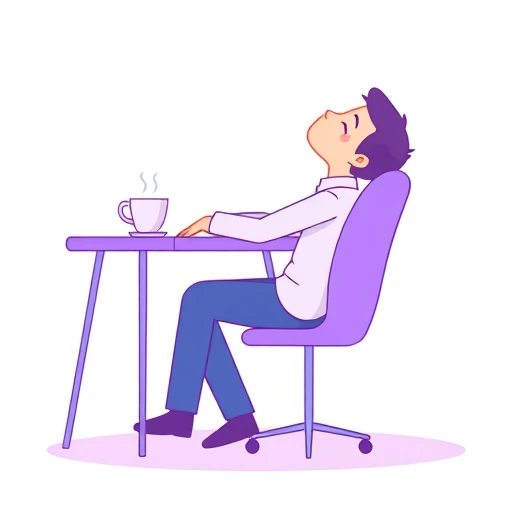
The word breaks is a versatile English term that functions both as a plural noun and as the third-person singular form of the verb 'to break.' In its noun form, it most commonly refers to designated intervals of time during which an individual pauses their work, study, or any strenuous activity to rest, consume food, or simply detach from the task at hand. This concept is central to modern productivity and labor laws, where 'lunch breaks' or 'coffee breaks' are standardized. Beyond rest, the noun can also signify physical fractures or gaps in a continuous structure, such as 'breaks in the clouds' or 'breaks in a circuit.' When used as a verb, 'breaks' describes the action of an object separating into pieces due to force, or a system ceasing to function correctly. It is also used metaphorically to describe the violation of rules, the interruption of a sequence, or the disclosure of new information, as in 'the news breaks.'
- Physical Disruption
- Refers to the act of a solid object shattering or snapping into multiple parts, often unexpectedly or due to stress.
- Temporal Interruption
- A planned or spontaneous pause in an ongoing process, intended to provide relief or allow for a change in state.
- Informational Disclosure
- The moment a significant story or piece of data becomes public knowledge, often used in journalism.
In professional environments, 'breaks' are essential for maintaining cognitive function. Psychological research suggests that taking regular breaks prevents decision fatigue and restores motivation, especially for long-term goals. For example, the Pomodoro Technique specifically structures work around frequent short breaks to maximize focus. In a more literal sense, a mechanic might look for 'breaks' in a brake line, or a geologist might study 'breaks' in the Earth's crust known as faults. The word carries a dual energy: it can represent the necessary rest that heals or the destructive force that ruins. Understanding the context is vital; 'he breaks the silence' is poetic and intentional, whereas 'the glass breaks' is accidental and chaotic.
The athlete often breaks records during the final minutes of the competition.
We need to schedule more frequent breaks to avoid burnout among the staff.
The sun occasionally breaks through the thick morning fog.
She breaks the bread into small pieces to share with the birds.
The detective noticed several breaks in the suspect's alibi.
Furthermore, 'breaks' appears in numerous idioms. 'That's the breaks' is a common American expression meaning 'that is the way things happen, and one must accept it,' often used when something unfortunate occurs. In the world of music, 'breaks' refer to sections where the main instruments stop, and the rhythm or drums continue alone—a foundational element in hip-hop and electronic dance music. In sports like billiards or snooker, 'the break' is the opening shot that scatters the balls. Thus, whether you are discussing labor rights, mechanical failure, or cultural idioms, 'breaks' serves as a fundamental building block of English communication, bridging the gap between physical reality and abstract concepts of time and social interaction.
Using 'breaks' correctly requires a clear understanding of its grammatical role. As a verb, it is the third-person singular present tense of 'break.' This means it is used with subjects like 'he,' 'she,' 'it,' or singular nouns. For instance, 'The machine breaks often' indicates a recurring mechanical failure. As a noun, 'breaks' is the plural form of 'break,' referring to multiple instances of rest or multiple physical fractures. 'The schedule includes three breaks' clearly identifies the noun usage. The distinction is usually clear from the sentence structure, but learners should be careful with subject-verb agreement and the specific idiomatic meanings that change based on the part of speech.
- Subject-Verb Agreement
- The verb 'breaks' must match a singular subject. Example: 'He breaks the ice' (Correct) vs. 'They breaks the ice' (Incorrect).
- Noun Countability
- As a noun, 'breaks' is countable. You can have one break, two breaks, or many breaks during a long shift.
- Transitive vs. Intransitive
- The verb can take an object ('He breaks the vase') or stand alone ('The vase breaks').
In professional writing, 'breaks' often appears in discussions of policy and wellness. 'The company policy mandates fifteen-minute breaks every four hours' is a standard way to express workplace rules. In technical writing, 'breaks' might refer to 'page breaks' in a document or 'circuit breaks' in electrical engineering. In creative writing, the word is often used to create rhythm or tension. 'The waves break against the shore' uses the verb form to evoke a sensory image of the ocean. 'A series of breaks in the conversation made the atmosphere awkward' uses the noun form to describe social tension. The flexibility of the word allows it to fit into almost any register, from highly formal legal documents to casual street slang.
Whenever the pressure increases, the old pipe usually breaks at the joint.
Taking short breaks can actually improve your overall productivity throughout the day.
The news anchor breaks the story just as the prime minister resigns.
There are several breaks in the fence where the animals have been escaping.
She breaks into a run as soon as she sees the bus approaching.
When constructing sentences, consider the 'voice' of the word. The verb 'breaks' is active and dynamic. It implies a change of state. 'He breaks the law' is a strong, definitive statement. Conversely, the noun 'breaks' is more static and structural. 'The breaks in the pattern' describes an existing state of affairs. By mastering both, you can describe both actions and the resulting states. For instance, 'When the glass breaks (verb), the many breaks (noun) in its surface catch the light.' This dual usage is a hallmark of English's ability to repurpose words across different parts of speech, a concept known as functional shift or conversion.
In daily life, 'breaks' is most frequently heard in the context of work and school. You will hear colleagues ask, 'When are our breaks?' or a manager announce, 'Let's take five-minute breaks between presentations.' In these settings, it is a word associated with relief and social interaction. It is also common in retail and service industries, where 'taking your breaks' is a legal right and a logistical necessity. In a more casual setting, you might hear it in sports commentary. A commentator might say, 'He really gets the breaks today,' referring to a player having good luck or favorable bounces of the ball. This usage of 'breaks' as 'lucky opportunities' is very common in American English.
- Workplace Culture
- Heard during shifts, meetings, and HR orientations regarding employee welfare and scheduling.
- News and Media
- Journalists use 'breaks' to describe developing stories: 'This just in, a major story breaks in the capital.'
- Music and Entertainment
- DJs and producers discuss 'drum breaks' or 'breakbeats' when referring to rhythmic samples.
You will also encounter 'breaks' in technical and medical contexts. A doctor might discuss 'bone breaks' (though 'fractures' is more formal) or 'skin breaks' where an infection might enter. In the tech world, developers talk about 'line breaks' in code or 'software breaks' when a new update causes errors. In the automotive world, while 'brakes' (the stopping mechanism) is a different word entirely, people often confuse them in speech because they are homophones. However, you might hear a mechanic say, 'The connection breaks when the engine gets too hot,' using the verb form. The word is truly ubiquitous, appearing in almost every facet of human endeavor, from the physical to the digital.
'We'll be right back after these commercial breaks,' the TV host announced.
'He breaks the silence with a loud laugh,' the narrator described.
'Are there any breaks in the schedule where I can fit a meeting?'
'The storm breaks just as we reach the shelter of the cabin.'
'Sometimes you just have to wait until the fever breaks,' the nurse explained.
In popular culture, 'breaks' is a word of opportunity. The phrase 'lucky breaks' appears in countless biographies of successful people, emphasizing the role of chance in their careers. In movies, a 'big break' is the moment an aspiring actor or musician finally gets discovered. Even in gaming, 'shield breaks' or 'breaking' an opponent's defense are common terms. Because the word is so deeply embedded in the English-speaking world's concepts of time, luck, and physical integrity, you will encounter it in nearly every conversation, song, and news broadcast you engage with. It is a high-frequency word that transitions seamlessly between literal and figurative meanings.
One of the most frequent errors involving 'breaks' is the confusion with its homophone, 'brakes.' While they sound identical, 'brakes' refers specifically to the devices used to slow down or stop a vehicle (like car brakes), whereas 'breaks' refers to rest periods or things shattering. Writing 'I need to check my car breaks' is a common spelling mistake even for native speakers. Another frequent error is related to subject-verb agreement. Learners often forget the 's' when the subject is singular ('He break the glass' instead of 'He breaks the glass') or mistakenly add an 's' when the subject is plural ('They breaks the rules' instead of 'They break the rules').
- Homophone Confusion
- Confusing 'breaks' (rest/shatter) with 'brakes' (stopping mechanism). Tip: 'Brakes' has an 'a' like 'automobile'.
- Subject-Verb Agreement
- Using 'breaks' with plural subjects (we, they, you) or 'break' with singular subjects (he, she, it).
- Misusing 'Breaks' for 'Brakes' in Phrasal Verbs
- Phrasal verbs like 'break down' always use 'break/breaks', never 'brake'.
Another nuance that causes trouble is the distinction between 'breaks' and 'breaches.' While both can mean a violation, 'breaks' is more general and often physical or casual ('breaks a promise'), while 'breach' is formal and often legal ('breach of contract'). Additionally, some learners struggle with the pluralization of the noun in certain contexts. For example, 'We are on break' (singular) is often used to describe a collective state, whereas 'We are taking our breaks' (plural) refers to the individual periods of rest. Using 'breaks' when you mean a single instance of rest can sound slightly unnatural in specific idiomatic phrases like 'take a break.'
Incorrect: He break the rules every day. Correct: He breaks the rules every day.
Incorrect: My car breaks are squeaking. Correct: My car brakes are squeaking.
Incorrect: They breaks for lunch at noon. Correct: They break for lunch at noon.
Incorrect: The news break at 6 PM. Correct: The news breaks at 6 PM.
Incorrect: I had several brakes during the hike. Correct: I had several breaks during the hike.
Finally, be careful with the phrase 'them's the breaks.' It is a fixed idiomatic expression. You cannot say 'those are the breaks' or 'them are the breaks' and achieve the same colloquial effect. It uses non-standard grammar ('them' instead of 'those') for stylistic reasons. Similarly, 'breaking news' is always used as a gerund/participle; you wouldn't say 'the breaks news' to describe a current event. Understanding these specific patterns and avoiding the 'brakes' vs. 'breaks' trap will significantly improve your writing accuracy and make your English sound more natural and polished.
Depending on the context, there are many synonyms for 'breaks' that can add precision to your language. If you are using 'breaks' as a noun for rest, words like 'intermissions,' 'recesses,' or 'intervals' might be more appropriate. 'Intermission' is specifically used for theater or concerts, while 'recess' is common in school or legislative contexts. If you are using 'breaks' as a verb meaning to shatter, you might consider 'fractures,' 'shatters,' 'smashes,' or 'cracks.' Each carries a different intensity: 'shatters' implies many tiny pieces, while 'cracks' suggests a break that doesn't fully separate the parts.
- Breaks vs. Fractures
- 'Breaks' is common and general; 'fractures' is technical and medical. You 'break' a glass, but a doctor treats a 'fracture' in a bone.
- Breaks vs. Pauses
- A 'break' is usually a scheduled period of rest; a 'pause' is a temporary stop in action or speech, often much shorter.
- Breaks vs. Ruptures
- 'Ruptures' implies a bursting or a violent break, often used for internal organs or pipes under pressure.
In the context of opportunities, 'breaks' can be replaced by 'chances,' 'openings,' or 'prospects.' A 'lucky break' is similar to a 'stroke of luck.' When discussing the verb 'breaks' in the sense of violating a rule, 'violates,' 'infringes,' or 'transgresses' are more formal alternatives. 'He violates the law' sounds more serious than 'he breaks the law.' For the verb sense of 'interrupting,' you might use 'disrupts,' 'severs,' or 'terminates.' Choosing the right synonym depends entirely on the level of formality you wish to convey and the specific physical or abstract nature of the 'break' you are describing.
The vase shatters into a thousand pieces on the tile floor.
The legislative recess lasts for two weeks during the winter holidays.
This new evidence violates the previous assumptions made by the scientists.
The actor finally got his opening when the lead star fell ill.
There was a brief intermission between the two acts of the opera.
When you want to avoid repeating 'breaks,' look at the action itself. Is it a 'snap'? Is it a 'split'? Is it a 'breach'? In social contexts, is it a 'hiatus' or a 'sabbatical'? A 'sabbatical' is a very long break, usually a year, taken by professors or professionals. A 'hiatus' is a gap in a series, like when a TV show stops airing for a few months. By expanding your vocabulary beyond 'breaks,' you can describe the world with much more color and accuracy, ensuring your listener or reader understands exactly the kind of interruption or fracture you are talking about.
How Formal Is It?
रोचक तथ्य
The noun 'break' meaning a 'rest' didn't become common until the 19th century; before that, it mostly meant a physical fracture.
उच्चारण मार्गदर्शिका
- Pronouncing it like 'brakes' (which is the same sound, but a common spelling error).
- Softening the 'ks' sound into a 'z' sound.
- Shortening the 'ay' vowel into an 'eh' sound.
- Adding an extra vowel sound at the end (e.g., 'break-su').
- Failing to pronounce the 's' clearly in the plural or verb form.
कठिनाई स्तर
Easy to recognize but has many meanings to distinguish.
Spelling confusion with 'brakes' is a common hurdle.
Simple pronunciation but requires correct 's' usage.
Homophones can make it tricky in fast speech.
आगे क्या सीखें
पूर्वापेक्षाएँ
आगे सीखें
उन्नत
ज़रूरी व्याकरण
Third-person singular 's'
He breaks (not 'he break').
Pluralization of countable nouns
Three breaks (not 'three break').
Phrasal verb construction
It breaks down (verb + particle).
Homophone distinction
Breaks vs. Brakes.
Transitive vs Intransitive
He breaks the glass (transitive) vs. The glass breaks (intransitive).
स्तर के अनुसार उदाहरण
He has two breaks at school.
Il a deux pauses à l'école.
Plural noun.
She breaks her pencil.
Elle casse son crayon.
3rd person singular verb.
The dog breaks the toy.
Le chien casse le jouet.
3rd person singular verb.
We need short breaks.
Nous avons besoin de courtes pauses.
Plural noun.
It breaks easily.
Ça se casse facilement.
3rd person singular verb.
He breaks the bread.
Il rompt le pain.
3rd person singular verb.
Are there any breaks?
Y a-t-il des pauses ?
Plural noun.
The glass breaks.
Le verre se casse.
3rd person singular verb.
He breaks for lunch at 12:00.
Il fait une pause déjeuner à midi.
Verb meaning 'to take a break'.
She often breaks her phone screen.
Elle casse souvent l'écran de son téléphone.
3rd person singular verb.
The teacher gives us ten-minute breaks.
Le professeur nous donne des pauses de dix minutes.
Plural noun.
My brother breaks everything he touches.
Mon frère casse tout ce qu'il touche.
3rd person singular verb.
The rain breaks the heat.
La pluie casse la chaleur.
Verb meaning 'to interrupt/end'.
He breaks the egg into the bowl.
Il casse l'œuf dans le bol.
3rd person singular verb.
We take breaks every hour.
Nous faisons des pauses toutes les heures.
Plural noun.
The ice breaks under his feet.
La glace se casse sous ses pieds.
3rd person singular verb.
His car breaks down all the time.
Sa voiture tombe en panne tout le temps.
Phrasal verb 'breaks down'.
She breaks the news gently to her parents.
Elle annonce la nouvelle doucement à ses parents.
Idiom 'breaks the news'.
There are many breaks in the old stone wall.
Il y a beaucoup de brèches dans le vieux mur de pierre.
Plural noun meaning 'gaps'.
He breaks the world record for swimming.
Il bat le record du monde de natation.
Verb meaning 'to exceed'.
The company offers paid breaks to all staff.
L'entreprise offre des pauses payées à tout le personnel.
Plural noun.
The sun breaks through the clouds.
Le soleil perce à travers les nuages.
Verb phrase 'breaks through'.
He breaks his promise again.
Il rompt encore sa promesse.
Verb meaning 'to fail to keep'.
That's just how the breaks go sometimes.
C'est juste comme ça que les choses se passent parfois.
Idiom 'how the breaks go'.
The detective breaks the suspect's alibi.
Le détective démonte l'alibi du suspect.
Verb meaning 'to disprove'.
The storm breaks the silence of the night.
L'orage rompt le silence de la nuit.
Verb meaning 'to interrupt'.
The union negotiated for longer breaks.
Le syndicat a négocié des pauses plus longues.
Plural noun.
He breaks into a cold sweat when he's nervous.
Il a des sueurs froides quand il est nerveux.
Phrasal verb 'breaks into'.
The waves break against the jagged rocks.
Les vagues se brisent contre les rochers escarpés.
Verb describing water action.
She breaks away from the group to be alone.
Elle s'éloigne du groupe pour être seule.
Phrasal verb 'breaks away'.
The fever usually breaks after three days.
La fièvre tombe généralement après trois jours.
Verb meaning 'to subside'.
He breaks the law to help his family.
Il enfreint la loi pour aider sa famille.
Verb meaning 'to violate'.
The journalist breaks a story that topples the government.
Le journaliste révèle une affaire qui fait tomber le gouvernement.
Verb meaning 'to reveal'.
There are noticeable breaks in the continuity of the film.
Il y a des ruptures notables dans la continuité du film.
Plural noun meaning 'interruptions'.
He breaks the fourth wall by looking at the camera.
Il brise le quatrième mur en regardant la caméra.
Idiom 'breaks the fourth wall'.
The dawn breaks over the misty mountains.
L'aube se lève sur les montagnes brumeuses.
Verb meaning 'to begin (daylight)'.
She breaks new ground in the field of genetics.
Elle innove dans le domaine de la génétique.
Idiom 'breaks new ground'.
The logic of his argument breaks down under scrutiny.
La logique de son argument s'effondre sous l'examen.
Phrasal verb 'breaks down' (abstract).
The rhythm is defined by these sudden drum breaks.
Le rythme est défini par ces breaks de batterie soudains.
Noun used in music terminology.
He breaks the mold of the traditional politician.
Il sort du moule du politicien traditionnel.
Idiom 'breaks the mold'.
The causative-inchoative alternation breaks certain verbs.
L'alternance causative-inchoative modifie certains verbes.
Technical linguistic usage.
The sheer scale of the tragedy breaks the heart of the nation.
L'ampleur de la tragédie brise le cœur de la nation.
Metaphorical verb usage.
He breaks with tradition by refusing the inheritance.
Il rompt avec la tradition en refusant l'héritage.
Verb phrase 'breaks with'.
The light breaks into a spectrum through the prism.
La lumière se décompose en un spectre à travers le prisme.
Scientific verb usage.
The contract breaks if the confidentiality is compromised.
Le contrat est rompu si la confidentialité est compromise.
Verb meaning 'to become invalid'.
The peace breaks as the first shots are fired.
La paix se rompt alors que les premiers coups de feu sont tirés.
Verb meaning 'to end abruptly'.
The structural breaks in the economy led to the recession.
Les ruptures structurelles de l'économie ont mené à la récession.
Plural noun in economic context.
He breaks the silence with a poignant observation.
Il rompt le silence par une observation poignante.
Verb meaning 'to interrupt silence'.
सामान्य शब्द संयोजन
सामान्य वाक्यांश
— Short periods of rest to drink coffee and socialize.
We have two coffee breaks a day.
— Interruptions in a TV program for advertisements.
The movie has too many commercial breaks.
— A week-long holiday for students in the spring.
Many students travel during spring breaks.
— To start speaking or making noise after a quiet period.
A loud cough breaks the silence.
— To make neither a profit nor a loss in business.
The company finally breaks even this year.
— To do something in a completely new and different way.
Her design really breaks the mold.
— To begin to sweat or to put in physical effort.
He hardly breaks a sweat during the race.
— To come up through the top of water or a flat area.
The whale breaks the surface of the ocean.
अक्सर इससे भ्रम होता है
The stopping mechanism on a vehicle. Sounds the same but spelled differently.
A formal or legal violation. 'Breaks' is more casual.
Rectangular blocks used for building. Sounds slightly similar to some learners.
मुहावरे और अभिव्यक्तियाँ
— That is the way things happen, and you must accept it.
I lost the race, but them's the breaks.
Informal— To do or say something to make people feel more relaxed.
He told a joke to break the ice.
Neutral— To cost more money than one can afford.
Buying a new car won't break the bank.
Informal— To finish the hardest part of a task.
We've broken the back of the work now.
Neutral— To do something innovative or pioneering.
This research breaks new ground in medicine.
Formal— When a character acknowledges they are in a fiction.
The actor breaks the fourth wall by talking to us.
Technical/Arts— To stop a repeating pattern of bad behavior.
Education helps people break the cycle of poverty.
Neutral— A way to wish someone good luck, especially in theater.
Go out there and break a leg!
Informal— To come out from a hiding place.
The deer breaks cover and runs into the field.
Neutral— To open something for the first time or start a process.
He finally breaks the seal on the old bottle.
Neutralआसानी से भ्रमित होने वाले
Homophones
'Brakes' stop a car; 'breaks' are for rest or shattering.
He hits the brakes so he doesn't break the glass.
Synonyms
'Fractures' is medical/technical; 'breaks' is everyday language.
The doctor said the break is actually a complex fracture.
Synonyms
A 'pause' is a brief stop; a 'break' is a longer, scheduled rest.
He pauses for breath during his lunch break.
Similar meaning
'Breaches' is for contracts or walls; 'breaks' is for rules or objects.
He breaks the rule, which breaches his contract.
Similar meaning
'Shatters' implies many small pieces; 'breaks' can be just two pieces.
The plate breaks in two, but the glass shatters into a hundred bits.
वाक्य संरचनाएँ
Subject + breaks + object.
He breaks the toy.
Subject + takes + breaks.
She takes short breaks.
Subject + breaks + the news.
The reporter breaks the news.
Subject + breaks + down.
The computer breaks down.
Subject + breaks + a record.
The runner breaks the record.
There are + breaks + in + noun.
There are breaks in the clouds.
Subject + breaks + with + tradition.
The artist breaks with tradition.
Subject + breaks + the fourth wall.
The character breaks the fourth wall.
शब्द परिवार
संज्ञा
क्रिया
विशेषण
संबंधित
इसे कैसे इस्तेमाल करें
Very high; top 1000 words in English.
-
Using 'brakes' for rest.
→
I need a break.
'Brakes' is only for stopping vehicles. For rest or shattering, use 'break/breaks'.
-
He break the glass.
→
He breaks the glass.
In the present tense, singular subjects (he, she, it) need the 's' on the verb.
-
They breaks the rules.
→
They break the rules.
Plural subjects (they, we, you) do not take the 's' on the verb.
-
The car breaks are old.
→
The car brakes are old.
When referring to the stopping system of a car, the spelling is always 'brakes'.
-
I have much breaks.
→
I have many breaks.
'Breaks' is a countable noun, so use 'many' instead of 'much'.
सुझाव
The 'EA' Rule
Remember that 'break' has 'ea' like 'eat'. You often eat during your lunch breaks!
Subject Match
Always check your subject. If it's one person (not you or me), add the 's' to make 'breaks'.
Idiom Power
Learn 'breaks the ice' first; it's the most useful idiom for social situations.
The Sharp K
Make sure the 'k' sound is crisp before the 's'. It should sound like 'bray-ks'.
Workplace Rights
In an office, always use the plural 'breaks' when talking about the total rest time in a day.
Context is King
If you hear 'breaks' near the word 'car', the speaker might actually mean 'brakes'.
Formal vs Informal
Use 'fractures' for bones in formal reports, never 'breaks'.
Visualizing Gaps
Visualize a line with gaps in it. Those gaps are 'breaks' in the line.
Phrasal Verbs
Practice 'breaks down' and 'breaks up' as they are very common in daily conversation.
Spring Break
Knowing about 'Spring Break' helps you understand many American movies and TV shows.
याद करें
स्मृति सहायक
B-R-E-A-K-S: Be Ready Every Afternoon (for) Kitchen Snacks! (Helps remember the 'rest' meaning).
दृश्य संबंध
Imagine a kit-kat bar being snapped into pieces. Each piece is one of the 'breaks'.
Word Web
चैलेंज
Try to write a paragraph using 'breaks' as a noun and a verb at least three times each.
शब्द की उत्पत्ति
Derived from the Old English 'brecan', which means to shatter, burst, or violate. It has roots in the Proto-Germanic 'brekanan'.
मूल अर्थ: To separate into pieces by force or to violate a law or promise.
Germanicसांस्कृतिक संदर्भ
Be careful using 'breaks' in medical contexts; 'fractures' is more sensitive and professional.
Workplace breaks are often 15 minutes (short) or 30-60 minutes (lunch).
असल ज़िंदगी में अभ्यास करें
वास्तविक संदर्भ
Workplace
- scheduled breaks
- lunch breaks
- take a break
- break room
Physical Damage
- breaks into pieces
- easily breaks
- visible breaks
- bone breaks
Sports
- breaks the record
- lucky breaks
- the break of the ball
- fast breaks
News
- the story breaks
- breaking news
- breaks the silence
- breaks the news
Relationships
- breaks up
- breaks my heart
- breaks a promise
- breaks with tradition
बातचीत की शुरुआत
"How many breaks do you usually take during a long workday?"
"Have you ever seen someone who breaks a world record in person?"
"What is the first thing you do when your car breaks down?"
"Do you think taking frequent breaks helps you study better?"
"How do you feel when a news story breaks late at night?"
डायरी विषय
Describe a time when you got a lucky break that changed your life.
Write about a person you know who constantly breaks the rules.
Reflect on why taking breaks is important for your mental health.
Imagine a world where nothing ever breaks. How would it be different?
Write about a moment when someone had to break difficult news to you.
अक्सर पूछे जाने वाले सवाल
10 सवालIt can be both. As a noun, it is the plural of 'break' (rest periods). As a verb, it is the third-person singular present tense (he/she/it breaks).
'Breaks' refers to rest or shattering. 'Brakes' refers to the parts of a car that make it stop. They sound the same but have different meanings and spellings.
No, 'breaks' is plural. You should say 'I need a break' (singular) or 'I need some breaks' (plural).
It is an informal idiom meaning 'that is just the way things are, even if it is unfortunate.' It is often used when something goes wrong by chance.
You use it with he, she, it, or a singular noun. For example: 'He breaks the ice,' 'She breaks the record,' or 'The machine breaks often.'
These are the short periods during a television or radio program when advertisements are shown.
No. While it can mean shattering or failing, it also means resting (good) or getting a 'lucky break' (very good).
In music, it is a section where the other instruments stop and only the drums play. It is very important in hip-hop music.
Yes, as a noun, you can count breaks. 'We had three breaks today.'
It means the person's high body temperature has started to go down, and they are beginning to recover from an illness.
खुद को परखो 180 सवाल
Write a sentence using 'breaks' as a noun.
Well written! Good try! Check the sample answer below.
Write a sentence using 'breaks' as a verb.
Well written! Good try! Check the sample answer below.
Use 'breaks down' in a sentence about a car.
Well written! Good try! Check the sample answer below.
Use 'breaks the news' in a sentence.
Well written! Good try! Check the sample answer below.
Write a sentence about 'lunch breaks'.
Well written! Good try! Check the sample answer below.
Use 'breaks the ice' in a social context.
Well written! Good try! Check the sample answer below.
Write a sentence using 'breaks the law'.
Well written! Good try! Check the sample answer below.
Use 'breaks the record' in a sports context.
Well written! Good try! Check the sample answer below.
Write a sentence about 'breaks in the clouds'.
Well written! Good try! Check the sample answer below.
Use 'breaks the fourth wall' in a sentence.
Well written! Good try! Check the sample answer below.
Explain 'them's the breaks' in your own words.
Well written! Good try! Check the sample answer below.
Write a sentence using 'breaks into pieces'.
Well written! Good try! Check the sample answer below.
Use 'breaks the silence' in a sentence.
Well written! Good try! Check the sample answer below.
Write a sentence about 'taking breaks' to improve focus.
Well written! Good try! Check the sample answer below.
Use 'breaks new ground' in a sentence.
Well written! Good try! Check the sample answer below.
Write a sentence using 'breaks with tradition'.
Well written! Good try! Check the sample answer below.
Use 'breaks even' in a business context.
Well written! Good try! Check the sample answer below.
Write a sentence about 'commercial breaks'.
Well written! Good try! Check the sample answer below.
Use 'breaks a promise' in a sentence.
Well written! Good try! Check the sample answer below.
Write a sentence using 'breaks the mold'.
Well written! Good try! Check the sample answer below.
Pronounce 'breaks' clearly. Focus on the 'ks' sound.
Read this aloud:
तुमने कहा:
Speech recognition is not supported in your browser. Try Chrome or Edge.
Describe your typical lunch breaks at work or school.
Read this aloud:
तुमने कहा:
Speech recognition is not supported in your browser. Try Chrome or Edge.
Tell a story about a time your car or bike breaks down.
Read this aloud:
तुमने कहा:
Speech recognition is not supported in your browser. Try Chrome or Edge.
Explain what 'breaks the ice' means to a friend.
Read this aloud:
तुमने कहा:
Speech recognition is not supported in your browser. Try Chrome or Edge.
Discuss why taking breaks is important for productivity.
Read this aloud:
तुमने कहा:
Speech recognition is not supported in your browser. Try Chrome or Edge.
Give an example of someone who 'breaks the rules'.
Read this aloud:
तुमने कहा:
Speech recognition is not supported in your browser. Try Chrome or Edge.
What would you do if you saw someone who breaks a world record?
Read this aloud:
तुमने कहा:
Speech recognition is not supported in your browser. Try Chrome or Edge.
Explain the idiom 'them's the breaks'.
Read this aloud:
तुमने कहा:
Speech recognition is not supported in your browser. Try Chrome or Edge.
Describe a 'lucky break' you have had in your life.
Read this aloud:
तुमने कहा:
Speech recognition is not supported in your browser. Try Chrome or Edge.
How do you feel when a news story breaks about something you care about?
Read this aloud:
तुमने कहा:
Speech recognition is not supported in your browser. Try Chrome or Edge.
Use 'breaks' as a verb in three different ways.
Read this aloud:
तुमने कहा:
Speech recognition is not supported in your browser. Try Chrome or Edge.
Use 'breaks' as a noun in three different ways.
Read this aloud:
तुमने कहा:
Speech recognition is not supported in your browser. Try Chrome or Edge.
Explain 'breaking the fourth wall' to someone who doesn't know it.
Read this aloud:
तुमने कहा:
Speech recognition is not supported in your browser. Try Chrome or Edge.
Discuss a time you had to 'break the news' to someone.
Read this aloud:
तुमने कहा:
Speech recognition is not supported in your browser. Try Chrome or Edge.
What does 'breaks the mold' mean in terms of innovation?
Read this aloud:
तुमने कहा:
Speech recognition is not supported in your browser. Try Chrome or Edge.
How does 'breaks' differ from 'fractures' in conversation?
Read this aloud:
तुमने कहा:
Speech recognition is not supported in your browser. Try Chrome or Edge.
What is a 'commercial break' and why do people dislike them?
Read this aloud:
तुमने कहा:
Speech recognition is not supported in your browser. Try Chrome or Edge.
Explain 'breaks even' in a simple way.
Read this aloud:
तुमने कहा:
Speech recognition is not supported in your browser. Try Chrome or Edge.
Describe 'the dawn breaks' using poetic language.
Read this aloud:
तुमने कहा:
Speech recognition is not supported in your browser. Try Chrome or Edge.
Why is 'breaks' a high-frequency word in English?
Read this aloud:
तुमने कहा:
Speech recognition is not supported in your browser. Try Chrome or Edge.
Listen to this sentence: 'He breaks the glass.' Is it a noun or a verb?
Listen: 'We have two breaks.' Is it singular or plural?
Listen: 'The car brakes are squeaking.' Is this the word we are studying?
Listen: 'The news breaks at six.' What is happening at six?
Listen: 'She breaks the ice with a joke.' What did she do?
Listen: 'Them's the breaks, kid.' What is the speaker's tone?
Listen: 'There are breaks in the clouds.' What can the speaker see?
Listen: 'He breaks a sweat.' Is he working hard?
Listen: 'The fever breaks.' Is the patient getting worse?
Listen: 'He breaks the fourth wall.' Is this about a house?
Listen: 'The startup breaks even.' Did they lose money?
Listen: 'She breaks with tradition.' Is she doing things the old way?
Listen: 'The storm breaks.' What is starting?
Listen: 'He breaks the record.' Did he do well?
Listen: 'The machine breaks down.' Is it working?
/ 180 correct
Perfect score!
Summary
The word 'breaks' is a high-frequency term that balances the concepts of restoration (rest) and destruction (shattering). For example, 'She breaks (verb) her work into small tasks and takes frequent breaks (noun) to stay productive.'
- Refers to multiple short periods of rest during work, school, or other activities to recover energy and focus.
- Describes the third-person singular action of an object shattering into pieces or a machine failing to operate.
- Used to indicate the moment a significant event starts or news is revealed to the public for the first time.
- Appears in many common idioms like 'breaks the ice' or 'breaks a record' to describe social or competitive achievements.
The 'EA' Rule
Remember that 'break' has 'ea' like 'eat'. You often eat during your lunch breaks!
Subject Match
Always check your subject. If it's one person (not you or me), add the 's' to make 'breaks'.
Idiom Power
Learn 'breaks the ice' first; it's the most useful idiom for social situations.
The Sharp K
Make sure the 'k' sound is crisp before the 's'. It should sound like 'bray-ks'.