









cornbread 30 सेकंड में
- Cornbread is a traditional American quick bread made from cornmeal, known for its golden color and crumbly texture.
- It is a versatile staple in Southern and Soul Food cuisines, served as a side dish for many savory meals.
- Regional variations exist, with Southern styles being savory and Northern styles often being sweeter and more cake-like.
- It is historically significant, originating from Native American traditions and becoming a vital food source for early settlers.
Cornbread is far more than just a side dish; it is a cultural cornerstone of American cuisine, particularly in the Southern United States. At its most basic level, cornbread is a 'quick bread,' meaning it does not rely on yeast to rise, but rather on chemical leaveners like baking powder or baking soda. The primary ingredient is cornmeal—dried and ground corn—which gives the bread its signature yellow or white hue and a distinctively gritty, crumbly texture that sets it apart from wheat-based breads. People use the term cornbread to describe a wide variety of preparations, ranging from the dense, savory versions baked in a cast-iron skillet to the lighter, cake-like varieties often found in the North. It is a versatile staple, served at breakfast with molasses, at lunch with a bowl of pinto beans, or at dinner alongside barbecue or fried chicken. The word evokes a sense of home, tradition, and rustic simplicity.
- Culinary Classification
- Cornbread is categorized as a quick bread, characterized by its fast preparation time and use of cornmeal as the structural foundation.
The aroma of freshly baked cornbread filled the kitchen, signaling that the chili was finally ready to be served.
In social contexts, cornbread is often associated with hospitality and 'soul food.' It is the kind of food that is meant to be shared, often brought to potlucks, family reunions, or holiday gatherings like Thanksgiving. When someone mentions cornbread, they are often referring to a specific regional style. In the South, traditionalists argue that true cornbread should be savory, made with buttermilk, and baked in a preheated, greased skillet to achieve a crunchy crust. In contrast, other regions might prefer a sweeter version that leans closer to a corn muffin. This linguistic and culinary divide often sparks friendly debates among food enthusiasts. Beyond the kitchen, the word can sometimes be used metaphorically to describe something wholesome, unpretentious, or 'down-home.'
- Texture and Mouthfeel
- The texture is described as crumbly and slightly grainy due to the cornmeal, which contrasts beautifully with a moist interior.
She crumbled her cornbread into a glass of cold buttermilk, eating it with a spoon just like her grandfather used to do.
The history of cornbread is deeply intertwined with Native American agricultural practices. Indigenous peoples were the first to grind corn into meal and mix it with water to create cakes. European settlers later adapted these recipes, adding ingredients like eggs, milk, and lard. This fusion created the modern iterations we recognize today. Because corn was more readily available and cheaper than wheat in many parts of the early Americas, cornbread became a vital source of nutrition for people across all socioeconomic backgrounds. Today, it remains a symbol of resilience and resourcefulness, appearing on the menus of both humble diners and high-end restaurants seeking to evoke a sense of nostalgic Americana.
No Southern barbecue platter is complete without a thick, square slice of golden cornbread to soak up the extra sauce.
- Regional Identity
- In the Southern US, cornbread is often a daily staple, whereas in the North, it is frequently treated as a seasonal or occasional side dish.
The cast-iron skillet is the secret to getting that perfectly crispy, dark crust on a batch of cornbread.
Furthermore, cornbread is a staple in the African American culinary tradition known as Soul Food. During the era of slavery, cornmeal was a primary ration provided to enslaved people, who transformed it into flavorful dishes like hoecakes and cracklin' bread. This legacy is honored today in kitchens across the country, where cornbread serves as a reminder of ancestral strength and creativity. Whether it is served plain, drizzled with honey, or stuffed with jalapeños and cheese, cornbread continues to evolve while maintaining its core identity as a comforting, essential element of the American table. Its enduring popularity ensures that the word 'cornbread' will always be synonymous with warmth, family, and the rich tapestry of American history.
During the winter months, there is nothing more comforting than a hot bowl of beef stew paired with a wedge of cornbread.
Using the word 'cornbread' in a sentence is relatively straightforward as it functions as a common noun. However, to sound like a native speaker or a culinary expert, it is helpful to understand the adjectives and verbs that typically accompany it. You don't just 'make' cornbread; you 'whip up' a batch, 'bake' it in a skillet, or 'fry' it as hoecakes. The quality of the cornbread is often described using sensory language. For instance, you might describe it as 'moist,' 'crumbly,' 'golden-brown,' 'savory,' or 'sweet.' Understanding these nuances allows you to describe the food more vividly and accurately in various contexts, from a casual dinner conversation to a formal restaurant review.
- Descriptive Adjectives
- Common descriptors include: skillet-baked, honey-sweetened, buttermilk, jalapeño-infused, and stone-ground.
The chef served a unique cornbread infused with rosemary and sea salt, elevating the humble dish to a gourmet level.
In terms of sentence structure, 'cornbread' often acts as the direct object of a verb (e.g., 'I ate the cornbread') or as part of a prepositional phrase (e.g., 'The chili is served with cornbread'). It can also be used as a modifier in compound nouns, such as 'cornbread stuffing,' 'cornbread muffins,' or 'cornbread crust.' When discussing regional variations, you might use it in comparative structures: 'Southern cornbread is typically less sweet than the version served in New England.' This helps clarify which specific style you are referring to, as the word encompasses a broad spectrum of recipes. Using it in the plural ('cornbreads') is rare; usually, we refer to 'batches' or 'pieces' of cornbread.
- Common Verbs
- To bake, to crumble, to slather (with butter), to soak up (gravy), to toast, and to reheat.
He loved to slather his cornbread with a thick layer of honey butter while it was still steaming hot.
When writing about cornbread, consider the tone. In a nostalgic or narrative piece, you might focus on the sensory details: 'The cornbread crackled as it was sliced, releasing a cloud of sweet, corn-scented steam.' In a technical or instructional context, such as a recipe, the focus shifts to measurements and methods: 'Combine the dry ingredients before folding in the buttermilk to ensure the cornbread remains light and airy.' You can also use 'cornbread' in figurative language, though this is less common. For example, 'His personality was like cornbread—a bit rough on the outside but warm and soft once you got to know him.' This creative use of the word adds depth to your writing by leveraging the cultural associations of the food.
For the holiday feast, she prepared a savory cornbread stuffing with sage and sausage.
- Phrasal Usage
- 'A side of cornbread' is the most common way to see it listed on a menu.
The waiter asked if we wanted a basket of cornbread for the table before our main courses arrived.
Finally, remember that 'cornbread' can be used in the context of leftovers. You might talk about 'day-old cornbread' being used for 'cornbread salad' or 'cornbread pudding.' This highlights the ingredient's versatility and its role in a sustainable, no-waste kitchen. By mastering these various ways to use 'cornbread' in sentences, you can communicate more effectively about American culture, cooking, and daily life. Whether you are describing a simple meal or a complex historical tradition, the word 'cornbread' provides a rich, evocative starting point for your linguistic journey.
Leftover cornbread can be toasted and served with eggs for a hearty breakfast the next morning.
The word 'cornbread' is a staple in the American lexicon, particularly in the Southeast. If you walk into a 'meat-and-three' diner in Nashville or a soul food restaurant in Atlanta, you will hear it constantly. Servers will ask if you want 'cornbread or rolls,' and regulars might specify they want the 'corner piece' for the extra crunch. It is a word that carries the weight of regional pride. In these settings, 'cornbread' isn't just a menu item; it's a standard by which the quality of the kitchen is judged. You'll also hear it frequently in domestic settings, especially during the holidays. Family members might argue over whose grandmother made the best cornbread or whether it's 'sacrilege' to put sugar in the batter.
- In the Media
- Cooking shows on the Food Network or PBS often feature episodes dedicated to the 'perfect' cornbread, highlighting its status as a culinary icon.
'You can't have a proper Thanksgiving without my mama's cornbread dressing,' he insisted during the holiday planning.
Beyond the dining room, you'll encounter 'cornbread' in literature and music, particularly in genres like country, blues, and folk. Songwriters often use the word to evoke a sense of rural life, poverty, or simple pleasures. For example, a lyric might mention 'cornbread and beans' as a symbol of a humble but honest upbringing. In literature, especially in works by Southern authors like Flannery O'Connor or Alice Walker, cornbread often appears as a sensory detail that grounds the story in a specific place and time. It represents the domestic sphere and the labor of the women who prepared it. Hearing the word in these artistic contexts adds a layer of emotional resonance that goes beyond its literal definition as a food item.
- In Grocery Stores
- You will see 'cornbread mix' in the baking aisle, often sold in small blue boxes or larger bags for convenience.
The country singer's lyrics about cornbread and sweet tea struck a chord with fans who grew up in small towns.
In modern urban environments, the word is increasingly heard in the context of 'fusion' cuisine. Trendy brunch spots might serve 'cornbread avocado toast' or 'cornbread eggs benedict.' In these cases, the word is used to signal a creative twist on traditional comfort food. You'll also hear it in the health food community, where 'gluten-free cornbread' or 'vegan cornbread' are discussed as alternatives to traditional wheat products. Even in these new contexts, the word retains its association with heartiness and satisfaction. Whether you're in a high-tech kitchen in San Francisco or a campfire in the Appalachians, the word 'cornbread' is a universal signal for something delicious and sustaining.
At the farmers' market, the baker was selling individual squares of jalapeño cornbread wrapped in brown paper.
- In Historical Contexts
- Museums and historical sites often discuss cornbread when explaining the diet of early pioneers and enslaved populations.
The historical reenactor demonstrated how to cook cornbread over an open fire using a heavy iron pot.
Finally, the word pops up in casual slang and idioms. While not as common as 'bread' (meaning money), 'cornbread' can sometimes be used to describe someone's level of intelligence or common sense, as in the phrase 'he ain't got all his cornbread in the oven.' This colorful use of the word highlights how deeply embedded it is in the cultural fabric of the United States. From the most prestigious culinary stages to the simplest kitchen tables, 'cornbread' is a word that everyone knows, and almost everyone has a strong opinion about. Its presence in the language is as enduring as the dish itself.
'That boy is as Southern as cornbread,' the old man remarked with a chuckle, watching his grandson play in the fields.
One of the most frequent mistakes learners make when using the word 'cornbread' is confusing it with other types of corn-based foods. For instance, 'cornbread' is distinct from 'corn tortillas' or 'polenta,' even though they all share corn as a base ingredient. Cornbread is specifically a baked or fried bread-like substance, usually leavened. Another common error is treating 'cornbread' as a countable noun in all situations. While you can say 'two cornbreads' if you mean two different types or two whole loaves, it is much more common to use 'pieces of cornbread' or 'slices of cornbread.' Using the plural incorrectly can make your speech sound slightly unnatural to native ears.
- Confusing with Muffins
- While 'corn muffins' are made from cornbread batter, they are distinct in shape and often in sweetness. Don't use the terms interchangeably in a professional culinary setting.
I asked for cornbread, but they brought me a corn muffin, which was much sweeter than I expected.
Another mistake involves the regional 'sugar debate.' In many parts of the Southern US, adding sugar to cornbread is considered a major culinary error. If you are writing about Southern culture, calling a sweet corn cake 'traditional cornbread' might be seen as inaccurate. It's important to be aware of these cultural nuances to avoid sounding uninformed. Additionally, people sometimes confuse 'cornbread' with 'corn cake' or 'hoecake.' While they are related, a hoecake is specifically a thin, unleavened cornmeal cake cooked on a griddle, whereas cornbread is usually thicker and baked in an oven. Precision in these terms shows a deeper understanding of the language and the culture.
- Spelling and Pronunciation
- Ensure you don't spell it as two words ('corn bread') in modern American English, as the compound form is standard. The stress is always on the first syllable: CORN-bread.
He made the mistake of calling the sweet cornbread 'authentic' in front of his grandmother from Alabama.
Learners also sometimes struggle with the collocations. You don't 'cook' cornbread in the same way you cook a steak; you 'bake' it. Using the wrong verb can make the sentence feel 'off.' Furthermore, be careful with the word 'cornmeal.' While cornbread is made *from* cornmeal, the two words are not synonyms. Cornmeal is the raw ingredient; cornbread is the finished product. Mixing these up is a common slip-up for those whose native language uses the same word for both the grain and the bread. Finally, don't assume all cornbread is yellow. White cornmeal is also common, resulting in 'white cornbread,' which has a slightly different flavor profile. Acknowledging these variations prevents overgeneralization.
She bought a bag of cornmeal to make cornbread, but she forgot to buy the buttermilk.
- Contextual Appropriateness
- Don't serve cornbread with Italian or Chinese food; it is almost exclusively associated with American, particularly Southern or Southwestern, cuisine.
The restaurant's decision to serve cornbread with spaghetti was met with confusion by the diners.
In summary, avoiding these common mistakes—confusing it with other corn products, misusing countability, ignoring regional preferences, and using incorrect verbs—will greatly improve your fluency when discussing this iconic American food. By paying attention to the details of how 'cornbread' is used in real-world contexts, you can communicate with more precision and cultural sensitivity. Whether you're at a dinner table or writing a blog post, these tips will help you use the word like a pro.
I need to find a recipe for cornbread that doesn't use any wheat flour, as my sister is allergic to gluten.
While 'cornbread' is the most common term, several similar words and alternatives exist, each with its own specific meaning and context. Understanding these can help you be more precise in your descriptions. For example, 'johnnycakes' are a type of cornmeal flatbread, often thinner and more like a pancake than traditional cornbread. They have a long history in New England and are often served with maple syrup. Another alternative is 'spoonbread,' which is a much softer, soufflé-like version of cornbread that is eaten with a spoon rather than held in the hand. It is considered a more elegant, airy variation often served at formal Southern dinners.
- Johnnycake vs. Cornbread
- Johnnycakes are unleavened and fried on a griddle, while cornbread is typically leavened and baked in an oven or skillet.
For breakfast, we had Rhode Island cornbread in the form of thin, crispy johnnycakes.
Then there are 'hushpuppies,' which are small, deep-fried balls of cornbread batter, often seasoned with onions or jalapeños. These are almost exclusively served as a side dish with fried fish. 'Hoecakes' are another relative, historically cooked on the flat side of a hoe over an open fire; today, they are essentially cornmeal pancakes. In the Southwest, you might encounter 'pan de maíz,' which is the Spanish term for cornbread, often incorporating regional ingredients like green chilies and Monterey Jack cheese. Each of these terms refers to a specific preparation method and cultural tradition, so choosing the right one adds a layer of expertise to your vocabulary.
- Spoonbread vs. Cornbread
- Spoonbread is creamy and custard-like, whereas cornbread is solid and crumbly.
The holiday menu featured a savory cornbread pudding that was the highlight of the meal.
In a broader sense, you could use 'maize bread' as a more formal or scientific alternative, though it is rarely used in casual conversation. In some contexts, 'corn cake' might be used, especially if the texture is particularly light and sweet. However, 'cornbread' remains the most versatile and widely understood term. When comparing cornbread to other breads, you might use terms like 'quick bread' to highlight its preparation method or 'unleavened bread' if referring to older, more traditional styles. Understanding these distinctions allows you to navigate culinary discussions with confidence and precision, whether you're reading a historical text or a modern menu.
While some prefer a dense cornbread, others enjoy the light, airy texture of a corn soufflé.
- Hushpuppy vs. Cornbread
- Hushpuppies are always deep-fried and savory, whereas cornbread is usually baked and can be sweet or savory.
Instead of a standard loaf of cornbread, the restaurant served small, spicy hushpuppies with the catfish.
Finally, it's worth noting that in some international contexts, 'cornbread' might be compared to 'arepas' (from Venezuela and Colombia) or 'tortillas' (from Mexico). While these are all corn-based, they are distinct culinary traditions. An arepa is a grilled or fried cornmeal cake, often stuffed with fillings, while a tortilla is a thin, unleavened flatbread. By knowing these alternatives and how they differ from 'cornbread,' you can communicate more effectively in a globalized world. Whether you're a foodie, a traveler, or a language learner, mastering these nuances will enrich your understanding of both the English language and the diverse cultures that speak it.
The cultural festival offered a variety of cornbread styles, from Southern skillet bread to Venezuelan arepas.
How Formal Is It?
रोचक तथ्य
In early American history, cornbread was often called 'Indian bread' because the knowledge of how to process corn was learned from the Indigenous peoples.
उच्चारण मार्गदर्शिका
- Stressing the second syllable (corn-BREAD).
- Pronouncing it as two separate words with equal stress.
- In the UK, omitting the 'r' sound (non-rhotic) which is fine for British English but sounds different from the American origin.
- Confusing the 'ea' sound in bread with a long 'e' (like 'breed').
- Muffling the 'n' sound between the two syllables.
कठिनाई स्तर
The word is simple to read and recognize.
Requires remembering it is one word, not two.
Pronunciation is straightforward for most learners.
Easily distinguished in conversation.
आगे क्या सीखें
पूर्वापेक्षाएँ
आगे सीखें
उन्नत
ज़रूरी व्याकरण
Compound Nouns
Cornbread is a closed compound noun (one word).
Mass Nouns
Cornbread is uncountable; use 'some cornbread' or 'a piece of cornbread'.
Adjective Order
A 'warm, golden, Southern cornbread' (Opinion, Color, Origin).
Passive Voice in Recipes
The cornbread is baked at 400 degrees until golden.
Zero Article for Generalizations
Cornbread is popular in the South (no 'The' before cornbread).
स्तर के अनुसार उदाहरण
I like to eat yellow cornbread.
J'aime manger du pain de maïs jaune.
Subject + verb + infinitive + object.
My mom makes cornbread for dinner.
Ma mère fait du pain de maïs pour le dîner.
Present simple for a routine action.
Is the cornbread sweet?
Le pain de maïs est-il sucré ?
Simple question with 'to be'.
We have cornbread and soup today.
Nous avons du pain de maïs et de la soupe aujourd'hui.
Using 'and' to connect two nouns.
Put some butter on your cornbread.
Mets du beurre sur ton pain de maïs.
Imperative sentence for a suggestion.
The cornbread is very hot.
Le pain de maïs est très chaud.
Adjective 'hot' modifying the noun.
I want a piece of cornbread.
Je veux un morceau de pain de maïs.
Using 'a piece of' for an uncountable noun.
This cornbread is good.
Ce pain de maïs est bon.
Demonstrative pronoun 'this'.
Cornbread is made from cornmeal and milk.
Le pain de maïs est fait de farine de maïs et de lait.
Passive voice 'is made from'.
She baked the cornbread in a large pan.
Elle a cuit le pain de maïs dans une grande casserole.
Past simple of the verb 'bake'.
Would you like some cornbread with your chili?
Voulez-vous du pain de maïs avec votre chili ?
Polite offer using 'would like'.
Cornbread is a traditional food in the South.
Le pain de maïs est un aliment traditionnel dans le Sud.
Adjective 'traditional' before the noun.
It is easier to make cornbread than regular bread.
Il est plus facile de faire du pain de maïs que du pain ordinaire.
Comparative adjective 'easier than'.
The cornbread has a very crumbly texture.
Le pain de maïs a une texture très friable.
Descriptive noun phrase 'crumbly texture'.
He ate three pieces of cornbread at the party.
Il a mangé trois morceaux de pain de maïs à la fête.
Quantifying an uncountable noun.
Do you prefer sweet or savory cornbread?
Préfères-tu le pain de maïs sucré ou salé ?
Choice question using 'or'.
Cornbread is often served as a side dish at Thanksgiving.
Le pain de maïs est souvent servi comme accompagnement à Thanksgiving.
Adverb of frequency 'often' with passive voice.
To get a crispy crust, you should use a cast-iron skillet for your cornbread.
Pour obtenir une croûte croustillante, vous devriez utiliser une poêle en fonte pour votre pain de maïs.
Infinitive of purpose 'to get'.
The recipe for this cornbread has been passed down for generations.
La recette de ce pain de maïs a été transmise de génération en génération.
Present perfect passive 'has been passed down'.
I forgot to add the baking powder, so the cornbread didn't rise.
J'ai oublié d'ajouter la levure chimique, donc le pain de maïs n'a pas levé.
Conjunction 'so' showing result.
Many people enjoy crumbling their cornbread into a bowl of milk.
Beaucoup de gens aiment émietter leur pain de maïs dans un bol de lait.
Gerund 'crumbling' after the verb 'enjoy'.
The cornbread was still warm when we arrived at the picnic.
Le pain de maïs était encore chaud quand nous sommes arrivés au pique-nique.
Time clause starting with 'when'.
She added jalapeños to the batter to give the cornbread a spicy kick.
Elle a ajouté des jalapeños à la pâte pour donner au pain de maïs un côté piquant.
Infinitive of purpose 'to give'.
Is there any cornbread left from last night's dinner?
Reste-t-il du pain de maïs du dîner d'hier soir ?
Using 'any' in a question about quantity.
The debate over whether cornbread should contain sugar is a classic Southern argument.
Le débat sur la question de savoir si le pain de maïs doit contenir du sucre est un argument classique du Sud.
Noun clause 'whether cornbread should contain sugar'.
Authentic Southern cornbread is typically made with white cornmeal and buttermilk.
Le pain de maïs authentique du Sud est généralement fait avec de la farine de maïs blanc et du babeurre.
Adverb 'typically' modifying the passive verb.
Cornbread stuffing is a popular alternative to traditional bread-based dressings.
La farce au pain de maïs est une alternative populaire aux farces traditionnelles à base de pain.
Compound noun 'cornbread stuffing'.
The texture of the cornbread was perfectly balanced between moist and crumbly.
La texture du pain de maïs était parfaitement équilibrée entre moelleuse et friable.
Prepositional phrase 'between moist and crumbly'.
Despite its humble origins, cornbread is now featured on many high-end menus.
Malgré ses origines modestes, le pain de maïs figure désormais sur de nombreux menus haut de gamme.
Concession clause starting with 'Despite'.
If you overmix the batter, the cornbread will become tough and dense.
Si vous mélangez trop la pâte, le pain de maïs deviendra dur et dense.
First conditional 'If + present, will + infinitive'.
The aroma of cornbread baking in the oven is synonymous with comfort for many.
L'arôme du pain de maïs qui cuit au four est synonyme de réconfort pour beaucoup.
Participle phrase 'baking in the oven'.
Cornbread can be easily adapted to suit various dietary needs, such as being made gluten-free.
Le pain de maïs peut être facilement adapté pour répondre à divers besoins diététiques, comme être fait sans gluten.
Modal verb 'can be' with passive participle.
The cultural significance of cornbread in the United States cannot be overstated.
L'importance culturelle du pain de maïs aux États-Unis ne saurait être surestimée.
Passive construction 'cannot be overstated'.
Historically, cornbread provided essential nutrients to those who could not afford wheat flour.
Historiquement, le pain de maïs fournissait des nutriments essentiels à ceux qui n'avaient pas les moyens d'acheter de la farine de blé.
Relative clause 'who could not afford wheat flour'.
The chef's interpretation of cornbread included artisanal stone-ground meal and local honey.
L'interprétation du pain de maïs par le chef comprenait de la farine artisanale moulue sur pierre et du miel local.
Complex noun phrases with adjectives.
In literature, cornbread often serves as a motif for rural simplicity and domestic stability.
En littérature, le pain de maïs sert souvent de motif pour la simplicité rurale et la stabilité domestique.
Abstract noun 'motif' used in a literary context.
The distinct lack of sugar in traditional Southern cornbread is a point of regional pride.
L'absence totale de sucre dans le pain de maïs traditionnel du Sud est un point de fierté régionale.
Noun phrase 'The distinct lack of sugar'.
Cornbread's versatility allows it to transition seamlessly from a breakfast staple to a dinner accompaniment.
La polyvalence du pain de maïs lui permet de passer sans transition d'un aliment de base du petit-déjeuner à un accompagnement du dîner.
Infinitive phrase 'to transition seamlessly'.
The evolution of cornbread recipes reflects the broader history of American migration and settlement.
L'évolution des recettes de pain de maïs reflète l'histoire plus large des migrations et de la colonisation américaines.
Subject-verb agreement with a complex subject.
Subtle variations in the grind of the cornmeal can drastically alter the final texture of the cornbread.
De subtiles variations dans la mouture de la farine de maïs peuvent modifier radicalement la texture finale du pain de maïs.
Modal verb 'can' expressing possibility.
The dichotomy between Northern and Southern cornbread serves as a culinary microcosm of American cultural divides.
La dichotomie entre le pain de maïs du Nord et celui du Sud sert de microcosme culinaire des divisions culturelles américaines.
Metaphorical use of 'microcosm'.
To master the art of the skillet-baked cornbread, one must achieve a perfect equilibrium of heat and fat.
Pour maîtriser l'art du pain de maïs cuit à la poêle, il faut atteindre un équilibre parfait entre chaleur et graisse.
Formal pronoun 'one' and elevated vocabulary.
The socioeconomic implications of cornbread as a primary ration during the antebellum period are well-documented.
Les implications socio-économiques du pain de maïs comme ration primaire pendant la période d'avant-guerre sont bien documentées.
Complex academic sentence structure.
Cornbread's enduring legacy is rooted in its ability to provide profound satisfaction through the most rudimentary of ingredients.
L'héritage durable du pain de maïs est enraciné dans sa capacité à procurer une satisfaction profonde grâce aux ingrédients les plus rudimentaires.
Abstract noun phrase 'enduring legacy'.
The sensory experience of cornbread—its tactile grittiness and olfactory warmth—evokes a visceral sense of nostalgia.
L'expérience sensorielle du pain de maïs — sa rugosité tactile et sa chaleur olfactive — évoque un sentiment viscéral de nostalgie.
Use of dashes for parenthetical information.
Contemporary chefs often deconstruct the traditional cornbread, utilizing modern techniques like molecular gastronomy.
Les chefs contemporains déconstruisent souvent le pain de maïs traditionnel, en utilisant des techniques modernes comme la gastronomie moléculaire.
Present participle phrase 'utilizing modern techniques'.
The linguistic nuances of terms like 'hoecake' and 'johnnycake' provide a window into the localized histories of the American frontier.
Les nuances linguistiques de termes comme 'hoecake' et 'johnnycake' ouvrent une fenêtre sur les histoires localisées de la frontière américaine.
Metaphorical phrase 'provide a window into'.
The resilience of cornbread as a cultural icon lies in its capacity for infinite reinterpretation without losing its essential character.
La résilience du pain de maïs en tant qu'icône culturelle réside dans sa capacité de réinterprétation infinie sans perdre son caractère essentiel.
Prepositional phrase 'without losing its essential character'.
समानार्थी शब्द
विलोम शब्द
सामान्य शब्द संयोजन
सामान्य वाक्यांश
— A portion of cornbread served alongside a main course.
I'll have the fried chicken with a side of cornbread, please.
— A classic, simple, and affordable American meal.
They grew up on cornbread and beans during the hard years.
— A very common food pairing in American households.
Cornbread and chili is our favorite winter comfort food.
— Cornbread served shortly after baking.
The smell of warm cornbread always reminds me of home.
— A pre-packaged blend of dry ingredients for making cornbread.
Just add an egg and some milk to the cornbread mix.
— A single serving cut into a square shape.
He took a large square of cornbread from the basket.
— A triangular slice of cornbread, usually from a round skillet.
She served each guest a thick wedge of cornbread.
— A topping or base made from cornbread batter.
The tamale pie was topped with a golden cornbread crust.
— To break the bread into small pieces, often into a liquid.
It's a tradition to crumble cornbread into a glass of milk.
— A popular way to sweeten a piece of cornbread.
I love drizzling a bit of local honey on my cornbread.
अक्सर इससे भ्रम होता है
Cornmeal is the flour; cornbread is the finished cake.
Muffins are individual and usually sweeter.
Polenta is a porridge, not a baked bread.
मुहावरे और अभिव्यक्तियाँ
— Describing someone who is large, strong, and healthy-looking.
That linebacker is definitely cornbread fed.
Informal/Colloquial— A humorous way to say someone is not very intelligent or is acting crazy.
Don't mind him; he ain't got all his cornbread in the oven today.
Informal/Southern Slang— Extremely characteristic of the Southern United States.
Her accent is as Southern as cornbread and sweet tea.
Informal— Something that is very ordinary, simple, or unpretentious.
He's just a regular guy, common as cornbread.
Informal— To know where one's best interests lie (a variation of the 'bread' idiom).
He's careful with the boss because he knows which side his cornbread is buttered on.
Informal— Describing someone who looks innocent but might not be (variation of the 'mouth' idiom).
She looks sweet, but butter wouldn't melt on her cornbread.
Informal— Used to describe something very basic or a situation of minimal resources.
We lived on cornbread and gravy for a month.
Informal— To be caught in a difficult or messy situation (rare/regional).
He really got himself stuck in the cornbread with that lie.
Informal— Very kind or pleasant (often used for Northern-style cornbread).
That little girl is as sweet as cornbread.
Informal— Describing something very tough or difficult.
That math test was as hard as day-old cornbread.
Informalआसानी से भ्रमित होने वाले
Both start with 'corn' and are related to the same food.
Cornmeal is the raw, ground corn used as an ingredient. Cornbread is the baked final product.
You need two cups of cornmeal to make this cornbread.
They look similar and can be used interchangeably in some regions.
A corn cake is often fried like a pancake, while cornbread is typically baked in a pan.
The diner serves corn cakes with syrup, but the dinner comes with cornbread.
Both are made from cornmeal batter.
Hushpuppies are small, round, and deep-fried. Cornbread is usually baked in a large pan and sliced.
I ordered catfish, which came with hushpuppies instead of cornbread.
It is a type of cornbread.
Spoonbread is very soft and moist, like a pudding, and must be eaten with a spoon.
This spoonbread is much lighter than the dense cornbread we had yesterday.
Both are corn-based breads.
A tortilla is a thin, unleavened flatbread. Cornbread is thick and leavened.
We used tortillas for the tacos and served cornbread with the soup.
वाक्य संरचनाएँ
I like [noun].
I like cornbread.
[Noun] is [adjective].
Cornbread is yellow.
[Noun] is served with [noun].
Cornbread is served with chili.
Despite [noun], [clause].
Despite its simplicity, cornbread is delicious.
The [noun] of [noun] reflects [noun].
The evolution of cornbread reflects American history.
To [verb] the [noun] is to [verb].
To master the cornbread is to master Southern cooking.
I prefer [noun] to [noun].
I prefer cornbread to rolls.
It is [adjective] to [verb] [noun].
It is traditional to bake cornbread in a skillet.
शब्द परिवार
संज्ञा
क्रिया
विशेषण
संबंधित
इसे कैसे इस्तेमाल करें
Very high in US English; moderate in Global English.
-
Calling it 'corn bread' (two words).
→
Cornbread
In modern American English, it is almost always written as a single compound word.
-
Using 'a cornbread' to mean a slice.
→
A piece of cornbread / A square of cornbread
Cornbread is an uncountable mass noun. You need a counter like 'piece' or 'slice'.
-
Confusing cornbread with a corn tortilla.
→
Cornbread
A tortilla is flat and unleavened; cornbread is thick and usually leavened.
-
Saying 'I cooked cornbread'.
→
I baked cornbread
Since it's a type of bread made in an oven, the verb 'bake' is more precise and natural.
-
Assuming all cornbread is sweet.
→
Savory cornbread / Southern cornbread
Many traditional recipes are savory. Don't assume sweetness is a universal characteristic.
सुझाव
The Skillet Secret
Preheat your cast-iron skillet in the oven with a little oil or butter before pouring in the batter. This ensures a perfectly crispy, golden-brown crust.
Add a Kick
For a more flavorful cornbread, try adding chopped jalapeños, shredded cheddar cheese, or even cooked bacon bits to the batter before baking.
Buttermilk is Best
Using buttermilk instead of regular milk makes the cornbread more tender and adds a subtle tang that balances the sweetness of the corn.
Keep it Fresh
Store cornbread in an airtight container at room temperature for up to two days. To reheat, wrap it in foil and place it in a warm oven for a few minutes.
Sweet and Salty
Serve your cornbread with honey butter—simply mix softened butter with a tablespoon of honey—for the perfect balance of flavors.
Whole Grain
Look for stone-ground cornmeal, which retains more of the corn's natural nutrients and provides a richer flavor and better texture.
Don't Overmix
Mix the batter just until the dry ingredients are moistened. Overmixing can lead to a tough, dense cornbread instead of a light and crumbly one.
Know Your Audience
If you're cooking for people from the South, skip the sugar. If you're in the North, a little sweetness is usually expected.
Cornbread Croutons
Cut leftover cornbread into small cubes and toast them in the oven to make delicious, crunchy croutons for salads or soups.
Learn the Relatives
Familiarize yourself with terms like 'hushpuppy' and 'spoonbread' to better understand the full range of cornmeal-based dishes.
याद करें
स्मृति सहायक
Think of a 'CORN' field and a loaf of 'BREAD' merging together to make a golden, crumbly square.
दृश्य संबंध
Imagine a bright yellow square sitting in a black iron skillet, with a melting pat of butter on top.
Word Web
चैलेंज
Try to describe the difference between cornbread and a corn muffin to a friend using at least three adjectives.
शब्द की उत्पत्ति
The word is a compound of 'corn' (maize) and 'bread'. It emerged in the American colonies during the 17th and 18th centuries. Settlers adopted the use of cornmeal from Native American tribes who had been making corn-based cakes for centuries.
मूल अर्थ: Bread made from the meal of Indian corn.
Germanic (English compound)सांस्कृतिक संदर्भ
Be mindful that for some, cornbread is a reminder of historical poverty or the rations given during slavery, though it is now widely celebrated.
In the US, it's a major cultural icon. In the UK, it's an exotic American specialty.
असल ज़िंदगी में अभ्यास करें
वास्तविक संदर्भ
At a Restaurant
- Does the chili come with cornbread?
- Is the cornbread sweet or savory?
- Can I get an extra side of cornbread?
- Is your cornbread gluten-free?
Cooking at Home
- I'm baking a batch of cornbread.
- The cornbread needs five more minutes.
- Don't overmix the cornbread batter.
- Grease the skillet before adding the cornbread.
Thanksgiving Dinner
- Who made the cornbread stuffing?
- Pass the cornbread, please.
- This cornbread is so moist!
- It's a family recipe for cornbread.
Discussing Culture
- Cornbread is a staple of Southern food.
- There's a big debate about sugar in cornbread.
- Cornbread has Native American roots.
- It's a classic comfort food.
Grocery Shopping
- Where is the cornbread mix?
- I need cornmeal to make cornbread.
- Do you have pre-made cornbread?
- Which brand of cornbread is best?
बातचीत की शुरुआत
"Do you prefer your cornbread to be sweet like cake or savory with no sugar?"
"Have you ever tried making cornbread in a cast-iron skillet to get that crispy crust?"
"What is your favorite dish to eat alongside a warm piece of cornbread?"
"In your country, do you have a traditional bread made from corn or maize?"
"Do you think cornbread is better with honey butter or just plain?"
डायरी विषय
Describe the smell and taste of a freshly baked piece of cornbread using all five senses.
Write about a food that makes you feel at home, similar to how cornbread feels for many Americans.
If you had to invent a new type of cornbread, what special ingredients would you add to the batter?
Research the history of corn in the Americas and write a short summary of its importance.
Compare the textures of wheat bread and cornbread. Which one do you prefer and why?
अक्सर पूछे जाने वाले सवाल
10 सवालNo, cornbread is not always sweet. In the Southern United States, traditional cornbread is often savory and contains little to no sugar. Northern versions tend to be sweeter and more like cake. The level of sweetness depends entirely on the recipe and regional preference.
Cornbread is best eaten warm, often with a spread of butter or a drizzle of honey. It is also commonly served as an accompaniment to savory dishes like chili, pinto beans, or barbecue. Some people even enjoy crumbling it into a glass of milk or buttermilk.
Yes, you can bake cornbread in a regular glass or metal baking pan. However, a cast-iron skillet is preferred by many because it retains heat well and creates a superior, crispy crust on the bottom and sides of the bread.
Cornbread can be gluten-free if it is made with 100% cornmeal. However, many modern recipes include some wheat flour to give the bread a lighter texture. If you are looking for gluten-free cornbread, you must check the ingredients or use a specific gluten-free recipe.
Cornmeal is the raw ingredient—dried corn that has been ground into a coarse or fine powder. Cornbread is the finished dish made by mixing cornmeal with other ingredients like milk, eggs, and leavening agents, and then baking it.
Cornbread can become dry if it is overbaked or if there isn't enough fat (like butter or oil) or liquid (like buttermilk) in the batter. Using a higher ratio of cornmeal to flour can also result in a drier, more crumbly texture.
Leftover cornbread is very versatile. You can use it to make cornbread stuffing, cornbread salad (with tomatoes and peppers), or even cornbread pudding. It can also be sliced and toasted for breakfast the next day.
While some sweet versions of cornbread have a cake-like texture, it is technically classified as a 'quick bread.' It is generally served as a side dish to a meal rather than as a dessert, though sweet versions are common.
Cornbread originated in the Americas. Native Americans were the first to cultivate corn and grind it into meal to make various types of bread and cakes. European settlers and enslaved Africans later adapted these methods to create the cornbread we know today.
Blue cornbread is made from blue cornmeal, which comes from a specific variety of corn common in the Southwestern United States and Mexico. It has a slightly nuttier flavor and a striking blue or purple color.
खुद को परखो 180 सवाल
Describe your favorite way to eat cornbread.
Well written! Good try! Check the sample answer below.
Write a short paragraph about the history of cornbread.
Well written! Good try! Check the sample answer below.
Explain the difference between Northern and Southern cornbread.
Well written! Good try! Check the sample answer below.
Create a simple recipe for cornbread.
Well written! Good try! Check the sample answer below.
Write a dialogue between two people arguing about sugar in cornbread.
Well written! Good try! Check the sample answer below.
Describe the texture and taste of cornbread to someone who has never tried it.
Well written! Good try! Check the sample answer below.
Write a restaurant review focusing on their skillet cornbread.
Well written! Good try! Check the sample answer below.
How would you use leftover cornbread? Write three ideas.
Well written! Good try! Check the sample answer below.
Write a poem about a warm piece of cornbread.
Well written! Good try! Check the sample answer below.
Discuss why cornbread is considered a comfort food.
Well written! Good try! Check the sample answer below.
Compare cornbread to another type of bread from your culture.
Well written! Good try! Check the sample answer below.
Write a sentence using the idiom 'cornbread fed'.
Well written! Good try! Check the sample answer below.
List five ingredients you would add to a 'gourmet' cornbread.
Well written! Good try! Check the sample answer below.
Write a short story that features cornbread as a central element.
Well written! Good try! Check the sample answer below.
Explain the role of Native Americans in the development of cornbread.
Well written! Good try! Check the sample answer below.
Describe the process of baking cornbread in a skillet.
Well written! Good try! Check the sample answer below.
Write an advertisement for a new brand of cornbread mix.
Well written! Good try! Check the sample answer below.
Discuss the importance of cornbread in Soul Food culture.
Well written! Good try! Check the sample answer below.
Write a thank-you note to someone who made you delicious cornbread.
Well written! Good try! Check the sample answer below.
Explain why cornbread is a 'quick bread'.
Well written! Good try! Check the sample answer below.
Pronounce 'cornbread' clearly, emphasizing the first syllable.
Read this aloud:
तुमने कहा:
Speech recognition is not supported in your browser. Try Chrome or Edge.
Explain to a partner how to make cornbread.
Read this aloud:
तुमने कहा:
Speech recognition is not supported in your browser. Try Chrome or Edge.
Describe the taste of cornbread using at least five adjectives.
Read this aloud:
तुमने कहा:
Speech recognition is not supported in your browser. Try Chrome or Edge.
Role-play ordering cornbread at a Southern diner.
Read this aloud:
तुमने कहा:
Speech recognition is not supported in your browser. Try Chrome or Edge.
Give a short presentation on the cultural history of cornbread.
Read this aloud:
तुमने कहा:
Speech recognition is not supported in your browser. Try Chrome or Edge.
Debate the pros and cons of putting sugar in cornbread.
Read this aloud:
तुमने कहा:
Speech recognition is not supported in your browser. Try Chrome or Edge.
Tell a story about a time you ate a memorable meal with cornbread.
Read this aloud:
तुमने कहा:
Speech recognition is not supported in your browser. Try Chrome or Edge.
Explain the difference between cornbread and a corn muffin.
Read this aloud:
तुमने कहा:
Speech recognition is not supported in your browser. Try Chrome or Edge.
Describe the visual appearance of a perfect piece of cornbread.
Read this aloud:
तुमने कहा:
Speech recognition is not supported in your browser. Try Chrome or Edge.
Discuss why cornbread is a good side dish for chili.
Read this aloud:
तुमने कहा:
Speech recognition is not supported in your browser. Try Chrome or Edge.
Use the idiom 'as Southern as cornbread' in a sentence.
Read this aloud:
तुमने कहा:
Speech recognition is not supported in your browser. Try Chrome or Edge.
Explain what 'stone-ground' means in your own words.
Read this aloud:
तुमने कहा:
Speech recognition is not supported in your browser. Try Chrome or Edge.
Talk about the importance of the cast-iron skillet in making cornbread.
Read this aloud:
तुमने कहा:
Speech recognition is not supported in your browser. Try Chrome or Edge.
Describe the aroma of baking cornbread.
Read this aloud:
तुमने कहा:
Speech recognition is not supported in your browser. Try Chrome or Edge.
Explain why cornbread was historically important for pioneers.
Read this aloud:
तुमने कहा:
Speech recognition is not supported in your browser. Try Chrome or Edge.
Discuss the various toppings people put on cornbread.
Read this aloud:
तुमने कहा:
Speech recognition is not supported in your browser. Try Chrome or Edge.
Role-play a cooking show host demonstrating a cornbread recipe.
Read this aloud:
तुमने कहा:
Speech recognition is not supported in your browser. Try Chrome or Edge.
Explain the concept of 'Soul Food' to someone who doesn't know it.
Read this aloud:
तुमने कहा:
Speech recognition is not supported in your browser. Try Chrome or Edge.
Describe the texture of 'crumbly' using a comparison.
Read this aloud:
तुमने कहा:
Speech recognition is not supported in your browser. Try Chrome or Edge.
Talk about how cornbread can be adapted for different diets.
Read this aloud:
तुमने कहा:
Speech recognition is not supported in your browser. Try Chrome or Edge.
Listen to a description of a Southern meal and identify if cornbread is mentioned.
Listen to a recipe and write down the ingredients for the cornbread.
Listen to a dialogue about the 'sugar debate' and identify each person's opinion.
Listen for the word 'cornbread' in a country song and explain its context.
Listen to a chef explain the secret to a crispy crust and summarize it.
Listen to a historical account of corn cultivation and its impact on bread.
Identify the tone of a speaker describing their grandmother's cornbread.
Listen to a list of side dishes and pick out the one that is corn-based.
Listen to a discussion about 'Soul Food' and note the role of cornbread.
Listen to a pronunciation guide and identify the correct stress for 'cornbread'.
Listen to a story about a Thanksgiving dinner and list the breads served.
Listen to an interview with a baker and identify their favorite type of cornmeal.
Listen to a short clip about 'spoonbread' and explain how it differs from regular cornbread.
Listen to a customer ordering at a diner and identify their cornbread preference.
Listen to a lecture on American regionalism and note the mention of cornbread.
/ 180 correct
Perfect score!
Summary
Cornbread is an essential American comfort food that bridges cultural histories; it is best enjoyed warm, often baked in a cast-iron skillet to achieve a signature crunchy crust that complements its grainy, moist interior.
- Cornbread is a traditional American quick bread made from cornmeal, known for its golden color and crumbly texture.
- It is a versatile staple in Southern and Soul Food cuisines, served as a side dish for many savory meals.
- Regional variations exist, with Southern styles being savory and Northern styles often being sweeter and more cake-like.
- It is historically significant, originating from Native American traditions and becoming a vital food source for early settlers.
The Skillet Secret
Preheat your cast-iron skillet in the oven with a little oil or butter before pouring in the batter. This ensures a perfectly crispy, golden-brown crust.
Add a Kick
For a more flavorful cornbread, try adding chopped jalapeños, shredded cheddar cheese, or even cooked bacon bits to the batter before baking.
Buttermilk is Best
Using buttermilk instead of regular milk makes the cornbread more tender and adds a subtle tang that balances the sweetness of the corn.
Keep it Fresh
Store cornbread in an airtight container at room temperature for up to two days. To reheat, wrap it in foil and place it in a warm oven for a few minutes.
उदाहरण
The restaurant serves spicy chili with a slice of homemade cornbread.
संबंधित सामग्री
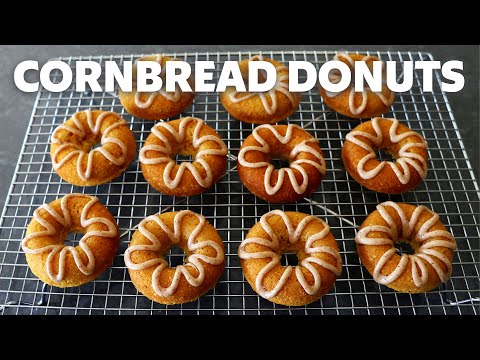
वीडियो में देखें
Food के और शब्द
wheat
B1गेहूं एक अनाज है जिसकी खेती दुनिया भर में मुख्य भोजन के रूप में की जाती है। इसे आमतौर पर आटा बनाने के लिए पीसा जाता है, जिसका उपयोग रोटी, पास्ता और अन्य खाद्य पदार्थ बनाने में होता है।
buttermilk
B21. ये बटरमिल्क (buttermilk) पैनकेक बहुत ही नरम और स्वादिष्ट हैं। 2. बटरमिल्क ड्रेसिंग सलाद में एक हल्का खट्टापन जोड़ती है।
salt
A2नमक एक खनिज पदार्थ है जिसका उपयोग भोजन को स्वादिष्ट बनाने और संरक्षित करने के लिए किया जाता है। 'कृपया मुझे नमक दें।'
pineapple
A1अनानास एक बड़ा, उष्णकटिबंधीय फल है जिसकी त्वचा सख्त और ऊबड़-खाबड़ होती है।
mushrooms
B1मशरूम कवक के फलने वाले शरीर हैं, जिनमें से कई खाने योग्य और खाना पकाने में लोकप्रिय हैं।
truffles
C1ट्रफल्स दो प्रकार के होते हैं: एक दुर्लभ भूमिगत कवक जो बहुत महंगा होता है, और एक नरम चॉकलेट मिठाई। दोनों ही अपनी विशिष्टता के लिए जाने जाते हैं।
snack
A1स्नैक भोजन के बीच में खाया जाने वाला थोड़ा सा भोजन है।
coca
B1कोका एंडीज़ पर्वतमाला का एक पौधा है जिसकी पत्तियों का उपयोग ऊर्जा के लिए किया जाता है।
corn
A1मक्का एक लंबा पौधा है जो खाने योग्य पीले दाने पैदा करता है।
salmon
B1सामन एक बड़ी मछली है जो अपने गुलाबी मांस और नदी में ऊपर की ओर तैरने के लिए जानी जाती है।

