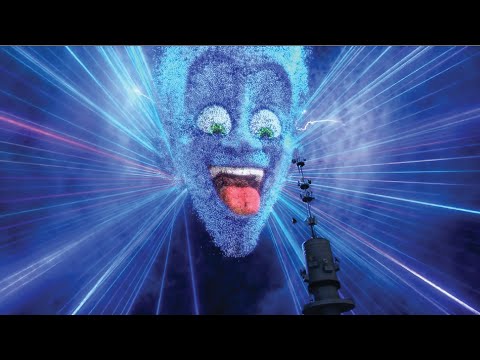
supervillains 30 सेकंड में
- Supervillains are powerful, fictional bad guys who fight superheroes and have grand, evil plans like world domination.
- The term is the plural form of 'supervillain' and is mostly used in the context of comic books and movies.
- They are characterized by extraordinary abilities, high intelligence, and often have complex, tragic backstories.
- In modern media, they are often portrayed with psychological depth, reflecting various societal fears and moral dilemmas.
The term supervillains refers to a specific class of fictional antagonists who are characterized by their extraordinary abilities, immense resources, or genius-level intellect, which they employ to achieve malevolent ends. Unlike standard villains, who might commit petty crimes or act out of simple greed, supervillains operate on a grand, often global or even universal scale. They are the antithesis of superheroes, serving as the necessary darkness against which the hero's light must shine. The concept of the supervillain evolved alongside the superhero genre in the early 20th century, drawing inspiration from literary masterminds like Professor Moriarty and the 'yellow peril' tropes of pulp fiction. Today, the word is ubiquitous in discussions about comic books, blockbuster movies, and video games, but it has also entered the common lexicon as a metaphorical descriptor for real-world figures perceived as exceptionally powerful and malicious.
- Archetypal Traits
- Supervillains typically possess a 'gimmick' or a specific theme that defines their powers, appearance, and motivations. This might include a tragic backstory that explains their descent into evil, such as a lab accident or a perceived betrayal by society.
- Scale of Ambition
- While a common criminal might rob a bank, supervillains often aim for world domination, the extinction of humanity, or the fundamental restructuring of reality itself.
In many modern cinematic universes, the supervillains are given complex motivations that make the audience question the morality of the heroes.
The usage of 'supervillains' extends beyond just the characters themselves; it describes a role within a narrative structure. A story is often only as compelling as its antagonist, and supervillains provide the high stakes necessary for epic storytelling. They are often depicted as having a symbiotic relationship with their heroic counterparts, where the existence of one necessitates the other. This dynamic is a staple of modern mythology, reflecting our collective fears about the abuse of power and the fragility of social order. When people use this word, they are often invoking a sense of theatricality and larger-than-life conflict. It is rarely used for realistic criminals unless the speaker is being hyperbolic or comparing the criminal's elaborate schemes to a movie plot.
The comic book convention featured a panel dedicated to the most iconic supervillains of the Silver Age.
- Theatricality
- Many supervillains are known for their elaborate costumes, secret lairs, and dramatic monologues, which distinguish them from more grounded antagonists.
The movie was criticized because the supervillains lacked clear motivations for their destructive actions.
Furthermore, the term has seen a rise in academic and psychological analysis. Scholars examine supervillains as reflections of societal anxieties. For instance, Cold War-era supervillains often represented the fear of nuclear annihilation or foreign subversion, while contemporary supervillains might embody concerns about technological overreach, climate change, or corporate greed. By studying these characters, we gain insight into what a particular culture considers to be the 'ultimate evil' at any given time. This depth of characterization has led to a sub-genre of stories told from the perspective of the supervillains themselves, exploring the nuances of their descent into villainy and their internal logic, which often frames them as the 'heroes' of their own stories.
The gallery showcased concept art for several new supervillains intended for the upcoming video game sequel.
Fans often debate which of the many supervillains poses the greatest threat to the multiverse.
- Moral Complexity
- Modern writers often blur the lines, creating 'anti-villains' who possess the traits of supervillains but act on relatable or even noble impulses, albeit through horrific means.
Using the word supervillains correctly requires an understanding of its plural nature and its specific connotations within narrative contexts. As a plural noun, it follows standard English grammar rules for agreement. You would say 'the supervillains are,' never 'the supervillains is.' It is most commonly used as the subject or object of a sentence involving action, conflict, or storytelling analysis. Because the word carries a heavy weight of 'extraordinary evil,' it should be used carefully to avoid sounding overly dramatic unless that is the intended effect. In formal writing, such as a film review or a literary essay, it is a perfectly acceptable technical term to describe a specific type of character.
- Subject Position
- Supervillains often have elaborate backstories that explain their motivations. (Here, it acts as the primary focus of the sentence.)
- Object Position
- The hero spent years tracking down the various supervillains who had escaped from the high-security prison.
The writer struggled to create supervillains who felt like genuine threats rather than mere caricatures.
In metaphorical usage, 'supervillains' can be applied to real-life groups or individuals to emphasize their perceived power and malice. For example, 'The media portrayed the tech moguls as modern-day supervillains.' This usage is common in political commentary and social criticism. However, it is important to note that this is a highly charged and subjective application of the word. In more casual conversation, it might be used to describe a group of people who are being particularly difficult or 'evil' in a playful way, such as a group of friends planning a prank. The key is to match the intensity of the word to the context of the situation.
Without the presence of formidable supervillains, the superhero's journey would lack any significant stakes.
- Collective Nouns
- You might refer to a 'rogues' gallery' or a 'legion' of supervillains when discussing a group of them together.
The children dressed up as their favorite supervillains for the Halloween parade, showing off their creative costumes.
When writing about supervillains, adjectives often play a crucial role in defining their specific brand of evil. Words like 'diabolical,' 'calculating,' 'unhinged,' 'ruthless,' and 'megalomaniacal' are frequently used as modifiers. For instance, 'The diabolical supervillains hatched a plan to block out the sun.' This helps to differentiate between various types of antagonists. Furthermore, the word is often used in the possessive form: 'The supervillains' lair was hidden deep within a dormant volcano.' Note the placement of the apostrophe after the 's' because the word is plural. Understanding these grammatical nuances ensures that your use of the word is both accurate and evocative.
Historians of pop culture often analyze how supervillains have changed to reflect the fears of different decades.
The crossover event featured a team-up between the most dangerous supervillains from two different comic book universes.
- Descriptive Modifiers
- Using words like 'iconic,' 'formidable,' or 'notorious' before supervillains adds weight and context to the description.
The word supervillains is most frequently heard in environments where popular culture is the primary topic of conversation. This includes movie theaters during the trailers for the latest superhero blockbuster, comic book shops where fans debate the merits of various characters, and online forums dedicated to gaming and speculative fiction. It is a staple of entertainment journalism, appearing in headlines, reviews, and deep-dive articles about character development and cinematic trends. If you attend a convention like San Diego Comic-Con, you will hear the word hundreds of times a day, used by everyone from professional creators to enthusiastic cosplayers. It is the standard terminology for the genre.
- Entertainment Media
- TV shows, podcasts, and YouTube channels focused on 'nerd culture' use supervillains as a core part of their vocabulary.
- Academic Discourse
- In university courses on media studies or mythology, professors use the term to analyze narrative structures and character archetypes.
During the interview, the director discussed how he wanted to ground the supervillains in a more realistic psychological framework.
Beyond the world of fiction, you will hear 'supervillains' used in news commentary and political satire. When a journalist or pundit wants to criticize a powerful figure—such as a billionaire, a world leader, or a corporate executive—they might use the term to suggest that the person's actions are so extreme or harmful that they resemble a comic book character. For example, 'The critics of the new tax law described its proponents as a cabal of supervillains.' This usage is intended to be evocative and often provocative, tapping into the audience's existing understanding of what a supervillain represents. It is also common in sports commentary, where a particularly dominant and disliked opponent might be labeled a 'supervillain' by the opposing team's fans.
The podcast episode explored why we are so fascinated by supervillains and their elaborate plans for world domination.
- Marketing and Advertising
- Brands sometimes use the 'supervillain' aesthetic in commercials to create a memorable and edgy campaign, often for tech or energy drinks.
In the world of professional wrestling, certain performers embrace the role of supervillains to generate 'heat' from the crowd.
Finally, you will encounter the word in educational settings, particularly in creative writing workshops. Instructors use supervillains as a case study in creating conflict and stakes. They might ask students to analyze the 'villain's journey' or to create their own supervillains with unique motivations. In this context, the word is used as a tool for understanding characterization and plot development. It is also used in psychology to discuss the 'Dark Tetrad' of personality traits (narcissism, Machiavellianism, psychopathy, and sadism) that are often exaggerated in these fictional characters. Thus, while the word originates in comics, its reach is broad and multi-faceted.
The teacher used the example of supervillains to explain the concept of an 'antagonist' to the third-grade class.
The documentary examined the real-life inspirations behind some of the most famous supervillains in history.
- Social Media Trends
- Memes often use images of supervillains to comment on current events or to express a feeling of being 'over it' or 'embracing the chaos.'
One of the most frequent mistakes people make with the word supervillains is failing to distinguish it from the simpler term 'villains.' While all supervillains are villains, not all villains are supervillains. A villain can be anyone who acts wickedly, such as a dishonest businessman or a cruel stepmother in a fairy tale. A supervillain, however, requires that 'super' element—extraordinary power, technology, or a level of intellect that allows them to challenge a superhero. Using 'supervillains' to describe a common thief or a minor antagonist can make your writing feel hyperbolic or inaccurate. It is important to reserve the term for characters who truly fit the larger-than-life archetype.
- Spelling Errors
- A common misspelling is 'supervillians' (missing the second 'a'). Another is 'super-villains' with a hyphen; while not strictly 'wrong' in all styles, the modern standard is the single, unhyphenated word.
- Pluralization Confusion
- Sometimes people use 'supervillain' when they mean the plural 'supervillains,' especially when speaking quickly. Always check for subject-verb agreement.
Incorrect: The supervillains is planning to attack. Correct: The supervillains are planning to attack.
Another mistake is confusing supervillains with anti-heroes. An anti-hero is a protagonist who lacks traditional heroic qualities (like Deadpool or the Punisher), whereas a supervillain is primarily an antagonist, even if they are the main character of their own story. Mislabeling a complex antagonist as an anti-hero can lead to a misunderstanding of their narrative role. Additionally, in metaphorical usage, calling someone a 'supervillain' can be seen as an exaggeration that undermines a serious argument. If you are writing a serious critique of a public figure, using such a 'comic book' term might make your analysis seem less professional or grounded in reality.
The critic noted that the movie's supervillains were actually more like petty criminals with fancy gadgets.
- Overuse of Hyperbole
- Using 'supervillains' for every minor conflict can dilute the word's power. Save it for the truly epic threats.
Many fans were disappointed when the legendary supervillains were defeated in the first five minutes of the film.
Lastly, there is the mistake of assuming all supervillains are 'evil' in the same way. Some are motivated by a warped sense of justice, others by pure chaos, and some by personal loss. Treating them as a monolith can lead to flat, uninteresting writing. When using the word, it's often helpful to specify what *kind* of supervillains you are talking about. Are they 'cosmic supervillains' like Thanos, or 'street-level supervillains' like Kingpin? This level of detail adds clarity and depth to your communication. Avoid the trap of thinking that the word 'supervillains' is enough to describe a character's entire personality; it is merely their category.
The article compared the supervillains of the 1960s to those of the modern era, highlighting the shift toward moral ambiguity.
The museum's exhibit on 'The History of Evil' included a section on the evolution of supervillains in literature.
- Contextual Appropriateness
- Using the word in a legal or formal historical document would likely be inappropriate unless quoting a specific cultural source.
When you want to avoid repeating the word supervillains or need a term that fits a slightly different nuance, there are several alternatives. The most direct synonym is 'antagonists,' though this is a broader literary term that applies to any character who opposes the protagonist, regardless of their power level or morality. Another common alternative is 'nemeses' (the plural of nemesis), which implies a long-standing, personal rivalry. 'Arch-enemies' is also frequently used to describe the primary, most significant foes of a hero. For a more descriptive flair, you might use 'masterminds' to emphasize their intelligence, or 'evildoers' for a more old-fashioned, moralistic tone.
- Supervillains vs. Villains
- Villains is a general term for bad characters. Supervillains specifically implies extraordinary power or scale. You can use 'villains' as a simpler alternative, but you lose the 'super' connotation.
- Supervillains vs. Antagonists
- Antagonists is a neutral, academic term. A supervillain is a specific *type* of antagonist. Use 'antagonists' when you want to sound more analytical or less genre-specific.
The story features a variety of supervillains, ranging from cosmic deities to tech-savvy masterminds.
In more specific contexts, you might use terms like 'rogues' (often used in the phrase 'rogues' gallery') or 'adversaries.' If the characters are part of a group, you might call them a 'cabal,' 'syndicate,' or 'legion.' For example, 'The legion of doom' is a classic way to describe a group of supervillains. If you are focusing on their criminal nature, 'felons' or 'criminals' might work, though these terms feel much more grounded and less 'super.' In fantasy settings, 'dark lords' or 'overlords' are the equivalent of supervillains. Choosing the right word depends on the genre and the specific traits of the characters you are describing.
The hero's greatest supervillains often reflect his own deepest fears and insecurities.
- Supervillains vs. Rogues
- 'Rogues' often implies a more colorful, perhaps less purely 'evil' group of enemies, often associated with characters like Flash or Batman.
The script was rewritten to give the supervillains more screen time and better development.
For a more modern or 'edgy' feel, you might see them referred to as 'threats' or 'targets' in a military or espionage context. For instance, 'The agency identified three high-level supervillains as primary threats to national security.' This shifts the focus from their moral status to their tactical danger. In contrast, using a word like 'monsters' (either literal or metaphorical) emphasizes their lack of humanity. By varying your vocabulary, you can provide a richer and more precise description of the antagonists in your narrative or analysis, ensuring that the reader understands exactly what kind of 'evil' they are dealing with.
The debate over whether supervillains can ever truly be redeemed is a popular topic among fans.
The novel's unique take on supervillains made it a best-seller among both comic fans and general readers.
- Supervillains vs. Masterminds
- 'Masterminds' specifically highlights the intellectual and planning aspect of the villainy, whereas supervillains is a more general category.
How Formal Is It?
रोचक तथ्य
One of the earliest uses of a term similar to 'supervillain' was in 1913 to describe the character Fantômas, a ruthless French criminal mastermind who preceded modern comic book villains.
उच्चारण मार्गदर्शिका
- Pronouncing the 'ai' in 'villains' as a long 'a' (it should be a schwa /ə/).
- Missing the 's' at the end for the plural form.
- Putting the stress on the wrong syllable (e.g., SU-per-villains).
- Pronouncing 'super' as 'supper'.
- Failing to pronounce the 'v' clearly.
कठिनाई स्तर
The word itself is easy to recognize, but its usage in complex sentences can be challenging.
Requires correct spelling (double 'l') and understanding of plural possessives.
Pronunciation is straightforward, but the 'v' and 'z' sounds need clarity.
Frequently used in movies and media, making it easy to pick up.
आगे क्या सीखें
पूर्वापेक्षाएँ
आगे सीखें
उन्नत
ज़रूरी व्याकरण
Plural Noun Agreement
The supervillains **are** (not is) planning something.
Plural Possessive Apostrophe
The supervillains**'** (not villain's) hideout was found.
Compound Word Formation
Super + villains = supervillains (usually no hyphen in modern usage).
Collective Nouns with Plural
A **group** of supervillains **is** (the group is singular) but 'The supervillains **are**'.
Adjective Placement
The **diabolical** supervillains (adjective before the noun).
स्तर के अनुसार उदाहरण
The supervillains are very scary.
Les super-vilains sont très effrayants.
Plural subject 'supervillains' with the verb 'are'.
I like movies with supervillains.
J'aime les films avec des super-vilains.
Object of the preposition 'with'.
Supervillains want to take the world.
Les super-vilains veulent prendre le monde.
Simple present tense for a general fact.
The hero fights the supervillains.
Le héros combat les super-vilains.
Direct object of the verb 'fights'.
Are there supervillains in this book?
Y a-t-il des super-vilains dans ce livre ?
Question form using 'Are there'.
The supervillains have a secret base.
Les super-vilains ont une base secrète.
Plural 'have' matches 'supervillains'.
Many supervillains wear masks.
Beaucoup de super-vilains portent des masques.
Use of 'many' with a plural noun.
The supervillains lost the battle.
Les super-vilains ont perdu la bataille.
Past tense 'lost'.
The supervillains escaped from the prison last night.
Les super-vilains se sont échappés de la prison hier soir.
Past simple tense with a time expression.
We need to stop the supervillains before they hurt anyone.
Nous devons arrêter les super-vilains avant qu'ils ne blessent quelqu'un.
Use of 'before' clause.
Some supervillains were once good people.
Certains super-vilains étaient autrefois de bonnes personnes.
Use of 'once' to show a past state.
The movie has two very famous supervillains.
Le film a deux super-vilains très célèbres.
Adjective 'famous' modifying the noun.
Do you know the names of these supervillains?
Connaissez-vous les noms de ces super-vilains ?
Demonstrative adjective 'these' with plural noun.
The supervillains' plan was very clever.
Le plan des super-vilains était très intelligent.
Possessive plural (apostrophe after the s).
I think supervillains are more interesting than heroes.
Je pense que les super-vilains sont plus intéressants que les héros.
Comparative structure 'more... than'.
The supervillains are attacking the city center.
Les super-vilains attaquent le centre-ville.
Present continuous for current action.
The writer created several new supervillains for the sequel.
L'écrivain a créé plusieurs nouveaux super-vilains pour la suite.
Quantifier 'several' with plural noun.
Most supervillains have a tragic story that explains their actions.
La plupart des super-vilains ont une histoire tragique qui explique leurs actions.
Relative clause 'that explains...'.
The supervillains formed an alliance to defeat the Justice League.
Les super-vilains ont formé une alliance pour vaincre la Ligue des Justiciers.
Infinitive of purpose 'to defeat'.
It is difficult to imagine a world without any supervillains.
Il est difficile d'imaginer un monde sans aucun super-vilain.
Prepositional phrase 'without any supervillains'.
The fans debated which of the supervillains was the most powerful.
Les fans ont débattu pour savoir lequel des super-vilains était le plus puissant.
Superlative 'the most powerful'.
The supervillains' lair was hidden deep inside a volcano.
Le repaire des super-vilains était caché au plus profond d'un volcan.
Passive voice 'was hidden'.
He enjoys playing the role of supervillains in video games.
Il aime jouer le rôle de super-vilains dans les jeux vidéo.
Gerund 'playing' as the object of 'enjoys'.
The supervillains were eventually defeated by the team of heroes.
Les super-vilains ont finalement été vaincus par l'équipe de héros.
Adverb 'eventually' modifying the passive verb.
The film explores the psychological motivations of its supervillains.
Le film explore les motivations psychologiques de ses super-vilains.
Possessive adjective 'its' referring to the film.
Critics argue that the best supervillains are those we can sympathize with.
Les critiques soutiennent que les meilleurs super-vilains sont ceux avec qui nous pouvons compatir.
Relative pronoun 'those' and preposition at the end.
The supervillains' influence extended far beyond the borders of the city.
L'influence des super-vilains s'étendait bien au-delà des frontières de la ville.
Adverbial phrase 'far beyond'.
Many modern supervillains are depicted as victims of a corrupt system.
De nombreux super-vilains modernes sont dépeints comme des victimes d'un système corrompu.
Present passive 'are depicted'.
The comic series features a diverse cast of supervillains from different backgrounds.
La série de bandes dessinées présente une distribution diversifiée de super-vilains de différents horizons.
Adjective 'diverse' modifying 'cast'.
The supervillains conspired to manipulate the global economy for their own gain.
Les super-vilains ont conspiré pour manipuler l'économie mondiale à leur propre profit.
Verb 'conspired' followed by an infinitive.
Despite their power, the supervillains were ultimately undone by their own arrogance.
Malgré leur puissance, les super-vilains ont finalement été perdus par leur propre arrogance.
Concessive phrase 'Despite their power'.
The game allows players to customize their own unique supervillains.
Le jeu permet aux joueurs de personnaliser leurs propres super-vilains uniques.
Verb 'allow' + object + infinitive.
The narrative complexity of modern supervillains often eclipses that of the heroes.
La complexité narrative des super-vilains modernes éclipse souvent celle des héros.
Subject-verb agreement with 'complexity' (singular).
Supervillains serve as archetypal manifestations of societal fears regarding technology.
Les super-vilains servent de manifestations archétypales des peurs sociétales concernant la technologie.
Noun phrase 'archetypal manifestations'.
The anthology examines how supervillains have evolved since the Golden Age of comics.
L'anthologie examine comment les super-vilains ont évolué depuis l'âge d'or de la bande dessinée.
Present perfect 'have evolved' with 'since'.
The supervillains' motives were shrouded in mystery until the final chapter.
Les motivations des super-vilains étaient enveloppées de mystère jusqu'au dernier chapitre.
Idiomatic expression 'shrouded in mystery'.
In this subversion of the genre, the supervillains are actually the ones trying to save the planet.
Dans cette subversion du genre, les super-vilains sont en fait ceux qui essaient de sauver la planète.
Noun 'subversion' and present participle 'trying'.
The director chose to portray the supervillains with a chilling sense of realism.
Le réalisateur a choisi de dépeindre les super-vilains avec un sens du réalisme glaçant.
Infinitive 'to portray' and prepositional phrase 'with a chilling sense'.
The supervillains' hubris proved to be their fatal flaw in the epic confrontation.
L'orgueil des super-vilains s'est avéré être leur faille fatale lors de la confrontation épique.
Abstract noun 'hubris' as the subject.
The essay explores the symbiotic relationship between superheroes and their supervillains.
L'essai explore la relation symbiotique entre les super-héros et leurs super-vilains.
Adjective 'symbiotic' describing 'relationship'.
The ontological status of supervillains in postmodern literature is a subject of intense debate.
Le statut ontologique des super-vilains dans la littérature postmoderne est un sujet de débat intense.
Academic term 'ontological status'.
By deconstructing the tropes associated with supervillains, the author reveals deeper cultural anxieties.
En déconstruisant les tropes associés aux super-vilains, l'auteur révèle des angoisses culturelles plus profondes.
Gerund phrase 'By deconstructing...'.
The supervillains' actions are framed not as mere malice, but as a radical critique of the status quo.
Les actions des super-vilains ne sont pas présentées comme de la simple malveillance, mais comme une critique radicale du statu quo.
Passive voice 'are framed' and 'not as... but as' structure.
The sheer grandiosity of the supervillains' schemes necessitates a suspension of disbelief.
La grandeur pure des projets des super-vilains nécessite une suspension de l'incrédulité.
Noun 'grandiosity' and idiomatic 'suspension of disbelief'.
The narrative meticulously tracks the moral decay of the protagonists as they transform into supervillains.
Le récit suit méticuleusement la déchéance morale des protagonistes à mesure qu'ils se transforment en super-vilains.
Adverb 'meticulously' and conjunction 'as'.
The supervillains function as a catalyst for the hero's self-actualization and growth.
Les super-vilains fonctionnent comme un catalyseur pour la réalisation de soi et la croissance du héros.
Metaphorical use of 'catalyst'.
The dialectic between the supervillains' nihilism and the hero's idealism is central to the film's theme.
La dialectique entre le nihilisme des super-vilains et l'idéalisme du héros est au cœur du thème du film.
Noun 'dialectic' and 'between... and' structure.
The supervillains' penchant for elaborate monologues serves as a meta-commentary on the genre itself.
Le penchant des super-vilains pour les monologues élaborés sert de méta-commentaire sur le genre lui-même.
Noun 'penchant' and term 'meta-commentary'.
समानार्थी शब्द
विलोम शब्द
सामान्य शब्द संयोजन
सामान्य वाक्यांश
— A collection or group of enemies associated with a particular hero. It implies a variety of different threats.
Spider-Man has one of the most famous rogues' galleries of supervillains in history.
— The process of characters becoming powerful and evil, or the increasing popularity of these characters in media.
The sequel focuses on the rise of supervillains in a world without heroes.
— A conflict where two or more powerful antagonists fight each other. It's often a high-stakes event.
The comic crossover featured an epic battle of the supervillains for control of the underworld.
— People who are showing signs of becoming evil or powerful antagonists in the future.
The school for gifted youngsters was worried that some students were supervillains in the making.
— A formal organization or group of powerful bad guys working together. It suggests a high level of coordination.
The league of supervillains planned a simultaneous attack on every major capital.
— When a hero's plans or actions are stopped by their enemies. It reverses the usual trope.
The hero's attempt to save the city was thwarted by the supervillains' clever trap.
— A long speech given by a villain, usually explaining their plan while the hero is captured. It's a common cliché.
The hero escaped while the supervillains were busy with their long-winded monologue.
— The process of a villain turning good or making up for their past crimes. It's a popular narrative arc.
The fans were divided over the sudden redemption of the supervillains in the series finale.
— A secret location where villains live or plan their crimes. It's usually elaborate or high-tech.
The heroes spent weeks searching for the supervillains' hideout in the Arctic.
— A major confrontation between powerful antagonists, often resulting in massive destruction.
The city was caught in the middle of a violent clash of supervillains.
अक्सर इससे भ्रम होता है
A general term. Supervillains are a specific, more powerful type.
Anti-heroes are protagonists with flaws; supervillains are antagonists.
Monsters are often non-human or mindless; supervillains usually have human-like intelligence and goals.
मुहावरे और अभिव्यक्तियाँ
— Talking at length about one's plans or achievements in a self-important way. It's used humorously.
Stop monologuing like a supervillain and just tell me what happened!
informal— A series of events that leads someone to become bitter, angry, or 'evil.' Used metaphorically for real life.
Losing his job and his house in the same week was basically his supervillain origin story.
informal— Describing an action that is particularly cruel, calculating, or elaborate. It implies a high level of malice.
The way the company fired everyone via text was straight out of a supervillain's playbook.
informal— Describing a house or office that is very modern, cold, or intimidatingly high-tech. Often used in real estate.
His new penthouse looks like he's living in a supervillain's lair.
informal— To laugh in a loud, dramatic, and slightly manic way. It's often associated with 'evil' glee.
When he won the game, he started to laugh like a supervillain.
informal— The person who is seen as the main cause of trouble or the 'bad guy' in a specific situation.
In this political scandal, the former advisor is being cast as the supervillain of the piece.
neutral— Wearing clothes that are very dark, sharp, or dramatic, often in a way that looks powerful and intimidating.
She walked into the meeting dressing like a supervillain in her black trench coat.
informal— A situation or piece of technology that is perfect for someone with evil or destructive intentions. Use with caution.
This new surveillance software is a supervillain's wet dream.
slang/informal— When a group of people are whispering and making secret plans, often in a way that looks suspicious or mischievous.
The kids were in the corner plotting like supervillains for their next prank.
informal— Being portrayed or treated as an extremely evil or powerful enemy by the media or others.
The CEO felt he was getting the supervillain treatment from the local newspapers.
informalआसानी से भ्रमित होने वाले
Both are 'bad guys' in a story.
An antagonist is anyone who opposes the hero, even if they aren't evil. A supervillain is specifically evil and powerful.
In a sports movie, the rival team is the antagonist, but they aren't supervillains.
Both refer to a hero's enemy.
A nemesis is a specific, personal enemy. Supervillains is a general category of characters.
The Joker is Batman's nemesis, and he is also one of many supervillains.
Very similar meaning in comics.
Arch-enemy usually refers to the *single* most important enemy. Supervillains refers to the whole group.
He has many supervillains to fight, but only one arch-enemy.
Both break the law.
A criminal is a real-world term for someone who breaks laws. A supervillain is a fictional, larger-than-life character.
The police catch criminals, but superheroes fight supervillains.
Both are smart and bad.
A mastermind is a role (the person who plans). A supervillain is a character type (who might or might not be a mastermind).
Some supervillains are just strong, while others are brilliant masterminds.
वाक्य संरचनाएँ
The [supervillains] are [adjective].
The supervillains are bad.
I like [supervillains] because [reason].
I like supervillains because they have cool costumes.
The hero must stop the [supervillains] from [verb-ing].
The hero must stop the supervillains from destroying the bridge.
Unlike regular villains, [supervillains] possess [noun].
Unlike regular villains, supervillains possess extraordinary powers.
The [supervillains] serve as a reflection of [abstract noun].
The supervillains serve as a reflection of societal greed.
The [supervillains'] [noun] is a testament to [abstract noun].
The supervillains' persistence is a testament to their unwavering nihilism.
There are many [supervillains] in [place].
There are many supervillains in the city.
The [supervillains] were defeated by [noun].
The supervillains were defeated by their own pride.
शब्द परिवार
संज्ञा
क्रिया
विशेषण
संबंधित
इसे कैसे इस्तेमाल करें
Common in entertainment and pop culture; rare in formal or technical non-fiction.
-
The supervillains is coming.
→
The supervillains are coming.
Supervillains is a plural noun, so it requires the plural verb 'are'.
-
He is a famous supervillians.
→
He is a famous supervillain.
When talking about one person, use the singular 'supervillain'. Also, check the spelling of 'villain'.
-
The supervillain's plan to take over the world.
→
The supervillains' plan to take over the world.
If you are talking about a plan made by multiple villains, the apostrophe goes after the 's'.
-
The thief was a supervillain.
→
The thief was a villain.
A common thief doesn't have the 'super' qualities needed to be called a supervillain.
-
I saw many super-villains in the movie.
→
I saw many supervillains in the movie.
While the hyphenated version was used in the past, the modern standard is the single word 'supervillains'.
सुझाव
Watch the Apostrophe
When talking about something belonging to multiple supervillains, put the apostrophe after the 's': 'the supervillains' plan.' If it's just one, it's 'the supervillain's plan.'
Use Strong Adjectives
Don't just call them 'bad supervillains.' Use more descriptive words like 'nefarious,' 'malevolent,' 'ruthless,' or 'diabolical' to make your writing more interesting.
Genre Matters
Remember that 'supervillains' is a genre-specific term. Using it in a serious historical essay about World War II might seem out of place unless you are discussing how leaders were portrayed in media.
The Double 'L'
A common mistake is spelling it 'supervilain.' Always remember the double 'l' in 'villain'—it comes from the same root as 'village'.
Avoid Caricatures
When creating your own supervillains, give them a goal that makes sense to them. The best supervillains often think they are the heroes of their own stories.
Emphasize the 'Super'
When speaking, you can slightly emphasize the 'super' part to distinguish them from regular villains, especially if you are making a comparison.
Listen for the Schwa
In the word 'villains,' the 'ai' is not pronounced like 'rain.' It's a very short, weak sound /ə/. Listening for this will help you sound more natural.
Global Variations
Be aware that different cultures have different versions of supervillains. While the US has comic book villains, other cultures might have mythological figures that serve the same purpose.
Metaphorical Use
If you call a real person a 'supervillain,' you are being very dramatic. Use this only when you want to make a strong, perhaps hyperbolic, point.
Compare and Contrast
A great way to learn this word is to compare a 'villain' from a fairy tale (like the Big Bad Wolf) with a 'supervillain' from a movie (like Thanos). What makes them different?
याद करें
स्मृति सहायक
Think of a 'Super' 'Villain'—someone who is not just bad, but 'super' bad with 'super' powers.
दृश्य संबंध
Imagine a giant, evil-looking castle on top of a volcano where a group of people in capes are pointing at a map of the world.
Word Web
चैलेंज
Try to name five famous supervillains from different movies or books and explain what makes them 'super' instead of just regular villains.
शब्द की उत्पत्ति
The word is a compound of the prefix 'super-' (from Latin 'super' meaning 'above' or 'beyond') and the noun 'villain' (from Old French 'vilain', originally meaning a farm servant or peasant). The term 'super-villain' (originally hyphenated) began to appear in the early 20th century, specifically in the context of pulp magazines and early comic books.
मूल अर्थ: A villain who is 'super' or beyond the ordinary in terms of power or intellect.
English (Germanic/Latinate hybrid)सांस्कृतिक संदर्भ
Be careful when calling real people 'supervillains' in professional settings, as it can be seen as highly insulting or unprofessional.
In the US and UK, supervillains are often discussed with a mix of fear and admiration for their 'cool' designs and complex motives.
असल ज़िंदगी में अभ्यास करें
वास्तविक संदर्भ
Movie Reviews
- the supervillains' motivations
- lack of depth in the supervillains
- formidable supervillains
- iconic portrayal of supervillains
Comic Book Discussions
- rogues' gallery of supervillains
- supervillains' powers
- classic supervillains
- team-up of supervillains
Creative Writing
- creating compelling supervillains
- supervillains' origin story
- thwarting the supervillains
- supervillains' secret lair
Political Commentary
- acting like supervillains
- corporate supervillains
- real-life supervillains
- supervillains' playbook
Gaming
- fighting the supervillains
- unlocking supervillains
- supervillains' boss fight
- playing as supervillains
बातचीत की शुरुआत
"Who do you think are the most interesting supervillains in the Marvel movies?"
"Why do you think people are often more fascinated by supervillains than by the heroes?"
"If you had to create a team of three supervillains to take over the world, who would they be?"
"Do you think supervillains can ever truly change and become good people?"
"What is the most important quality that all great supervillains must have?"
डायरी विषय
Write about a time you felt like a 'supervillain' in a small way. What happened and how did you feel?
Describe your ideal supervillain. What are their powers, their name, and their tragic backstory?
Compare two supervillains from different stories. How are they similar and how are they different in their approach to evil?
If supervillains were real, how do you think the world would change? Would we need real superheroes?
Argue for or against the idea that supervillains are necessary for a good story to exist.
अक्सर पूछे जाने वाले सवाल
10 सवालThe main difference is the scale of power and ambition. A villain might be a mean boss or a thief, but a supervillain has extraordinary powers or technology and usually wants to do something huge, like take over the world. Think of it as the difference between a school bully and a character like Thanos.
Yes, this is a common story arc called 'redemption.' Many famous characters started as supervillains but eventually joined the heroes after realizing the error of their ways or being forced to work together against a bigger threat. Examples include characters like Venom or Black Widow in some versions.
No, the singular form is 'supervillain.' You use 'supervillains' when you are talking about two or more of them. For example: 'Lex Luthor is a supervillain,' but 'Lex Luthor and the Joker are supervillains.'
In stories, this is a 'trope' or a cliché. It allows the writer to explain the villain's plan to the audience and gives the hero a chance to escape. While it's not realistic, it's a classic part of the supervillain archetype.
Technically, no, because 'supervillain' is a fictional term. However, people often use the word metaphorically to describe real people who are very powerful and seem to do a lot of harm, such as certain dictators or extremely greedy corporate leaders.
Supervillains have a wide range of powers, often mirroring those of superheroes. Common ones include super strength, flight, telepathy, energy blasts, or simply being a 'super-genius' with access to advanced technology and weapons.
It's debated, but many point to characters like Professor Moriarty (Sherlock Holmes' enemy) or Fantômas as early examples. In comic books, the Ultra-Humanite (1939) is often considered the first true supervillain to fight a superhero (Superman).
Psychologists suggest we are fascinated by supervillains because they represent our own 'dark side' or the freedom to act without rules. They are often more creative and proactive than heroes, who usually just react to the villain's plans.
A 'rogues' gallery' is a term for the specific group of supervillains that a particular hero fights regularly. For example, Batman's rogues' gallery includes the Joker, Penguin, Riddler, and Catwoman.
It is spelled 'supervillains.' Be careful not to forget the second 'a' (it's not 'villians') and remember that in modern English, it's usually written as one word without a hyphen.
खुद को परखो 200 सवाल
Write a sentence using 'supervillains' to describe characters in a movie.
Well written! Good try! Check the sample answer below.
Describe a fictional supervillain you know using at least three adjectives.
Well written! Good try! Check the sample answer below.
Write a short paragraph about why supervillains are important for a story.
Well written! Good try! Check the sample answer below.
Use 'supervillains' metaphorically in a sentence about a real-world situation.
Well written! Good try! Check the sample answer below.
Write a dialogue between two friends discussing their favorite supervillains.
Well written! Good try! Check the sample answer below.
Explain the difference between a villain and a supervillain in two sentences.
Well written! Good try! Check the sample answer below.
Create a name and a power for a new team of supervillains.
Well written! Good try! Check the sample answer below.
Write a sentence using the plural possessive 'supervillains''.
Well written! Good try! Check the sample answer below.
Summarize the 'origin story' of a famous supervillain in 30 words.
Well written! Good try! Check the sample answer below.
Use the word 'supervillains' in a formal academic sentence.
Well written! Good try! Check the sample answer below.
Write a sentence about supervillains using the word 'thwart'.
Well written! Good try! Check the sample answer below.
Describe a supervillain's lair using three descriptive phrases.
Well written! Good try! Check the sample answer below.
Write a sentence about supervillains and 'redemption'.
Well written! Good try! Check the sample answer below.
Use 'supervillains' in a sentence with the word 'archetype'.
Well written! Good try! Check the sample answer below.
Write a sentence about supervillains and 'societal fears'.
Well written! Good try! Check the sample answer below.
Write a sentence about supervillains using 'monologue'.
Well written! Good try! Check the sample answer below.
Describe a group of supervillains using the word 'legion'.
Well written! Good try! Check the sample answer below.
Write a sentence about supervillains using 'megalomaniacal'.
Well written! Good try! Check the sample answer below.
Use 'supervillains' in a sentence about a video game.
Well written! Good try! Check the sample answer below.
Write a sentence about supervillains and 'comic book conventions'.
Well written! Good try! Check the sample answer below.
Say the word 'supervillains' clearly three times.
Read this aloud:
तुमने कहा:
Speech recognition is not supported in your browser. Try Chrome or Edge.
Describe your favorite supervillain and why you like them.
Read this aloud:
तुमने कहा:
Speech recognition is not supported in your browser. Try Chrome or Edge.
Explain the difference between a villain and a supervillain to a friend.
Read this aloud:
तुमने कहा:
Speech recognition is not supported in your browser. Try Chrome or Edge.
Give a short 'evil monologue' as if you were one of the supervillains.
Read this aloud:
तुमने कहा:
Speech recognition is not supported in your browser. Try Chrome or Edge.
Discuss whether supervillains can ever be redeemed.
Read this aloud:
तुमने कहा:
Speech recognition is not supported in your browser. Try Chrome or Edge.
Compare two famous supervillains from different movies.
Read this aloud:
तुमने कहा:
Speech recognition is not supported in your browser. Try Chrome or Edge.
Explain how supervillains reflect societal fears.
Read this aloud:
तुमने कहा:
Speech recognition is not supported in your browser. Try Chrome or Edge.
Talk about the 'rogues' gallery' of a specific hero.
Read this aloud:
तुमने कहा:
Speech recognition is not supported in your browser. Try Chrome or Edge.
Describe a supervillain's secret lair in detail.
Read this aloud:
तुमने कहा:
Speech recognition is not supported in your browser. Try Chrome or Edge.
Explain why people are fascinated by supervillains.
Read this aloud:
तुमने कहा:
Speech recognition is not supported in your browser. Try Chrome or Edge.
Use 'supervillains' metaphorically in a sentence about sports.
Read this aloud:
तुमने कहा:
Speech recognition is not supported in your browser. Try Chrome or Edge.
Discuss the 'origin story' of a character you know.
Read this aloud:
तुमने कहा:
Speech recognition is not supported in your browser. Try Chrome or Edge.
Explain the term 'megalomaniacal' using an example.
Read this aloud:
तुमने कहा:
Speech recognition is not supported in your browser. Try Chrome or Edge.
Talk about the 'theatricality' of supervillains.
Read this aloud:
तुमने कहा:
Speech recognition is not supported in your browser. Try Chrome or Edge.
Describe a 'team-up' of supervillains.
Read this aloud:
तुमने कहा:
Speech recognition is not supported in your browser. Try Chrome or Edge.
Explain the concept of an 'anti-villain'.
Read this aloud:
तुमने कहा:
Speech recognition is not supported in your browser. Try Chrome or Edge.
Discuss the evolution of supervillains over time.
Read this aloud:
तुमने कहा:
Speech recognition is not supported in your browser. Try Chrome or Edge.
Talk about a 'boss fight' with supervillains in a video game.
Read this aloud:
तुमने कहा:
Speech recognition is not supported in your browser. Try Chrome or Edge.
Explain the importance of 'stakes' in a story with supervillains.
Read this aloud:
तुमने कहा:
Speech recognition is not supported in your browser. Try Chrome or Edge.
Describe a 'cabal' of supervillains.
Read this aloud:
तुमने कहा:
Speech recognition is not supported in your browser. Try Chrome or Edge.
Listen to a description of a character and decide if they are a 'supervillain'. (Description: A man who robs a local store with a small knife.)
Listen to a description of a character and decide if they are a 'supervillain'. (Description: A genius with a giant robot who wants to destroy the moon.)
What is the speaker's opinion of supervillains? 'I find supervillains much more interesting than the heroes because they have better backstories.'
Identify the word 'supervillains' in this fast sentence: 'The Avengers had to fight many supervillains to save the city.'
What happened to the supervillains? 'After a long battle, the supervillains were finally captured and sent to prison.'
What is the 'lair' mentioned here? 'The drone found the supervillains' lair in the mountains.'
What is the 'scheme'? 'The supervillains' latest scheme was to poison the city's water supply.'
Who are the 'rogues'? 'The hero's rogues were all teaming up against him.'
What does the speaker mean by 'corporate supervillains'? 'Those corporate supervillains are only interested in profit.'
Is the word 'supervillains' singular or plural in this sentence? 'The supervillains are here.'
What is the 'monologue'? 'The hero escaped during the supervillains' monologue.'
What is the 'origin'? 'The documentary explored the origin of the world's most famous supervillains.'
What is the 'hubris'? 'The supervillains' hubris was their undoing.'
What is the 'alliance'? 'The supervillains' alliance was fragile.'
What is the 'shadow'? 'The supervillains represent the shadow of the hero.'
/ 200 correct
Perfect score!
Summary
Supervillains are the essential antagonists of the superhero genre, providing the high-stakes conflict necessary for epic storytelling. For example, 'Without the threat of the supervillains, the hero's journey would lack any significant challenge or meaning.'
- Supervillains are powerful, fictional bad guys who fight superheroes and have grand, evil plans like world domination.
- The term is the plural form of 'supervillain' and is mostly used in the context of comic books and movies.
- They are characterized by extraordinary abilities, high intelligence, and often have complex, tragic backstories.
- In modern media, they are often portrayed with psychological depth, reflecting various societal fears and moral dilemmas.
Watch the Apostrophe
When talking about something belonging to multiple supervillains, put the apostrophe after the 's': 'the supervillains' plan.' If it's just one, it's 'the supervillain's plan.'
Use Strong Adjectives
Don't just call them 'bad supervillains.' Use more descriptive words like 'nefarious,' 'malevolent,' 'ruthless,' or 'diabolical' to make your writing more interesting.
Genre Matters
Remember that 'supervillains' is a genre-specific term. Using it in a serious historical essay about World War II might seem out of place unless you are discussing how leaders were portrayed in media.
The Double 'L'
A common mistake is spelling it 'supervilain.' Always remember the double 'l' in 'villain'—it comes from the same root as 'village'.