oinkoink in 30 Seconds
- An onomatopoeic word mimicking the sound of a pig.
- Primarily used in children's literature and informal settings.
- Can function as an interjection, noun, or verb.
- Culturally associated with farms, mud, and sometimes greed.
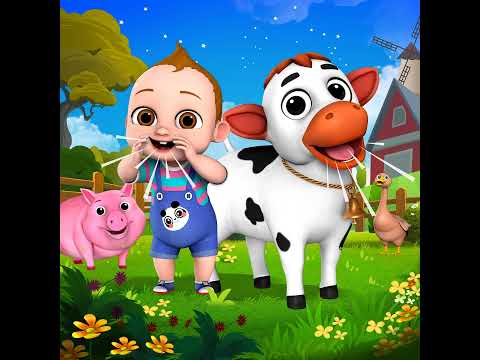
The term oinkoink serves as a primary linguistic representation of the vocalization produced by the domestic pig (Sus scrofa domesticus). As an onomatopoeic construction, it attempts to phonetically mimic the specific frequency and nasal resonance of a porcine grunt. In the English language, this specific sound is deeply embedded in the cultural consciousness, primarily introduced during early childhood through nursery rhymes, picture books, and educational toys. When people use the word oinkoink, they are often engaging in a form of mimetic play or utilizing a simplified descriptor for animal behavior. It is not merely a sound but a symbol of the farm environment, representing the rustic, the earthy, and sometimes the humorous aspects of nature. The use of oinkoink transcends simple imitation; it acts as a bridge for language learners to understand how English speakers categorize and vocalize the natural world. While a real pig's sound is a complex series of low-frequency snorts and high-frequency squeals, the standardized 'oink' or the doubled 'oinkoink' provides a manageable phonetic unit for communication. In adult contexts, the term might be used metaphorically to describe someone's eating habits or to mock greed, though this usage requires careful navigation of social norms to avoid being overly offensive. The word is ubiquitous in children's media, from the globally recognized Peppa Pig to the classic tales of The Three Little Pigs, where the sound defines the character's identity before they even speak a word of human language.
- Linguistic Category
- Onomatopoeia / Interjection
- Primary Audience
- Children, parents, and language learners
- Contextual Nuance
- Playful, imitative, and descriptive of porcine sounds
The little boy pointed at the piglet and shouted, "Look, Mommy, it goes oinkoink!"
Furthermore, the word oinkoink is essential in the development of phonological awareness. By mimicking the 'oi' diphthong followed by the 'ngk' velar nasal and plosive combination, children practice complex articulatory movements. In literature, authors use the word to ground the reader in a rural setting. It evokes the smell of hay, the sight of mud, and the bustling atmosphere of a farmyard. Beyond the farm, the word has found a place in digital communication, often used in emojis or as a playful comment on social media posts involving food or cute animals. It is a word that carries no weight of formality, existing almost entirely in the realm of the informal and the affectionate. When a comedian uses oinkoink, they might be satirizing a gluttonous character, using the sound to bypass literal description and go straight to a visceral, albeit stereotypical, auditory image. This versatility makes it a fascinating study in how a simple sound imitation can carry layers of social and cultural meaning across different age groups and contexts.
Every time the farmer entered the barn, he was greeted by a chorus of oinkoink sounds from the hungry sows.
In the realm of linguistics, oinkoink is a prime example of how humans attempt to domesticate the wild sounds of nature into the structured phonemes of their language. The 'o' sound represents the rounded opening of the mouth, while the 'i' provides the nasal transition, and the 'nk' provides the sharp stop that mimics the suddenness of a pig's grunt. It is a word that invites participation; it is difficult to say oinkoink without a certain level of enthusiasm or characterization. This makes it a powerful tool in storytelling, where the narrator can use the word to bring a static page to life. Whether it is used as a noun ('the oinkoink of the pig'), a verb ('the pig began to oinkoink'), or an interjection ('Oinkoink!'), its meaning remains unmistakable. It is one of the first words a child learns to associate with a specific non-human entity, forming a foundational part of their categorical knowledge of the world. Even in adulthood, the word retains a sense of nostalgia, reminding speakers of a simpler time of learning and discovery.
The cartoon pig waved its tail and gave a cheerful oinkoink before jumping into the puddle.
Ultimately, oinkoink is a testament to the playful nature of the English language. It is a word that refuses to be serious, demanding instead a lighthearted approach. It is used in games like 'Old MacDonald Had a Farm,' where the repetition of the sound creates a rhythmic and engaging experience for listeners. The word also appears in various idioms and slang, though often in a more derogatory sense, which highlights the dual nature of animal-related terms in English—they can be both cute and insulting depending on the intent. However, in its purest form, oinkoink remains the joyful, muddy, and resonant sound of the pig, a staple of the English auditory landscape that continues to delight and inform generations of speakers.
"Oinkoink!" the piglet squealed as it chased its siblings around the pen.
The sound of oinkoink echoed through the valley as the sun began to set over the farm.
Using oinkoink in a sentence requires an understanding of its grammatical flexibility. While primarily an interjection, it can function as a noun or even a verb in creative writing. When used as an interjection, it usually stands alone or at the beginning of a sentence to represent the sound itself. For example, 'Oinkoink! The pig was happy.' Here, the word sets the scene and provides immediate auditory context. As a noun, it refers to the sound produced: 'The oinkoink of the pig was very loud.' In this case, the word is the subject or object of the sentence, treated as a tangible thing that can be heard or described. When used as a verb, though less common, it describes the action of making the sound: 'The pig oinkoinked all afternoon.' This usage is particularly popular in children's literature where animals are often personified and given human-like actions. The key to using oinkoink effectively is to match the tone of your writing. It is almost never appropriate for formal academic papers or professional business reports, unless the topic specifically concerns onomatopoeia or porcine vocalizations. In creative storytelling, however, it is a vibrant tool that adds texture and life to the narrative.
- As an Interjection
- "Oinkoink!" cried the pig as it found a delicious apple in the grass.
- As a Noun
- The constant oinkoink from the backyard told us the pigs were ready for their dinner.
- As a Verb
- The little piglet would oinkoink whenever it saw the farmer carrying the bucket.
During the school play, Sarah had to oinkoink loudly to show she was playing the part of the pig.
In descriptive passages, oinkoink can be paired with adverbs to give more detail about the pig's mood. A 'happy oinkoink' suggests contentment, while a 'loud oinkoink' might indicate distress or excitement. This allows the writer to convey emotion through a simple sound. Furthermore, the word can be used in dialogue to show a character's playfulness. If a person says 'oinkoink' to a friend, they might be teasing them about eating too much or simply being silly. This metaphorical use is common in informal English. It is also important to note the spelling; while 'oink oink' (two words) is standard, 'oinkoink' (one word) is often used in digital contexts or to represent a continuous, rapid sound. When teaching children, the repetition is vital as it mirrors the repetitive nature of many animal sounds. In poetry, the word can be used for its rhythmic properties, providing a percussive element to the verse. The 'k' sound at the end of 'oink' provides a sharp phonetic stop that can be used to create a sense of staccato in a line of text. Overall, oinkoink is a versatile word that, while simple, offers a range of expressive possibilities for the creative writer and the language learner alike.
The storybook was filled with colorful illustrations and big, bold words like oinkoink and moo.
Another interesting way to use oinkoink is in the context of sound effects in scripts or comics. In a comic strip, a speech bubble coming from a pig might simply contain the word 'OINK!' or 'OINKOINK!' to indicate vocalization without the need for descriptive text. This visual representation of sound is a key component of the medium. In a script, a stage direction might read: '[Sound of oinkoink from offstage]'. This tells the sound technician exactly what noise to play. The word is also useful in linguistic comparisons. For instance, a teacher might say, 'In English, a pig goes oinkoink, but in Spanish, it goes cuic-cuic.' This helps students understand the concept of linguistic relativity and how different cultures perceive the same sounds. By using oinkoink in these varied ways, speakers and writers can create a more immersive and engaging experience for their audience. It is a word that, despite its simplicity, carries a significant amount of communicative power, allowing for the clear and immediate transmission of a specific auditory image.
He tried to imitate the pig's oinkoink, but it ended up sounding more like a sneeze.
The baby giggled every time her father made a silly oinkoink noise.
If you listen closely to the barnyard, you can hear the rhythmic oinkoink of the pigs rooting in the dirt.
The word oinkoink is most frequently encountered in environments centered around early childhood education and entertainment. If you walk into a preschool or a kindergarten classroom, you are likely to hear this word during storytime or music lessons. Teachers use it to engage children's imaginations and to help them identify different animals. Nursery rhymes like 'Old MacDonald Had a Farm' are a primary source of the word, where the repetitive structure 'and on that farm he had a pig, E-I-E-I-O, with an oinkoink here and an oinkoink there' makes the sound unforgettable. Beyond the classroom, children's television programming is a major venue for oinkoink. Shows like 'Peppa Pig' feature the main character and her family making the sound frequently, often accompanied by a visual snort. This reinforces the association between the word and the animal in a way that is both entertaining and educational. In these contexts, the word is always used in a positive, lighthearted manner, contributing to a sense of wonder and fun about the natural world.
- Children's Media
- Cartoons, picture books, and nursery rhymes.
- Farm Environments
- Educational farm tours and petting zoos.
- Digital Spaces
- Social media captions, emojis, and gaming sound effects.
The toy pig began to oinkoink when the toddler pressed its soft pink belly.
Another common place to hear oinkoink is at petting zoos or educational farms. When a guide introduces a pig to a group of visitors, they might say, 'And what sound does the pig make? That's right, oinkoink!' This interactive element helps solidify the linguistic connection between the animal and its sound. In the digital world, oinkoink appears in the sound design of various video games. Games that feature farming or animal husbandry, such as 'Minecraft' or 'Stardew Valley,' use digitized versions of pig sounds that players often refer to as 'oinks' or 'oinkoinks'. On social media platforms like TikTok or Instagram, creators might use the word in captions for videos of cute piglets, or as part of a sound effect in a comedic sketch. The word also appears in the names of certain products, such as pig-shaped piggy banks or snacks, where the onomatopoeia is used to create a playful brand identity. Even in adult literature, the word can be found in satirical works or in descriptions of rural life, though its frequency is much lower than in children's genres.
In the animated movie, the pig's oinkoink was so realistic that the audience laughed in delight.
Furthermore, oinkoink is often heard in the context of linguistic discussions about onomatopoeia. Language teachers use it as a classic example of how sounds are transcribed into words. It's a word that is universally understood in English-speaking cultures, making it a reliable reference point. You might also hear it in theatrical performances, particularly in plays intended for families, where actors use animal sounds to create a vibrant atmosphere. In some cases, the word is used in a more abstract way, such as in music where a composer might try to mimic the rhythm of an 'oinkoink' using various instruments. This shows the word's influence beyond just speech and into the broader realm of artistic expression. Whether it's the squeaky sound of a rubber toy or the enthusiastic imitation by a parent, oinkoink is a word that brings a specific, recognizable piece of the natural world into our daily lives, making it a staple of the English auditory experience.
The comedian's impression of a pig included a very convincing oinkoink that brought the house down.
As we walked through the county fair, the oinkoink from the livestock pavilion was constant.
The teacher asked the class to write a poem using the word oinkoink at least three times.
One of the most common mistakes when using oinkoink is applying it to the wrong animal. While it might seem obvious, in the heat of a story or a game, a learner might confuse it with 'moo' (cow), 'neigh' (horse), or 'baaa' (sheep). Each of these onomatopoeic words is specific to one animal, and using the wrong one can lead to confusion or unintentional humor. Another mistake is in the spelling and formatting. While 'oink oink' is the most standard form, 'oinkoink' as a single word is often used in informal or digital contexts. However, in formal writing—if the word must be used at all—the two-word version is generally preferred. Additionally, some learners might struggle with the pronunciation, particularly the 'ngk' sound at the end. It is not a soft 'g' but a hard 'k' sound following a nasal 'n'. Mispronouncing this can make the word sound more like 'oing-oing', which loses the percussive quality that makes it recognizable as a pig's sound.
- Animal Confusion
- Using 'oinkoink' for a cow or a sheep instead of a pig.
- Inappropriate Register
- Using the word in a formal business or academic setting.
- Spelling Errors
- Spelling it as 'oink-oink' when 'oink oink' or 'oinkoink' is intended.
Incorrect: The cow went oinkoink in the field. (Cows go moo!)
Another frequent error is using oinkoink in an inappropriate social register. As mentioned, the word is highly informal and primarily associated with children. Using it in a professional email or a serious conversation can come across as immature or even mocking, depending on the context. For example, saying 'I heard an oinkoink during the meeting' to describe a colleague's stomach growling would be considered very rude. It is also important to avoid overusing the word. In a story, one or two 'oinkoinks' are enough to establish the sound; repeating it in every sentence can become tedious for the reader. Furthermore, learners should be aware of the potential for the word to be used in a derogatory way. Comparing a person to a pig by using the sound 'oinkoink' is often an insult related to their weight or eating habits. It is crucial to understand this negative connotation to avoid causing offense. Finally, some might confuse 'oink' with 'snort'. While they are related, 'oink' is the word for the sound, while 'snort' is the physical action that produces a similar, often sharper, noise.
Correct: The storybook pig said, "oinkoink," as it ate its breakfast.
In writing, a common mistake is failing to capitalize the word when it is used as an interjection at the beginning of a sentence. Like any other sentence-starter, it should begin with a capital letter: 'Oinkoink! The pig ran away.' Also, when used in dialogue, it should be enclosed in quotation marks. Forgetting these basic punctuation rules can make the writing look unprofessional. Another subtle mistake is using 'oinkoink' to describe the sound of a wild boar. While boars are related to pigs, their sounds are often described as 'grunts' or 'roars' because they are deeper and more aggressive than the domestic pig's 'oink'. Using 'oinkoink' for a wild animal can diminish the sense of danger or realism in a story. By being mindful of these common pitfalls, learners can use oinkoink more accurately and effectively in their communication, ensuring that they convey the intended meaning without any unintended side effects.
The student wrote "oinkoink" in his essay about farm animals, but the teacher suggested using "vocalization" for a more academic tone.
Don't confuse the oinkoink of a pig with the cluck-cluck of a chicken.
The toddler's oinkoink was adorable, but it didn't sound much like a real pig.
While oinkoink is the most common way to describe a pig's sound in English, there are several alternatives that can be used depending on the desired tone and context. 'Grunt' is perhaps the most realistic alternative. It describes a low, short, guttural sound that is much closer to what a real pig actually sounds like. 'Grunt' is more versatile and can be used in both formal and informal contexts. Another alternative is 'squeal', which refers to a high-pitched, often loud and piercing sound. Pigs squeal when they are excited, scared, or in pain. This word carries more emotional weight than 'oinkoink'. 'Snort' is another related word, describing the sound made by forcing air through the nose. This is often part of the 'oink' sound but can be used on its own to describe a specific action. In more descriptive or literary writing, you might see 'porcine vocalization' used to avoid the childish connotations of 'oinkoink'. This is a much more formal and technical term.
- Grunt
- A more realistic and less childish alternative. Example: 'The pig gave a low grunt as it rooted for food.'
- Squeal
- Used for high-pitched or excited sounds. Example: 'The piglets squealed with joy when they saw the milk.'
- Snort
- Describes the nasal action of the sound. Example: 'With a loud snort, the pig turned away from the empty trough.'
Instead of a simple oinkoink, the author described the pig's sound as a deep, resonant grunt.
For those interested in international perspectives, it is fascinating to see how other languages represent the same sound. In French, the equivalent is 'groin-groin', which emphasizes the nasal quality. In German, it is 'grunz-grunz', which is very similar to the English 'grunt'. In Japanese, pigs go 'buu-buu', and in Korean, they go 'kkul-kkul'. These variations highlight how different phonetic systems interpret the same natural sound. When writing for an international audience, it can be helpful to acknowledge these differences. Another alternative in English is 'wee-wee-wee', which is specifically associated with the 'This Little Piggy' nursery rhyme. This is even more specialized and childish than 'oinkoink'. For a more aggressive sound, 'roar' or 'bellow' might be used for a large boar, though these are less common. 'Whine' can also be used for a smaller, more persistent pig sound. Choosing the right word depends on whether you want to be playful, realistic, or technical. 'Oinkoink' remains the best choice for a general, recognizable, and friendly representation of a pig.
The pig's oinkoink was replaced by a sharp squeal when it accidentally stepped on a thorn.
In some contexts, you might even use 'snuffle' to describe the sound of a pig searching for something with its nose. This is a softer, more rhythmic sound than a full 'oinkoink'. 'Chump' or 'munch' can describe the sound of a pig eating, which is often heard alongside its vocalizations. By expanding your vocabulary beyond just 'oinkoink', you can create a much richer and more detailed description of animal life. However, for most everyday purposes, especially when talking to children or describing a typical farm scene, 'oinkoink' is perfectly sufficient. It is a word that carries a lot of cultural weight and is instantly understood by almost everyone. Its simplicity is its strength, providing a clear and direct link to the animal it represents. Whether you choose the realistic 'grunt', the excited 'squeal', or the classic 'oinkoink', you are participating in a long tradition of using language to capture the essence of the world around us.
The old farmer didn't say oinkoink; he simply called them with a loud, rhythmic whistle.
The sound of the pigs was a mixture of oinkoink, grunts, and the occasional high-pitched squeal.
In the comic book, the pig's speech bubble was filled with a giant, red OINK!
How Formal Is It?
Fun Fact
Before 'oink' became standard, pigs in English literature were often said to go 'griff-griff' or 'wuff-wuff'.
Pronunciation Guide
- Pronouncing it as 'oing-oing' without the 'k' sound.
- Making the 'oi' sound too much like 'oh'.
- Putting too much stress on the second syllable.
- Pronouncing the 'n' and 'k' separately instead of as a cluster.
- Making the 'k' sound too soft or like a 'g'.
Difficulty Rating
Very easy to recognize in text.
Simple spelling but watch the 'nk'.
Requires correct 'oi' and 'nk' sounds.
Very distinct and easy to hear.
What to Learn Next
Prerequisites
Learn Next
Advanced
Grammar to Know
Onomatopoeia as Interjections
Oinkoink! The pig was happy.
Onomatopoeia as Verbs
The pig oinkoinked at me.
Onomatopoeia as Nouns
The oinkoink was very loud.
Doubling for Emphasis
Oink oink! (more common than just 'oink')
Capitalization in Dialogue
"Oinkoink!" said the pig.
Examples by Level
The pig says oinkoink.
Le cochon fait oinkoink.
Simple present tense.
Oinkoink! I am a pig.
Oinkoink ! Je suis un cochon.
Interjection usage.
Can you say oinkoink?
Peux-tu dire oinkoink ?
Question form.
The little pig goes oinkoink.
Le petit cochon fait oinkoink.
Third person singular.
I hear an oinkoink.
J'entends un oinkoink.
Noun usage.
The pig is happy, oinkoink!
Le cochon est content, oinkoink !
Exclamatory usage.
Oinkoink, oinkoink, goes the pig.
Oinkoink, oinkoink, fait le cochon.
Repetition for emphasis.
See the pig? Oinkoink!
Tu vois le cochon ? Oinkoink !
Conversational usage.
The pig made a loud oinkoink sound.
Le cochon a fait un grand bruit d'oinkoink.
Adjective modifying a noun.
In the book, the pig says oinkoink.
Dans le livre, le cochon dit oinkoink.
Prepositional phrase.
The children laughed at the oinkoink.
Les enfants ont ri de l'oinkoink.
Past tense verb.
Does a pig go oinkoink or moo?
Est-ce qu'un cochon fait oinkoink ou moo ?
Alternative question.
The toy makes an oinkoink noise.
Le jouet fait un bruit d'oinkoink.
Present tense.
We heard an oinkoink from the barn.
Nous avons entendu un oinkoink venant de la grange.
Prepositional phrase of origin.
The piglet's oinkoink was very quiet.
L'oinkoink du porcelet était très discret.
Possessive noun.
He can imitate an oinkoink perfectly.
Il peut imiter un oinkoink parfaitement.
Modal verb 'can'.
The pig began to oinkoink as soon as it saw the food.
Le cochon a commencé à faire oinkoink dès qu'il a vu la nourriture.
Infinitive phrase.
It's funny how 'oinkoink' sounds different in other languages.
C'est drôle comme 'oinkoink' sonne différemment dans d'autres langues.
Exclamatory 'how'.
The comedian used an oinkoink to mock the greedy character.
Le comédien a utilisé un oinkoink pour se moquer du personnage avide.
Purpose clause with 'to'.
If you listen carefully, you can hear the oinkoink of the piglets.
Si tu écoutes attentivement, tu peux entendre l'oinkoink des porcelets.
First conditional.
The story was full of onomatopoeia like 'oinkoink' and 'cluck'.
L'histoire était pleine d'onomatopées comme 'oinkoink' et 'cluck'.
List of examples.
She gave a little oinkoink to show she was joking.
Elle a fait un petit oinkoink pour montrer qu'elle plaisantait.
Indefinite article with sound.
The pig's oinkoink echoed through the quiet farm.
L'oinkoink du cochon a résonné dans la ferme tranquille.
Past tense 'echoed'.
Why does the pig go oinkoink in English stories?
Pourquoi le cochon fait-il oinkoink dans les histoires anglaises ?
Interrogative 'why'.
The author used 'oinkoink' to create a whimsical atmosphere in the chapter.
L'auteur a utilisé 'oinkoink' pour créer une atmosphère fantaisiste dans le chapitre.
Infinitive of purpose.
Despite the serious theme, the occasional oinkoink lightened the mood.
Malgré le thème sérieux, l'oinkoink occasionnel a allégé l'atmosphère.
Concessive clause with 'despite'.
The sound of oinkoink is a staple of any traditional farmyard scene.
Le son de l'oinkoink est un élément de base de toute scène de ferme traditionnelle.
Subject-verb agreement.
He described the sound as a rhythmic oinkoink that never seemed to stop.
Il a décrit le son comme un oinkoink rythmique qui ne semblait jamais s'arrêter.
Relative clause with 'that'.
The political cartoon featured a pig saying 'oinkoink' to represent corporate greed.
La caricature politique montrait un cochon disant 'oinkoink' pour représenter la cupidité des entreprises.
Participial phrase.
Children are taught the word oinkoink long before they learn more complex verbs.
On enseigne le mot oinkoink aux enfants bien avant qu'ils n'apprennent des verbes plus complexes.
Passive voice.
The documentary explained how the 'oinkoink' sound is actually a series of grunts.
Le documentaire expliquait comment le son 'oinkoink' est en réalité une série de grognements.
Noun clause with 'how'.
The play's sound effects included a very convincing oinkoink from offstage.
Les effets sonores de la pièce comprenaient un oinkoink très convaincant venant des coulisses.
Possessive 'play's'.
The linguistic conventionalization of 'oinkoink' reflects a specific cultural perception of animal sounds.
La conventionnalisation linguistique de 'oinkoink' reflète une perception culturelle spécifique des sons d'animaux.
Complex subject noun phrase.
By employing 'oinkoink' in such a serious context, the poet achieves a jarring, ironic effect.
En employant 'oinkoink' dans un contexte aussi sérieux, le poète obtient un effet discordant et ironique.
Gerund phrase as an adverbial.
The transition from a literal 'oinkoink' to a metaphorical insult is a fascinating semantic shift.
Le passage d'un 'oinkoink' littéral à une insulte métaphorique est un glissement sémantique fascinant.
Noun phrase with 'from... to...'.
One might argue that 'oinkoink' is an oversimplification of the pig's actual vocal range.
On pourrait soutenir que 'oinkoink' est une simplification excessive de la gamme vocale réelle du cochon.
Subjunctive-like 'might argue'.
The use of 'oinkoink' in the satirical novel serves to dehumanize the corrupt officials.
L'utilisation de 'oinkoink' dans le roman satirique sert à déshumaniser les fonctionnaires corrompus.
Infinitive phrase as a subject complement.
The sheer ubiquity of 'oinkoink' in English nursery rhymes ensures its place in the collective memory.
L'omniprésence même de 'oinkoink' dans les comptines anglaises assure sa place dans la mémoire collective.
Abstract noun as a subject.
Analyzing the phonetics of 'oinkoink' reveals the constraints of the English sound system.
L'analyse de la phonétique de 'oinkoink' révèle les contraintes du système sonore anglais.
Gerund as a subject.
The artist used the sound of an 'oinkoink' to anchor the viewer in a rural, earthy reality.
L'artiste a utilisé le son d'un 'oinkoink' pour ancrer le spectateur dans une réalité rurale et terreuse.
Infinitive of purpose.
The phonetic realization of 'oinkoink' serves as a quintessential example of onomatopoeic conventionalization within Anglophone linguistics.
La réalisation phonétique de 'oinkoink' sert d'exemple quintessentiel de conventionnalisation onomatopéique au sein de la linguistique anglophone.
Sophisticated vocabulary and structure.
In the realm of semiotics, 'oinkoink' functions as a signifier that immediately evokes the porcine signified.
Dans le domaine de la sémiotique, 'oinkoink' fonctionne comme un signifiant qui évoque immédiatement le signifié porcin.
Academic terminology.
The author's strategic deployment of 'oinkoink' subverts the reader's expectations of a formal narrative.
Le déploiement stratégique de 'oinkoink' par l'auteur subvertit les attentes du lecteur d'un récit formel.
Possessive with abstract noun.
The cross-cultural disparity in representing the pig's vocalization—from 'oinkoink' to 'buu-buu'—is a testament to linguistic relativity.
La disparité interculturelle dans la représentation de la vocalisation du cochon — de 'oinkoink' à 'buu-buu' — témoigne de la relativité linguistique.
Parenthetical dash for extra information.
One could posit that the rhythmic quality of 'oinkoink' mirrors the physiological process of porcine respiration.
On pourrait postuler que la qualité rythmique de 'oinkoink' reflète le processus physiologique de la respiration porcine.
Modal 'could' for hypothesis.
The derogatory application of 'oinkoink' to human gluttony highlights the anthropomorphic biases inherent in animal-related onomatopoeia.
L'application dérogatoire de 'oinkoink' à la gloutonnerie humaine souligne les biais anthropomorphiques inhérents aux onomatopées liées aux animaux.
Complex participial phrase.
The auditory texture of 'oinkoink' provides a visceral connection to the pastoral, bypassing more abstract descriptors.
La texture auditive de 'oinkoink' offre une connexion viscérale au pastoral, contournant des descripteurs plus abstraits.
Present participle 'bypassing'.
The evolution of 'oinkoink' from a mere sound to a culturally loaded symbol is a significant area of sociolinguistic study.
L'évolution de 'oinkoink' d'un simple son à un symbole culturellement chargé est un domaine important de l'étude sociolinguistique.
Noun phrase with 'evolution from... to...'.
Common Collocations
Common Phrases
— A phrase from 'Old MacDonald Had a Farm'.
With an oinkoink here and an oinkoink there.
Often Confused With
The sound of a cow, often confused by very young learners.
The sound of a horse, distinct from the pig's grunt.
The sound of a sheep or goat.
Idioms & Expressions
— To eat greedily or noisily.
He was oinkoinking like a pig at the buffet.
Informal/Derogatory— Something that is more significant than a simple sound.
This project needs more than an oinkoink of effort.
Rare/Metaphorical— To show a small sign of life or presence.
The old machine finally gave an oinkoink and started.
Informal/Humorous— To clumsily or greedily move through a situation.
He oinkoinked his way through the holiday dinner.
Informal— A humorous way to say someone likes something, usually food.
He gave the pie an oinkoink of approval.
Humorous— Very busy, often in a messy or chaotic way.
The kitchen was busy as an oinkoink during the party.
Informal— To be very happy in a messy situation.
He was oinkoink in the mud with his new car parts.
Informal— Every little bit of effort matters.
In this charity drive, every oinkoink counts.
Playful— To eat quickly and then leave.
It was a quick oinkoink and out for the busy students.
SlangEasily Confused
It is the shorter version of the same sound.
Oink is the base word; oinkoink is the doubled, more rhythmic version often used for children.
The pig gave one oink.
Both describe pig sounds.
Grunt is more realistic and adult; oinkoink is more imitative and childish.
The old hog gave a deep grunt.
Both are pig vocalizations.
Squeal is high-pitched and indicates intense emotion; oinkoink is a general, neutral sound.
The pig squealed in surprise.
Related to the physical action of the sound.
Snort is the action of air through the nose; oinkoink is the phonetic representation of the resulting sound.
He gave a loud snort.
Another farm animal sound.
Cluck is for chickens; oinkoink is for pigs.
The hen clucked at her chicks.
Sentence Patterns
The [animal] says [sound].
The pig says oinkoink.
I heard a [sound] from the [place].
I heard an oinkoink from the barn.
The [animal] began to [sound] when [event].
The pig began to oinkoink when it saw the farmer.
The [sound] of the [animal] [verb] through the [place].
The oinkoink of the pig echoed through the yard.
By using [sound], the author [verb] a [adjective] effect.
By using oinkoink, the author creates a whimsical effect.
The [adjective] realization of [sound] [verb] the [noun].
The phonetic realization of oinkoink mirrors the pig's grunt.
[Sound]! said the [animal].
Oinkoink! said the pig.
Look at the [animal] going [sound]!
Look at the pig going oinkoink!
Word Family
Nouns
Verbs
Adjectives
Related
How to Use It
Common in specific niches (children's media, farms).
-
The cow says oinkoink.
→
The pig says oinkoink.
Oinkoink is specifically for pigs, not cows.
-
I heard an oing-oing.
→
I heard an oinkoink.
The 'k' sound at the end is essential for the correct pronunciation.
-
Using 'oinkoink' in a business report.
→
The company's growth was steady.
'Oinkoink' is far too informal for professional writing.
-
Spelling it 'oink-oink' in a formal essay.
→
The sound of the pig...
Avoid onomatopoeia in formal essays altogether.
-
Confusing 'oinkoink' with 'squeal' for a scared pig.
→
The pig squealed in fear.
'Squeal' is more accurate for fear; 'oinkoink' is a general sound.
Tips
Context Matters
Always consider your audience before using 'oinkoink'. It's great for kids but usually out of place for adults.
The 'K' Sound
Don't forget the 'k' at the end! Without it, the word sounds incomplete and less like a pig.
Visual Impact
In creative writing, using italics for 'oinkoink' can help indicate that it's a sound effect.
Compare Sounds
Learn 'oinkoink' alongside other animal sounds like 'moo' and 'baaa' to build a complete set of farm vocabulary.
Global Variations
Be aware that people from other countries will have different words for this sound. It's a great conversation starter!
Verb Conjugation
If you use it as a verb, remember it's a regular verb: oinkoink, oinkoinked, oinkoinking.
Beyond the Sound
Use 'oinkoink' to teach related words like 'snout', 'trotter', and 'sty'.
Avoid Offense
Never use animal sounds to describe people unless you are certain it will be taken as a joke.
Rhythm
Listen for the two-part rhythm of 'oinkoink' in songs and stories.
Play with it
Try making the sound yourself! It's a fun way to practice English phonemes.
Memorize It
Mnemonic
Think of an **O**range **I**nk-covered pig making a **NK** (noise) - OINK!
Visual Association
Imagine a bright pink pig jumping into a puddle of mud and shouting 'Oinkoink!'
Word Web
Challenge
Try to say 'oinkoink' five times fast without losing the 'k' sound at the end.
Word Origin
The word 'oink' is of imitative origin, first recorded in the English language in the early 20th century (around 1940). It was created to better represent the sound of a pig than the earlier 'grunt'.
Original meaning: A phonetic representation of a pig's vocalization.
English (Onomatopoeic)Cultural Context
Be careful using the sound to describe people, as it can be a weight-related insult.
It is a foundational sound in nursery rhymes and early education.
Practice in Real Life
Real-World Contexts
Reading a children's book
- What does the pig say?
- The pig says oinkoink.
- Point to the oinkoink.
- Read the oinkoink.
Visiting a farm
- Listen to the pigs.
- Did you hear that oinkoink?
- The pigs are oinkoinking.
- That's a loud oinkoink.
Playing with toys
- Make the pig go oinkoink.
- The toy goes oinkoink.
- Press for an oinkoink.
- Where is the oinkoink?
Singing songs
- And an oinkoink here.
- Everyone say oinkoink!
- Sing the oinkoink part.
- Louder oinkoink!
Describing a messy room
- It's an oinkoink in here!
- Stop being an oinkoink.
- This place is for pigs.
- Clean up this oinkoink.
Conversation Starters
"Did you know that pigs go 'buu-buu' in Japan instead of 'oinkoink'?"
"What's your favorite animal sound? I think 'oinkoink' is the funniest."
"Have you ever heard a real pig make an 'oinkoink' sound? It's actually quite deep."
"In your language, how do you write the sound 'oinkoink'?"
"Why do you think we use 'oinkoink' for pigs but 'moo' for cows?"
Journal Prompts
Write about a time you visited a farm and heard the pigs going oinkoink. What did it feel like?
Imagine you are a pig for a day. Describe your day using the word oinkoink at least five times.
Do you think 'oinkoink' is a good representation of the sound a pig makes? Why or why not?
Write a short story for a child about a pig who lost its oinkoink and had to find it.
Compare the sound 'oinkoink' with other animal sounds. Which one is the most accurate?
Frequently Asked Questions
10 questionsIt can be written as 'oink oink' (two words), 'oink-oink' (hyphenated), or 'oinkoink' (one word). In formal contexts, two words are preferred, but in digital or playful writing, one word is common.
Use 'oinkoink' when you want to emphasize the repetitive nature of the sound or when writing for a younger audience. It sounds more rhythmic and playful than a single 'oink'.
Almost never. It is too informal and childish for professional settings, unless you are in a field like toy manufacturing or children's media.
Yes, it can be used to mock someone's eating habits or weight. Be very careful with this usage as it is considered rude and offensive.
Not exactly. Real pigs make a variety of grunts, snorts, and squeals. 'Oinkoink' is just the English language's way of simplifying and imitating those sounds.
It is an onomatopoeic word, meaning it was created to sound like the noise it describes. It became popular in English in the mid-20th century.
It is a velar nasal 'n' followed by a hard 'k' sound, like in the word 'bank' or 'pink'.
Yes, especially in children's poetry or light verse, where its rhythmic and percussive qualities can be used effectively.
Common ones include 'groin-groin' (French), 'buu-buu' (Japanese), and 'kkul-kkul' (Korean).
Yes, you can say 'The pig oinkoinked at me,' meaning the pig made that sound.
Test Yourself 200 questions
Write a sentence using 'oinkoink' as an interjection.
Well written! Good try! Check the sample answer below.
Describe a farm scene using the word 'oinkoink'.
Well written! Good try! Check the sample answer below.
Write a short dialogue between a child and a pig.
Well written! Good try! Check the sample answer below.
Explain why 'oinkoink' is an onomatopoeia.
Well written! Good try! Check the sample answer below.
Create a short story for a child featuring a pig that goes oinkoink.
Well written! Good try! Check the sample answer below.
Compare 'oinkoink' with another animal sound.
Well written! Good try! Check the sample answer below.
Write a sentence using 'oinkoink' as a verb.
Well written! Good try! Check the sample answer below.
How would you use 'oinkoink' in a comic strip?
Well written! Good try! Check the sample answer below.
Write a nursery rhyme that includes 'oinkoink'.
Well written! Good try! Check the sample answer below.
Describe the sound 'oinkoink' to someone who has never heard it.
Well written! Good try! Check the sample answer below.
Write a sentence using 'oinkoink' as a noun.
Well written! Good try! Check the sample answer below.
What are the social risks of using 'oinkoink' to describe a person?
Well written! Good try! Check the sample answer below.
Write a sentence about a piglet making a quiet oinkoink.
Well written! Good try! Check the sample answer below.
How does 'oinkoink' differ from 'grunt'?
Well written! Good try! Check the sample answer below.
Write a sentence using 'oinkoink' in a playful way.
Well written! Good try! Check the sample answer below.
Describe the phonetics of 'oinkoink'.
Well written! Good try! Check the sample answer below.
Write a sentence about a toy that goes oinkoink.
Well written! Good try! Check the sample answer below.
Why is 'oinkoink' important in early childhood education?
Well written! Good try! Check the sample answer below.
Write a sentence about a pig oinkoinking in the mud.
Well written! Good try! Check the sample answer below.
Create a slogan for a pig farm using 'oinkoink'.
Well written! Good try! Check the sample answer below.
Say 'oinkoink' like a happy pig.
Read this aloud:
You said:
Speech recognition is not supported in your browser. Try Chrome or Edge.
Say 'oinkoink' like a hungry pig.
Read this aloud:
You said:
Speech recognition is not supported in your browser. Try Chrome or Edge.
Tell a short story about a pig using the word 'oinkoink'.
Read this aloud:
You said:
Speech recognition is not supported in your browser. Try Chrome or Edge.
Explain the difference between 'oinkoink' and 'grunt' out loud.
Read this aloud:
You said:
Speech recognition is not supported in your browser. Try Chrome or Edge.
Imitate three different animal sounds, including 'oinkoink'.
Read this aloud:
You said:
Speech recognition is not supported in your browser. Try Chrome or Edge.
Discuss why animal sounds are different in other languages.
Read this aloud:
You said:
Speech recognition is not supported in your browser. Try Chrome or Edge.
Sing a verse of 'Old MacDonald' with 'oinkoink'.
Read this aloud:
You said:
Speech recognition is not supported in your browser. Try Chrome or Edge.
Describe a pig's appearance and sound to a partner.
Read this aloud:
You said:
Speech recognition is not supported in your browser. Try Chrome or Edge.
Debate whether 'oinkoink' is a good word for a pig's sound.
Read this aloud:
You said:
Speech recognition is not supported in your browser. Try Chrome or Edge.
Give a presentation on onomatopoeia using 'oinkoink' as an example.
Read this aloud:
You said:
Speech recognition is not supported in your browser. Try Chrome or Edge.
Say 'oinkoink' five times as fast as you can.
Read this aloud:
You said:
Speech recognition is not supported in your browser. Try Chrome or Edge.
Role-play a farmer talking to a pig.
Read this aloud:
You said:
Speech recognition is not supported in your browser. Try Chrome or Edge.
Explain the 'nk' sound in 'oinkoink' to a classmate.
Read this aloud:
You said:
Speech recognition is not supported in your browser. Try Chrome or Edge.
Tell a joke that involves a pig and its sound.
Read this aloud:
You said:
Speech recognition is not supported in your browser. Try Chrome or Edge.
Describe the cultural significance of pigs in your country.
Read this aloud:
You said:
Speech recognition is not supported in your browser. Try Chrome or Edge.
Ask a question about the sound a pig makes.
Read this aloud:
You said:
Speech recognition is not supported in your browser. Try Chrome or Edge.
Say 'oinkoink' very quietly and then very loudly.
Read this aloud:
You said:
Speech recognition is not supported in your browser. Try Chrome or Edge.
Discuss your favorite children's book character that is a pig.
Read this aloud:
You said:
Speech recognition is not supported in your browser. Try Chrome or Edge.
Explain how to spell 'oinkoink' to someone.
Read this aloud:
You said:
Speech recognition is not supported in your browser. Try Chrome or Edge.
Talk about a time you saw a real pig.
Read this aloud:
You said:
Speech recognition is not supported in your browser. Try Chrome or Edge.
Listen to a recording of a pig and identify if it sounds like 'oinkoink'.
Listen to a song and raise your hand when you hear 'oinkoink'.
Listen to a story and write down how many times 'oinkoink' is said.
Listen to different people say 'oinkoink' and identify the most accurate one.
Listen to a lecture on onomatopoeia and take notes on 'oinkoink'.
Listen to a cartoon and identify the pig's vocalizations.
Listen to a list of animal sounds and pick out the pig.
Listen to a dialogue and identify the metaphorical use of 'oinkoink'.
Listen to a poem and identify the rhythmic use of 'oinkoink'.
Listen to a podcast about linguistics and animal sounds.
Listen to a teacher's instructions and draw a pig that goes oinkoink.
Listen to a joke and explain why the 'oinkoink' part is funny.
Listen to a farm tour guide and identify the sounds they mention.
Listen to a child reading a book and correct their 'oinkoink' if needed.
Listen to an interview with a pig farmer.
/ 200 correct
Perfect score!
Summary
The word <span class='italic'>oinkoink</span> is a foundational piece of English onomatopoeia, essential for describing farm animals in a playful or educational context. For example: 'The pig gave a happy oinkoink.'
- An onomatopoeic word mimicking the sound of a pig.
- Primarily used in children's literature and informal settings.
- Can function as an interjection, noun, or verb.
- Culturally associated with farms, mud, and sometimes greed.
Context Matters
Always consider your audience before using 'oinkoink'. It's great for kids but usually out of place for adults.
The 'K' Sound
Don't forget the 'k' at the end! Without it, the word sounds incomplete and less like a pig.
Visual Impact
In creative writing, using italics for 'oinkoink' can help indicate that it's a sound effect.
Compare Sounds
Learn 'oinkoink' alongside other animal sounds like 'moo' and 'baaa' to build a complete set of farm vocabulary.