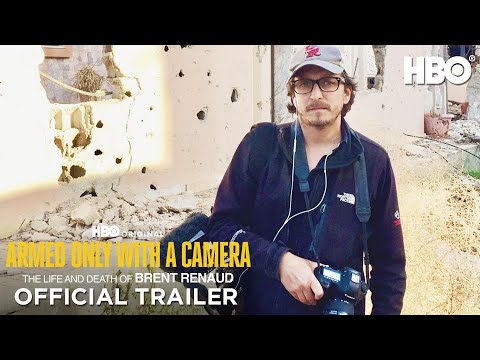
photojournalist in 30 Seconds
- A photojournalist is a professional who tells news stories using photographs.
- They differ from regular photographers by following strict journalistic ethics and focusing on real-world events.
- Photojournalists often work for news agencies, newspapers, and magazines, sometimes in dangerous locations.
- Their work aims to provide an honest, visual record of history and social issues.
The term photojournalist refers to a specialized type of journalist who uses the medium of photography as their primary tool for storytelling. Unlike a commercial photographer who might focus on fashion or advertising, or a portrait photographer who focuses on individuals in a controlled environment, a photojournalist is dedicated to capturing the raw reality of news events. This profession is deeply rooted in the concept of 'bearing witness.' When a major event occurs—be it a political protest, a natural disaster, a sporting triumph, or a quiet moment of human struggle—the photojournalist is there to ensure that the visual record is preserved for the public. The word itself is a portmanteau of 'photography' and 'journalism,' highlighting the dual nature of the role: the technical skill of a photographer combined with the ethical and narrative responsibilities of a reporter. People use this word when discussing the media, historical documentation, and the ethics of visual representation. In a world increasingly saturated with images, the distinction of a professional photojournalist remains vital because they adhere to a strict code of ethics that forbids staging or manipulating images to mislead the audience.
- The Narrative Purpose
- The primary objective of a photojournalist is to tell a story that words alone cannot fully convey. They look for the 'decisive moment'—a term coined by Henri Cartier-Bresson—where the elements of a scene align to reveal a deeper truth about the human condition or a specific event.
The award-winning photojournalist spent three months embedded with the rescue teams to document the aftermath of the earthquake.
Historically, the role of the photojournalist gained prominence during the mid-20th century with magazines like 'Life' and 'Look,' which prioritized photo essays over long-form text. Today, the term is used in the context of digital media, where a single powerful image can go viral and spark global conversations. When we talk about a photojournalist, we are describing someone who often puts themselves in harm's way—entering war zones, navigating riots, or traveling to remote areas—to bring back images that inform, educate, and sometimes provoke social change. It is a profession that requires not only an eye for composition and lighting but also immense physical stamina, emotional resilience, and a deep understanding of the socio-political context of the subjects being photographed. In academic and professional circles, the term distinguishes these individuals from 'citizen journalists' who may happen to take a photo of a news event but lack the professional training and ethical framework of a career photojournalist.
- Ethical Boundaries
- Unlike artistic photographers, a photojournalist must follow strict rules regarding image manipulation. They cannot add or remove elements from a photo, as doing so would compromise the journalistic integrity of the work.
To be a successful photojournalist, one must possess the patience to wait for hours for a single meaningful shot.
In modern usage, the term also encompasses those who work in video, often called 'multimedia photojournalists.' They capture both still images and video footage to provide a comprehensive view of a story for online platforms. Despite the shift in technology from film to digital, the core essence of the word remains the same: it is about the pursuit of truth through the lens. When you hear this word in a conversation, it usually implies a high level of professional respect and a recognition of the risks taken to provide the public with visual news. It is common to see the word used in job titles at major newspapers like The New York Times, news agencies like Reuters or the Associated Press, and in the context of prestigious awards like the Pulitzer Prize for Feature Photography.
- Equipment and Skill
- A photojournalist often carries multiple camera bodies and lenses to be prepared for any situation, from wide-angle shots of a crowd to telephoto shots of a distant subject in a conflict zone.
The photojournalist's portfolio showcased a decade of documenting environmental changes in the Arctic.
She decided to become a photojournalist after seeing how a single image could influence public opinion on the war.
The life of a photojournalist is often nomadic, moving from one crisis to another to capture the truth.
Using the word photojournalist correctly involves understanding its role as a countable noun and its specific professional connotations. It is frequently used as the subject of a sentence to describe an action related to reporting or documenting. For example, 'The photojournalist captured the intensity of the protest.' In this context, the word highlights that the person taking the photo is doing so for a journalistic purpose. It is also common to use it in the possessive form, such as 'The photojournalist's lens,' to refer to their equipment or their unique perspective. Because it is a professional title, it is often used in introductions or descriptions of someone's career path: 'After graduating with a degree in communications, he began his career as a freelance photojournalist.' This emphasizes the professional nature of the work, distinguishing it from a hobby.
- Common Verb Pairings
- Verbs like 'document,' 'capture,' 'record,' 'report,' 'witness,' and 'embed' are frequently paired with photojournalist. For instance, 'The photojournalist was embedded with the military unit.'
As a photojournalist, her primary responsibility is to remain objective while capturing emotional scenes.
When writing about photojournalists, it is important to place them within the context of the media industry. You might see the word used in sentences discussing the challenges of the profession, such as 'The photojournalist faced significant risks while reporting from the front lines.' This highlights the danger and commitment involved. Additionally, the word can be used to describe the impact of their work: 'The photojournalist's images were instrumental in bringing international attention to the famine.' Here, the focus is on the power of visual journalism to effect change. It is also useful to compare the photojournalist to other roles in a newsroom. For example, 'While the reporter interviewed the survivors, the photojournalist looked for a visual way to represent their loss.' This shows the collaborative nature of modern journalism where different roles work together to tell a complete story.
- Adjective Modifiers
- Common adjectives used to describe a photojournalist include 'intrepid,' 'veteran,' 'freelance,' 'award-winning,' 'renowned,' and 'aspiring.'
The photojournalist's work was featured on the front page of every major newspaper the next morning.
In more complex sentences, you can use the word to discuss the philosophy of the craft. 'The role of the photojournalist has evolved in the digital age, requiring them to be proficient in both still photography and short-form video.' This sentence structure allows for a discussion of the changing landscape of the profession. You can also use it to describe the personal qualities needed: 'To be a photojournalist, one must have an unwavering commitment to the truth and a keen eye for detail.' This emphasizes the character traits associated with the job. Whether you are writing a biography, a news report, or an essay on media ethics, the word 'photojournalist' provides a precise way to identify a professional who tells stories through images. It carries a weight of authority and professionalism that the broader term 'photographer' does not always convey in a news context.
- Contextual Usage
- In a sentence like 'The photojournalist submitted his photos to the editor,' the word establishes a professional workflow within a news organization.
Many a photojournalist has risked their life to bring the reality of war into our living rooms.
The photojournalist captured a moment of pure joy amidst the rubble of the city.
Every photojournalist knows that the best story is often found in the small, overlooked details.
The word photojournalist is most commonly heard in environments related to media, journalism, and the arts. If you are watching a news broadcast, you might hear the anchor introduce a segment by saying, 'Our photojournalist on the ground has sent us these exclusive images.' This usage reinforces the idea that the person providing the visuals is a professional member of the news team. In the world of publishing, editors frequently use the term when discussing assignments: 'We need to send a photojournalist to the border to cover the migration crisis.' It is a standard job title within newspapers, magazines, and digital news outlets. You will also encounter this word frequently in the context of prestigious awards and exhibitions. For example, the World Press Photo Foundation holds an annual contest that is often referred to as the 'Oscars of photojournalism,' where the term is used to celebrate the highest achievements in the field.
- Media Industry
- In newsrooms, the term is used to distinguish those who produce visual content from those who write the text. It is a title that commands respect for both technical and editorial expertise.
The photojournalist was interviewed on a podcast about the ethics of photographing vulnerable populations.
In academic settings, such as journalism schools, the word is used to describe a specific track of study. Students might say, 'I'm training to be a photojournalist,' which implies they are learning about camera mechanics, lighting, and composition, but also about media law, ethics, and storytelling techniques. You will also hear the word in documentaries or biographies about famous figures like Robert Capa, Dorothea Lange, or Steve McCurry. These individuals are celebrated as iconic photojournalists whose work has shaped our understanding of history. In the world of social activism, the term is used to describe those who use their cameras to highlight injustice. Organizations like 'Photographers Without Borders' often use the term to describe their volunteers who document social issues globally. Even in casual conversation among photography enthusiasts, the word is used to distinguish a certain style of candid, story-driven photography from more posed or commercial styles.
- Documentary and Film
- Movies like 'The Bang Bang Club' or 'Civil War' (2024) center on the lives of photojournalists, bringing the term into popular culture and highlighting the dangers they face.
During the press conference, the photojournalist stood at the front to get a clear shot of the prime minister.
Furthermore, the word is frequently seen in the credits of books, magazines, and online articles. A 'Photojournalist' credit line is a mark of professional authorship. In the legal system, the term might be used in discussions about 'freedom of the press,' where the rights of a photojournalist to document public events are protected by law in many democratic societies. You might also hear it in the context of technology discussions, where the impact of smartphones and AI on the profession of the photojournalist is a hot topic. Despite the rise of 'citizen journalism,' the professional photojournalist is still the one called upon for high-stakes, high-quality visual reporting. Whether it's a mention in a LinkedIn profile, a credit in a National Geographic feature, or a discussion in a media ethics seminar, the word 'photojournalist' consistently represents the intersection of art, truth, and news.
- Exhibitions and Galleries
- Art galleries often host exhibitions dedicated to 'The Art of the Photojournalist,' showcasing how news images can also be powerful works of art.
The photojournalist's camera was damaged during the scuffle, but the memory card was safe.
Being a photojournalist means being a witness to history as it unfolds in real-time.
The photojournalist waited for the perfect light to capture the solemnity of the memorial service.
One of the most frequent mistakes people make is using the terms photojournalist and 'photographer' interchangeably. While all photojournalists are photographers, not all photographers are photojournalists. A photographer is a broad term that includes anyone who takes pictures, from a hobbyist with a smartphone to a professional wedding photographer. A photojournalist, however, is specifically a reporter who uses images to tell news stories. Using 'photographer' when 'photojournalist' is meant can diminish the professional and ethical weight of the person's work. Another common error is confusing a photojournalist with a 'paparazzo' (plural: paparazzi). A paparazzo focuses on candid, often intrusive photos of celebrities for tabloid purposes, whereas a photojournalist focuses on news, social issues, and events of public interest. Confusing the two can be offensive to a professional photojournalist who prides themselves on their ethical standards and the importance of their subject matter.
- Mistaken Identity
- Don't call a photojournalist a 'paparazzo.' The former documents news for the public good, while the latter often invades privacy for commercial gain.
Incorrect: The photojournalist took lovely portraits of the bride. (Correct: The wedding photographer took lovely portraits of the bride.)
Another mistake involves the spelling and pronunciation of the word. It is a long word, and sometimes people omit the 'o' after 'photo' or the 'al' in the middle, leading to 'photajournalist' or 'photojournalist' (mispronounced). It should be clearly articulated as pho-to-jour-nal-ist. In terms of grammar, a common error is treating the word as an uncountable noun or a collective noun without an article. For example, saying 'He is photojournalist' instead of 'He is a photojournalist.' Since it is a countable noun referring to a person, it requires an article or a plural form. Additionally, some people mistakenly believe that photojournalists are allowed to edit their photos as much as they want. In reality, journalistic ethics strictly limit editing to basic adjustments like cropping or brightness; changing the content of the image is a major professional violation that can end a photojournalist's career.
- Professional Distinction
- A 'citizen journalist' is someone who happens to be at a scene with a phone. A 'photojournalist' is a trained professional with an ethical obligation to the truth.
Incorrect: Many photojournalist were at the scene. (Correct: Many photojournalists were at the scene.)
Finally, there is a misconception that a photojournalist's job is just to take 'pretty' pictures. While aesthetic quality is important, the primary goal is 'truth.' A photojournalist might take a photo that is disturbing, ugly, or heartbreaking because that is the reality of the situation they are documenting. To criticize a photojournalist for taking a 'bad' (i.e., unpleasant) photo is to misunderstand the purpose of the profession. They are not there to make the world look good; they are there to show the world as it is. Understanding these distinctions—between photographer and photojournalist, between paparazzo and photojournalist, and between art and reportage—is key to using the word correctly and respecting the profession it represents. When you use the word, you are acknowledging a specific set of skills and a specific ethical commitment to the public's right to know.
- Grammar Check
- Remember that 'photojournalism' is the field/activity (uncountable), while 'photojournalist' is the person (countable).
The photojournalist refused to stage the photo, even though it would have looked better on the cover.
A photojournalist must always be ready to capture the unexpected.
The photojournalist's role is to show, not just to tell.
While photojournalist is a very specific term, there are several related words that can be used depending on the context. The most common alternative is 'press photographer.' This term is often used in the UK and in older contexts to describe someone who takes photos for newspapers. While it is very similar to photojournalist, 'press photographer' sometimes implies a more local or daily news focus, whereas 'photojournalist' can suggest a more long-term, narrative, or international focus. Another related term is 'documentary photographer.' A documentary photographer also captures real-life events, but their work is often more long-form and may not be tied to a specific news cycle. They might spend years documenting a single community or issue, and their work is often seen in books or galleries rather than daily news sites.
- Photojournalist vs. Press Photographer
- 'Photojournalist' emphasizes the reporting aspect and storytelling, while 'press photographer' is a more traditional term for someone working for the print media.
While he started as a local press photographer, he eventually became a world-renowned photojournalist.
In the modern digital landscape, the term 'visual storyteller' has become popular. This is a broader term that can include photojournalists, videographers, and even graphic designers. It emphasizes the narrative goal rather than the specific tool used. Another term you might encounter is 'multimedia journalist' (MMJ). An MMJ is expected to do everything: write the story, take the photos, and record the video. This is increasingly common in local news where budgets are tight. However, 'photojournalist' remains the preferred title for those who specialize deeply in the visual aspect of reporting. In conflict zones, you might hear the term 'war photographer.' This is a sub-category of photojournalism that specifically focuses on documenting armed conflict. While 'war photographer' is more dramatic, 'photojournalist' is the broader professional category they belong to.
- Photojournalist vs. Documentary Photographer
- Photojournalists usually work on tight deadlines for news outlets, while documentary photographers work on longer-term projects with less immediate time pressure.
The photojournalist and the documentary photographer both aim to capture reality, but their methods and deadlines differ.
When looking for synonyms, you might also consider 'lensman' (an older, somewhat gendered term) or 'shutterbug' (a very informal, almost diminutive term for a photography enthusiast). Neither of these is appropriate for a professional news context. In a formal report, you might use 'visual reporter' to highlight the journalistic function. If you are talking about the person's role in a specific project, you could use 'lead photographer.' However, none of these alternatives fully capture the specific blend of news reporting and visual art that 'photojournalist' does. It remains the most accurate and respected term for this profession. Understanding these nuances helps you choose the right word for the right situation, ensuring that you convey the appropriate level of professionalism and intent.
- Other Related Terms
- 'Stringer' (a freelance photojournalist), 'Staff Photographer' (a photojournalist employed by a specific outlet), and 'Videographer' (someone who captures moving images).
The photojournalist collaborated with a writer to produce a deep-dive feature on urban poverty.
A photojournalist's greatest asset is their ability to gain the trust of their subjects.
The transition from film to digital has changed how a photojournalist works, but not why they work.
How Formal Is It?
Fun Fact
The first use of the term is often attributed to Frank Luther Mott, a journalism historian and dean of the University of Missouri School of Journalism, in the 1940s.
Pronunciation Guide
- Pronouncing it as 'photo-journal-ism' when referring to the person.
- Missing the 'o' in the middle (e.g., 'phot-journalist').
- Putting the stress on 'pho' instead of 'jour'.
- Confusing the 'j' sound with a 'y' sound in some languages.
- Mumbling the 'nal' syllable.
Difficulty Rating
The word is long but follows standard English compounding rules, making it recognizable.
Spelling the full word correctly requires attention to the 'o' and the 'al' suffix.
The pronunciation is rhythmic, but the stress must be placed correctly on the third syllable.
Easily distinguishable in news and media contexts.
What to Learn Next
Prerequisites
Learn Next
Advanced
Grammar to Know
Compound Nouns
Photojournalist is a compound noun made of 'photo' and 'journalist'.
Agent Nouns (-ist)
The suffix '-ist' denotes a person who practices something, like 'artist' or 'photojournalist'.
Articles with Professions
We use 'a' or 'an' when stating someone's job: 'He is a photojournalist'.
Possessive Nouns
To show ownership: 'The photojournalist's camera was expensive'.
Adjective Placement
Adjectives usually come before the noun: 'The famous photojournalist'.
Examples by Level
The photojournalist has a big camera.
Le photojournaliste a un grand appareil photo.
Use 'a' before photojournalist because it starts with a consonant sound.
A photojournalist takes news pictures.
Un photojournaliste prend des photos d'actualité.
Simple present tense for a regular job.
The photojournalist is at the game.
Le photojournaliste est au match.
Preposition 'at' for a location.
I want to be a photojournalist.
Je veux être photojournaliste.
Verb 'want' followed by 'to be'.
The photojournalist works for a newspaper.
Le photojournaliste travaille pour un journal.
Third person singular 'works'.
Look at the photojournalist's picture.
Regardez la photo du photojournaliste.
Possessive 's.
The photojournalist travels a lot.
Le photojournaliste voyage beaucoup.
Adverb 'a lot' at the end.
Is he a photojournalist?
Est-il photojournaliste ?
Question form with 'is'.
The photojournalist took a photo of the fire.
Le photojournaliste a pris une photo de l'incendie.
Past tense 'took'.
She is a famous photojournalist.
Elle est une photojournaliste célèbre.
Adjective 'famous' before the noun.
The photojournalist showed us his best work.
Le photojournaliste nous a montré son meilleur travail.
Indirect object 'us'.
Many photojournalists go to war zones.
Beaucoup de photojournalistes vont dans des zones de guerre.
Plural form 'photojournalists'.
He became a photojournalist last year.
Il est devenu photojournaliste l'année dernière.
Past tense 'became'.
The photojournalist's job is very dangerous.
Le métier de photojournaliste est très dangereux.
Adjective 'dangerous' after the verb 'is'.
Do you know any photojournalists?
Connaissez-vous des photojournalistes ?
Question with 'do' and 'any' for plural.
The photojournalist captured the winner's smile.
Le photojournaliste a capturé le sourire du gagnant.
Verb 'captured' is common in this context.
A photojournalist must follow a code of ethics.
Un photojournaliste doit suivre un code de déontologie.
Modal verb 'must' for obligation.
The photojournalist was assigned to cover the election.
Le photojournaliste a été chargé de couvrir les élections.
Passive voice 'was assigned'.
He worked as a freelance photojournalist for years.
Il a travaillé comme photojournaliste indépendant pendant des années.
'As a' to describe a role.
The photojournalist's images told a story of hope.
Les images du photojournaliste racontaient une histoire d'espoir.
Possessive 's with plural noun 'images'.
She is studying to become a professional photojournalist.
Elle étudie pour devenir photojournaliste professionnelle.
Present continuous 'is studying'.
The photojournalist refused to edit the controversial photo.
Le photojournaliste a refusé de retoucher la photo controversée.
Infinitive 'to edit' after 'refused'.
Every photojournalist knows the importance of lighting.
Chaque photojournaliste connaît l'importance de l'éclairage.
'Every' is followed by a singular noun.
The photojournalist won an award for her series on poverty.
La photojournaliste a remporté un prix pour sa série sur la pauvreté.
Preposition 'for' to show the reason for the award.
The photojournalist documented the impact of climate change.
Le photojournaliste a documenté l'impact du changement climatique.
Transitive verb 'documented'.
Being a photojournalist requires both courage and patience.
Être photojournaliste exige à la fois du courage et de la patience.
Gerund 'Being' as the subject.
The photojournalist's presence was barely noticed by the subjects.
La présence du photojournaliste a été à peine remarquée par les sujets.
Adverb 'barely' modifying the verb.
Many photojournalists are now using drones for aerial shots.
De nombreux photojournalistes utilisent désormais des drones pour des prises de vue aériennes.
Present continuous for a current trend.
The photojournalist aimed to capture the raw emotion of the scene.
Le photojournaliste visait à capturer l'émotion brute de la scène.
Verb 'aimed' followed by 'to' infinitive.
As a photojournalist, he had to remain objective at all times.
En tant que photojournaliste, il devait rester objectif à tout moment.
'Had to' for past obligation.
The photojournalist's portfolio was impressive and diverse.
Le portfolio du photojournaliste était impressionnant et diversifié.
Compound adjectives 'impressive and diverse'.
She was the first photojournalist to enter the restricted zone.
Elle a été la première photojournaliste à pénétrer dans la zone interdite.
'The first' followed by a noun and 'to' infinitive.
The photojournalist's work serves as a poignant visual history.
L'œuvre du photojournaliste sert d'histoire visuelle poignante.
Metaphorical use of 'serves as'.
A photojournalist must navigate the ethics of representation.
Un photojournaliste doit naviguer dans l'éthique de la représentation.
Abstract noun 'ethics of representation'.
The photojournalist's commitment to the truth is unwavering.
L'engagement du photojournaliste envers la vérité est inébranlable.
Adjective 'unwavering' for strong character.
Digital technology has revolutionized how the photojournalist works.
La technologie numérique a révolutionné la façon dont le photojournaliste travaille.
Present perfect 'has revolutionized'.
The photojournalist captured the juxtaposition of wealth and poverty.
Le photojournaliste a capturé la juxtaposition de la richesse et de la pauvreté.
Sophisticated vocabulary 'juxtaposition'.
He is a photojournalist whose work transcends cultural barriers.
C'est un photojournaliste dont l'œuvre transcende les barrières culturelles.
Relative clause with 'whose'.
The photojournalist's role is often fraught with moral dilemmas.
Le rôle du photojournaliste est souvent semé de dilemmes moraux.
Adjective phrase 'fraught with'.
The photojournalist sought to humanize the statistics of the war.
Le photojournaliste a cherché à humaniser les statistiques de la guerre.
Verb 'sought' (past of seek).
The photojournalist's oeuvre constitutes a definitive visual record.
L'œuvre du photojournaliste constitue un document visuel définitif.
Use of the formal word 'oeuvre'.
The photojournalist navigated the precarious intersection of art and news.
Le photojournaliste a navigué à l'intersection précaire de l'art et de l'actualité.
Complex metaphorical language.
Her tenure as a photojournalist was marked by profound integrity.
Son mandat de photojournaliste a été marqué par une profonde intégrité.
Noun 'tenure' for a period of professional life.
The photojournalist's lens provides an unvarnished view of reality.
L'objectif du photojournaliste offre une vue sans fard de la réalité.
Idiomatic 'unvarnished view'.
He remains the quintessential photojournalist of his generation.
Il reste le photojournaliste quintessentiel de sa génération.
Adjective 'quintessential'.
The photojournalist's work challenges the prevailing narrative.
Le travail du photojournaliste remet en question le récit dominant.
Abstract concept 'prevailing narrative'.
The photojournalist meticulously documented the subtle shifts in society.
Le photojournaliste a documenté méticuleusement les changements subtils de la société.
Adverb 'meticulously' modifying 'documented'.
The photojournalist's legacy is etched in the collective memory.
L'héritage du photojournaliste est gravé dans la mémoire collective.
Passive metaphor 'is etched in'.
Common Collocations
Common Phrases
— Seeing an event from the perspective of a professional news photographer.
We saw the reality of the war through the lens of a photojournalist.
— The daily experiences and challenges faced by someone in this profession.
The life of a photojournalist is often lonely and demanding.
— A description of the typical tasks and events in a photojournalist's day.
The documentary showed a day in the life of a photojournalist in New York.
— The process of training and entering the profession.
He wrote a book about his journey of becoming a photojournalist.
— The moral principles that guide a photojournalist's work.
The ethics of a photojournalist are often tested in high-pressure situations.
— Being employed in the field of photojournalism.
Working as a photojournalist requires a lot of travel.
— The function and importance of photojournalists in society.
The role of the photojournalist is to provide a visual record of our time.
— The unique ability to spot a good story or a powerful image.
She has the eye of a photojournalist, always noticing the small details.
— The long-term professional path of a photojournalist.
He enjoyed a long and successful career as a photojournalist.
— The entire industry and community surrounding this profession.
She was quickly introduced to the fast-paced world of photojournalism.
Often Confused With
A general term for anyone who takes photos, whereas a photojournalist is a specific type of reporter.
A photographer who stalks celebrities, which is the opposite of the ethical news-gathering of a photojournalist.
A broad term for any reporter; a photojournalist is a journalist who uses photos.
Idioms & Expressions
— A single image can convey a complex story or emotion more effectively than text.
The photojournalist proved that a picture is worth a thousand words with his shot of the falling wall.
informal— To take a photo at the exact right time to record a significant event.
The photojournalist managed to capture the moment the athlete crossed the finish line.
neutral— The perfect instant to take a photo where everything in the frame comes together.
He waited patiently for the decisive moment before pressing the shutter.
professional— Being in a dangerous position where one might be harmed, often literal for photojournalists.
The photojournalist was in the line of fire while documenting the street battle.
neutral— Being at the most important or dangerous part of an event or conflict.
Photojournalists are often on the front lines of history.
neutral— To see something happen and record it so that others will know about it.
The photojournalist's job is to bear witness to the events of the world.
formal— An unnoticed observer; a style where the photojournalist does not interfere.
She preferred to be a fly on the wall, capturing candid moments without being seen.
informal— To successfully take the specific photograph that is needed.
No matter the obstacles, the photojournalist was determined to get the shot.
informal— The idea that a photograph is an objective record of reality (often debated in the field).
While some say the camera never lies, a photojournalist knows that perspective is everything.
neutral— Referring to the person taking the photo and their perspective.
We rarely see the person behind the lens, but their influence is in every image.
neutralEasily Confused
It is the name of the profession, not the person.
Photojournalism is the activity or field; a photojournalist is the person who does it.
She studies photojournalism because she wants to be a photojournalist.
Both take candid photos of people in public.
Paparazzi focus on celebrities for money; photojournalists focus on news for the public interest and follow ethics.
The photojournalist was annoyed when someone called him a paparazzo.
Both work in journalism.
A stringer is a freelance worker (can be a writer or photographer); a photojournalist is a specific role.
The agency used a local stringer who was an experienced photojournalist.
Both capture visual news.
A videographer captures moving images; a photojournalist traditionally captures still images, though the roles are merging.
The news team included both a photojournalist and a videographer.
Both document reality.
A documentarian usually makes long films; a photojournalist usually works for news outlets with shorter deadlines.
The photojournalist collaborated with a documentarian on the film.
Sentence Patterns
The [noun] is a [job].
The man is a photojournalist.
A [job] takes [noun].
A photojournalist takes news photos.
He works as a [job] for [organization].
He works as a photojournalist for the local paper.
Being a [job] involves [gerund].
Being a photojournalist involves traveling to dangerous places.
The [job]'s role is to [verb].
The photojournalist's role is to document the human condition.
The [job] must navigate the [abstract noun].
The photojournalist must navigate the complex ethics of visual reportage.
The [job] was [past participle] to [verb].
The photojournalist was assigned to cover the strike.
It is the [job] who [verb].
It is the photojournalist who brings us images from the front lines.
Word Family
Nouns
Verbs
Adjectives
Related
How to Use It
The word is moderately common in news and media, but less common in everyday casual conversation.
-
He is photojournalist.
→
He is a photojournalist.
In English, you must use an article (a/an) before a singular profession.
-
The photojournalist edited the person out of the news photo.
→
The photojournalist cropped the photo but did not remove any people.
Photojournalists are ethically forbidden from removing or adding people/objects in news photos.
-
The paparazzi took photos of the war.
→
The photojournalists took photos of the war.
Paparazzi follow celebrities; photojournalists cover news and serious events.
-
I like his photojournalism style.
→
I like his photojournalistic style.
Use the adjective 'photojournalistic' to describe a style, not the noun 'photojournalism'.
-
The photojournalist's are very brave.
→
The photojournalists are very brave.
Do not use an apostrophe for a simple plural noun.
Tips
Use the right title
Always use 'photojournalist' instead of 'photographer' when the person is working for a news organization. it shows you understand their professional role.
Countable Noun
Remember that 'photojournalist' is a person you can count. Use 'a' for one and 's' for many: 'A photojournalist' or 'Many photojournalists'.
Truth over Beauty
A photojournalist's job is to capture the truth, even if it's not 'pretty'. Don't expect their photos to always look like art; expect them to look like reality.
Learn the family
Learn 'photojournalism' (the job) and 'photojournalistic' (the style) at the same time to expand your vocabulary quickly.
Global Role
Think of photojournalists as 'visual historians'. Their work becomes the record of our world for future generations.
Stress the 'Jour'
When speaking, make sure the 'jour' syllable is the strongest. It helps people understand this long word more easily.
Active Verbs
Pair the word with strong verbs like 'documented', 'exposed', or 'captured' to make your writing more professional.
News Context
When you hear 'photojournalist' on the news, look at the images on screen. They are the 'story' the person is telling.
Freelance vs Staff
Many photojournalists are 'freelance', meaning they work for themselves. Others are 'staff', meaning they work for one company.
The Pulitzer Connection
Associate the word with the Pulitzer Prize. It's the most famous award a photojournalist can win.
Memorize It
Mnemonic
Think of a 'Photo' + 'Journalist'. A journalist writes the news; a photojournalist 'writes' the news with light (photos).
Visual Association
Imagine a person holding a camera in one hand and a press badge in the other, standing in front of a historic building.
Word Web
Challenge
Try to describe a famous news event you know. Then, explain what a photojournalist would have to do to capture that event in one single picture.
Word Origin
The word is a 20th-century compound formed from 'photo-' (derived from the Greek 'phos' meaning light) and 'journalist' (from the French 'journal' meaning daily). It emerged as photography became a central part of news reporting.
Original meaning: A person who produces journalism using photography.
English (with Greek and Latin roots).Cultural Context
Be aware that photojournalists often cover sensitive or traumatic events; respect the gravity of their work.
In the US and UK, photojournalists are protected by 'freedom of the press' laws, though they often face challenges from police at protests.
Practice in Real Life
Real-World Contexts
War and Conflict
- front lines
- conflict zone
- embedded with troops
- documenting the aftermath
Sports
- sideline access
- action shot
- capture the winning goal
- sports desk
Politics
- press conference
- campaign trail
- political rally
- official portrait
Social Issues
- human interest story
- documenting poverty
- environmental crisis
- social change
Education
- journalism school
- visual storytelling
- media ethics
- portfolio review
Conversation Starters
"Have you ever seen a photo by a famous photojournalist that really moved you?"
"Do you think the job of a photojournalist is more dangerous now than in the past?"
"Would you ever want to work as a photojournalist in a conflict zone?"
"How do you think social media has changed the role of the professional photojournalist?"
"What qualities do you think are most important for a successful photojournalist?"
Journal Prompts
Imagine you are a photojournalist assigned to cover a major event in your city. Describe what you would try to photograph.
Write about the ethical challenges a photojournalist might face when photographing a tragedy.
If you could be a photojournalist for one day, which historical event would you want to go back and document?
Discuss whether you think 'citizen journalists' with smartphones will eventually replace professional photojournalists.
Describe a single photograph that changed your mind about a news story or social issue.
Frequently Asked Questions
10 questionsA photojournalist takes photographs to tell a news story. They work for newspapers, magazines, or news agencies to document events like protests, wars, or sports. Their goal is to provide a truthful visual record of what is happening in the world.
Not exactly. A photojournalist is a type of photographer who works as a reporter. While a general photographer might take wedding or fashion photos, a photojournalist focuses on news and must follow strict journalistic ethics.
They are allowed very limited editing, such as cropping or adjusting brightness. They are strictly forbidden from adding, removing, or changing elements in a photo because their job is to show the truth, not to create art.
Most photojournalists study journalism or photography in college. They build a portfolio of their work and often start by working as freelancers or 'stringers' for local newspapers before getting full-time jobs.
It can be. Many photojournalists travel to war zones, natural disasters, or protests where they face physical risks to get the story. They often wear protective gear like helmets and press vests.
It is a concept created by Henri Cartier-Bresson. It refers to the exact second when the elements of a scene come together to perfectly tell a story. A good photojournalist has the patience and skill to capture this moment.
Famous names include Robert Capa, who covered World War II; Dorothea Lange, who documented the Great Depression; and Steve McCurry, known for his 'Afghan Girl' portrait.
While smartphones can take great photos, professional photojournalists usually use high-end DSLR or mirrorless cameras with different lenses to handle various lighting and distance requirements. However, 'citizen journalism' often starts with a smartphone.
A photojournalist reports on news and social issues for the public good. A paparazzo follows celebrities to get private photos for tabloids. Photojournalists follow a code of ethics, while paparazzi are often criticized for invading privacy.
It is important because images have a powerful emotional impact and can provide proof of events. Photojournalism helps hold powerful people accountable and brings global issues to the attention of the public.
Test Yourself 180 questions
Describe the job of a photojournalist in your own words.
Well written! Good try! Check the sample answer below.
Why is it important for a photojournalist to follow a code of ethics?
Well written! Good try! Check the sample answer below.
Compare a photojournalist to a regular photographer.
Well written! Good try! Check the sample answer below.
Imagine you are a photojournalist. What story would you want to cover and why?
Well written! Good try! Check the sample answer below.
What are some of the dangers a photojournalist might face?
Well written! Good try! Check the sample answer below.
Explain the concept of 'the decisive moment'.
Well written! Good try! Check the sample answer below.
How has digital technology changed photojournalism?
Well written! Good try! Check the sample answer below.
Write a short biography of a famous photojournalist.
Well written! Good try! Check the sample answer below.
Discuss the role of photojournalists in a democratic society.
Well written! Good try! Check the sample answer below.
What skills does a photojournalist need besides taking good photos?
Well written! Good try! Check the sample answer below.
Describe a photojournalist's typical day on assignment.
Well written! Good try! Check the sample answer below.
Why do some photojournalists choose to work as freelancers?
Well written! Good try! Check the sample answer below.
How can a single photograph change the world?
Well written! Good try! Check the sample answer below.
What is the difference between a photojournalist and a documentary photographer?
Well written! Good try! Check the sample answer below.
Discuss the ethics of photographing people in traumatic situations.
Well written! Good try! Check the sample answer below.
What is a 'press pass' and why is it important?
Well written! Good try! Check the sample answer below.
How does a photojournalist gain the trust of their subjects?
Well written! Good try! Check the sample answer below.
What is 'citizen journalism' and how does it affect professional photojournalists?
Well written! Good try! Check the sample answer below.
Describe the equipment a professional photojournalist might carry.
Well written! Good try! Check the sample answer below.
What makes a photo 'iconic' in the world of photojournalism?
Well written! Good try! Check the sample answer below.
Pronounce the word 'photojournalist' clearly.
Read this aloud:
You said:
Speech recognition is not supported in your browser. Try Chrome or Edge.
Explain the difference between a photojournalist and a paparazzo.
Read this aloud:
You said:
Speech recognition is not supported in your browser. Try Chrome or Edge.
Talk about a famous photojournalist you know.
Read this aloud:
You said:
Speech recognition is not supported in your browser. Try Chrome or Edge.
Do you think being a photojournalist is a good career choice? Why or why not?
Read this aloud:
You said:
Speech recognition is not supported in your browser. Try Chrome or Edge.
How would you describe a photojournalist's work to a child?
Read this aloud:
You said:
Speech recognition is not supported in your browser. Try Chrome or Edge.
What kind of stories do you think a photojournalist should cover?
Read this aloud:
You said:
Speech recognition is not supported in your browser. Try Chrome or Edge.
Describe a powerful news photo you have seen recently.
Read this aloud:
You said:
Speech recognition is not supported in your browser. Try Chrome or Edge.
Would you rather be a photojournalist or a writer for a newspaper?
Read this aloud:
You said:
Speech recognition is not supported in your browser. Try Chrome or Edge.
What equipment does a photojournalist need?
Read this aloud:
You said:
Speech recognition is not supported in your browser. Try Chrome or Edge.
How do you think social media has changed photojournalism?
Read this aloud:
You said:
Speech recognition is not supported in your browser. Try Chrome or Edge.
What is the most important quality for a photojournalist?
Read this aloud:
You said:
Speech recognition is not supported in your browser. Try Chrome or Edge.
Why do photojournalists sometimes work in dangerous places?
Read this aloud:
You said:
Speech recognition is not supported in your browser. Try Chrome or Edge.
Is it okay for a photojournalist to edit their photos?
Read this aloud:
You said:
Speech recognition is not supported in your browser. Try Chrome or Edge.
What is a 'decisive moment' in your own words?
Read this aloud:
You said:
Speech recognition is not supported in your browser. Try Chrome or Edge.
How can a photojournalist stay safe while working?
Read this aloud:
You said:
Speech recognition is not supported in your browser. Try Chrome or Edge.
What is the difference between a 'staff' and a 'freelance' photojournalist?
Read this aloud:
You said:
Speech recognition is not supported in your browser. Try Chrome or Edge.
Why do photojournalists win awards like the Pulitzer Prize?
Read this aloud:
You said:
Speech recognition is not supported in your browser. Try Chrome or Edge.
Can anyone be a photojournalist?
Read this aloud:
You said:
Speech recognition is not supported in your browser. Try Chrome or Edge.
What is the role of a photojournalist in history?
Read this aloud:
You said:
Speech recognition is not supported in your browser. Try Chrome or Edge.
How do you think AI will affect photojournalism?
Read this aloud:
You said:
Speech recognition is not supported in your browser. Try Chrome or Edge.
Listen to the sentence: 'The photojournalist was awarded the Pulitzer Prize for his coverage of the famine.' What award did he win?
Listen to the sentence: 'A photojournalist must always carry extra batteries and memory cards.' What two things must they carry?
Listen to the sentence: 'The photojournalist's role is to document the human condition.' What is their role?
Listen to the sentence: 'She has been working as a freelance photojournalist for ten years.' How long has she been working?
Listen to the sentence: 'The photojournalist was embedded with the medical team during the pandemic.' Who was the photojournalist with?
Listen to the sentence: 'Every photojournalist follows a strict code of ethics.' What do they follow?
Listen to the sentence: 'The photojournalist's images were instrumental in changing the law.' What did the images help change?
Listen to the sentence: 'The intrepid photojournalist ventured into the storm to get the shot.' What kind of photojournalist was he?
Listen to the sentence: 'The photojournalist's portfolio was reviewed by the editor.' Who reviewed the portfolio?
Listen to the sentence: 'The photojournalist captured the decisive moment of the race.' What did they capture?
Listen to the sentence: 'A photojournalist uses light and shadow to tell a story.' What two things do they use?
Listen to the sentence: 'The photojournalist's camera was a Leica.' What brand was the camera?
Listen to the sentence: 'The photojournalist sought to humanize the victims of the disaster.' What was their goal?
Listen to the sentence: 'The photojournalist's work is a vital part of the free press.' What is the work a part of?
Listen to the sentence: 'The photojournalist was interviewed on the morning news.' Where was the photojournalist interviewed?
/ 180 correct
Perfect score!
Summary
A photojournalist is a visual reporter dedicated to capturing the truth of news events through images. Unlike artistic photographers, they are bound by journalistic ethics to present unmanipulated reality. Example: 'The photojournalist's coverage of the protest provided a vital perspective that words alone could not capture.'
- A photojournalist is a professional who tells news stories using photographs.
- They differ from regular photographers by following strict journalistic ethics and focusing on real-world events.
- Photojournalists often work for news agencies, newspapers, and magazines, sometimes in dangerous locations.
- Their work aims to provide an honest, visual record of history and social issues.
Use the right title
Always use 'photojournalist' instead of 'photographer' when the person is working for a news organization. it shows you understand their professional role.
Countable Noun
Remember that 'photojournalist' is a person you can count. Use 'a' for one and 's' for many: 'A photojournalist' or 'Many photojournalists'.
Truth over Beauty
A photojournalist's job is to capture the truth, even if it's not 'pretty'. Don't expect their photos to always look like art; expect them to look like reality.
Learn the family
Learn 'photojournalism' (the job) and 'photojournalistic' (the style) at the same time to expand your vocabulary quickly.