tannhäuser in 30 Seconds
- Tannhäuser is a legendary German knight and poet from the 13th century, famous for his association with the mythical Venusberg.
- It is the title of a major 1845 opera by Richard Wagner, central to the German Romantic repertoire.
- The name symbolizes the internal conflict between sensual pleasure (Venus) and spiritual redemption (Elizabeth/The Church).
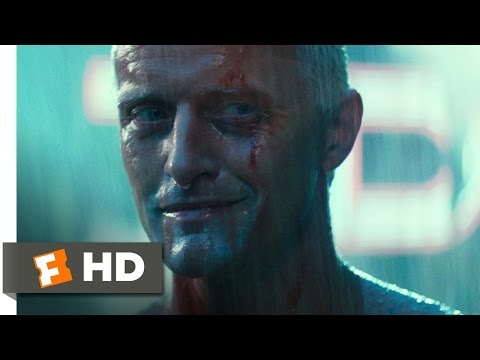
- In modern pop culture, it is famously referenced as the 'Tannhäuser Gate' in the film Blade Runner.
The term Tannhäuser is a proper noun that carries significant weight in the realms of European folklore, classical music, and even modern science fiction. Primarily, it refers to a legendary German knight and poet, a Minnesinger, who lived during the 13th century. In the context of the legend, Tannhäuser is a figure caught between two worlds: the sensual, hedonistic realm of the goddess Venus and the spiritual, repentant world of the Christian church. This duality makes the name a powerful symbol for the internal struggle between earthly desires and moral or spiritual obligations. When people use this word today, they are most likely referring to the famous opera by Richard Wagner, titled Tannhäuser und der Sängerkrieg auf Wartburg (Tannhäuser and the Minstrels' Contest at Wartburg), which premiered in 1845. This opera synthesized various medieval legends into a cohesive narrative about redemption, love, and the transformative power of art. In academic or musicological circles, mentioning Tannhäuser often sparks discussions about Wagner's use of leitmotifs, the transition from Romanticism to more complex musical structures, and the philosophical implications of the 'Venusberg'—a mythical mountain where the goddess Venus resides. Furthermore, the name has entered the lexicon of popular culture through the 'Tannhäuser Gate,' a fictional location mentioned in the iconic 'Tears in Rain' monologue from the film Blade Runner. In this context, it represents the sublime and the unreachable, adding a layer of futuristic mystery to an ancient name. Whether discussed in a conservatory, a literature seminar, or a film studies class, Tannhäuser evokes a sense of grandeur, tragic conflict, and the enduring nature of myth.
- Historical Context
- The historical Tannhäuser was a real person, a poet whose work often parodied the traditional courtly love songs of his era, suggesting a rebellious spirit that fits his legendary persona.
Attending a performance of Tannhäuser at the Bayreuth Festival is a bucket-list item for many opera enthusiasts.
In everyday conversation, you might encounter the word when someone is describing a particularly dramatic or 'Wagnerian' situation. It is used to denote a specific type of romantic struggle—one that is epic in scale and fraught with high stakes. For instance, a literary critic might compare a modern protagonist's moral dilemma to that of Tannhäuser to highlight a conflict between physical temptation and social duty. The word is also a staple in the vocabulary of classical music performers; singers who specialize in 'heldentenor' roles often view the character of Tannhäuser as one of the most demanding and prestigious parts in the repertoire. The complexity of the role requires not just vocal power but a deep emotional range to convey the character's journey from the depths of the Venusberg to the heights of spiritual longing. Because of this, the word is synonymous with high-level artistic achievement and the challenges of the German operatic tradition.
- Mythological Association
- The Venusberg legend associated with Tannhäuser is a variation of the 'mortal in fairyland' trope, common in European folklore, where time passes differently in the magical realm.
The director's modern interpretation of Tannhäuser set the action in a contemporary corporate boardroom instead of a medieval castle.
Beyond the stage, the word serves as a bridge between medieval history and modern aesthetics. It reminds us of the 'Minnesang' tradition, where poets sang of 'Minne' (courtly love), a concept that shaped Western ideas of romance for centuries. By studying Tannhäuser, one gains insight into how medieval themes were rediscovered and transformed during the 19th-century Romantic movement. This period saw a fascination with the national past and the supernatural, both of which are central to the Tannhäuser narrative. The word is thus a gateway into understanding the evolution of European identity and the way stories are recycled and reinterpreted across different eras. Even in the 21st century, the themes of the Tannhäuser legend—forgiveness, the search for belonging, and the clash between different lifestyles—remain deeply relevant, ensuring that the word continues to be used in serious artistic and philosophical discourse.
He spent the entire weekend listening to different recordings of Tannhäuser to compare the tenors' interpretations of the 'Rome Narrative'.
- Sci-Fi Connection
- The 'Tannhäuser Gate' in Blade Runner is a famous example of 'world-building' through a single, evocative name that suggests a vast, unseen history.
The sci-fi fan's tattoo featured a stylized depiction of the Tannhäuser Gate, glowing with neon light.
The professor explained that the historical Tannhäuser likely never visited a magical mountain, but his poems were certainly provocative.
Using the word Tannhäuser correctly requires an understanding of its context as a proper noun referring to a specific individual, a literary character, or a musical work. In formal writing, such as a music review or a history essay, it is typically used as the subject or object of a sentence. For example, 'Wagner's Tannhäuser represents a pivotal moment in the development of the music drama.' Here, the word functions as the title of the opera. It is important to note that when referring to the opera, the word is usually italicized. If you are referring to the character within the story, you might say, 'Tannhäuser's journey to Rome is a desperate quest for papal absolution.' in this case, the name is not italicized because it refers to the person, not the title of the work. This distinction is subtle but important for maintaining academic and professional standards in writing. Because the name is German, it also carries a certain phonetic weight, and using it in a sentence often signals a level of cultural literacy or a specific interest in the arts.
- Grammatical Role
- As a proper noun, it does not typically take an article (the, a) unless you are referring to a specific production or a specific person named Tannhäuser (e.g., 'The Tannhäuser we saw last night was exceptional').
Many scholars believe that Tannhäuser symbolizes the 19th-century artist's struggle against societal norms.
In more casual or creative contexts, Tannhäuser can be used metaphorically or as part of a cultural allusion. For instance, a writer might describe a character's internal conflict as 'a Tannhäuser-like battle between the sacred and the profane.' This use of the name as an adjective (via hyphenation) allows the speaker to evoke a complex set of themes with a single word. Similarly, in the world of science fiction fandom, one might hear, 'I've seen things you people wouldn't believe... attack ships on fire off the shoulder of Orion. I watched C-beams glitter in the dark near the Tannhäuser Gate.' In this famous quote, the word is part of a compound proper noun that creates a sense of epic, far-off adventure. When using the word in this way, the speaker is relying on the audience's shared cultural knowledge to convey a feeling of awe and melancholy. It is a testament to the word's power that it can bridge the gap between 13th-century poetry and 21st-century space opera.
- Sentence Structure
- When used in the possessive form, it becomes 'Tannhäuser's' (e.g., 'Tannhäuser's aria in the second act is particularly moving').
The overture to Tannhäuser is frequently performed as a standalone concert piece.
Furthermore, the word can appear in comparative sentences, especially when discussing different versions of the legend. One might say, 'While the medieval ballad of Tannhäuser ends in tragedy, Wagner's version offers a glimmer of hope through Elizabeth's sacrifice.' This usage highlights the word's role as a label for a specific narrative tradition. In pedagogical settings, a teacher might use the word to introduce students to the concept of the 'German Romantic Opera,' saying, 'Today we will analyze Tannhäuser to understand how Wagner integrated myth and history.' In all these examples, the word functions as a precise anchor for complex ideas. Its use is not limited to those who are experts in music or history; rather, it is a word that, once learned, opens up a vast network of cultural associations. Whether you are describing a plot point, a musical theme, or a sci-fi reference, Tannhäuser provides a rich, evocative shorthand for the epic and the existential.
Is the character of Tannhäuser meant to be a hero or a cautionary tale?
- Common Collocations
- Commonly paired with words like 'legend,' 'opera,' 'overture,' 'gate,' and 'myth.'
The set design for the new production of Tannhäuser was criticized for being too minimalist.
He wrote a thesis on the reception of Tannhäuser in 19th-century Paris.
The word Tannhäuser is most frequently heard in environments dedicated to high culture, particularly opera houses and concert halls. If you attend a season preview at the Metropolitan Opera in New York or the Royal Opera House in London, the name will likely come up as part of the upcoming repertoire. It is a staple of the international operatic stage, and discussions about which tenor is best suited for the title role are common among aficionados. Beyond the physical theater, you will hear the word on classical music radio stations like BBC Radio 3 or WQXR, where the overture or specific arias are frequently played. Announcers will often provide a brief summary of the legend before the music begins, reinforcing the word's association with German Romanticism. In these contexts, the word is pronounced with a certain reverence, reflecting its status as a masterpiece of the Western canon. It is also a common topic in university lecture halls, particularly in departments of musicology, German studies, and comparative literature, where the historical and mythological roots of the story are analyzed in depth.
- In the Media
- You might hear the name in documentaries about Richard Wagner or the history of German music, often accompanied by sweeping orchestral scores.
The radio host announced, 'And now, the Pilgrims' Chorus from Wagner's Tannhäuser.'
Interestingly, you will also hear the word in the world of cinema and science fiction. The 'Tannhäuser Gate' reference in Blade Runner has become so famous that it is often quoted in pop culture documentaries, film reviews, and even in other movies and video games. This has led to a situation where many people recognize the word without necessarily knowing its operatic origins. In this 'geek culture' context, the word is associated with the sublime, the technological, and the philosophical questions of what it means to be human. You might hear a fan at a comic convention say, 'That scene was as epic as the Tannhäuser Gate speech.' This cross-disciplinary presence makes the word unique; it exists simultaneously in the world of 19th-century high art and 20th-century cult cinema. This dual life ensures that the word is heard by a diverse range of people, from elderly opera-goers to young sci-fi enthusiasts, each attributing their own set of meanings to it.
- In Literature
- The name appears in numerous poems and novels that draw on medieval themes, such as those by Heinrich Heine or Algernon Charles Swinburne.
During the film studies seminar, we debated the symbolic meaning of the Tannhäuser Gate in cyberpunk aesthetics.
Furthermore, the word is heard in travel and tourism contexts, specifically in Germany. If you visit the Wartburg Castle in Eisenach, a UNESCO World Heritage site, the name Tannhäuser is everywhere. Tour guides explain the historical 'Sängerkrieg' (Singers' Contest) that supposedly took place there and how it inspired Wagner's opera. In this setting, the word is part of the local heritage and national identity. You might also hear it in the context of the Bayreuth Festival, an annual event dedicated to Wagner's works, where 'Tannhäuser' is a frequent part of the program. In these instances, the word is more than just a name; it is a point of pride and a connection to a rich cultural past. Whether it's spoken in the hallowed halls of a German castle or the neon-lit streets of a fictional future, the word carries a resonance that few other names can match. It is a word that demands attention and invites exploration into the depths of human creativity and myth-making.
The tour guide pointed to the hall where the legendary Tannhäuser was said to have competed.
- In Podcasts
- Many podcasts about history or music theory have entire episodes dedicated to the legend and the opera.
I first heard about Tannhäuser through a podcast about the 'curse' of Wagnerian tenors.
The conductor's lecture on Tannhäuser was both informative and deeply moving.
One of the most frequent mistakes people make with the word Tannhäuser is in its spelling, particularly the omission of the umlaut (the two dots) over the 'a'. In German, 'ä' is a distinct vowel sound, and while English speakers often simplify it to a standard 'a', the correct spelling is vital in formal or academic contexts. Another common spelling error is forgetting the double 'n' or the 'h' after the 'n'. Because the name is phonetically complex for non-German speakers, it is often mangled in writing. To avoid this, it is helpful to break the word down into its components: 'Tann' (meaning fir tree) and 'häuser' (meaning houses). This etymological breakdown not only helps with spelling but also provides a mnemonic for remembering the structure of the word. Furthermore, many people confuse the historical figure with the fictional character created by Wagner. While Wagner based his opera on the historical poet, he took significant creative liberties, blending the poet's life with unrelated legends like the Venusberg and the Singers' Contest. Confusing these two can lead to inaccuracies in historical or literary discussions.
- Pronunciation Error
- Many English speakers pronounce the first syllable like 'tan' (as in a sun tan), but it should sound more like 'tahn' with a short, open 'a' sound.
Incorrect: I am going to see the opera Tanhauser tonight. (Missing the umlaut and the double 'n').
Another mistake involves the misinterpretation of the 'Tannhäuser Gate' reference. Because it is so famous in sci-fi, some people assume it is a real astronomical term or a location in a different work of fiction. Using the term in a scientific context would be a major error, as it is purely a product of a screenwriter's imagination. Additionally, in the context of the opera, people often mistake the character's motivation. It is a common misconception that Tannhäuser is simply a 'bad' person who chooses the Venusberg over Elizabeth. In reality, the character is portrayed as a complex individual who is unable to find a place in either world, making his story a tragedy of alienation rather than a simple moral fable. Misunderstanding this nuance can lead to a superficial analysis of the work. Finally, some people use the word 'Wagnerian' and 'Tannhäuser' interchangeably, but this is incorrect. While Tannhäuser is a Wagnerian opera, it represents a specific period in his career (his middle period) and has distinct musical and thematic characteristics that differ from his later works like The Ring Cycle or Parsifal.
- Contextual Confusion
- Don't confuse Tannhäuser with 'Lohengrin,' another famous Wagnerian hero. They have different stories and symbolic meanings.
Correct: The themes of redemption in Tannhäuser are central to Wagner's philosophy.
In terms of grammar, a common mistake is treating 'Tannhäuser' as a common noun. For example, saying 'He is a real Tannhäuser' might be understood in a very specific artistic circle, but it is not standard English. It is better to use a simile, such as 'He is like Tannhäuser, torn between two worlds.' This maintains the word's status as a proper noun while conveying the intended meaning. Additionally, some people struggle with the possessive form. It should be 'Tannhäuser's,' not 'Tannhäusers' or 'Tannhäuser'. Keeping the apostrophe and the 's' is necessary to indicate ownership or association. Lastly, be careful not to over-Wagnerize your speech. Using words like Tannhäuser too frequently in non-artistic contexts can come across as pretentious or obscure. It is a word that carries a lot of cultural 'baggage,' and it should be used with an awareness of the audience's likely level of familiarity with the subject. By avoiding these common pitfalls, you can use the word with confidence and precision, whether you are discussing 13th-century poetry or 19th-century opera.
The student's essay was marked down for consistently misspelling Tannhäuser as 'Tanhouser'.
- Grammar Check
- Remember that 'Tannhäuser' is the subject, and 'Wagner' is the creator. Avoid saying 'Wagner is Tannhäuser' unless you are making a specific biographical argument.
Wait, is Tannhäuser the name of the mountain or the man? (It's the man; the mountain is the Venusberg).
She incorrectly thought that Tannhäuser was a character from a Shakespeare play.
Because Tannhäuser is a proper noun, finding direct synonyms is impossible. However, there are several related terms and alternatives that can be used depending on the context. If you are referring to the historical or legendary figure, words like Minnesinger, troubadour, or knight-poet are excellent alternatives. A 'Minnesinger' specifically refers to the German tradition of courtly love poets, while 'troubadour' is the broader Occitan term that influenced the German style. Using these words can provide more general context if the specific name Tannhäuser is not required. In the context of the opera, you might use terms like Wagnerian hero, protagonist, or title character. These terms are more functional and can help avoid repetition in a long piece of writing. For example, instead of saying 'Tannhäuser' in every sentence, you could say, 'The protagonist's struggle reaches its climax in the third act.' This keeps the prose fluid while still being clear about who you are discussing.
- Comparison: Minnesinger vs. Troubadour
- A Minnesinger is specifically German and focused on 'Minne' (high love), whereas a Troubadour is from Southern France and has a slightly different poetic tradition.
The Minnesinger tradition is a fascinating look into medieval German culture.
When discussing the themes of the story, you might use words like redemption, dualism, or asceticism. These are not synonyms for the name itself, but they describe the core concepts associated with it. For instance, 'The Tannhäuser legend is a classic tale of redemption' is a common way to frame the story. If you are looking for an alternative to the 'Tannhäuser Gate' in a sci-fi context, you might use terms like event horizon, wormhole, or celestial landmark, although none of these carry the same poetic weight as the original reference. In musicology, you might compare Tannhäuser to other Wagnerian works like Lohengrin or The Flying Dutchman, which also feature themes of the 'wandering hero' and 'redemption through love.' These comparisons help situate the word within a larger artistic framework. Using these alternatives allows for a more nuanced and varied discussion, preventing the name from becoming a repetitive placeholder.
- Comparison: Tannhäuser vs. Lohengrin
- Tannhäuser is a man struggling with sin and guilt, while Lohengrin is a divine knight whose struggle is with being understood by mortals.
Like many Wagnerian heroes, he is defined by a quest that seems impossible to fulfill.
Another set of alternatives can be found in the realm of mythology. Instead of 'the Venusberg,' one might refer to the underworld, the faerie realm, or the land of the lotus-eaters. These terms evoke similar ideas of a magical, seductive place that distracts the hero from his true path. In terms of the character's internal conflict, you could use the phrase psychomachia, which is a literary term for a battle between virtues and vices within the soul. This is a very academic alternative, but it perfectly describes what Tannhäuser goes through. For those who find the German name difficult to use, simply referring to the 'legend of the knight in the mountain' can serve as a descriptive alternative. However, in most serious discussions of the opera or the history, there is no substitute for the name itself. It is a unique identifier that carries a specific set of historical, musical, and philosophical meanings that other words can only approximate.
The legend of the knight in the mountain has many variations across Europe.
- Comparison: Tannhäuser vs. Parsifal
- Tannhäuser is about the struggle with existing sin, while Parsifal is about the journey toward enlightenment and the healing of a wound.
The redemption theme is common in 19th-century German literature.
Is there a more iconic knight-poet in history than the one from the Wartburg legend?
How Formal Is It?
""
""
""
""
""
Fun Fact
The historical Tannhäuser was known for his 'Leich' poems, which were complex musical and poetic structures that he often used to mock the very traditions he was part of.
Pronunciation Guide
- Pronouncing 'Tann' like 'tan' (as in sun tan).
- Pronouncing 'häuser' like 'how-zer'.
- Omitting the 'h' sound entirely.
- Stress on the second syllable.
- Pronouncing the 'ä' as a long 'a' like 'hay'.
Difficulty Rating
Requires knowledge of proper nouns and cultural context.
Spelling with the umlaut and double 'n' is challenging.
German pronunciation is difficult for non-native speakers.
Usually clear in context, but can be confused with other names.
What to Learn Next
Prerequisites
Learn Next
Advanced
Grammar to Know
Capitalization of Proper Nouns
Tannhäuser is always capitalized.
Italicization of Titles
The opera *Tannhäuser* is famous.
Possessive Form of Names ending in 'r'
Tannhäuser's aria.
Use of Umlauts in German Loanwords
Always include the 'ä' in Tannhäuser.
Appositive Phrases
Tannhäuser, a medieval knight, is the hero.
Examples by Level
Tannhäuser is a man in a story.
Tannhäuser est un homme dans une histoire.
Proper noun, subject of the sentence.
I like the music of Tannhäuser.
J'aime la musique de Tannhäuser.
Used as the object of a prepositional phrase.
Is Tannhäuser a singer?
Est-ce que Tannhäuser est un chanteur ?
Interrogative sentence structure.
He is listening to Tannhäuser.
Il écoute Tannhäuser.
Present continuous tense.
Tannhäuser is a famous opera.
Tannhäuser est un opéra célèbre.
Predicate nominative.
The name Tannhäuser is German.
Le nom Tannhäuser est allemand.
Proper noun used as an appositive.
We saw Tannhäuser yesterday.
Nous avons vu Tannhäuser hier.
Past simple tense.
Tannhäuser is a long story.
Tannhäuser est une longue histoire.
Simple subject-verb-adjective-noun structure.
Wagner wrote the opera Tannhäuser.
Wagner a écrit l'opéra Tannhäuser.
Direct object of the verb 'wrote'.
Tannhäuser lives in a mountain with Venus.
Tannhäuser vit dans une montagne avec Vénus.
Present simple for a narrative fact.
The music in Tannhäuser is very loud.
La musique dans Tannhäuser est très forte.
Prepositional phrase 'in Tannhäuser'.
Do you know the story of Tannhäuser?
Connaissez-vous l'histoire de Tannhäuser ?
Question with 'do' auxiliary.
Tannhäuser was a knight and a poet.
Tannhäuser était un chevalier et un poète.
Compound predicate nominative.
Many people go to see Tannhäuser in Germany.
Beaucoup de gens vont voir Tannhäuser en Allemagne.
Infinitive phrase 'to see Tannhäuser'.
The overture to Tannhäuser is very famous.
L'ouverture de Tannhäuser est très célèbre.
Possessive relationship indicated by 'to'.
Tannhäuser is about love and forgiveness.
Tannhäuser parle d'amour et de pardon.
Prepositional phrase describing the subject.
The legend of Tannhäuser has been told for centuries.
La légende de Tannhäuser est racontée depuis des siècles.
Present perfect passive voice.
In the opera, Tannhäuser seeks redemption for his sins.
Dans l'opéra, Tannhäuser cherche la rédemption pour ses péchés.
Introductory prepositional phrase.
I've heard the Tannhäuser Gate mentioned in movies.
J'ai entendu parler de la porte de Tannhäuser dans des films.
Noun phrase as a direct object.
Tannhäuser is a difficult role for any tenor to sing.
Tannhäuser est un rôle difficile à chanter pour n'importe quel ténor.
Adjective modifying the noun 'role'.
The conflict in Tannhäuser is between two types of love.
Le conflit dans Tannhäuser oppose deux types d'amour.
Subject-verb-prepositional phrase.
Wagner's version of Tannhäuser is the most well-known.
La version de Tannhäuser par Wagner est la plus connue.
Possessive 'Wagner's' modifying 'version'.
The Pilgrims' Chorus is a highlight of Tannhäuser.
Le Chœur des pèlerins est un moment fort de Tannhäuser.
Subject-verb-complement.
Have you ever visited the castle where Tannhäuser lived?
Avez-vous déjà visité le château où vivait Tannhäuser ?
Relative clause 'where Tannhäuser lived'.
The overture to Tannhäuser perfectly captures the opera's themes.
L'ouverture de Tannhäuser capture parfaitement les thèmes de l'opéra.
Adverb 'perfectly' modifying the verb 'captures'.
Tannhäuser's journey to Rome is a pivotal moment in the plot.
Le voyage de Tannhäuser à Rome est un moment charnière de l'intrigue.
Possessive 'Tannhäuser's' as a subject modifier.
The dichotomy of the Venusberg and the Wartburg is central to Tannhäuser.
La dichotomie entre le Venusberg et la Wartburg est centrale dans Tannhäuser.
Complex subject with 'dichotomy'.
Critics often debate the moral ambiguity of Tannhäuser's character.
Les critiques débattent souvent de l'ambiguïté morale du personnage de Tannhäuser.
Direct object 'moral ambiguity'.
The 'Tannhäuser Gate' speech is a masterpiece of cinematic writing.
Le discours de la 'Porte de Tannhäuser' est un chef-d'œuvre d'écriture cinématographique.
Compound noun phrase as a subject.
Wagner revised Tannhäuser several times throughout his life.
Wagner a révisé Tannhäuser plusieurs fois au cours de sa vie.
Past simple with frequency adverb 'several times'.
The role of Elizabeth in Tannhäuser represents pure, selfless love.
Le rôle d'Élisabeth dans Tannhäuser représente l'amour pur et désintéressé.
Subject 'role' modified by a prepositional phrase.
Tannhäuser's struggle is a reflection of the 19th-century psyche.
La lutte de Tannhäuser est le reflet de la psyché du XIXe siècle.
Metaphorical use of 'reflection'.
The historical Tannhäuser's poetry often subverted the tropes of Minnesang.
La poésie du Tannhäuser historique subvertissait souvent les tropes du Minnesang.
Use of the verb 'subverted' for literary analysis.
Wagner's synthesis of various legends in Tannhäuser was a bold artistic move.
La synthèse de diverses légendes par Wagner dans Tannhäuser était un geste artistique audacieux.
Noun 'synthesis' as the head of the subject phrase.
The 'Rome Narrative' in Tannhäuser showcases Wagner's evolving musical language.
Le 'Récit de Rome' dans Tannhäuser met en valeur l'évolution du langage musical de Wagner.
Present simple for a continuous artistic truth.
Tannhäuser remains a staple of the repertoire despite its vocal demands.
Tannhäuser reste un incontournable du répertoire malgré ses exigences vocales.
Concessive clause starting with 'despite'.
The production's use of light emphasized the dualistic nature of Tannhäuser.
L'utilisation de la lumière dans la production a souligné la nature dualiste de Tannhäuser.
Subject 'use' modified by a possessive noun.
In Blade Runner, the mention of Tannhäuser Gate evokes the sublime.
Dans Blade Runner, la mention de la porte de Tannhäuser évoque le sublime.
Verb 'evokes' used in an aesthetic context.
The historical inaccuracy of Tannhäuser is secondary to its dramatic impact.
L'inexactitude historique de Tannhäuser est secondaire par rapport à son impact dramatique.
Adjective 'secondary' used for comparison.
Scholars analyze Tannhäuser as a precursor to Wagner's later music dramas.
Les chercheurs analysent Tannhäuser comme un précurseur des drames musicaux ultérieurs de Wagner.
Noun 'precursor' used for historical categorization.
The ideological rift between the Venusberg and the Wartburg in Tannhäuser is irreconcilable.
Le fossé idéologique entre le Venusberg et la Wartburg dans Tannhäuser est irréconciliable.
Adjective 'irreconcilable' for philosophical depth.
Wagner's Tannhäuser is an exploration of the Schopenhauerian will and its ultimate renunciation.
Le Tannhäuser de Wagner est une exploration de la volonté schopenhauerienne et de son ultime renonciation.
Use of philosophical terminology ('Schopenhauerian').
The 'Paris version' of Tannhäuser introduced a more sophisticated harmonic palette.
La 'version de Paris' de Tannhäuser a introduit une palette harmonique plus sophistiquée.
Metaphorical use of 'palette' for music.
Tannhäuser's alienation from both the pagan and Christian worlds is a quintessentially modern theme.
L'aliénation de Tannhäuser par rapport aux mondes païen et chrétien est un thème quintessentiellement moderne.
Adverb 'quintessentially' for emphasis.
The 'Tannhäuser Gate' has become a linguistic signifier for the unreachable and the magnificent.
La 'Porte de Tannhäuser' est devenue un signifiant linguistique pour l'inaccessible et le magnifique.
Semiotic terminology ('linguistic signifier').
The opera's reception in 1861 Paris was famously disastrous, yet pivotal for Wagner's career.
La réception de l'opéra à Paris en 1861 fut notoirement désastreuse, mais charnière pour la carrière de Wagner.
Adverb 'famously' used to describe a historical event.
Tannhäuser's 'Rome Narrative' serves as a masterclass in psychological storytelling through music.
Le 'Récit de Rome' de Tannhäuser sert de leçon magistrale de narration psychologique par la musique.
Noun 'masterclass' used as a metaphor.
The enduring legacy of Tannhäuser lies in its ability to be reinterpreted by every new generation of directors.
L'héritage durable de Tannhäuser réside dans sa capacité à être réinterprété par chaque nouvelle génération de metteurs en scène.
Passive infinitive 'to be reinterpreted'.
Common Collocations
Common Phrases
— Refers to the most famous choral piece in the opera.
The Pilgrims' Chorus from Tannhäuser is often sung by male choirs.
— Refers to the opening scene of the opera set in the goddess's realm.
The Venusberg scene in Tannhäuser is known for its sensual music.
— Refers to the long, dramatic monologue in the final act.
The Rome Narrative in Tannhäuser is a test of a tenor's acting ability.
— Refers to the competition at Wartburg Castle in the second act.
The Singers' Contest in Tannhäuser is based on a historical event.
— A metaphor for a deep internal conflict between desire and duty.
He faced a Tannhäuser-like struggle between his career and his family.
— Refers to the famous speech in the movie Blade Runner.
The Tannhäuser Gate monologue is one of the most famous in film history.
— Categorizes the opera within the composer's chronological development.
Wagner's middle-period Tannhäuser shows his transition to music drama.
— Refers to the 1861 revision of the opera for the Paris Opera.
The Paris version of Tannhäuser includes an extended ballet.
— Refers to the original 1845 version of the opera.
Some purists prefer the Dresden version of Tannhäuser for its structural clarity.
— The full title of Wagner's opera.
Tannhäuser and the Sängerkrieg is a cornerstone of German culture.
Often Confused With
Another Wagnerian hero, but associated with the Holy Grail, not Venus.
Wagner's final opera, also about redemption but with a more religious focus.
The hero of 'Tristan und Isolde,' focused on romantic love and death.
Idioms & Expressions
— To go beyond the limits of known experience or imagination.
His ideas were so radical they seemed to come from beyond the Tannhäuser Gate.
Informal/Sci-Fi— Indulging in a period of intense, often forbidden, pleasure.
His vacation was a brief visit to the Venusberg before returning to work.
Literary/Metaphorical— Waiting for a miracle or a sign of forgiveness (from the Tannhäuser legend).
He's waiting for the staff to bloom, but I don't think his boss will forgive him.
Obscure/Literary— Something that is epic, dramatic, and perhaps a bit overwhelming.
The project turned into a Wagnerian Tannhäuser of epic proportions.
Informal/Artistic— Being stuck in a rigid, traditional, or judgmental environment.
He felt caught in the Wartburg of corporate bureaucracy.
Metaphorical— The classic choice between pleasure and duty.
She faced the Tannhäuser dilemma: the party or the exam.
Academic/Informal— A high-stakes performance or competition.
The interview felt like singing for my life at Wartburg.
Informal/Humorous— A difficult and hard-won forgiveness.
It took years, but he finally achieved a Tannhäuser redemption.
Literary— The seductive pull of a lifestyle that leads one away from their goals.
The Venusberg effect of the city made him forget his studies.
Informal— A long, difficult journey taken in the hope of finding peace or answers.
He traveled like a pilgrim to Rome, seeking clarity after the scandal.
MetaphoricalEasily Confused
Similar sounding name.
Tannenberg is a place (famous for a battle), while Tannhäuser is a person/opera.
The Battle of Tannenberg was in 1914, but Tannhäuser is an opera.
Similar first syllable.
Tannin is a chemical substance found in plants and wine.
This wine has high tannins, but I'd rather listen to Tannhäuser.
Phonetically similar in English.
A townhouse is a type of residential building.
He lives in a townhouse, not a Tannhäuser.
Similar sounding second half.
Houser is a common surname or refers to someone who houses people.
Mr. Houser is my neighbor, but Tannhäuser is a legend.
Often used together.
Minnesinger is the profession; Tannhäuser is the specific person.
Tannhäuser was a famous Minnesinger.
Sentence Patterns
Tannhäuser is [noun].
Tannhäuser is a singer.
I like the [noun] of Tannhäuser.
I like the music of Tannhäuser.
Tannhäuser is about [theme].
Tannhäuser is about love and forgiveness.
The [part] of Tannhäuser is [adjective].
The overture of Tannhäuser is powerful.
Wagner's [action] in Tannhäuser [result].
Wagner's synthesis of legends in Tannhäuser created a new dramatic form.
The [philosophical concept] inherent in Tannhäuser [verb] [object].
The existential dread inherent in Tannhäuser reflects the 19th-century zeitgeist.
Referring to the [name] Gate...
Referring to the Tannhäuser Gate in sci-fi...
Tannhäuser's [noun]...
Tannhäuser's redemption...
Word Family
Nouns
Adjectives
Related
How to Use It
Low in daily life, High in classical music and film studies.
-
Spelling it 'Tanhauser'.
→
Tannhäuser
The word requires two 'n's and an umlaut over the 'a'. Omitting these is a sign of poor attention to detail in formal writing.
-
Thinking Tannhäuser is the name of the goddess.
→
Tannhäuser is the man; Venus is the goddess.
This is a common confusion for those only vaguely familiar with the story. Tannhäuser is the protagonist who visits the goddess Venus.
-
Pronouncing it 'Tan-how-zer'.
→
Tahn-hoy-zer
The German 'äu' is an 'oy' sound, and the 'a' is a broader 'ah' sound. Using the incorrect pronunciation can make it hard for others to understand you.
-
Using the 'Tannhäuser Gate' in a science paper.
→
Use real astronomical terms.
The Tannhäuser Gate is a fictional creation for the movie Blade Runner. Using it as if it were real would be a factual error.
-
Confusing the opera with 'The Ring Cycle'.
→
Tannhäuser is a standalone opera.
While both are by Wagner, Tannhäuser is not part of the four-opera 'Ring' cycle. They have different stories and musical styles.
Tips
The Double 'N'
Always remember that Tannhäuser has two 'n's. Think of it as 'Tann' (like the German word for fir tree) plus 'häuser'. This will help you avoid the common mistake of spelling it with only one 'n'.
The 'Häuser' Sound
The second part of the word, 'häuser', should sound like 'hoy-zer'. The 'äu' combination in German is pronounced like the 'oy' in 'boy'. Practicing this specific sound will make your pronunciation much more accurate.
Italics for Art
When you are writing about the opera, always use italics: *Tannhäuser*. When you are writing about the man himself, use regular text: Tannhäuser. This is a professional writing standard that helps clarify your meaning for the reader.
The Blade Runner Link
If you are a fan of science fiction, use the 'Tannhäuser Gate' as a memory anchor. Even though the contexts are different, the name is the same, and it can help you remember the word's epic and mysterious connotations.
The Pilgrims' Chorus
If you want to sound like an expert, mention the 'Pilgrims' Chorus'. It's the most famous part of the opera and showing that you know it will instantly boost your credibility in a conversation about classical music.
Wartburg Castle
Associate the name with Wartburg Castle in Germany. This is a real place you can visit, and knowing the physical location of the legend helps make the abstract concept of 'Tannhäuser' feel more concrete and memorable.
Minnesinger
Learn the word 'Minnesinger' alongside Tannhäuser. It provides the historical context for his character and helps you understand the medieval German culture that inspired the legend and the opera.
Proper Noun Rules
Remember that as a proper noun, Tannhäuser doesn't usually need an article like 'the' or 'a' unless you're referring to a specific production. For example, 'I love Tannhäuser' is better than 'I love the Tannhäuser'.
Listen for the Overture
The Tannhäuser Overture is often played on the radio. Listen for the contrast between the slow, religious theme of the pilgrims and the fast, wild theme of the Venusberg. This musical contrast is the key to the whole story.
Use as a Metaphor
In creative writing, you can use 'Tannhäuser' as a metaphor for someone torn between two lives. It's a sophisticated way to describe a character's internal conflict and shows a high level of literary awareness.
Memorize It
Mnemonic
Think of a 'Tan' knight in 'Houses' (Häuser) made of 'Fir' (Tann) trees.
Visual Association
Imagine a knight standing between a glowing pink mountain (Venusberg) and a cold gray castle (Wartburg).
Word Web
Challenge
Try to explain the plot of the opera Tannhäuser to a friend in under one minute using the word at least three times.
Word Origin
The name is German, combining 'Tann' (an archaic or poetic word for fir forest) and 'Häuser' (the plural of 'Haus', meaning house).
Original meaning: Literally 'Houses in the fir forest,' likely a topographic surname.
Germanic.Cultural Context
No major sensitivities, though Wagner's works are sometimes discussed in the context of his controversial personal views.
Primarily known through opera and the Blade Runner 'Tannhäuser Gate' reference.
Practice in Real Life
Real-World Contexts
Opera House
- Who is singing the title role?
- Is this the Paris or Dresden version?
- The overture was magnificent.
- The Pilgrims' Chorus was very moving.
History Class
- The historical Tannhäuser lived in the 13th century.
- Minnesingers were the German equivalent of troubadours.
- The legend evolved over several centuries.
- The Wartburg Castle is a key location.
Sci-Fi Discussion
- It's a reference to the Tannhäuser Gate.
- Roy Batty's speech is iconic.
- What does the Tannhäuser Gate actually represent?
- It adds a sense of epic scale to the movie.
Music Review
- The tenor's interpretation of Tannhäuser was nuanced.
- The orchestral colors in the Venusberg scene were lush.
- The production lacked the necessary dramatic weight.
- A standout performance of the Pilgrims' Chorus.
Literature Seminar
- The theme of redemption is central to the work.
- Tannhäuser represents the archetypal wandering hero.
- The dichotomy between sacred and profane love.
- Wagner's synthesis of myth and history.
Conversation Starters
"Have you ever seen a production of Wagner's Tannhäuser?"
"What do you think the 'Tannhäuser Gate' in Blade Runner actually looks like?"
"Do you prefer the sensual music of the Venusberg or the spiritual music of the Pilgrims' Chorus?"
"How do you think the historical Tannhäuser would feel about Wagner's opera?"
"Is the story of Tannhäuser still relevant in today's world?"
Journal Prompts
Write about a time you felt torn between two different worlds or choices, similar to Tannhäuser.
If you were a director, how would you stage a modern version of the Tannhäuser legend?
Reflect on the meaning of the 'Tannhäuser Gate' quote from Blade Runner. Why does it resonate with people?
Research the historical Minnesingers and write a short poem in the style of Tannhäuser.
Compare the themes of redemption in Tannhäuser with another story or movie you know.
Frequently Asked Questions
10 questionsYes, there was a historical Tannhäuser who was a German poet and knight in the 13th century. However, the legends about him visiting the Venusberg are fictional, and Wagner's opera is a creative blend of history and myth. You can find his actual poems in medieval manuscripts.
The 'Tannhäuser Gate' is a fictional location mentioned in the 1982 movie Blade Runner. It is part of a famous speech by the character Roy Batty. It has no connection to the original German legend or the opera, other than the name itself being used for its evocative sound.
A full performance of Wagner's Tannhäuser usually lasts about three to four hours, depending on the conductor's tempo and whether the Paris or Dresden version is being performed. It is a significant undertaking for both the performers and the audience, as is typical for Wagnerian works.
It is considered Romantic because it focuses on themes of nature, the supernatural (the Venusberg), medieval history, and intense emotional struggles. The music is also highly expressive and uses a large orchestra to create dramatic effects, which are hallmarks of the 19th-century Romantic movement.
Elizabeth is the niece of the Landgrave of Thuringia and the woman who truly loves Tannhäuser. She represents pure, spiritual love and ultimately sacrifices herself to save his soul. Her character is based on Saint Elizabeth of Hungary, though the story in the opera is fictionalized.
The Pilgrims' Chorus is a famous piece of music from the opera where a group of pilgrims sings about their journey to Rome and their hope for forgiveness. It is one of the most recognizable melodies in classical music and is often performed by independent choirs.
In Wagner's opera, Tannhäuser returns from Rome without forgiveness, but when he learns that Elizabeth has died and prayed for him, he also dies, and a miracle occurs—the Pope's staff blooms with flowers, signaling that Tannhäuser has been redeemed by God.
Yes, the title role of Tannhäuser is one of the most difficult in the tenor repertoire. It requires a 'heldentenor' (heroic tenor) who has both the power to be heard over a large orchestra and the stamina to sing for several hours. Many famous tenors have found it to be a career-defining challenge.
Tannhäuser is performed in major opera houses all over the world. The most famous place to see it is the Bayreuth Festival in Germany, which was founded by Wagner himself. It is also frequently staged by the Metropolitan Opera, the Royal Opera House, and other international companies.
The Venusberg (Mountain of Venus) is a mythical location where the goddess Venus lives in a state of eternal pleasure and beauty. In the legend, Tannhäuser spends a year there but eventually leaves because he misses the real world and feels guilty about his hedonistic lifestyle.
Test Yourself 200 questions
Summarize the story of Tannhäuser in three sentences.
Well written! Good try! Check the sample answer below.
Explain why the role of Tannhäuser is difficult for singers.
Well written! Good try! Check the sample answer below.
What is the significance of the 'Tannhäuser Gate' in Blade Runner?
Well written! Good try! Check the sample answer below.
Describe the historical context of the Minnesingers.
Well written! Good try! Check the sample answer below.
Compare the characters of Venus and Elizabeth in the opera.
Well written! Good try! Check the sample answer below.
Write a short dialogue between two people discussing a performance of Tannhäuser.
Well written! Good try! Check the sample answer below.
How does Wagner use music to represent the Venusberg?
Well written! Good try! Check the sample answer below.
Why is the overture to Tannhäuser so popular as a concert piece?
Well written! Good try! Check the sample answer below.
Discuss the theme of redemption in the Tannhäuser legend.
Well written! Good try! Check the sample answer below.
What are the differences between the Dresden and Paris versions of the opera?
Well written! Good try! Check the sample answer below.
Imagine you are a pilgrim in the opera. Write a short journal entry about your journey.
Well written! Good try! Check the sample answer below.
Explain the etymology of the name Tannhäuser.
Well written! Good try! Check the sample answer below.
What role does the 'Sängerkrieg' play in the opera?
Well written! Good try! Check the sample answer below.
Why do you think the 'Tannhäuser Gate' reference is so enduring in pop culture?
Well written! Good try! Check the sample answer below.
Describe the character of Wolfram von Eschenbach in the opera.
Well written! Good try! Check the sample answer below.
How does the setting of the Wartburg Castle contribute to the story?
Well written! Good try! Check the sample answer below.
Write a review of a fictional modern production of Tannhäuser.
Well written! Good try! Check the sample answer below.
What is a 'Leitmotif' and how is it used in Tannhäuser?
Well written! Good try! Check the sample answer below.
Reflect on the ending of the opera. Is it a happy or sad ending?
Well written! Good try! Check the sample answer below.
Why is Wagner's music often described as 'epic'?
Well written! Good try! Check the sample answer below.
Pronounce the word 'Tannhäuser' correctly.
Read this aloud:
You said:
Speech recognition is not supported in your browser. Try Chrome or Edge.
Explain who Tannhäuser was in your own words.
Read this aloud:
You said:
Speech recognition is not supported in your browser. Try Chrome or Edge.
Describe the plot of the opera Tannhäuser to a partner.
Read this aloud:
You said:
Speech recognition is not supported in your browser. Try Chrome or Edge.
Discuss why the 'Tannhäuser Gate' is a famous movie quote.
Read this aloud:
You said:
Speech recognition is not supported in your browser. Try Chrome or Edge.
Analyze the themes of redemption in Wagner's work.
Read this aloud:
You said:
Speech recognition is not supported in your browser. Try Chrome or Edge.
Compare the historical Tannhäuser with the operatic character.
Read this aloud:
You said:
Speech recognition is not supported in your browser. Try Chrome or Edge.
How would you describe the music of the Tannhäuser Overture?
Read this aloud:
You said:
Speech recognition is not supported in your browser. Try Chrome or Edge.
What do you think the Venusberg represents metaphorically?
Read this aloud:
You said:
Speech recognition is not supported in your browser. Try Chrome or Edge.
Talk about the importance of the Wartburg Castle in German history.
Read this aloud:
You said:
Speech recognition is not supported in your browser. Try Chrome or Edge.
Why is the role of Elizabeth considered a 'moral anchor'?
Read this aloud:
You said:
Speech recognition is not supported in your browser. Try Chrome or Edge.
Explain the concept of a 'Minnesinger' to someone who doesn't know it.
Read this aloud:
You said:
Speech recognition is not supported in your browser. Try Chrome or Edge.
What is your opinion on Wagner's use of leitmotifs?
Read this aloud:
You said:
Speech recognition is not supported in your browser. Try Chrome or Edge.
Discuss the impact of the Paris production scandal on Wagner's career.
Read this aloud:
You said:
Speech recognition is not supported in your browser. Try Chrome or Edge.
How does the 'Rome Narrative' change our view of Tannhäuser?
Read this aloud:
You said:
Speech recognition is not supported in your browser. Try Chrome or Edge.
Why do you think people still watch operas like Tannhäuser today?
Read this aloud:
You said:
Speech recognition is not supported in your browser. Try Chrome or Edge.
Describe the visual contrast between the Venusberg and the Wartburg.
Read this aloud:
You said:
Speech recognition is not supported in your browser. Try Chrome or Edge.
What are the challenges of staging a modern production of this opera?
Read this aloud:
You said:
Speech recognition is not supported in your browser. Try Chrome or Edge.
Talk about a famous singer who has performed the role of Tannhäuser.
Read this aloud:
You said:
Speech recognition is not supported in your browser. Try Chrome or Edge.
How does the Pilgrims' Chorus make you feel when you hear it?
Read this aloud:
You said:
Speech recognition is not supported in your browser. Try Chrome or Edge.
What is the most memorable part of the Tannhäuser story for you?
Read this aloud:
You said:
Speech recognition is not supported in your browser. Try Chrome or Edge.
Listen to the Tannhäuser Overture. Which theme do you hear first?
In the 'Rome Narrative,' does the singer sound happy or sad?
Listen to the Pilgrims' Chorus. Is it sung by men, women, or both?
In the Venusberg scene, is the music slow or fast?
Listen to Wolfram's 'Song to the Evening Star.' What instrument is prominent?
How does the music change when the pilgrims return in Act III?
Can you hear the 'leitmotif' for Venus in the overture?
In the Singers' Contest, do the different singers have different musical styles?
Listen to the end of the opera. Is the final chord loud or soft?
How does the orchestra represent the 'blooming' of the staff?
In Blade Runner, what is the tone of Roy Batty's voice when he says 'Tannhäuser Gate'?
Listen to the duet between Tannhäuser and Venus. Is it peaceful or intense?
Can you identify the brass instruments in the overture?
How does the music reflect Tannhäuser's internal conflict?
Is the singing in Tannhäuser mostly in German or Italian?
/ 200 correct
Perfect score!
Summary
Tannhäuser is a multifaceted cultural term that bridges medieval legend and 19th-century opera. It represents the timeless human struggle between earthly desires and moral duty, famously dramatized by Richard Wagner's music. Example: 'The opera Tannhäuser is a profound exploration of the search for redemption.'
- Tannhäuser is a legendary German knight and poet from the 13th century, famous for his association with the mythical Venusberg.
- It is the title of a major 1845 opera by Richard Wagner, central to the German Romantic repertoire.
- The name symbolizes the internal conflict between sensual pleasure (Venus) and spiritual redemption (Elizabeth/The Church).
- In modern pop culture, it is famously referenced as the 'Tannhäuser Gate' in the film Blade Runner.
The Double 'N'
Always remember that Tannhäuser has two 'n's. Think of it as 'Tann' (like the German word for fir tree) plus 'häuser'. This will help you avoid the common mistake of spelling it with only one 'n'.
The 'Häuser' Sound
The second part of the word, 'häuser', should sound like 'hoy-zer'. The 'äu' combination in German is pronounced like the 'oy' in 'boy'. Practicing this specific sound will make your pronunciation much more accurate.
Italics for Art
When you are writing about the opera, always use italics: *Tannhäuser*. When you are writing about the man himself, use regular text: Tannhäuser. This is a professional writing standard that helps clarify your meaning for the reader.
The Blade Runner Link
If you are a fan of science fiction, use the 'Tannhäuser Gate' as a memory anchor. Even though the contexts are different, the name is the same, and it can help you remember the word's epic and mysterious connotations.