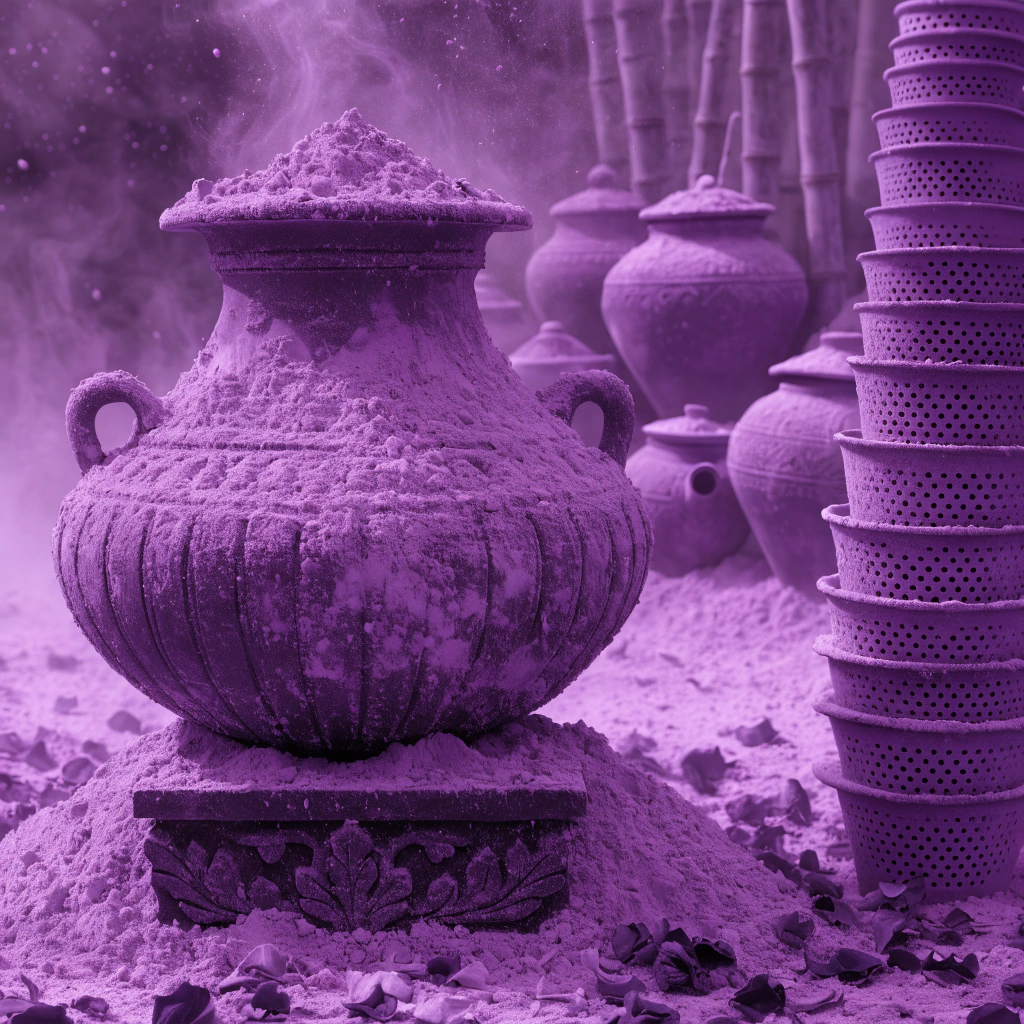
Holi: Das bunte Fest in Indien
Holi ist ein großes Fest in Indien. Man nennt es auch das „Fest der Farben“. Die Menschen feiern das Ende vom Winter und den Anfang vom Frühling. Alles ist sehr bunt und schön.
Am Morgen gehen die Menschen auf die Straße. Sie werfen buntes Pulver und Wasser. Alle lachen, tanzen und singen zusammen. Kinder und Erwachsene haben viel Spaß.
Holi feiert auch den Sieg vom Guten über das Böse. Am Abend gibt es oft ein großes Feuer. Die Familien essen zusammen süßes Essen und trinken Tee. Es ist ein wichtiger Tag für die indische Kultur.
Grammatik-Spotlight
Muster: Präsens (Gegenwart)
"Holi ist ein großes Fest in Indien."
Das Präsens beschreibt Fakten oder Dinge, die jetzt passieren. Das Verb 'sein' wird hier für die 3. Person Singular zu 'ist' konjugiert.
Muster: Plural der Nomen
"Die Menschen feiern das Ende vom Winter."
Im Deutschen haben Nomen im Plural oft den Artikel 'die'. Das Wort 'Menschen' ist die Mehrzahl von 'Mensch'.
Teste dein Verständnis
10 Fragen · A1 Anfänger · 1 kostenlose Vorschau
Teste, was du aus diesem Artikel gelernt hast. Beantworte alle Fragen und sammle XP!
Wie nennt man Holi auch?
Möchtest du das Quiz beenden?
9 weitere Fragen warten auf dich. Registriere dich kostenlos, um das vollständige Quiz freizuschalten und XP zu sammeln!
Kostenlos registrierenHast du schon ein Konto? Anmelden
Gut gemacht!
Weiter üben!
Bereits abgeschlossen — keine zusätzlichen XP
Registriere dich, um XP zu verdienenFragenübersicht
Wie nennt man Holi auch?
Deine Antwort:
Richtige Antwort: Das Fest der Farben
Die Menschen feiern Holi am Ende vom Sommer.
Deine Antwort:
Richtige Antwort: Falsch
Was bedeutet 'bunt'?
Deine Antwort:
Richtige Antwort: Viele verschiedene Farben
Die Menschen werfen buntes _____ und Wasser.
Deine Antwort:
Richtige Antwort: Pulver
Holi: The Colorful Festival of India
Holi is a very famous and happy festival in India. People celebrate it every year in March to welcome spring. It is also called the 'Festival of Colors' because the streets become very colorful.
The festival has an old story. Long ago, there was a brave boy named Prahlad. His aunt, Holika, was not a good person. She tried to hurt him in a fire, but Prahlad was safe. He was safe because he was a good person. Today, people light fires to remember this story. They believe that good is always stronger than evil.
On the day of Holi, the celebration is very exciting. People wear old clothes and go outside. They throw bright powder and water at each other. Children like this festival more than other holidays because it is very messy and fun. After playing, families eat delicious sweets and visit their neighbors. It is a great time to be with friends and feel joyful.
Grammatik-Spotlight
Muster: Past Simple (was/were)
"Long ago, there was a brave boy named Prahlad."
We use 'was' for singular subjects in the past. It describes a state or a person that existed before now.
Muster: Comparatives
"Children like this festival more than other holidays because it is very messy and fun."
We use 'more than' with long adjectives or to compare preferences between two things.
Teste dein Verständnis
11 Fragen · A2 Grundkenntnisse · 1 kostenlose Vorschau
Teste, was du aus diesem Artikel gelernt hast. Beantworte alle Fragen und sammle XP!
When do people usually celebrate Holi?
Möchtest du das Quiz beenden?
10 weitere Fragen warten auf dich. Registriere dich kostenlos, um das vollständige Quiz freizuschalten und XP zu sammeln!
Kostenlos registrierenHast du schon ein Konto? Anmelden
Gut gemacht!
Weiter üben!
Bereits abgeschlossen — keine zusätzlichen XP
Registriere dich, um XP zu verdienenFragenübersicht
When do people usually celebrate Holi?
Deine Antwort:
Richtige Antwort: In March
Holi is also known as the 'Festival of Colors'.
Deine Antwort:
Richtige Antwort: Richtig
What does 'brave' mean?
Deine Antwort:
Richtige Antwort: Not being afraid
On Holi, people throw bright _____ and water at each other.
Deine Antwort:
Richtige Antwort: powder
Why was Prahlad safe in the fire?
Deine Antwort:
Richtige Antwort: Because he was a good person
Holi: Das farbenfrohe Frühlingsfest aus Indien
Jedes Jahr im Frühling wird in Indien ein ganz besonderes Fest gefeiert: Holi. Es ist als das 'Fest der Farben' weltweit bekannt. Die Menschen feiern den Frühlingsbeginn und den Sieg des Guten über das Böse. Holi findet am Vollmondtag des hinduistischen Monats Phalguna statt, was meistens in den März fällt.
Die Wurzeln von Holi liegen in einer alten Legende. Es geht um den jungen Prahlad, der ein treuer Anhänger des Gottes Vishnu war. Sein Vater, ein böser König, wollte ihn töten, weil Prahlad nicht ihn, sondern Vishnu verehrte. Die Tante von Prahlad, Holika, sollte ihn in ein großes Feuer tragen. Sie dachte, dass das Feuer ihr nichts anhaben könnte, da sie einen magischen Schutz hatte. Doch durch seinen starken Glauben wurde Prahlad gerettet, während Holika in den Flammen verbrannte. Heute wird am Vorabend des Festes oft ein großes Feuer angezündet, um an diesen Sieg zu erinnern.
Am nächsten Tag verwandeln sich die Straßen in ein buntes Meer. Die Menschen bewerfen sich gegenseitig mit farbigem Pulver, das 'Gulal' genannt wird, und bespritzen sich mit Wasser. Dabei ist es völlig egal, wer reich oder arm ist. Alle sozialen Unterschiede werden für einen Tag vergessen. Es ist eine Zeit der Vergebung und der Freude, in der man alte Konflikte beendet und Freundschaften schließt.
Nach dem bunten Treiben besuchen sich Familien und Freunde, um gemeinsam traditionelle Süßigkeiten zu essen. Holi ist also nicht nur ein visuelles Spektakel, sondern auch ein Fest der Gemeinschaft und der Hoffnung. Die Atmosphäre ist voller Energie und Musik wird überall auf den Straßen gespielt, während die Menschen gemeinsam tanzen und das Leben feiern.
Grammatik-Spotlight
Muster: Passiv Präsens
"Jedes Jahr im Frühling wird in Indien ein ganz besonderes Fest gefeiert."
Das Passiv wird mit dem Hilfsverb 'werden' und dem Partizip II gebildet. Man benutzt es, wenn die Handlung wichtiger ist als die Person, die sie ausführt.
Muster: Relativsätze
"Es geht um den jungen Prahlad, der ein treuer Anhänger des Gottes Vishnu war."
Relativsätze geben zusätzliche Informationen über ein Nomen. Das Relativpronomen (hier: 'der') richtet sich nach dem Genus des Nomens.
Teste dein Verständnis
11 Fragen · B1 Mittelstufe · 1 kostenlose Vorschau
Teste, was du aus diesem Artikel gelernt hast. Beantworte alle Fragen und sammle XP!
Was feiern die Menschen während Holi?
Möchtest du das Quiz beenden?
10 weitere Fragen warten auf dich. Registriere dich kostenlos, um das vollständige Quiz freizuschalten und XP zu sammeln!
Kostenlos registrierenHast du schon ein Konto? Anmelden
Gut gemacht!
Weiter üben!
Bereits abgeschlossen — keine zusätzlichen XP
Registriere dich, um XP zu verdienenFragenübersicht
Was feiern die Menschen während Holi?
Deine Antwort:
Richtige Antwort: Den Frühlingsbeginn und den Sieg des Guten
Holi findet immer bei Neumond statt.
Deine Antwort:
Richtige Antwort: Falsch
Was bedeutet das Wort 'Sieg'?
Deine Antwort:
Richtige Antwort: Wenn man gewinnt
Am Vorabend des Festes wird oft ein großes _____ angezündet.
Deine Antwort:
Richtige Antwort: Feuer
Was ist 'Gulal'?
Deine Antwort:
Richtige Antwort: Farbiges Pulver
The Kaleidoscope of Holi: A Cultural Synthesis of Tradition and Modernity
Holi, widely recognized as the 'Festival of Colors,' is arguably one of India's most significant cultural exports. While the visual spectacle of vibrant powders often dominates global media coverage, the festival's underlying significance is rooted in complex mythological narratives and socio-cultural shifts. Occurring on the full moon of the Hindu month of Phalguna, Holi signals the definitive arrival of spring, marking a transition from the cold seclusion of winter to the blossoming of new life.
Central to the celebration is the legend of Prahlad, a devout follower of Lord Vishnu, whose unwavering faith stood in direct opposition to his father, the tyrannical King Hiranyakashipu. The narrative reaches its climax with the bonfire of Holika, where Prahlad was miraculously spared from the flames while his aunt, despite her supposed immunity, perished. This story serves as a profound allegory for the triumph of righteousness over malevolence, a theme that resonates deeply within the Indian psyche. Furthermore, the ritualistic burning of the 'Holika' bonfire on the eve of the festival serves as a symbolic purging of internal negativity.
From a sociological standpoint, Holi functions as a mechanism for social cohesion. In a society historically characterized by rigid hierarchies, the festival provides a unique space where traditional boundaries are temporarily suspended. Participants, regardless of their background, engage in the collective act of 'playing' with colors, which fosters a sense of egalitarianism. This communal experience encourages individuals to mend fractured relationships, embodying the spirit of 'forgetting and forgiving.'
In recent years, the festival has undergone a notable transformation regarding environmental awareness. There has been an increasing emphasis on the use of organic, plant-based dyes instead of synthetic chemicals, reflecting a broader global trend toward sustainable celebration. Despite these modern adaptations, the essence of Holi remains unchanged. It continues to be a period of intense joy and reflection, bridging the gap between ancient tradition and the demands of the modern world. Ultimately, Holi is not merely a celebration of seasonal change, but a testament to the resilience of human spirit and the enduring power of community.
Grammatik-Spotlight
Muster: Relative Clauses with 'Whose'
"Prahlad, a devout follower of Lord Vishnu, whose unwavering faith stood in direct opposition to his father..."
The relative pronoun 'whose' is used to show possession or relationship. In this B2 context, it identifies a characteristic belonging to Prahlad to provide extra detail without starting a new sentence.
Muster: Present Participle Clauses for Time
"Occurring on the full moon of the Hindu month of Phalguna, Holi signals the definitive arrival of spring."
This participle clause (Occurring...) replaces a relative clause (Which occurs...). It is a sophisticated way to provide background information or context at the beginning of a sentence.
Muster: Passive Voice with Modal Verbs
"In a society historically characterized by rigid hierarchies, the festival provides a unique space where traditional boundaries are temporarily suspended."
The passive voice 'are suspended' focuses the reader's attention on the action (the suspension of boundaries) rather than the people doing the action, which is common in academic and formal writing.
Teste dein Verständnis
11 Fragen · B2 Obere Mittelstufe · 1 kostenlose Vorschau
Teste, was du aus diesem Artikel gelernt hast. Beantworte alle Fragen und sammle XP!
According to the article, what is the primary mythological significance of the Holika bonfire?
Möchtest du das Quiz beenden?
10 weitere Fragen warten auf dich. Registriere dich kostenlos, um das vollständige Quiz freizuschalten und XP zu sammeln!
Kostenlos registrierenHast du schon ein Konto? Anmelden
Gut gemacht!
Weiter üben!
Bereits abgeschlossen — keine zusätzlichen XP
Registriere dich, um XP zu verdienenFragenübersicht
According to the article, what is the primary mythological significance of the Holika bonfire?
Deine Antwort:
Richtige Antwort: It represents the victory of good over evil.
Holi is celebrated during the Hindu month of Phalguna.
Deine Antwort:
Richtige Antwort: Richtig
What does 'egalitarianism' mean in the context of the article?
Deine Antwort:
Richtige Antwort: The belief that all people are equal and deserve equal rights.
The festival provides a unique space where traditional _____ are temporarily suspended.
Deine Antwort:
Richtige Antwort: boundaries
How has Holi changed in recent years regarding environmental concerns?
Deine Antwort:
Richtige Antwort: There is a shift toward using organic, plant-based dyes.
Holi – Das chromatische Crescendo der indischen Seele
Inmitten des rauschhaften Chaos, das alljährlich den indischen Subkontinent im Monat Phalguna erfasst, entfaltet sich mit Holi ein Spektakel, das weit über die bloße Ästhetik hinausgeht. Dieses „Fest der Farben“ markiert nicht nur den astronomischen Übergang vom Winter zum Frühling, sondern fungiert primär als Katalysator für eine tiefgreifende soziale Katharsis. Die im hinduistischen Mondkalender fest verankerte Festlichkeit lässt sich als ein Moment der kollektiven Befreiung begreifen, in dem starre gesellschaftliche Strukturen einer temporären Anarchie des Glücks weichen.
Die mythologische Fundierung des Festes ist untrennbar mit der Legende von Prahlad und seiner dämonischen Tante Holika verknüpft. Prahlad, ein inbrünstiger Verehrer des Gottes Vishnu, widersetzte sich dem Hochmut seines Vaters, des Königs Hiranyakashipu. Die Erzählung gipfelt in einem Scheiterhaufen, den Prahlad dank seiner unerschütterlichen Hingabe unbeschadet überstand, während Holika, die sich fälschlicherweise in Sicherheit wähnte, den Flammen zum Opfer fiel. Das alljährliche Entzünden der Freudenfeuer am Vorabend von Holi, das sogenannte Holika Dahan, symbolisiert somit den triumphalen Sieg des Dharma über das Adharma – des Guten über das Böse.
Doch die transformative Kraft von Holi offenbart sich am deutlichsten in der rituellen Verwendung des Gulal, jener leuchtenden Farbpulver, die die Luft in ein impressionistisches Gemälde verwandeln. In diesem chromatischen Rausch vollzieht sich eine Nivellierung gesellschaftlicher Disparitäten. Ungeachtet der Kastenzugehörigkeit, des Alters oder des Geschlechts verschmelzen die Individuen zu einer ununterscheidbaren Masse. Die Farbe fungiert hierbei als Maske und Befreiung zugleich: Unter der Schicht aus Magenta, Türkis und Gold wird das Ego transzendiert, und die soziale Identität tritt hinter die menschliche Essenz zurück. Es ist dies ein seltener Moment, in dem die tief verwurzelten Hierarchien der indischen Gesellschaft zugunsten einer radikalen Egalität suspendiert werden.
Gleichwohl bleibt Holi nicht von der Moderne unberührt. Während früher ausschließlich natürliche Pigmente aus Heilpflanzen wie Neem oder Kurkuma verwendet wurden, die eine reinigende Wirkung auf die Haut hatten, dominieren heute oft synthetische Substanzen das Geschehen. Diese Entwicklung hat eine kritische Debatte über ökologische Nachhaltigkeit und gesundheitliche Unversehrtheit angestoßen. Dennoch lässt sich beobachten, dass ein wachsendes Bewusstsein für traditionelle, umweltfreundliche Herstellungsmethoden eine Renaissance erfährt. In der Ambivalenz zwischen archaischem Ritus und moderner Eventkultur bewahrt Holi seinen Kern: die Verheißung von Erneuerung und die unbändige Feier des Lebens, die alle Grenzen, wenn auch nur für einen Tag, hinter sich lässt.
Grammatik-Spotlight
Muster: Das Partizipialattribut
"Die im hinduistischen Mondkalender fest verankerte Festlichkeit lässt sich als ein Moment der kollektiven Befreiung begreifen."
Ein Partizip (hier 'verankerte') wird mit Erweiterungen als Adjektiv vor dem Substantiv genutzt. Dies ermöglicht eine sehr kompakte und informationsreiche Satzstruktur.
Muster: Passiversatz mit 'lassen' + Infinitiv
"Dieses Phänomen lässt sich als soziale Katharsis begreifen."
Die Konstruktion 'lassen + sich + Infinitiv' drückt eine Möglichkeit aus und dient als elegante, gehobene Alternative zum Passiv mit 'können'.
Muster: Nominalisierung
"Das alljährliche Entzünden der Freudenfeuer symbolisiert somit den triumphalen Sieg..."
Durch die Substantivierung von Verben (Entzünden) wirkt der Text formeller und abstrakter, was typisch für das C1-Niveau ist.
Teste dein Verständnis
12 Fragen · C1 Fortgeschritten · 1 kostenlose Vorschau
Teste, was du aus diesem Artikel gelernt hast. Beantworte alle Fragen und sammle XP!
Was ist die primäre soziale Funktion von Holi laut Text?
Möchtest du das Quiz beenden?
11 weitere Fragen warten auf dich. Registriere dich kostenlos, um das vollständige Quiz freizuschalten und XP zu sammeln!
Kostenlos registrierenHast du schon ein Konto? Anmelden
Gut gemacht!
Weiter üben!
Bereits abgeschlossen — keine zusätzlichen XP
Registriere dich, um XP zu verdienenFragenübersicht
Was ist die primäre soziale Funktion von Holi laut Text?
Deine Antwort:
Richtige Antwort: Die temporäre Aufhebung gesellschaftlicher Hierarchien.
Prahlad überlebte das Feuer aufgrund seiner Hingabe zu Gott Vishnu.
Deine Antwort:
Richtige Antwort: Richtig
Was bedeutet 'Inbrunst' in diesem Kontext?
Deine Antwort:
Richtige Antwort: Tiefe, leidenschaftliche Hingabe
Holi markiert den astronomischen _____ vom Winter zum Frühling.
Deine Antwort:
Richtige Antwort: Übergang
Welches ökologische Problem wird im Text thematisiert?
Deine Antwort:
Richtige Antwort: Der Einsatz von synthetischen Farbpulvern.
Gulal wurde traditionell aus synthetischen Stoffen hergestellt.
Deine Antwort:
Richtige Antwort: Falsch
Chromophilia and the Carnivalesque: A Sociological Deconstruction of Holi
To the uninitiated observer, the Indian festival of Holi might appear to be a mere paroxysm of color and unbridled revelry. However, beneath the chromatic veneer lies a complex tapestry of theological underpinnings and sociological subversions. Rooted in the vernal equinox, Holi marks the transition from the lethargy of winter to the burgeoning vitality of spring, yet its significance transcends mere seasonal change. It is, in essence, a liminal space where the rigid stratifications of caste, gender, and age are temporarily suspended in favor of a radical, albeit ephemeral, egalitarianism.
Central to the hagiography of Holi is the myth of Prahlad and Holika, a narrative that serves as a moralistic locus for the festival’s inception. The story depicts the triumph of devotion over the hubris of King Hiranyakashipu, who sought to deify himself. Were it not for the divine intervention that protected Prahlad from the pyre, the theological message of the festival—the inevitable incineration of evil—would be lost. The ritualistic burning of the Holika effigy on the eve of the festival, known as Holika Dahan, serves as a symbolic purgation, whereby the community seeks to propitiate the divine and cleanse the social fabric of residual malevolence.
From a Mikhail Bakhtin-inspired perspective, Holi embodies the 'carnivalesque.' It is a period of sanctioned transgression where the subversion of social hierarchies is not only permitted but encouraged. In the streets of Mathura and Vrindavan, the traditional dichotomy between the sacred and the profane becomes blurred. It is imperative that we recognize this not as a descent into anarchy, but as a sophisticated safety valve for societal tensions. By allowing for the temporary inversion of power dynamics, the festival paradoxically reinforces the social order it purports to disrupt. Not only does the festival facilitate communal cohesion, but it also provides a psychological outlet for the individual, allowing for a cathartic release of repressed impulses.
Furthermore, the phenomenology of color in Holi warrants academic scrutiny. The application of 'gulal'—the vibrant powdered pigments—serves as a great leveler. Once a participant is doused in color, their socio-economic identifiers are obscured, rendering them indistinguishable from their peers. This visual homogenization creates a temporary utopia where the 'other' is embraced. However, one must exercise academic hedging when discussing the modern iteration of the festival. Critics argue that the commercialization of Holi and the introduction of synthetic dyes have diluted its spiritual essence, transforming a nuanced ritual into a commodified spectacle.
Lest the reader assume Holi is a monolithic entity, it is vital to acknowledge its regional variations. From the 'Lathmar Holi' of Uttar Pradesh, where women playfully beat men with sticks, to the 'Hola Mohalla' of the Sikhs, which emphasizes martial prowess, the festival is a multifaceted phenomenon. In each context, the underlying theme remains the same: the celebration of life’s inherent contradictions. Ultimately, Holi remains a poignant reminder of the human capacity for renewal. It suggests that, despite the pervasive presence of darkness, the return of light—and color—is an ontological certainty.
Grammatik-Spotlight
Muster: Inverted Conditionals (Third Conditional Variation)
"Were it not for the divine intervention that protected Prahlad from the pyre, the theological message of the festival would be lost."
This structure replaces 'If it were not for...' with an inverted verb-subject order for a more formal, academic tone. It describes a hypothetical condition in the past or present and its result.
Muster: Subjunctive Mood with 'Imperative'
"It is imperative that we recognize this not as a descent into anarchy, but as a sophisticated safety valve for societal tensions."
After adjectives like 'imperative', 'essential', or 'vital', the base form of the verb (subjunctive) is used in the 'that' clause to express necessity or importance.
Muster: Negative Inversion for Emphasis
"Not only does the festival facilitate communal cohesion, but it also provides a psychological outlet for the individual."
When starting a sentence with a negative or restrictive expression like 'Not only', the auxiliary verb is placed before the subject to create emphasis and formal rhetorical style.
Teste dein Verständnis
12 Fragen · C2 Meisterschaft · 1 kostenlose Vorschau
Teste, was du aus diesem Artikel gelernt hast. Beantworte alle Fragen und sammle XP!
What does the author suggest is the primary sociological function of the 'carnivalesque' aspect of Holi?
Möchtest du das Quiz beenden?
11 weitere Fragen warten auf dich. Registriere dich kostenlos, um das vollständige Quiz freizuschalten und XP zu sammeln!
Kostenlos registrierenHast du schon ein Konto? Anmelden
Gut gemacht!
Weiter üben!
Bereits abgeschlossen — keine zusätzlichen XP
Registriere dich, um XP zu verdienenFragenübersicht
What does the author suggest is the primary sociological function of the 'carnivalesque' aspect of Holi?
Deine Antwort:
Richtige Antwort: To act as a safety valve that ultimately preserves social order.
The myth of Holika and Prahlad is used to justify the deification of King Hiranyakashipu.
Deine Antwort:
Richtige Antwort: Falsch
Which word describes the state of being in a transitional or 'in-between' phase?
Deine Antwort:
Richtige Antwort: Liminality
The ritualistic burning of the Holika _____ on the eve of the festival is known as Holika Dahan.
Deine Antwort:
Richtige Antwort: effigy
According to the text, how does the application of 'gulal' affect social perception?
Deine Antwort:
Richtige Antwort: It obscures socio-economic identifiers, promoting equality.
The author argues that modern commercialization has enhanced the spiritual essence of Holi.
Deine Antwort:
Richtige Antwort: Falsch

