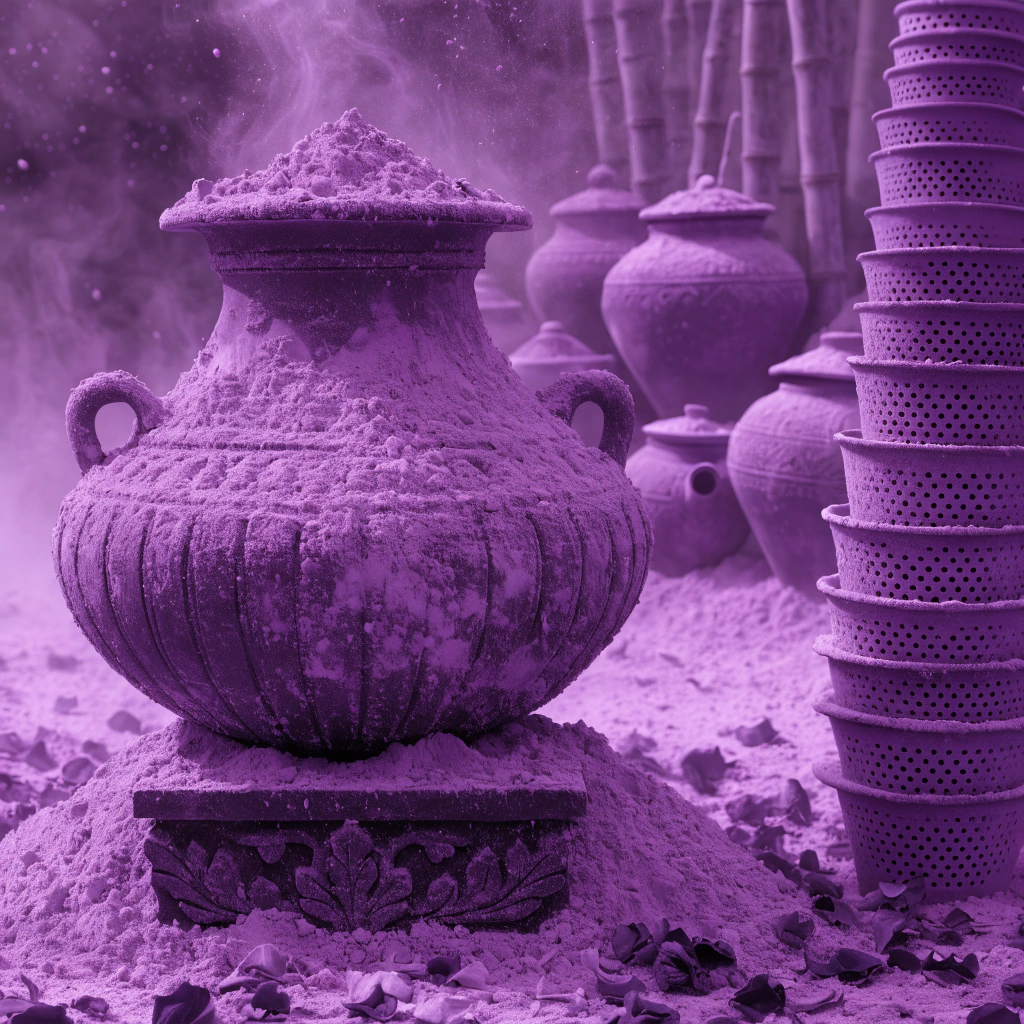
인도의 색깔 축제, 홀리
인도는 아주 크고 넓은 나라입니다. 인도에는 '홀리'라는 유명한 축제가 있습니다. 이 축제는 따뜻한 봄에 시작합니다. 사람들은 모두 밖으로 나갑니다. 그리고 서로에게 예쁜 색깔 가루를 뿌립니다. 빨간색, 노란색, 파란색 가루가 아주 많습니다.
축제에는 재미있는 이야기가 있습니다. 옛날에 나쁜 왕이 있었습니다. 하지만 착한 아들은 신을 아주 잘 믿었습니다. 결국 착한 아들이 나쁜 사람들을 이겼습니다. 그래서 사람들은 아주 행복합니다.
사람들은 거리에서 같이 노래를 부르고 춤을 춥니다. 그리고 가족들과 맛있는 음식을 먹습니다. 홀리는 정말 즐겁고 화려한 축제입니다.
문법 스포트라이트
패턴: -에 (시간 조사)
"이 축제는 따뜻한 봄에 시작합니다."
시간을 나타내는 명사 뒤에 붙어서 그 일이 일어나는 때를 말합니다. '봄', '아침', '요일' 뒤에 자주 씁니다.
패턴: -고 (연결 어미)
"노래를 부르고 춤을 춥니다."
두 가지 이상의 행동이나 상태를 순서대로 연결할 때 사용합니다. 동사나 형용사의 어간 뒤에 바로 붙입니다.
이해도를 테스트하세요
10 질문 · A1 초급 · 무료 미리보기 1회
이 기사에서 배운 내용을 테스트하세요. 모든 질문에 답하여 XP를 획득하세요!
홀리는 어느 나라의 축제입니까?
문제별 결과
홀리는 어느 나라의 축제입니까?
내 답변:
정답: 인도
사람들은 홀리 축제 때 집 안에만 있습니다.
내 답변:
정답: 거짓
'음식'은 무엇을 의미합니까?
내 답변:
정답: 먹는 것
사람들은 서로에게 색깔 _____를 뿌립니다.
내 답변:
정답: 가루
Holi: The Colorful Festival of India
Holi is a very famous and happy festival in India. People celebrate it every year in March to welcome spring. It is also called the 'Festival of Colors' because the streets become very colorful.
The festival has an old story. Long ago, there was a brave boy named Prahlad. His aunt, Holika, was not a good person. She tried to hurt him in a fire, but Prahlad was safe. He was safe because he was a good person. Today, people light fires to remember this story. They believe that good is always stronger than evil.
On the day of Holi, the celebration is very exciting. People wear old clothes and go outside. They throw bright powder and water at each other. Children like this festival more than other holidays because it is very messy and fun. After playing, families eat delicious sweets and visit their neighbors. It is a great time to be with friends and feel joyful.
문법 스포트라이트
패턴: Past Simple (was/were)
"Long ago, there was a brave boy named Prahlad."
We use 'was' for singular subjects in the past. It describes a state or a person that existed before now.
패턴: Comparatives
"Children like this festival more than other holidays because it is very messy and fun."
We use 'more than' with long adjectives or to compare preferences between two things.
이해도를 테스트하세요
11 질문 · A2 초등급 · 무료 미리보기 1회
이 기사에서 배운 내용을 테스트하세요. 모든 질문에 답하여 XP를 획득하세요!
When do people usually celebrate Holi?
문제별 결과
When do people usually celebrate Holi?
내 답변:
정답: In March
Holi is also known as the 'Festival of Colors'.
내 답변:
정답: 참
What does 'brave' mean?
내 답변:
정답: Not being afraid
On Holi, people throw bright _____ and water at each other.
내 답변:
정답: powder
Why was Prahlad safe in the fire?
내 답변:
정답: Because he was a good person
인도의 화려한 봄맞이 축제, '홀리'
인도 전역이 형형색색의 가루로 뒤덮이는 날이 있습니다. 바로 '색의 축제'라고 불리는 '홀리(Holi)'입니다. 매년 봄의 시작을 알리는 이 축제는 인도에서 가장 활기차고 역동적인 행사 중 하나로 손꼽힙니다. 홀리는 단순히 추운 겨울이 지나고 따뜻한 봄이 오는 것을 기뻐하는 것뿐만 아니라, 선한 마음이 악한 기운을 물리친다는 깊은 종교적 의미를 담고 있습니다.
홀리의 유래는 고대 힌두 신화에서 찾을 수 있습니다. 전설에 따르면, 독실한 신자였던 프라흘라드 왕자는 자신을 신이라고 주장하는 아버지 히라냐카시푸 왕의 명령을 거역했습니다. 화가 난 왕은 아들을 죽이기 위해 불에 타지 않는 옷을 가진 홀리카와 함께 불 속에 들어가게 했습니다. 하지만 신의 가호로 프라흘라드는 무사히 살아남았고, 오히려 홀리카가 불에 타 죽게 되었습니다. 이 사건을 기리기 위해 사람들은 축제 전날 밤 커다란 모닥불을 피워 악한 기운을 태워버립니다.
축제 당일이 되면 거리는 온통 알록달록한 색깔로 물들어집니다. 사람들은 '굴랄'이라고 불리는 화려한 색 가루를 서로의 얼굴에 바르고, 물총을 사용해 색깔이 있는 물을 뿌립니다. 이때만큼은 인도의 엄격한 계급이나 신분 차이가 사라지고 모두가 평등하게 어울립니다. 사람들은 서로를 껴안으며 축하 인사를 나누고, 달콤한 전통 과자인 '구지야'를 함께 먹습니다.
홀리는 갈등을 씻어내고 관계를 회복하는 화해의 시간입니다. 사람들은 지난 한 해 동안 쌓였던 미움이나 오해를 가루와 함께 털어내고 서로를 용서합니다. 이 축제를 통해 인도 사람들은 공동체의 결속력을 다지고 새로운 시작을 위한 에너지를 얻습니다. 화려한 색깔만큼이나 따뜻한 마음이 오가는 홀리는 전 세계 사람들에게도 큰 감동을 주는 축제입니다.
문법 스포트라이트
패턴: -아/어지다
"축제 당일이 되면 거리는 온통 알록달록한 색깔로 물들어집니다."
동사나 형용사 뒤에 붙어 상태의 변화나 피동의 의미를 나타냅니다. 본문에서는 거리가 색깔에 의해 변화된 상태를 설명하기 위해 사용되었습니다.
패턴: -기 위해(서)
"화가 난 왕은 아들을 죽이기 위해 불에 타지 않는 옷을 가진 홀리카와 함께 불 속에 들어가게 했습니다."
어떤 목적이나 의도를 가지고 행동함을 나타낼 때 사용합니다. 동사의 어간 뒤에 붙어 그 행위의 목적이 무엇인지 명확하게 보여줍니다.
이해도를 테스트하세요
11 질문 · B1 중급 · 무료 미리보기 1회
이 기사에서 배운 내용을 테스트하세요. 모든 질문에 답하여 XP를 획득하세요!
홀리 축제는 주로 어느 계절의 시작을 알립니까?
문제별 결과
홀리 축제는 주로 어느 계절의 시작을 알립니까?
내 답변:
정답: 봄
프라흘라드 왕자는 불 속에서 살아남지 못했습니다.
내 답변:
정답: 거짓
'용서'의 뜻으로 올바른 것은 무엇입니까?
내 답변:
정답: 남의 잘못을 덮어주거나 이해해 주는 것
사람들은 '_____'라고 불리는 화려한 색 가루를 서로의 얼굴에 바릅니다.
내 답변:
정답: 굴랄
홀리 축제 기간 동안 사람들의 관계는 어떻게 변합니까?
내 답변:
정답: 평등하게 어울리며 갈등을 해소합니다.
The Kaleidoscope of Holi: A Cultural Synthesis of Tradition and Modernity
Holi, widely recognized as the 'Festival of Colors,' is arguably one of India's most significant cultural exports. While the visual spectacle of vibrant powders often dominates global media coverage, the festival's underlying significance is rooted in complex mythological narratives and socio-cultural shifts. Occurring on the full moon of the Hindu month of Phalguna, Holi signals the definitive arrival of spring, marking a transition from the cold seclusion of winter to the blossoming of new life.
Central to the celebration is the legend of Prahlad, a devout follower of Lord Vishnu, whose unwavering faith stood in direct opposition to his father, the tyrannical King Hiranyakashipu. The narrative reaches its climax with the bonfire of Holika, where Prahlad was miraculously spared from the flames while his aunt, despite her supposed immunity, perished. This story serves as a profound allegory for the triumph of righteousness over malevolence, a theme that resonates deeply within the Indian psyche. Furthermore, the ritualistic burning of the 'Holika' bonfire on the eve of the festival serves as a symbolic purging of internal negativity.
From a sociological standpoint, Holi functions as a mechanism for social cohesion. In a society historically characterized by rigid hierarchies, the festival provides a unique space where traditional boundaries are temporarily suspended. Participants, regardless of their background, engage in the collective act of 'playing' with colors, which fosters a sense of egalitarianism. This communal experience encourages individuals to mend fractured relationships, embodying the spirit of 'forgetting and forgiving.'
In recent years, the festival has undergone a notable transformation regarding environmental awareness. There has been an increasing emphasis on the use of organic, plant-based dyes instead of synthetic chemicals, reflecting a broader global trend toward sustainable celebration. Despite these modern adaptations, the essence of Holi remains unchanged. It continues to be a period of intense joy and reflection, bridging the gap between ancient tradition and the demands of the modern world. Ultimately, Holi is not merely a celebration of seasonal change, but a testament to the resilience of human spirit and the enduring power of community.
문법 스포트라이트
패턴: Relative Clauses with 'Whose'
"Prahlad, a devout follower of Lord Vishnu, whose unwavering faith stood in direct opposition to his father..."
The relative pronoun 'whose' is used to show possession or relationship. In this B2 context, it identifies a characteristic belonging to Prahlad to provide extra detail without starting a new sentence.
패턴: Present Participle Clauses for Time
"Occurring on the full moon of the Hindu month of Phalguna, Holi signals the definitive arrival of spring."
This participle clause (Occurring...) replaces a relative clause (Which occurs...). It is a sophisticated way to provide background information or context at the beginning of a sentence.
패턴: Passive Voice with Modal Verbs
"In a society historically characterized by rigid hierarchies, the festival provides a unique space where traditional boundaries are temporarily suspended."
The passive voice 'are suspended' focuses the reader's attention on the action (the suspension of boundaries) rather than the people doing the action, which is common in academic and formal writing.
이해도를 테스트하세요
11 질문 · B2 중상급 · 무료 미리보기 1회
이 기사에서 배운 내용을 테스트하세요. 모든 질문에 답하여 XP를 획득하세요!
According to the article, what is the primary mythological significance of the Holika bonfire?
문제별 결과
According to the article, what is the primary mythological significance of the Holika bonfire?
내 답변:
정답: It represents the victory of good over evil.
Holi is celebrated during the Hindu month of Phalguna.
내 답변:
정답: 참
What does 'egalitarianism' mean in the context of the article?
내 답변:
정답: The belief that all people are equal and deserve equal rights.
The festival provides a unique space where traditional _____ are temporarily suspended.
내 답변:
정답: boundaries
How has Holi changed in recent years regarding environmental concerns?
내 답변:
정답: There is a shift toward using organic, plant-based dyes.
색채의 향연, 홀리(Holi): 파괴와 생성의 미학이 빚어낸 인도의 봄
겨울의 잔재가 채 가시기도 전, 인도의 대지는 이미 뜨거운 열기로 달궈지기 시작한다. 매년 인도 전역을 형형색색의 가루로 물들이는 ‘홀리(Holi)’는 단순한 계절의 변화를 넘어선, 파괴와 생성의 미학이 공존하는 거대한 제전이다. 힌두력 팔구나(Phalguna) 월의 보름날에 거행되는 이 축제는 만물이 소생하는 봄의 도래를 찬미하는 동시에, 인간 내면에 잠재된 부정적 기운을 털어내고 새로운 화합을 도모하는 정화의 장이기도 하다.
홀리의 기원은 고대 인도의 신화적 서사로 거슬러 올라간다. 가장 널리 알려진 설화는 비슈누 신의 독실한 숭배자였던 소년 프라흘라드와 그의 고모 홀리카의 이야기다. 악마 왕 히라냐카시푸는 자신의 아들이 신을 섬기는 것에 분노하여, 불에 타지 않는 능력을 지닌 홀리카와 함께 프라흘라드를 불길 속으로 밀어 넣었다. 그러나 신심이 깊었던 프라흘라드는 무사히 살아남은 반면, 악한 의도를 품었던 홀리카는 불길 속에서 재가 되어 사라졌다. 이 ‘홀리카 다한(Holika Dahan)’ 의식은 오늘날에도 축제 전야에 모닥불을 피우며 권선징악의 진리를 되새기는 핵심적인 절차로 자리 잡고 있다.
축제의 당일인 ‘랑왈리 홀리(Rangwali Holi)’가 되면 인도 사회를 견고하게 지탱하던 위계와 격식은 일순간에 무너진다. 남녀노소, 신분과 계급을 막론하고 모든 이들이 거리로 쏟아져 나와 서로에게 색 가루와 물감을 뿌리며 어우러진다. 이는 평소 엄격한 카스트 제도와 유교적 관습에 얽매여 있던 인도인들에게 일종의 사회적 카타르시스를 제공한다. 색채 아래에서는 누구나 평등하다는 철학적 사유가 실천되는 순간인 셈이다. 특히 ‘부라 나 마노, 홀리 헤(Bura na mano, Holi hai, 나쁘게 생각하지 마세요, 홀리잖아요)’라는 외침은 평소의 앙금을 씻어내고 관계를 회복하고자 하는 용서의 메시지를 담고 있다.
현대에 이르러 홀리는 인도의 경계를 넘어 세계적인 문화 현상으로 확장되었다. 하지만 이러한 대중화의 이면에는 상업주의적 변질과 환경 오염에 대한 우려도 존재한다. 화학 성분이 함유된 인공 색소 대신 천연 재료를 사용하려는 움직임은 축제의 본질인 ‘생명 존중’과 ‘자연과의 조화’를 되찾으려는 자정 노력의 일환이다. 결국 홀리는 단순한 유희의 차원을 넘어, 인간의 유한함 속에서 무한한 생명력을 갈구하는 보편적인 염원이 투영된 인류의 문화유산이라 할 수 있다. 봄바람에 날리는 오색 빛깔의 가루는, 어둠을 뚫고 피어오르는 희망의 상징이자 우리 삶을 지탱하는 가장 원초적인 에너지인 것이다.
문법 스포트라이트
패턴: ~기 마련이다
"겨울의 잔재가 채 가시기도 전, 인도의 대지는 이미 뜨거운 열기로 달궈지기 시작한다. (맥락상 겨울이 지나면 봄이 오기 마련이다)"
어떤 일이 일어나는 것이 자연스럽거나 당연함을 나타낼 때 사용합니다. 보편적인 진리나 법칙을 설명할 때 유용합니다.
패턴: ~을/를 막론하고
"남녀노소, 신분과 계급을 막론하고 모든 이들이 거리로 쏟아져 나와 서로에게 색 가루와 물감을 뿌리며 어우러진다."
앞에 오는 대상을 가리지 않고 모두 포함한다는 의미를 나타냅니다. 격식을 갖춘 표현에서 자주 쓰입니다.
패턴: ~이자
"봄바람에 날리는 오색 빛깔의 가루는, 어둠을 뚫고 피어오르는 희망의 상징이자 우리 삶을 지탱하는 가장 원초적인 에너지인 것이다."
두 가지 이상의 자격이나 특징을 동시에 가지고 있음을 나타내는 연결 어미입니다. 명사 뒤에 붙어 사용됩니다.
이해도를 테스트하세요
12 질문 · C1 고급 · 무료 미리보기 1회
이 기사에서 배운 내용을 테스트하세요. 모든 질문에 답하여 XP를 획득하세요!
본문에 따르면 홀리 축제의 기원이 되는 신화의 핵심 내용은 무엇입니까?
문제별 결과
본문에 따르면 홀리 축제의 기원이 되는 신화의 핵심 내용은 무엇입니까?
내 답변:
정답: 프라흘라드가 악의 세력을 이기고 생존한 이야기
홀리 축제 기간 동안에는 인도의 전통적인 신분 질서가 평소보다 더 엄격하게 지켜진다.
내 답변:
정답: 거짓
'착한 일을 권하고 악한 일을 벌한다'는 뜻의 사자성어는?
내 답변:
정답: 권선징악
홀리 축제 당일에 외치는 용서의 메시지는 평소의 _____을 씻어내기 위한 것이다.
내 답변:
정답: 앙금
최근 홀리 축제에서 천연 재료를 사용하려는 이유는 무엇입니까?
내 답변:
정답: 환경 오염을 방지하고 축제의 본질을 지키기 위해
'홀리카 다한' 의식은 축제가 끝난 후 마지막 날에 거행된다.
내 답변:
정답: 거짓
Chromophilia and the Carnivalesque: A Sociological Deconstruction of Holi
To the uninitiated observer, the Indian festival of Holi might appear to be a mere paroxysm of color and unbridled revelry. However, beneath the chromatic veneer lies a complex tapestry of theological underpinnings and sociological subversions. Rooted in the vernal equinox, Holi marks the transition from the lethargy of winter to the burgeoning vitality of spring, yet its significance transcends mere seasonal change. It is, in essence, a liminal space where the rigid stratifications of caste, gender, and age are temporarily suspended in favor of a radical, albeit ephemeral, egalitarianism.
Central to the hagiography of Holi is the myth of Prahlad and Holika, a narrative that serves as a moralistic locus for the festival’s inception. The story depicts the triumph of devotion over the hubris of King Hiranyakashipu, who sought to deify himself. Were it not for the divine intervention that protected Prahlad from the pyre, the theological message of the festival—the inevitable incineration of evil—would be lost. The ritualistic burning of the Holika effigy on the eve of the festival, known as Holika Dahan, serves as a symbolic purgation, whereby the community seeks to propitiate the divine and cleanse the social fabric of residual malevolence.
From a Mikhail Bakhtin-inspired perspective, Holi embodies the 'carnivalesque.' It is a period of sanctioned transgression where the subversion of social hierarchies is not only permitted but encouraged. In the streets of Mathura and Vrindavan, the traditional dichotomy between the sacred and the profane becomes blurred. It is imperative that we recognize this not as a descent into anarchy, but as a sophisticated safety valve for societal tensions. By allowing for the temporary inversion of power dynamics, the festival paradoxically reinforces the social order it purports to disrupt. Not only does the festival facilitate communal cohesion, but it also provides a psychological outlet for the individual, allowing for a cathartic release of repressed impulses.
Furthermore, the phenomenology of color in Holi warrants academic scrutiny. The application of 'gulal'—the vibrant powdered pigments—serves as a great leveler. Once a participant is doused in color, their socio-economic identifiers are obscured, rendering them indistinguishable from their peers. This visual homogenization creates a temporary utopia where the 'other' is embraced. However, one must exercise academic hedging when discussing the modern iteration of the festival. Critics argue that the commercialization of Holi and the introduction of synthetic dyes have diluted its spiritual essence, transforming a nuanced ritual into a commodified spectacle.
Lest the reader assume Holi is a monolithic entity, it is vital to acknowledge its regional variations. From the 'Lathmar Holi' of Uttar Pradesh, where women playfully beat men with sticks, to the 'Hola Mohalla' of the Sikhs, which emphasizes martial prowess, the festival is a multifaceted phenomenon. In each context, the underlying theme remains the same: the celebration of life’s inherent contradictions. Ultimately, Holi remains a poignant reminder of the human capacity for renewal. It suggests that, despite the pervasive presence of darkness, the return of light—and color—is an ontological certainty.
문법 스포트라이트
패턴: Inverted Conditionals (Third Conditional Variation)
"Were it not for the divine intervention that protected Prahlad from the pyre, the theological message of the festival would be lost."
This structure replaces 'If it were not for...' with an inverted verb-subject order for a more formal, academic tone. It describes a hypothetical condition in the past or present and its result.
패턴: Subjunctive Mood with 'Imperative'
"It is imperative that we recognize this not as a descent into anarchy, but as a sophisticated safety valve for societal tensions."
After adjectives like 'imperative', 'essential', or 'vital', the base form of the verb (subjunctive) is used in the 'that' clause to express necessity or importance.
패턴: Negative Inversion for Emphasis
"Not only does the festival facilitate communal cohesion, but it also provides a psychological outlet for the individual."
When starting a sentence with a negative or restrictive expression like 'Not only', the auxiliary verb is placed before the subject to create emphasis and formal rhetorical style.
이해도를 테스트하세요
12 질문 · C2 마스터 · 무료 미리보기 1회
이 기사에서 배운 내용을 테스트하세요. 모든 질문에 답하여 XP를 획득하세요!
What does the author suggest is the primary sociological function of the 'carnivalesque' aspect of Holi?
문제별 결과
What does the author suggest is the primary sociological function of the 'carnivalesque' aspect of Holi?
내 답변:
정답: To act as a safety valve that ultimately preserves social order.
The myth of Holika and Prahlad is used to justify the deification of King Hiranyakashipu.
내 답변:
정답: 거짓
Which word describes the state of being in a transitional or 'in-between' phase?
내 답변:
정답: Liminality
The ritualistic burning of the Holika _____ on the eve of the festival is known as Holika Dahan.
내 답변:
정답: effigy
According to the text, how does the application of 'gulal' affect social perception?
내 답변:
정답: It obscures socio-economic identifiers, promoting equality.
The author argues that modern commercialization has enhanced the spiritual essence of Holi.
내 답변:
정답: 거짓

