인도 소개
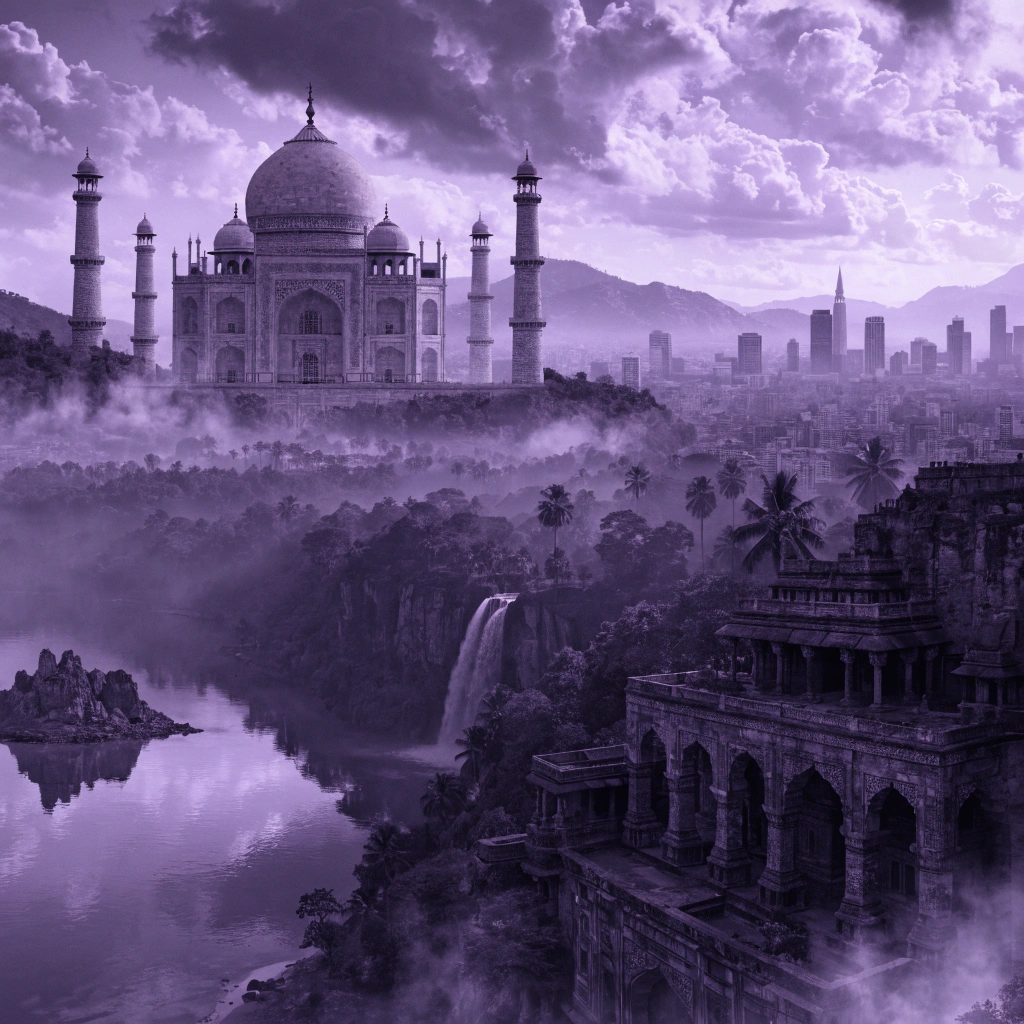
India, located in South Asia, is the world's most populous democracy and home to one of the oldest continuous civilizations. From the towering peaks of the Himalayas to the tropical shores of the Indian Ocean, the country is a vibrant tapestry of diverse religions, languages, and traditions. Its history spans from the ancient Indus Valley Civilization through the Mughal and British eras to its modern status as a global economic and cultural powerhouse.
기본 정보
수도
New Delhi
인구
1,380,004,385
지역
Asia · Southern Asia
통화
Indian Rupee (INR)
사용 언어

영어

힌디어
हिन्दी
알고 계셨나요?
The concept of shampoo originated in India, derived from the Sanskrit word 'chāmpo', which means to massage or knead.
India has the world's largest postal network, which includes a unique floating post office located on a houseboat in Dal Lake, Srinagar.
The village of Mawsynram in Meghalaya holds the Guinness World Record as the wettest place on Earth, receiving an average annual rainfall of nearly 11,871 millimeters.
India was the first country in the world to mine diamonds, with the stones found in the alluvial deposits along the Penner, Krishna, and Godavari rivers until the 18th century.
유명 랜드마크
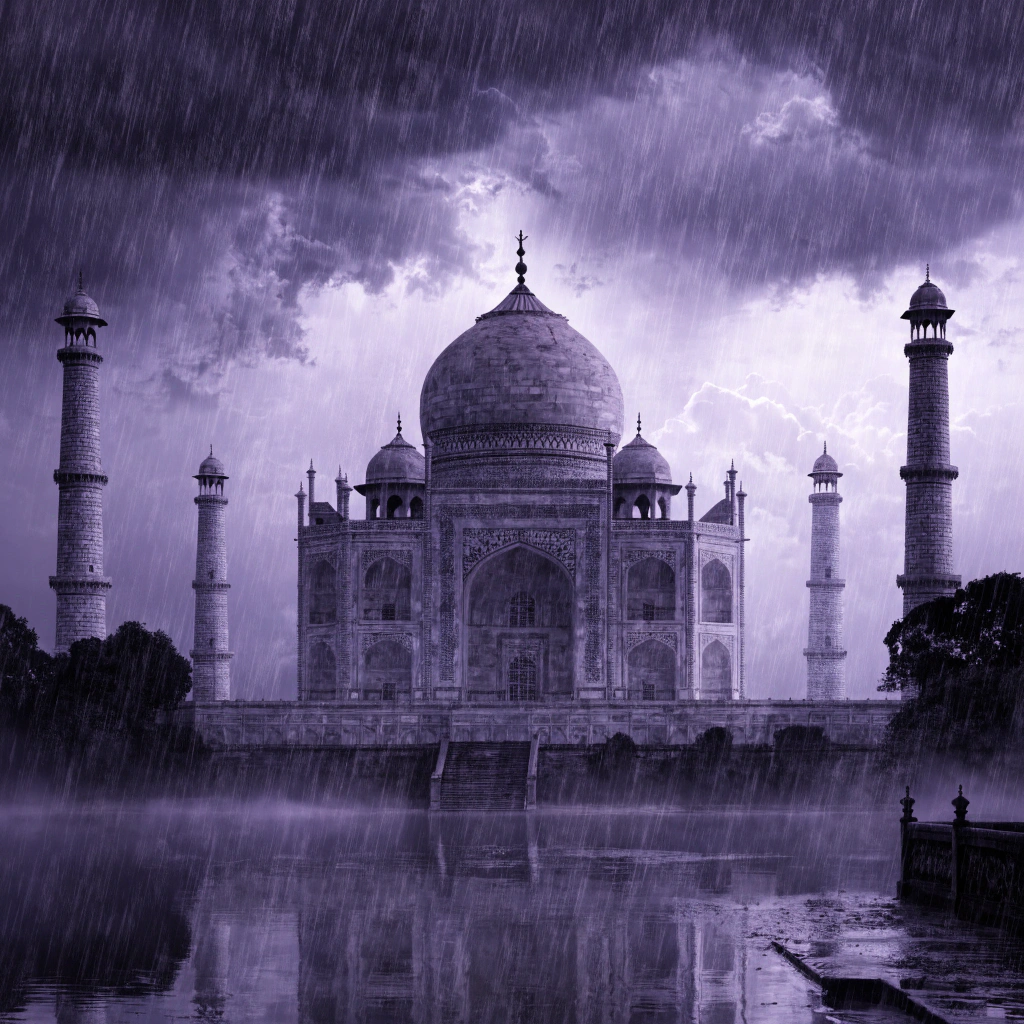
Taj Mahal
Agra의 Yamuna river 남쪽 기슭에 위치한 상아색 대리석 묘당이에요. Mughal emperor Shah Jahan이 그가 가장 아끼던 아내 Mumtaz Mahal의 무덤을 안치하기 위해 지었답니다.
더 읽기
Valley of Flowers National Park
A high-altitude Himalayan valley in Uttarakhand known for its meadows of endemic alpine flowers and diverse flora and fauna.
더 읽기
Varanasi Ghats
A series of steps leading down to the banks of the Ganges River in the city of Varanasi, serving as centers for spiritual rituals, bathing, and cremation.
더 읽기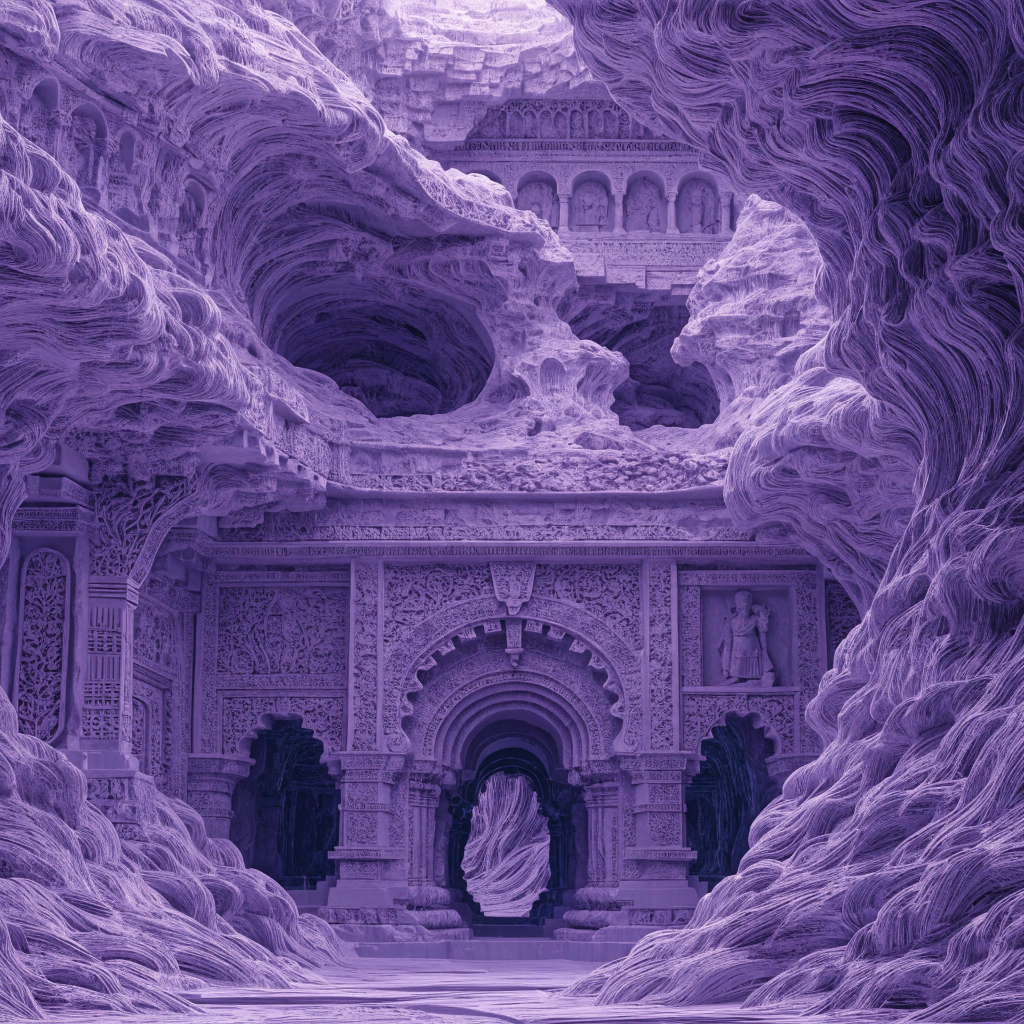
Ajanta Caves
Maharashtra에 있는 30개의 암각 불교 동굴 사원군으로, 2nd century BCE부터 약 480 CE까지 조성되었으며 고대 벽화와 조각으로 아주 유명해요.
더 읽기요리
Biryani
향긋한 향신료, 양념한 고기나 채소, 그리고 Saffron을 넣어 조리한 층층이 쌓인 쌀 요리로, Indian 축하 요리의 꽃이라고 할 수 있어요.
더 읽기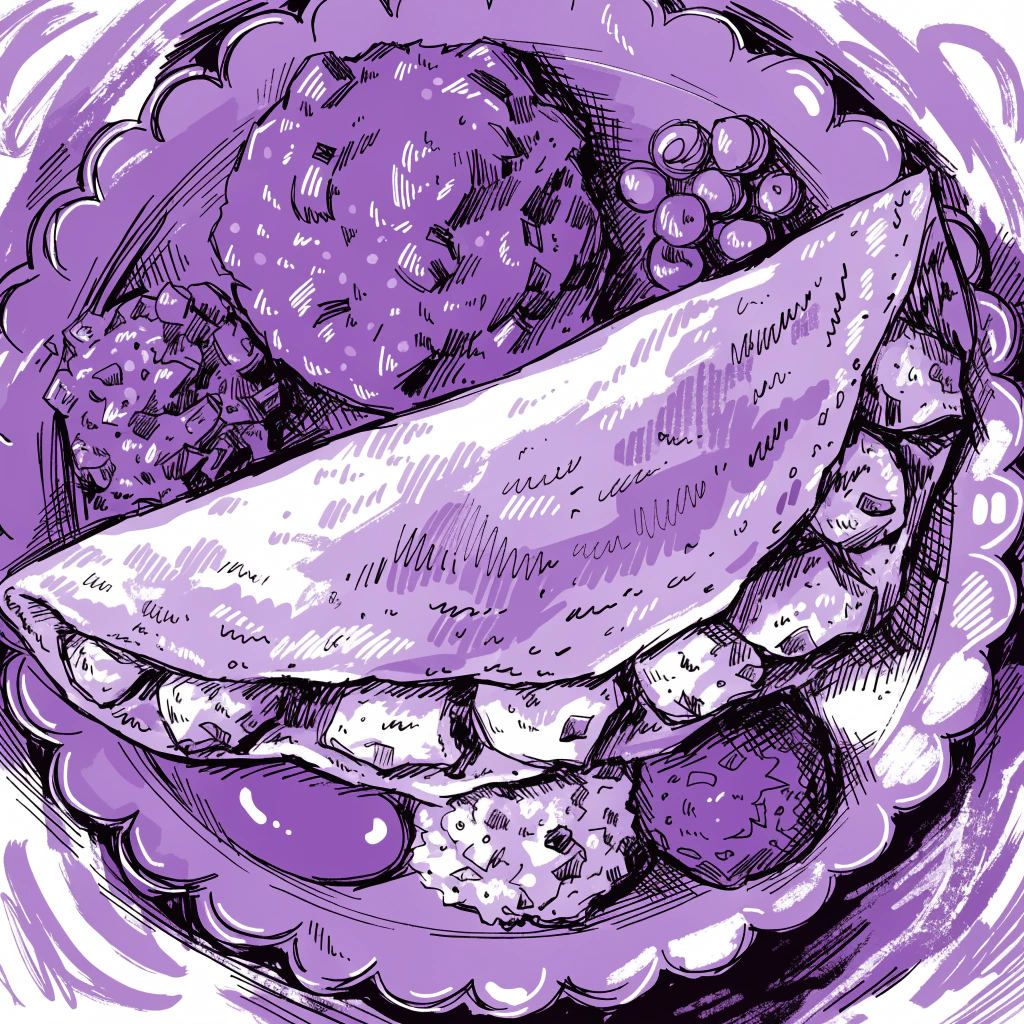
Masala Dosa
쌀과 렌틸콩 반죽으로 만든 얇고 바삭한 발효 크레페로, 양념된 감자 속을 채우고 다양한 처트니와 삼바르를 곁들여 먹는 음식이에요.
더 읽기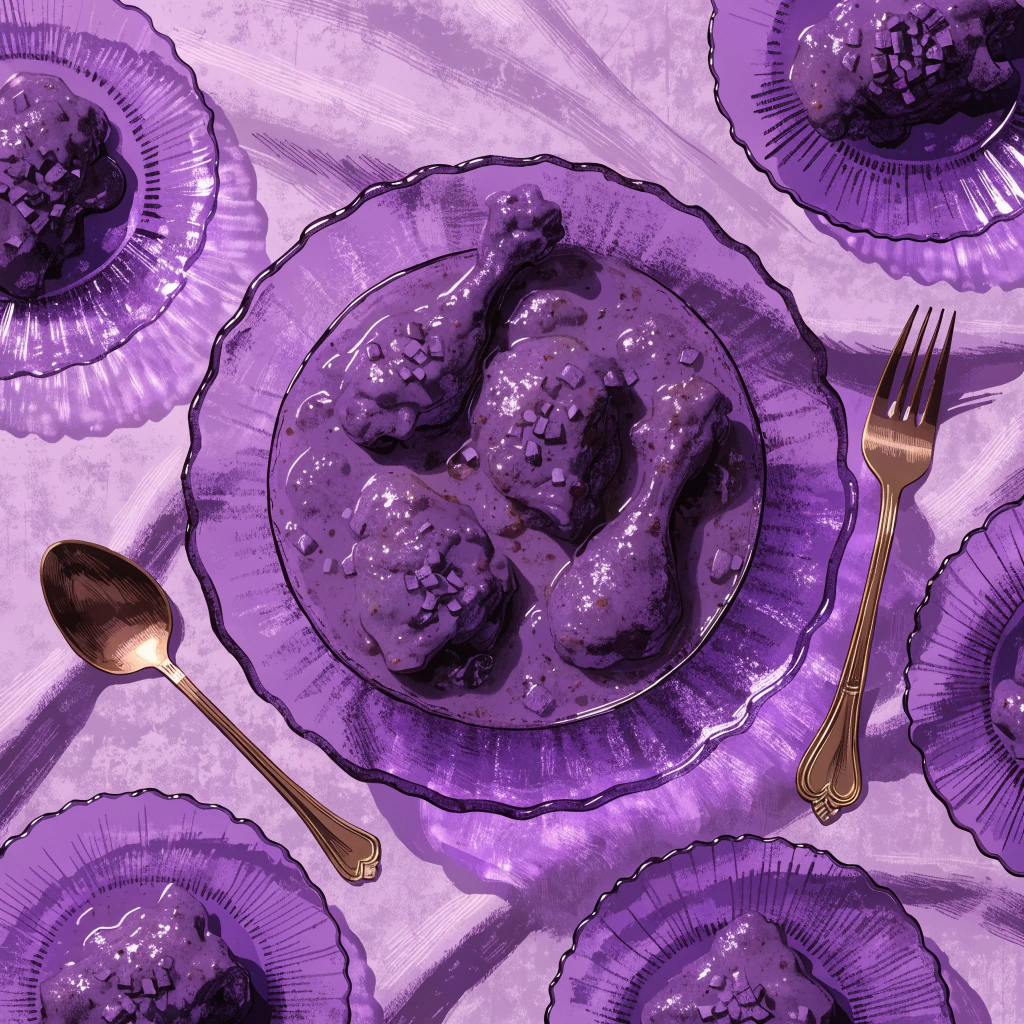
Butter Chicken
Tender pieces of tandoori-grilled chicken simmered in a silky, mildly spiced tomato sauce enriched with butter and cream.
더 읽기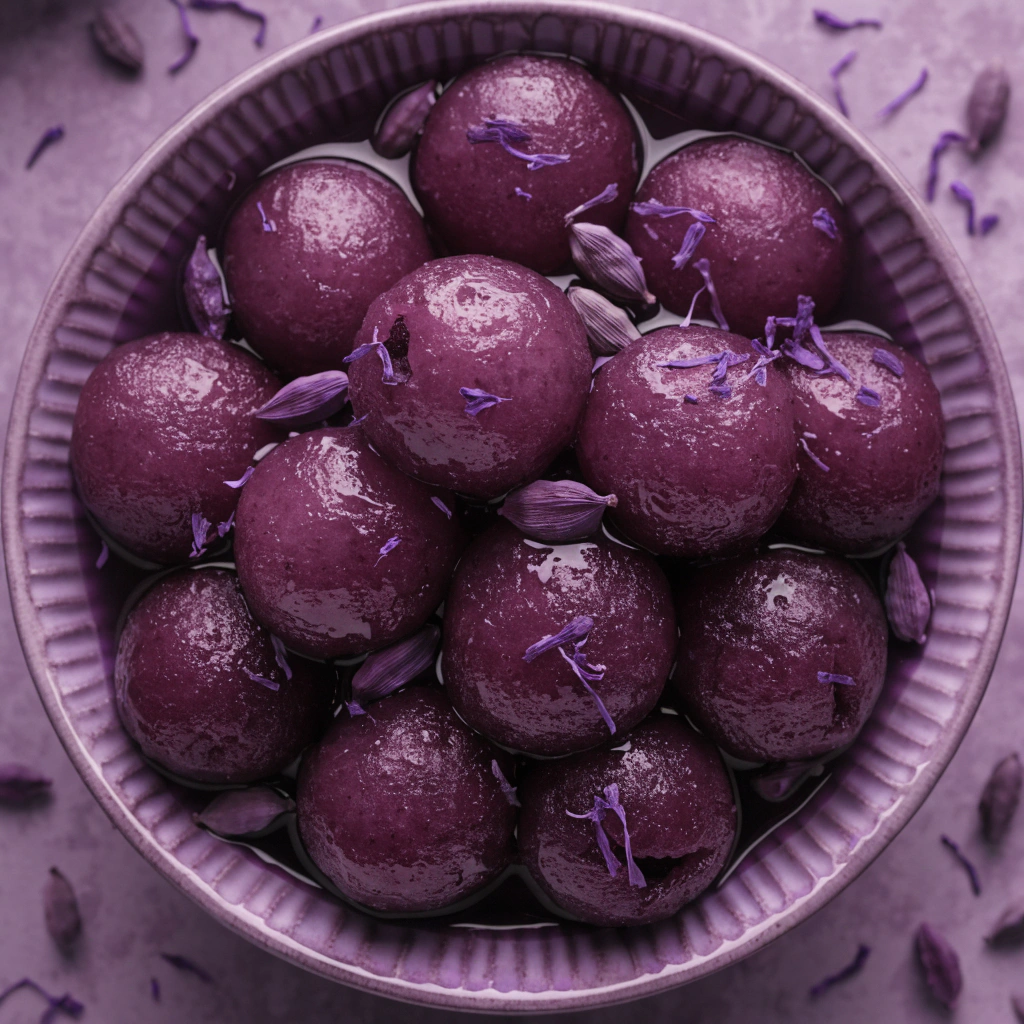
Gulab Jamun
Soft, deep-fried dough balls made from milk solids and flour, soaked in a warm, cardamom-scented sugar syrup flavored with rose water.
더 읽기음악 및 예술
India's music and arts traditions are a vibrant tapestry woven from thousands of years of cultural exchange and spiritual devotion. From the complex rhythmic structures of classical ragas to the expressive storytelling of ancient dance forms, these traditions reflect the country's profound diversity and its status as a cradle of civilization.
전통 예술
이벤트 및 축제
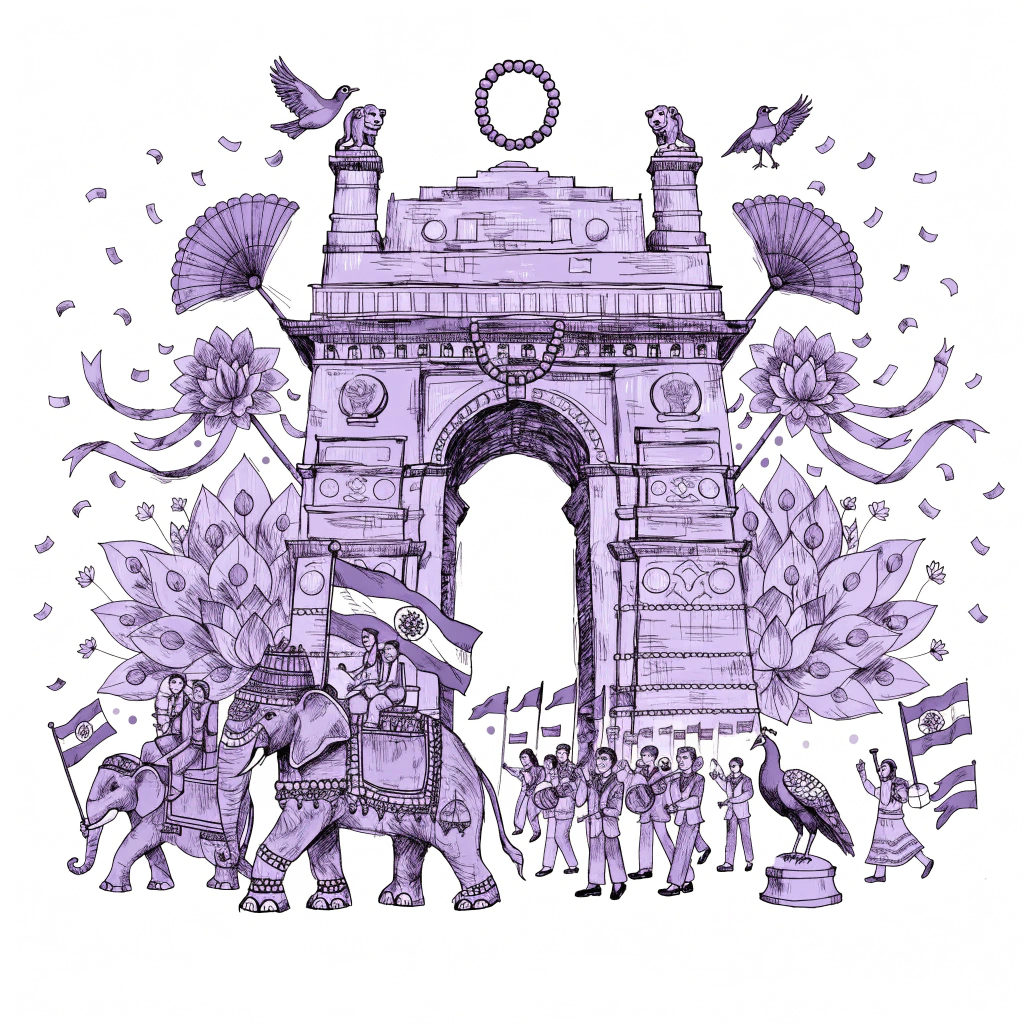
Republic Day
January 261950년에 Constitution of India가 발효된 날을 기념하는 국경일이에요.
더 읽기
Holi
MarchKnown as the 'Festival of Colors,' it celebrates the arrival of spring and the victory of good over evil.
더 읽기
Independence Day
August 15Commemorating the nation's independence from British rule in 1947.
더 읽기
Diwali
10월-11월빛이 어둠을 이기고 지식이 무지를 이기는 영적인 승리를 상징하는 'Festival of Lights'예요.
더 읽기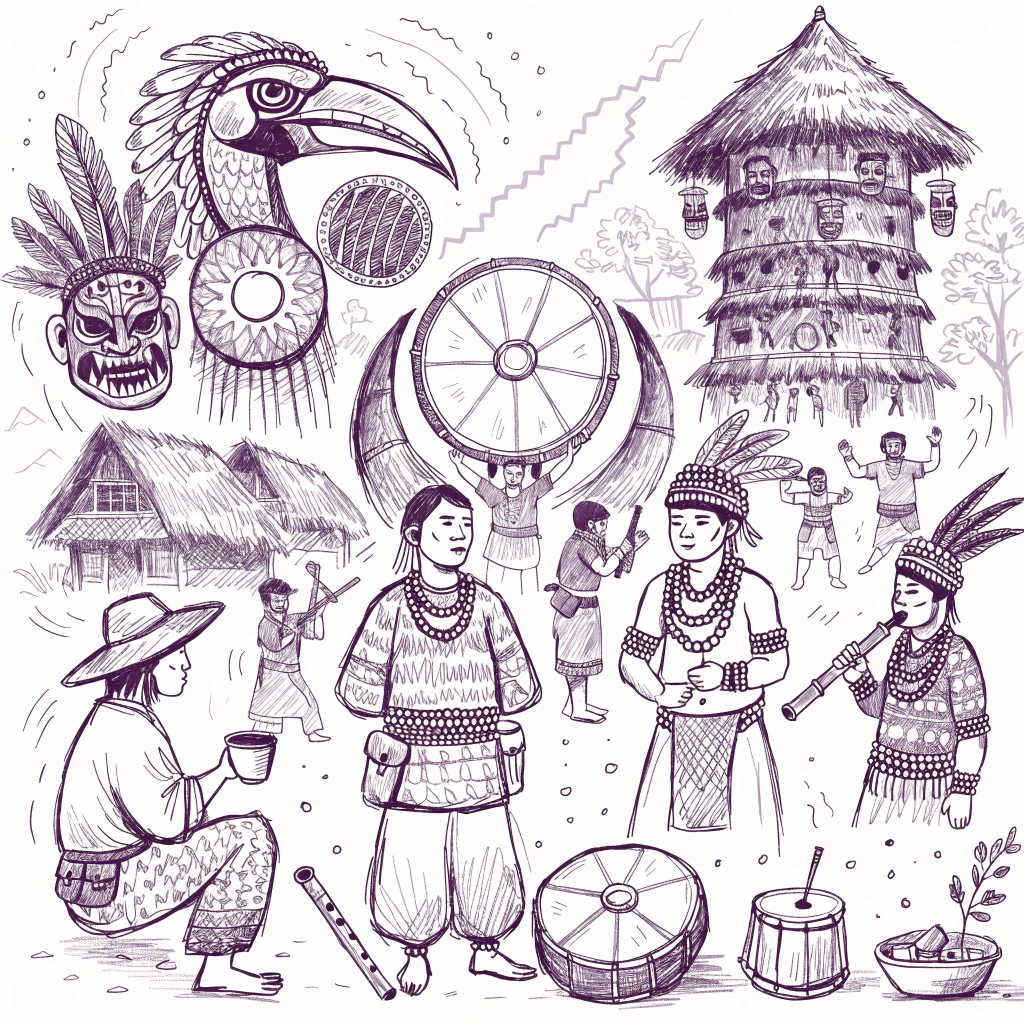
Hornbill Festival
December 1–10A 'Festival of Festivals' showcasing the rich cultural heritage and traditions of the Naga tribes in Nagaland.
더 읽기여행 표현
नमस्कार
Namaskar
Greeting (Formal)
धन्यवाद
Dhanyavad
Thank you
नमस्ते
Namaste
Hello
आप कैसे हैं?
Aap kaise hain?
How are you?
कृपया
Kripaya
Please
माफ़ कीजिये
Maaf kijiye
Excuse me / Sorry
생활 방식 및 관습
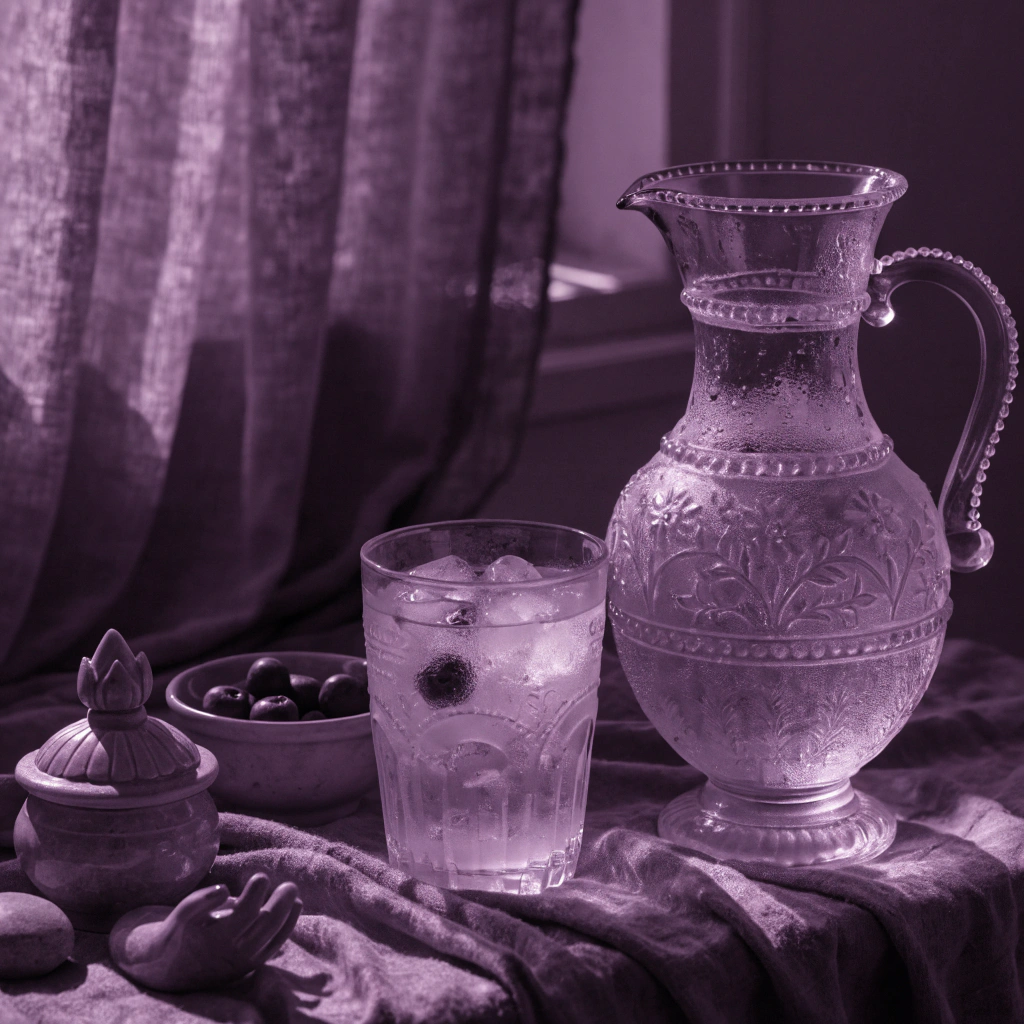
Atithi Devo Bhava: The Sacred Bond of Indian Hospitality
A profound cultural ethos that elevates the guest to the status of a deity, shaping social interactions across the Indian subcontinent.
더 읽기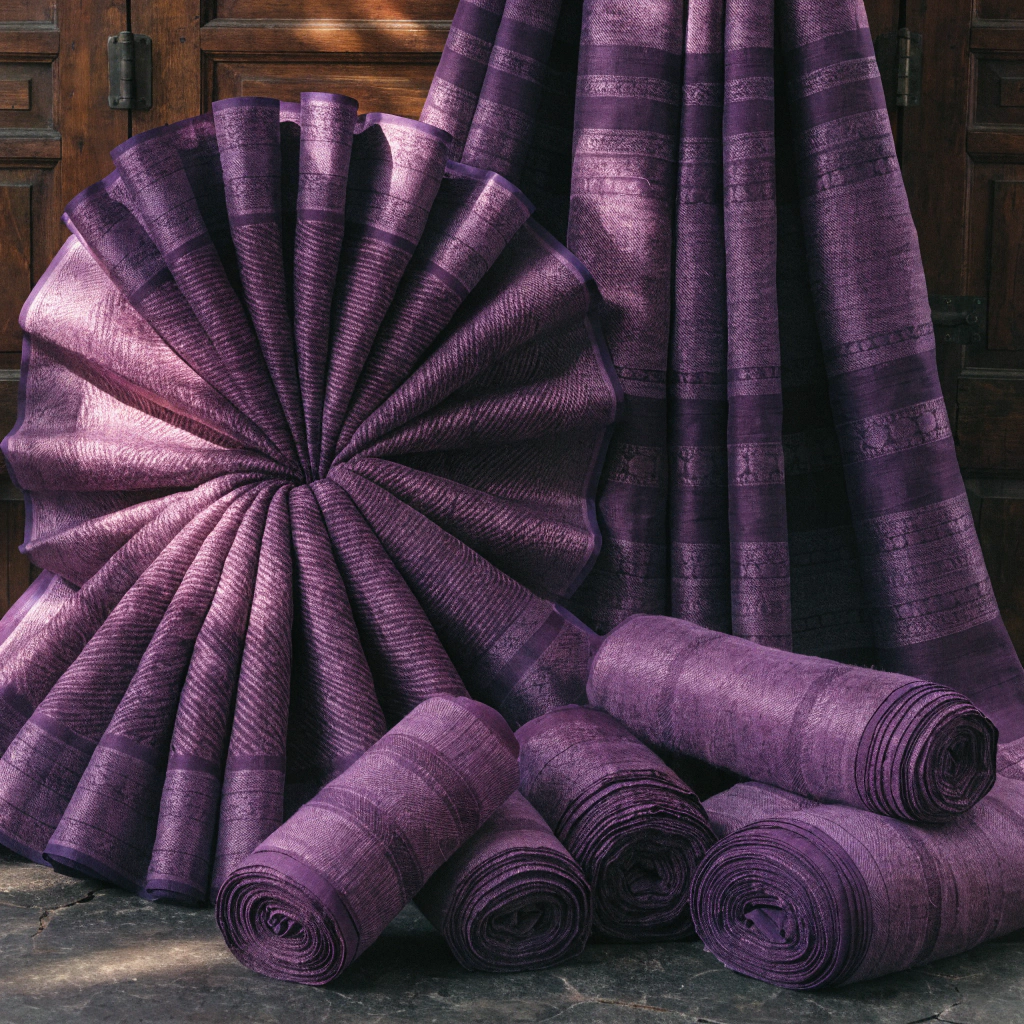
The Saree: Six Yards of Timeless Elegance
A versatile unstitched garment that has defined Indian fashion for millennia, reflecting regional diversity and artisanal heritage.
더 읽기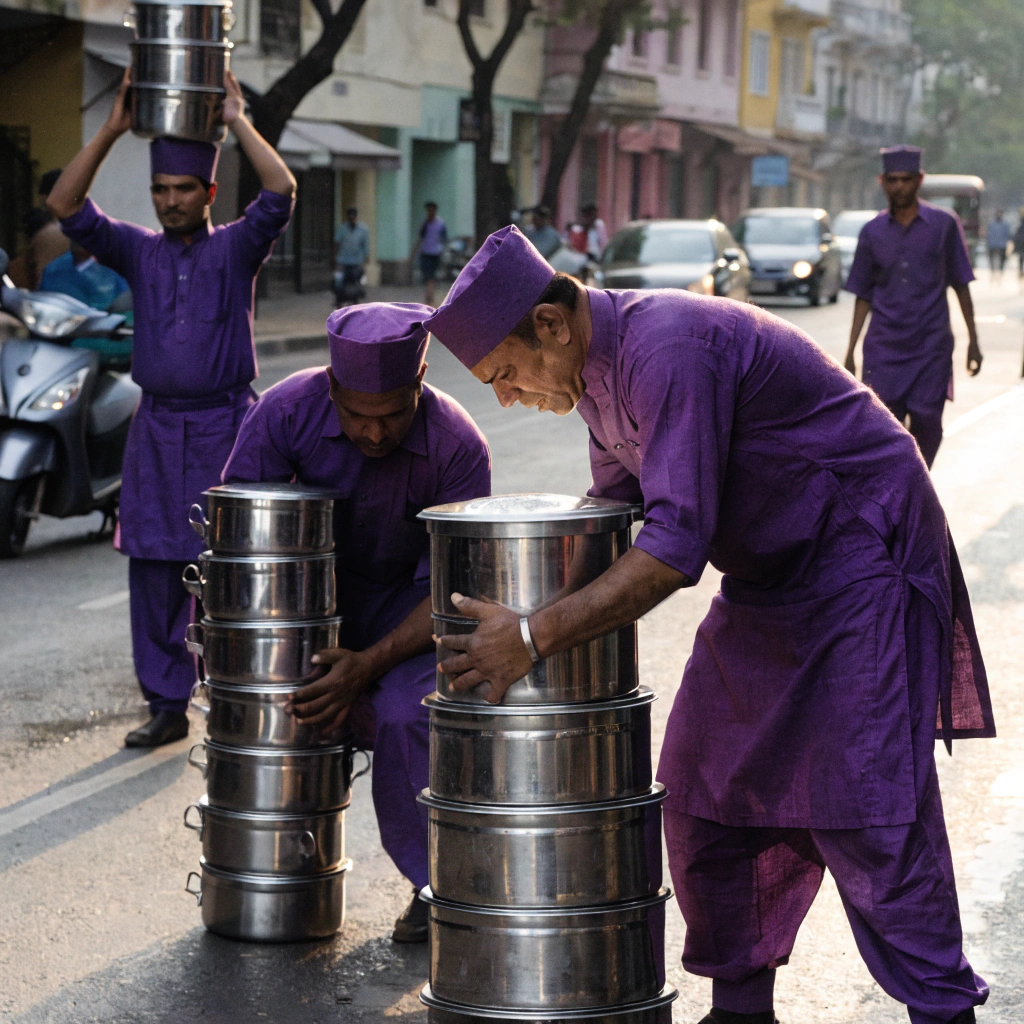
The Dabbawalas of Mumbai: A Century of Precision and Service
A unique lunchbox delivery system in Mumbai that relies on human intelligence and dedication to achieve world-renowned logistical efficiency.
더 읽기에티켓 팁
Use your right hand for eating, giving, or receiving items.
Use your left hand for these actions as it is traditionally considered unclean.
Remove your shoes before entering someone's home or a place of worship.
Walk into a house or temple with your footwear on.
Dress modestly, covering shoulders and knees, especially at religious sites.
Wear revealing clothing like short skirts or sleeveless tops in public or sacred areas.
Greet people with a 'Namaste' (palms pressed together) to show respect.
Initiate a handshake or physical contact with the opposite sex unless they do so first.