关于 印度
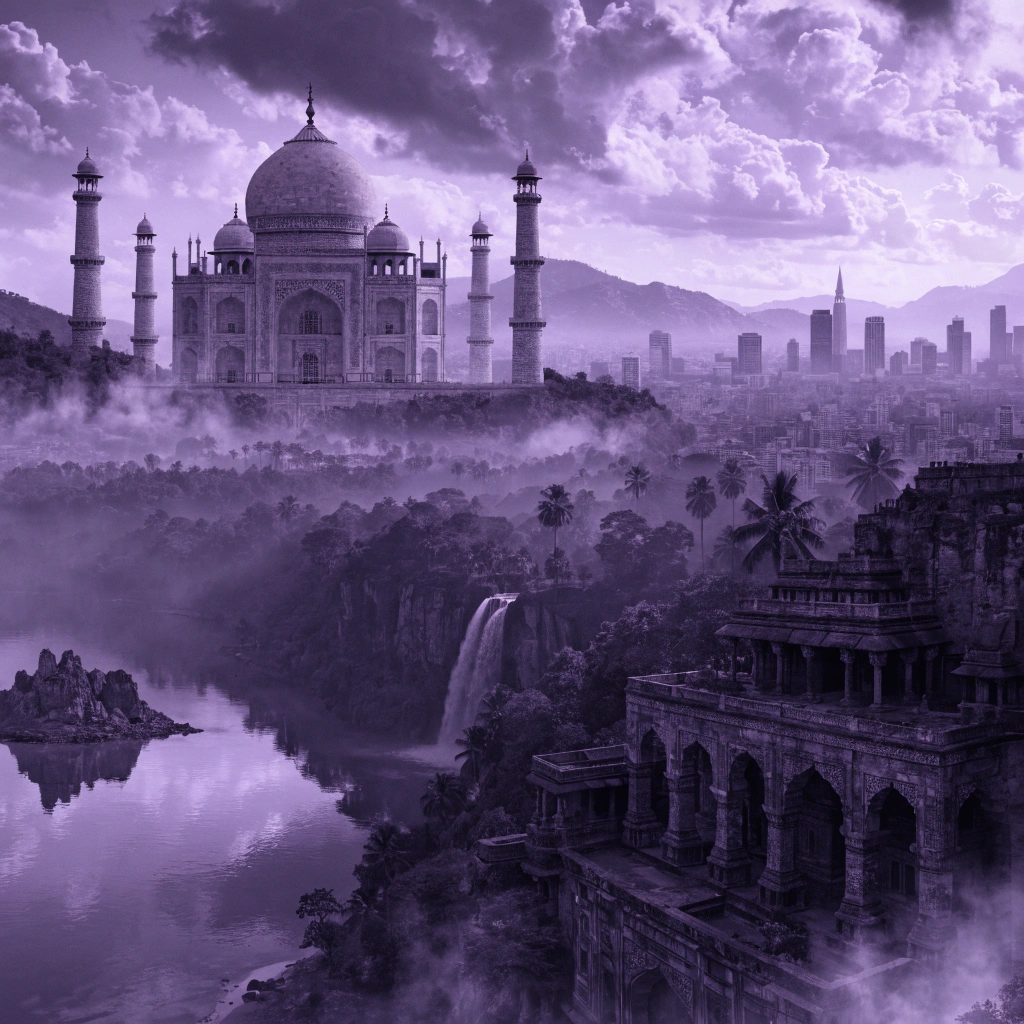
India, located in South Asia, is the world's most populous democracy and home to one of the oldest continuous civilizations. From the towering peaks of the Himalayas to the tropical shores of the Indian Ocean, the country is a vibrant tapestry of diverse religions, languages, and traditions. Its history spans from the ancient Indus Valley Civilization through the Mughal and British eras to its modern status as a global economic and cultural powerhouse.
基本信息
首都
New Delhi
人口
1,380,004,385
地区
Asia · Southern Asia
货币
Indian Rupee (INR)
使用语言

英语

印地语
हिन्दी
你知道吗?
The concept of shampoo originated in India, derived from the Sanskrit word 'chāmpo', which means to massage or knead.
India has the world's largest postal network, which includes a unique floating post office located on a houseboat in Dal Lake, Srinagar.
The village of Mawsynram in Meghalaya holds the Guinness World Record as the wettest place on Earth, receiving an average annual rainfall of nearly 11,871 millimeters.
India was the first country in the world to mine diamonds, with the stones found in the alluvial deposits along the Penner, Krishna, and Godavari rivers until the 18th century.
著名地标
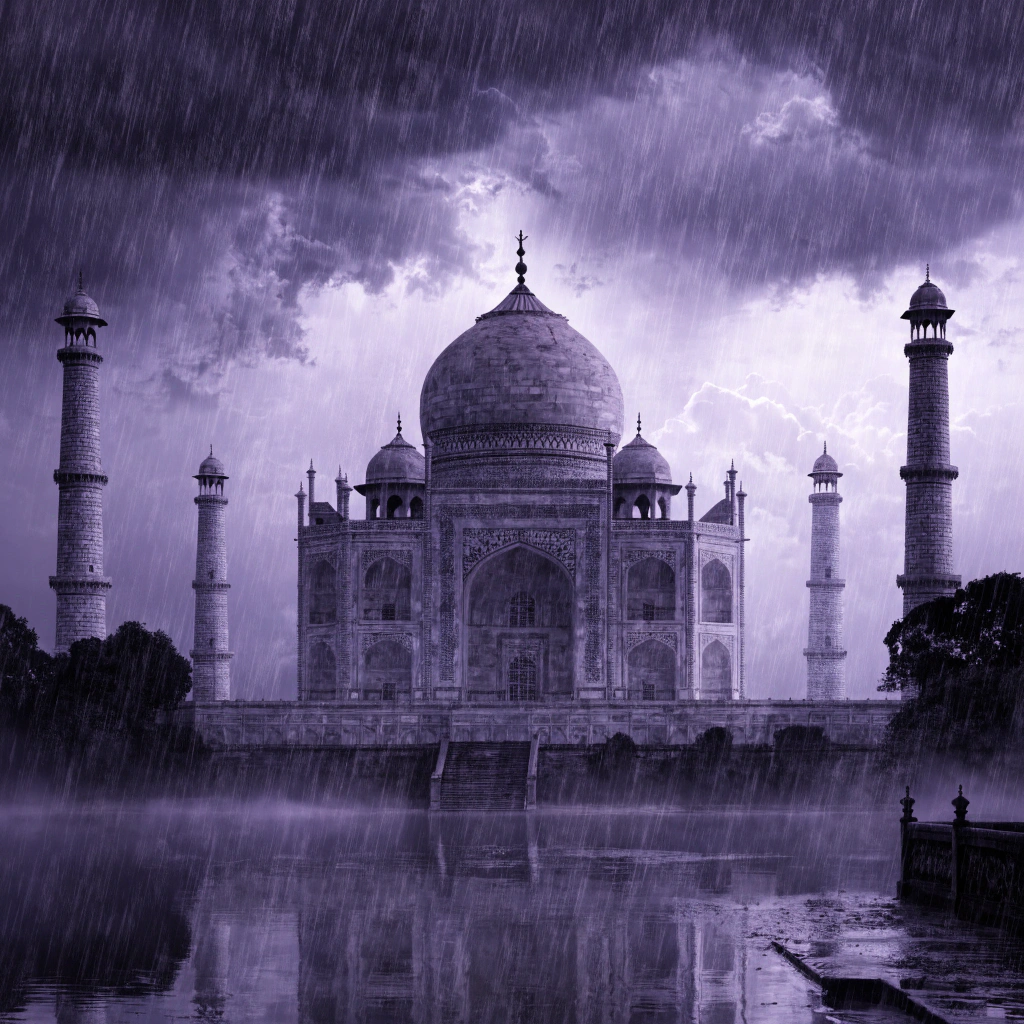
Taj Mahal
An ivory-white marble mausoleum on the south bank of the Yamuna river in Agra, commissioned by Mughal emperor Shah Jahan to house the tomb of his favorite wife, Mumtaz Mahal.
阅读更多
Valley of Flowers National Park
A high-altitude Himalayan valley in Uttarakhand known for its meadows of endemic alpine flowers and diverse flora and fauna.
阅读更多
Varanasi Ghats
A series of steps leading down to the banks of the Ganges River in the city of Varanasi, serving as centers for spiritual rituals, bathing, and cremation.
阅读更多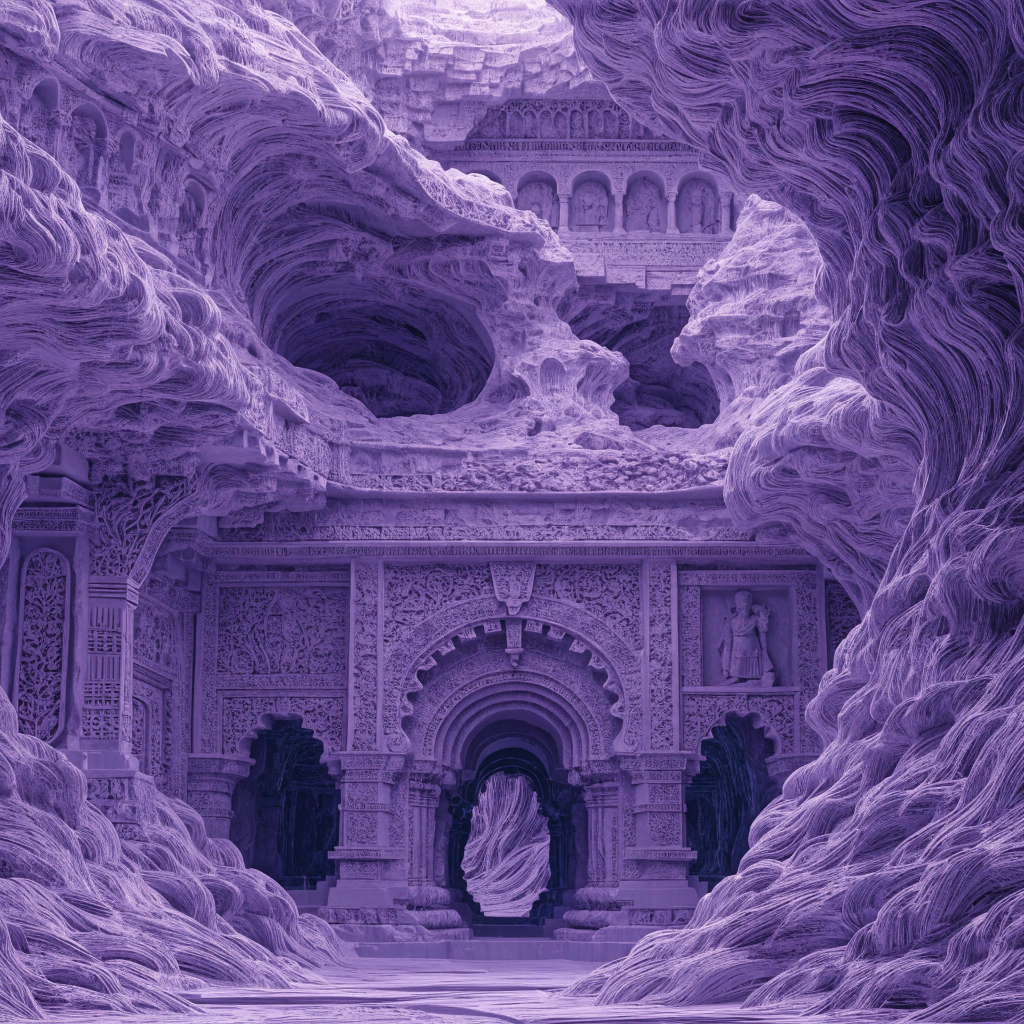
Ajanta Caves
A complex of 30 rock-cut Buddhist cave monuments in Maharashtra dating from the 2nd century BCE to about 480 CE, famous for their ancient murals and sculptures.
阅读更多美食
Biryani
A fragrant, layered rice dish cooked with aromatic spices, marinated meat or vegetables, and saffron, representing the crown jewel of Indian celebratory cuisine.
阅读更多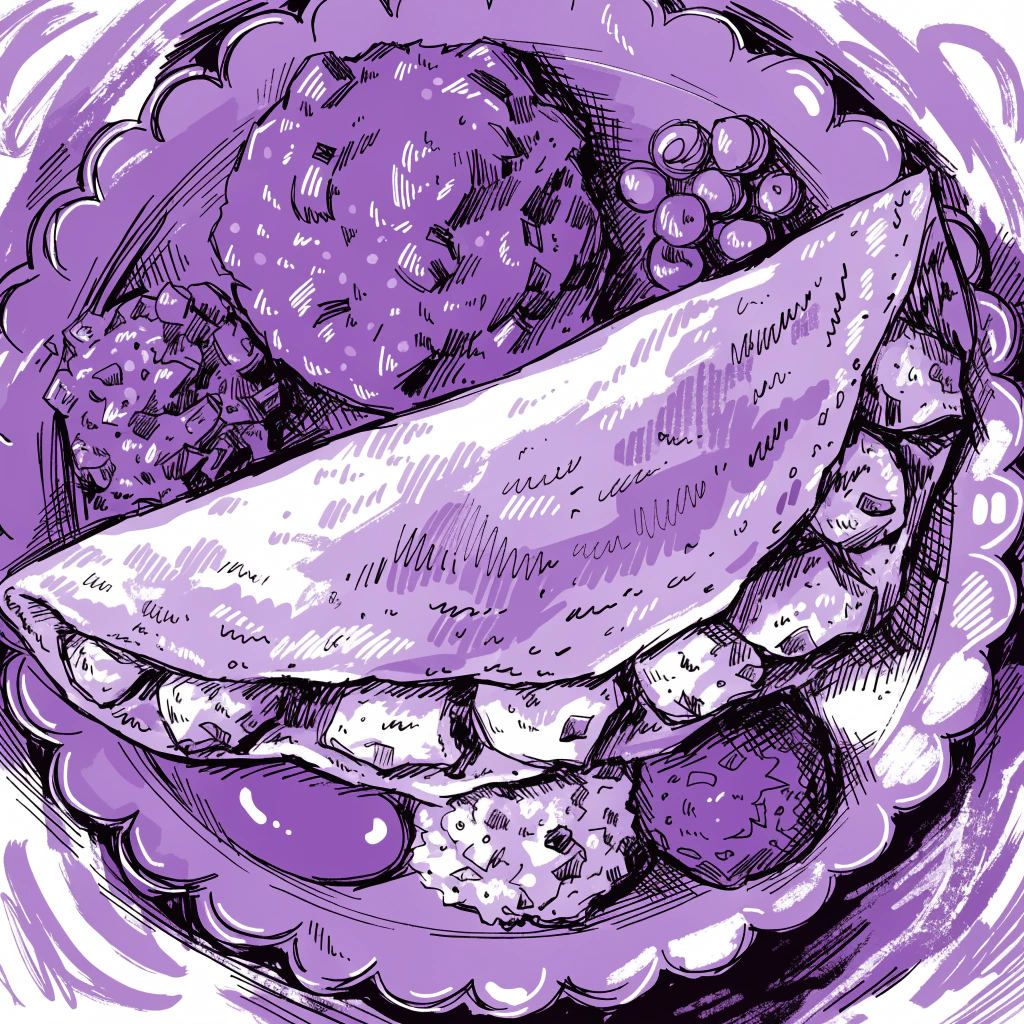
Masala Dosa
A thin, crispy fermented crepe made from rice and lentil batter, filled with a spiced potato mixture and served with an array of chutneys and sambar.
阅读更多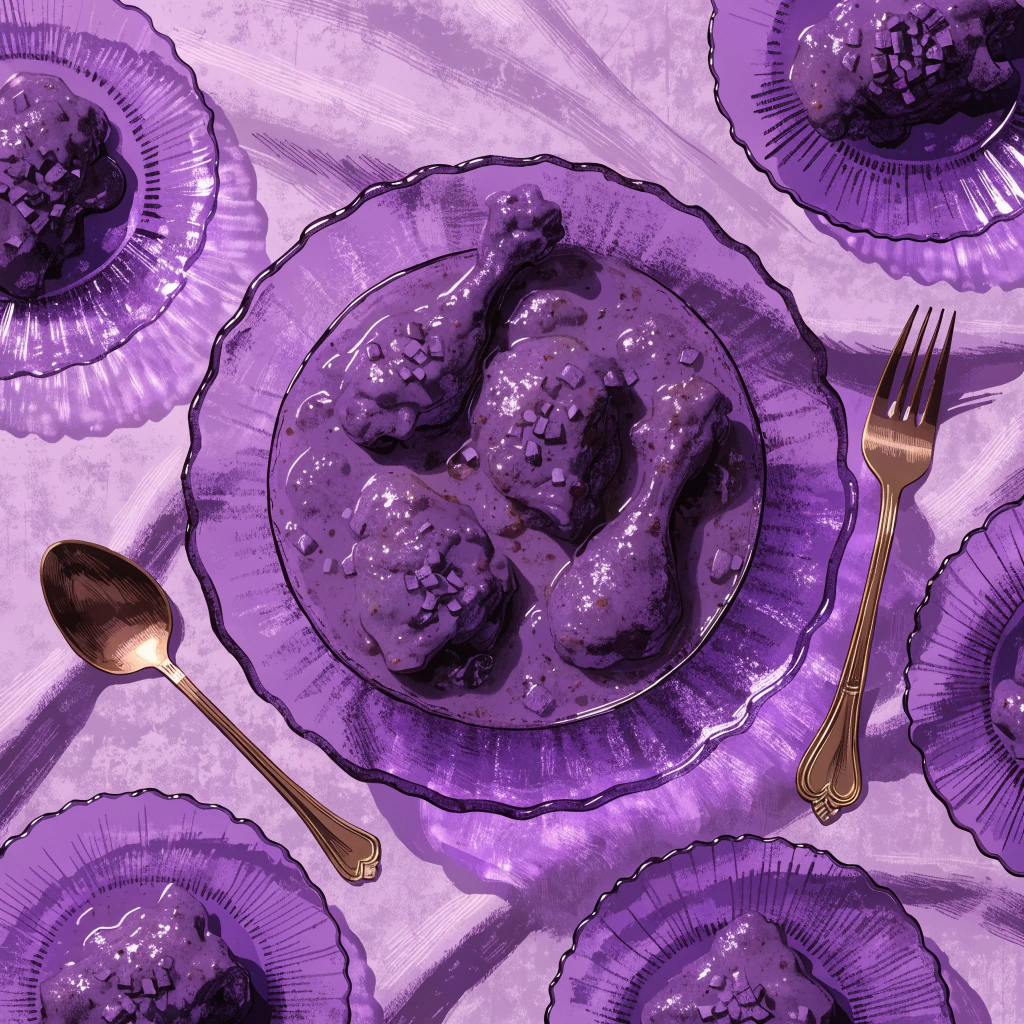
Butter Chicken
鲜嫩的 tandoori 烤鸡块,在丝滑、微辣的番茄酱汁中慢炖,加入黄油和奶油使其更加浓郁。
阅读更多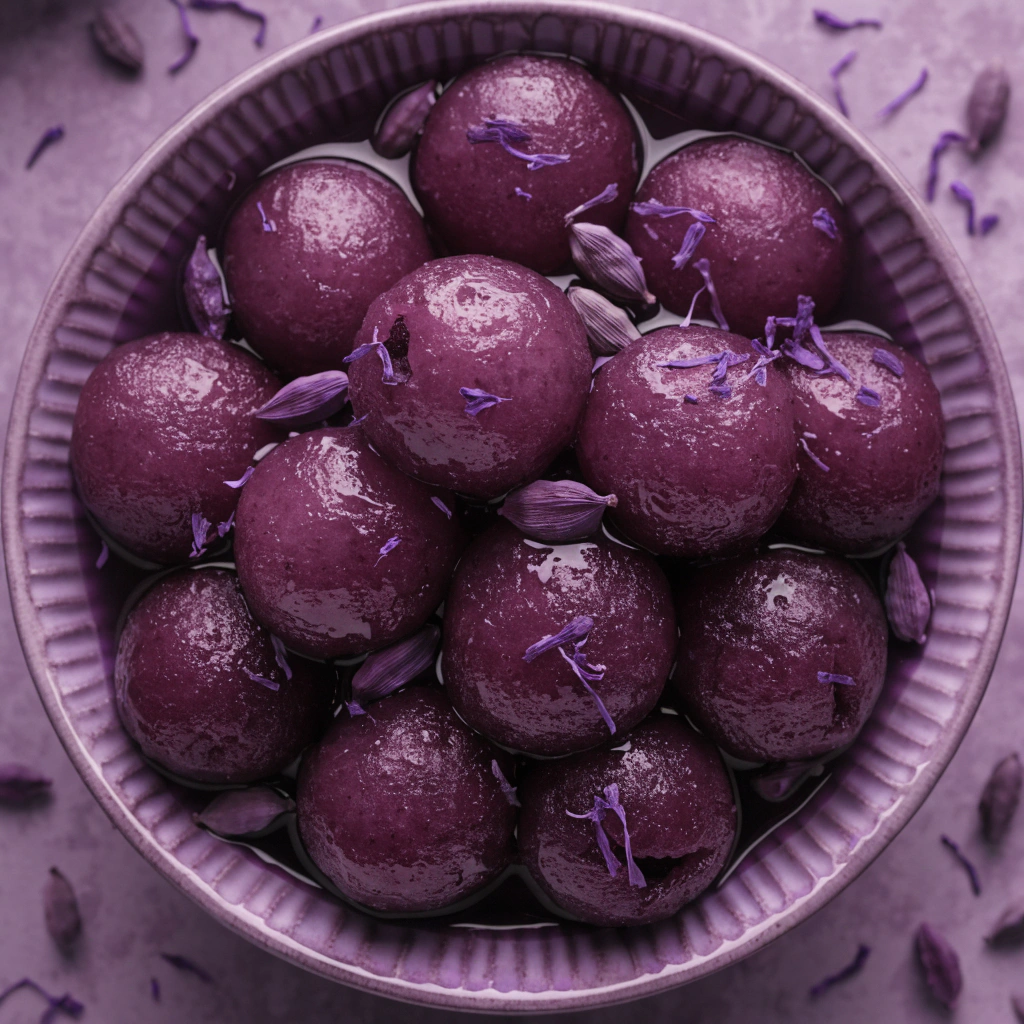
Gulab Jamun
Soft, deep-fried dough balls made from milk solids and flour, soaked in a warm, cardamom-scented sugar syrup flavored with rose water.
阅读更多音乐与艺术
India's music and arts traditions are a vibrant tapestry woven from thousands of years of cultural exchange and spiritual devotion. From the complex rhythmic structures of classical ragas to the expressive storytelling of ancient dance forms, these traditions reflect the country's profound diversity and its status as a cradle of civilization.
传统艺术
活动与节日
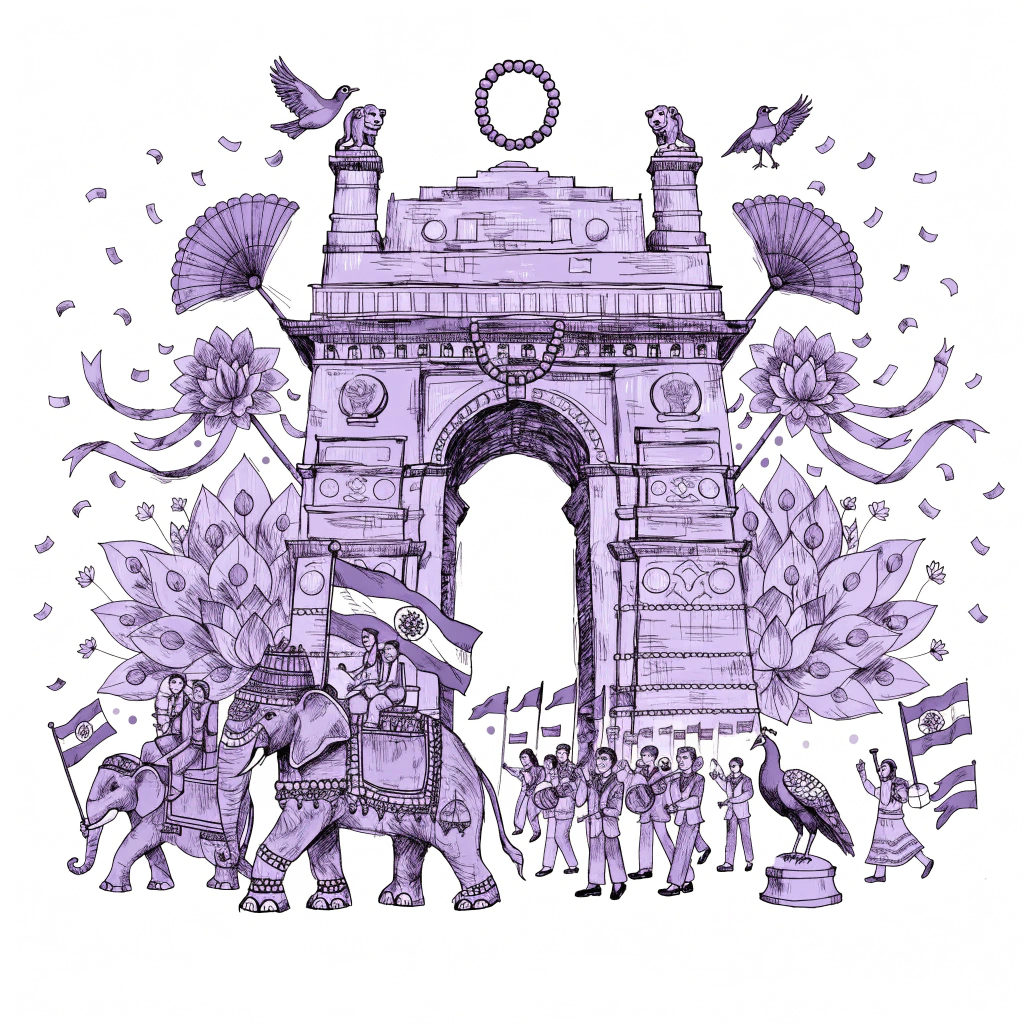
Republic Day
January 26A national holiday celebrating the day the Constitution of India came into effect in 1950.
阅读更多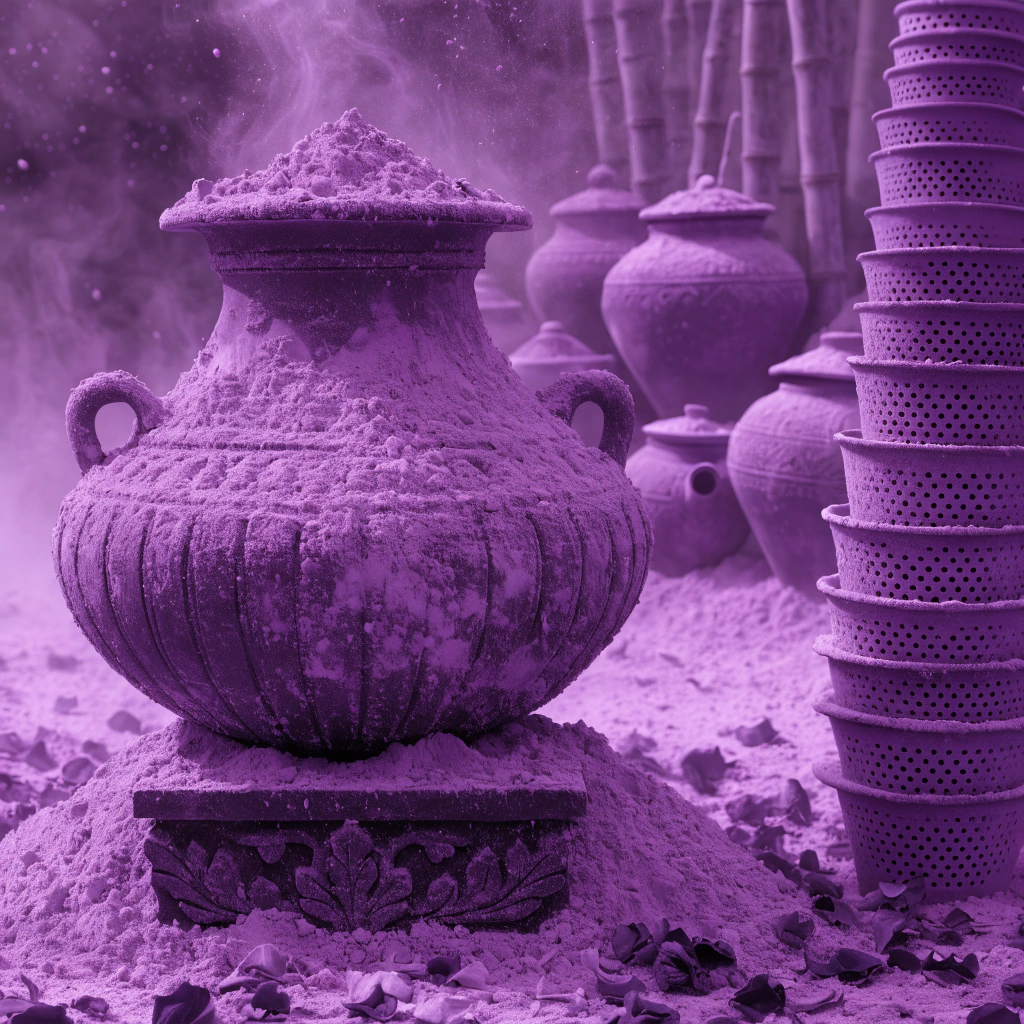
Holi
MarchKnown as the 'Festival of Colors,' it celebrates the arrival of spring and the victory of good over evil.
阅读更多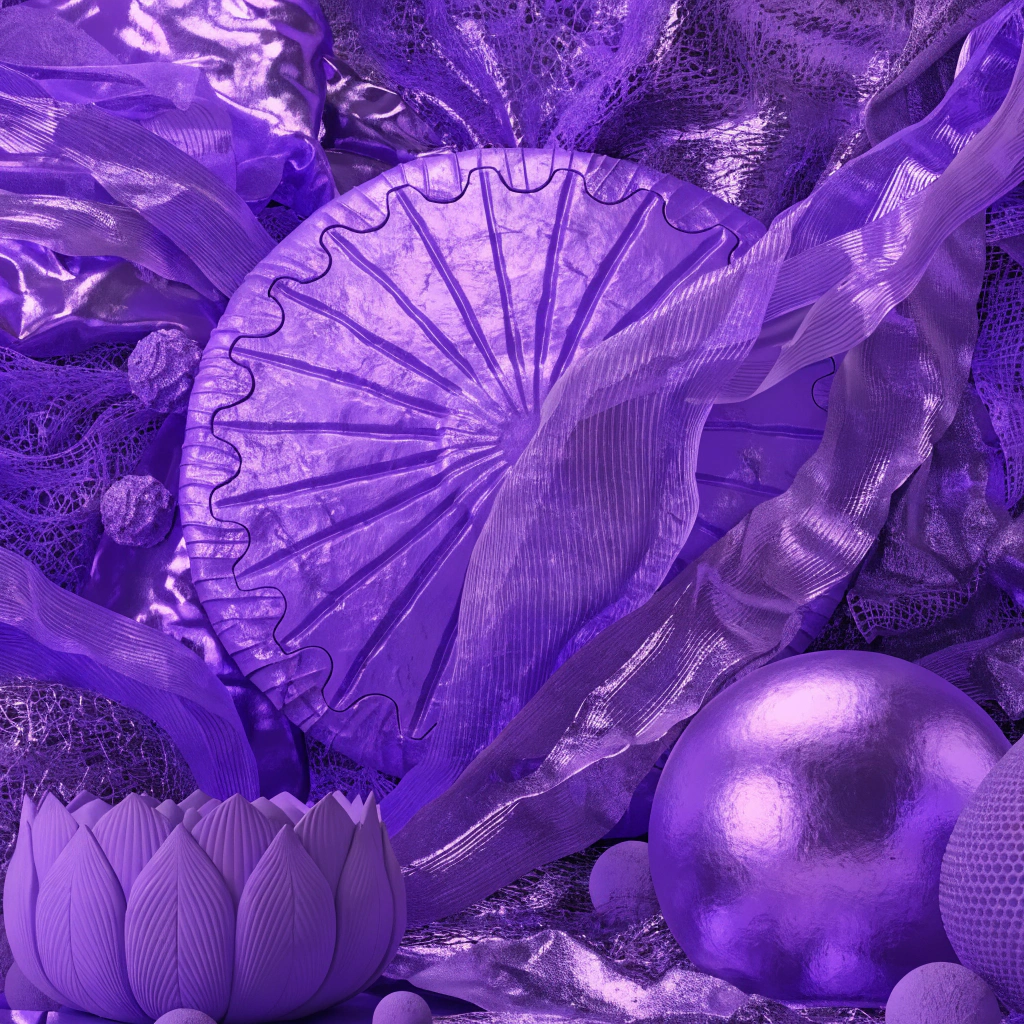
Independence Day
August 15纪念 1947 年从 British 统治下获得的独立。
阅读更多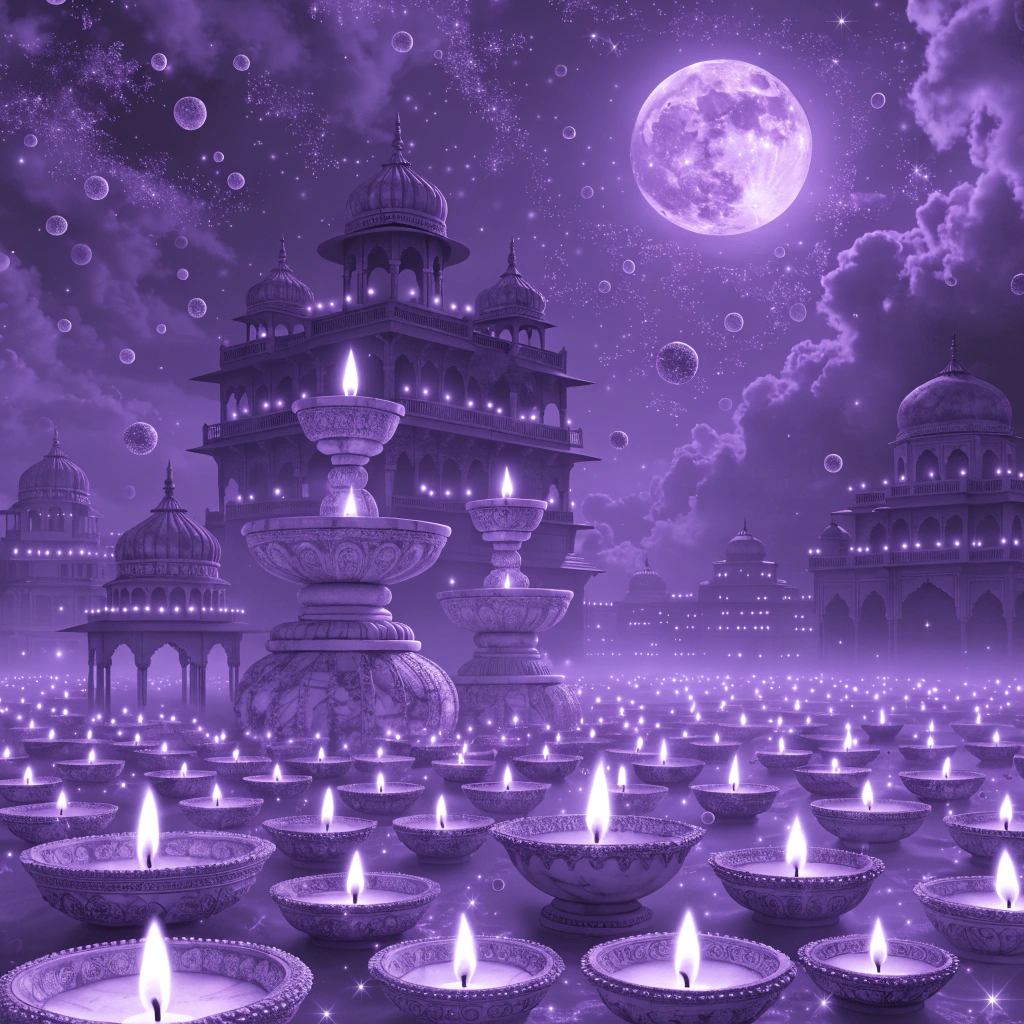
Diwali
October-NovemberThe 'Festival of Lights' symbolizing the spiritual victory of light over darkness and knowledge over ignorance.
阅读更多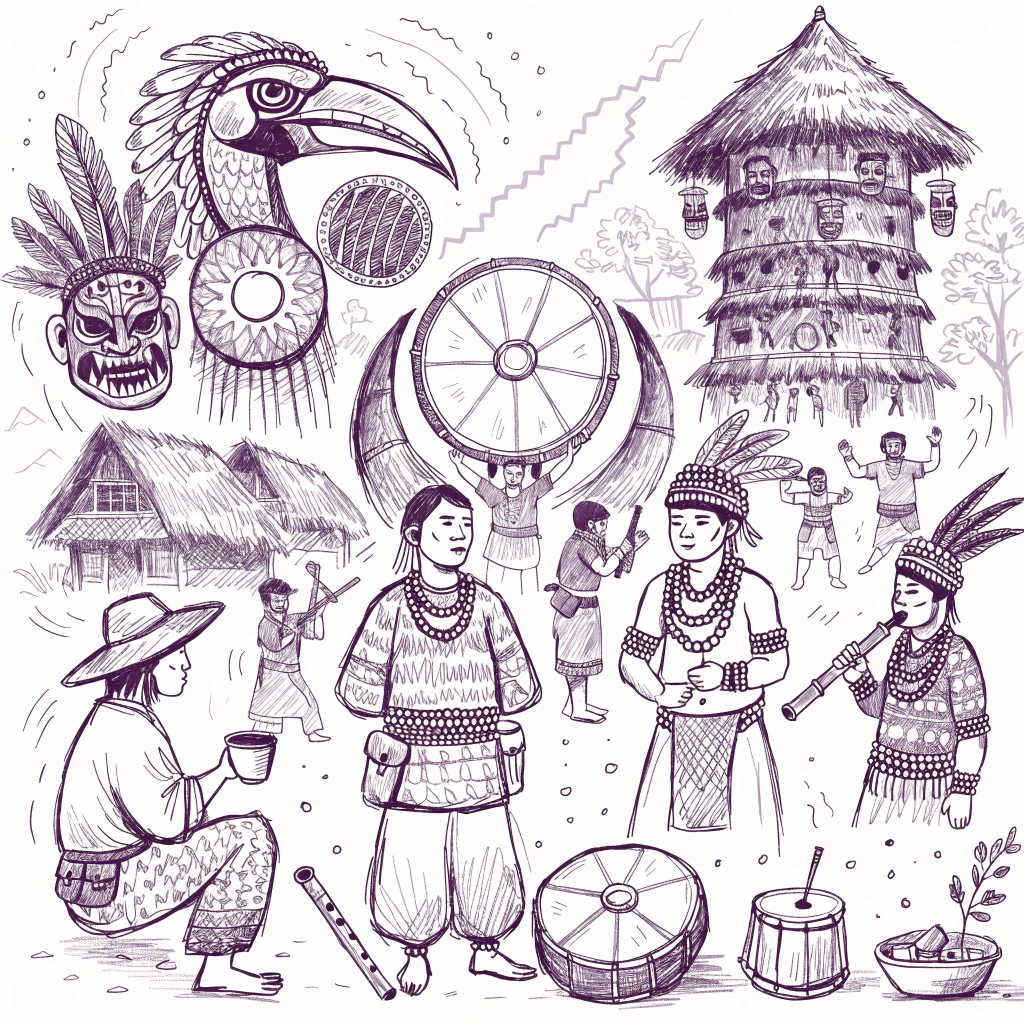
Hornbill Festival
December 1–10A 'Festival of Festivals' showcasing the rich cultural heritage and traditions of the Naga tribes in Nagaland.
阅读更多旅行短语
नमस्कार
Namaskar
Greeting (Formal)
धन्यवाद
Dhanyavad
Thank you
नमस्ते
Namaste
Hello
आप कैसे हैं?
Aap kaise hain?
How are you?
कृपया
Kripaya
Please
माफ़ कीजिये
Maaf kijiye
Excuse me / Sorry
生活方式与习俗
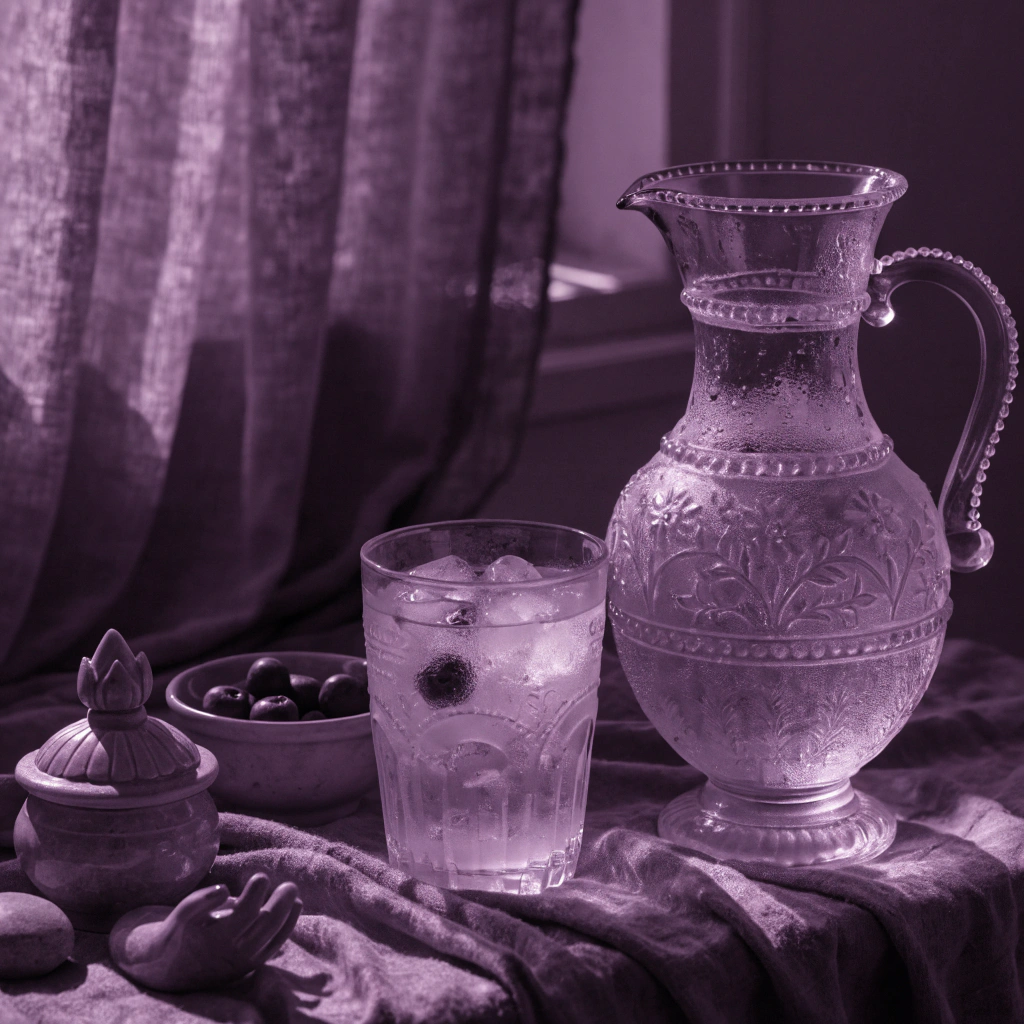
Atithi Devo Bhava: The Sacred Bond of Indian Hospitality
A profound cultural ethos that elevates the guest to the status of a deity, shaping social interactions across the Indian subcontinent.
阅读更多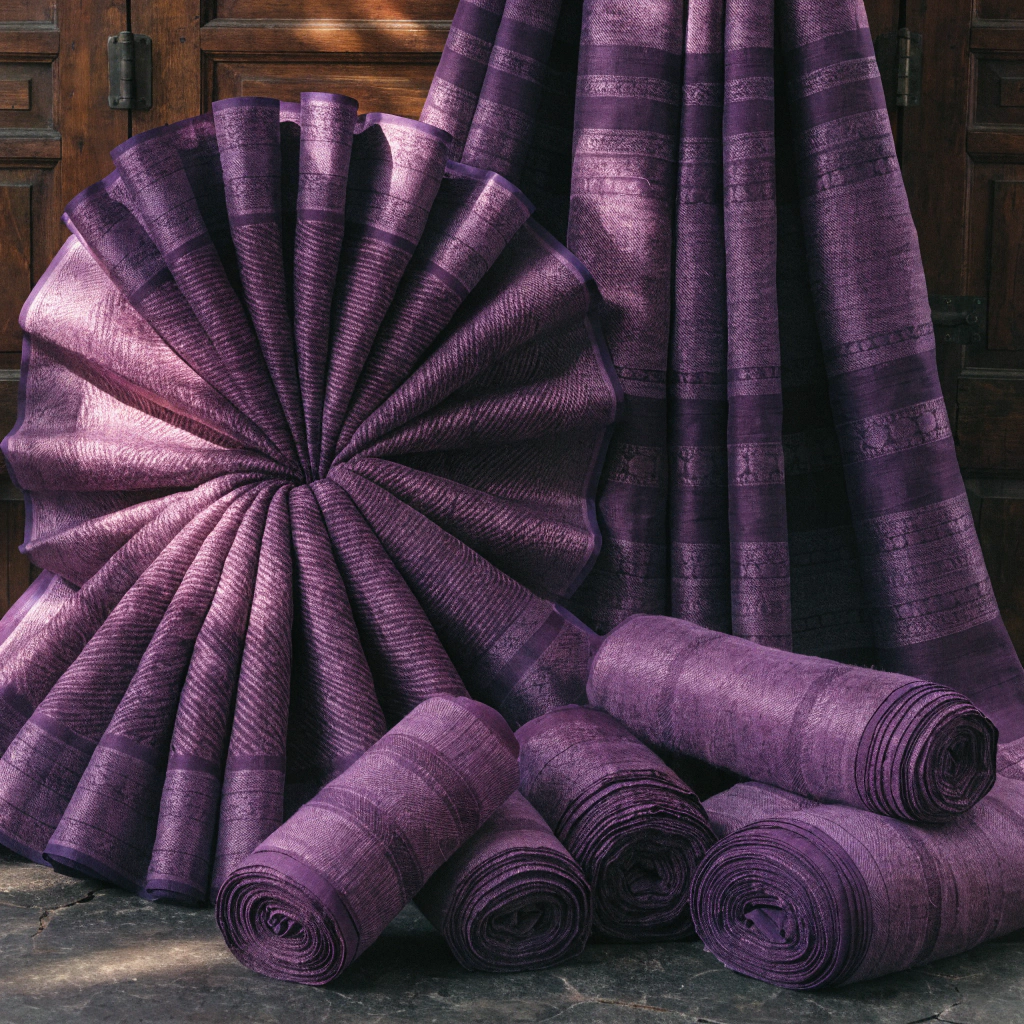
The Saree: Six Yards 不朽的优雅
一款多功能、无需缝合的服饰,几千年来定义了 India 的时尚,反映了地区多样性与手工艺传承。
阅读更多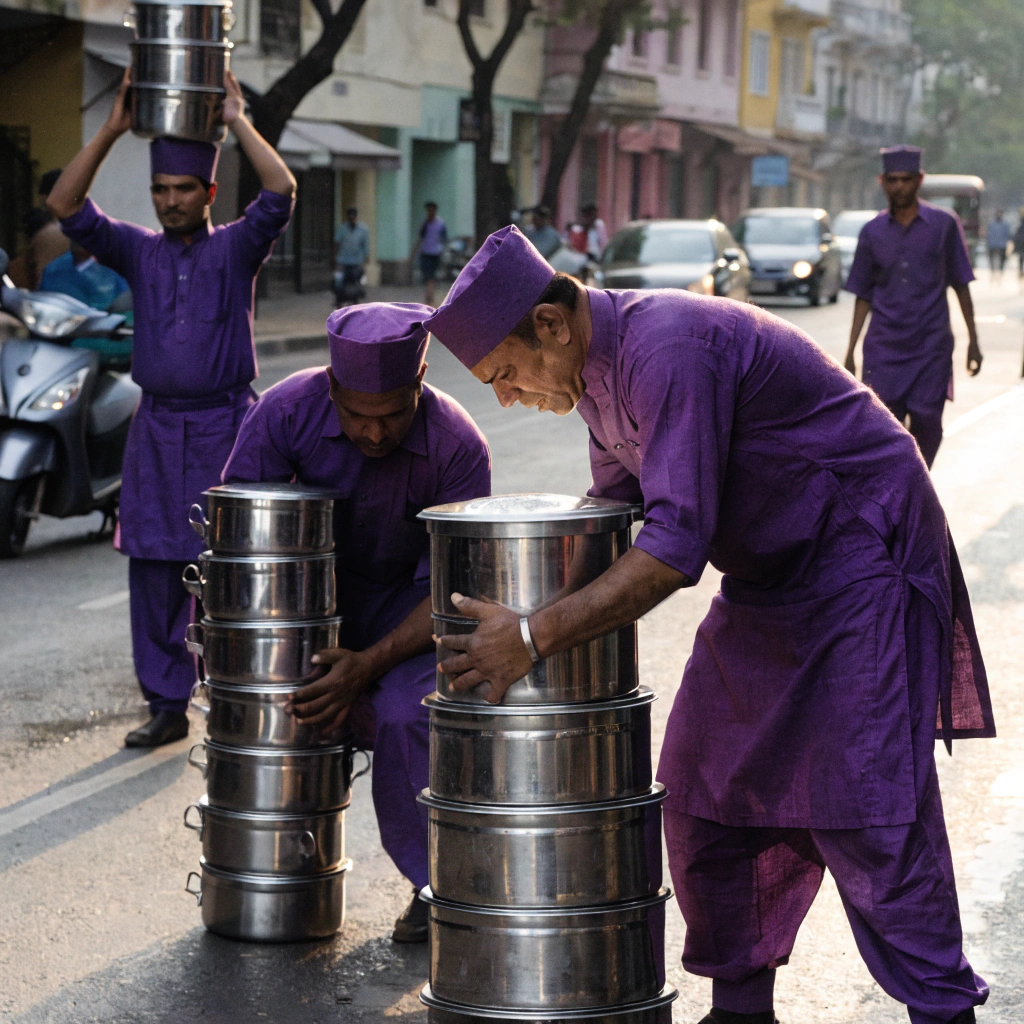
The Dabbawalas of Mumbai: A Century of Precision and Service
A unique lunchbox delivery system in Mumbai that relies on human intelligence and dedication to achieve world-renowned logistical efficiency.
阅读更多礼仪小贴士
Use your right hand for eating, giving, or receiving items.
Use your left hand for these actions as it is traditionally considered unclean.
Remove your shoes before entering someone's home or a place of worship.
Walk into a house or temple with your footwear on.
Dress modestly, covering shoulders and knees, especially at religious sites.
Wear revealing clothing like short skirts or sleeveless tops in public or sacred areas.
Greet people with a 'Namaste' (palms pressed together) to show respect.
Initiate a handshake or physical contact with the opposite sex unless they do so first.