भारत
India
Sobre India
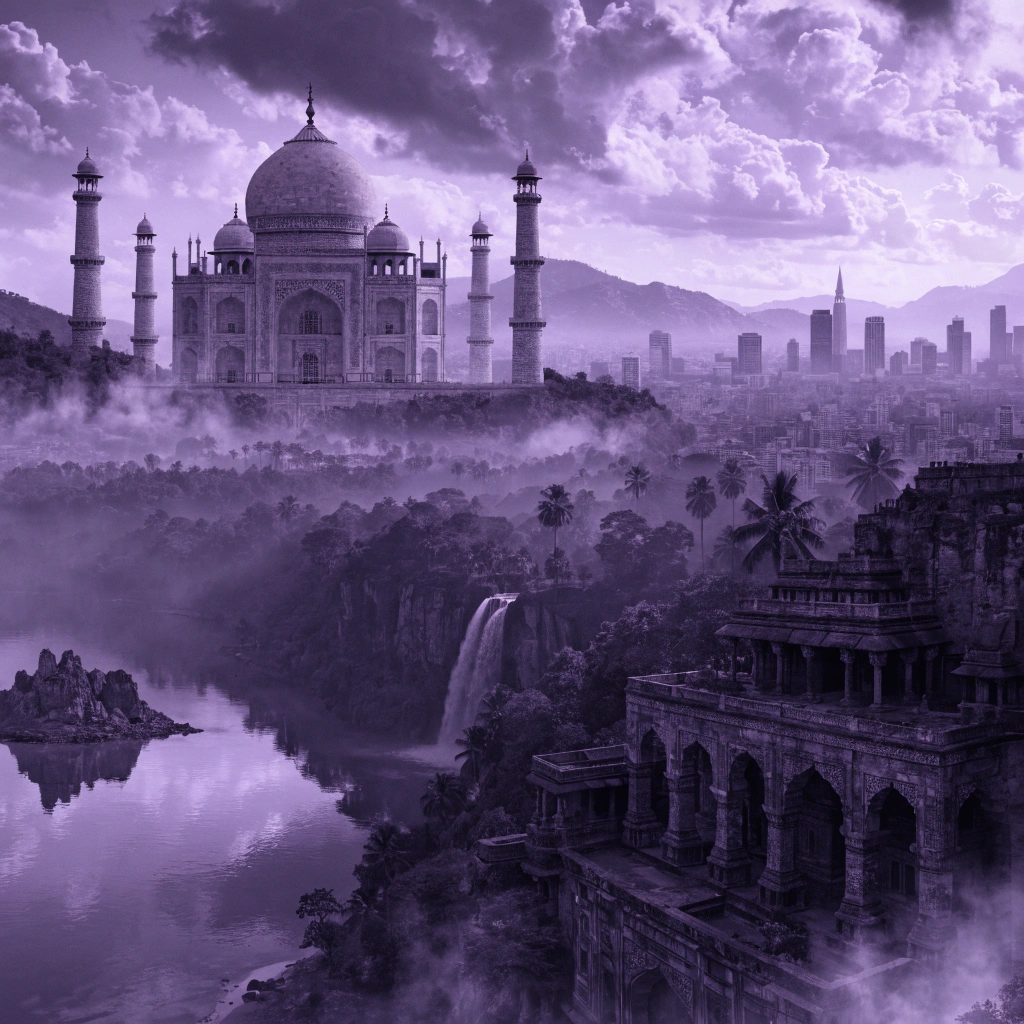
India, located in South Asia, is the world's most populous democracy and home to one of the oldest continuous civilizations. From the towering peaks of the Himalayas to the tropical shores of the Indian Ocean, the country is a vibrant tapestry of diverse religions, languages, and traditions. Its history spans from the ancient Indus Valley Civilization through the Mughal and British eras to its modern status as a global economic and cultural powerhouse.
Datos rápidos
Capital
New Delhi
Población
1,380,004,385
Región
Asia · Southern Asia
Moneda
Indian Rupee (INR)
Idiomas hablados

Inglés

Hindi
हिन्दी
¿Sabías que?
The concept of shampoo originated in India, derived from the Sanskrit word 'chāmpo', which means to massage or knead.
India has the world's largest postal network, which includes a unique floating post office located on a houseboat in Dal Lake, Srinagar.
The village of Mawsynram in Meghalaya holds the Guinness World Record as the wettest place on Earth, receiving an average annual rainfall of nearly 11,871 millimeters.
India was the first country in the world to mine diamonds, with the stones found in the alluvial deposits along the Penner, Krishna, and Godavari rivers until the 18th century.
Monumentos famosos
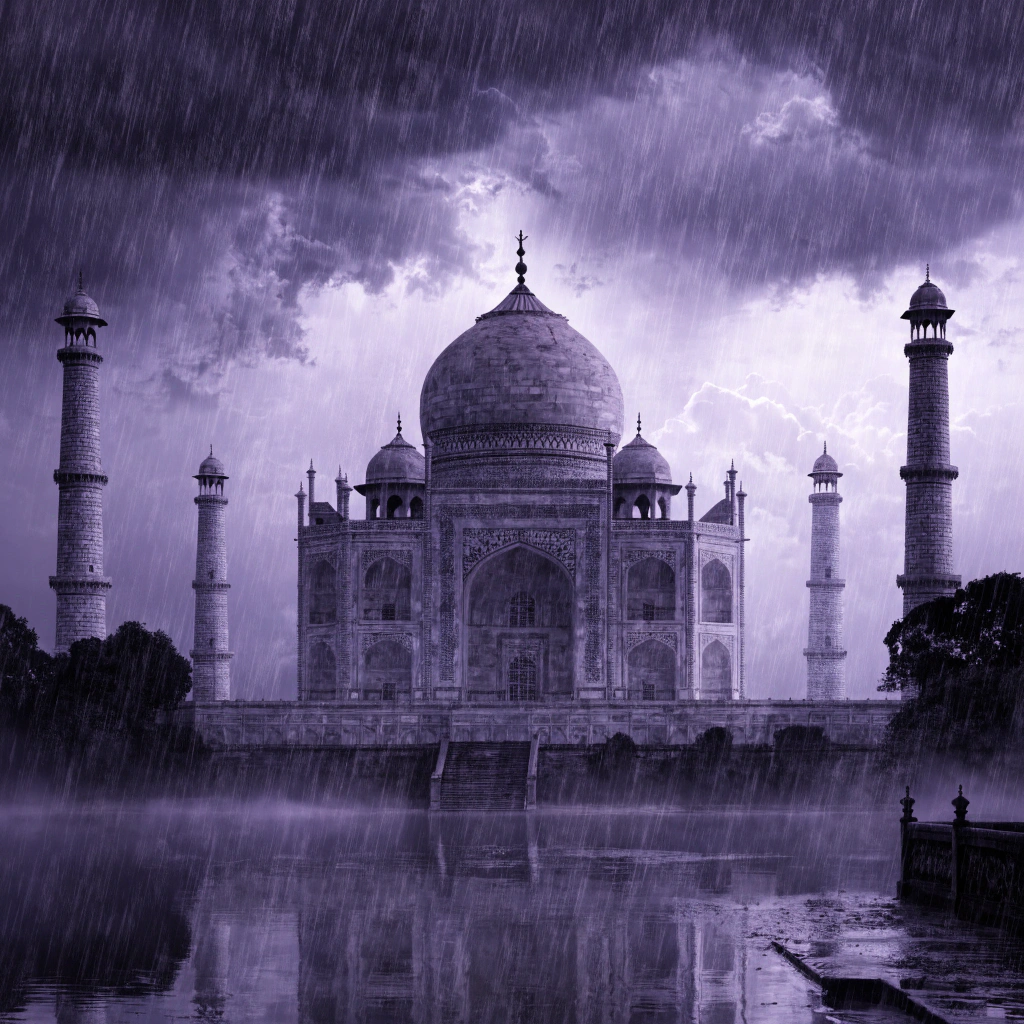
Taj Mahal
Es un mausoleo de mármol blanco marfil increíble que está en la orilla sur del río Yamuna, en Agra. Lo mandó a construir el emperador mogol Shah Jahan para que fuera la tumba de su esposa favorita, Mumtaz Mahal.
Leer más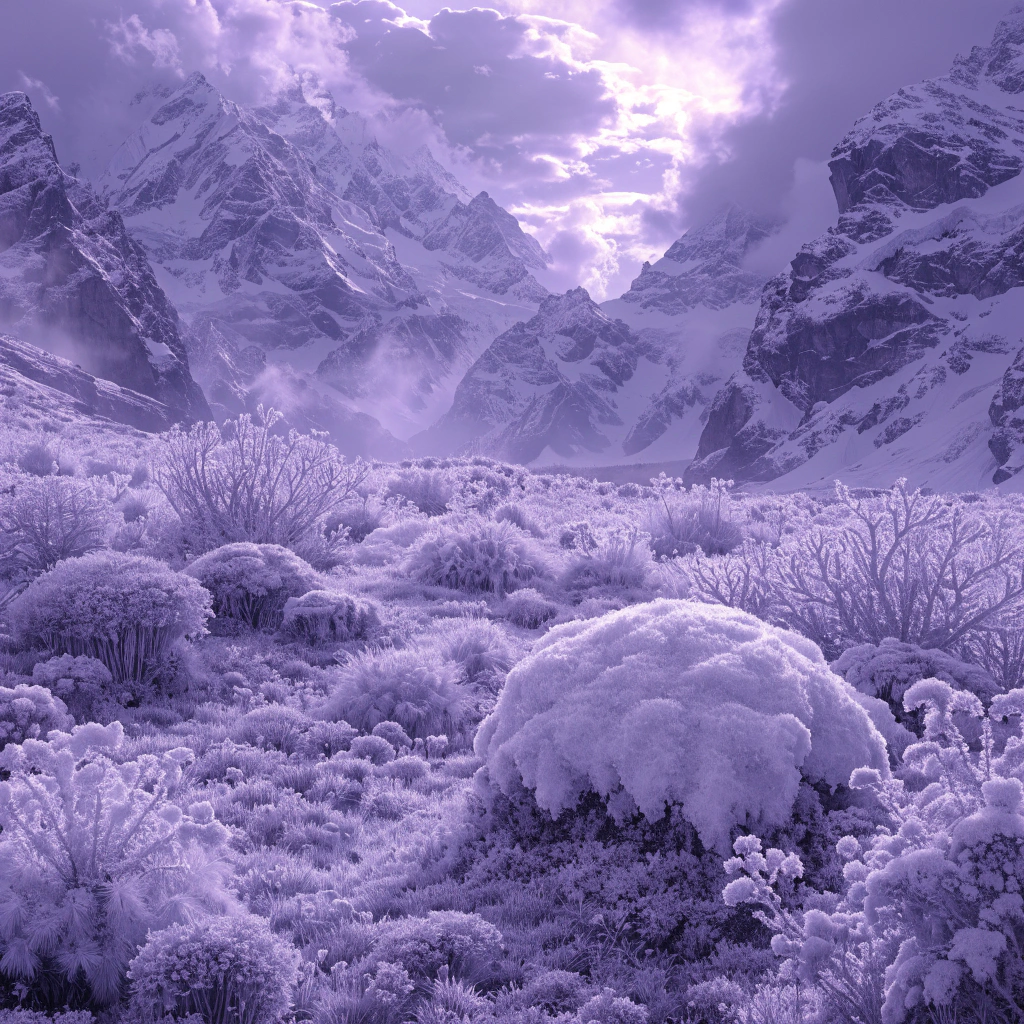
Valley of Flowers National Park
A high-altitude Himalayan valley in Uttarakhand known for its meadows of endemic alpine flowers and diverse flora and fauna.
Leer más
Varanasi Ghats
A series of steps leading down to the banks of the Ganges River in the city of Varanasi, serving as centers for spiritual rituals, bathing, and cremation.
Leer más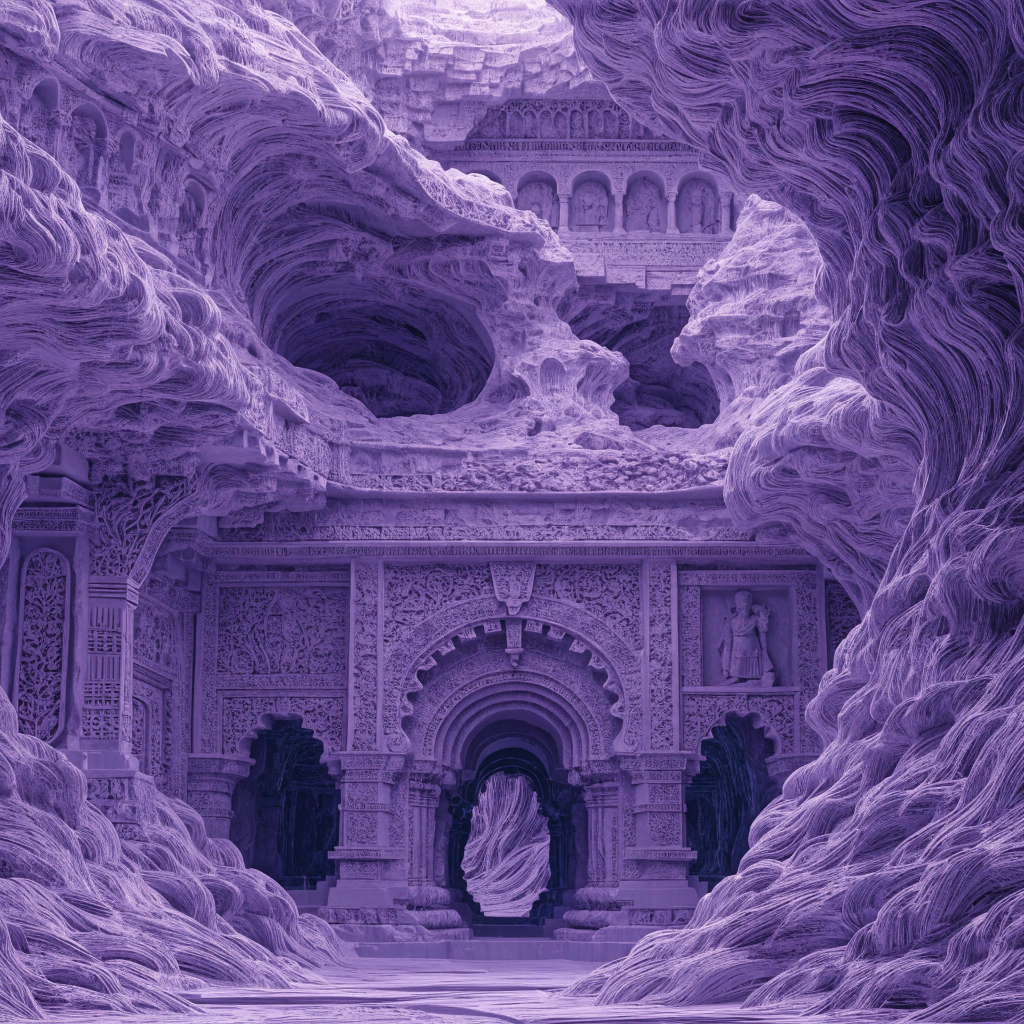
Las Cuevas de Ajanta
Un complejo de 30 monumentos de cuevas budistas talladas en roca en Maharashtra que datan del siglo II a. C. hasta aproximadamente el 480 d. C., famosos por sus antiguos murales y esculturas.
Leer másGastronomía
Biryani
Un fragante plato de arroz en capas cocinado con especias aromáticas, carne marinada o vegetales y azafrán, que representa la joya de la corona de la cocina festiva de la India.
Leer más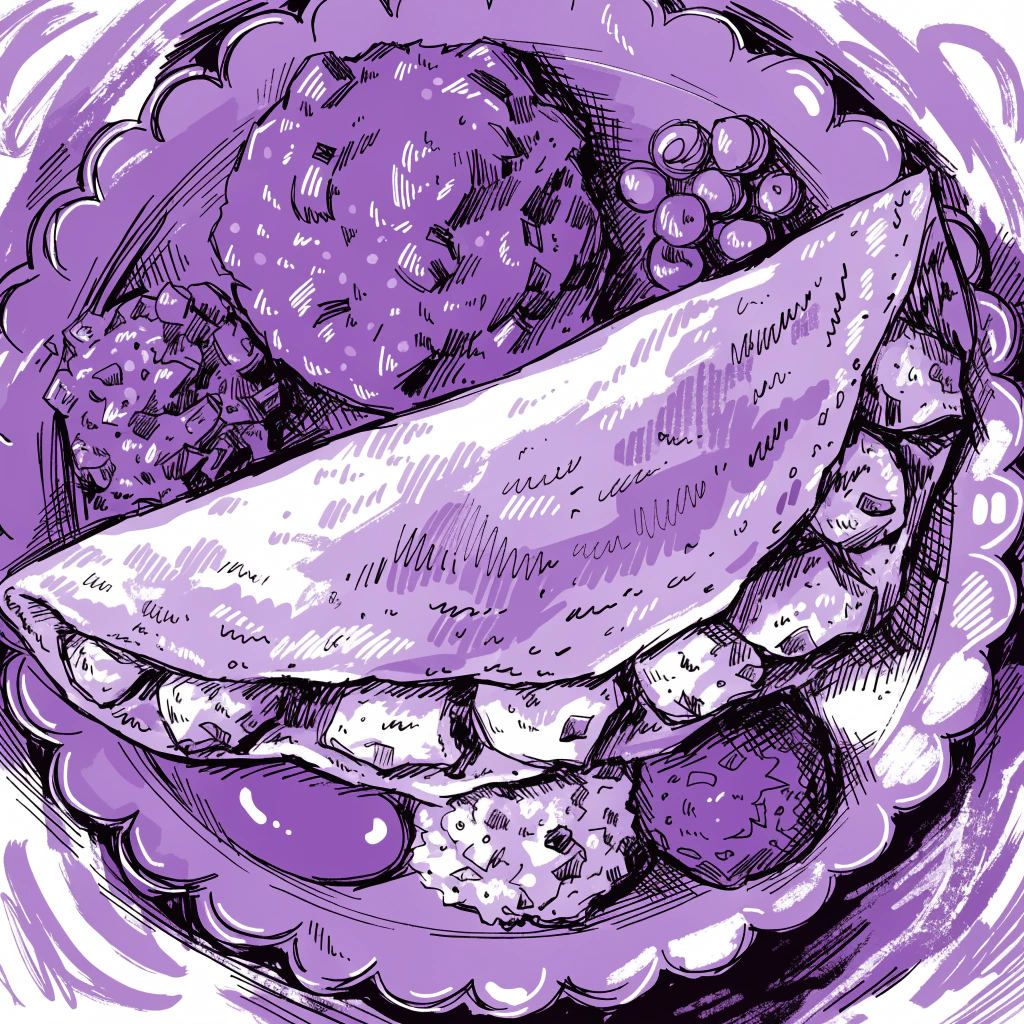
Masala Dosa
Una crepa fermentada, delgada y crujiente hecha con una masa de arroz y lentejas, rellena de una mezcla de papas condimentadas y servida con una variedad de chutneys y sambar.
Leer más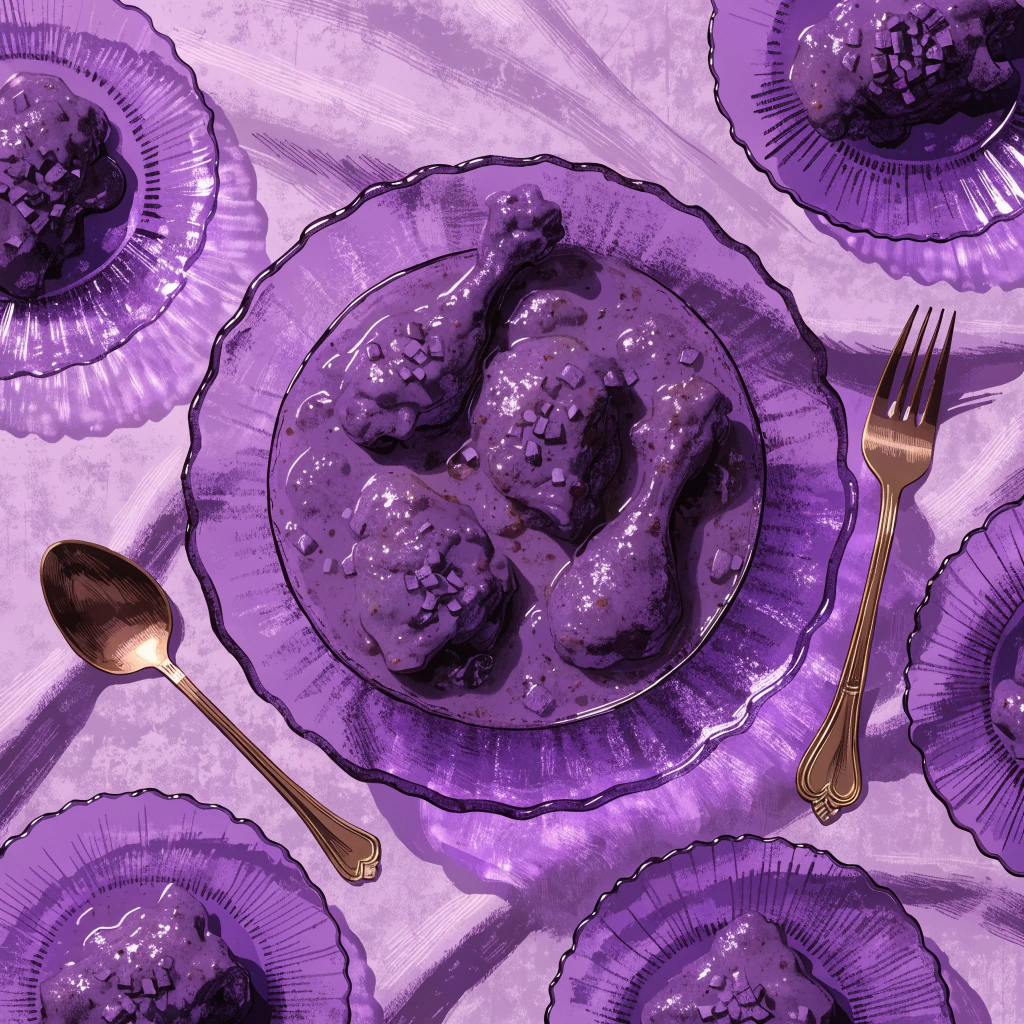
Butter Chicken
Tender pieces of tandoori-grilled chicken simmered in a silky, mildly spiced tomato sauce enriched with butter and cream.
Leer más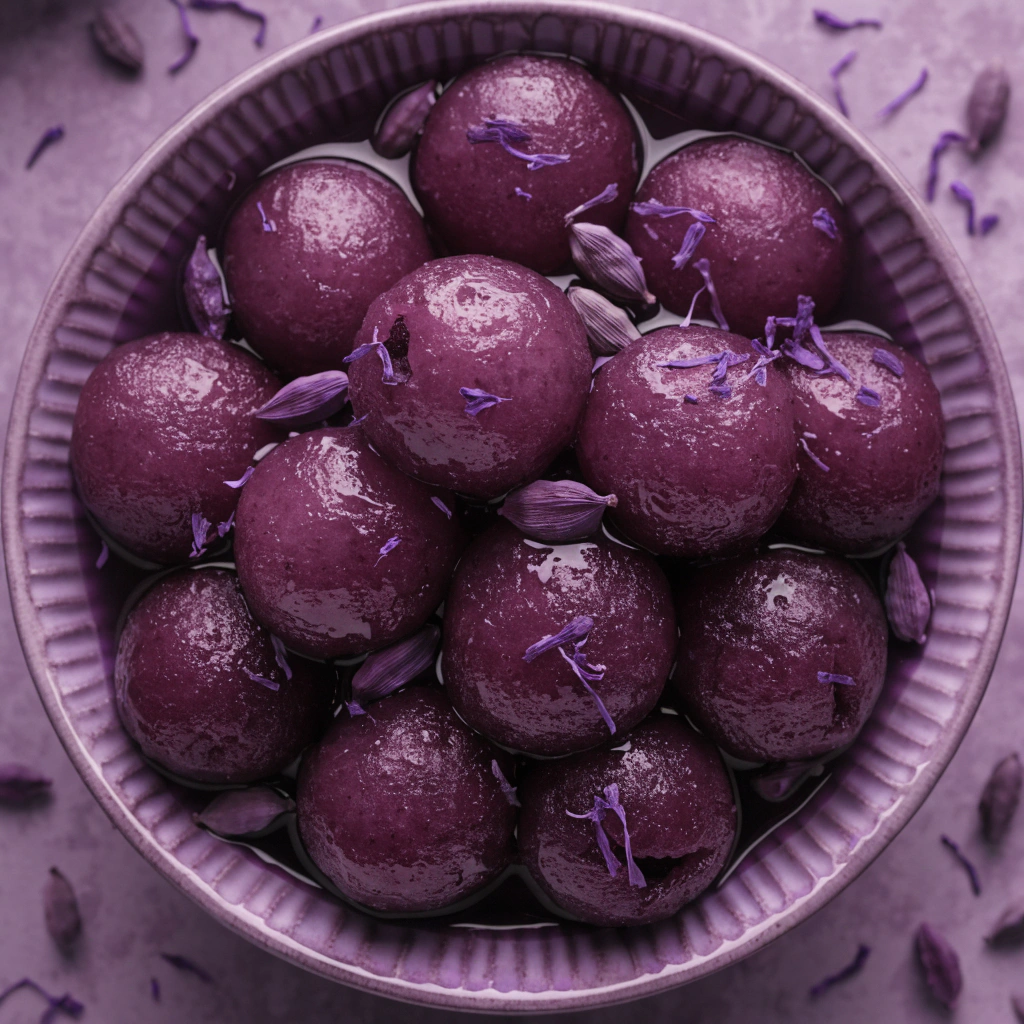
Gulab Jamun
Soft, deep-fried dough balls made from milk solids and flour, soaked in a warm, cardamom-scented sugar syrup flavored with rose water.
Leer másMúsica y artes
India's music and arts traditions are a vibrant tapestry woven from thousands of years of cultural exchange and spiritual devotion. From the complex rhythmic structures of classical ragas to the expressive storytelling of ancient dance forms, these traditions reflect the country's profound diversity and its status as a cradle of civilization.
Artes tradicionales
Eventos y festivales
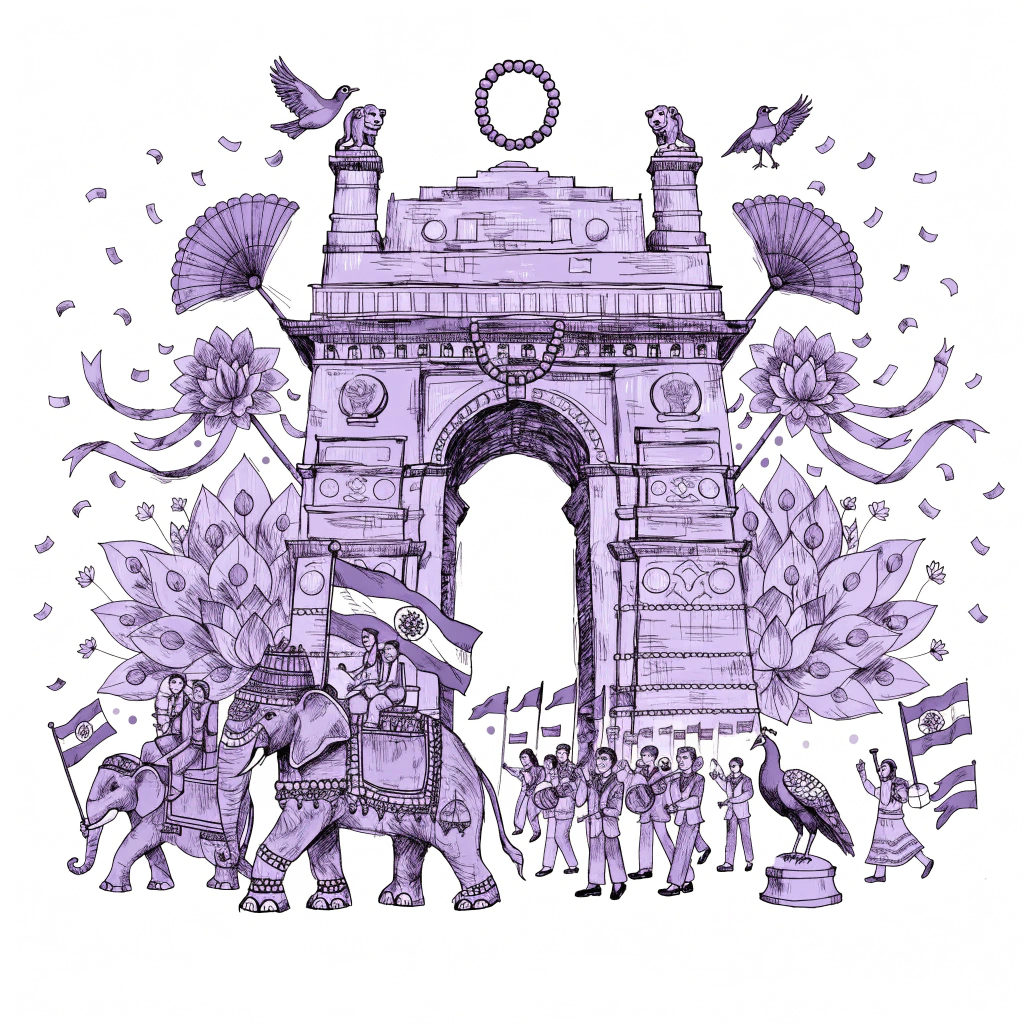
Día de la República
26 de eneroUn día festivo nacional que celebra el día en que la Constitución de la India entró en vigor en 1950.
Leer más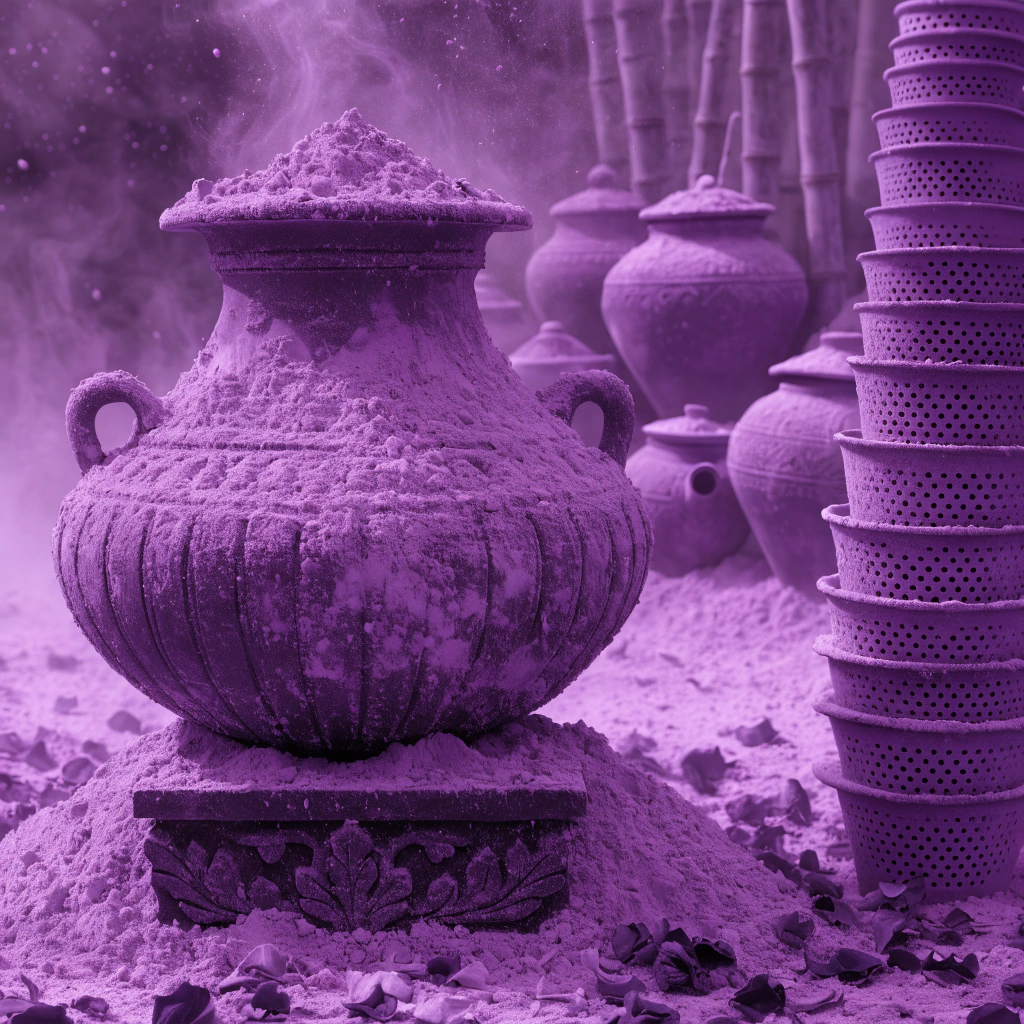
Holi
MarchKnown as the 'Festival of Colors,' it celebrates the arrival of spring and the victory of good over evil.
Leer más
Independence Day
August 15Commemorating the nation's independence from British rule in 1947.
Leer más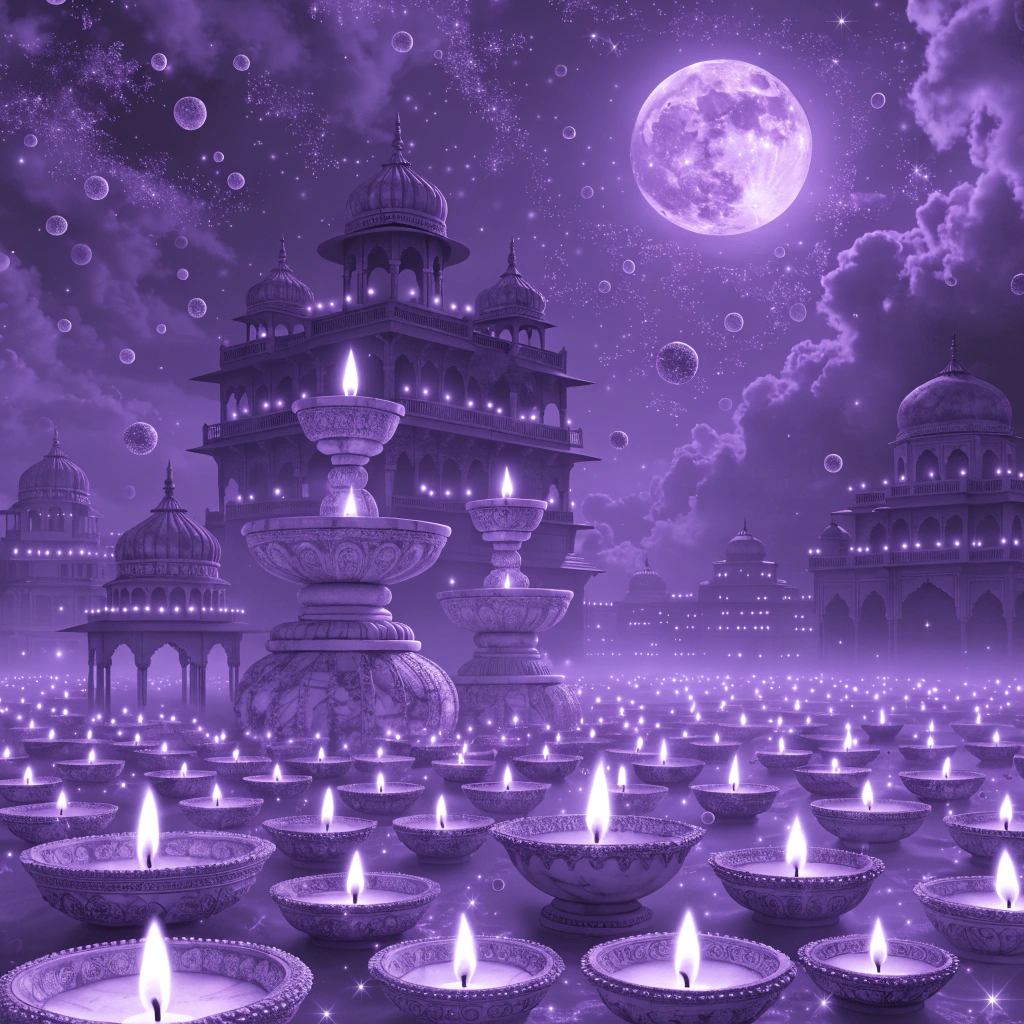
Diwali
Octubre-NoviembreEl 'Festival de las Luces' que simboliza la victoria espiritual de la luz sobre la oscuridad y del conocimiento sobre la ignorancia.
Leer más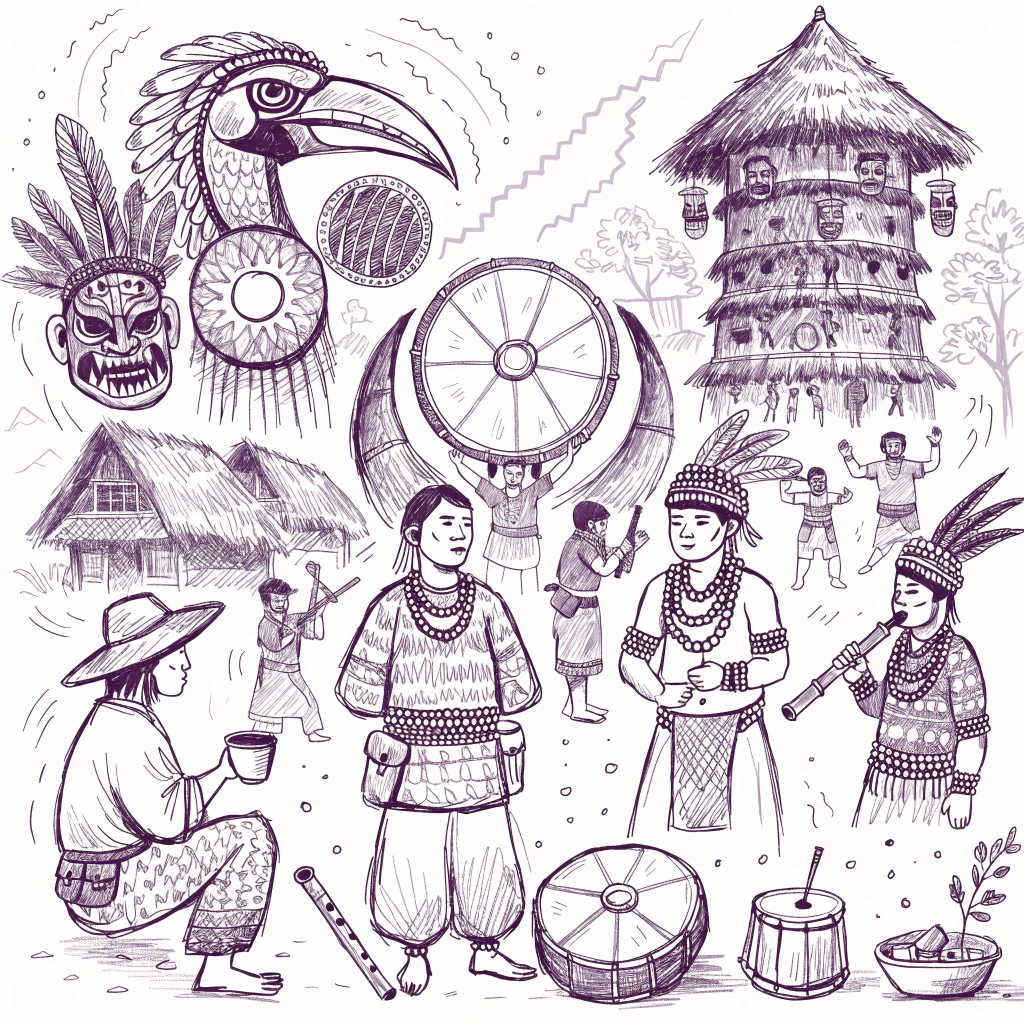
Hornbill Festival
December 1–10A 'Festival of Festivals' showcasing the rich cultural heritage and traditions of the Naga tribes in Nagaland.
Leer másFrases de viaje
नमस्कार
Namaskar
Greeting (Formal)
धन्यवाद
Dhanyavad
Thank you
नमस्ते
Namaste
Hello
आप कैसे हैं?
Aap kaise hain?
How are you?
कृपया
Kripaya
Please
माफ़ कीजिये
Maaf kijiye
Excuse me / Sorry
Estilo de vida y costumbres
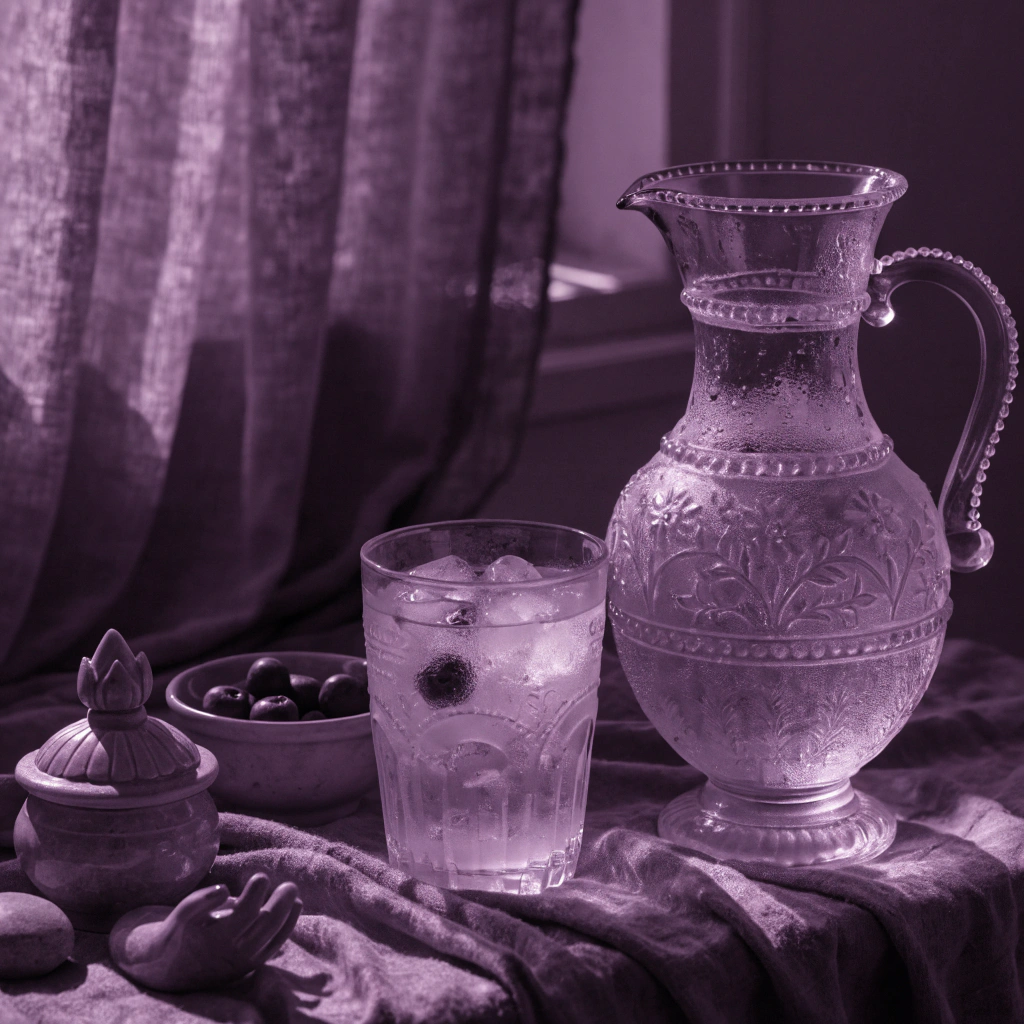
Atithi Devo Bhava: The Sacred Bond of Indian Hospitality
A profound cultural ethos that elevates the guest to the status of a deity, shaping social interactions across the Indian subcontinent.
Leer más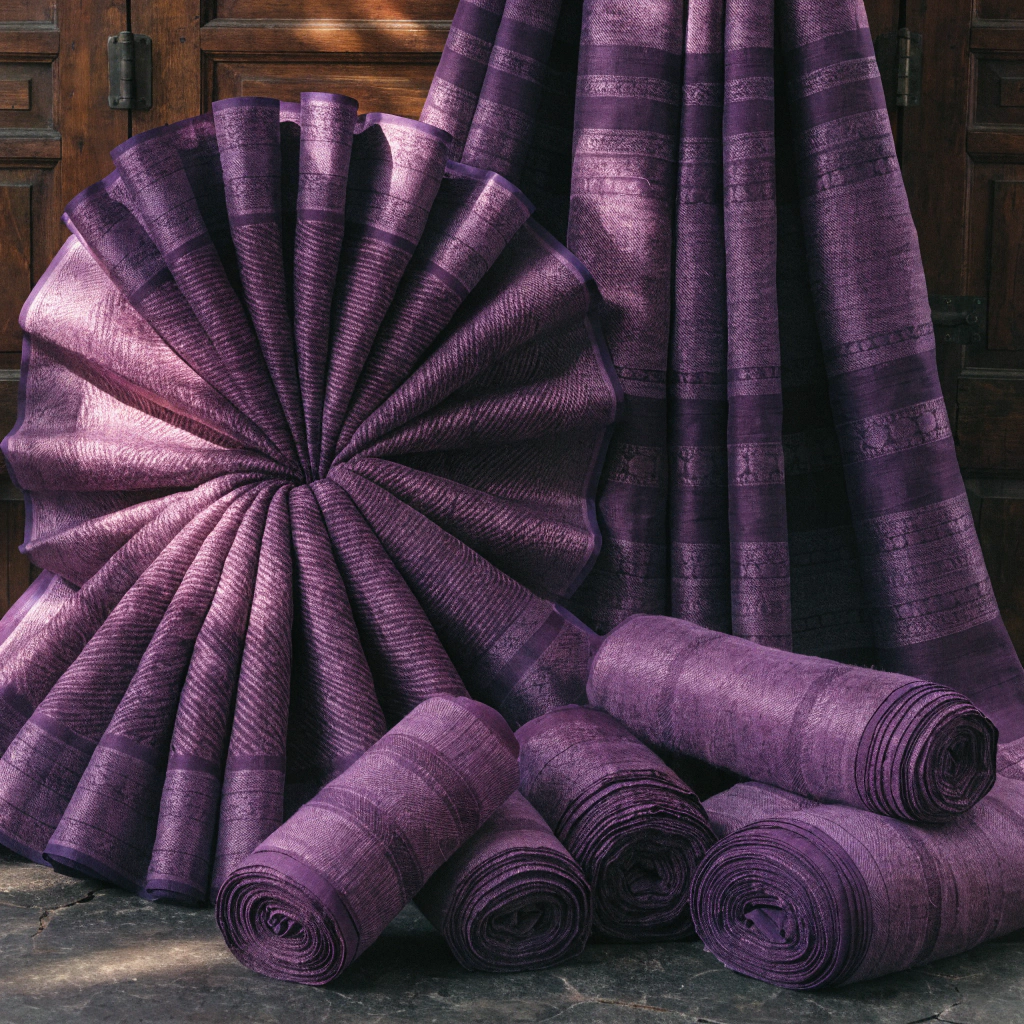
The Saree: Six Yards of Timeless Elegance
A versatile unstitched garment that has defined Indian fashion for millennia, reflecting regional diversity and artisanal heritage.
Leer más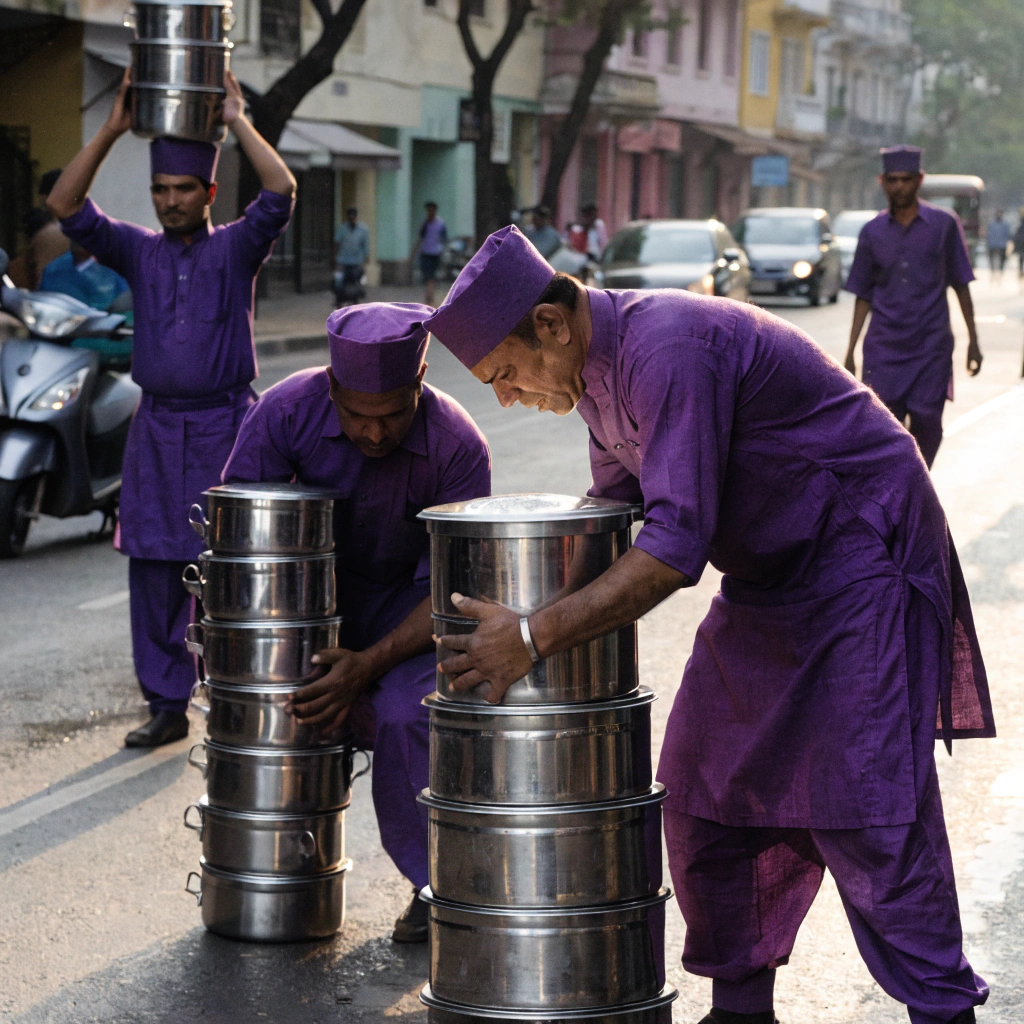
Los Dabbawalas de Mumbai: Un siglo de precisión y servicio
Un sistema único de entrega de almuerzos en Mumbai que se basa en la inteligencia humana y la dedicación para lograr una eficiencia logística de fama mundial.
Leer másConsejos de etiqueta
Use your right hand for eating, giving, or receiving items.
Use your left hand for these actions as it is traditionally considered unclean.
Remove your shoes before entering someone's home or a place of worship.
Walk into a house or temple with your footwear on.
Dress modestly, covering shoulders and knees, especially at religious sites.
Wear revealing clothing like short skirts or sleeveless tops in public or sacred areas.
Greet people with a 'Namaste' (palms pressed together) to show respect.
Initiate a handshake or physical contact with the opposite sex unless they do so first.
Explorar más países en Southern Asia

Aprende Inglés para conectar con India
Empieza a aprender Inglés con videos, ejercicios y herramientas de IA en SubLearn.
Empezar a aprender
