भारत
Indien
Über Indien
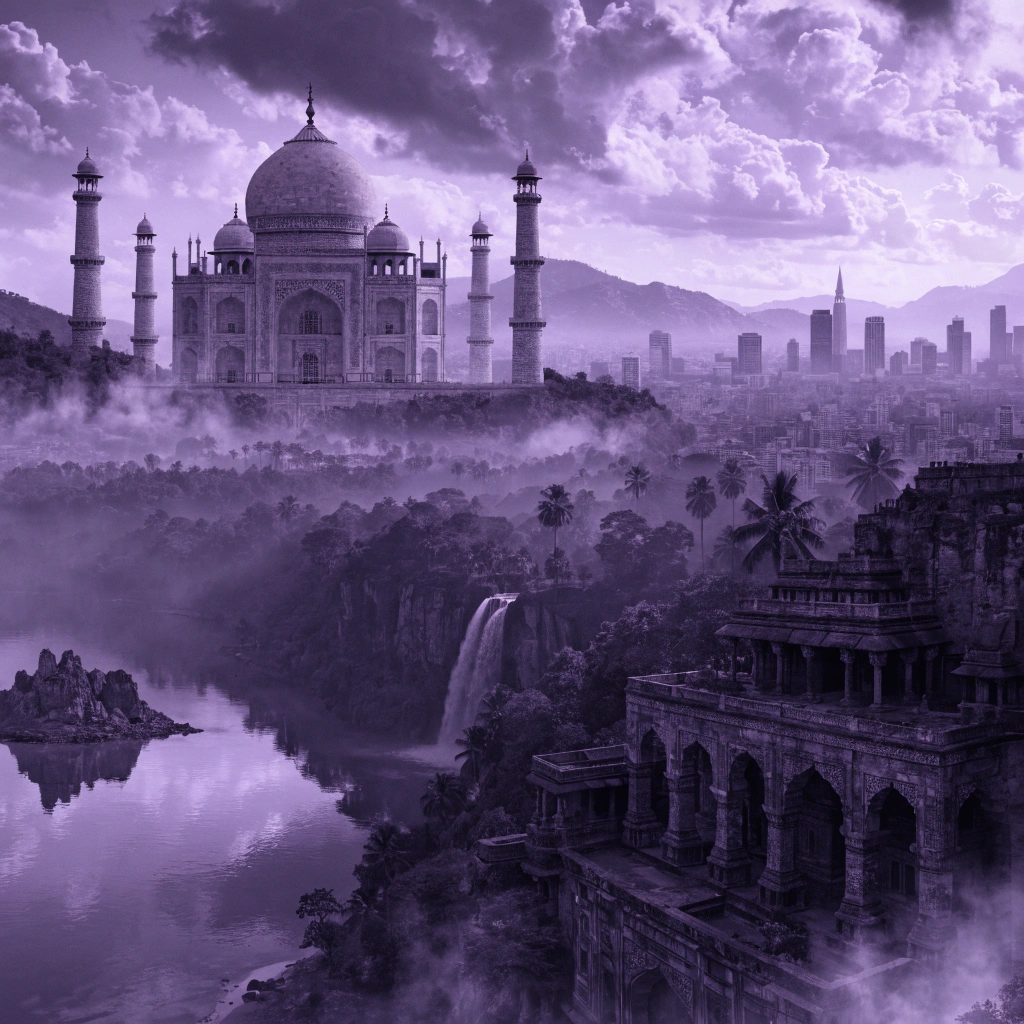
India, located in South Asia, is the world's most populous democracy and home to one of the oldest continuous civilizations. From the towering peaks of the Himalayas to the tropical shores of the Indian Ocean, the country is a vibrant tapestry of diverse religions, languages, and traditions. Its history spans from the ancient Indus Valley Civilization through the Mughal and British eras to its modern status as a global economic and cultural powerhouse.
Kurzinfo
Hauptstadt
New Delhi
Bevölkerung
1,380,004,385
Region
Asia · Southern Asia
Währung
Indian Rupee (INR)
Gesprochene Sprachen

Englisch

Hindi
हिन्दी
Wusstest du?
The concept of shampoo originated in India, derived from the Sanskrit word 'chāmpo', which means to massage or knead.
India has the world's largest postal network, which includes a unique floating post office located on a houseboat in Dal Lake, Srinagar.
The village of Mawsynram in Meghalaya holds the Guinness World Record as the wettest place on Earth, receiving an average annual rainfall of nearly 11,871 millimeters.
India was the first country in the world to mine diamonds, with the stones found in the alluvial deposits along the Penner, Krishna, and Godavari rivers until the 18th century.
Berühmte Sehenswürdigkeiten
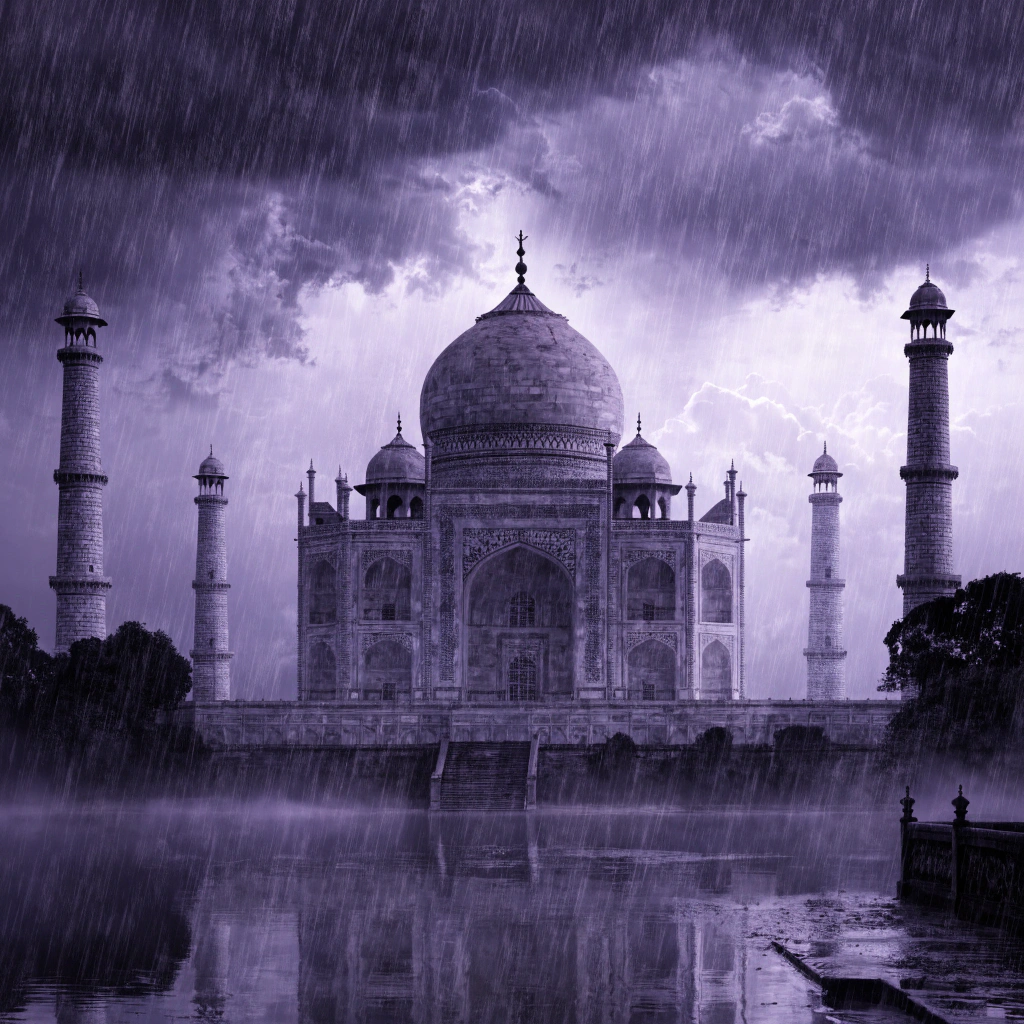
Taj Mahal
An ivory-white marble mausoleum on the south bank of the Yamuna river in Agra, commissioned by Mughal emperor Shah Jahan to house the tomb of his favorite wife, Mumtaz Mahal.
Weiterlesen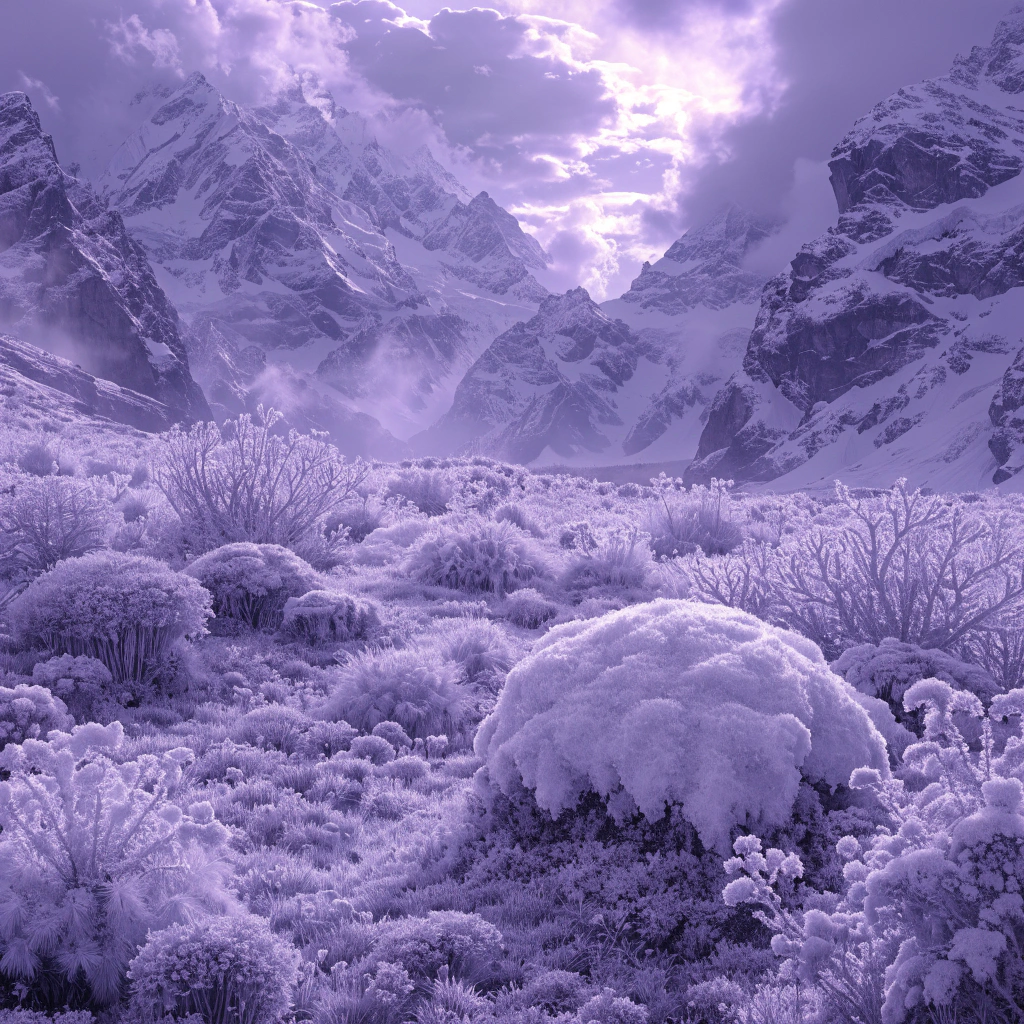
Valley of Flowers National Park
Ein hochgelegenes Himalaya-Tal in Uttarakhand, das für seine Wiesen mit endemischen Alpenblumen und seine vielfältige Flora und Fauna bekannt ist.
Weiterlesen
Varanasi Ghats
A series of steps leading down to the banks of the Ganges River in the city of Varanasi, serving as centers for spiritual rituals, bathing, and cremation.
Weiterlesen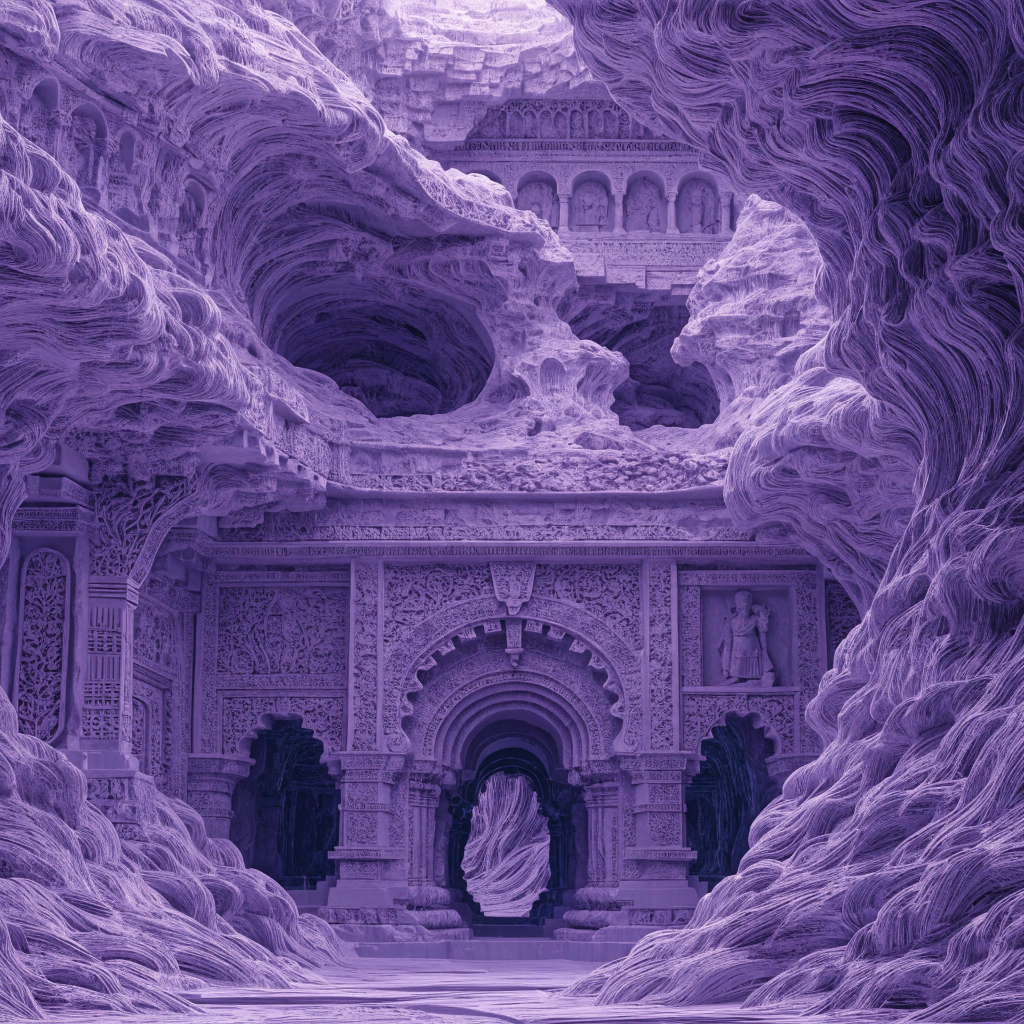
Ajanta Caves
A complex of 30 rock-cut Buddhist cave monuments in Maharashtra dating from the 2nd century BCE to about 480 CE, famous for their ancient murals and sculptures.
WeiterlesenKüche
Biryani
A fragrant, layered rice dish cooked with aromatic spices, marinated meat or vegetables, and saffron, representing the crown jewel of Indian celebratory cuisine.
Weiterlesen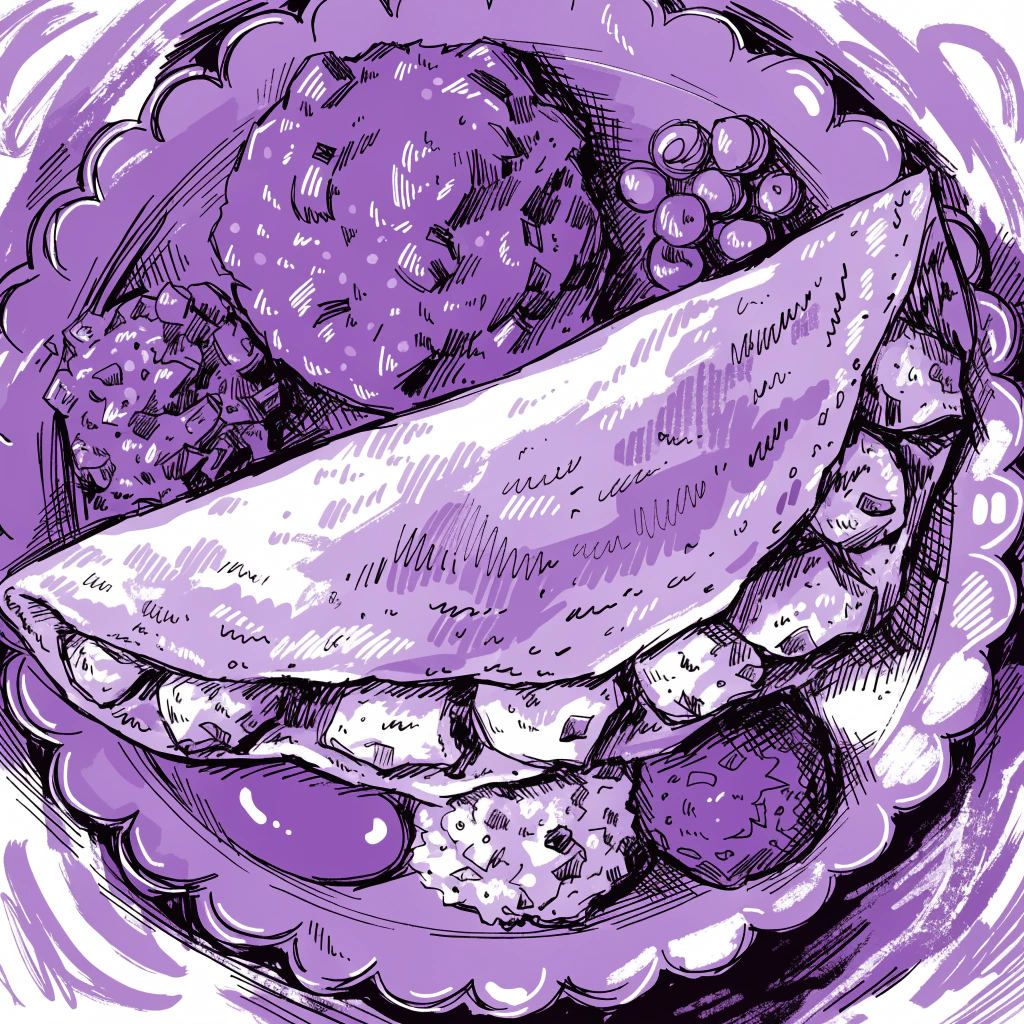
Masala Dosa
Ein dünner, knuspriger, fermentierter Crêpe aus Reis- und Linsenteig, gefüllt mit einer gewürzten Kartoffelmischung und serviert mit verschiedenen Chutneys und Sambar.
Weiterlesen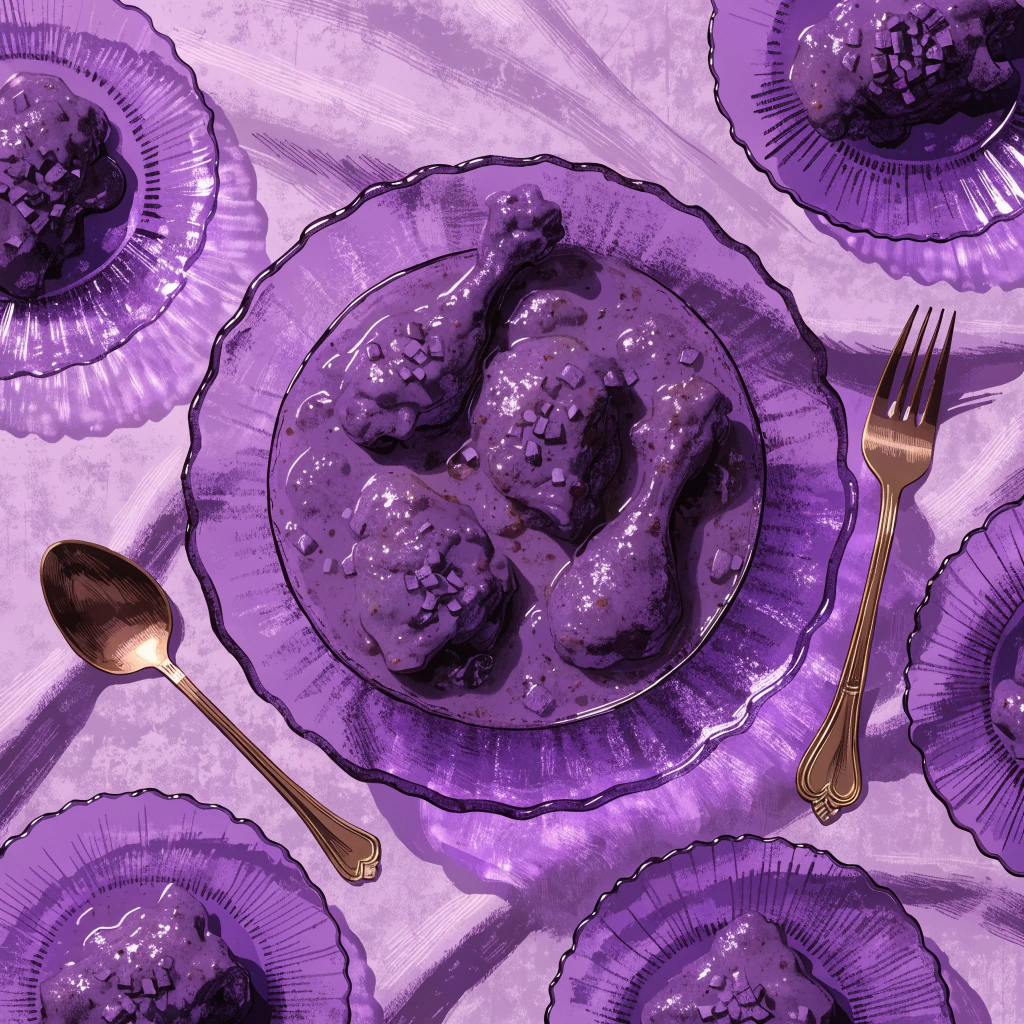
Butter Chicken
Zarte Stücke Tandoori-gegrilltes Hähnchen, die in einer seidigen, mild gewürzten Tomatensauce köcheln, verfeinert mit viel Butter und Sahne.
Weiterlesen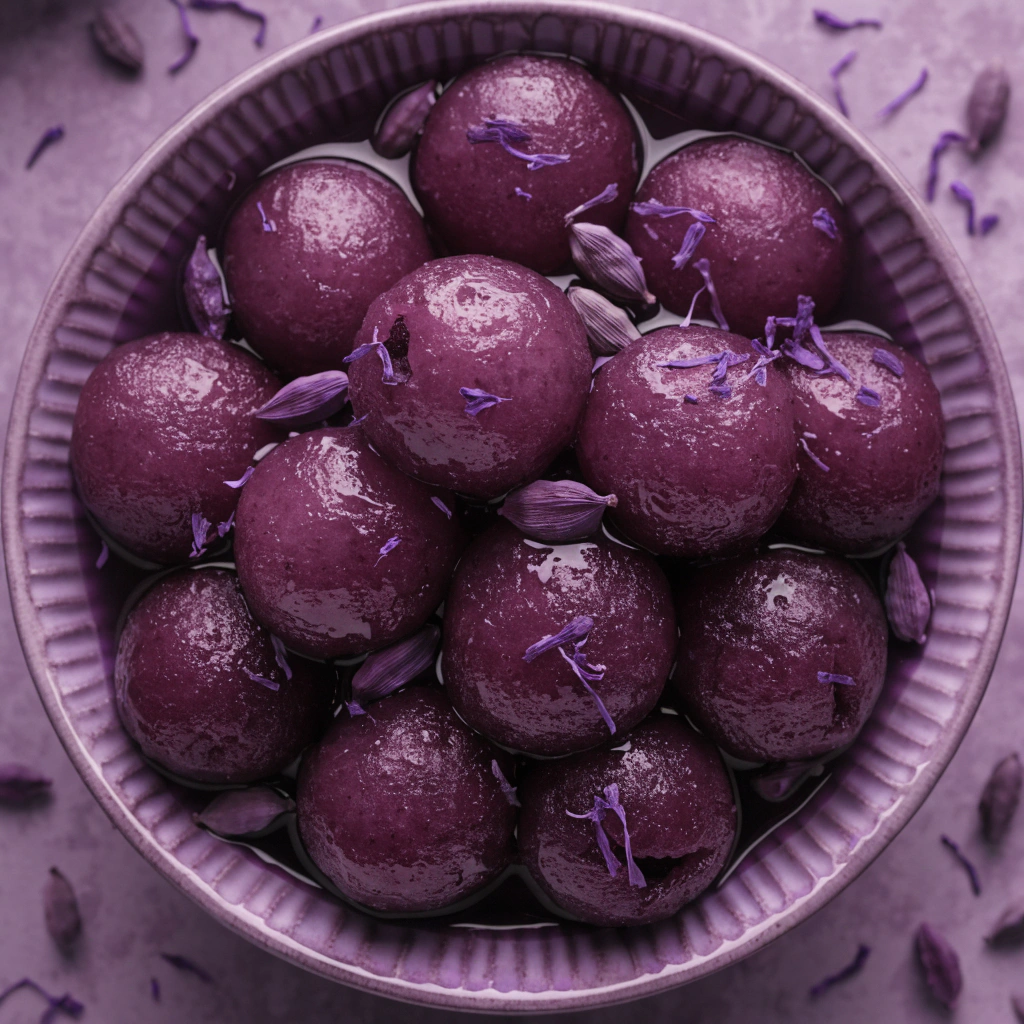
Gulab Jamun
Soft, deep-fried dough balls made from milk solids and flour, soaked in a warm, cardamom-scented sugar syrup flavored with rose water.
WeiterlesenMusik & Kunst
India's music and arts traditions are a vibrant tapestry woven from thousands of years of cultural exchange and spiritual devotion. From the complex rhythmic structures of classical ragas to the expressive storytelling of ancient dance forms, these traditions reflect the country's profound diversity and its status as a cradle of civilization.
Traditionelle Künste
Veranstaltungen & Feste
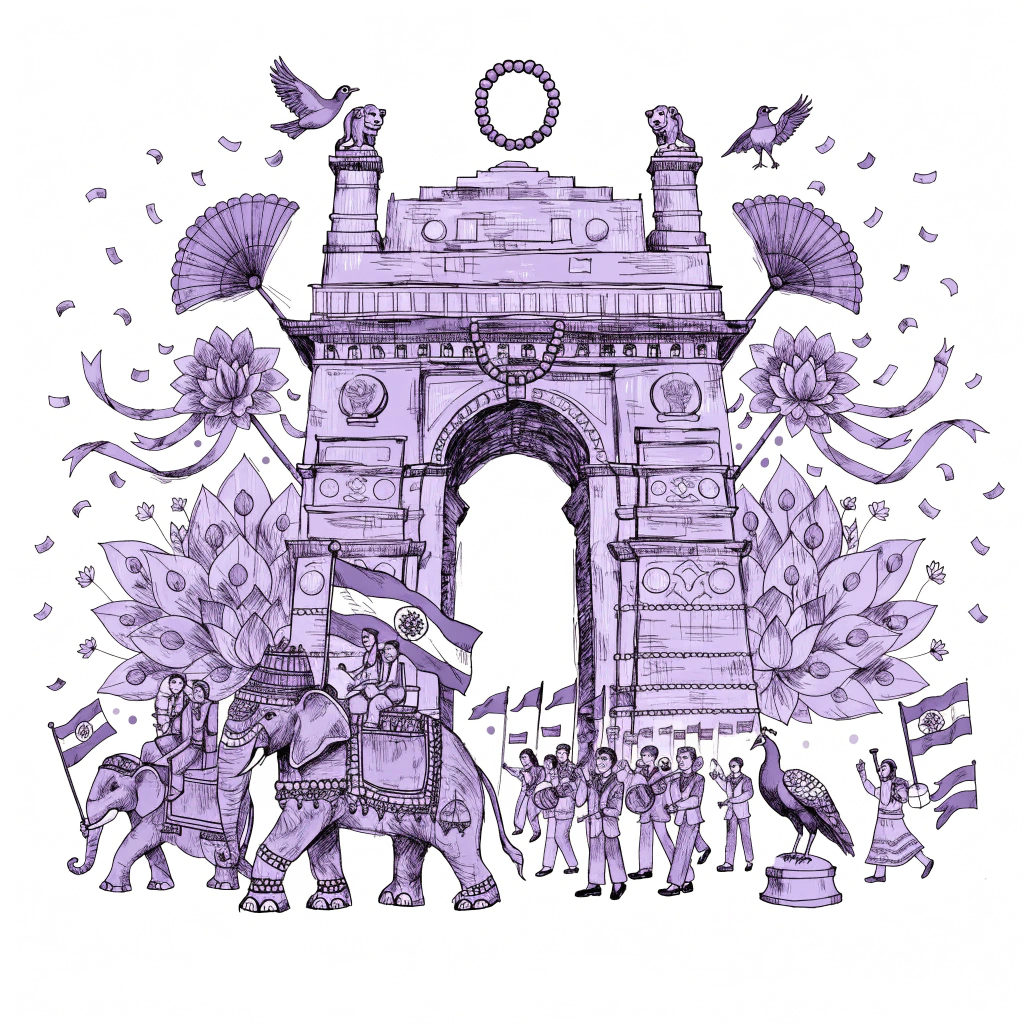
Republic Day
January 26A national holiday celebrating the day the Constitution of India came into effect in 1950.
Weiterlesen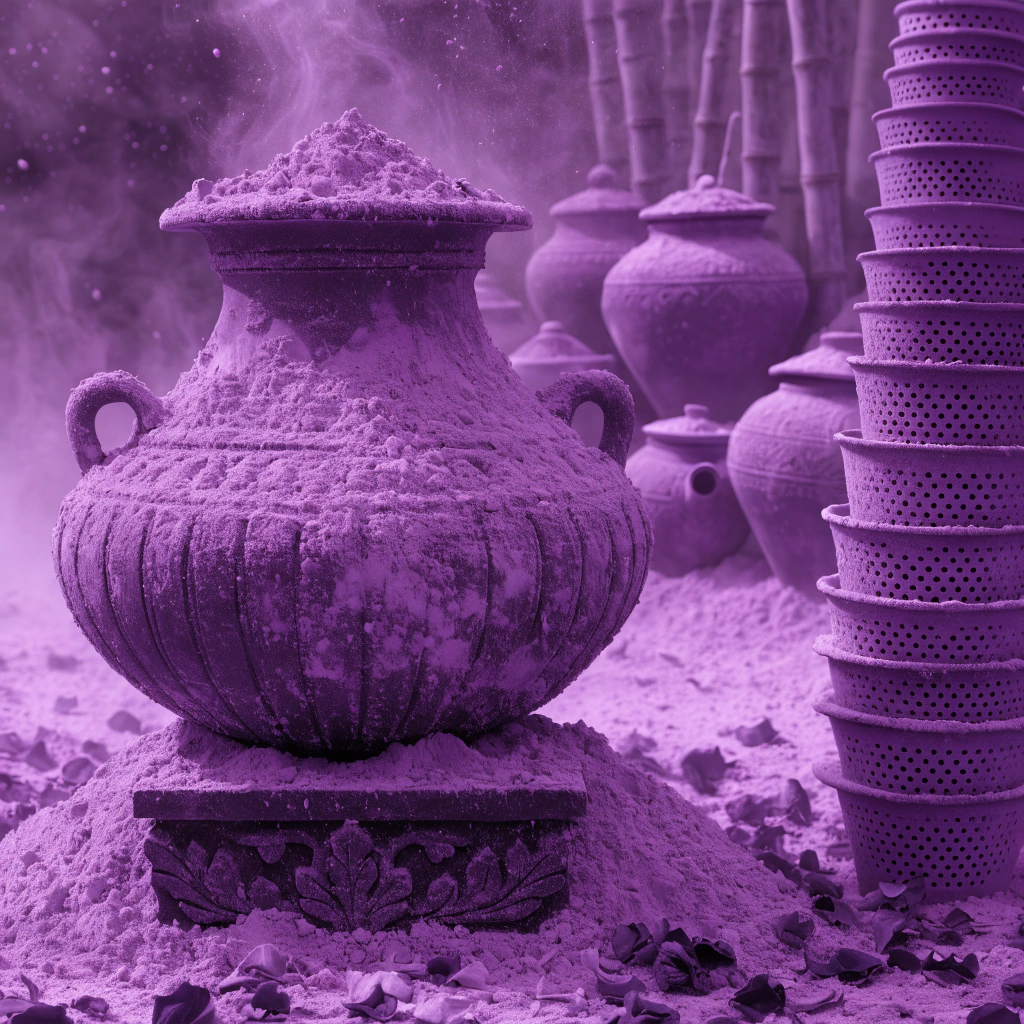
Holi
MärzBekannt als das 'Fest der Farben', feiert es die Ankunft des Frühlings und den Sieg des Guten über das Böse.
Weiterlesen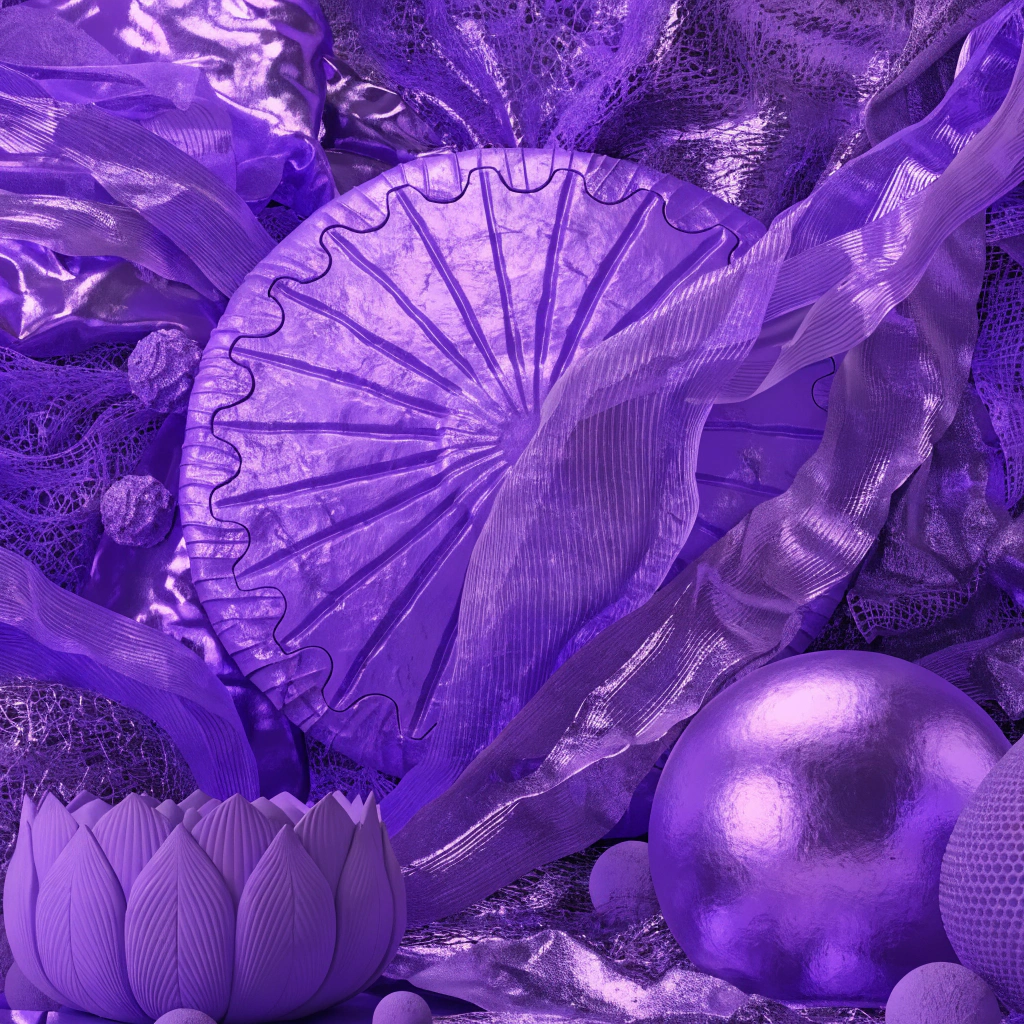
Independence Day
August 15Commemorating the nation's independence from British rule in 1947.
Weiterlesen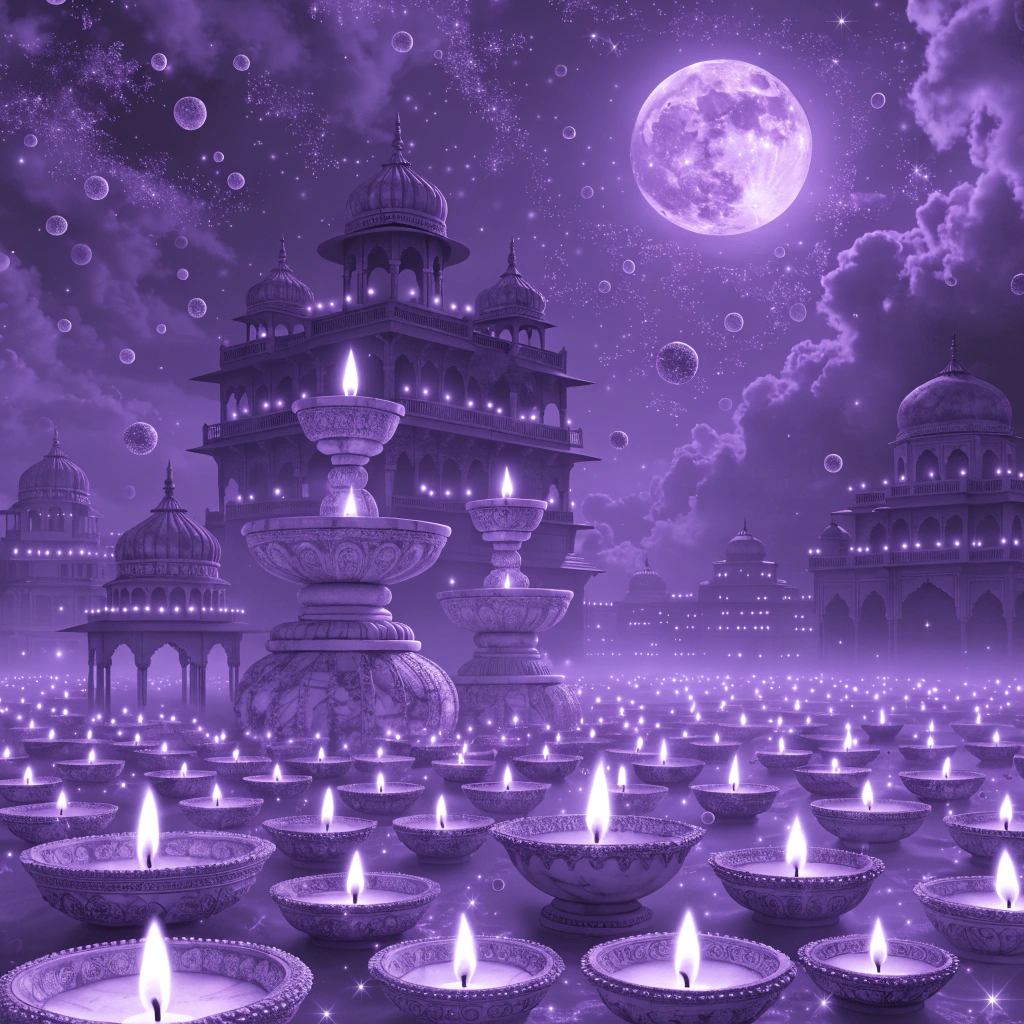
Diwali
October-NovemberThe 'Festival of Lights' symbolizing the spiritual victory of light over darkness and knowledge over ignorance.
Weiterlesen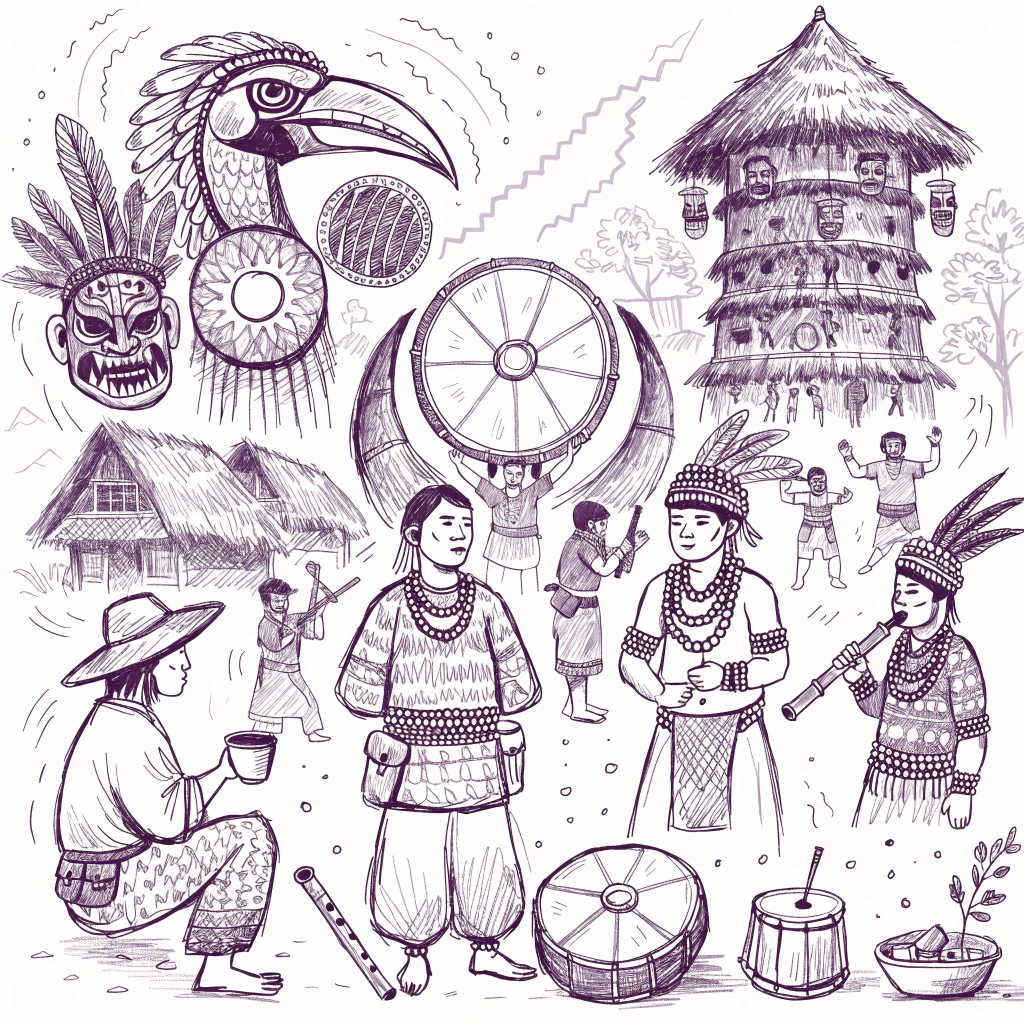
Hornbill Festival
1.–10. DezemberEin 'Festival der Festivals', das das reiche kulturelle Erbe und die Traditionen der Naga-Stämme in Nagaland präsentiert.
WeiterlesenReisephrasen
नमस्कार
Namaskar
Greeting (Formal)
धन्यवाद
Dhanyavad
Thank you
नमस्ते
Namaste
Hello
आप कैसे हैं?
Aap kaise hain?
How are you?
कृपया
Kripaya
Please
माफ़ कीजिये
Maaf kijiye
Excuse me / Sorry
Lebensart & Bräuche
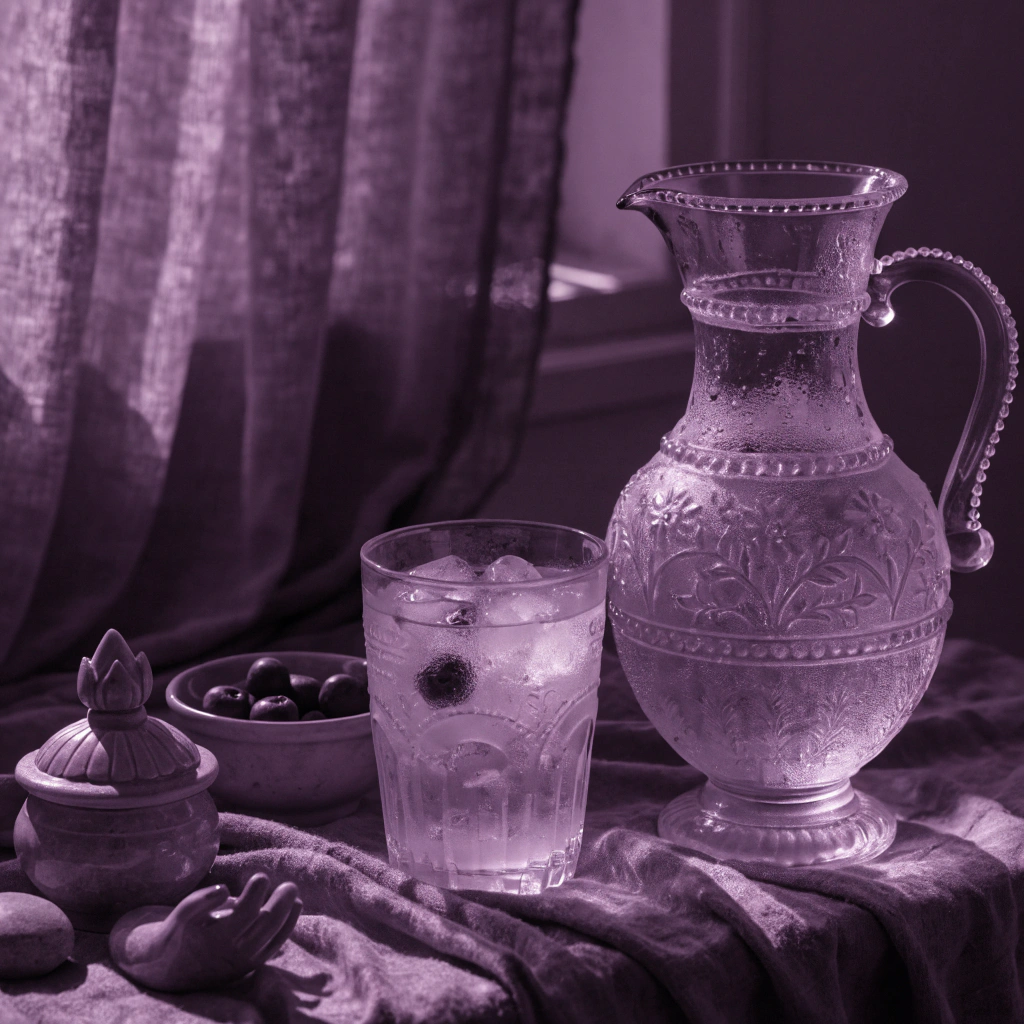
Atithi Devo Bhava: The Sacred Bond of Indian Hospitality
A profound cultural ethos that elevates the guest to the status of a deity, shaping social interactions across the Indian subcontinent.
Weiterlesen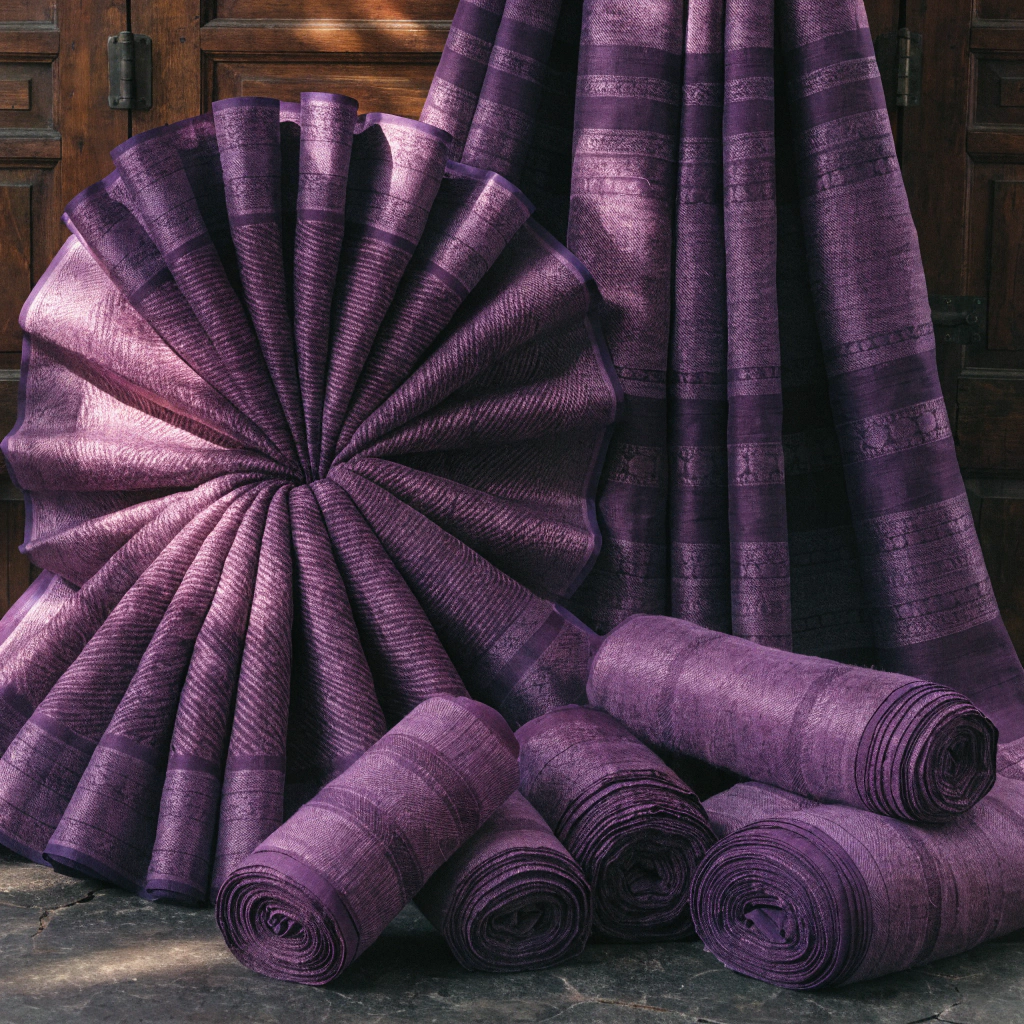
The Saree: Six Yards of Timeless Elegance
A versatile unstitched garment that has defined Indian fashion for millennia, reflecting regional diversity and artisanal heritage.
Weiterlesen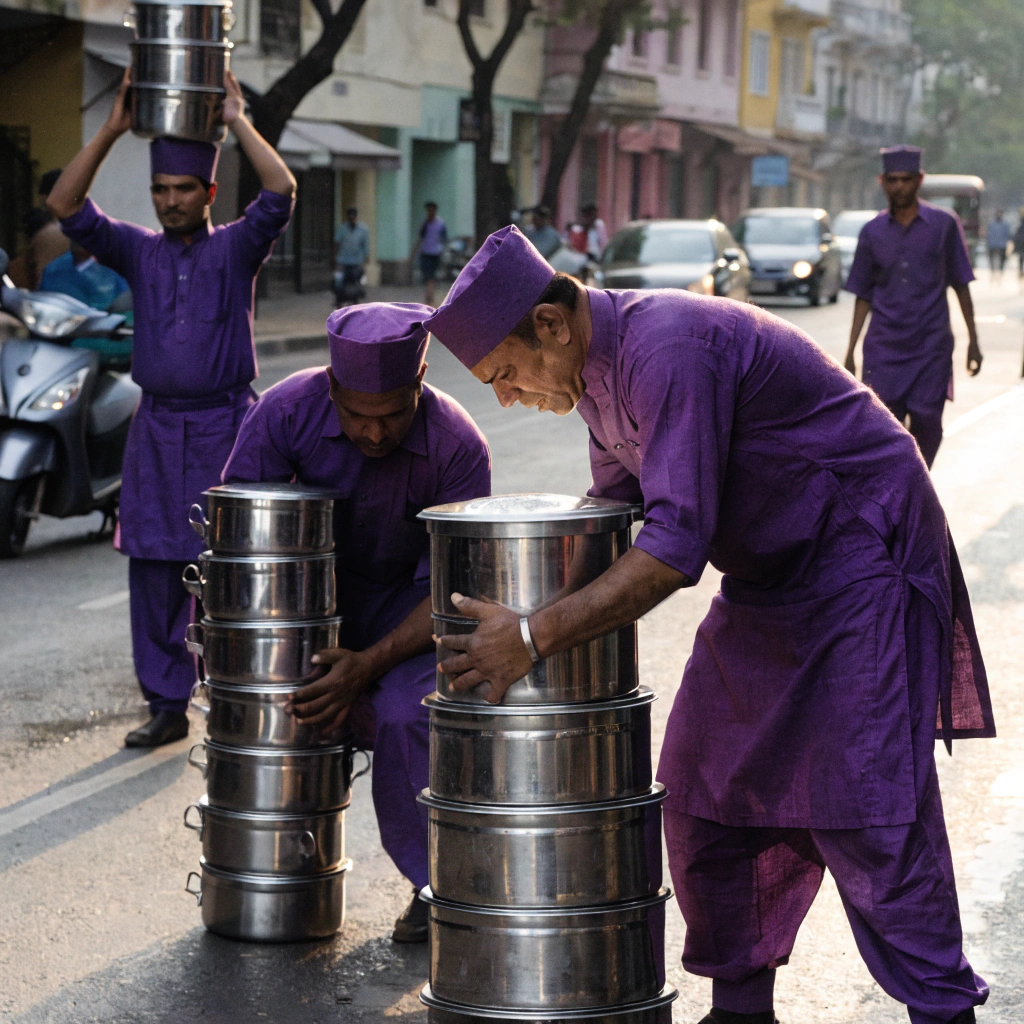
The Dabbawalas of Mumbai: A Century of Precision and Service
A unique lunchbox delivery system in Mumbai that relies on human intelligence and dedication to achieve world-renowned logistical efficiency.
WeiterlesenEtikette-Tipps
Use your right hand for eating, giving, or receiving items.
Use your left hand for these actions as it is traditionally considered unclean.
Remove your shoes before entering someone's home or a place of worship.
Walk into a house or temple with your footwear on.
Dress modestly, covering shoulders and knees, especially at religious sites.
Wear revealing clothing like short skirts or sleeveless tops in public or sacred areas.
Greet people with a 'Namaste' (palms pressed together) to show respect.
Initiate a handshake or physical contact with the opposite sex unless they do so first.
Mehr Länder in Southern Asia entdecken

Lerne Englisch, um dich mit Indien zu verbinden
Starte dein Englisch-Lernen mit Videos, Übungen und KI-Tools auf SubLearn.
Lernen starten
