
ایران
Iran
Über Iran
Iran is a mountainous West Asian nation that serves as a historic bridge between the Middle East, Central Asia, and the Caucasus. As one of the world's oldest continuous civilizations, it possesses a legacy of profound contributions to global art, poetry, and philosophy. Its cultural identity is a unique blend of ancient Persian traditions and Islamic influences, reflected in its diverse ethnic tapestry and renowned hospitality.
Kurzinfo
Hauptstadt
Tehran
Bevölkerung
83,992,949
Region
Asia · Southern Asia
Währung
Iranian Rial (IRR)
Gesprochene Sprachen

Persisch
فارسی
Wusstest du?
The English word 'paradise' originates from the Old Persian word 'pairi-daeza,' which refers to a lush, enclosed garden.
Persian rug weavers often intentionally include a small flaw in their intricate designs to reflect the belief that only God is perfect.
In traditional Iranian culture, the 'thumbs up' gesture is considered a vulgar insult, though its meaning is slowly shifting in modern urban areas.
Iran is the last remaining habitat of the critically endangered Asiatic Cheetah, which still survives in the country's central desert regions.
Berühmte Sehenswürdigkeiten
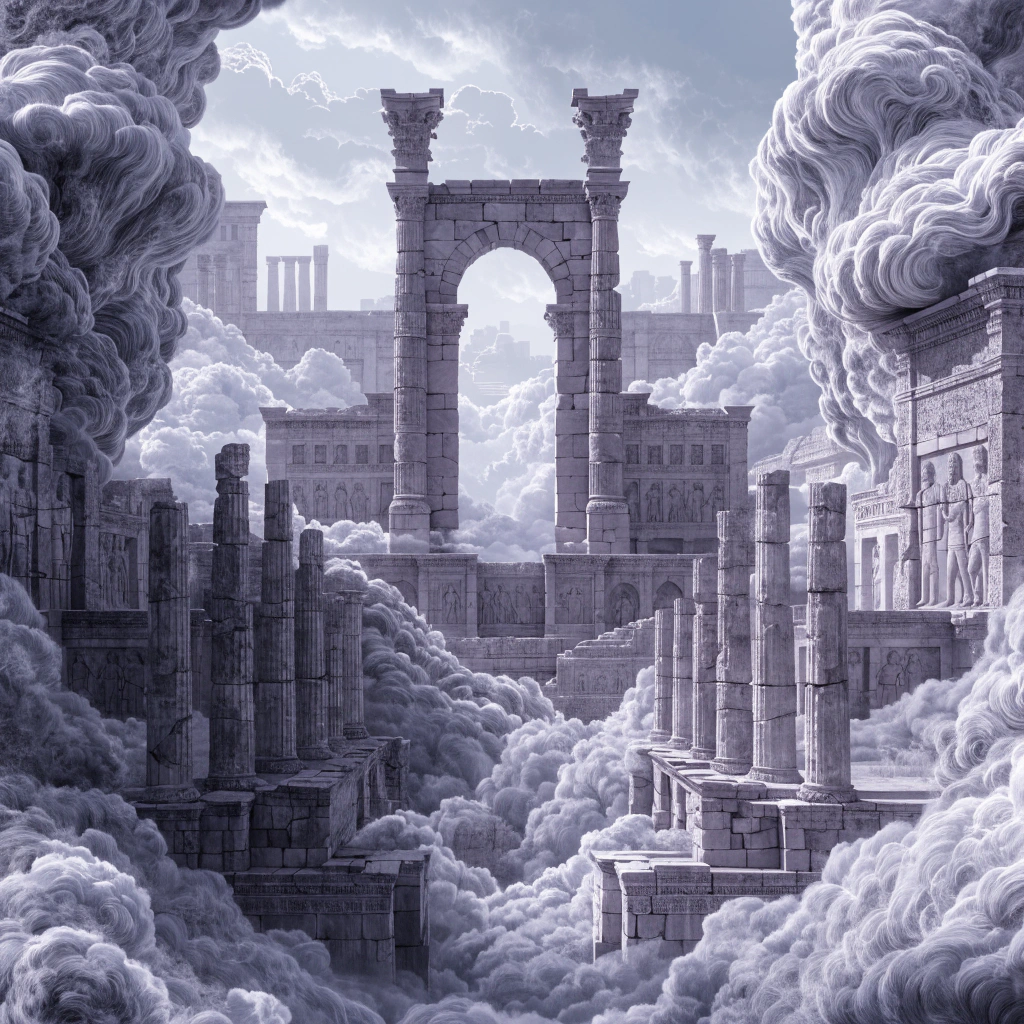
Persepolis
The ceremonial capital of the Achaemenid Empire, Persepolis stands as a monumental testament to ancient Persian grandeur and architectural sophistication.
Weiterlesen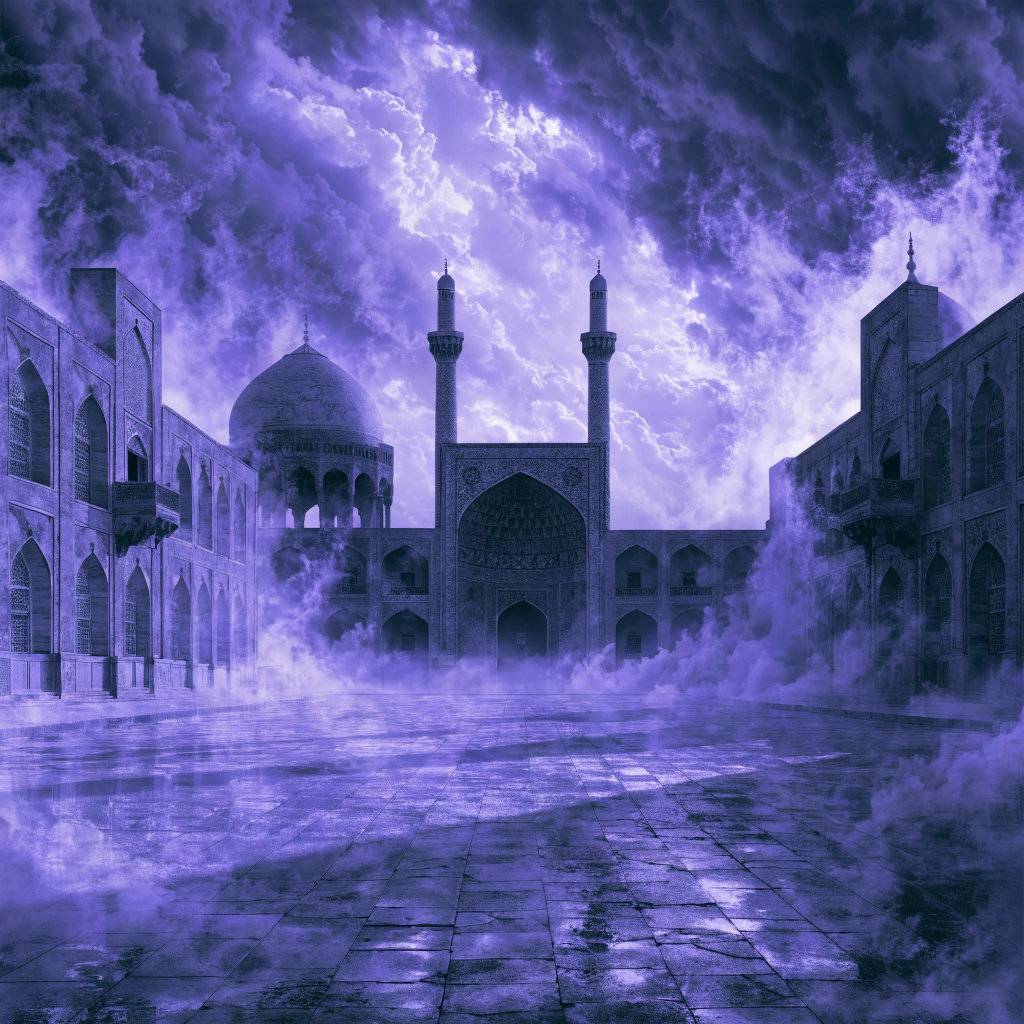
Naqsh-e Jahan Square
Dieser UNESCO-Weltkulturerbe-Ort liegt mitten im Herzen von Isfahan und ist einer der größten und schönsten öffentlichen Plätze der Welt, gesäumt von Meisterwerken aus der Safawiden-Ära.
Weiterlesen
Mount Damavand
As the highest peak in Iran and the Middle East, this majestic potentially active stratovolcano holds a sacred place in Persian mythology and literature.
Weiterlesen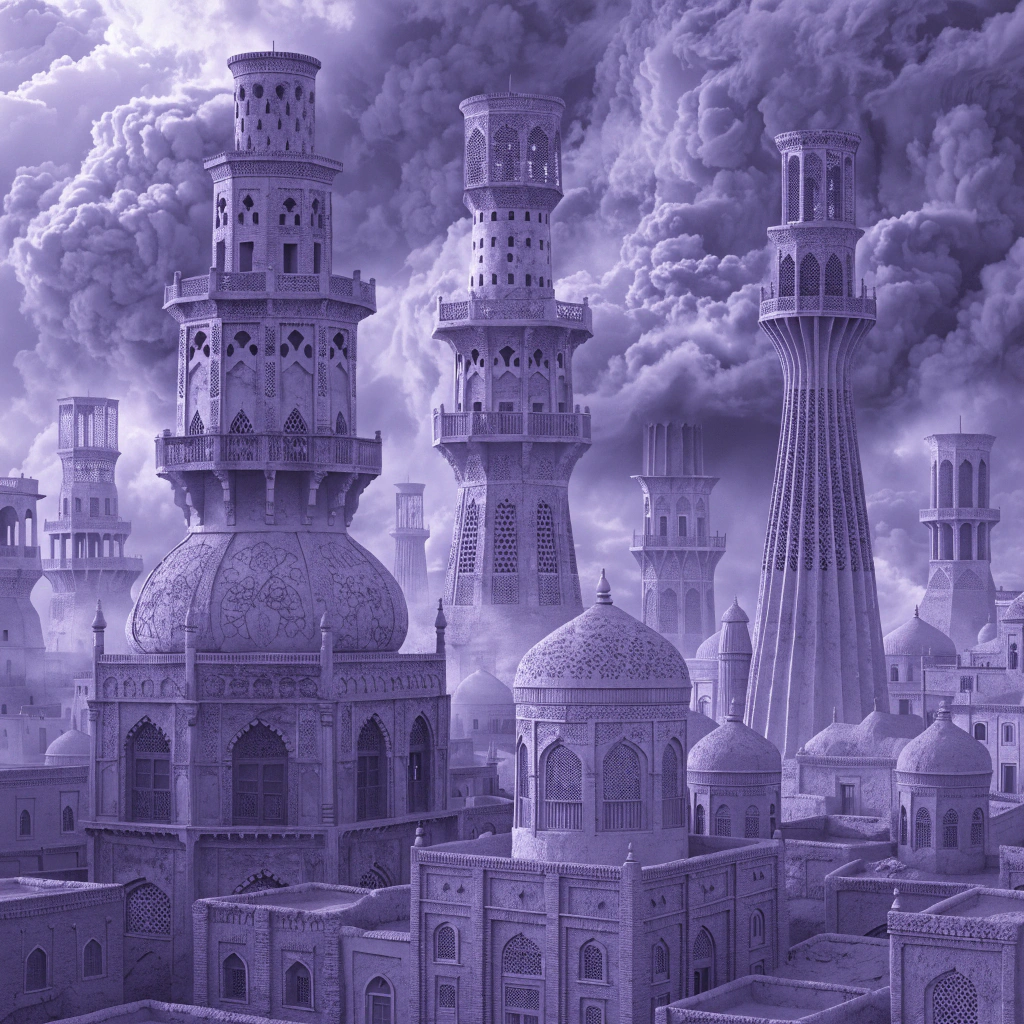
The Historic City of Yazd
Known for its unique desert architecture, Yazd is a living museum of ancient windcatchers, qanats, and the enduring legacy of Zoroastrian culture.
WeiterlesenKüche
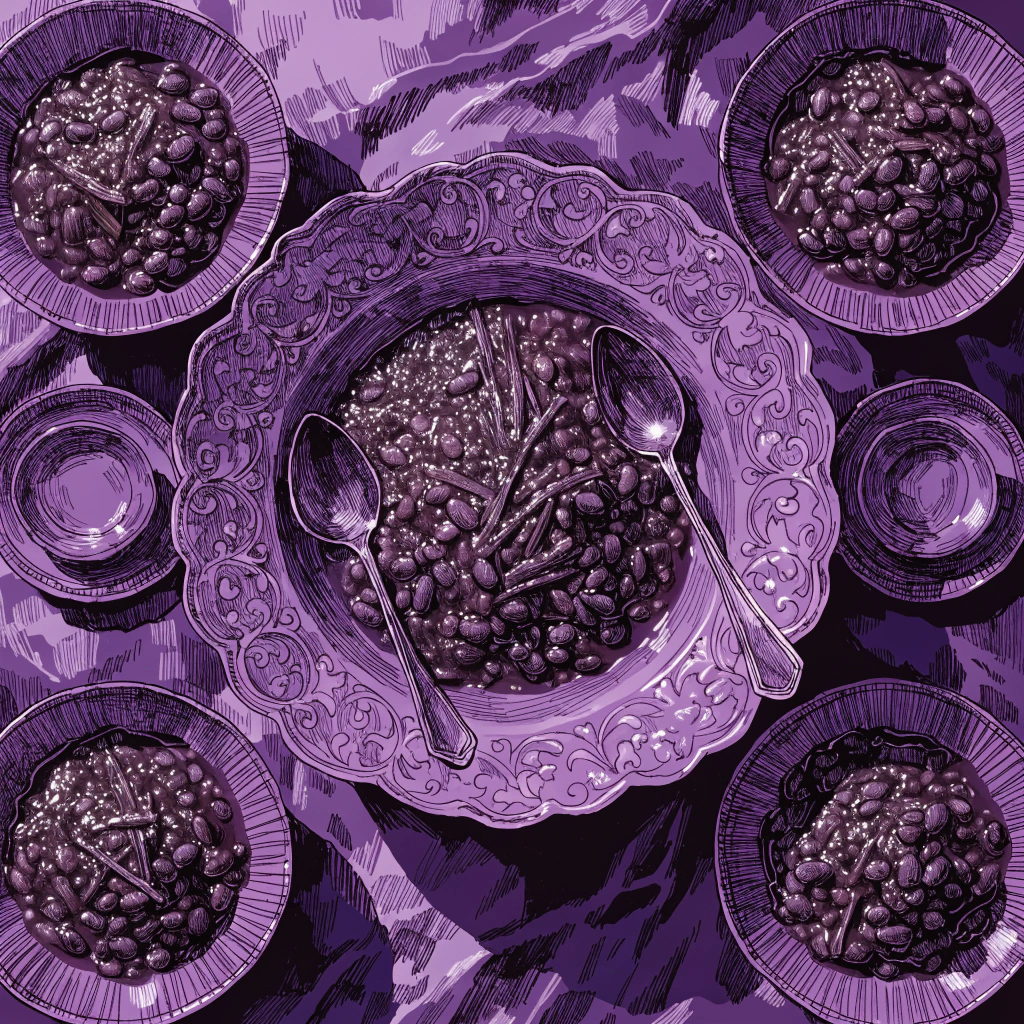
Ghormeh Sabzi
A fragrant, slow-cooked herb stew often considered the national dish of Iran.
Weiterlesen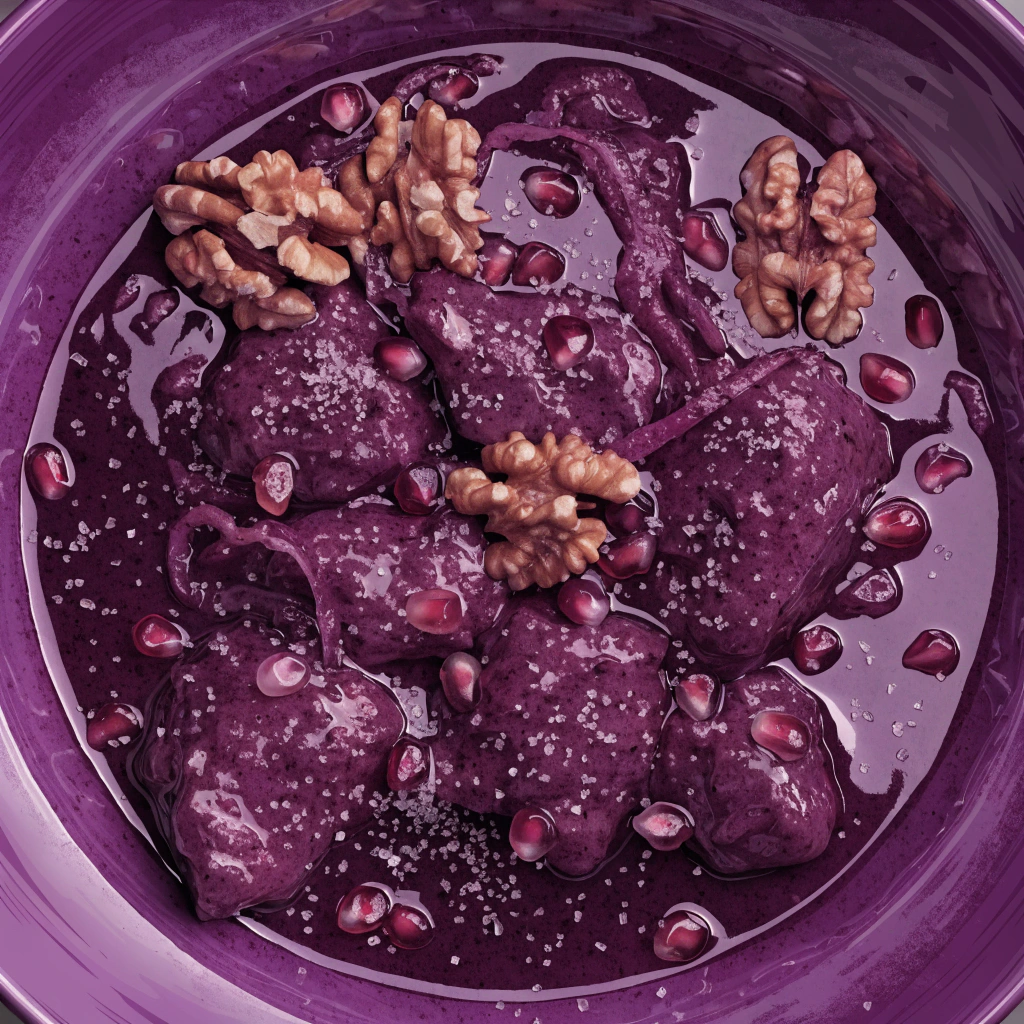
Fesenjan
Ein reichhaltiger, samtiger Eintopf aus gemahlenen Walnüssen und Granatapfelmelasse, der traditionell für ganz besondere Anlässe reserviert ist.
Weiterlesen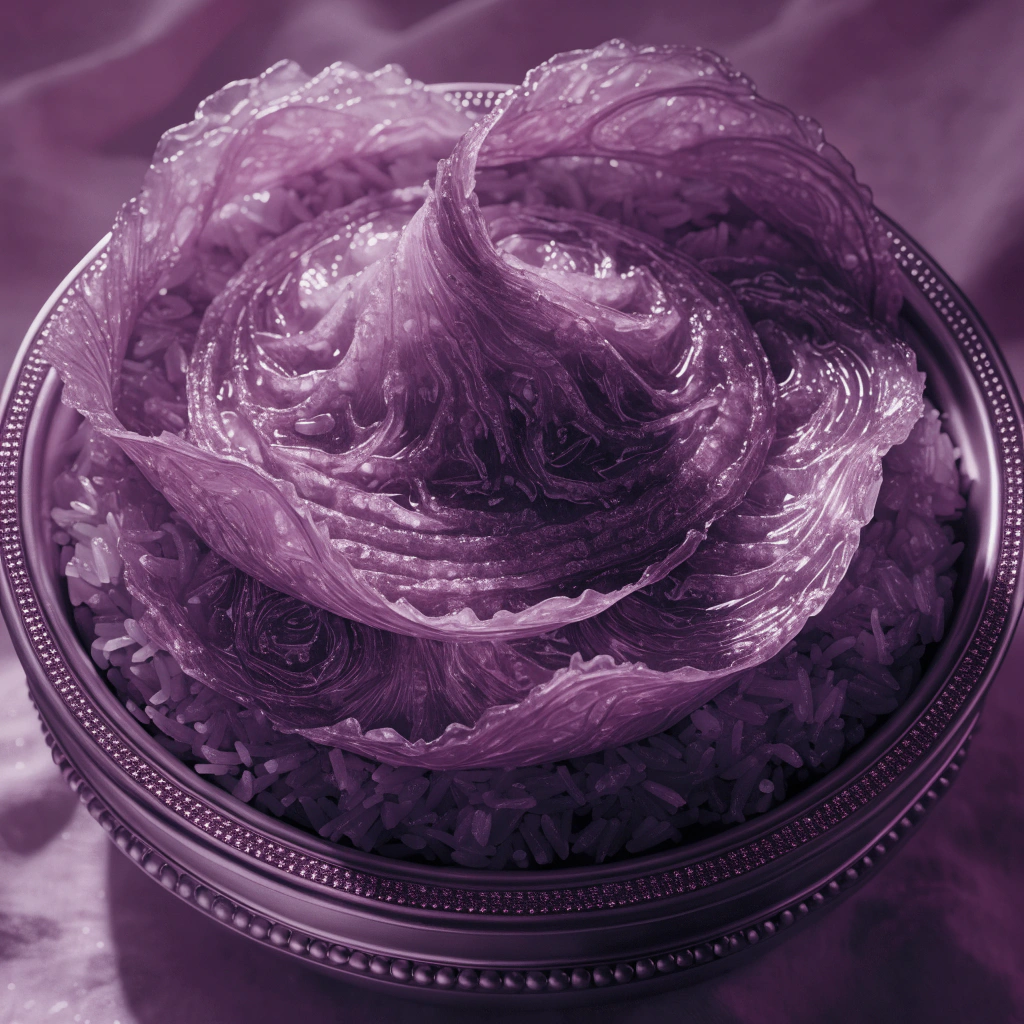
Tahdig
The prized, crunchy golden crust from the bottom of the rice pot that is the most coveted part of any Iranian meal.
Weiterlesen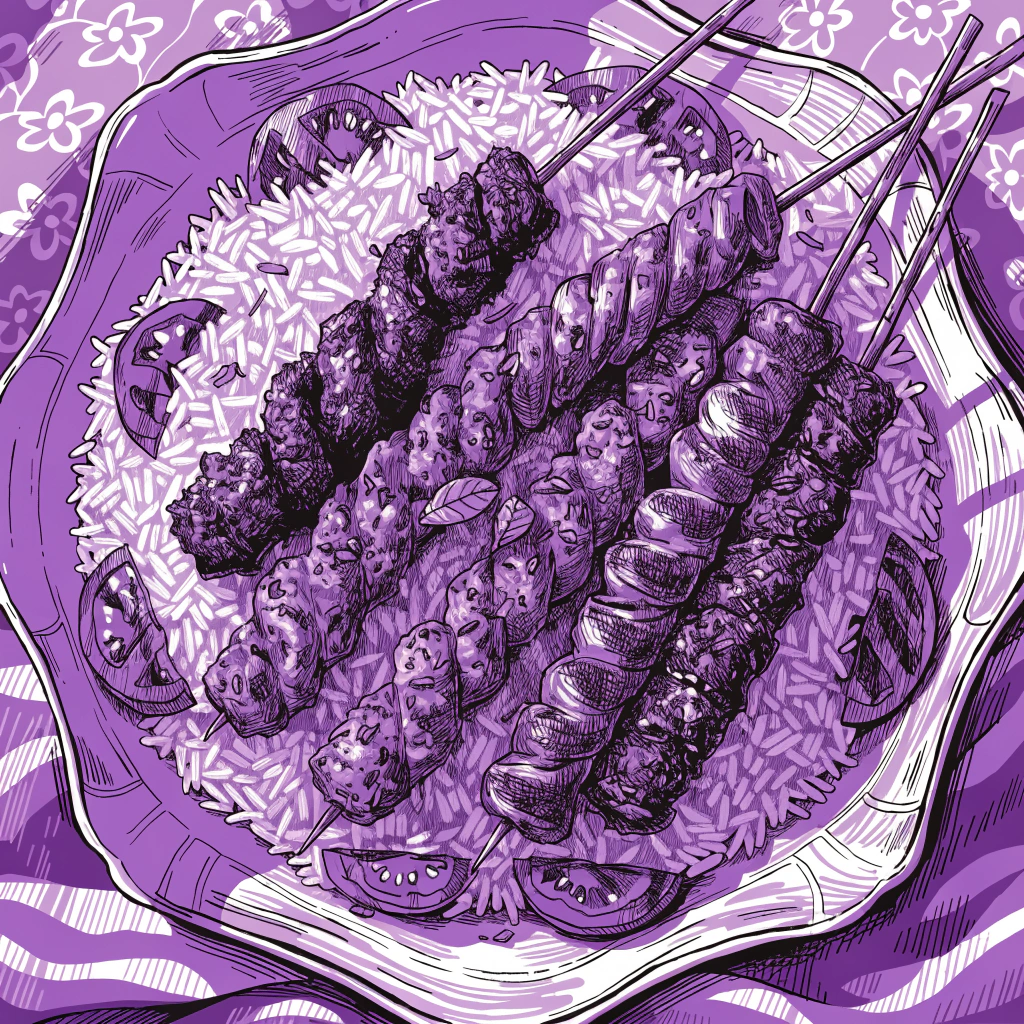
Chelow Kabab
The quintessential Iranian restaurant dish featuring grilled skewers of meat served with buttery saffron rice and grilled tomatoes.
WeiterlesenMusik & Kunst
Iran's music and arts are defined by a sophisticated interplay between ancient modal systems, intricate visual narratives, and ritualistic performance. These traditions, ranging from the meditative melodies of the classical Radif to the vibrant details of Persian miniature painting, reflect a deep spiritual and philosophical connection to the nation's literary heritage and historical identity.
Traditionelle Künste
Veranstaltungen & Feste
Fajr International Film Festival
FebruarDas angesehenste Kinoereignis im Iran, das das Beste des heimischen und internationalen Filmschaffens in Teheran präsentiert.
Weiterlesen
Nowruz (Persisches Neujahr)
21. MärzDie uralte Feier zur Frühlings-Tagundnachtgleiche, die den Beginn des persischen Neujahrs und die Wiedergeburt der Natur markiert.
Weiterlesen
Rose Water Festival (Golab-giri)
May-JuneA fragrant spring festival in the Kashan region where the world-famous Mohammadi roses are harvested and distilled.
Weiterlesen
Tirgan Festival
JulyAn ancient mid-summer water festival celebrating the legend of Arash the Archer and praying for rain.
Weiterlesen
Yalda-Nacht (Shab-e Yalda)
21. DezemberDie Feier zur Wintersonnenwende, bei der Familien zusammenkommen, um die längste Nacht gemeinsam wach zu bleiben und die Rückkehr der Sonne zu begrüßen.
WeiterlesenReisephrasen
سلام
Salâm
Hello
روز بخیر
Ruz bekheyr
Greeting (Good day)
ممنون
Mamnun
Thank you
حالتون چطوره؟
Hâletun chetore?
How are you?
لطفاً
Lotfan
Please
ببخشید
Bebakhshid
Excuse me / Sorry
Lebensart & Bräuche
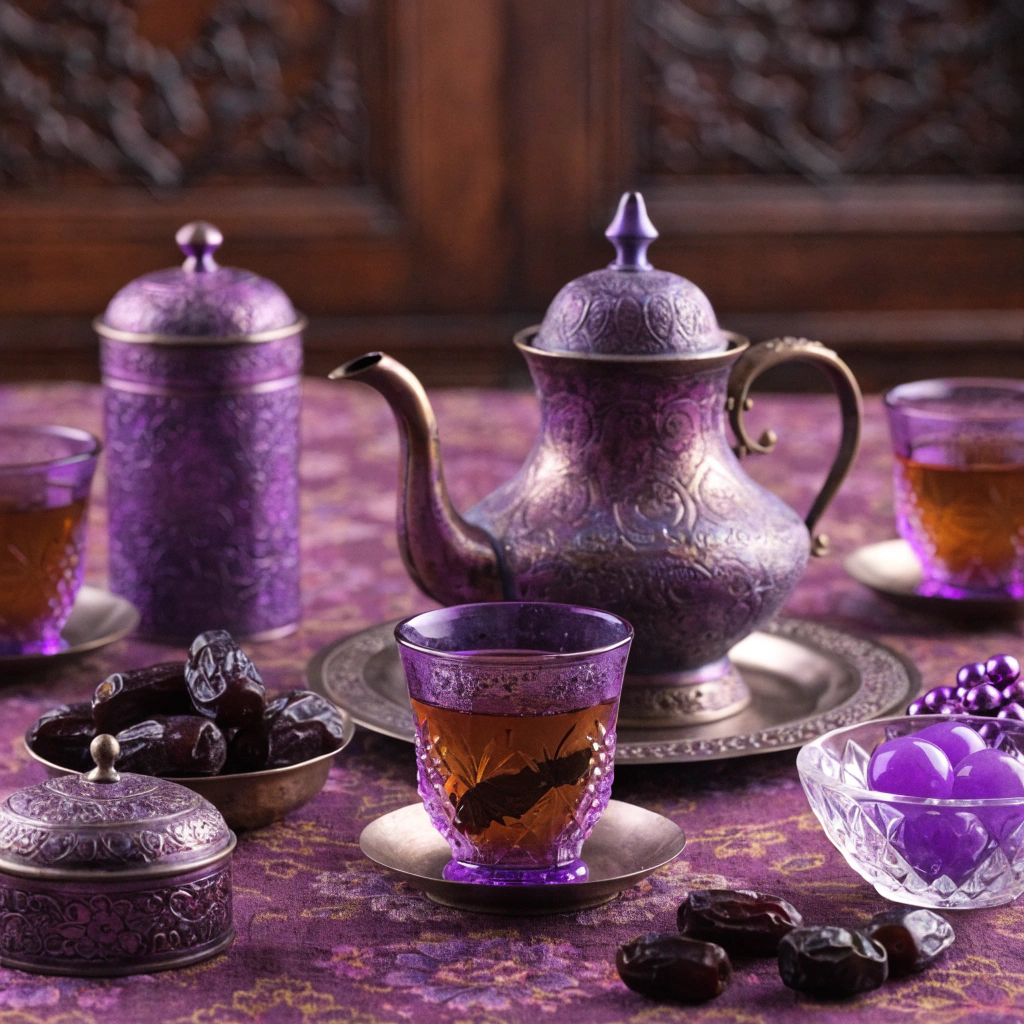
Taarof: Die Kunst der persischen Etikette
Ein komplexes System aus sozialen Ritualen und höflicher Ablehnung, das in der iranischen Kultur alles bestimmt – von Geschäftsabschlüssen bis hin zu Einladungen zum Abendessen.
Weiterlesen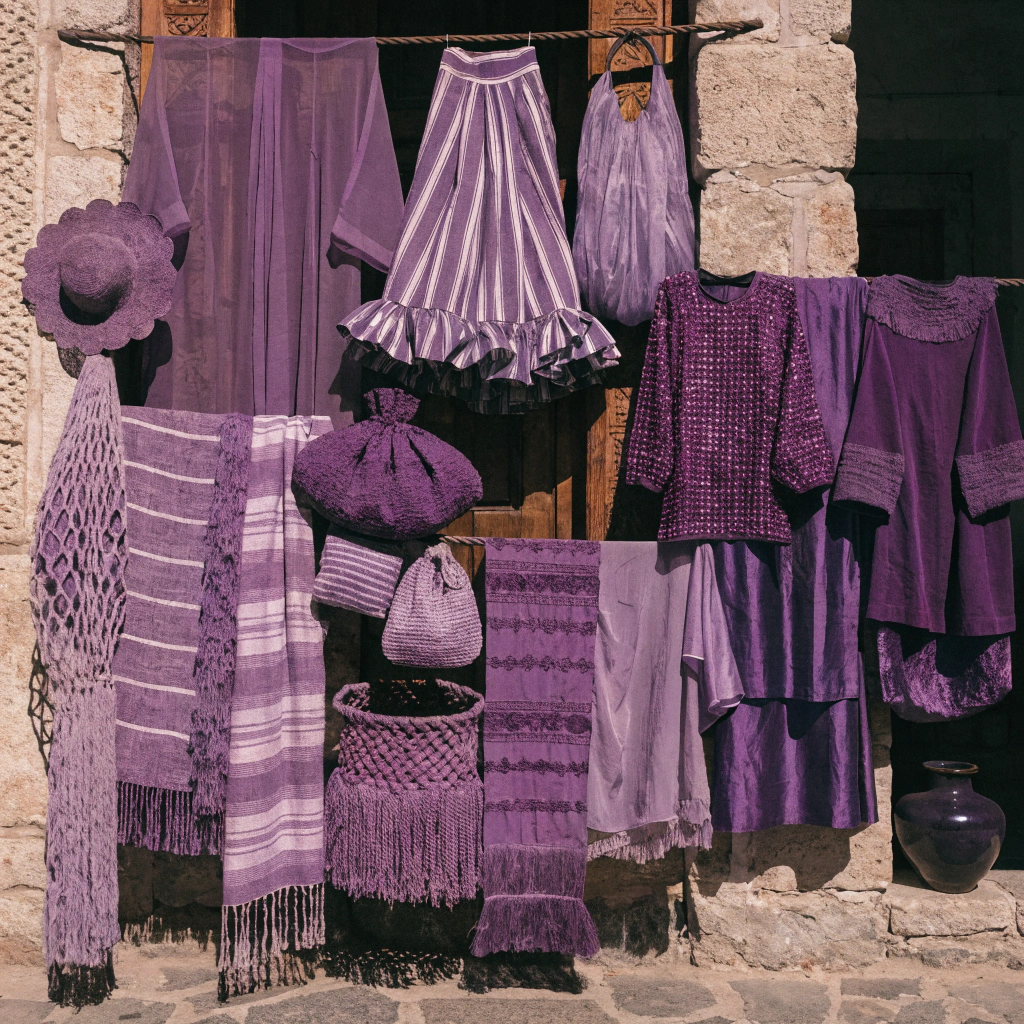
Poushāk-e Sonnati: The Tapestry of Regional Dress
A vibrant collection of traditional garments that vary by province, reflecting Iran's diverse ethnic mosaic through color, embroidery, and textile art.
Weiterlesen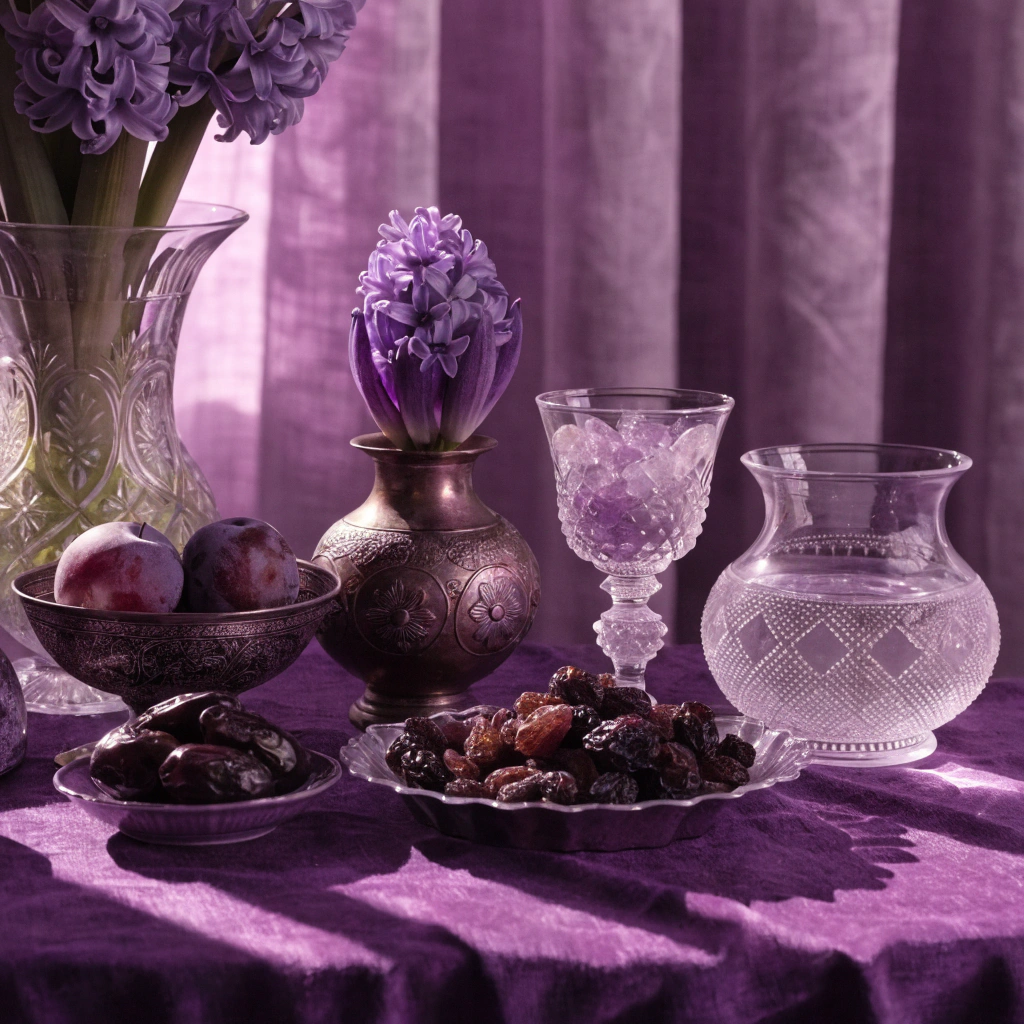
Sofreh-e Haft-Seen: The Symbolic Table of Nowruz
The central ritual of the Iranian New Year involving a beautifully arranged table of seven items that symbolize rebirth, health, and prosperity.
WeiterlesenEtikette-Tipps
Practice 'Taarof' by politely refusing food, drinks, or gifts two or three times before finally accepting.
Accept an offer immediately, as the first few offers are often a social formality rather than a genuine invitation.
Dress modestly in public; women should wear a headscarf (hijab) and loose clothing covering the arms and legs.
Wear shorts, sleeveless tops, or revealing clothing in public spaces, especially in religious areas.
Offer a polite verbal greeting or a slight nod to members of the opposite gender.
Initiate physical contact or a handshake with someone of the opposite gender unless they offer their hand first.
Show approval with a simple smile or a nod of the head.
Use the 'thumbs up' gesture, which has traditionally been considered an offensive sign in Iranian culture.
Mehr Länder in Southern Asia entdecken

Lerne Persisch, um dich mit Iran zu verbinden
Starte dein Persisch-Lernen mit Videos, Übungen und KI-Tools auf SubLearn.
Lernen starten
