イラン について
Iran is a mountainous West Asian nation that serves as a historic bridge between the Middle East, Central Asia, and the Caucasus. As one of the world's oldest continuous civilizations, it possesses a legacy of profound contributions to global art, poetry, and philosophy. Its cultural identity is a unique blend of ancient Persian traditions and Islamic influences, reflected in its diverse ethnic tapestry and renowned hospitality.
基本情報
首都
Tehran
人口
83,992,949
地域
Asia · Southern Asia
通貨
Iranian Rial (IRR)
使用言語

ペルシア語
فارسی
知ってた?
The English word 'paradise' originates from the Old Persian word 'pairi-daeza,' which refers to a lush, enclosed garden.
Persian rug weavers often intentionally include a small flaw in their intricate designs to reflect the belief that only God is perfect.
In traditional Iranian culture, the 'thumbs up' gesture is considered a vulgar insult, though its meaning is slowly shifting in modern urban areas.
Iran is the last remaining habitat of the critically endangered Asiatic Cheetah, which still survives in the country's central desert regions.
有名な名所
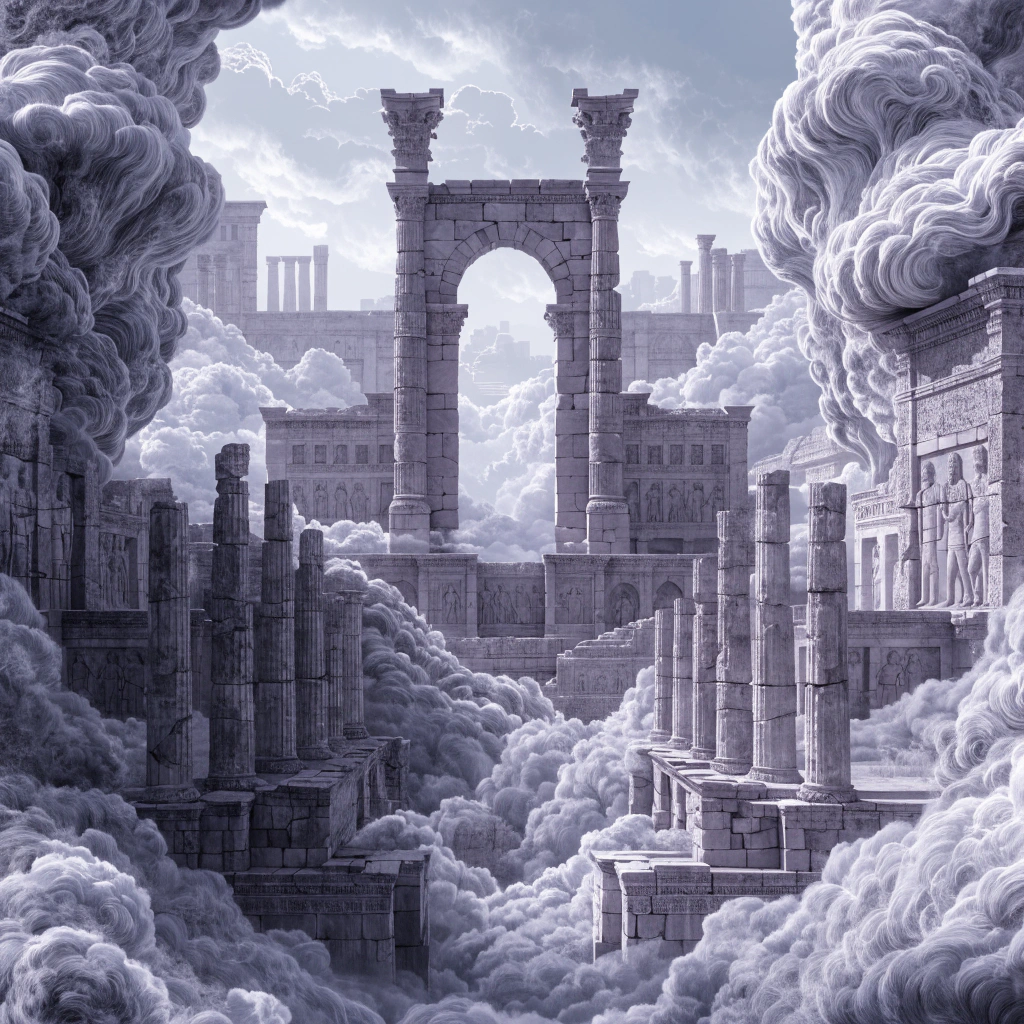
Persepolis
The ceremonial capital of the Achaemenid Empire, Persepolis stands as a monumental testament to ancient Persian grandeur and architectural sophistication.
続きを読む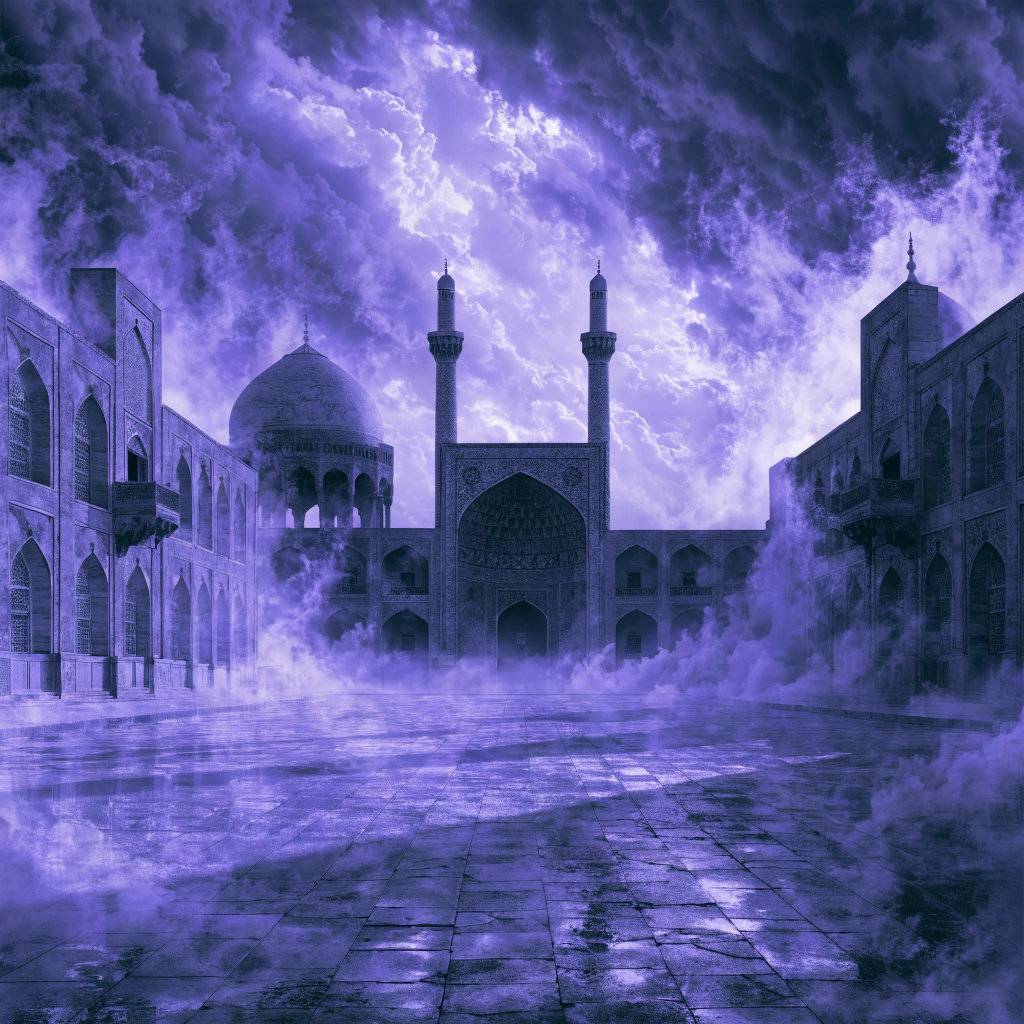
Naqsh-e Jahan Square
Isfahanの心臓部に位置するこのUNESCO World Heritage siteは、世界で最も大きく、最も美しい公共広場の一つで、Safavid時代の傑作に囲まれているんだよ。
続きを読む
Mount Damavand
As the highest peak in Iran and the Middle East, this majestic potentially active stratovolcano holds a sacred place in Persian mythology and literature.
続きを読む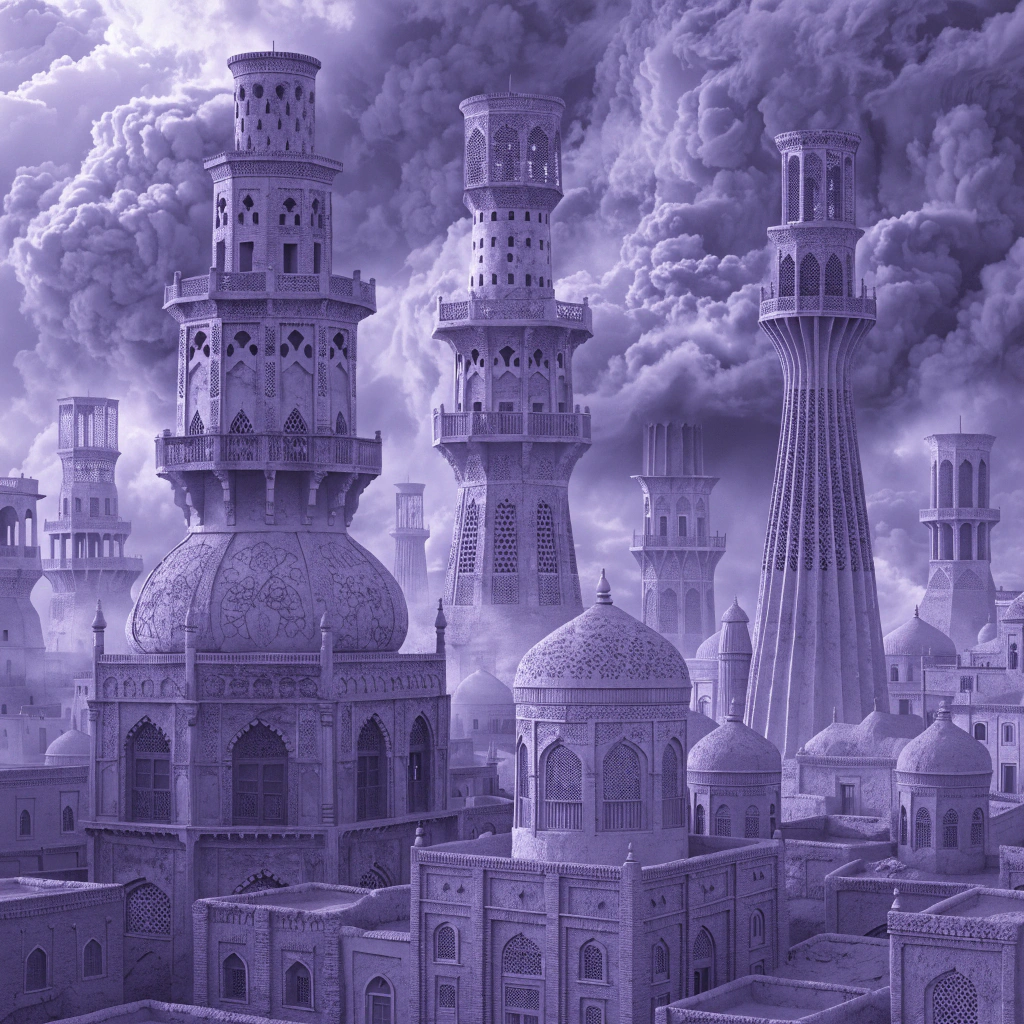
The Historic City of Yazd
Known for its unique desert architecture, Yazd is a living museum of ancient windcatchers, qanats, and the enduring legacy of Zoroastrian culture.
続きを読む料理
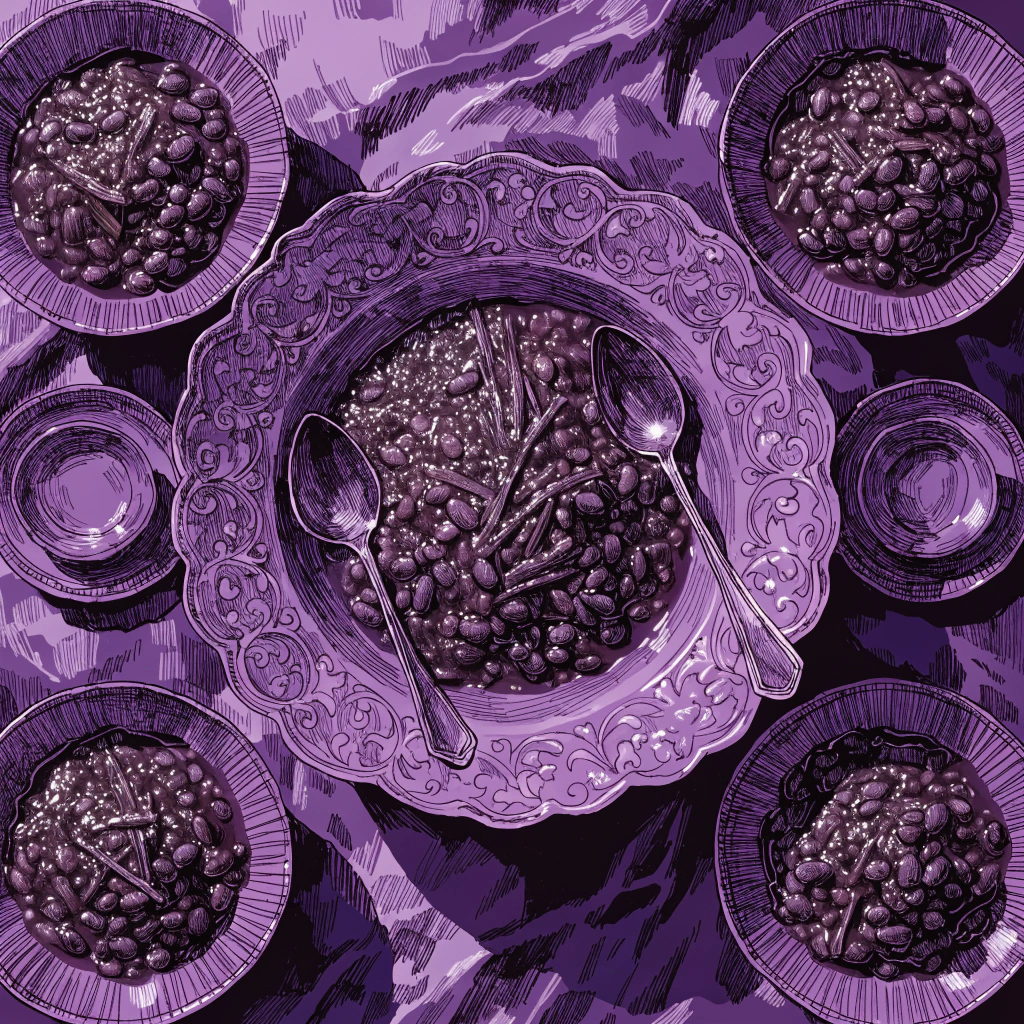
Ghormeh Sabzi
A fragrant, slow-cooked herb stew often considered the national dish of Iran.
続きを読む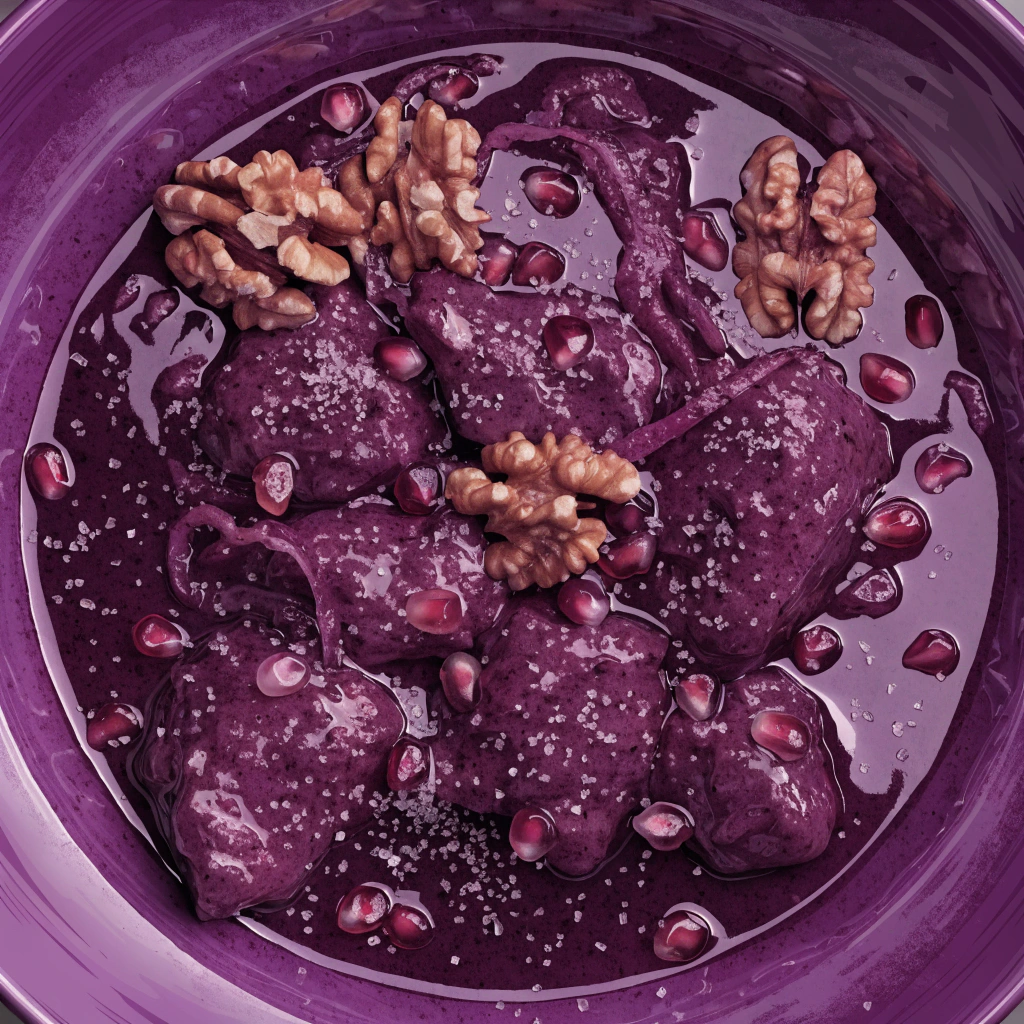
Fesenjan
A rich, velvety stew made with ground walnuts and pomegranate molasses, traditionally reserved for special celebrations.
続きを読む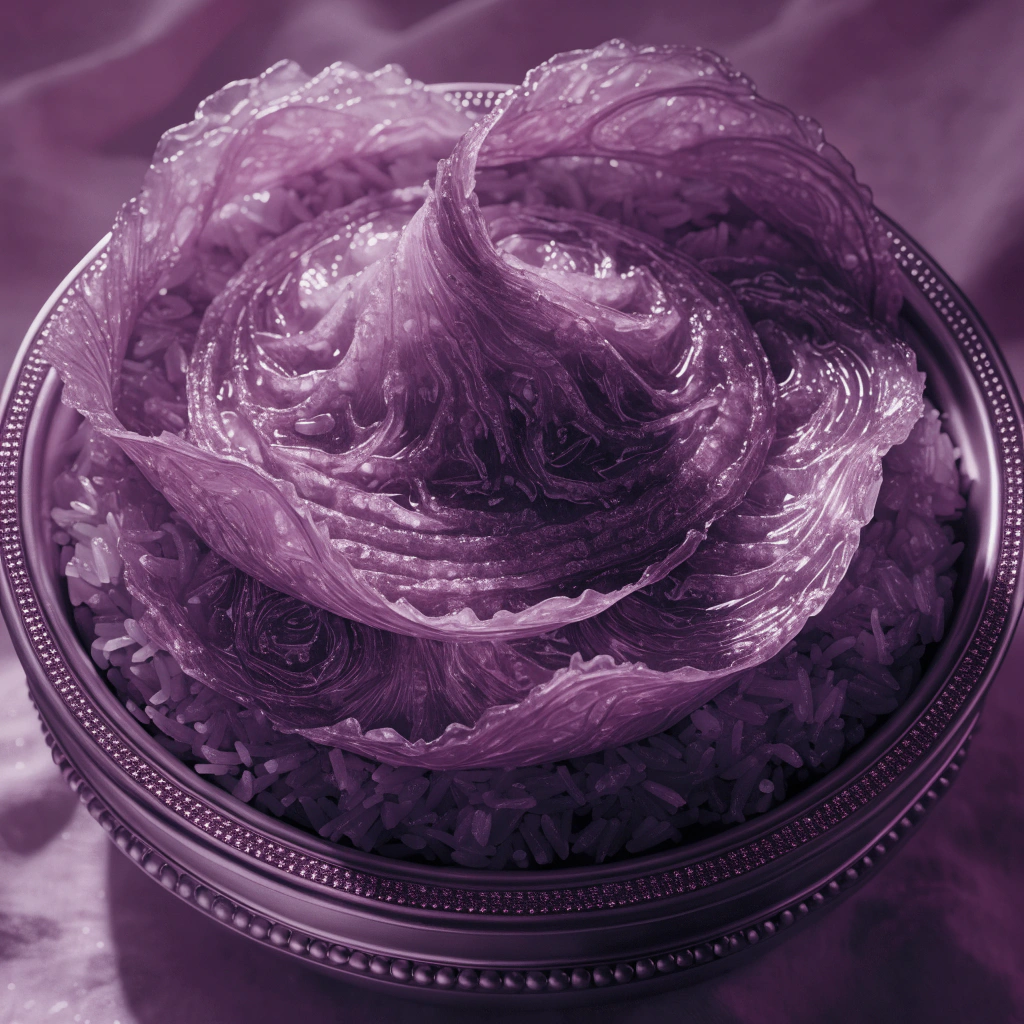
Tahdig
The prized, crunchy golden crust from the bottom of the rice pot that is the most coveted part of any Iranian meal.
続きを読む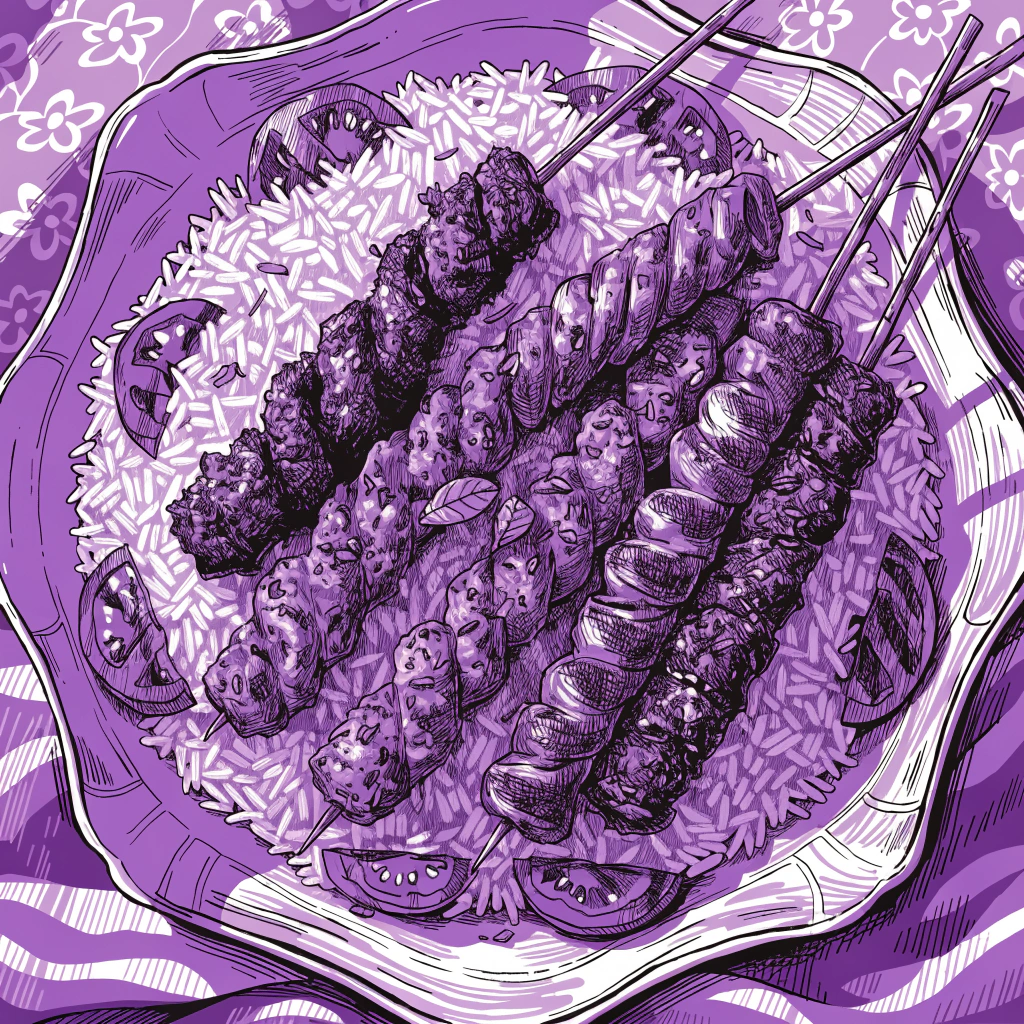
Chelow Kabab
The quintessential Iranian restaurant dish featuring grilled skewers of meat served with buttery saffron rice and grilled tomatoes.
続きを読む音楽&芸術
Iran's music and arts are defined by a sophisticated interplay between ancient modal systems, intricate visual narratives, and ritualistic performance. These traditions, ranging from the meditative melodies of the classical Radif to the vibrant details of Persian miniature painting, reflect a deep spiritual and philosophical connection to the nation's literary heritage and historical identity.
伝統芸術
イベント&祭り
Fajr International Film Festival
FebruaryIranで最も権威のある映画イベントで、Tehranを舞台に国内外の最高の映画作品が紹介されるんだ。
続きを読む
Nowruz (Persian New Year)
March 21The ancient celebration of the spring equinox, marking the start of the Persian New Year and the rebirth of nature.
続きを読む
Rose Water Festival (Golab-giri)
May-JuneA fragrant spring festival in the Kashan region where the world-famous Mohammadi roses are harvested and distilled.
続きを読む
Tirgan Festival
July古代から続く真夏の水祭りで、伝説の英雄 Arash the Archer を称え、雨乞いをするお祭りだよ。
続きを読む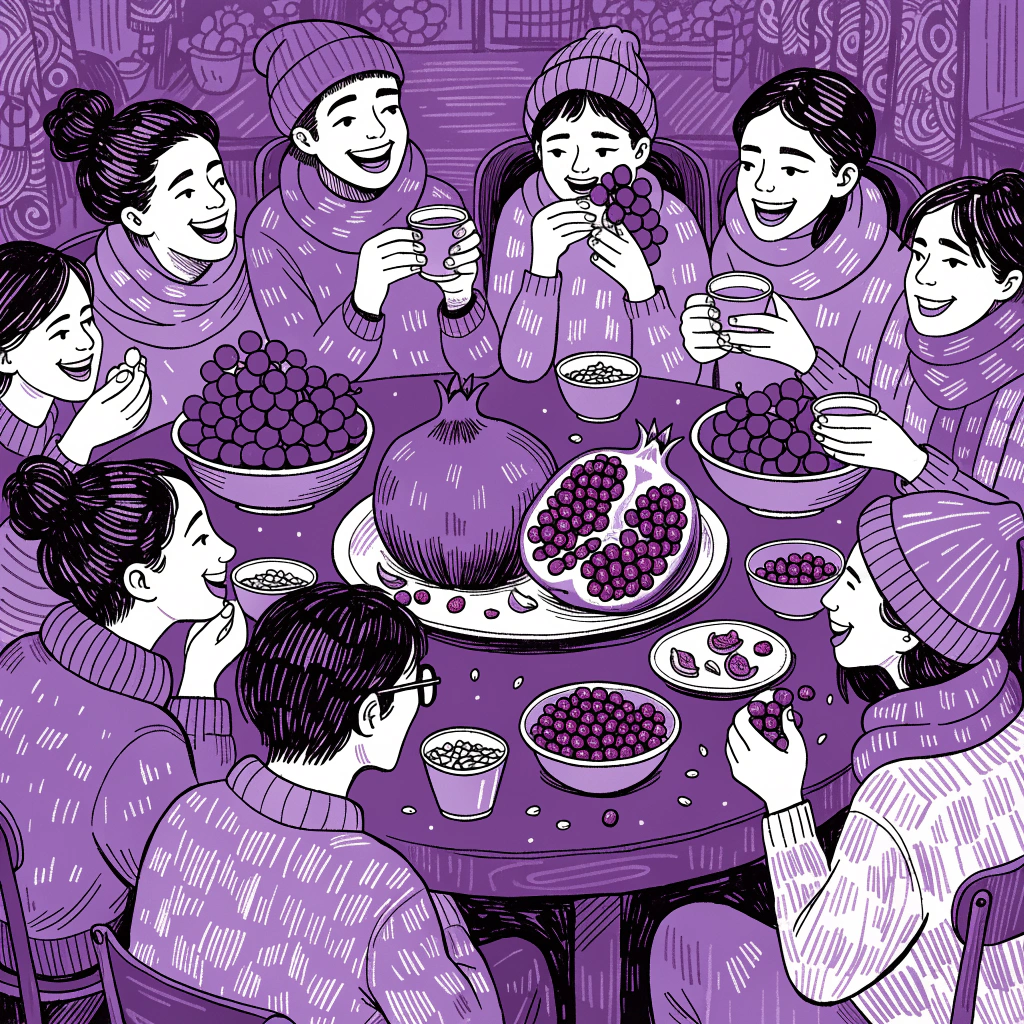
Yalda Night (Shab-e Yalda)
December 21冬至のお祝いで、一年で最も長い夜を家族が集まって起きて過ごし、太陽が戻ってくるのを歓迎する行事なんだ。
続きを読む旅行フレーズ
سلام
Salâm
Hello
روز بخیر
Ruz bekheyr
Greeting (Good day)
ممنون
Mamnun
Thank you
حالتون چطوره؟
Hâletun chetore?
How are you?
لطفاً
Lotfan
Please
ببخشید
Bebakhshid
Excuse me / Sorry
ライフスタイル&習慣
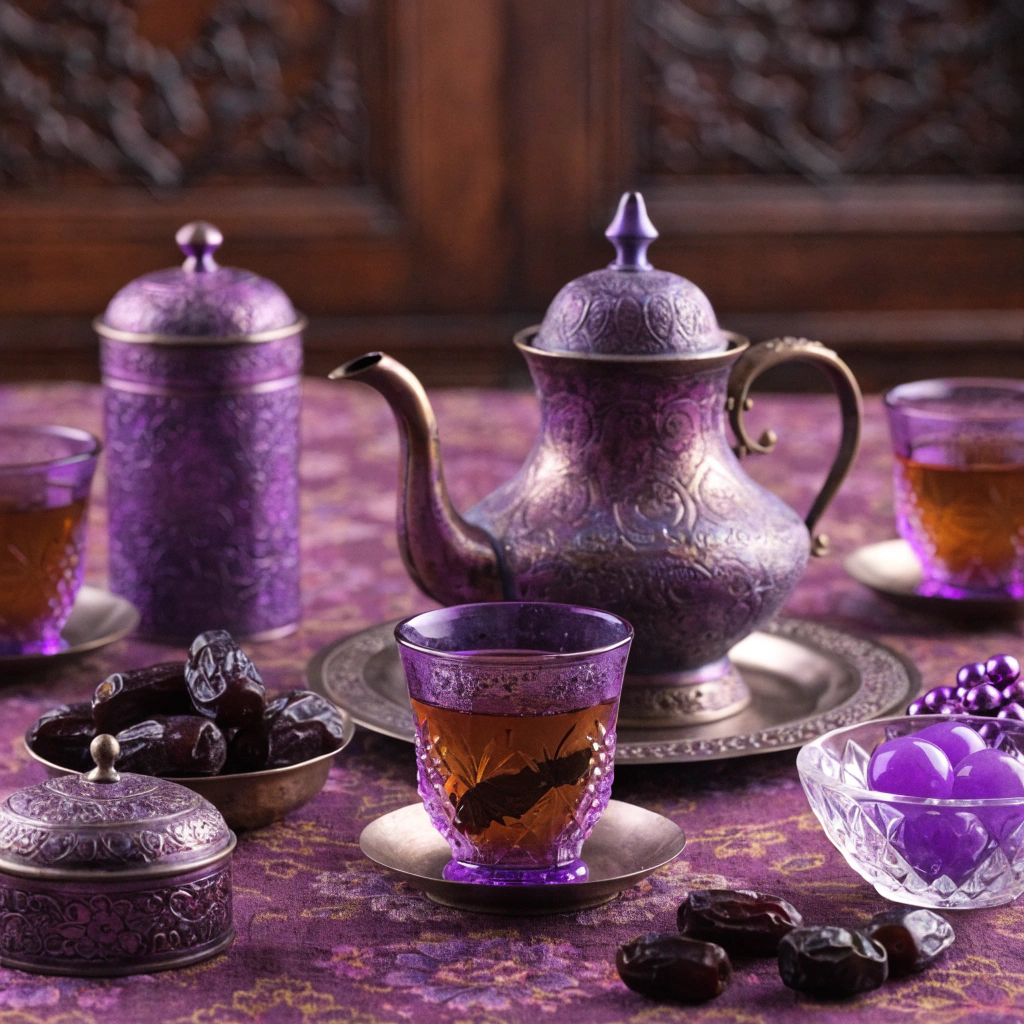
Taarof: The Art of Persian Etiquette
An intricate system of social ritual and polite refusal that governs everything from business deals to dinner invitations in Iranian culture.
続きを読む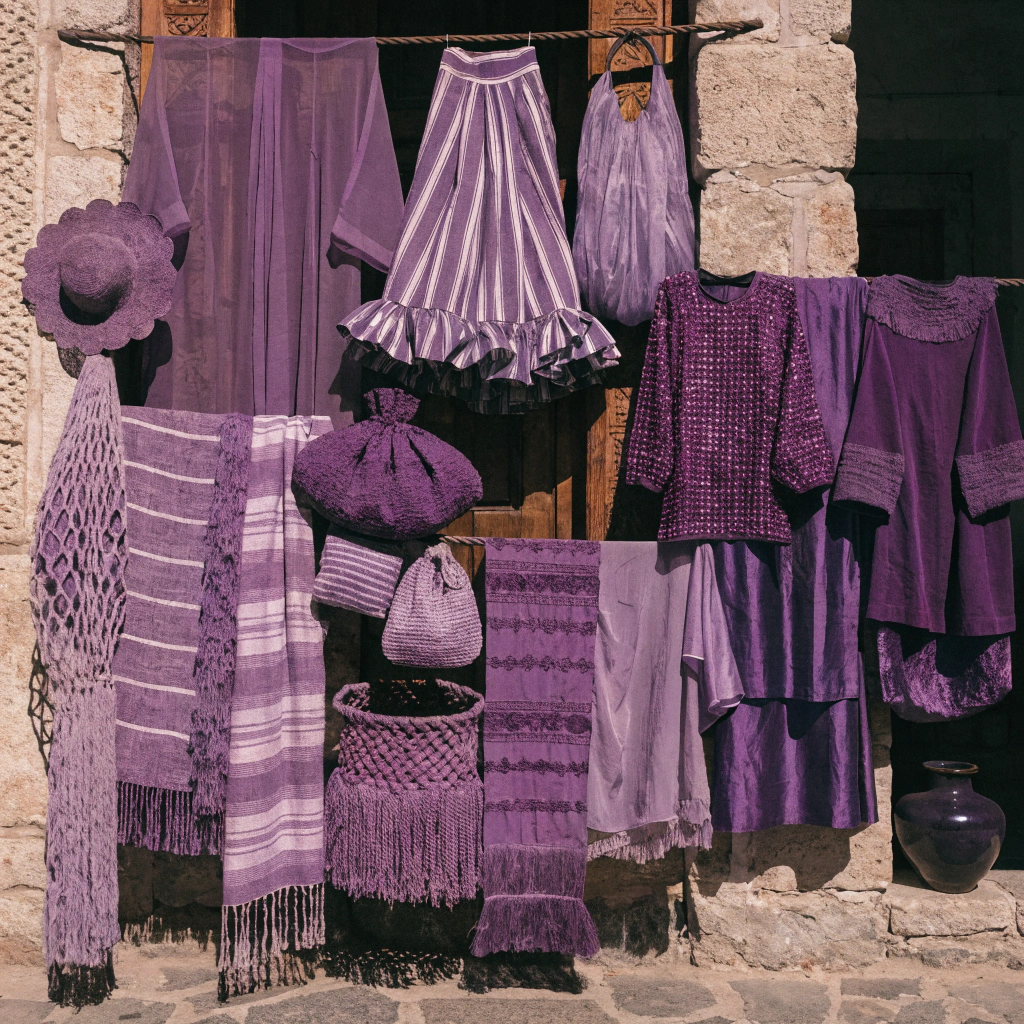
Poushāk-e Sonnati: The Tapestry of Regional Dress
A vibrant collection of traditional garments that vary by province, reflecting Iran's diverse ethnic mosaic through color, embroidery, and textile art.
続きを読む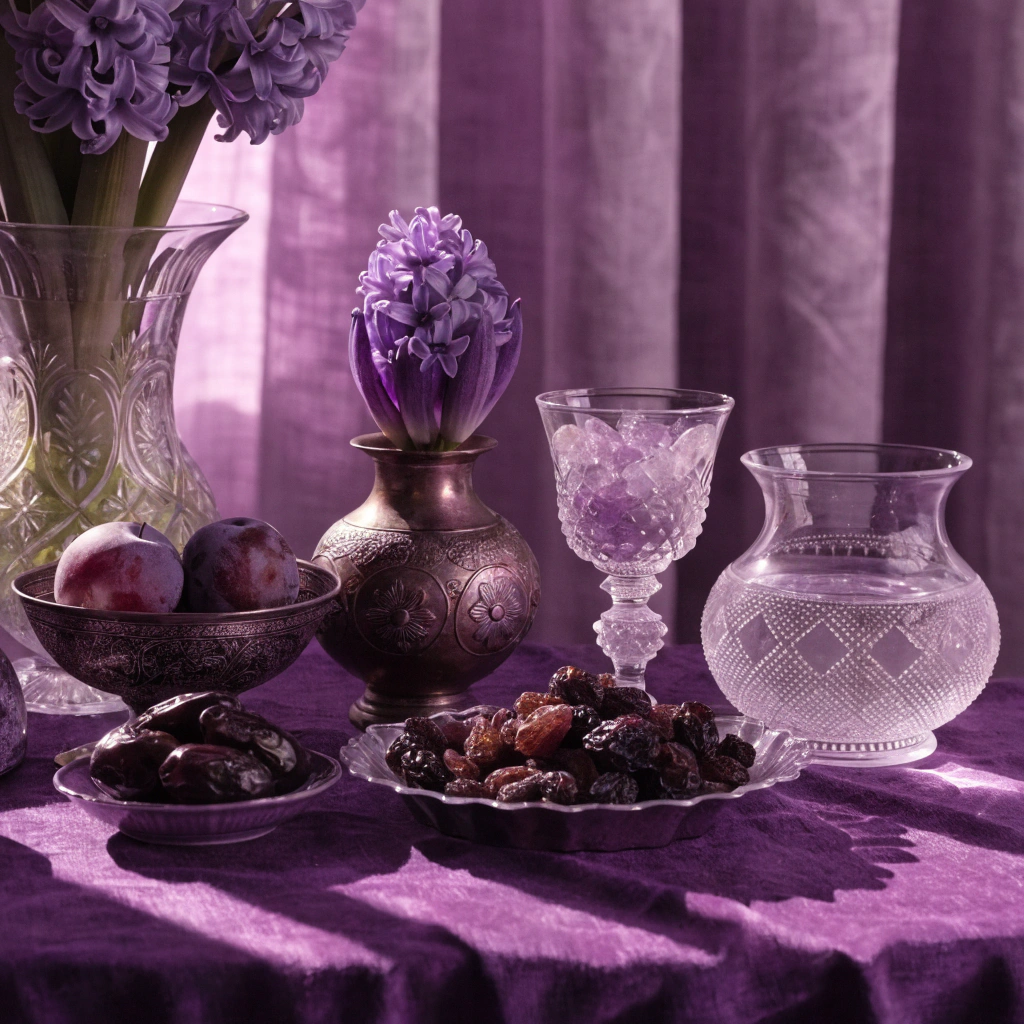
Sofreh-e Haft-Seen: Nowruzの象徴的なテーブル
再生、健康、繁栄を象徴する7つのアイテムが美しく配置されたテーブル。イランの新年(Nowruz)の中心的な儀式です。
続きを読むマナーのヒント
Practice 'Taarof' by politely refusing food, drinks, or gifts two or three times before finally accepting.
Accept an offer immediately, as the first few offers are often a social formality rather than a genuine invitation.
Dress modestly in public; women should wear a headscarf (hijab) and loose clothing covering the arms and legs.
Wear shorts, sleeveless tops, or revealing clothing in public spaces, especially in religious areas.
Offer a polite verbal greeting or a slight nod to members of the opposite gender.
Initiate physical contact or a handshake with someone of the opposite gender unless they offer their hand first.
Show approval with a simple smile or a nod of the head.
Use the 'thumbs up' gesture, which has traditionally been considered an offensive sign in Iranian culture.