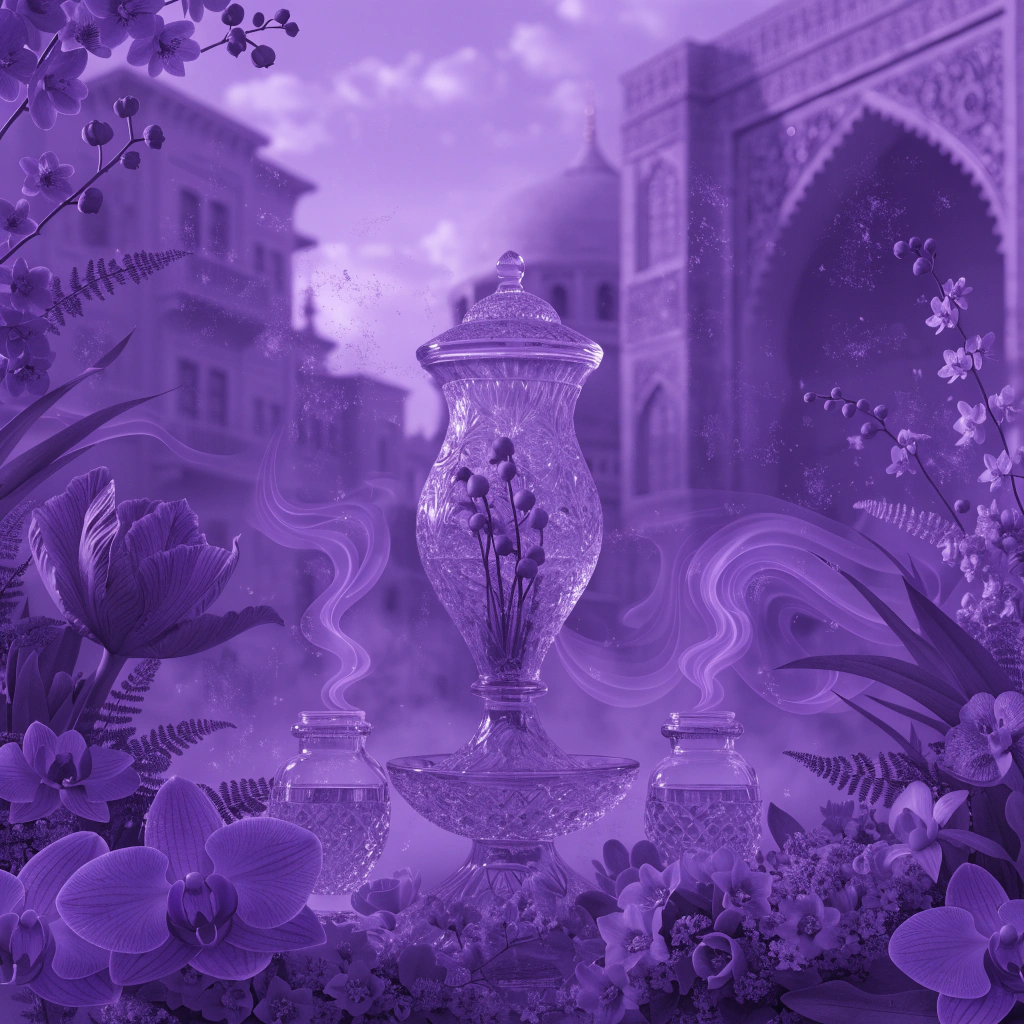
イランの新しい年:ノウルーズ
イランには「ノウルーズ」という、とても大切なお祭りがあります。これはペルシャの新しい年です。春が始まる日を祝います。
ノウルーズは13日間続きます。家族は一緒にご飯を食べたり、友達と会ったりします。お祭りの前に、家をきれいに掃除します。古いものをなくして、新しいものを迎えます。これは「カーネ・タカーニー」と言います。
ノウルーズは3000年以上前からあります。希望と家族のお祭りです。
文法スポットライト
パターン: 〜は〜です
"これはペルシャの新しい年です。"
「AはBです」は、Aが何であるか、Aがどんな状態であるかを説明するときに使います。「は」はトピックを示す助詞で、「です」は丁寧な肯定の形です。
パターン: 〜をします
"家をきれいに掃除します。"
「〜をします」は、何か行動や動作をするときに使います。「を」は動詞の目的語を示す助詞です。「します」は「する」の丁寧な形です。
理解度をチェック
10 問 · A1 初級 · 無料プレビュー 1回
この記事で学んだことをテストしよう。全問正解してXPを獲得!
ノウルーズはどんなお祭りですか?
問題の内訳
ノウルーズはどんなお祭りですか?
あなたの回答:
正解: 新しい年のお祭り
ノウルーズは13日間続きます。
あなたの回答:
正解: 正しい
「掃除」の意味は何ですか?
あなたの回答:
正解: 家をきれいにすること
ノウルーズは春が___日を祝います。
あなたの回答:
正解: 始まる
ノウルーズ:イランの新しい年
イランには、ノウルーズという大切なお祭りがあります。これはペルシャ語で「新しい日」という意味です。ノウルーズは春の始まりをお祝いする日です。そして、新しい年が始まる日でもあります。
このお祭りは、3000年以上前から続いています。とても長い歴史がありますね。ノウルーズは13日間続きます。この期間、家族みんなで一緒に過ごします。みんなで新しい希望と再生を祝います。
お祭りの前には、家をきれいにします。これを「ハネ・タカニ」と言います。「古いものを掃除して、新しいものを迎える準備をします」という意味です。通りもとてもにぎやかになります。人々は新しい服を着て、お互いに「ノウルーズおめでとう」と言います。みんなで春の訪れを喜びます。これはイランで一番大切で楽しいお祭りです。
文法スポットライト
パターン: 〜という意味です
"これはペルシャ語で「新しい日」という意味です。"
この表現は、言葉や行動が「何を意味するか」を説明するときに使います。「AはBという意味です」で、「A means B」という意味になります。
パターン: 〜て、〜ます
"古いものを掃除して、新しいものを迎える準備をします。"
動詞の「て形」は、複数の行動を順番に言うときに使います。この例では、「掃除する」の後に「準備する」という行動が続いていることを示します。
理解度をチェック
11 問 · A2 初級 · 無料プレビュー 1回
この記事で学んだことをテストしよう。全問正解してXPを獲得!
ノウルーズは、何をお祝いする日ですか?
問題の内訳
ノウルーズは、何をお祝いする日ですか?
あなたの回答:
正解: 春の始まり
ノウルーズのお祭りは、1週間だけ続きます。
あなたの回答:
正解: 間違い
「家族」はどんな意味ですか?
あなたの回答:
正解: お父さん、お母さん、子どもなどのグループ
ノウルーズはイランの___お祭りです。
あなたの回答:
正解: 大切
「ハネ・タカニ」は何を意味しますか?
あなたの回答:
正解: 家をきれいに掃除すること
Nowruz: Celebrating the Persian New Year
Nowruz, which means 'New Day' in Persian, is the most important holiday in Iran. It marks the arrival of spring and the astronomical beginning of a new year. This ancient festival has been celebrated for more than 3,000 years, and it remains a 13-day event that focuses on renewal, family, and hope for the future.
Before the holiday starts, people prepare their homes with great care. A tradition called 'Khaneh-tekani,' or 'shaking the house,' is performed by families across the country. During this time, every corner of the house is cleaned thoroughly. This symbolizes clearing out the old energy to make room for something new. Many Iranians have already bought new clothes and fresh flowers to decorate their living rooms before the guests arrive.
The most famous part of Nowruz is the 'Haft-Sin' table. This is a special table that includes seven items, each starting with the letter 'S' in the Persian language. Every item has a symbolic meaning that is important to the culture. For example, sprouts (Sabzeh) represent rebirth and the growth of nature, while vinegar (Serkeh) represents patience and age. Families gather around this table at the exact moment the seasons change to celebrate together.
During the holidays, many visits are made to the homes of elders and relatives. Children are often given small gifts or money by their grandparents. On the thirteenth day, which is known as Sizdah Bedar, people go outside to parks or the countryside. They believe that spending time in nature helps them to avoid bad luck for the rest of the year. Nowruz is a beautiful time when the streets are vibrant and everyone feels a sense of joy.
文法スポットライト
パターン: Relative Clauses
"Nowruz, which means 'New Day' in Persian, is the most important holiday in Iran."
We use 'which' to add extra information about a noun (Nowruz). In this sentence, the clause provides a definition of the word within the main sentence structure.
パターン: Passive Voice
"A tradition called 'Khaneh-tekani' is performed by families across the country."
The passive voice is formed using 'be' + past participle. It is used here because the action (performing the tradition) is more important than who is doing it.
理解度をチェック
11 問 · B1 中級 · 無料プレビュー 1回
この記事で学んだことをテストしよう。全問正解してXPを獲得!
How long does the Nowruz festival last?
問題の内訳
How long does the Nowruz festival last?
あなたの回答:
正解: Thirteen days
'Khaneh-tekani' refers to a tradition of cleaning the house before the new year.
あなたの回答:
正解: 正しい
What does 'vibrant' mean in the context of the article?
あなたの回答:
正解: Full of energy and life
On the last day of the festival, people often visit the _____ to avoid bad luck.
あなたの回答:
正解: countryside
What does vinegar represent on the Haft-Sin table?
あなたの回答:
正解: Patience
Nowruz: The Timeless Celebration of Renewal and Persian Heritage
Nowruz, which translates literally to 'New Day,' represents the most significant holiday in the Iranian calendar. It marks the precise moment of the spring equinox, signaling the astronomical beginning of the Persian year. This ancient festival, which has been observed for over three millennia, is deeply rooted in Zoroastrian traditions. It serves as a powerful manifestation of renewal, family bonds, and the enduring hope for a prosperous future.
Preparations for the festivities begin several weeks in advance. One of the most vital traditions is 'Khaneh-tekani,' or 'shaking the house.' It is a ritual whereby households are meticulously cleaned to purge the remnants of the past year. This thorough spring cleaning symbolizes the removal of negative energy and stagnant spirits, making room for fresh beginnings. Furthermore, the streets become vibrant with vendors selling flowers, particularly hyacinths and tulips, which symbolize the arrival of spring.
The centerpiece of every Iranian home during this period is the 'Haft-Sin' table. This decorative arrangement consists of seven specific items starting with the Persian letter 'S,' each carrying a profound symbolic meaning. For instance, 'Sabzeh' (wheat or lentil sprouts) represents rebirth and the rejuvenation of nature, while 'Seeb' (apple) symbolizes beauty and health. Other items, such as vinegar for age and patience, or garlic for medicine, are also included. Families gather around this table at the exact moment of the equinox to exchange gifts and well-wishes.
Social interaction is the cornerstone of the thirteen-day celebration. During this time, it is customary for younger family members to visit their elders, a practice that reinforces ancestral ties and community cohesion. By the time the final day arrives, millions of Iranians will have participated in outdoor picnics to ward off bad luck. This final day, known as 'Sizdah Bedar,' involves spending time in nature, effectively returning the 'Sabzeh' to the earth to symbolize the completion of the cycle.
In conclusion, Nowruz is more than just a calendar event; it is a cultural cornerstone that bridges the past and the present. Despite the modernization of society, the core values of the festival remain unchanged. It continues to commemorate the triumph of light over darkness and the cyclical beauty of the natural world, offering a universal message of peace and reconciliation.
文法スポットライト
パターン: Future Perfect
"By the time the final day arrives, millions of Iranians will have participated in outdoor picnics."
This tense is used to describe an action that will be completed before a specific point in the future. It is formed using 'will have' plus the past participle.
パターン: Passive Voice with Present Perfect
"This ancient festival, which has been observed for over three millennia, is deeply rooted in Zoroastrian traditions."
The passive voice is used here to focus on the festival rather than who observes it. The present perfect aspect indicates an action that started in the past and continues to the present.
パターン: Relative Adverb 'Whereby'
"It is a ritual whereby households are meticulously cleaned to purge the remnants of the past year."
'Whereby' is a formal relative adverb meaning 'by which' or 'through which.' It is used to explain the method or process by which something happens.
理解度をチェック
11 問 · B2 中上級 · 無料プレビュー 1回
この記事で学んだことをテストしよう。全問正解してXPを獲得!
What does the ritual of 'Khaneh-tekani' primarily symbolize?
問題の内訳
What does the ritual of 'Khaneh-tekani' primarily symbolize?
あなたの回答:
正解: Clearing out negative energy to make room for new beginnings
The Haft-Sin table features seven items that all begin with the same Persian letter.
あなたの回答:
正解: 正しい
What does 'meticulously' mean in the context of the article?
あなたの回答:
正解: With extreme attention to detail
Nowruz marks the astronomical beginning of the Persian year, coinciding with the spring _____.
あなたの回答:
正解: equinox
How do Iranians typically spend the 13th day of Nowruz (Sizdah Bedar)?
あなたの回答:
正解: Participating in outdoor picnics
The Vernal Equinox: Deciphering the Socio-Cultural Tapestry of Nowruz
Rarely does a cultural phenomenon bridge the chasm between primordial mysticism and contemporary secularism as seamlessly as Nowruz. Occurring at the precise moment of the vernal equinox, this 'New Day' marks the astronomical commencement of the Persian year, a tradition whose roots are deeply embedded in the soil of antiquity. While ostensibly a celebration of spring’s arrival, Nowruz functions as a sophisticated mechanism for social cohesion and psychological rejuvenation. It is the profound sense of renewal, rather than the mere passage of time, that defines the Iranian psyche during this period.
The prelude to the festivities involves 'Khaneh-tekani', literally translated as 'shaking the house'. This is no mere domestic chore; rather, it represents the systematic eradication of both physical clutter and spiritual lethargy. The nominalisation of this process into a communal rite of passage underscores its importance. By purging the old, individuals facilitate the influx of auspicious energy. Streets, once dormant in winter’s grip, undergo a resurgence of vitality as vendors display vibrant hyacinths and goldfish, the latter symbolizing life’s transient yet precious nature.
Central to the observance is the 'Haft-Sin' table, an arrangement of seven items beginning with the Persian letter 'S'. Each element is a manifestation of a specific hope for the coming year. Only when the seven symbolic items are meticulously arranged can the festivities truly commence. This requirement for precision reflects a broader cultural veneration for order and aesthetic harmony. The inclusion of 'Sabzeh' (sprouts) represents rebirth, while 'Seer' (garlic) denotes medicinal protection. Such symbolism suggests that for the Iranian people, the new year is not an ephemeral event but a deliberate alignment with the cosmic order.
Furthermore, the thirteen-day duration of Nowruz allows for a nuanced exploration of familial hierarchies and social obligations. The practice of visiting elders—'Did-o-Bazdid'—serves to reinforce kinship ties that might otherwise fray under the pressures of modern urbanity. It is here that the intersection of tradition and modernity becomes most apparent. Despite the encroachment of digital communication, the physical act of visitation remains an indispensable component of the holiday.
In conclusion, Nowruz stands as a testament to the resilience of Persian identity. It is a celebration that transcends political and religious boundaries, rooted in a primordial appreciation for the cycles of nature. Through its meticulous rituals and symbolic depth, it offers a moment of collective introspection and exuberant hope. As the world grapples with rapid change, the enduring verve of Nowruz provides a stabilizing link to a shared heritage, reminding us that renewal is not only possible but inevitable.
文法スポットライト
パターン: Negative Inversion
"Rarely does a cultural phenomenon bridge the chasm between primordial mysticism and contemporary secularism as seamlessly as Nowruz."
This pattern places a negative or restrictive adverb at the beginning of the sentence for emphasis. It requires the auxiliary verb to come before the subject, similar to a question structure.
パターン: Cleft Sentences
"It is the profound sense of renewal, rather than the mere passage of time, that defines the Iranian psyche during this period."
Cleft sentences use 'It is/was... that' to focus on a specific piece of information. This structure highlights the 'sense of renewal' as the most important factor in the sentence.
パターン: Nominalisation
"The nominalisation of this process into a communal rite of passage underscores its importance."
Nominalisation is the use of a noun phrase to express an action or quality. It makes the writing more academic and concise by turning verbs like 'to nominalise' into nouns like 'nominalisation'.
理解度をチェック
12 問 · C1 上級 · 無料プレビュー 1回
この記事で学んだことをテストしよう。全問正解してXPを獲得!
What is the primary argument regarding the function of Nowruz in Iranian society?
問題の内訳
What is the primary argument regarding the function of Nowruz in Iranian society?
あなたの回答:
正解: It serves as a tool for social cohesion and psychological renewal.
The article suggests that digital communication has completely replaced the physical tradition of visiting elders.
あなたの回答:
正解: 間違い
Which word is synonymous with 'lasting for a very short time'?
あなたの回答:
正解: Ephemeral
The 'Haft-Sin' table is described as a _____ of specific hopes for the coming year.
あなたの回答:
正解: manifestation
What does the term 'Khaneh-tekani' symbolize beyond physical cleaning?
あなたの回答:
正解: The eradication of spiritual lethargy.
The festivities of Nowruz last for a total of thirteen days.
あなたの回答:
正解: 正しい
The Ontological Resonance of Nowruz: A Palimpsest of Iranian Identity
The phenomenon of Nowruz, or the 'New Day,' serves as a profound temporal and spiritual anchor within the Persianate world, transcending mere calendrical transition to embody a primordial celebration of cosmic renewal. Occurring at the precise moment of the vernal equinox, Nowruz is not merely a vestigial remnant of an agrarian past but a living palimpsest of Iranian identity that has survived three millennia of socio-political metamorphosis. Were one to examine the cultural fabric of Iran, it would become evident that Nowruz represents the ultimate confluence of Zoroastrian cosmology and subsequent Islamic interpretations, maintaining a tenacity that defies the reductive labels of 'tradition' or 'holiday.' The celebration officially falls within the purview of UNESCO's Intangible Cultural Heritage of Humanity, reflecting its global significance as a bridge between ancient heritage and contemporary life.
Central to the inception of the festivities is the concept of 'Khaneh-tekani,' literally translated as 'shaking the house.' While a cursory observation might dismiss this as a rigorous spring cleaning, a more analytical perspective reveals it to be a ritualistic purgation. It is an endeavor to cleanse the domestic sphere of the accumulated malaise of the previous year, both physical and metaphysical. This process of purification is emblematic of the broader Iranian ethos, where the external environment must reflect an internal state of readiness for the 'New Day.' This liminality—the state of being between the old and the new—is navigated through such acts of renewal, ensuring that the individual is not merely a passive observer of time but an active participant in the cosmic restoration of order, or 'Asha.'
The semiotic centerpiece of the celebration is the 'Haft-Sin' table, an allegorical arrangement of seven items beginning with the Persian letter 'S.' Each component is a talismanic representation of a specific virtue or natural force: 'Sabzeh' (wheat or lentil sprouts) for rebirth, 'Samanu' (sweet pudding) for affluence, 'Senjed' (dried oleaster fruit) for love, 'Seer' (garlic) for medicine, 'Seeb' (apple) for beauty, 'Somagh' (sumac berries) for the sunrise, and 'Serkeh' (vinegar) for age and patience. It is often posited that the arrangement serves as a microcosm of the universe, where the human condition is balanced against the elements of nature. The inclusion of a mirror, candles, and a holy book further underscores the syncretic nature of the contemporary observance, blending the atavistic reverence for light with modern spiritual devotion.
Furthermore, the ritual of 'Chaharshanbe Suri,' the Festival of Fire held on the eve of the last Wednesday of the year, exemplifies the transformative power of the elements. Participants leap over bonfires, chanting a plea for the fire to take their 'pallor' and grant its 'redness'—a symbolic exchange of sickness for health. This act of purification by fire, though ostensibly simple, is rooted in deep-seated beliefs regarding the sanctity of the elements. Rarely has a tradition managed to preserve such primordial significance while adapting to the constraints of modern urban life. The festivities culminate on the thirteenth day, 'Sizdah Bedar,' where the populace retreats into nature to avoid the perceived ill-fortune of the number thirteen. This mass exodus to parks and countrysides is more than a mere pastoral excursion; it is a reintegration with the natural world. By releasing the 'Sabzeh' into running water, Iranians symbolically return the essence of life to the earth, completing the cycle of renewal.
In conclusion, Nowruz remains an enduring testament to the resilience of Iranian culture. It is a celebration that, despite the ephemeral nature of political structures, continues to provide a sense of continuity and hope. Through its complex rituals and deep-seated symbolism, Nowruz invites a scholarly appreciation of how a society can harmonize its ancient heritage with the demands of the present, ensuring that the 'New Day' is always greeted with a rejuvenated spirit.
文法スポットライト
パターン: Subjunctive Mood for Hypothetical Analysis
"Were one to examine the cultural fabric of Iran, it would become evident that Nowruz represents the ultimate confluence of Zoroastrian cosmology and subsequent Islamic interpretations."
The 'were + subject' structure is used to create a formal hypothetical condition. It replaces 'if one were to examine' to provide a more academic and sophisticated tone.
パターン: Negative Inversion for Emphasis
"Rarely has a tradition managed to preserve such primordial significance while adapting to the constraints of modern urban life."
When a negative or restrictive adverb like 'rarely' starts a sentence, the auxiliary verb and subject are inverted. This structure is used to place dramatic emphasis on the rarity of the occurrence.
パターン: Academic Hedging with Passive Voice
"It is often posited that the arrangement serves as a microcosm of the universe, where the human condition is balanced against the elements of nature."
Hedging phrases like 'it is often posited' allow the writer to present a theory or interpretation without claiming absolute certainty. It is a hallmark of scholarly and analytical prose.
理解度をチェック
12 問 · C2 マスター · 無料プレビュー 1回
この記事で学んだことをテストしよう。全問正解してXPを獲得!
What is the primary thesis regarding Nowruz according to the article?
問題の内訳
What is the primary thesis regarding Nowruz according to the article?
あなたの回答:
正解: It is a complex cultural palimpsest representing Iranian identity and renewal.
The author suggests that 'Khaneh-tekani' is solely a physical cleaning task with no spiritual depth.
あなたの回答:
正解: 間違い
Which word describes the state of being in a transitional phase between the old and the new?
あなたの回答:
正解: Liminality
The process of Khaneh-tekani is described as a ritualistic _____ to clear out the previous year's malaise.
あなたの回答:
正解: purgation
What does the 'Haft-Sin' table symbolize in the text?
あなたの回答:
正解: A talismanic microcosm of the universe and human virtues.
Nowruz is recognized by UNESCO as part of the Intangible Cultural Heritage of Humanity.
あなたの回答:
正解: 正しい
春の新しい日
「ノウルーズ」です。 イランの新しい日です。 春です。 家族、一緒にいます。 家、きれいです。 みんな、嬉しいです。 楽しい祭りです。
文法スポットライト
パターン: 〜です。
"「ノウルーズ」です。"
名詞の後に「です」を使います。丁寧な文を作ります。この文は、何であるかを言います。
理解度をチェック
9 問 · A0 プレビギナー · 無料プレビュー 1回
この記事で学んだことをテストしよう。全問正解してXPを獲得!
問題の内訳
「ノウルーズ」は、何ですか?
あなたの回答:
正解: 祭りの名前
「ノウルーズ」は、イランの祭りです。
あなたの回答:
正解: 正しい
「春」は、何ですか?
あなたの回答:
正解: 季節

