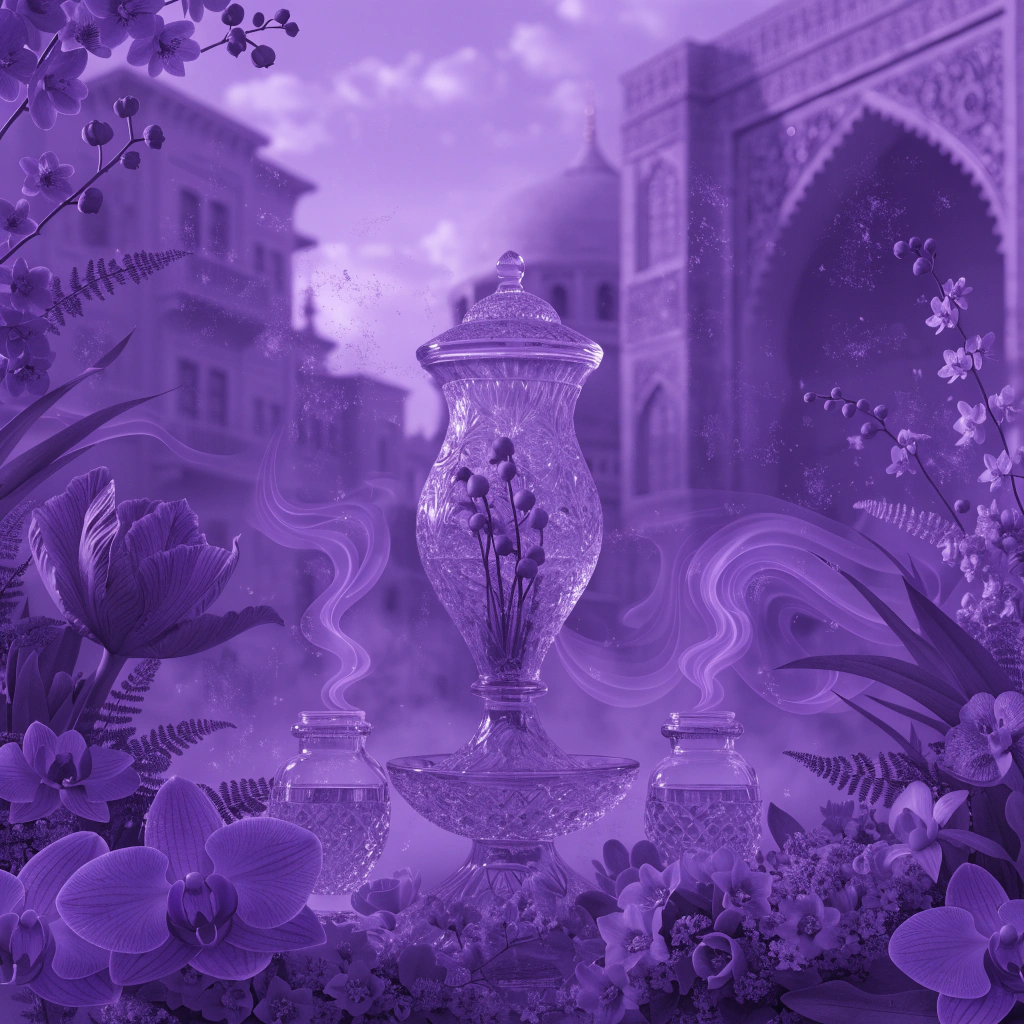
이란의 특별한 새해, 노루즈
이란에는 '노루즈'라는 아주 특별한 날이 있습니다. 노루즈는 이란의 큰 새해 명절입니다. 이 날은 추운 겨울이 지나고 따뜻한 봄이 시작하는 날입니다.
사람들은 새해를 맞이하기 위해서 미리 준비를 많이 합니다. 먼저 살고 있는 집을 아주 깨끗하게 청소합니다. 이것을 이란말로 '카네 테카니'라고 부릅니다.
가족들은 모두 모여서 맛있는 음식을 함께 먹습니다. 그리고 서로 반갑게 인사를 나눕니다. 사람들은 "새해 복 많이 받으세요"라고 기쁘게 말합니다.
노루즈는 보통 13일 동안 길게 축제를 합니다. 이 기간에 사람들은 아주 행복합니다. 모든 사람들은 새로운 시작을 축하하고 기뻐합니다.
문법 스포트라이트
패턴: ~은/는
"노루즈는 이란의 큰 새해 명절입니다."
문장의 주제나 주인공을 나타낼 때 사용합니다. 명사 뒤에 붙여서 씁니다.
패턴: ~에
"이 기간에 사람들은 아주 행복합니다."
시간이나 장소를 나타낼 때 사용합니다. 명사 뒤에 바로 붙여서 씁니다.
이해도를 테스트하세요
10 질문 · A1 초급 · 무료 미리보기 1회
이 기사에서 배운 내용을 테스트하세요. 모든 질문에 답하여 XP를 획득하세요!
노루즈는 어느 나라의 새해입니까?
문제별 결과
노루즈는 어느 나라의 새해입니까?
내 답변:
정답: 이란
노루즈는 겨울이 시작하는 날입니다.
내 답변:
정답: 거짓
'음식'은 무엇입니까?
내 답변:
정답: 먹는 것
노루즈는 보통 _____일 동안 축제를 합니다.
내 답변:
정답: 13
Nowruz: The Persian New Year
Nowruz is the most important holiday in Iran. The name means "New Day" in English. People celebrate the arrival of spring and the start of the Persian year. This tradition is very old because it started more than 3,000 years ago.
Before the holiday, people are very busy. They do a special spring cleaning called "Khaneh-tekani". This means "shaking the house" in the Persian language. Families clean every room and buy new clothes. This cleaning is better than regular cleaning because it clears out the old year to make room for the new year.
The festival lasts for thirteen days. During this time, families visit their relatives and friends. Children usually get small gifts or money. The streets are more vibrant and colorful than usual. Everyone feels hope for the future. Iranian people celebrate because they want to start the new year with love and happiness. It is a time for renewal and family.
문법 스포트라이트
패턴: Comparatives with 'than'
"The streets are more vibrant and colorful than usual."
We use 'more' with long adjectives and the word 'than' to compare two things. This shows how the streets change during the holiday.
패턴: Connectors: Because
"This tradition is very old because it started more than 3,000 years ago."
The word 'because' is used to give a reason. It connects a situation with the fact that explains why it happened.
이해도를 테스트하세요
11 질문 · A2 초등급 · 무료 미리보기 1회
이 기사에서 배운 내용을 테스트하세요. 모든 질문에 답하여 XP를 획득하세요!
How long does the Nowruz festival last?
문제별 결과
How long does the Nowruz festival last?
내 답변:
정답: Thirteen days
The name 'Nowruz' means 'New Year' in English.
내 답변:
정답: 거짓
What does 'relative' mean?
내 답변:
정답: A family member
Families do a special spring _____ to prepare for the holiday.
내 답변:
정답: cleaning
Why do people do 'Khaneh-tekani'?
내 답변:
정답: To clear out the old year
이란의 새로운 시작: 봄을 맞이하는 '노루즈'
이란의 가장 큰 명절인 '노루즈(Nowruz)'를 아시나요? 이란어로 '새로운 날'이라는 뜻을 가진 노루즈는 페르시아의 새해이자 봄의 시작을 알리는 아주 중요한 축제입니다. 약 3,000년 전부터 이어져 온 이 전통은 이란 사람들에게 단순한 휴일이 아니라 희망과 새로운 시작을 의미합니다.
축제가 시작되기 몇 주 전부터 사람들은 '하네 테카니(Khaneh-tekani)'라고 불리는 대청소를 시작합니다. 이것은 한국어로 '집을 흔들다'라는 재미있는 뜻을 가지고 있는데, 집안의 낡은 먼지를 털어내고 새해를 맞이할 준비를 하는 과정입니다. 집안 구석구석을 깨끗하게 청소하면서 지난 해의 나쁜 기운도 함께 버린다고 믿습니다.
노루즈의 가장 상징적인 문화는 '하프트 신(Haft-sin)' 식탁을 차리는 것입니다. 이 식탁 위에는 페르시아어 알파벳 'S'로 시작하는 일곱 가지 물건을 정성스럽게 올립니다. 예를 들어 사과는 건강을, 마늘은 약을, 식초는 인내를 상징합니다. 가족들은 이 식탁 주위에 모두 모여 앉아 서로의 행복과 평화를 빌어줍니다.
약 13일 동안 이어지는 이 축제 기간에는 친척들을 방문하고 맛있는 음식을 나누어 먹으며 즐거운 시간을 보냅니다. 오랜 역사를 지키며 가족의 사랑을 확인하는 노루즈는 이란의 문화를 이해하는 데 가장 중요한 열쇠입니다.
문법 스포트라이트
패턴: -라고 불리다
"사람들은 '하네 테카니(Khaneh-tekani)'라고 불리는 대청소를 시작합니다."
어떤 대상의 이름이나 명칭을 나타낼 때 사용합니다. 명사 뒤에 붙어 다른 사람들이 그 대상을 어떻게 부르는지 설명합니다.
패턴: -면서
"깨끗하게 청소하면서 지난 해의 나쁜 기운도 함께 버린다고 믿습니다."
두 가지 행동이 동시에 일어날 때 사용합니다. 앞 문장의 행동과 뒤 문장의 행동이 함께 진행됨을 의미합니다.
이해도를 테스트하세요
11 질문 · B1 중급 · 무료 미리보기 1회
이 기사에서 배운 내용을 테스트하세요. 모든 질문에 답하여 XP를 획득하세요!
이란어로 '노루즈'는 무슨 뜻인가요?
문제별 결과
이란어로 '노루즈'는 무슨 뜻인가요?
내 답변:
정답: 새로운 날
노루즈는 약 300년 전부터 시작된 짧은 전통입니다.
내 답변:
정답: 거짓
'전통'의 뜻으로 올바른 것은 무엇인가요?
내 답변:
정답: 오래전부터 내려온 관습
하네 테카니는 한국어로 '집을 _____'라는 뜻입니다.
내 답변:
정답: 흔들다
하프트 신 식탁에 올리는 물건들은 어떤 알파벳으로 시작하나요?
내 답변:
정답: S
Nowruz: The Timeless Celebration of Renewal and Persian Heritage
Nowruz, which translates literally to 'New Day,' represents the most significant holiday in the Iranian calendar. It marks the precise moment of the spring equinox, signaling the astronomical beginning of the Persian year. This ancient festival, which has been observed for over three millennia, is deeply rooted in Zoroastrian traditions. It serves as a powerful manifestation of renewal, family bonds, and the enduring hope for a prosperous future.
Preparations for the festivities begin several weeks in advance. One of the most vital traditions is 'Khaneh-tekani,' or 'shaking the house.' It is a ritual whereby households are meticulously cleaned to purge the remnants of the past year. This thorough spring cleaning symbolizes the removal of negative energy and stagnant spirits, making room for fresh beginnings. Furthermore, the streets become vibrant with vendors selling flowers, particularly hyacinths and tulips, which symbolize the arrival of spring.
The centerpiece of every Iranian home during this period is the 'Haft-Sin' table. This decorative arrangement consists of seven specific items starting with the Persian letter 'S,' each carrying a profound symbolic meaning. For instance, 'Sabzeh' (wheat or lentil sprouts) represents rebirth and the rejuvenation of nature, while 'Seeb' (apple) symbolizes beauty and health. Other items, such as vinegar for age and patience, or garlic for medicine, are also included. Families gather around this table at the exact moment of the equinox to exchange gifts and well-wishes.
Social interaction is the cornerstone of the thirteen-day celebration. During this time, it is customary for younger family members to visit their elders, a practice that reinforces ancestral ties and community cohesion. By the time the final day arrives, millions of Iranians will have participated in outdoor picnics to ward off bad luck. This final day, known as 'Sizdah Bedar,' involves spending time in nature, effectively returning the 'Sabzeh' to the earth to symbolize the completion of the cycle.
In conclusion, Nowruz is more than just a calendar event; it is a cultural cornerstone that bridges the past and the present. Despite the modernization of society, the core values of the festival remain unchanged. It continues to commemorate the triumph of light over darkness and the cyclical beauty of the natural world, offering a universal message of peace and reconciliation.
문법 스포트라이트
패턴: Future Perfect
"By the time the final day arrives, millions of Iranians will have participated in outdoor picnics."
This tense is used to describe an action that will be completed before a specific point in the future. It is formed using 'will have' plus the past participle.
패턴: Passive Voice with Present Perfect
"This ancient festival, which has been observed for over three millennia, is deeply rooted in Zoroastrian traditions."
The passive voice is used here to focus on the festival rather than who observes it. The present perfect aspect indicates an action that started in the past and continues to the present.
패턴: Relative Adverb 'Whereby'
"It is a ritual whereby households are meticulously cleaned to purge the remnants of the past year."
'Whereby' is a formal relative adverb meaning 'by which' or 'through which.' It is used to explain the method or process by which something happens.
이해도를 테스트하세요
11 질문 · B2 중상급 · 무료 미리보기 1회
이 기사에서 배운 내용을 테스트하세요. 모든 질문에 답하여 XP를 획득하세요!
What does the ritual of 'Khaneh-tekani' primarily symbolize?
문제별 결과
What does the ritual of 'Khaneh-tekani' primarily symbolize?
내 답변:
정답: Clearing out negative energy to make room for new beginnings
The Haft-Sin table features seven items that all begin with the same Persian letter.
내 답변:
정답: 참
What does 'meticulously' mean in the context of the article?
내 답변:
정답: With extreme attention to detail
Nowruz marks the astronomical beginning of the Persian year, coinciding with the spring _____.
내 답변:
정답: equinox
How do Iranians typically spend the 13th day of Nowruz (Sizdah Bedar)?
내 답변:
정답: Participating in outdoor picnics
천년의 숨결을 간직한 봄의 전령: 이란의 노루즈(Nowruz)와 그 문화적 함의
만물이 생동하는 춘분을 기점으로 시작되는 '노루즈(Nowruz)'는 단순한 역법상의 새해를 넘어, 페르시아 문명의 정수와 철학이 집약된 문화적 유산이다. '새로운 날'을 뜻하는 이 절기는 3,000년 전 조로아스터교 시대로부터 그 뿌리를 찾을 수 있는데, 이는 인류가 보존해 온 가장 오래된 축제 중 하나로 손꼽힌다. 이란인들에게 노루즈는 단순히 달력을 넘기는 행위가 아니라, 겨우내 묵은 때를 벗겨내고 대지의 부활과 함께 인간 정신의 쇄신을 도모하는 성스러운 의식이라 할 수 있다.
노루즈를 맞이하는 준비 과정에서 가장 두드러지는 풍습은 '하네 테카니(Khaneh-tekani)'이다. 직역하자면 '집을 흔든다'는 의미인 이 대청소는 단순히 물리적인 공간을 정화하는 것에 그치지 않는다. 이는 과거의 부정적인 기운을 털어내고 새로운 희망을 맞이할 공간을 마련한다는 상징적 의미를 내포하고 있다. 이 시기 이란의 거리 곳곳은 꽃 향기와 함께 새 옷을 장만하려는 인파로 활기를 띠며, 이는 곧 공동체 전체가 공유하는 재생의 기쁨으로 승화된다.
노루즈의 백미는 단연 '하프트 신(Haft-sin)'이라 불리는 제단이다. 알파벳 'S'로 시작하는 일곱 가지 상징물을 차려놓는 이 전통은 각 요소마다 심오한 염원을 담고 있다. 생명력을 상징하는 보리 싹(Sabzeh), 사랑의 결실인 연등나무 열매(Senjed), 건강을 기원하는 사과(Seeb) 등은 자연과 인간의 조화로운 공존을 역설한다. 흥미로운 점은 이러한 고대 의례가 이슬람 도입 이후에도 사라지지 않고, 오히려 종교적 색채와 융합되어 이란만의 독특한 정체성을 형성하는 기틀이 되었다는 사실이다.
축제는 13일 동안 지속되며, 그 대미는 '시즈다 베다르(Sizdah Bedar)'가 장식한다. 숫자 13을 불길하게 여기는 관습에서 기원하여, 이날 사람들은 집을 떠나 자연으로 나감으로써 액운을 멀리하고 대지의 생명력을 온몸으로 받아들인다. 이처럼 노루즈는 과거와 현재, 신화와 현실이 교차하는 지점에서 이란인들의 삶을 지탱하는 정신적 지주 역할을 수행하고 있다. 결국 노루즈가 우리에게 시사하는 바는, 끊임없이 순환하는 자연의 섭리 속에서 인간은 늘 새로운 시작을 꿈꿀 수 있다는 불변의 희망인 것이다.
문법 스포트라이트
패턴: ~이라 할 수 있다
"인간 정신의 쇄신을 도모하는 성스러운 의식이라 할 수 있다."
어떤 사실이나 현상에 대해 정의를 내리거나 필자의 판단을 완곡하게 표현할 때 사용합니다.
패턴: ~에 그치지 않다
"단순히 물리적인 공간을 정화하는 것에 그치지 않는다."
어떤 상태나 범위가 한정된 수준에 머물지 않고 그 이상임을 나타낼 때 쓰입니다.
패턴: ~ㄴ/은/는 바
"결국 노루즈가 우리에게 시사하는 바는..."
앞의 내용이 뒤의 내용의 근거나 상황이 됨을 나타내거나, '것'과 유사하게 명사적 의미로 쓰여 내용을 강조합니다.
이해도를 테스트하세요
12 질문 · C1 고급 · 무료 미리보기 1회
이 기사에서 배운 내용을 테스트하세요. 모든 질문에 답하여 XP를 획득하세요!
본문에서 언급된 '하네 테카니'의 진정한 의미는 무엇입니까?
문제별 결과
본문에서 언급된 '하네 테카니'의 진정한 의미는 무엇입니까?
내 답변:
정답: 과거의 부정적인 것을 털어내고 새 희망을 준비하는 상징적 정화
노루즈는 이슬람교가 도입된 이후 그 전통이 완전히 사라졌다.
내 답변:
정답: 거짓
'심오하다'의 의미와 가장 가까운 것은?
내 답변:
정답: 뜻이 깊고 오묘하다
노루즈 축제의 13일째 되는 날, 자연으로 나가 액운을 쫓는 행사를 _____라 한다.
내 답변:
정답: 시즈다 베다르
하프트 신(Haft-sin) 제단에 올라가는 물건들의 공통점은 무엇입니까?
내 답변:
정답: 모두 알파벳 'S'로 시작하는 명칭을 가졌다
노루즈는 천문학적으로 춘분을 기점으로 시작된다.
내 답변:
정답: 참
The Ontological Resonance of Nowruz: A Palimpsest of Iranian Identity
The phenomenon of Nowruz, or the 'New Day,' serves as a profound temporal and spiritual anchor within the Persianate world, transcending mere calendrical transition to embody a primordial celebration of cosmic renewal. Occurring at the precise moment of the vernal equinox, Nowruz is not merely a vestigial remnant of an agrarian past but a living palimpsest of Iranian identity that has survived three millennia of socio-political metamorphosis. Were one to examine the cultural fabric of Iran, it would become evident that Nowruz represents the ultimate confluence of Zoroastrian cosmology and subsequent Islamic interpretations, maintaining a tenacity that defies the reductive labels of 'tradition' or 'holiday.' The celebration officially falls within the purview of UNESCO's Intangible Cultural Heritage of Humanity, reflecting its global significance as a bridge between ancient heritage and contemporary life.
Central to the inception of the festivities is the concept of 'Khaneh-tekani,' literally translated as 'shaking the house.' While a cursory observation might dismiss this as a rigorous spring cleaning, a more analytical perspective reveals it to be a ritualistic purgation. It is an endeavor to cleanse the domestic sphere of the accumulated malaise of the previous year, both physical and metaphysical. This process of purification is emblematic of the broader Iranian ethos, where the external environment must reflect an internal state of readiness for the 'New Day.' This liminality—the state of being between the old and the new—is navigated through such acts of renewal, ensuring that the individual is not merely a passive observer of time but an active participant in the cosmic restoration of order, or 'Asha.'
The semiotic centerpiece of the celebration is the 'Haft-Sin' table, an allegorical arrangement of seven items beginning with the Persian letter 'S.' Each component is a talismanic representation of a specific virtue or natural force: 'Sabzeh' (wheat or lentil sprouts) for rebirth, 'Samanu' (sweet pudding) for affluence, 'Senjed' (dried oleaster fruit) for love, 'Seer' (garlic) for medicine, 'Seeb' (apple) for beauty, 'Somagh' (sumac berries) for the sunrise, and 'Serkeh' (vinegar) for age and patience. It is often posited that the arrangement serves as a microcosm of the universe, where the human condition is balanced against the elements of nature. The inclusion of a mirror, candles, and a holy book further underscores the syncretic nature of the contemporary observance, blending the atavistic reverence for light with modern spiritual devotion.
Furthermore, the ritual of 'Chaharshanbe Suri,' the Festival of Fire held on the eve of the last Wednesday of the year, exemplifies the transformative power of the elements. Participants leap over bonfires, chanting a plea for the fire to take their 'pallor' and grant its 'redness'—a symbolic exchange of sickness for health. This act of purification by fire, though ostensibly simple, is rooted in deep-seated beliefs regarding the sanctity of the elements. Rarely has a tradition managed to preserve such primordial significance while adapting to the constraints of modern urban life. The festivities culminate on the thirteenth day, 'Sizdah Bedar,' where the populace retreats into nature to avoid the perceived ill-fortune of the number thirteen. This mass exodus to parks and countrysides is more than a mere pastoral excursion; it is a reintegration with the natural world. By releasing the 'Sabzeh' into running water, Iranians symbolically return the essence of life to the earth, completing the cycle of renewal.
In conclusion, Nowruz remains an enduring testament to the resilience of Iranian culture. It is a celebration that, despite the ephemeral nature of political structures, continues to provide a sense of continuity and hope. Through its complex rituals and deep-seated symbolism, Nowruz invites a scholarly appreciation of how a society can harmonize its ancient heritage with the demands of the present, ensuring that the 'New Day' is always greeted with a rejuvenated spirit.
문법 스포트라이트
패턴: Subjunctive Mood for Hypothetical Analysis
"Were one to examine the cultural fabric of Iran, it would become evident that Nowruz represents the ultimate confluence of Zoroastrian cosmology and subsequent Islamic interpretations."
The 'were + subject' structure is used to create a formal hypothetical condition. It replaces 'if one were to examine' to provide a more academic and sophisticated tone.
패턴: Negative Inversion for Emphasis
"Rarely has a tradition managed to preserve such primordial significance while adapting to the constraints of modern urban life."
When a negative or restrictive adverb like 'rarely' starts a sentence, the auxiliary verb and subject are inverted. This structure is used to place dramatic emphasis on the rarity of the occurrence.
패턴: Academic Hedging with Passive Voice
"It is often posited that the arrangement serves as a microcosm of the universe, where the human condition is balanced against the elements of nature."
Hedging phrases like 'it is often posited' allow the writer to present a theory or interpretation without claiming absolute certainty. It is a hallmark of scholarly and analytical prose.
이해도를 테스트하세요
12 질문 · C2 마스터 · 무료 미리보기 1회
이 기사에서 배운 내용을 테스트하세요. 모든 질문에 답하여 XP를 획득하세요!
What is the primary thesis regarding Nowruz according to the article?
문제별 결과
What is the primary thesis regarding Nowruz according to the article?
내 답변:
정답: It is a complex cultural palimpsest representing Iranian identity and renewal.
The author suggests that 'Khaneh-tekani' is solely a physical cleaning task with no spiritual depth.
내 답변:
정답: 거짓
Which word describes the state of being in a transitional phase between the old and the new?
내 답변:
정답: Liminality
The process of Khaneh-tekani is described as a ritualistic _____ to clear out the previous year's malaise.
내 답변:
정답: purgation
What does the 'Haft-Sin' table symbolize in the text?
내 답변:
정답: A talismanic microcosm of the universe and human virtues.
Nowruz is recognized by UNESCO as part of the Intangible Cultural Heritage of Humanity.
내 답변:
정답: 참

