
ایران
Irã
Sobre Irã
Iran is a mountainous West Asian nation that serves as a historic bridge between the Middle East, Central Asia, and the Caucasus. As one of the world's oldest continuous civilizations, it possesses a legacy of profound contributions to global art, poetry, and philosophy. Its cultural identity is a unique blend of ancient Persian traditions and Islamic influences, reflected in its diverse ethnic tapestry and renowned hospitality.
Dados rápidos
Capital
Tehran
População
83,992,949
Região
Asia · Southern Asia
Moeda
Iranian Rial (IRR)
Idiomas falados

Persa
فارسی
Você sabia?
The English word 'paradise' originates from the Old Persian word 'pairi-daeza,' which refers to a lush, enclosed garden.
Persian rug weavers often intentionally include a small flaw in their intricate designs to reflect the belief that only God is perfect.
In traditional Iranian culture, the 'thumbs up' gesture is considered a vulgar insult, though its meaning is slowly shifting in modern urban areas.
Iran is the last remaining habitat of the critically endangered Asiatic Cheetah, which still survives in the country's central desert regions.
Marcos famosos
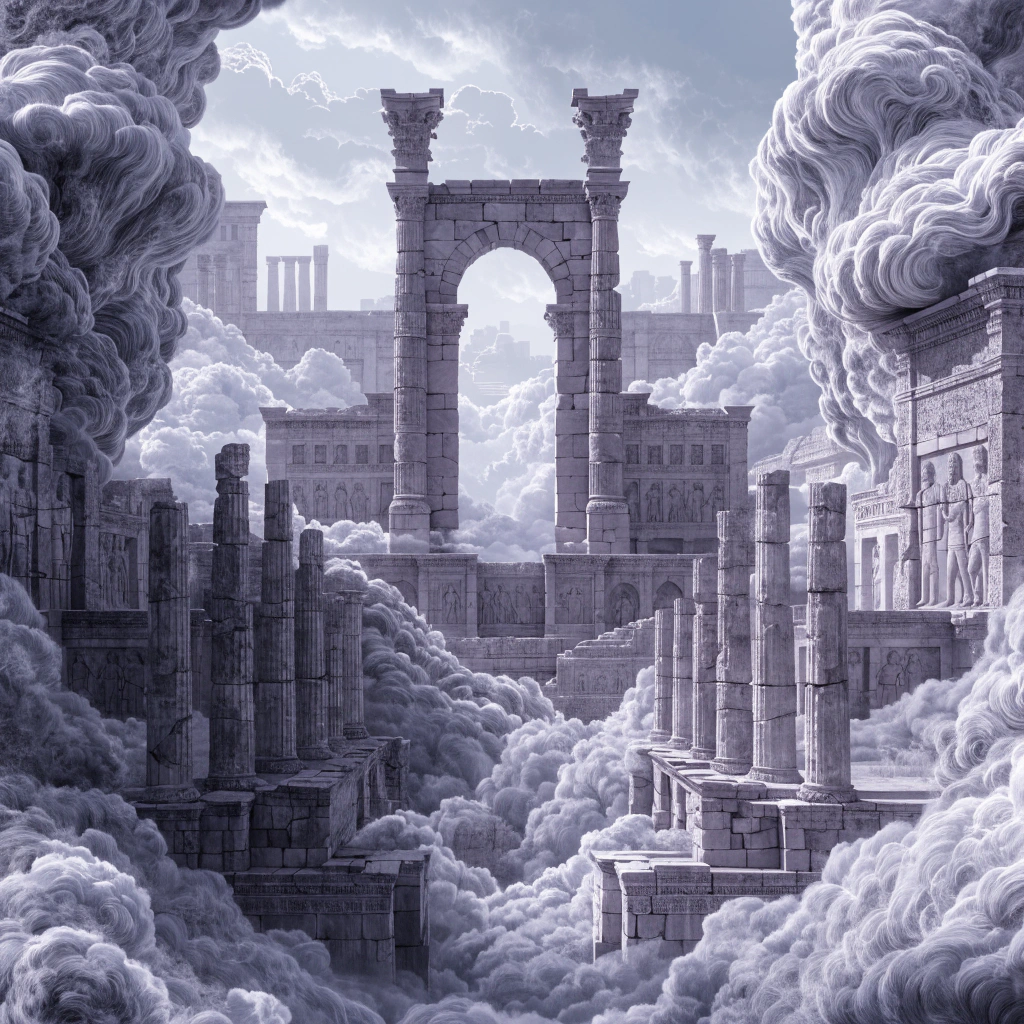
Persepolis
The ceremonial capital of the Achaemenid Empire, Persepolis stands as a monumental testament to ancient Persian grandeur and architectural sophistication.
Ler mais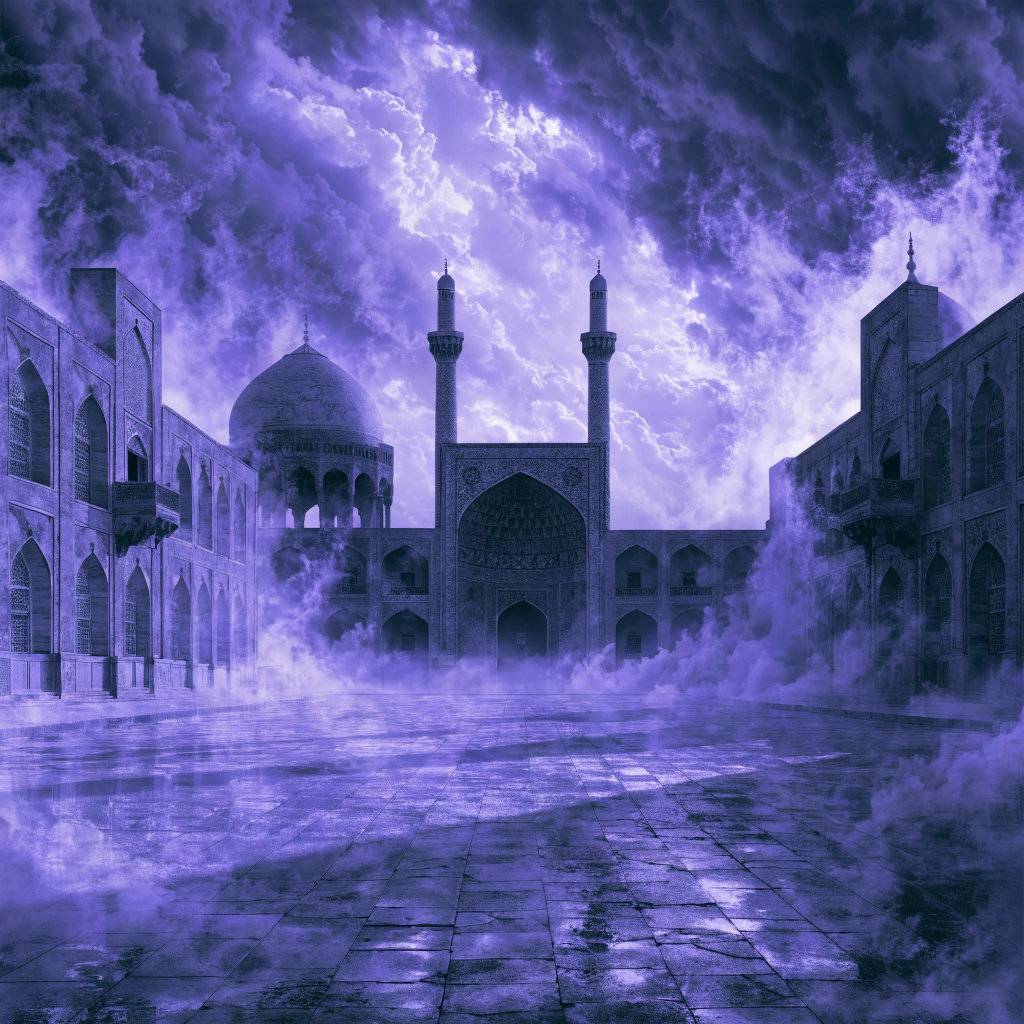
Naqsh-e Jahan Square
Located at the heart of Isfahan, this UNESCO World Heritage site is one of the largest and most beautiful public squares in the world, flanked by Safavid-era masterpieces.
Ler mais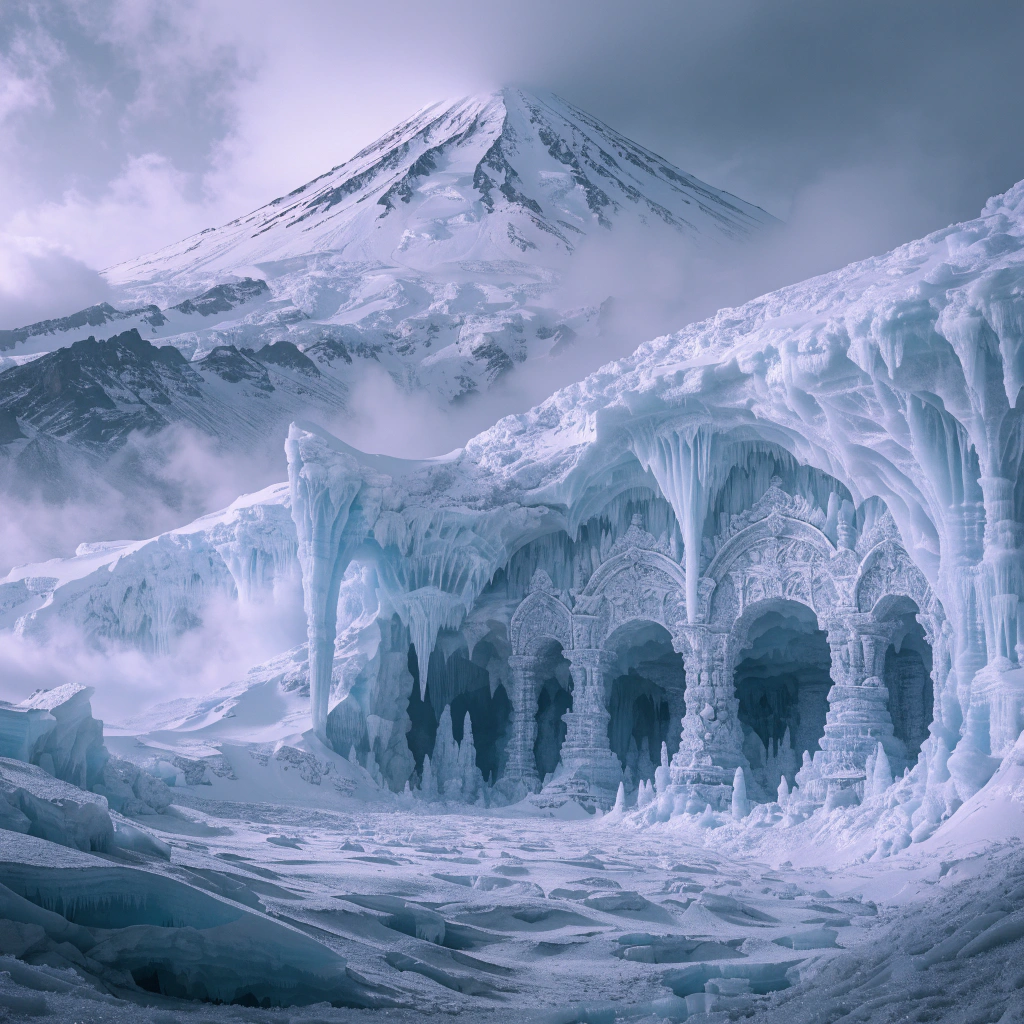
Mount Damavand
As the highest peak in Iran and the Middle East, this majestic potentially active stratovolcano holds a sacred place in Persian mythology and literature.
Ler mais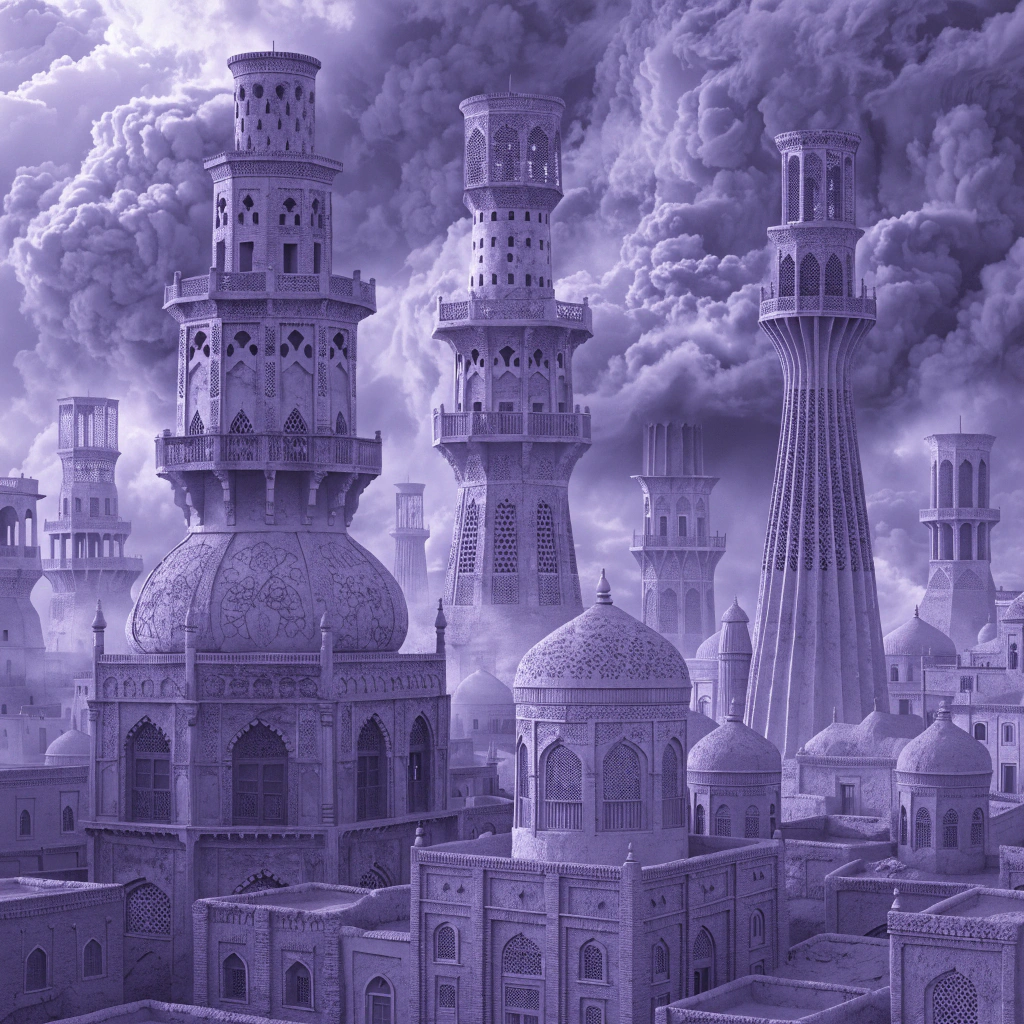
A Cidade Histórica de Yazd
Famosa por sua arquitetura única no deserto, Yazd é um museu vivo de antigos captadores de vento, qanats e o legado incrível da cultura zoroastrista.
Ler maisCulinária
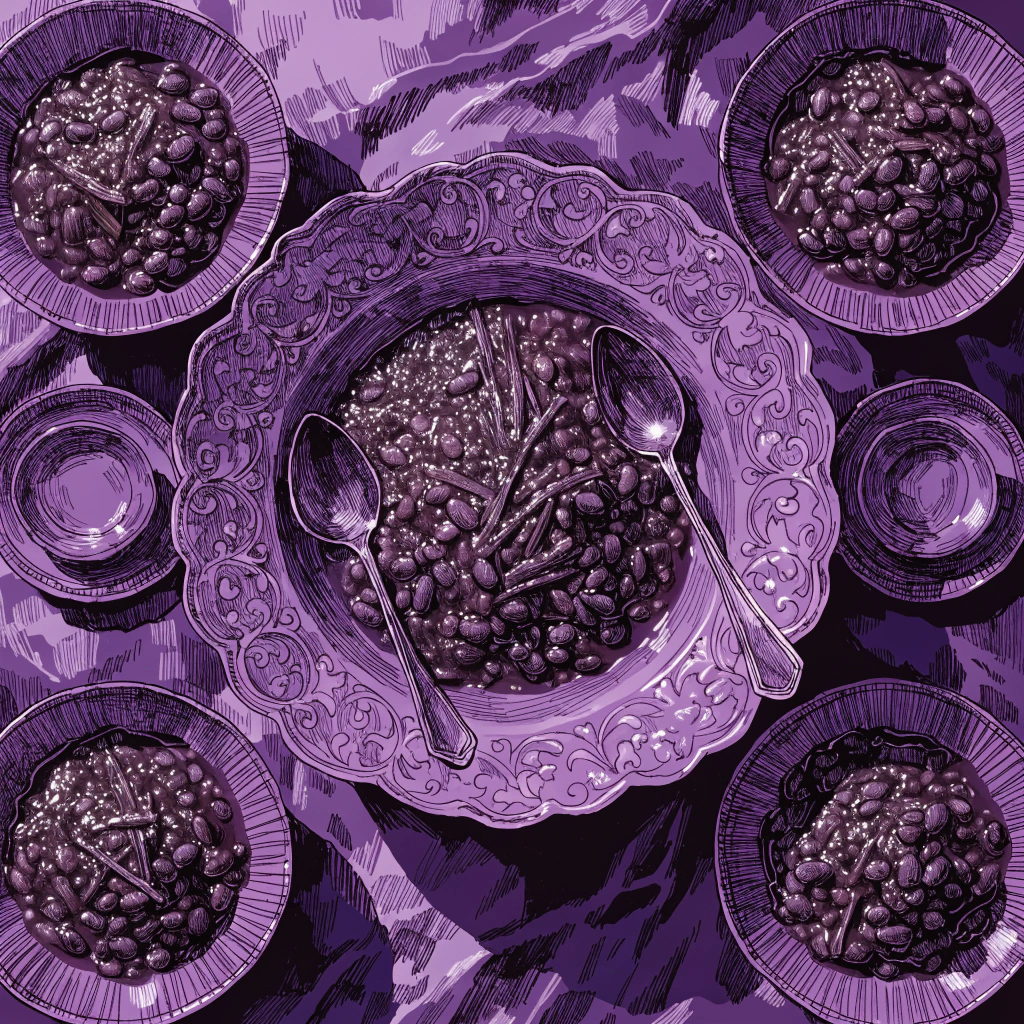
Ghormeh Sabzi
A fragrant, slow-cooked herb stew often considered the national dish of Iran.
Ler mais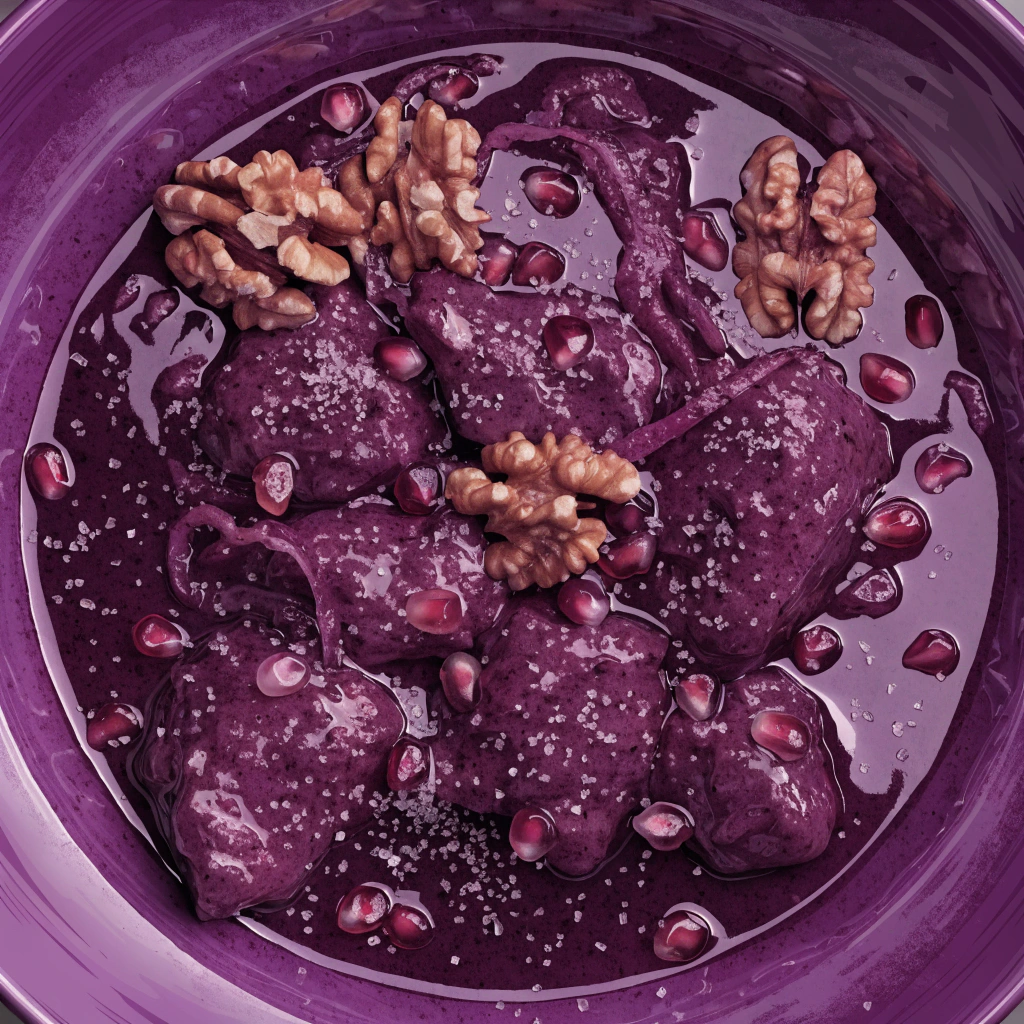
Fesenjan
Um ensopado rico e aveludado feito com nozes moídas e melaço de romã, tradicionalmente reservado para celebrações especiais.
Ler mais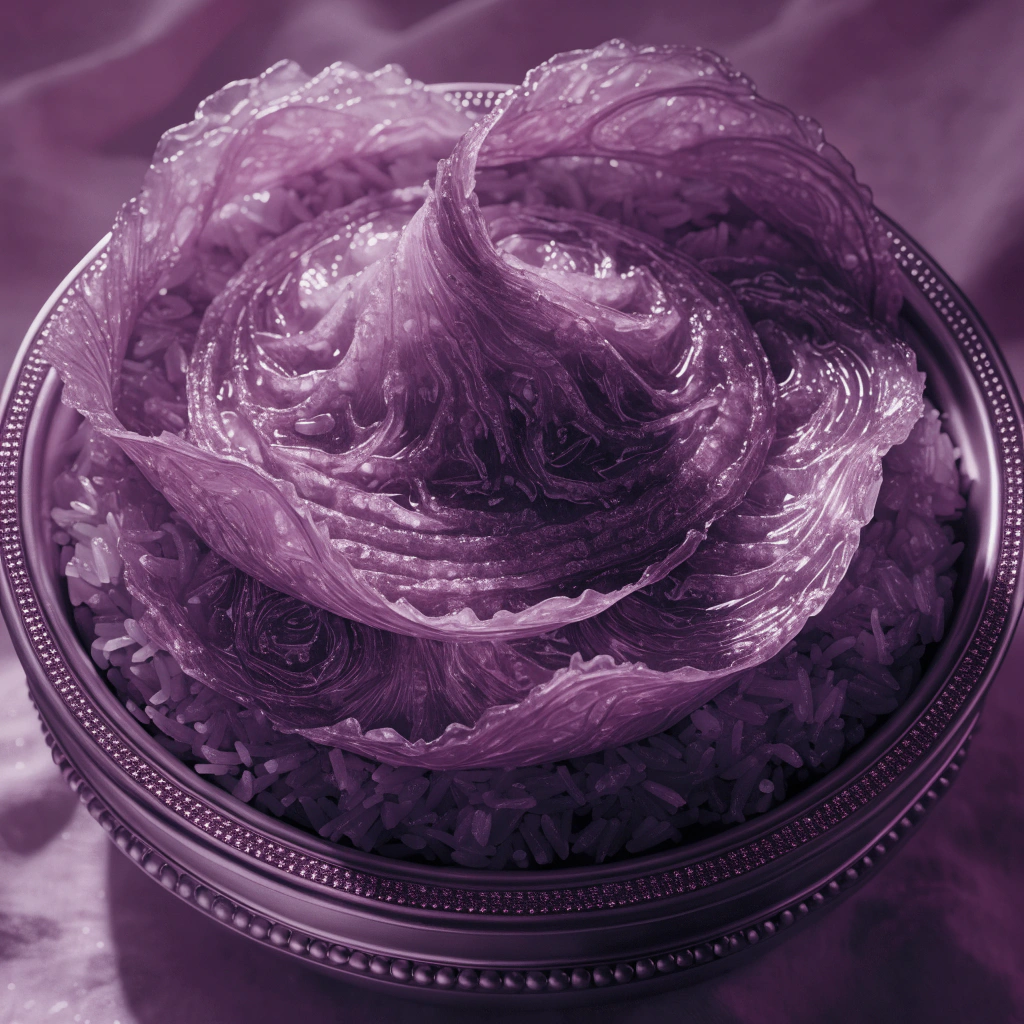
Tahdig
The prized, crunchy golden crust from the bottom of the rice pot that is the most coveted part of any Iranian meal.
Ler mais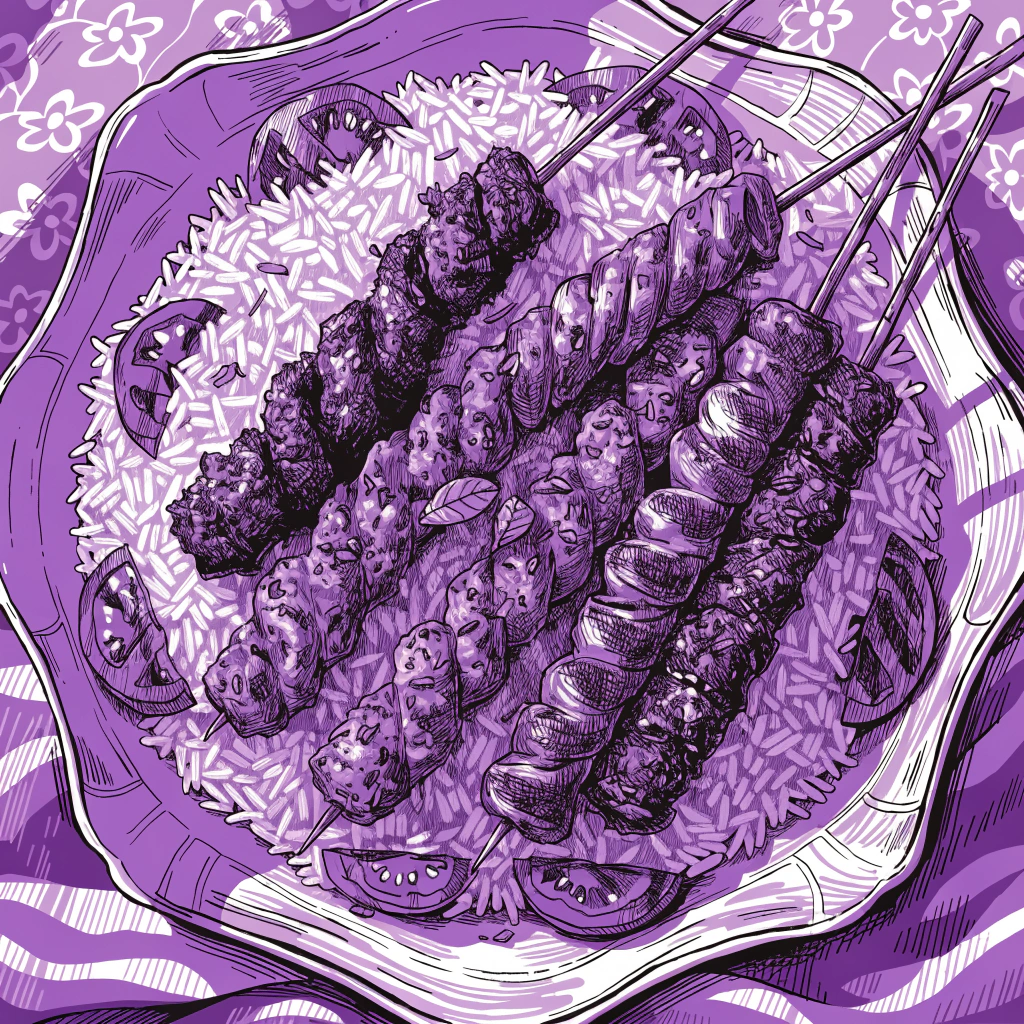
Chelow Kabab
The quintessential Iranian restaurant dish featuring grilled skewers of meat served with buttery saffron rice and grilled tomatoes.
Ler maisMúsica e artes
Iran's music and arts are defined by a sophisticated interplay between ancient modal systems, intricate visual narratives, and ritualistic performance. These traditions, ranging from the meditative melodies of the classical Radif to the vibrant details of Persian miniature painting, reflect a deep spiritual and philosophical connection to the nation's literary heritage and historical identity.
Artes tradicionais
Eventos e festivais
Fajr International Film Festival
FebruaryThe most prestigious cinematic event in Iran, showcasing the best of domestic and international filmmaking in Tehran.
Ler mais
Nowruz (Ano Novo Persa)
March 21A celebração milenar do equinócio de primavera, marcando o início do Ano Novo Persa e o renascimento da natureza.
Ler mais
Festival da Água de Rosas (Golab-giri)
May-JuneUm festival de primavera super perfumado na região de Kashan, onde as famosas rosas Mohammadi são colhidas e destiladas.
Ler mais
Tirgan Festival
JulyAn ancient mid-summer water festival celebrating the legend of Arash the Archer and praying for rain.
Ler mais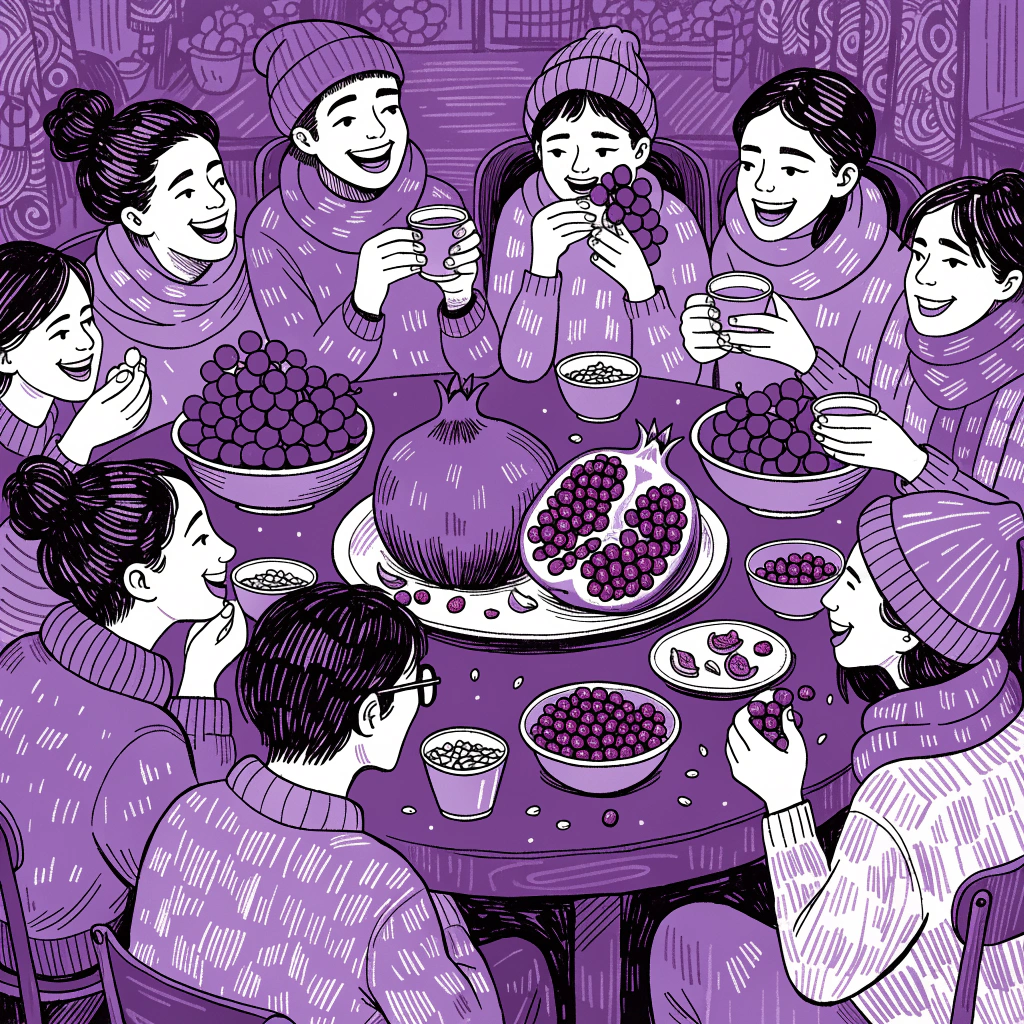
Yalda Night (Shab-e Yalda)
December 21The winter solstice celebration where families gather to stay awake through the longest night, welcoming the return of the sun.
Ler maisFrases de viagem
سلام
Salâm
Hello
روز بخیر
Ruz bekheyr
Greeting (Good day)
ممنون
Mamnun
Thank you
حالتون چطوره؟
Hâletun chetore?
How are you?
لطفاً
Lotfan
Please
ببخشید
Bebakhshid
Excuse me / Sorry
Estilo de vida e costumes
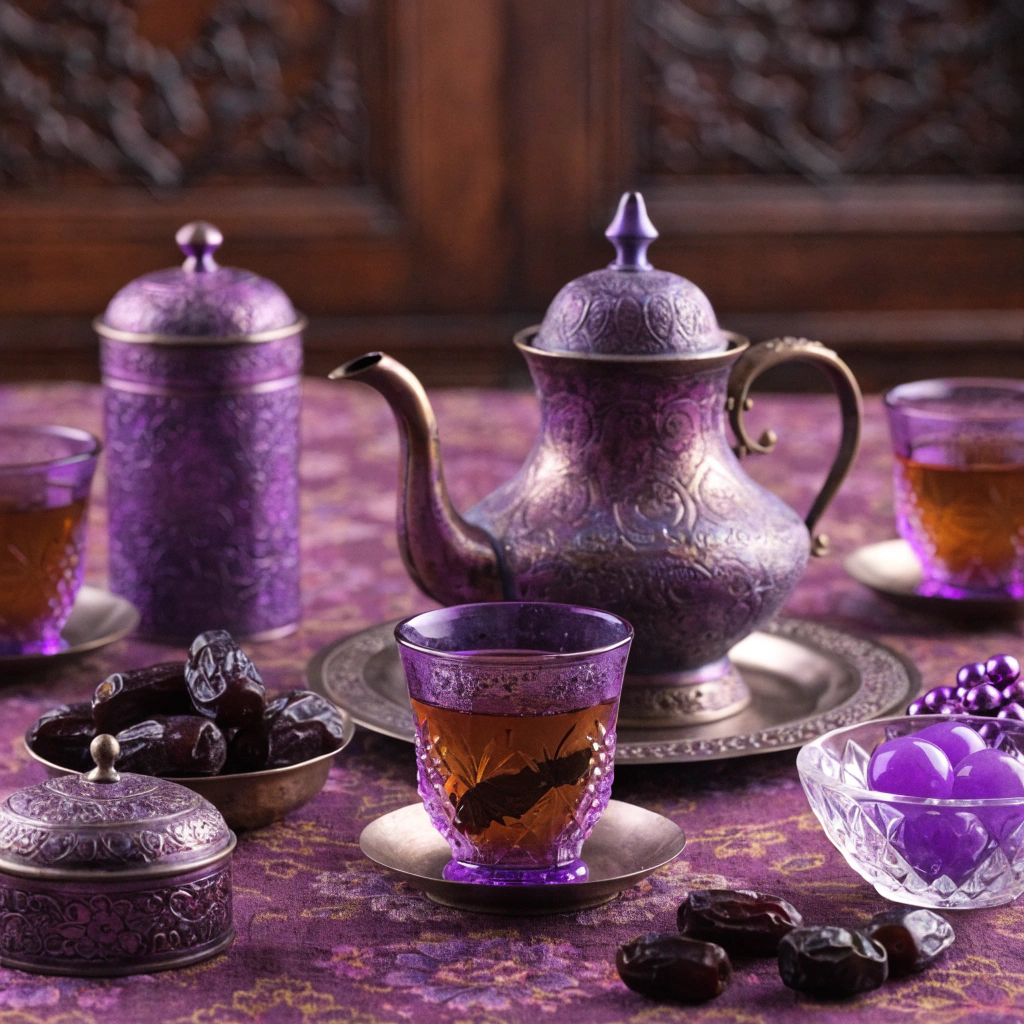
Taarof: The Art of Persian Etiquette
An intricate system of social ritual and polite refusal that governs everything from business deals to dinner invitations in Iranian culture.
Ler mais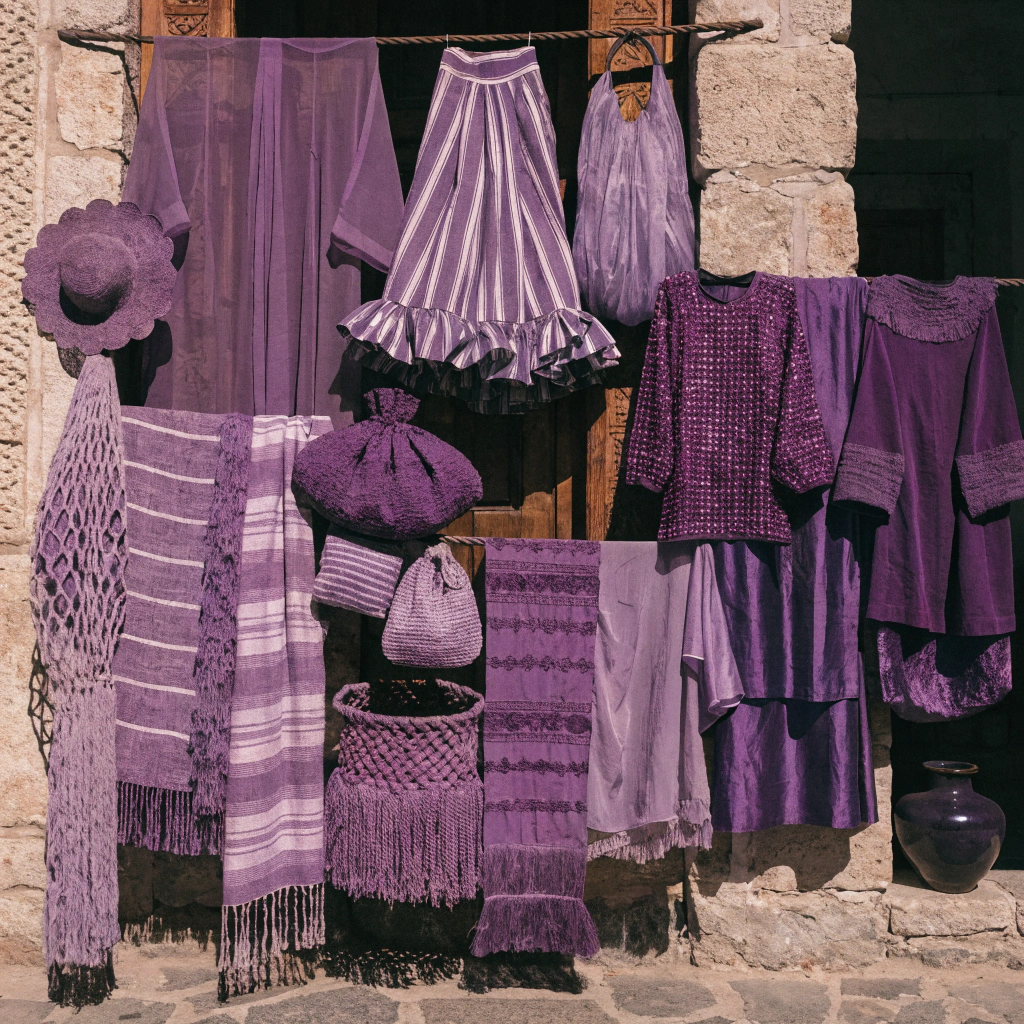
Poushāk-e Sonnati: A Tapeçaria dos Trajes Regionais
Uma coleção vibrante de vestimentas tradicionais que variam conforme a província, refletindo o diverso mosaico étnico do Iran por meio de cores, bordados e arte têxtil.
Ler mais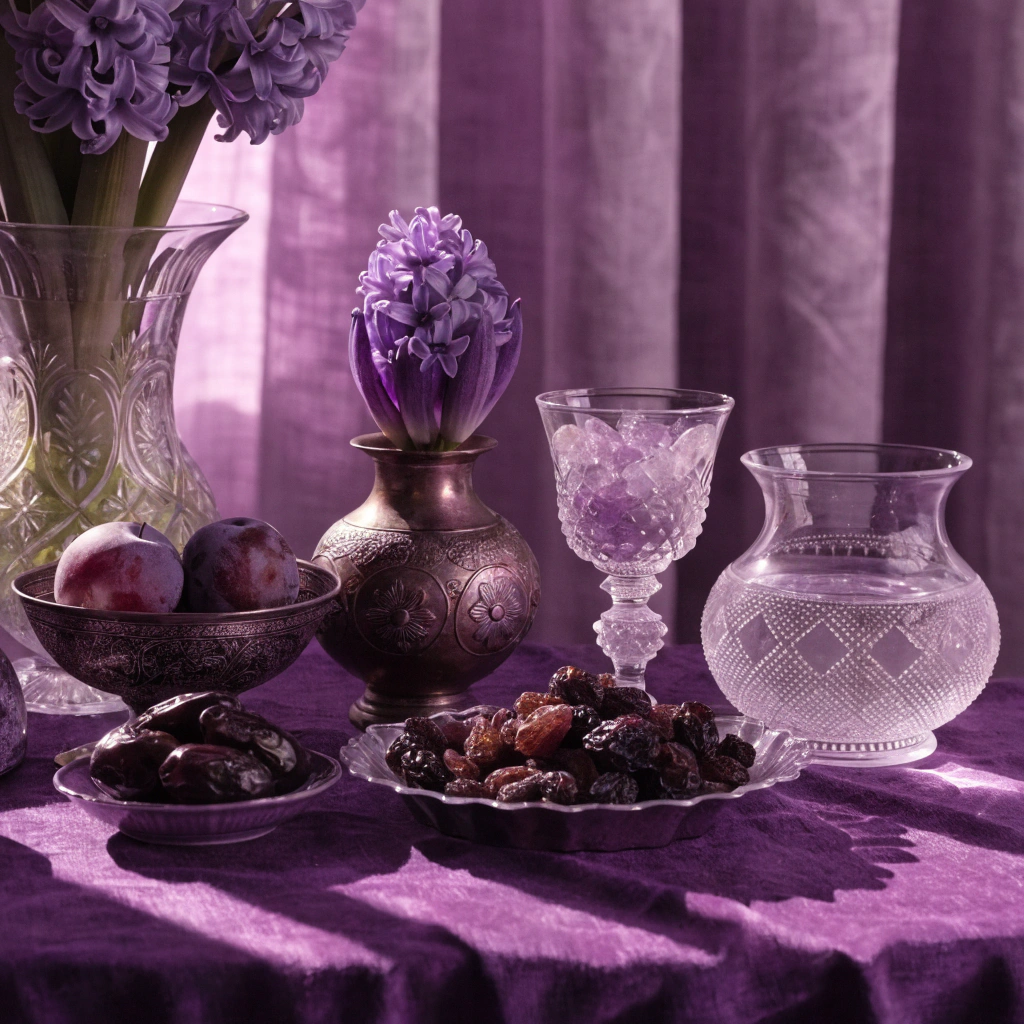
Sofreh-e Haft-Seen: The Symbolic Table of Nowruz
The central ritual of the Iranian New Year involving a beautifully arranged table of seven items that symbolize rebirth, health, and prosperity.
Ler maisDicas de etiqueta
Practice 'Taarof' by politely refusing food, drinks, or gifts two or three times before finally accepting.
Accept an offer immediately, as the first few offers are often a social formality rather than a genuine invitation.
Dress modestly in public; women should wear a headscarf (hijab) and loose clothing covering the arms and legs.
Wear shorts, sleeveless tops, or revealing clothing in public spaces, especially in religious areas.
Offer a polite verbal greeting or a slight nod to members of the opposite gender.
Initiate physical contact or a handshake with someone of the opposite gender unless they offer their hand first.
Show approval with a simple smile or a nod of the head.
Use the 'thumbs up' gesture, which has traditionally been considered an offensive sign in Iranian culture.
Explorar mais países em Southern Asia

Aprenda Persa para se conectar com Irã
Comece a aprender Persa com vídeos, exercícios e ferramentas de IA no SubLearn.
Começar a estudar
