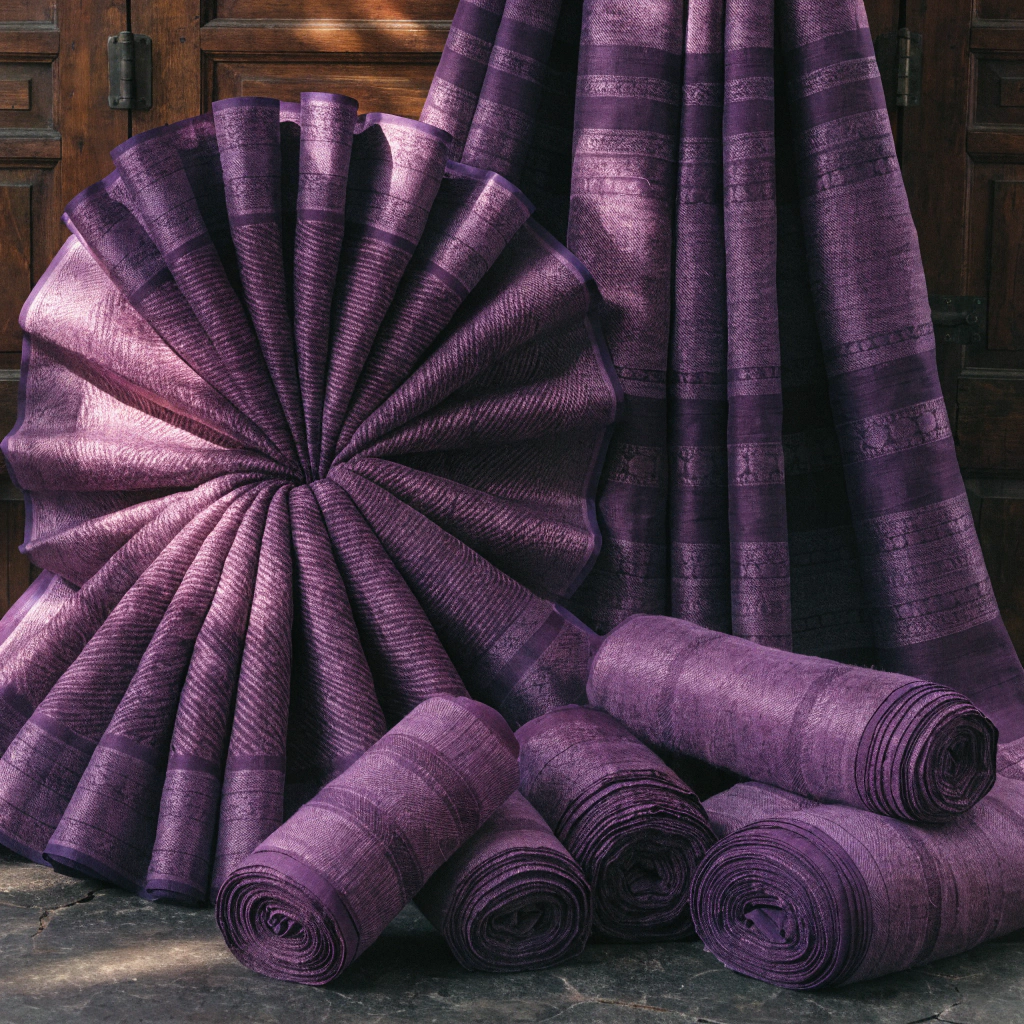
인도의 아름다운 옷, 사리
사리는 인도의 전통 옷입니다. 이 옷은 아주 오래된 역사가 있습니다. 인도 사람들은 사리를 아주 좋아합니다. 사리는 정말 아름답습니다.
사리는 아주 깁니다. 보통 5미터에서 9미터 정도입니다. 이 옷은 한 장의 긴 천으로 만듭니다. 바느질을 하지 않습니다. 그래서 신기합니다.
인도 여자들은 사리를 매일 입습니다. 몸에 예쁘게 감아서 입습니다. 사리의 색깔은 아주 다양합니다. 빨간색, 노란색, 파란색 사리가 있습니다. 사리는 아주 우아합니다.
문법 스포트라이트
패턴: ~입니다
"사리는 인도의 전통 옷입니다."
명사 뒤에 붙어서 문장을 끝낼 때 사용합니다. 주어의 상태나 정체를 정중하게 말합니다.
패턴: -은/는
"사리는 아주 깁니다."
문장의 주제나 대조를 나타낼 때 사용합니다. 명사 뒤에 붙여서 그 명사에 대해 설명합니다.
이해도를 테스트하세요
10 질문 · A1 초급 · 무료 미리보기 1회
이 기사에서 배운 내용을 테스트하세요. 모든 질문에 답하여 XP를 획득하세요!
사리는 어느 나라의 옷입니까?
문제별 결과
사리는 어느 나라의 옷입니까?
내 답변:
정답: 인도
사리는 아주 짧은 옷입니다.
내 답변:
정답: 거짓
'천'은 무엇입니까?
내 답변:
정답: 옷을 만드는 재료
사리는 인도의 _____ 옷입니다.
내 답변:
정답: 전통
The Beautiful Saree of India
The saree is a very famous piece of clothing from India. It is one of the oldest garments in the world. People first wore it thousands of years ago during the ancient Indus Valley Civilization. The word 'saree' comes from an old language, and it means a strip of cloth.
A saree is a single piece of long cloth. It is usually between five and nine yards long. Women wrap the fabric around their bodies in many different ways. They often wear it with a small, fitted top. It is more beautiful than many modern clothes because it has many bright colors and patterns.
In the past, most Indian women wore sarees every day. Today, some women wear them for work, but many people save them for special weddings or festivals. Every part of India has its own special style and design. The saree is a very important symbol of Indian identity and history.
문법 스포트라이트
패턴: Past Simple
"People first wore it thousands of years ago."
The past simple is used for finished actions in the past. For irregular verbs like 'wear', the form changes to 'wore'.
패턴: Comparatives with 'more'
"It is more beautiful than many modern clothes."
For long adjectives like 'beautiful', we use 'more' + adjective + 'than' to compare two things. It shows one has a higher quality than the other.
이해도를 테스트하세요
11 질문 · A2 초등급 · 무료 미리보기 1회
이 기사에서 배운 내용을 테스트하세요. 모든 질문에 답하여 XP를 획득하세요!
How long is a standard saree cloth?
문제별 결과
How long is a standard saree cloth?
내 답변:
정답: 5 to 9 yards
The saree is a modern invention from the last ten years.
내 답변:
정답: 거짓
What is a 'pattern'?
내 답변:
정답: A repeated decorative design
The saree is a very important _____ of Indian identity.
내 답변:
정답: symbol
What does the word 'saree' mean in its original language?
내 답변:
정답: A strip of cloth
인도의 전통 의상, 사리: 6야드의 영원한 아름다움
인도의 전통 의상인 '사리'는 인도의 정체성을 상징하는 가장 대표적인 옷입니다. 사리는 세계에서 가장 오래된 의상 중 하나로 알려져 있습니다. 고대 인더스 문명 때부터 입기 시작한 사리는 산스크리트어로 '천 한 조각'이라는 뜻의 '사티'에서 유래되었습니다. 사리는 바느질을 하지 않은 긴 천 하나로 이루어져 있습니다. 보통 길이는 5미터에서 9미터 정도이며, 이 천을 몸에 여러 번 감아서 입습니다. 사리를 입을 때는 몸에 딱 맞는 상의인 '블라우스'와 긴 속치마를 함께 입는 것이 일반적입니다. 천을 어떻게 감느냐에 따라 수백 가지의 다양한 스타일이 만들어지기도 합니다.
사리는 단순한 옷을 넘어 인도의 예술과 기술을 보여줍니다. 지역마다 사용하는 옷감과 무늬가 다르기 때문에 사리만 보고도 그 사람이 어느 지역 출신인지 알 수 있습니다. 과거에는 주로 면이나 실크로 만들어졌지만, 현대에는 더 다양한 재료가 사용되고 있습니다. 오늘날에도 인도의 여성들은 결혼식이나 축제 같은 특별한 날에 사리를 즐겨 입습니다. 사리는 유행을 타지 않는 아름다움을 가지고 있어서 세대를 거쳐 어머니가 딸에게 물려주기도 합니다. 이처럼 사리는 인도의 과거와 현재를 이어주는 소중한 문화유산입니다.
문법 스포트라이트
패턴: -아/어/여지다
"수백 가지의 다양한 스타일이 만들어지기도 합니다."
동사 뒤에 붙어서 피동의 의미(어떤 일이 저절로 되거나 남의 힘에 의해 됨)를 나타냅니다. 여기서는 스타일이 사람들에 의해 '만들어짐'을 의미합니다.
패턴: -느냐에 따라
"천을 어떻게 감느냐에 따라 수백 가지의 다양한 스타일이 만들어지기도 합니다."
앞의 행동이나 상황이 뒤에 오는 결과의 기준이나 조건이 됨을 나타냅니다. 감는 방법(기준)에 따라 결과(스타일)가 달라진다는 뜻입니다.
이해도를 테스트하세요
11 질문 · B1 중급 · 무료 미리보기 1회
이 기사에서 배운 내용을 테스트하세요. 모든 질문에 답하여 XP를 획득하세요!
사리의 어원인 '사티'는 무슨 뜻인가요?
문제별 결과
사리의 어원인 '사티'는 무슨 뜻인가요?
내 답변:
정답: 천 한 조각
사리는 여러 조각의 천을 바느질해서 만듭니다.
내 답변:
정답: 거짓
'문화유산'의 올바른 의미는 무엇인가요?
내 답변:
정답: 조상이 남긴 가치 있는 자산
사리는 인도의 _____을 상징하는 가장 대표적인 옷입니다.
내 답변:
정답: 정체성
사리의 길이는 보통 어느 정도인가요?
내 답변:
정답: 5~9미터
The Saree: Six Yards of Timeless Elegance
The saree, a garment synonymous with Indian heritage, represents far more than a mere length of fabric. Often referred to as "six yards of elegance," this unstitched strip of cloth has endured for millennia, tracing its origins back to the Indus Valley Civilization. Despite the influx of Western fashion trends, the saree remains a cornerstone of Indian identity, seamlessly blending ancient tradition with contemporary aesthetics.
Historically, the term "saree" is derived from the Sanskrit word 'sati', which translates to a strip of cloth. Over centuries, what began as a simple wrap has evolved into a sophisticated masterpiece of textile engineering. The beauty of the saree lies in its versatility; although it typically ranges from five to nine yards in length, it can be draped in hundreds of different ways depending on regional customs. Whether it is the Nivi drape of Andhra Pradesh or the pleated style of Maharashtra, each variation reflects a unique cultural narrative.
The production of a saree is often a labor-intensive process that showcases exceptional craftsmanship. Regions across India are renowned for their specific weaving techniques and motifs. For instance, the intricate silk work of a Banarasi saree or the vibrant gold-thread borders of a Kanjeevaram are highly sought after for weddings and formal ceremonies. These garments are not merely clothes; they are heirlooms passed down through generations, embodying the history and skill of the weavers who created them.
Furthermore, the saree’s longevity can be attributed to its adaptability. In a modern context, the saree has been reimagined by designers to suit the fast-paced lifestyle of the 21st-century woman. While it was once exclusively paired with a traditional blouse and petticoat, contemporary stylists now experiment with belts, jackets, and even trousers. This evolution ensures that the saree remains relevant, appealing to younger generations who wish to honor their heritage while expressing individual style.
Ultimately, the saree serves as a profound symbol of resilience. In an era dominated by mass-produced "fast fashion," the continued popularity of this hand-woven garment highlights a global appreciation for sustainable and meaningful attire. As long as there are stories to be told through thread and color, the saree will undoubtedly maintain its status as one of the world’s most iconic garments.
문법 스포트라이트
패턴: Present Perfect Passive
"the saree has been reimagined by designers to suit the fast-paced lifestyle"
This is used to show an action that happened at an unspecified time in the past and continues to have an effect on the present, focusing on the object rather than the subject. It is formed using 'has/have been' + past participle.
패턴: Non-defining Relative Clause
"the Sanskrit word 'sati', which translates to a strip of cloth."
This provides extra information about a noun (sati) that is not essential to the core meaning of the sentence. It is always separated by commas and uses the relative pronoun 'which'.
패턴: Concessive Clause with 'While'
"While it was once exclusively paired with a traditional blouse and petticoat, contemporary stylists now experiment with belts, jackets, and even trousers."
This structure is used to contrast two facts or ideas. 'While' introduces a subordinate clause that acknowledges a previous state, making the contrast in the main clause more significant.
이해도를 테스트하세요
11 질문 · B2 중상급 · 무료 미리보기 1회
이 기사에서 배운 내용을 테스트하세요. 모든 질문에 답하여 XP를 획득하세요!
What is the primary reason the article mentions the Nivi and Maharashtra styles?
문제별 결과
What is the primary reason the article mentions the Nivi and Maharashtra styles?
내 답변:
정답: To illustrate the regional versatility of the garment
The word 'saree' originally comes from a Sanskrit term meaning 'a stitched dress'.
내 답변:
정답: 거짓
What does 'intricate' mean in the context of the article?
내 답변:
정답: Highly detailed and complex
The saree is described as a _____ of Indian identity, meaning it is a fundamental part of it.
내 답변:
정답: cornerstone
How has the saree changed to appeal to modern generations?
내 답변:
정답: It is being paired with non-traditional items like jackets and trousers.
인도의 정체성을 수놓는 육 야드의 미학: 사리(Saree)의 역사와 문화적 함의
인도라는 거대한 문화적 모자이크 속에서 '사리(Saree)'만큼 그 정체성을 명징하게 드러내는 복식은 드물다. 기원전 2800년경 인더스 문명까지 그 기원이 거슬러 올라가는 이 의복은, 수천 년의 세월을 관통하며 단순한 가리개를 넘어 인도의 역사와 예술적 성취가 응축된 결정체로 진화해 왔다. 산스크리트어로 '천 조각'을 의미하는 '사티(Sati)'에서 유래한 사리는, 바느질하지 않은 5야드에서 9야드에 이르는 단 한 장의 직물을 몸에 감아 연출하는 독특한 방식을 취한다. 이는 인위적인 재단과 봉제를 최소화하고 인체의 곡선을 자연스럽게 살리는 인도 특유의 조형미를 극명하게 보여준다.
사리의 진정한 가치는 그 변화무쌍한 변용의 가능성에 있다. 인도의 광활한 영토만큼이나 다양한 지역적 특색은 수백 가지에 달하는 드레이핑(draping) 기법을 탄생시켰다. 북부의 우아한 스타일부터 남부의 화려한 실크 사리에 이르기까지, 각 지역의 직조 기술과 문양은 해당 공동체의 사회적 지위와 종교적 신념, 그리고 미적 기준을 투영한다. 사리는 실용적인 의복이거니와, 그 자체로 하나의 예술 작품으로서의 가치를 지닌다. 특히 사리는 단순한 의복의 기능을 넘어 한 여성의 생애 주기와 궤를 같이하며, 결혼식이나 종교 의례와 같은 중대한 실존적 순간마다 그 존재감을 드러낸다.
현대 사회의 급격한 서구화 물결 속에서도 사리가 생명력을 유지할 수 있었던 동력은 무엇인가? 이는 전통을 고수하면서도 현대적 감각을 수용하는 사리만의 유연성에서 기인한다. 오늘날의 사리는 전통적인 면과 실크뿐만 아니라 다양한 신소재와 결합하여 끊임없이 재해석되고 있다. 또한, 사리를 착용하는 행위 자체가 인도인들에게는 자국 문화에 대한 자긍심의 발로이자, 획일화된 글로벌 패션에 대항하는 문화적 저항의 상징으로 읽히기도 한다.
결국 사리는 단순한 '여섯 야드의 천'이 아니다. 그것은 과거와 현재를 잇는 매개체이자, 인도의 정신적 유산이 깃든 살아있는 박물관이다. 사리의 주름 하나하나에는 인도의 철학적 사유와 장인 정신이 깃들어 있으며, 이는 보는 이로 하여금 시공간을 초월한 경외심을 불러일으킨다. 전통의 보존과 현대적 변용 사이에서 균형을 잡으며 진화해 나가는 사리의 모습은, 우리에게 진정한 의미의 문화적 품격이 무엇인지를 시사하는 바가 크다.
문법 스포트라이트
패턴: -ㄴ/은/는 바
"진정한 의미의 문화적 품격이 무엇인지를 시사하는 바가 크다."
앞의 내용이 뒤의 내용의 근거나 상황이 됨을 나타낼 때 사용합니다. 주로 격식 있는 문어체에서 사용됩니다.
패턴: -(으)로 하여금
"이는 보는 이로 하여금 시공간을 초월한 경외심을 불러일으킨다."
어떤 대상에게 특정 감정이나 행동을 일으키게 하는 사동의 의미를 강조할 때 사용하는 표현입니다.
패턴: -거니와
"사리는 실용적인 의복이거니와, 그 자체로 하나의 예술 작품으로서의 가치를 지닌다."
앞의 사실을 인정하면서 그에 더해 다른 사실을 추가할 때 쓰는 연결 어미입니다.
이해도를 테스트하세요
12 질문 · C1 고급 · 무료 미리보기 1회
이 기사에서 배운 내용을 테스트하세요. 모든 질문에 답하여 XP를 획득하세요!
사리라는 명칭은 어디에서 유래했습니까?
문제별 결과
사리라는 명칭은 어디에서 유래했습니까?
내 답변:
정답: 산스크리트어의 '천 조각'
사리는 여러 장의 천을 바느질하여 이어 붙여서 만든다.
내 답변:
정답: 거짓
'명징하다'의 의미로 올바른 것은 무엇입니까?
내 답변:
정답: 분명하고 깨끗하다
사리는 인도의 정신적 유산이 깃든 살아있는 _____이다.
내 답변:
정답: 박물관
사리가 현대 사회에서도 생명력을 유지할 수 있는 주요 동력은 무엇입니까?
내 답변:
정답: 전통을 유지하면서도 현대적 감각을 수용하는 유연성
사리는 지역에 상관없이 모두 동일한 방식으로 몸에 감는다.
내 답변:
정답: 거짓
The Vestiary Lexicon of India: Deconstructing the Saree’s Ontological Persistence
To contemplate the Indian saree is to engage with a vestiary tradition that defies the transient whims of global fashion, positioning itself as a quintessential emblem of the Indian subcontinent’s cultural landscape. Seldom has a single strip of cloth, typically spanning six to nine yards, commanded such a profound influence over the identity of a civilization. This primordial garment represents an ontological bridge between the historical past and the fluid present, maintaining its relevance through millennia of social and political upheaval. Its origins, which can be traced back to the Indus Valley Civilization (2800–1800 BCE), reveal a garment that evolved from a utilitarian wrap into a sophisticated masterpiece of textile engineering. The etymological roots of the word ‘saree’ lie in the Sanskrit ‘sati’, a term denoting a strip of cloth, yet such a simplistic definition fails to encapsulate the garment’s semiotic depth.
The technical sophistication of the saree lies in its status as an unstitched entity. Unlike Western tailored garments, which impose a predetermined structure upon the wearer, the saree is a blank canvas of silk, cotton, or linen that adapts to the contours of the body. This lack of structural rigidity allows for a versatility that tailored garments, by their very nature, cannot emulate. The drape itself is a complex interplay of physics and aesthetics, where the weight of the fabric and the tension of the pleats work in tandem to create a silhouette that is both regal and functional. Should one traverse the diverse landscapes of India, one would encounter over eighty distinct draping styles, each articulating a unique regional semiotic. From the Nivi drape of Andhra Pradesh to the Kachha style of Maharashtra, these variations are not merely stylistic choices but are reflections of regional idiosyncrasies, climate, and social history.
Central to the saree’s aesthetic appeal is the ‘pallu’—the decorative end-piece that is traditionally draped over the shoulder. The pallu serves as the communicative heart of the garment, often featuring intricate motifs that tell stories of mythology, nature, or geometric precision. However, the saree is not an isolated piece of fabric; its modern iteration is typically paired with a fitted blouse, or ‘choli’, and a petticoat. It is worth noting that the ensemble we recognize today underwent a significant transformation during the colonial era. Under British influence, Victorian notions of modesty dictated the addition of the blouse and petticoat, illustrating how the saree has historically absorbed external influences without losing its core identity. This ability to synthesize disparate cultural elements is perhaps why the saree remains a potent symbol of resistance against the homogenization of global attire.
In the contemporary era, the saree faces the dual challenges of industrialization and the fast-paced nature of modern life. Lest the art of handloom weaving be consigned to the annals of history, contemporary designers and activists are increasingly championing the ‘slow fashion’ movement. They argue that the saree is not merely a garment but a living museum of artisanal techniques, such as the intricate gold thread work of Banarasi silk or the tie-dye complexities of Bandhani. Were it not for this renewed appreciation for the artisanal, many of these specialized weaving traditions might have succumbed to the relentless march of mass production. Today, the saree continues to evolve, appearing on international runways and in corporate boardrooms, proving that its elegance is far from ephemeral. It remains an enduring testament to the fact that true sophistication lies in the balance between tradition and innovation, making the saree a timeless masterpiece of human creativity.
문법 스포트라이트
패턴: Negative Inversion
"Seldom has a single strip of cloth, typically spanning six to nine yards, commanded such a profound influence..."
When a sentence starts with a negative or restrictive adverb like 'seldom', the subject and auxiliary verb are inverted. This is used in formal writing to emphasize the rarity or importance of the statement.
패턴: The Subjunctive Mood
"Lest the art of handloom weaving be consigned to the annals of history..."
The word 'lest' is followed by the subjunctive form of the verb (the base form 'be'). This structure is used to express a fear or a reason for caution, meaning 'to avoid the risk of'.
패턴: Inverted Unreal Conditional
"Were it not for this renewed appreciation for the artisanal, many of these specialized weaving traditions might have succumbed..."
This is a formal alternative to 'If it were not for'. By inverting the verb 'were' and the subject, the writer creates a more scholarly and hypothetical tone for a second or third conditional meaning.
이해도를 테스트하세요
12 질문 · C2 마스터 · 무료 미리보기 1회
이 기사에서 배운 내용을 테스트하세요. 모든 질문에 답하여 XP를 획득하세요!
What does the author suggest is the primary technical advantage of the saree over tailored garments?
문제별 결과
What does the author suggest is the primary technical advantage of the saree over tailored garments?
내 답변:
정답: Its lack of structural rigidity allows it to adapt to any wearer.
The addition of the blouse and petticoat to the saree ensemble was a result of colonial influence.
내 답변:
정답: 참
Which word describes something that is 'lasting for a very short time'?
내 답변:
정답: Ephemeral
The author argues that the saree is a masterpiece of textile engineering because it remains an _____ entity.
내 답변:
정답: unstitched
According to the text, how many distinct draping styles of the saree exist?
내 답변:
정답: Over eighty
The word 'saree' is derived from a Sanskrit word meaning 'masterpiece'.
내 답변:
정답: 거짓

