buttlicker in 30 Sekunden
- Buttlicker is a highly offensive and vulgar slang term for a sycophant or someone who excessively flatters a person in power to gain favors.
- It is primarily used in informal, high-tension environments like workplaces or schools to shame individuals perceived as having no self-respect or integrity.
- The word is considered profanity and should never be used in professional, formal, or polite social settings due to its crude anatomical imagery.
- Common non-vulgar alternatives include 'suck-up,' 'yes-man,' or 'sycophant,' which convey the same meaning without the risk of severe social or professional backlash.
- Core Meaning
- A person who uses extreme and insincere flattery to win favor from a superior.
Stop being such a buttlicker and just tell the manager that his idea is actually terrible; he might actually respect your honesty for once.
- Social Context
- Commonly used in blue-collar environments, informal office gossip, or intense arguments where one person wants to insult another's lack of backbone.
Everyone in the department knows that Dave is a total buttlicker who only got the promotion because he agrees with everything the CEO says.
The way he follows the director around like a lost puppy makes him look like a desperate buttlicker.
- Psychological Aspect
- The term targets the 'fawning' response in social hierarchies, where an individual prioritizes safety or advancement over truth and self-respect.
I refuse to be a buttlicker just to keep my job; I'd rather work somewhere that values my actual skills.
Stop being a buttlicker! You're making the rest of us look bad by constantly praising the boss's terrible fashion sense.
- Grammatical Role
- Common Noun, Countable. Plural: buttlickers.
The project failed because the manager surrounded himself with buttlickers who were too afraid to tell him the plan was flawed.
- Common Adjective Pairings
- Total buttlicker, shameless buttlicker, pathetic buttlicker, corporate buttlicker.
Don't be such a buttlicker; nobody likes a person who can't think for themselves.
- Sentence Structure
- Subject + Verb (to be/call/act like) + (Article) + (Adjective) + Buttlicker.
He acted like a total buttlicker during the board meeting, agreeing with every word the chairman said.
She's a buttlicker of the highest order, always bringing the teacher apples and laughing at his jokes.
If you keep being a buttlicker, your colleagues will eventually stop trusting you.
I can't stand that buttlicker; he's always trying to get on the good side of the supervisor by snitching on us.
- Workplace Gossip
- Used to vent frustration about colleagues who seem to get ahead through flattery rather than hard work.
Did you see Mark laughing at the boss's terrible joke? What a buttlicker.
- Pop Culture Reference
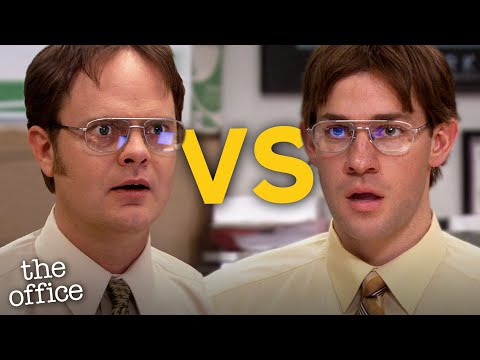
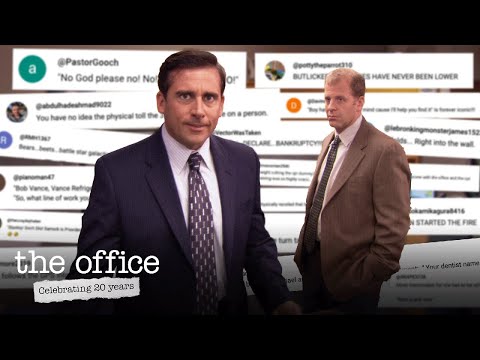
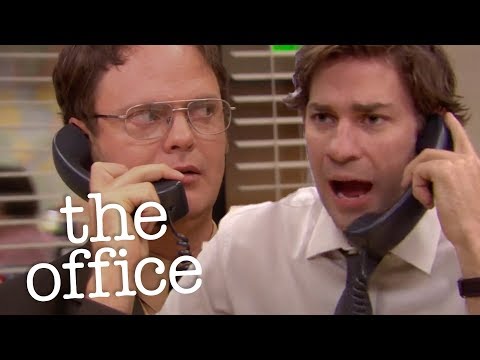
- The Office (US), Season 5, Episode 7: 'Buttlicker! Our prices have never been lower!'
The character Dwight had to yell, 'Mr. Buttlicker, our prices have never been lower!' which made the vulgarity hilarious in context.
- Military/Prison Slang
- Used to describe someone who cooperates too closely with guards or officers at the expense of their peers.
Nobody in the barracks trusts him because he's a known buttlicker for the Sergeant.
The movie depicted the protagonist as a rebel who refused to be a buttlicker for the corrupt warden.
In the playground, the kids called the boy a buttlicker because he told the teacher about their secret game.
- Mistake #1: Misjudging Formality
- Using the word in a professional or semi-formal setting. Even if you are joking with a friend, if a supervisor hears you, it is considered 'unprofessional conduct.'
Incorrect: (In a meeting) 'We shouldn't listen to him, he's just a buttlicker.'
Correct: 'We should consider whether his opinion is objective or influenced by his desire to please the management.'
- Mistake #2: Conflating with Bootlicker
- Using 'buttlicker' to describe a political collaborator. While technically possible, 'bootlicker' is the standard term for that specific context.
Context: A political protest.
Better choice: 'The police are just bootlickers for the regime.' (Using 'buttlicker' here would sound strangely personal and less impactful).
- Mistake #3: Spelling and Hyphenation
- Sometimes people hyphenate it (butt-licker), but in modern informal English, it is almost always written as one word.
Standard: buttlicker.
Less Common: butt-licker.
Mistake: Calling someone a buttlicker to their face when you only meant to tease them. This word carries a lot of venom and can end a friendship instantly.
Mistake: Using it in a written report to describe a competitor's business strategy. It will make you look immature and unprofessional.
- Formal Alternatives
- Sycophant, Obsequious person, Fawner, Lackey.
The dictator was surrounded by sycophants who never dared to question his authority.
- Informal (Non-Vulgar) Alternatives
- Suck-up, Teacher's pet, Yes-man, Apple-polisher.
Stop being such a suck-up; the boss knows you're just trying to get a bonus.
- Vulgar Alternatives
- Brown-noser, Arse-licker (UK), Ass-kisser (US).
He's a world-class brown-noser, always doing extra work just to look good.
- Nuance: Yes-man
- A 'yes-man' specifically refers to someone who agrees with every idea a leader has, whereas a 'buttlicker' might also perform personal favors or engage in general flattery.
The CEO's inner circle is just a bunch of yes-men who are afraid of innovation.
He's not just a hard worker; he's a toady who follows the manager everywhere.
Don't be a lackey for someone who doesn't even know your name.
How Formal Is It?
Wusstest du?
While 'bootlicker' has been around since at least the 1840s, 'buttlicker' gained significant cultural traction in the late 20th century as a more aggressive and visceral alternative.
Aussprachehilfe
- Pronouncing 'butt' like 'boot' (incorrect).
- Stress on the second syllable (incorrect).
- Using it in formal settings (social error).
- Confusing it with 'bootlicker' (semantic error).
- Missing the 'k' sound in 'licker'.
Schwierigkeitsgrad
The word itself is easy to read and understand if you know the components.
Extremely difficult to use correctly because the social risks are so high.
Requires perfect understanding of social context to avoid getting in trouble.
Common in informal speech, so learners need to recognize it.
Was du als Nächstes lernen solltest
Voraussetzungen
Als Nächstes lernen
Fortgeschritten
Wichtige Grammatik
Compound Nouns
Butt + Licker = Buttlicker. (Noun + Noun/Agent)
Pejorative Adjectives
Using 'total,' 'shameless,' or 'complete' to intensify insults.
Gerunds as Nouns
'Butt-licking' is the act of being a buttlicker.
Vocative Case
Using the word to address someone directly: 'Hey, buttlicker!'
Register and Word Choice
Choosing 'sycophant' for a report and 'buttlicker' for a bar.
Beispiele nach Niveau
He is a buttlicker.
Il est un lèche-bottes (très impoli).
Subject + Verb + Noun.
Don't be a buttlicker.
Ne sois pas un lèche-bottes.
Imperative 'Don't be' + Noun.
The buttlicker is here.
Le lèche-bottes est ici.
Using 'the' with the noun.
Is he a buttlicker?
Est-il un lèche-bottes ?
Question form.
I am not a buttlicker.
Je ne suis pas un lèche-bottes.
Negative form.
Stop, you buttlicker!
Arrête, espèce de lèche-bottes !
Vocative use (calling someone by the name).
He is a big buttlicker.
C'est un grand lèche-bottes.
Adjective 'big' modifying the noun.
They are buttlickers.
Ce sont des lèche-bottes.
Plural form.
My coworker is a total buttlicker.
Mon collègue est un lèche-bottes total.
Possessive 'my' + Noun.
Nobody likes a buttlicker.
Personne n'aime les lèche-bottes.
General statement.
He acts like a buttlicker to get good grades.
Il se comporte comme un lèche-bottes pour avoir de bonnes notes.
Verb 'acts like' + Noun.
She called him a buttlicker yesterday.
Elle l'a traité de lèche-bottes hier.
Past tense 'called'.
Why are you being such a buttlicker?
Pourquoi es-tu un tel lèche-bottes ?
Present continuous for temporary behavior.
The boss loves that buttlicker.
Le patron adore ce lèche-bottes.
Direct object.
I don't want to be a buttlicker.
Je ne veux pas être un lèche-bottes.
Infinitive 'to be'.
He is the biggest buttlicker in the class.
C'est le plus grand lèche-bottes de la classe.
Superlative 'the biggest'.
He’s such a buttlicker that he even laughs at the boss’s unfunny jokes.
C'est un tel lèche-bottes qu'il rit même aux blagues pas drôles du patron.
Result clause 'such a... that'.
If you keep being a buttlicker, the other employees will hate you.
Si tu continues à faire le lèche-bottes, les autres employés vont te détester.
First conditional.
I’m tired of working with a bunch of buttlickers.
J'en ai marre de travailler avec une bande de lèche-bottes.
Collective noun 'a bunch of'.
Calling someone a buttlicker is a quick way to start a fight.
Traiter quelqu'un de lèche-bottes est un moyen rapide de déclencher une bagarre.
Gerund phrase as subject.
He thinks he’s being helpful, but everyone else sees him as a buttlicker.
Il pense qu'il est serviable, mais tout le monde le voit comme un lèche-bottes.
Contrast using 'but'.
She was accused of being a buttlicker after she praised the manager's terrible idea.
Elle a été accusée d'être une lèche-bottes après avoir loué la mauvaise idée du manager.
Passive voice 'was accused of'.
You don't have to be a buttlicker to get a promotion.
Tu n'as pas besoin d'être un lèche-bottes pour obtenir une promotion.
Modal 'don't have to'.
That buttlicker will do anything to stay on the boss's good side.
Ce lèche-bottes fera n'importe quoi pour rester dans les bonnes grâces du patron.
Future 'will'.
The corporate culture here encourages people to be buttlickers instead of innovators.
La culture d'entreprise ici encourage les gens à être des lèche-bottes plutôt que des innovateurs.
Infinitive phrase of purpose.
He’s a shameless buttlicker who would sell out his own friends for a raise.
C'est un lèche-bottes éhonté qui trahirait ses propres amis pour une augmentation.
Relative clause 'who would'.
It’s pathetic how much of a buttlicker he becomes whenever the director is around.
C'est pathétique à quel point il devient lèche-bottes dès que le directeur est dans les parages.
Exclamatory 'how much of a'.
I’d rather be unemployed than be a buttlicker for a man I don't respect.
Je préférerais être au chômage plutôt que d'être le lèche-bottes d'un homme que je ne respecte pas.
Preference 'would rather... than'.
The term 'buttlicker' is incredibly vulgar, so use it with extreme caution.
Le terme 'buttlicker' est incroyablement vulgaire, alors utilisez-le avec une extrême prudence.
Adverbial modifier 'incredibly'.
Stop trying to defend him; he’s a known buttlicker and everyone knows it.
Arrête d'essayer de le défendre ; c'est un lèche-bottes notoire et tout le monde le sait.
Compound sentence with semicolon.
His reputation as a buttlicker preceded him to the new department.
Sa réputation de lèche-bottes l'a précédé dans le nouveau département.
Noun phrase as subject.
Only a true buttlicker would agree to work on a Sunday for no extra pay.
Seul un vrai lèche-bottes accepterait de travailler un dimanche sans salaire supplémentaire.
Conditional 'would'.
The political landscape is rife with buttlickers who prioritize power over principle.
Le paysage politique est truffé de lèche-bottes qui privilégient le pouvoir aux principes.
Adjective 'rife with'.
He navigated the hierarchy not through merit, but by being the ultimate buttlicker.
Il a gravi les échelons non par le mérite, mais en étant le lèche-bottes ultime.
Contrast 'not through... but by'.
Her scathing critique of the CEO’s buttlickers went viral within the company.
Sa critique cinglante des lèche-bottes du PDG est devenue virale au sein de l'entreprise.
Possessive 'CEO's' modifying 'buttlickers'.
There is a fine line between being a dedicated employee and being a pathetic buttlicker.
Il y a une ligne ténue entre être un employé dévoué et être un lèche-bottes pathétique.
Gerund phrases as objects of 'between'.
The author uses the word 'buttlicker' to underscore the protagonist's disdain for the elite.
L'auteur utilise le mot 'buttlicker' pour souligner le dédain du protagoniste pour l'élite.
Infinitive of purpose.
I find his buttlicker tendencies to be quite repulsive and transparent.
Je trouve ses tendances de lèche-bottes assez répugnantes et transparentes.
Noun used as an attributive adjective (buttlicker tendencies).
He was ostracized by his peers for being a buttlicker to the oppressive regime.
Il a été ostracisé par ses pairs pour avoir été un lèche-bottes du régime oppressif.
Passive voice with agent.
The documentary explores how buttlickers enable the rise of authoritarian leaders.
Le documentaire explore comment les lèche-bottes permettent l'ascension de dirigeants autoritaires.
Noun clause as object.
The sheer audacity of that buttlicker to claim credit for our collective labor is astounding.
L'audace pure de ce lèche-bottes à s'attribuer le mérite de notre travail collectif est stupéfiante.
Complex noun phrase as subject.
In the cutthroat world of high finance, being a buttlicker is often a prerequisite for survival.
Dans le monde impitoyable de la haute finance, être un lèche-bottes est souvent une condition préalable à la survie.
Gerund phrase as subject.
The satirical play portrays the court as a nest of buttlickers vying for the King's fleeting attention.
La pièce satirique dépeint la cour comme un nid de lèche-bottes se disputant l'attention éphémère du roi.
Metaphorical 'nest of'.
His transformation from a radical rebel to a corporate buttlicker was a disappointment to his fans.
Sa transformation de rebelle radical en lèche-bottes d'entreprise a été une déception pour ses fans.
Parallel structure 'from... to'.
The term 'buttlicker' serves as a linguistic weapon to enforce social egalitarianism among the ranks.
Le terme 'buttlicker' sert d'arme linguistique pour imposer l'égalitarisme social dans les rangs.
Abstract noun phrase.
One must wonder if he is a sincere believer or merely a strategic buttlicker.
On peut se demander s'il est un croyant sincère ou simplement un lèche-bottes stratégique.
Indirect question with 'if'.
The visceral nature of the word 'buttlicker' makes it unsuitable for any civil discourse.
La nature viscérale du mot 'buttlicker' le rend impropre à tout discours civil.
Object complement 'unsuitable'.
He has perfected the art of being a buttlicker without appearing overtly desperate.
Il a perfectionné l'art d'être un lèche-bottes sans paraître ouvertement désespéré.
Preposition 'without' + gerund.
Häufige Kollokationen
Häufige Phrasen
— A direct command telling someone to stop their sycophantic behavior.
Stop being a buttlicker and just do your job.
— An idiomatic way to say someone is an extreme sycophant.
He's a buttlicker of the highest order, always praising the CEO's terrible ideas.
— Advice given to someone to maintain their integrity.
Don't be a buttlicker; it won't help you in the long run.
— Referring to a group of people who all act subserviently.
The board is just a bunch of buttlickers.
— The most extreme example of a sycophant.
He is the ultimate buttlicker; he even washes the boss's car.
— Someone who doesn't care that others see their sycophancy.
She is a shameless buttlicker who openly flatters the director.
— Expressing frustration with sycophantic culture.
I'm tired of buttlickers getting all the promotions.
— Describing temporary sycophantic behavior.
Why are you acting like a buttlicker today?
— Someone with a widespread reputation for sycophancy.
He's a known buttlicker, so don't trust his compliments.
— The specific person in an office who is the most sycophantic.
Everyone avoids the office buttlicker.
Wird oft verwechselt mit
Bootlicker is more political/systemic; buttlicker is more personal/vulgar.
Suck-up is informal but not vulgar; buttlicker is both.
Very similar, but brown-noser is slightly more common in US corporate slang.
Redewendungen & Ausdrücke
— The verb equivalent of being a buttlicker; to flatter someone excessively.
He's always kissing the boss's ass to get ahead.
Vulgar Slang— To act in a sycophantic way (derived from the idea of having one's nose in someone's rear).
Stop brown-nosing the teacher; it's embarrassing.
Slang— To be extremely submissive and servile to someone.
I won't lick his boots just to keep this job.
Informal— To do everything someone else wants you to do, often in a subservient way.
He's a buttlicker who will dance to any tune the manager plays.
Informal— To try to get someone to like you or give you an advantage by being extra nice.
He's trying to curry favor with the board by being a total buttlicker.
Neutral/Formal— To show submission or subservience to a powerful person.
He was the only one who refused to bend the knee and be a buttlicker.
Literary/Informal— To act submissively after being proven wrong (often related to buttlicker behavior).
The buttlicker had to eat humble pie when the boss's plan failed.
Idiomatic— To do everything for someone, often in a servile way.
He's such a buttlicker, he waits on the director hand and foot.
Informal— To take a subordinate role, often while being a sycophant.
He's happy to play second fiddle as long as he's the boss's favorite buttlicker.
Informal— The most common phrasal verb for acting like a buttlicker.
Stop sucking up to the manager; it's pathetic.
InformalLeicht verwechselbar
They sound similar and have the same core meaning.
Bootlicker is older and often used in political contexts (e.g., licking the boots of a soldier). Buttlicker is more modern and vulgar.
The revolutionary called the guards bootlickers.
They mean the same thing.
Sycophant is formal and academic. Buttlicker is vulgar slang.
The history book described the courtier as a sycophant.
Both describe people who agree with bosses.
A yes-man just agrees. A buttlicker might do extra, degrading favors.
He's a yes-man who never challenges a bad idea.
Both describe a fawning person.
Toady is a bit more literary and less vulgar.
He was a toady to the rich inheritance.
Both describe subservient people.
A lackey is more like a servant or 'minion' who does the dirty work.
The villain sent his lackey to capture the hero.
Satzmuster
He is a [Noun].
He is a buttlicker.
Don't be a [Noun].
Don't be a buttlicker.
He is such a [Noun] that [Result].
He is such a buttlicker that he laughs at everything.
It's [Adjective] how much of a [Noun] he is.
It's pathetic how much of a buttlicker he is.
[Noun] tendencies are [Adjective].
His buttlicker tendencies are repulsive.
The [Noun] of the [Noun] is [Adjective].
The sycophancy of that buttlicker is astounding.
Stop [Verb-ing] like a [Noun].
Stop acting like a buttlicker.
I'd rather [Verb] than be a [Noun].
I'd rather quit than be a buttlicker.
Wortfamilie
Substantive
Verben
Adjektive
Verwandt
So verwendest du es
Common in informal slang, rare in formal speech.
-
Using it in a job interview to describe why you left your last job.
→
I felt the environment didn't value merit as much as I hoped.
Using vulgarity in an interview is an immediate 'no.' It shows a lack of professional judgment.
-
Spelling it as 'butt licker' (two words).
→
buttlicker
Compound insults like this are standardly written as one word in modern English.
-
Thinking it means someone who is just 'nice.'
→
It means someone who is *insincerely* nice for personal gain.
Being nice is good. Being a buttlicker is seen as manipulative and fake.
-
Using it to describe a friend who is doing you a favor.
→
Thanks for the help!
Calling a friend a buttlicker is an insult, not a way to say thanks. It implies they are being submissive.
-
Confusing 'buttlicker' with 'butt-kicker.'
→
A butt-kicker is someone tough or impressive; a buttlicker is someone weak and servile.
These two words have opposite connotations. One is often a compliment, the other is always an insult.
Tipps
High Risk Word
This word is high-risk. Only use it if you are prepared for a possible argument or negative consequences. It is an 'aggressive' insult.
Workplace Warning
In an office, use 'sycophant' or 'yes-man' instead. 'Buttlicker' will make YOU look like the unprofessional one, not the person you are insulting.
Safe Alternative
If you need to be informal but safe, use 'suck-up.' It's common, clear, and won't get you fired in most cases.
Know Your Audience
Some older people find this word extremely offensive, while some younger people might think it's just a joke from a TV show. Know who you are talking to.
Noun vs Verb
Remember it's a noun. You don't 'buttlick' someone; you 'are a buttlicker' or you 'lick their butt' (vulgar).
Stress the First Part
Always put the emphasis on 'BUTT.' If you stress 'licker,' it sounds strange and unnatural.
Creative Writing
Use this word in dialogue to establish a character's social class or level of anger. It's a very 'telling' word.
Peer Pressure
Often used to keep peers 'in line.' If someone is working too hard to please the boss, this word is used to bring them back to the group.
Ironic Use
Sometimes used ironically among very close friends, but even then, it can be risky if misunderstood.
Boot vs Butt
Remember that 'bootlicker' is for politics/authority, and 'buttlicker' is for personal/office insults. This distinction is subtle but useful.
Einprägen
Eselsbrücke
Think of someone LICKING a BUTT—it's a disgusting image for a disgusting behavior (sucking up).
Visuelle Assoziation
Imagine a person in a suit literally on their knees licking the shoes (or higher) of a giant boss character.
Word Web
Herausforderung
Try to explain why calling someone a 'buttlicker' is more offensive than calling them a 'suck-up' using at least three sentences.
Wortherkunft
The term is a modern English compound formed from 'butt' (slang for buttocks) and 'licker' (one who licks). It is a more vulgar evolution of the 19th-century term 'bootlicker.'
Ursprüngliche Bedeutung: To literally lick someone's backside as a sign of total submission.
Germanic (English)Kultureller Kontext
Extremely high. This word is considered profanity and can be seen as harassment.
Highly offensive in the US, UK, Canada, and Australia. The British equivalent 'arse-licker' is equally vulgar.
Im Alltag üben
Kontexte aus dem Alltag
Workplace Gossip
- Did you see him with the boss?
- What a buttlicker.
- He's just trying to get a raise.
- Nobody likes him.
School/University
- He's such a teacher's pet.
- Total buttlicker behavior.
- He wants an A so bad.
- Stop sucking up.
Political Arguments
- They are just buttlickers for the party.
- No backbone.
- They'll say anything.
- Blind followers.
Comedy/Jokes
- My name is Bill Buttlicker.
- Our prices have never been lower!
- It's a funny name.
- Don't take it seriously.
Personal Confrontation
- Stop being a buttlicker.
- Have some self-respect.
- You're pathetic.
- Stand up for yourself.
Gesprächseinstiege
"Have you ever worked with someone who was a total buttlicker?"
"Why do you think some people feel the need to be buttlickers to get ahead?"
"Is there a word in your language that is as rude as 'buttlicker'?"
"Do you think 'buttlickers' actually get more promotions in the long run?"
"How do you handle a colleague who is a shameless buttlicker?"
Tagebuch-Impulse
Describe a time you saw someone acting like a buttlicker. How did it make you feel about them?
Write about the difference between being a 'good employee' and being a 'buttlicker.' Where is the line?
Reflect on why the word 'buttlicker' is so offensive in Western culture compared to others.
If you were a boss, how would you treat an employee who was clearly a buttlicker?
Write a fictional scene where a character is accused of being a buttlicker and defends themselves.
Häufig gestellte Fragen
10 FragenYes, it is considered a vulgarity or 'soft' swear word. While it doesn't use the 'F-word,' it is highly offensive and inappropriate for most social settings. You should avoid using it in any professional or formal context as it is considered crude and disrespectful.
Absolutely not. Using this word at work can lead to immediate disciplinary action, including termination. It is considered a form of verbal harassment and contributes to a hostile work environment. Even if you are joking, it is extremely risky.
'Suck-up' is informal and slightly rude, but it is not vulgar. 'Buttlicker' is much more offensive because of the anatomical reference. You can usually get away with saying 'suck-up' among friends, but 'buttlicker' is much more aggressive.
It is a modern variation of the older term 'bootlicker.' Over time, the insult became more visceral by changing 'boot' to 'butt' to increase the level of perceived debasement and disgust associated with the behavior.
It is understood in the UK, but the British are much more likely to use the term 'arse-licker.' Both terms carry the same vulgar meaning and should be used with the same level of caution.
In a famous scene, Jim Halpert pranks Dwight by using the name 'William M. Buttlicker.' The humor comes from Dwight having to remain professional while repeatedly saying a very unprofessional and vulgar name.
While not 'illegal' in a criminal sense in most places, it can be a violation of workplace harassment laws or school conduct codes. In some contexts, it could potentially be part of a defamation or verbal assault case if it leads to conflict.
The most polite and professional word is 'sycophant.' Other acceptable terms include 'obsequious person' or 'fawner.' These words describe the same behavior without using vulgar language.
No, it is never a compliment. It always implies a lack of integrity, a lack of self-respect, and a manipulative nature. Even if someone is being 'helpful,' calling them a buttlicker suggests their help is fake.
In modern English, it is almost always written as one word: 'buttlicker.' Occasionally you might see it hyphenated as 'butt-licker,' but the single-word version is the standard informal spelling.
Teste dich selbst 200 Fragen
Write a short paragraph describing a fictional character who is a 'buttlicker.'
Well written! Good try! Check the sample answer below.
Explain the social consequences of being labeled a 'buttlicker' in a modern office.
Well written! Good try! Check the sample answer below.
Compare the words 'sycophant,' 'suck-up,' and 'buttlicker.' When should each be used?
Well written! Good try! Check the sample answer below.
Write a dialogue between two coworkers gossiping about a third coworker who is a buttlicker.
Well written! Good try! Check the sample answer below.
Describe a situation where someone might be tempted to act like a buttlicker.
Well written! Good try! Check the sample answer below.
Why is the imagery of 'licking' used to describe subservience in English?
Well written! Good try! Check the sample answer below.
Write a formal email complaining about a colleague's behavior without using the word 'buttlicker.'
Well written! Good try! Check the sample answer below.
Is it ever beneficial to be a buttlicker? Argue for or against.
Well written! Good try! Check the sample answer below.
Write a movie scene where a character is insulted with the word 'buttlicker.'
Well written! Good try! Check the sample answer below.
How does the term 'buttlicker' reflect Western cultural values of individualism?
Well written! Good try! Check the sample answer below.
Define 'buttlicker' in your own words for a non-native speaker.
Well written! Good try! Check the sample answer below.
Create five sentences using the word 'buttlicker' in different contexts.
Well written! Good try! Check the sample answer below.
Write a short story about a buttlicker who finally stands up for themselves.
Well written! Good try! Check the sample answer below.
What is the difference between a 'hard worker' and a 'buttlicker'?
Well written! Good try! Check the sample answer below.
Explain why 'The Office' scene with William M. Buttlicker is considered funny.
Well written! Good try! Check the sample answer below.
How has the term 'buttlicker' evolved from 'bootlicker'?
Well written! Good try! Check the sample answer below.
Write a letter of apology from someone who accidentally called their boss a buttlicker.
Well written! Good try! Check the sample answer below.
Describe the physical actions of a buttlicker in a meeting.
Well written! Good try! Check the sample answer below.
Why is 'buttlicker' considered more offensive than 'yes-man'?
Well written! Good try! Check the sample answer below.
Summarize the key takeaways from the lesson on 'buttlicker.'
Well written! Good try! Check the sample answer below.
Pronounce the word 'buttlicker' correctly, emphasizing the first syllable.
Read this aloud:
Du hast gesagt:
Speech recognition is not supported in your browser. Try Chrome or Edge.
Explain the meaning of 'buttlicker' to a friend who doesn't know the word.
Read this aloud:
Du hast gesagt:
Speech recognition is not supported in your browser. Try Chrome or Edge.
Discuss why calling someone a 'buttlicker' is offensive in a workplace.
Read this aloud:
Du hast gesagt:
Speech recognition is not supported in your browser. Try Chrome or Edge.
Debate whether 'buttlickers' are actually successful in the corporate world.
Read this aloud:
Du hast gesagt:
Speech recognition is not supported in your browser. Try Chrome or Edge.
Role-play a scene where you tell a friend to stop being a 'suck-up' (without using the vulgar word).
Read this aloud:
Du hast gesagt:
Speech recognition is not supported in your browser. Try Chrome or Edge.
Analyze the difference between 'bootlicker' and 'buttlicker' in a short speech.
Read this aloud:
Du hast gesagt:
Speech recognition is not supported in your browser. Try Chrome or Edge.
Describe a character from a movie who you think is a buttlicker.
Read this aloud:
Du hast gesagt:
Speech recognition is not supported in your browser. Try Chrome or Edge.
How would you react if someone called you a buttlicker?
Read this aloud:
Du hast gesagt:
Speech recognition is not supported in your browser. Try Chrome or Edge.
Explain the 'William M. Buttlicker' joke from 'The Office.'
Read this aloud:
Du hast gesagt:
Speech recognition is not supported in your browser. Try Chrome or Edge.
Discuss the etymology of anatomical insults in English.
Read this aloud:
Du hast gesagt:
Speech recognition is not supported in your browser. Try Chrome or Edge.
Give a presentation on 'Register' using 'buttlicker' as an example of low register.
Read this aloud:
Du hast gesagt:
Speech recognition is not supported in your browser. Try Chrome or Edge.
Talk about a time you felt someone was being insincere to a boss.
Read this aloud:
Du hast gesagt:
Speech recognition is not supported in your browser. Try Chrome or Edge.
Why do you think people use vulgarity like 'buttlicker' instead of 'sycophant'?
Read this aloud:
Du hast gesagt:
Speech recognition is not supported in your browser. Try Chrome or Edge.
Describe the 'office buttlicker' stereotype.
Read this aloud:
Du hast gesagt:
Speech recognition is not supported in your browser. Try Chrome or Edge.
How does the word 'buttlicker' make you feel when you hear it?
Read this aloud:
Du hast gesagt:
Speech recognition is not supported in your browser. Try Chrome or Edge.
Is there a similar word in your native language? Explain it in English.
Read this aloud:
Du hast gesagt:
Speech recognition is not supported in your browser. Try Chrome or Edge.
Discuss the risks of using slang in a second language.
Read this aloud:
Du hast gesagt:
Speech recognition is not supported in your browser. Try Chrome or Edge.
Role-play a manager dealing with an employee who is a buttlicker.
Read this aloud:
Du hast gesagt:
Speech recognition is not supported in your browser. Try Chrome or Edge.
Explain the mnemonic for remembering 'buttlicker.'
Read this aloud:
Du hast gesagt:
Speech recognition is not supported in your browser. Try Chrome or Edge.
Summarize the cultural context of the word 'buttlicker.'
Read this aloud:
Du hast gesagt:
Speech recognition is not supported in your browser. Try Chrome or Edge.
Listen to the sentence: 'He's a total buttlicker.' What is the speaker's opinion of the person?
Listen for the stress in the word 'buttlicker.' Which part is loudest?
Listen to a dialogue about a promotion. Does the speaker think the promotion was earned?
Identify the word 'buttlicker' in a fast-paced conversation about office politics.
Listen to the tone: Is the speaker joking or serious when they say 'buttlicker'?
Listen for synonyms of buttlicker in a recorded business lecture.
Listen to a clip from 'The Office.' Why is the name 'Buttlicker' causing a problem?
Listen to the sentence: 'Don't be a buttlicker.' Is this a command or a question?
Listen for the difference between 'buttlicker' and 'bootlicker' in two sentences.
Listen to a person describing their coworker. What adjectives do they use with 'buttlicker'?
Listen to a story about Bob the buttlicker. What did Bob bring the boss?
Identify the 'schwa' sound at the end of 'buttlicker' in a UK accent.
Listen to a heated argument. How many times is the word 'buttlicker' used?
Listen to a podcast about workplace ethics. How do they define sycophancy?
Listen to the sentence: 'He's the biggest buttlicker in the class.' Who is being described?
/ 200 correct
Perfect score!
Summary
The word 'buttlicker' is a nuclear-level insult targeting sycophancy. While it effectively communicates deep contempt for a person's subservience, its vulgarity makes it a high-risk term that can lead to immediate termination in a workplace. Example: 'The team lost all respect for him when they realized he was a shameless buttlicker for the corrupt CEO.'
- Buttlicker is a highly offensive and vulgar slang term for a sycophant or someone who excessively flatters a person in power to gain favors.
- It is primarily used in informal, high-tension environments like workplaces or schools to shame individuals perceived as having no self-respect or integrity.
- The word is considered profanity and should never be used in professional, formal, or polite social settings due to its crude anatomical imagery.
- Common non-vulgar alternatives include 'suck-up,' 'yes-man,' or 'sycophant,' which convey the same meaning without the risk of severe social or professional backlash.
High Risk Word
This word is high-risk. Only use it if you are prepared for a possible argument or negative consequences. It is an 'aggressive' insult.
Workplace Warning
In an office, use 'sycophant' or 'yes-man' instead. 'Buttlicker' will make YOU look like the unprofessional one, not the person you are insulting.
Safe Alternative
If you need to be informal but safe, use 'suck-up.' It's common, clear, and won't get you fired in most cases.
Know Your Audience
Some older people find this word extremely offensive, while some younger people might think it's just a joke from a TV show. Know who you are talking to.