vampire
Imagine a very old story. In this story, there is a special person called a vampire.
A vampire is a scary creature that needs to drink blood to live.
They often have long, pointy teeth, like a cat's.
They sleep in special boxes, not beds, and they don't like the sun at all!
Many stories and movies are made about vampires.
A vampire is a scary creature from old stories.
It drinks blood from people to live.
Vampires often have big, sharp teeth called fangs.
They sleep in boxes called coffins.
Also, the sun can hurt them very much.
A vampire is a mythical being that is said to feed on the blood of the living to survive. These creatures are typically portrayed as having pointed teeth and avoiding sunlight. They are often associated with sleeping in coffins during the day and being active at night. The concept of vampires has been a popular subject in literature, films, and folklore across various cultures.
A vampire is a mythical being often found in folklore and horror stories. They are typically described as revenants who subsist by feeding on the vital essence, usually blood, of the living. This often involves biting a victim with sharp fangs to draw blood.
Legend has it that vampires are immortal and possess supernatural abilities, but are vulnerable to sunlight, garlic, and religious symbols. They are frequently associated with nocturnal activities, sleeping in coffins during the day and emerging at night to hunt. Popular culture has widely adapted and reinterpreted the vampire myth, leading to diverse portrayals across literature, film, and television.
The term 'vampire' refers to a mythical entity, originating from various folkloric traditions, characterized primarily by its consumption of the vital essence of living beings, typically blood, to sustain its own existence. These creatures are frequently portrayed with exaggerated canine teeth, a nocturnal lifestyle, and a vulnerability to solar radiation. The narrative surrounding vampires often explores themes of immortality, forbidden desire, and the inherent horror of predation. While variations exist across cultures, the archetype commonly involves a transformation from human to undead through supernatural means, often linked to disease or a curse. Consequently, the vampire serves as a potent symbol within literature and popular culture, embodying both terror and allure.
The noun 'vampire' at a CEFR A1 level refers to a mythical being, commonly depicted in folklore and fiction. This creature is understood to sustain its existence by consuming the blood of living individuals. Iconic characteristics often associated with vampires include sharp, elongated canine teeth, a nocturnal lifestyle often involving slumber in a coffin, and a notable vulnerability to sunlight. This straightforward definition encapsulates the core elements of the legend, making it accessible to early language learners.
vampire in 30 Sekunden
- Mythical blood-drinking creature.
- Often depicted with fangs.
- Sensitive to sunlight.
§ What Does 'Vampire' Mean?
- DEFINITION
- A legendary creature from folklore that stays alive by drinking the blood of living people. They are often depicted as having sharp fangs, sleeping in coffins, and being sensitive to sunlight.
The word 'vampire' refers to a mythical being, often described as an undead person who preys on the living. These creatures are a prominent part of folklore and mythology across various cultures, particularly in Eastern European traditions. The core characteristic of a vampire is its need to consume blood to sustain its existence. This act is typically portrayed as a forceful and often fatal attack on its victims.
§ Common Depictions and Characteristics
When people think of vampires, certain images and traits immediately come to mind. These characteristics have been cemented in popular culture through literature, film, and art.
- Sharp Fangs: A signature feature, used to pierce the skin of their victims and draw blood.
- Sleeping in Coffins: Vampires are often shown as nocturnal creatures who rest in coffins during the day. This tradition is rooted in the idea of them being undead and confined to their burial places.
- Sensitivity to Sunlight: Direct sunlight is typically depicted as deadly or at least severely weakening to vampires. This is why they are active primarily at night.
- Immortality: Vampires are generally considered immortal, living for centuries without aging.
- Supernatural Strength and Speed: Many stories attribute enhanced physical abilities to vampires, making them formidable adversaries.
- Hypnosis or Mind Control: Some vampire lore includes abilities like hypnotizing victims or influencing their thoughts.
The ancient legend spoke of a vampire lurking in the shadows of the old castle.
§ When Do People Use the Word 'Vampire'?
The word 'vampire' is primarily used in several contexts:
- In Discussions of Folklore and Mythology: When talking about legendary creatures, supernatural beings, or cultural stories from around the world, 'vampire' is a key term.
- In Literature and Entertainment: This is perhaps the most common use. From classic novels like Bram Stoker's 'Dracula' to modern movies, TV shows, and video games, vampires are a staple of the horror and fantasy genres.
- Figuratively: Sometimes, 'vampire' can be used metaphorically to describe someone or something that drains energy, resources, or vitality from others. For example, 'a data vampire' might refer to a program that consumes excessive amounts of data, or 'an energy vampire' for a person who constantly depletes your emotional strength.
She dressed up as a vampire for the Halloween party, complete with fake fangs and a dark cape.
Understanding the term 'vampire' at an A1 CEFR level means recognizing it as a specific type of monster from stories, known for drinking blood and being associated with darkness. It's a word that opens the door to discussions about fantasy, fear, and cultural narratives.
- CULTURAL SIGNIFICANCE
- Vampires have captivated human imagination for centuries, reflecting fears of death, disease, and the unknown. Their enduring popularity in modern media speaks to their timeless appeal as both terrifying and alluring figures.
In summary, a vampire is a fascinating and often frightening character from myths and legends. Its definition is straightforward: a blood-drinking undead creature. Its usage spans from simple storytelling to complex metaphorical expressions, making it a versatile word in the English language.
§ Understanding "Vampire" in English
The word "vampire" is a noun. This means it names a person, place, thing, or idea. In this case, it refers to a specific type of legendary creature. When you use "vampire" in a sentence, it will often be the subject of the sentence (who or what the sentence is about) or the object of a verb or preposition (who or what is receiving the action or being talked about).
- Grammatical Category
- Noun
As a noun, "vampire" can be singular or plural. The singular form is "vampire", and the plural form is "vampires". Remember to use the correct form depending on whether you are talking about one or many.
§ Basic Sentence Structures
Here are some simple ways to use "vampire" in a sentence:
- Subject of the sentence: The vampire slept in a coffin.
- Object of a verb: I saw a vampire.
- Object of a preposition: We read a story about a vampire.
§ Examples in Context
Let's look at more examples to see how "vampire" fits into different sentences. Notice how articles (like 'a' or 'the') are used before the word.
In the movie, a vampire was afraid of the sun.
Many people enjoy stories about vampires.
She dressed up as a vampire for Halloween.
§ Using Prepositions with "Vampire"
Prepositions are small words that show the relationship between a noun (like "vampire") and other words in the sentence. Common prepositions you might use with "vampire" include:
- About: To talk about something related to vampires.
- With: To describe being together with or having something related to vampires.
- Of: To show possession or a relationship.
- From: To indicate origin or source.
The book was about a vampire who lived in a castle.
She had an encounter with a friendly vampire.
The tale of the ancient vampire was very scary.
He heard legends from a vampire hunter.
§ Common Phrases and Usage
Sometimes, words like "vampire" appear in common phrases or expressions. While it's a specific noun, you might hear it in contexts related to its characteristics.
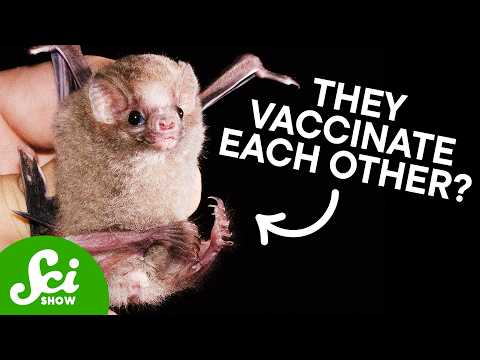
- Vampire bat: A real animal that drinks blood.
- Energy vampire: A metaphorical term for a person who drains your energy.
The documentary showed a real vampire bat.
I felt like he was an energy vampire after our long conversation.
§ Introduction
The word "vampire" is a fascinating one, conjuring images of gothic castles and mysterious creatures of the night. While it might seem like a word primarily found in fiction, you'd be surprised how often it pops up in everyday conversations, news, and even at school. Understanding its various contexts can help you grasp its meaning more fully and use it appropriately.
§ In Everyday Conversation
You might hear "vampire" in casual conversation when people are discussing books, movies, or TV shows. It's a popular subject in pop culture, so friends often share their opinions on different vampire stories or characters. Sometimes, people use the word playfully or humorously to describe someone who stays up very late, avoids sunlight, or even someone who is draining their energy.
"Did you see the new vampire movie last night? It was so scary!"
"My cat is like a little vampire; she only comes out at night!"
§ In School
In school, you might encounter the word "vampire" in various subjects:
- Literature Class: When studying classic horror novels like Bram Stoker's "Dracula" or discussing modern fantasy literature. You'll analyze the origins and evolution of vampire mythology.
- History Class: Sometimes, discussions about folklore, superstitions, or historical periods where such beliefs were prevalent might include the mention of vampires.
- Art Class: When examining art, films, or graphic novels that feature vampires as a central theme or character.
- Context
- Studying the novel "Dracula" in English class.
"The teacher asked us to write an essay on the cultural impact of the vampire legend."
§ In the News and Media
While less common in serious news reporting, "vampire" can appear in:
- Entertainment News: Reports about new movies, TV shows, or books featuring vampires.
- Cultural Commentary: Articles or documentaries discussing the enduring appeal of vampire myths in modern society.
- Science News (rarely): Sometimes, in a metaphorical sense, to describe organisms that extract resources from others, like "vampire bats" which actually feed on blood.
"Scientists are studying the unique echolocation abilities of the vampire bat."
- Context
- A review of a new horror film featuring a classic vampire character.
§ Conclusion
From thrilling tales in literature to casual jokes among friends, the word "vampire" has a broad presence. Recognizing these different contexts will not only improve your vocabulary but also enhance your understanding of how language adapts and evolves across various situations. Keep an ear out, and you'll likely hear "vampire" in more places than you expect!
§ Common Misconceptions About Vampires
The word 'vampire' often brings to mind specific images and characteristics, thanks to popular culture. However, some common misconceptions can lead to incorrect usage or understanding of the word in its traditional folklore context. Let's explore some of these and clarify the true nature of this legendary creature.
- DEFINITION
- A legendary creature from folklore that stays alive by drinking the blood of living people. They are often depicted as having sharp fangs, sleeping in coffins, and being sensitive to sunlight.
§ Mistake 1: Confusing Vampires with Other Mythical Creatures
One frequent error is to mistakenly equate vampires with other supernatural beings like zombies, werewolves, or ghosts. While all are figures from folklore, their defining characteristics are distinct.
- Zombies are typically reanimated corpses, often depicted as mindless and flesh-eating.
- Werewolves are humans who transform into wolves, usually under the full moon.
- Ghosts are spirits of the dead, often without physical form.
Vampires, on the other hand, are specifically characterized by their need to consume blood to survive, their often aristocratic demeanor (in many modern portrayals), and their aversion to sunlight and religious symbols.
The story was about a vampire, not a werewolf; it was clear from the way he avoided the sun.
§ Mistake 2: Assuming All Vampires Are Evil
While many traditional vampire stories portray them as purely malevolent beings, modern interpretations have introduced more nuanced characters. Some vampires in contemporary fiction are portrayed as struggling with their condition, trying to live peacefully, or even acting as anti-heroes. Therefore, assuming every mention of a 'vampire' implies evil intent might be an oversimplification.
He was a kind vampire who only drank animal blood.
§ Mistake 3: Overgeneralizing Vampire Weaknesses
While sunlight, garlic, and crosses are classic vampire weaknesses, not all folklore or fictional depictions include every single one. Some stories might introduce new vulnerabilities or omit traditional ones. It's important not to assume a universal set of weaknesses for all vampires.
- In some tales, holy water is also a potent deterrent.
- A stake through the heart is a widely recognized method of destruction.
- Reflections in mirrors are sometimes said to be absent for vampires.
The specifics often depend on the particular myth or fictional universe being referenced.
The vampire was afraid of garlic, but surprisingly, not crosses.
§ Mistake 4: Using 'Vampire' Figuratively Without Context
Sometimes, 'vampire' is used metaphorically to describe someone who drains energy or resources from others. While this figurative use is understandable, it's crucial to ensure the context makes the meaning clear to avoid confusion.
That meeting was a real vampire, it drained all my energy.
By being mindful of these common mistakes, you can use the word 'vampire' with greater accuracy and appreciation for its rich and varied interpretations in folklore and popular culture.
§ Similar Words to 'Vampire'
While 'vampire' has a very specific meaning, there are a few words that can sometimes be used in a related context, or words that share some conceptual elements with 'vampire'. Understanding these differences is key to using 'vampire' correctly.
- Creature of the Night
- This is a more general term for any being that is active at night, especially those associated with darkness or fear. While vampires are definitely creatures of the night, not all creatures of the night are vampires.
Bats are creatures of the night, just like vampires.
- Monster
- 'Monster' is a very broad term for any frightening or grotesque imaginary creature. A vampire is a type of monster, but there are many other types of monsters (e.g., werewolves, zombies, goblins).
The scary movie was full of different monsters.
- Dracula
- While Dracula is the most famous vampire, he is a specific character, not a general term for all vampires. You can use 'vampire' to describe Dracula, but you wouldn't use 'Dracula' to describe all vampires.
Dracula is the most famous vampire in literature.
§ When to use 'Vampire'
Use the word 'vampire' when you are specifically referring to the legendary creature that drinks blood to survive, often depicted with certain characteristics like fangs, sleeping in coffins, and sensitivity to sunlight. It's a specific mythological being.
You might use 'vampire' when talking about:
- Folklore and myths
- Horror stories, movies, or books
- Halloween decorations or costumes
- Figurative language to describe someone who drains energy or resources (e.g., 'an energy vampire')
The old castle was said to be home to a vampire.
§ Avoiding Misuse
Do not use 'vampire' as a general term for any scary creature or for someone who is simply pale or likes the dark. It has a distinct meaning.
For example:
- If you mean a general scary creature, use 'monster' or 'beast'.
- If you mean someone who stays up late, you might say 'night owl'.
- If you mean someone who is just pale, you can say 'pale' or 'fair-skinned'.
Using 'vampire' accurately helps ensure your meaning is clear and you're referencing the specific folklore creature.
She looked a bit pale, but she wasn't a vampire.
In summary, 'vampire' is a powerful and specific word. Use it when you intend to refer to the mythical, blood-drinking undead being. For other scary or nocturnal beings, more general terms are usually more appropriate.
Wichtige Grammatik
Nouns are words that represent people, places, things, or ideas. 'Vampire' is a noun.
The vampire was very old.
Singular and plural nouns: Most nouns can be singular (one) or plural (more than one). The plural of 'vampire' is 'vampires'.
There was one vampire, but many vampires arrived later.
Common and proper nouns: 'Vampire' is a common noun because it refers to a general type of creature. Proper nouns refer to specific names (e.g., Dracula).
A vampire is a creature, but Count Dracula is a specific vampire.
Possessive nouns show ownership or relationship. We add an apostrophe and 's' to a singular noun to make it possessive. 'Vampire's' means belonging to a vampire.
The vampire's cape was black.
Countable and uncountable nouns: 'Vampire' is a countable noun, meaning we can count them (one vampire, two vampires).
I saw a vampire and then another vampire.
Beispiele nach Niveau
The vampire drinks blood.
吸血鬼喝血。
Simple present tense. 'Drinks' is the verb for 'vampire'.
He is a vampire.
他是一个吸血鬼。
Simple present tense with 'to be'. 'He' refers to a male.
Vampires sleep in coffins.
吸血鬼睡在棺材里。
Simple present tense. 'Sleep' is the verb. 'In coffins' tells us where.
She sees a vampire.
她看到一个吸血鬼。
Simple present tense. 'Sees' is the verb for 'she'.
Vampires do not like sun.
吸血鬼不喜欢阳光。
Simple present tense with negation. 'Do not like' shows dislike.
The vampire has fangs.
吸血鬼有尖牙。
Simple present tense. 'Has' is the verb for 'vampire'.
Is it a vampire?
它是一个吸血鬼吗?
Simple present tense question. 'Is' starts the question.
I am not a vampire.
我不是一个吸血鬼。
Simple present tense with negation. 'Am not' shows not being something.
In many stories, a vampire can only be killed by a stake through the heart.
In vielen Geschichten kann ein Vampir nur durch einen Pfahl durch das Herz getötet werden.
Passive voice: 'can be killed'.
The ancient castle was said to be home to a powerful vampire.
Das alte Schloss sollte die Heimat eines mächtigen Vampirs sein.
Use of 'said to be' for reported speech.
She dressed up as a vampire for the Halloween party, complete with fake fangs.
Sie verkleidete sich als Vampir für die Halloween-Party, komplett mit falschen Reißzähnen.
Phrasal verb: 'dressed up as'.
According to the legend, if a vampire bites you, you will become one too.
Der Legende nach, wenn ein Vampir dich beißt, wirst du auch einer.
First conditional: 'if... will become'.
He spent years researching the folklore of vampires from different cultures.
Er verbrachte Jahre damit, die Folklore von Vampiren aus verschiedenen Kulturen zu erforschen.
Past simple tense and use of 'different cultures'.
Some people believe that the idea of a vampire originated from real diseases.
Manche Leute glauben, dass die Idee eines Vampirs von echten Krankheiten stammt.
Passive voice: 'originated from'.
The movie featured a charismatic vampire who struggled with his immortal existence.
Der Film zeigte einen charismatischen Vampir, der mit seiner unsterblichen Existenz zu kämpfen hatte.
Past simple and descriptive adjectives.
A vampire typically avoids sunlight and prefers to come out at night.
Ein Vampir meidet typischerweise Sonnenlicht und zieht es vor, nachts herauszukommen.
Adverb of frequency: 'typically'; verbs with 'to' infinitive.
In Bram Stoker's 'Dracula,' the titular character is the quintessential vampire, a powerful and ancient being preying on the innocent.
The main character in 'Dracula' is the perfect example of a vampire, strong and old, who hunts innocent people.
'Titular character' refers to the character after whom a book or play is named. 'Quintessential' means representing the most perfect or typical example of a quality or class.
Folklore around the world features various interpretations of the vampire myth, from benevolent protectors to monstrous fiends.
Different cultures have different ideas about vampires in their stories, some see them as good protectors and others as evil monsters.
'Folklore' refers to the traditional beliefs, customs, and stories of a community, passed through generations. 'Benevolent' means well meaning and kindly; 'fiends' refers to evil spirits or demons.
The novel explores the psychological impact of becoming a vampire, delving into themes of immortality, isolation, and moral decay.
The book looks at how becoming a vampire affects the mind, covering topics like living forever, being alone, and becoming morally corrupt.
'Psychological impact' refers to the effect on one's mind or mental state. 'Delving into' means to explore or investigate profoundly. 'Moral decay' describes the decline of moral standards.
Despite their supernatural abilities, many fictional vampires exhibit human-like vulnerabilities, such as emotional attachments and desires for redemption.
Even with their special powers, many made-up vampires show weaknesses like humans, such as caring for others and wanting to be forgiven.
'Supernatural abilities' are powers beyond natural scientific understanding. 'Vulnerabilities' are weaknesses or susceptibilities. 'Redemption' means the action of saving or being saved from error or evil.
The film offers a contemporary twist on the classic vampire narrative, reimagining the creatures as sophisticated urban dwellers rather than gothic aristocrats.
The movie gives a modern spin to the old vampire story, showing them as elegant city people instead of old-fashioned nobles.
'Contemporary twist' refers to a modern or current adaptation of a traditional theme. 'Urban dwellers' are people who live in a city. 'Gothic aristocrats' are noble people from a historically dark or mysterious aesthetic.
Scientists have debunked the notion of actual vampires, attributing historical accounts to diseases like porphyria and rabies.
Scientists have shown that real vampires don't exist, explaining old stories about them with diseases like porphyria and rabies.
'Debunked the notion' means to expose the falseness or hollowness of a belief or idea. 'Attributing accounts to' means to regard something as being caused by. 'Porphyria' and 'rabies' are medical conditions.
She was so pale and thin that her friends jokingly called her a vampire, though she merely suffered from a severe lack of sleep.
She was so pale and skinny that her friends called her a vampire as a joke, but she was just very tired.
'Jokingly called her' means to call someone something as a joke. 'Merely suffered from' means only experienced.
The series explores the ethical dilemmas faced by a vampire attempting to live a normal human life, abstaining from blood and seeking integration into society.
The series looks at the moral problems a vampire faces when trying to live a normal human life, avoiding blood, and trying to fit into society.
'Ethical dilemmas' are situations in which a difficult choice has to be made between two or more alternatives. 'Abstaining from' means to voluntarily refrain from doing something. 'Integration into society' means becoming accepted as a member of society.
The novel Bram Stoker's Dracula popularized many of the modern conventions of vampire lore, establishing the archetype of the sophisticated, aristocratic bloodsucker.
Dracula's novel established the image of the elegant vampire.
This sentence uses a possessive form ('Bram Stoker's Dracula') and the past tense ('popularized', 'establishing'). 'Archetype' means a typical example.
In some cultures, the belief in vampires stemmed from a lack of scientific understanding of decomposition, leading to superstitions about the undead.
Belief in vampires arose from misunderstanding decomposition.
This sentence uses 'stemmed from' to indicate origin and 'leading to' to show consequence. 'Decomposition' is the process of decay.
Modern interpretations of the vampire myth often explore themes of immortality, forbidden desire, and the dark side of human nature, moving beyond simple horror.
Modern vampire stories explore themes like immortality and dark desires.
This sentence uses 'interpretations' to refer to different ways of understanding something and 'moving beyond' to indicate progression.
The allure of the vampire character lies in its complex duality: both monstrous and tragically romantic, embodying eternal life with an insatiable thirst.
Vampires are appealing because they are both monstrous and romantic.
This sentence uses a colon to introduce an explanation and 'embodying' to mean representing. 'Insatiable' means unable to be satisfied.
Despite countless cinematic portrayals, the fundamental fear of the vampire—that of a predator lurking in the shadows, preying on the innocent—remains constant.
Even with many movies, the basic fear of vampires as predators stays the same.
This sentence uses 'despite' to show contrast and a dash to add extra information. 'Cinematic portrayals' refers to film depictions.
Anthropological studies have revealed that similar blood-drinking entities appear in the folklore of diverse civilizations across the globe, suggesting a shared human fascination with the macabre.
Studies show similar blood-drinking creatures in different cultures, indicating a shared human interest in the gruesome.
This sentence uses 'anthropological studies' to refer to studies of human societies and cultures. 'Macabre' means disturbing and horrifying.
The trope of the sympathetic vampire, struggling with their monstrous nature and longing for redemption, has become a popular narrative device in contemporary fiction.
The idea of a vampire wanting redemption is popular in modern stories.
This sentence uses 'trope' to mean a common theme or motif. 'Redemption' means being saved from error or evil.
One could argue that the enduring appeal of the vampire reflects our own anxieties about mortality, power, and the primal instincts that lie dormant within us.
The lasting appeal of vampires might show our fears about death and inner instincts.
This sentence uses 'one could argue' to introduce a possible interpretation. 'Primal instincts' refers to basic, fundamental urges.
Synonyme
Häufige Kollokationen
Häufige Phrasen
a vampire's kiss
turn into a vampire
fight a vampire
slay a vampire
become a vampire
ward off vampires
believe in vampires
hunt for vampires
dress like a vampire
a vampire movie
Redewendungen & Ausdrücke
"a night owl"
Someone who prefers to be awake and active at night.
My brother is a real night owl; he often stays up until 3 AM.
neutral"pale as a ghost"
Extremely pale, often due to illness, fear, or shock.
After seeing the accident, she was as pale as a ghost.
neutral"drink like a fish"
To drink alcohol excessively.
He tends to drink like a fish at parties, so I worry about him.
informal"bloodthirsty"
Eager to shed blood; violent or cruel.
The bloodthirsty dictator was known for his ruthless regime.
neutral"suck the life out of someone/something"
To drain someone's energy, enthusiasm, or resources; to make something less enjoyable or lively.
This endless paperwork is really sucking the life out of me.
informal"have a stake in something"
To have a personal interest or involvement in something, often with a financial risk or reward.
As a major investor, she has a significant stake in the company's success.
neutral"come out of the woodwork"
To appear unexpectedly, especially after having been hidden or inactive for a long time.
After he won the lottery, distant relatives started coming out of the woodwork.
informal"ghost of a chance"
A very slight possibility or chance.
Without proper funding, we don't have a ghost of a chance of completing the project.
neutral"something sucks"
Something is very bad or unpleasant.
This movie really sucks; let's watch something else.
informal"cold-blooded"
Without emotion or pity; cruel and ruthless.
The detective described the crime as a cold-blooded murder.
neutralSo verwendest du es
A1-level learners should focus on recognizing 'vampire' in simple contexts. It's often associated with Halloween, fictional stories, or as a descriptive term for someone who acts like a vampire (e.g., 'He's a morning vampire, always tired'). Do not use this word in formal or academic writing.
A common mistake is confusing 'vampire' with other mythical creatures like 'werewolf' or 'zombie'. While all are supernatural, their characteristics are distinct. Ensure correct pronunciation: VAM-pire.
Tipps
Hear it Pronounced
Listen to the pronunciation of 'vampire' to get familiar with its sound. Online dictionaries often have audio.
Picture It
Think of a visual image of a vampire. Imagine sharp teeth and a dark cape. This helps with memory.
Simple Sentence
Create a very simple sentence using 'vampire'. For example: 'The vampire drinks blood.'
Flashcards
Make a flashcard with 'vampire' on one side and its definition on the other. Add a small drawing of a vampire if you like.
Say it Aloud
Practice saying 'vampire' out loud several times. This helps with muscle memory for your mouth.
Don't Confuse
Be careful not to confuse 'vampire' with other similar-sounding words or fictional creatures.
Folklore Connection
Understand that vampires are a big part of folklore and stories in many cultures. This context makes the word more interesting.
Use it in Role-Play
If you're practicing English with someone, try using 'vampire' in a simple role-playing scenario.
Write it Down
Write the word 'vampire' and its definition a few times. This reinforces spelling and meaning.
Explore Related Words
As you get better, you can explore words related to 'vampire', like 'fangs,' 'coffin,' or 'folklore'.
Einprägen
Eselsbrücke
Imagine a **V**ery **A**ncient **M**onster **P**rowling, **I**nterested in **R**ed **E**ssence. This can help you remember the spelling and the core idea of a vampire.
Visuelle Assoziation
Picture a vampire with really long, sharp fangs that look like giant canines, and imagine those fangs sinking into a juicy, red tomato, making red 'blood' squirt out. The tomato can represent a person, and the red liquid represents blood.
Word Web
Herausforderung
Describe a scene where you encounter a friendly vampire who is trying to order a blood substitute at a cafe, and what that might look like. This helps you use the word in context and explore its characteristics.
Häufig gestellte Fragen
10 FragenA vampire is a legendary creature from folklore. They are believed to stay alive by drinking the blood of living people.
Vampires typically drink the blood of living people to survive.
In folklore, vampires are often depicted as sleeping in coffins.
Yes, vampires are often depicted as having sharp fangs.
Yes, vampires are commonly portrayed as being sensitive to sunlight.
Vampires are considered legendary creatures from folklore, meaning they are not real in the scientific sense.
Common characteristics include drinking blood, sleeping in coffins, having sharp fangs, and being sensitive to sunlight. They are also often associated with being undead.
Stories about vampires originate from folklore, which are traditional beliefs and stories passed down through generations.
In many stories, vampires can be killed by things like wooden stakes through the heart, sunlight, or holy water.
Vampires are often depicted as pale, with sharp fangs, and sometimes having a cape. However, their appearance can vary in different stories.
Teste dich selbst 126 Fragen
A ___ drinks blood.
A vampire is a legendary creature that drinks blood.
The ___ sleeps in a coffin.
Vampires are often depicted as sleeping in coffins.
A vampire has sharp ___.
Vampires are often depicted as having sharp fangs.
Vampires are sensitive to ___.
Vampires are often depicted as being sensitive to sunlight.
A vampire is a legendary ___.
A vampire is a legendary creature from folklore.
The vampire drinks the ___ of living people.
Vampires stay alive by drinking the blood of living people.
A ___ drinks blood.
A vampire is a legendary creature that drinks blood.
Where does a vampire often sleep?
Vampires are often depicted sleeping in coffins.
What is a vampire sensitive to?
Vampires are often depicted as being sensitive to sunlight.
A vampire has sharp fangs.
Vampires are often depicted as having sharp fangs.
Vampires drink water to stay alive.
Vampires drink blood to stay alive, not water.
A vampire is a real animal.
A vampire is a legendary creature from folklore, not a real animal.
Listen for what vampires drink.
Where does a vampire sleep?
What is bad for vampires?
Read this aloud:
Say 'Vampires have sharp fangs.'
Focus: fangs
Du hast gesagt:
Speech recognition is not supported in your browser. Try Chrome or Edge.
Read this aloud:
Say 'A vampire is a legendary creature.'
Focus: legendary
Du hast gesagt:
Speech recognition is not supported in your browser. Try Chrome or Edge.
Read this aloud:
Say 'Vampires drink blood from living people.'
Focus: living people
Du hast gesagt:
Speech recognition is not supported in your browser. Try Chrome or Edge.
Write a short sentence about what a vampire drinks.
Well written! Good try! Check the sample answer below.
Sample answer
A vampire drinks blood.
Complete the sentence: Vampires sleep in a ______.
Well written! Good try! Check the sample answer below.
Sample answer
Vampires sleep in a coffin.
Write one word to describe a vampire's teeth.
Well written! Good try! Check the sample answer below.
Sample answer
A vampire has sharp fangs.
What does a vampire drink?
Read this passage:
A vampire is a creature from old stories. It drinks blood from people. Vampires do not like sunlight.
What does a vampire drink?
The passage says, 'It drinks blood from people.'
What are a vampire's special teeth called?
Read this passage:
Vampires are often scary. They have special teeth called fangs. They hide from the sun.
What are a vampire's special teeth called?
The passage states, 'They have special teeth called fangs.'
Where do vampires sometimes sleep?
Read this passage:
Some stories say vampires sleep in coffins. They cannot go out in the day because of the sun. They are very old creatures.
Where do vampires sometimes sleep?
The passage says, 'Some stories say vampires sleep in coffins.'
The story said the ___ only came out at night.
A vampire is a creature that comes out at night to drink blood.
Many legends say a ___ sleeps in a coffin.
Sleeping in a coffin is a common characteristic of vampires in folklore.
The book described the ___ as having sharp fangs.
Sharp fangs are a distinctive feature of vampires.
In the movie, the ___ could not stand sunlight.
Vampires are often depicted as being sensitive to sunlight.
People say a ___ drinks the blood of living people.
Drinking blood is a key characteristic of a vampire.
She read a scary story about a ___ from old folklore.
Vampires are common legendary creatures found in folklore.
A creature that drinks blood to live is called a ____.
Vampires are legendary creatures known for drinking blood.
What is a common characteristic of vampires?
Vampires are often depicted as sleeping in coffins during the day.
Which of these is often used to describe a vampire's teeth?
Vampires are commonly shown with sharp fangs to drink blood.
Vampires are usually friendly creatures.
Vampires are typically portrayed as scary and dangerous, not friendly.
Vampires are sensitive to sunlight.
In folklore, vampires are often harmed by sunlight.
Vampires eat normal food like humans.
Vampires are known for drinking blood, not eating human food.
Listen for the main character.
A question about mythical creatures.
What physical characteristic is mentioned?
Read this aloud:
Vampires are legendary creatures.
Focus: legendary, creatures
Du hast gesagt:
Speech recognition is not supported in your browser. Try Chrome or Edge.
Read this aloud:
They often sleep in coffins.
Focus: often, coffins
Du hast gesagt:
Speech recognition is not supported in your browser. Try Chrome or Edge.
Read this aloud:
Sunlight can be very dangerous for them.
Focus: sunlight, dangerous
Du hast gesagt:
Speech recognition is not supported in your browser. Try Chrome or Edge.
Imagine you are explaining what a vampire is to a young child. Write a short description using simple words.
Well written! Good try! Check the sample answer below.
Sample answer
A vampire is a scary creature that drinks blood to live. They usually sleep in a coffin during the day and come out at night. They don't like sunlight.
Write two sentences about something a vampire might do during the day and something they might do at night.
Well written! Good try! Check the sample answer below.
Sample answer
During the day, a vampire would sleep in a dark place. At night, they might fly around looking for people.
If you met a friendly vampire, what would you ask them? Write one question.
Well written! Good try! Check the sample answer below.
Sample answer
I would ask a friendly vampire, "What do you eat instead of blood?"
According to the passage, what can hurt vampires?
Read this passage:
Vampires are legendary creatures that are often seen in movies and books. They are known for drinking blood and living for a very long time. Many stories say they sleep in coffins during the day because sunlight can hurt them.
According to the passage, what can hurt vampires?
The passage states, 'Many stories say they sleep in coffins during the day because sunlight can hurt them.'
What do vampires use their fangs for?
Read this passage:
In many stories, vampires have sharp fangs. These fangs are used to bite people and drink their blood. Some vampires are also said to be able to turn into bats.
What do vampires use their fangs for?
The passage says, 'These fangs are used to bite people and drink their blood.'
Where does Count Dracula live?
Read this passage:
Count Dracula is a very famous vampire from a classic story. He lives in a big castle in Transylvania. People in the story are very scared of him because he drinks their blood.
Where does Count Dracula live?
The passage states, 'He lives in a big castle in Transylvania.'
In many old stories, a ___ is a creature that drinks blood.
A vampire is a legendary creature known for drinking blood.
The detective suspected that a ___ was behind the mysterious disappearances, given the strange bite marks.
The context of 'strange bite marks' suggests a vampire.
According to legend, a ___ must sleep in a coffin during the day to avoid sunlight.
Vampires are traditionally depicted as sleeping in coffins and being sensitive to sunlight.
The old castle was rumored to be haunted by a ___ with glowing red eyes.
Vampires are often associated with old castles and supernatural elements.
She dressed up as a ___ for Halloween, complete with fake fangs and a black cape.
Fangs and a black cape are common accessories for a vampire costume.
Many classic horror movies feature a terrifying ___ as the main antagonist.
Vampires are a popular choice for antagonists in horror films.
Listen for what vampires avoid.
Where do vampires sleep?
What do vampires use their fangs for?
Read this aloud:
Vampires are mythical beings that drink blood.
Focus: mythical beings
Du hast gesagt:
Speech recognition is not supported in your browser. Try Chrome or Edge.
Read this aloud:
They are often sensitive to sunlight, which weakens them.
Focus: sensitive to sunlight
Du hast gesagt:
Speech recognition is not supported in your browser. Try Chrome or Edge.
Read this aloud:
Some legends say that a stake through the heart can kill a vampire.
Focus: stake through the heart
Du hast gesagt:
Speech recognition is not supported in your browser. Try Chrome or Edge.
Imagine you are a detective investigating a mysterious case. Write a short report describing a witness's account of seeing something unusual late at night, hinting that a 'vampire' might be involved without explicitly using the word. Focus on descriptive language.
Well written! Good try! Check the sample answer below.
Sample answer
Case File 007: Witness Report. Mrs. Gable, a resident of Elm Street, reported seeing a tall, shadowy figure moving with unnatural speed near the old cemetery around 3 AM. She described its face as unnaturally pale, and she was certain she caught a glimpse of piercing red eyes before it vanished into the darkness. Mrs. Gable expressed extreme fear, stating she felt a cold dread that lingered long after the sighting. These strange events align with other peculiar occurrences reported in the area recently.
Write a short paragraph about how the concept of a 'vampire' has been portrayed differently in modern movies or books compared to traditional folklore. What are some new characteristics or behaviors that have been introduced?
Well written! Good try! Check the sample answer below.
Sample answer
Modern adaptations of vampires often diverge significantly from traditional folklore. While classic vampires were purely monstrous, many contemporary portrayals present them as more complex, even sympathetic, characters struggling with their immortality. Some modern vampires can walk in daylight, albeit sometimes with sparkling skin, and possess advanced superpowers beyond mere strength. They might also form intricate social structures or have romantic relationships, which is a stark contrast to the solitary, purely predatory beings of old legends.
You are writing a diary entry after watching a scary movie about 'vampires'. Describe your feelings and thoughts about the creatures and what aspects of the movie scared you the most.
Well written! Good try! Check the sample answer below.
Sample answer
October 31st, After watching 'Night Terrors'. I just finished watching that vampire movie, and I'm still a bit shaken. The way they portrayed the vampires, especially with their piercing fangs and the way they moved so silently, was really creepy. The thought of something immortal, lurking in the shadows and needing blood to survive, truly gives me the chills. I think the part that scared me the most was when one of them appeared suddenly out of nowhere. I'm definitely going to have nightmares tonight, I just know it.
What is the main idea of this passage?
Read this passage:
In many cultures, stories of creatures that consume blood have existed for centuries. These tales often serve as warnings or explanations for unexplained phenomena, like disease or death. While the European 'vampire' is perhaps the most famous, similar entities appear in African, Asian, and South American folklore, each with unique characteristics and methods of preying on the living. These stories reflect humanity's ancient fears of the unknown and the struggle between life and death.
What is the main idea of this passage?
The passage clearly states that 'similar entities appear in African, Asian, and South American folklore' and that 'these stories reflect humanity's ancient fears of the unknown.'
According to the passage, what impact did Bram Stoker's 'Dracula' have on the concept of vampires?
Read this passage:
Dracula, a novel by Bram Stoker, largely shaped the modern image of the vampire. Published in 1897, it introduced many iconic elements associated with vampires, such as their aversion to sunlight, their ability to transform into bats, and their seductive yet dangerous nature. Before Stoker, vampire folklore was more varied, but his work solidified many of the characteristics we recognize today.
According to the passage, what impact did Bram Stoker's 'Dracula' have on the concept of vampires?
The passage states that 'Dracula...largely shaped the modern image of the vampire' and 'solidified many of the characteristics we recognize today.'
What are some scientific explanations for historical 'vampire' sightings mentioned in the passage?
Read this passage:
The scientific community generally dismisses the literal existence of vampires, attributing historical 'vampire' sightings to various medical conditions, such as porphyria (a blood disorder that can cause sensitivity to light and changes in appearance) or rabies. Additionally, decomposition after death can sometimes lead to an appearance that might be misinterpreted as 'life-like' or 'bloated,' fueling superstitious beliefs in the past.
What are some scientific explanations for historical 'vampire' sightings mentioned in the passage?
The passage explicitly mentions 'various medical conditions, such as porphyria... or rabies' and also refers to 'decomposition after death' being misinterpreted, indicating a lack of scientific understanding at the time.
This forms a coherent sentence stating the age of vampire legends.
This sentence indicates that various cultures possess unique vampire stories.
This sentence explains a common vulnerability of vampires.
The villagers believed a ___ was responsible for the mysterious disappearances of livestock.
A vampire is a legendary creature that drinks blood, which aligns with the mysterious disappearances of livestock.
According to ancient folklore, a ___ cannot enter a home without an invitation.
This is a common characteristic attributed to vampires in folklore.
The protagonist realized that the mysterious nobleman was a ___ when he recoiled from the sunlight.
Sensitivity to sunlight is a classic trait of vampires.
Dracula is perhaps the most famous literary ___ to ever exist.
Dracula is the quintessential fictional vampire.
She wore a necklace with garlic, hoping to ward off any potential ___.
Garlic is traditionally believed to repel vampires.
The old castle was rumored to be the dwelling of a powerful ___.
Castles are often associated with vampires in gothic literature and folklore.
Focus on the description of vampires.
Consider the role of vampire tales in different societies.
Think about how vampires are portrayed in contemporary media.
Read this aloud:
Can you explain how the traditional depiction of a vampire differs from its portrayal in modern fiction?
Focus: depiction, portrayal, fiction
Du hast gesagt:
Speech recognition is not supported in your browser. Try Chrome or Edge.
Read this aloud:
Describe the cultural significance of vampire folklore in different parts of the world.
Focus: cultural, significance, folklore
Du hast gesagt:
Speech recognition is not supported in your browser. Try Chrome or Edge.
Read this aloud:
If you were to create a new vampire character, what unique qualities or challenges would they possess?
Focus: create, unique, qualities, challenges
Du hast gesagt:
Speech recognition is not supported in your browser. Try Chrome or Edge.
This order forms a grammatically correct and coherent sentence describing vampires in folklore.
This sentence structure correctly places the subject, verb, and object to convey the meaning.
This order creates a complex sentence, starting with a subordinate clause and moving to the main clause.
Consider the historical and cultural aspects associated with vampire myths.
Think about how contemporary stories portray vampires beyond simple bloodlust.
Focus on the internal struggles and character depth sometimes attributed to vampires in literature and film.
Read this aloud:
Discuss the evolution of the vampire archetype in literature and popular culture, citing examples of significant changes.
Focus: archetype, significant
Du hast gesagt:
Speech recognition is not supported in your browser. Try Chrome or Edge.
Read this aloud:
Elaborate on the psychological and philosophical implications of vampirism, such as the burden of immortality or the loss of humanity.
Focus: psychological, philosophical, implications
Du hast gesagt:
Speech recognition is not supported in your browser. Try Chrome or Edge.
Read this aloud:
Imagine you are a historian specializing in supernatural lore. Describe how the concept of the 'vampire' has been shaped by societal fears and cultural anxieties throughout different eras.
Focus: societal, anxieties, eras
Du hast gesagt:
Speech recognition is not supported in your browser. Try Chrome or Edge.
Imagine a modern-day vampire trying to integrate into human society. Describe their challenges and how they might overcome them, focusing on aspects beyond just their need for blood.
Well written! Good try! Check the sample answer below.
Sample answer
A modern-day vampire would face immense challenges in assimilating into human society, far beyond the mere logistics of sustenance. Maintaining secrecy would be paramount, requiring meticulous planning to avoid suspicion – perhaps faking deaths or constantly relocating. The social stigma associated with their existence, even if hidden, could lead to profound isolation. Furthermore, their extended lifespan would create a sense of detachment from the transient nature of human relationships, fostering a unique form of loneliness. Overcoming these hurdles might involve seeking out other hidden supernatural beings for companionship, or perhaps even using their longevity to master various human professions, building a new identity with each passing generation. Ethical dilemmas surrounding their predatory nature would also weigh heavily, potentially leading them to seek synthetic alternatives to blood or to find ways to acquire it without harming humans, perhaps through blood banks or consenting donors.
Analyze how the concept of a 'vampire' has evolved from traditional folklore to contemporary popular culture. Discuss the significant changes in their characteristics and motivations.
Well written! Good try! Check the sample answer below.
Sample answer
The evolution of the 'vampire' from traditional folklore to contemporary popular culture is a fascinating study in cultural adaptation. Historically, vampires were often depicted as grotesque, undead beings, driven by a primal hunger and embodying fear of disease and the unknown. They were typically monstrous figures, devoid of redeeming qualities, and their existence was a curse. In stark contrast, modern popular culture has frequently romanticized and humanized the vampire. Characters like Dracula in various adaptations or the vampires in the 'Twilight' series often possess complex inner lives, grapple with their morality, and exhibit a range of emotions. Their motivations have expanded beyond mere survival to include love, redemption, and even a desire for integration or protection of humanity. This transformation reflects a shift in societal anxieties and desires, with the vampire now often serving as a metaphor for otherness, forbidden desire, or the struggle between good and evil within oneself. The emphasis has shifted from outward horror to internal conflict and often, a tragic beauty.
You are a detective investigating a series of mysterious disappearances that bear the hallmarks of vampiric activity. Write a journal entry detailing your observations, suspicions, and the challenges of pursuing such an unusual case.
Well written! Good try! Check the sample answer below.
Sample answer
October 27th, 02:30 AM. Another one. Sarah Jenkins, vanished without a trace, leaving only two minuscule puncture marks on her neck and an unnerving chill in the air. The police force thinks I'm losing my mind; 'animal attack,' they say. But I've seen enough animal attacks to know this isn't one. The complete lack of struggle, the drained appearance… it’s too precise, too methodical. This is the fourth case this month, each with the same chilling signature. I’ve been scouring every ancient text, every dusty legend I can get my hands on. 'Vampire' – the word echoes in my mind, an absurd notion in the 21st century, yet increasingly undeniable. The challenge isn't just finding this... creature, it's convincing anyone else that something supernatural is at play. Every piece of conventional evidence points to nothing, yet the pattern is undeniable. I'm operating on the fringes now, collecting my own evidence, chasing shadows and whispers. The skepticism from my colleagues is palpable, and the bureaucratic roadblocks are maddening. But the sheer terror in the eyes of the last victim's neighbor, who spoke of a 'presence' and 'cold dread,' reinforces my conviction. I’m alone on this, but I can't let it go. Too many lives are at stake. I need to find its lair, its weakness, before it strikes again. The logical mind rebels, but the evidence, however unconventional, is mounting. This isn't just a case; it's a descent into the unbelievable, and I'm on the precipice.
According to the passage, what is a common characteristic of vampires across diverse mythologies?
Read this passage:
In many cultures, the concept of a creature that sustains itself by consuming the life force or blood of others has existed for centuries. These beings, often referred to as vampires, typically possess supernatural abilities such as enhanced strength, speed, and regenerative powers. Their mythological origins are diverse, ranging from ancient Mesopotamian demons to Eastern European revenants. Despite their varied portrayals, a common thread is their nocturnal existence and vulnerability to certain elements like sunlight or religious symbols.
According to the passage, what is a common characteristic of vampires across diverse mythologies?
The passage explicitly states, 'a common thread is their nocturnal existence and vulnerability to certain elements like sunlight or religious symbols.'
What key theme is often explored in the romanticized portrayal of vampires?
Read this passage:
The romanticized vampire, popularized in 19th-century literature and sustained through various media, often deviates significantly from its folkloric predecessors. These contemporary iterations frequently explore themes of immortality, forbidden love, and the internal struggle between monstrous instincts and human morality. Characters like Bram Stoker's Dracula, despite his villainy, possess a certain aristocratic charm, laying the groundwork for later portrayals where vampires are not merely monsters, but complex anti-heroes or even protagonists.
What key theme is often explored in the romanticized portrayal of vampires?
The passage states that contemporary iterations 'frequently explore themes of immortality, forbidden love, and the internal struggle between monstrous instincts and human morality.'
What is a factual characteristic of vampire bats, as described in the passage?
Read this passage:
Vampire bats, native to the Americas, are the only mammals that feed entirely on blood (hematophagy). Their unique adaptations include razor-sharp incisors for making small incisions and an anticoagulant in their saliva to keep the blood flowing. While they are often associated with the mythical vampire, their feeding habits are a natural evolutionary strategy, albeit one that has inspired countless supernatural tales.
What is a factual characteristic of vampire bats, as described in the passage?
The passage explicitly mentions, 'an anticoagulant in their saliva to keep the blood flowing.'
The author deftly weaves a narrative that challenges the conventional understanding of the vampire mythos, presenting a creature whose thirst for blood is a metaphor for an insatiable hunger for power, rather than mere sustenance. In this sophisticated retelling, the 'vampire' is not merely a nocturnal predator, but a complex symbol of human ambition and moral decay. The story explores the psychological depths of its characters, where the line between victim and aggressor often blurs, and the true horror lies not in supernatural manifestations, but in the monstrous acts humanity is capable of. It compels the reader to confront the latent darkness within themselves, suggesting that the most terrifying 'vampires' are those who prey on the vulnerabilities of others without recourse to fangs or immortality. This reimagining forces a re-evaluation of established tropes, transforming a folkloric monster into a profound commentary on societal ills and individual corruption. The narrative's strength lies in its ability to simultaneously entertain and provoke thought, making it a compelling read for those who appreciate a more nuanced approach to horror. The tale masterfully demonstrates how the concept of a 'vampire' can be transmuted from a literal entity into a potent allegory for profound societal corruption. The true horror isn't the supernatural, but the ___ hunger for power that consumes human souls.
The context describes a 'vampire' whose thirst for blood is a metaphor for an insatiable hunger for power, and the sentence speaks of 'profound societal corruption' and a 'hunger for power that consumes human souls'. 'Insatiable' (incapable of being satisfied) fits this theme perfectly, emphasizing the relentless and unending nature of this destructive desire.
Far from being a simplistic monster, the narrative portrays the 'vampire' as a multifaceted entity, whose nocturnal existence and sanguinary diet are mere outward manifestations of a deeper, existential torment. The author delves into the creature's internal struggles, exploring themes of immortality as both a gift and a curse, and the profound isolation that comes with an unending existence. This nuanced portrayal challenges the reader to empathize with a being traditionally depicted as purely evil, revealing the complex moral ambiguities inherent in such a state. The 'vampire' becomes a poignant symbol of the human condition, grappling with questions of purpose, redemption, and the indelible marks left by centuries of observation and participation in human folly. The story eschews jump scares for a more cerebral exploration of horror, where the true terror lies in the psychological unraveling of its characters and the unsettling realization that eternal life might be the most harrowing punishment of all. In this sophisticated reimagining, the 'vampire's' classic attributes, like drinking blood, are ___ manifestations of a deeper, existential torment.
The sentence states that classic attributes like drinking blood are 'mere outward manifestations' and emphasizes that the story delves into a 'deeper, existential torment'. 'Superficial' (existing or occurring on or in the surface) accurately captures this contrast, indicating that these attributes are only on the surface and do not represent the full depth of the vampire's struggles.
The novel meticulously deconstructs the romanticized image of the 'vampire,' replacing it with a stark, brutal realism that underscores the inherent tragedy of its existence. Gone are the alluring aristocratic figures; instead, the creatures are depicted as predatory and ruthless, their immortality a burdensome reality rather than a glamorous fantasy. The narrative explores the grotesque consequences of their perpetual hunger, and the moral degradation that inevitably follows centuries of preying on humanity. This gritty portrayal eschews sentimentality, presenting a 'vampire' mythos steeped in decay and despair, where every act of survival is tainted by the suffering of others. The story forces the reader to confront the grim implications of unending life when coupled with a perpetual need for sustenance derived from others. The author's unflinching gaze into this darker aspect redefines the genre, creating a compelling, albeit unsettling, experience. The novel replaces the romanticized image of the 'vampire' with a stark, brutal realism, highlighting the ___ tragedy of its existence.
The sentence emphasizes 'stark, brutal realism' and the 'tragedy of its existence'. 'Inherent' (existing in something as a permanent, essential, or characteristic attribute) fits perfectly, suggesting that tragedy is an intrinsic and unavoidable part of the vampire's nature.
In a bold departure from traditional lore, the narrative reframes the 'vampire' as a societal outcast, driven to the fringes not by an inherent evil, but by a condition that forces them to operate outside conventional morality. The story delves into the psychological toll of this existence, exploring themes of alienation, loneliness, and the constant struggle to maintain a semblance of humanity in the face of an overpowering primal urge. This reinterpretation fosters a sense of empathy for the creature, inviting the reader to consider the societal structures that create and perpetuate such marginalization. The 'vampire' becomes a poignant figure, reflecting the struggles of those who, for various reasons, cannot conform to societal norms and are thus condemned to a solitary and often tragic existence. The author skillfully blurs the lines between monster and victim, compelling a re-examination of prejudice and acceptance. The 'vampire' is depicted as a societal outcast, driven to the fringes not by inherent evil, but by a ___ that forces them to operate outside conventional morality.
The context describes the 'vampire' as an 'outcast' driven to the fringes, struggling with 'alienation, loneliness, and the constant struggle to maintain a semblance of humanity'. 'Predicament' (a difficult, unpleasant, or embarrassing situation) accurately describes the challenging circumstances that force the vampire to act outside conventional morality.
The acclaimed Gothic novel masterfully employs the 'vampire' as a potent allegory for the insidious nature of aristocratic decadence and the parasitic exploitation of the working class. Through lavish descriptions of crumbling estates and the moral decay of its privileged inhabitants, the narrative critiques societal hierarchies, where the powerful literally feed on the lifeblood of the less fortunate. The 'vampire' in this context is not merely a supernatural being, but a manifestation of systemic oppression, embodying the extractive and dehumanizing forces at play within a rigid class structure. The story, therefore, transcends typical horror tropes, transforming into a biting social commentary that remains chillingly relevant in its exploration of inequality and the abuse of power. It forces a critical lens on historical and contemporary power dynamics, making the monstrous deeds of the 'vampire' a mirror to human cruelty and avarice. The novel uses the 'vampire' as an allegory for aristocratic decadence and the ___ exploitation of the working class.
The sentence explicitly states that the powerful 'literally feed on the lifeblood of the less fortunate' and speaks of the 'extractive and dehumanizing forces'. 'Parasitic' (living as a parasite on another organism) perfectly captures this exploitative and harmful relationship, where one entity benefits at the expense of another, mirroring the vampire's feeding habits.
Beyond the conventional understanding of a 'vampire' as a nocturnal blood-drinker, the author presents a philosophical inquiry into the concept of immortality and its potential for both profound wisdom and profound ennui. The protagonist, a centuries-old 'vampire,' has witnessed the rise and fall of civilizations, accumulating vast knowledge but simultaneously experiencing an overwhelming weariness with the endless cycle of existence. The narrative explores how such an extended lifespan might lead to a detachment from human concerns, transforming passion into indifference and joy into a distant memory. This nuanced portrayal challenges the romanticized notion of eternal youth, suggesting that unending life might ultimately be a burden, a prolonged existence devoid of novelty or purpose. The story thus uses the 'vampire' as a vehicle to contemplate the very nature of consciousness and the human desire for meaning in a finite world. The narrative uses the 'vampire' to explore the concept of immortality, leading to both profound wisdom and profound ___.
The sentence explicitly mentions 'an overwhelming weariness with the endless cycle of existence' and 'a detachment from human concerns, transforming passion into indifference'. 'Ennui' (a feeling of listlessness and dissatisfaction arising from a lack of occupation or excitement) accurately reflects this profound boredom and weariness that comes with eternal life.
The author's depiction of the nocturnal creature, a veritable sanguinary entity, was so vivid that it sent shivers down the spines of even the most jaded readers. Which word best describes this creature?
The description 'sanguinary entity' and 'nocturnal creature' strongly allude to a vampire, known for consuming blood and being active at night.
Despite the relentless march of scientific enlightenment, the enduring allure of creatures of the night, particularly those who subsist on vital fluids, continues to captivate the collective imagination. What archetypal being is being referenced here?
The phrase 'subsist on vital fluids' is a sophisticated way of referring to drinking blood, a defining characteristic of a vampire.
The folklore recounted tales of an immortal being, perpetually youthful, yet condemned to an existence shrouded in perpetual twilight, drawing sustenance from the lifeblood of mortals. What mythological figure is being described?
The description 'immortal being,' 'perpetually youthful,' 'shrouded in perpetual twilight,' and 'drawing sustenance from the lifeblood of mortals' are all classic attributes of a vampire.
A vampire, as per established lore, typically thrives under the direct luminescence of the diurnal orb.
According to most folklore, vampires are sensitive to sunlight and are harmed by it, not thriving under it.
The traditional depiction of a vampire frequently includes an aversion to cruciform symbols and a propensity for slumbering within a sepulchre.
Both an aversion to crucifixes and sleeping in coffins (sepulchres) are common elements in vampire mythology.
It is widely believed that a vampire's formidable regenerative capacities are fundamentally augmented by ingesting a varied diet of terrestrial flora.
Vampires are known for drinking blood, not consuming terrestrial flora, to sustain themselves and their regenerative abilities.
Focus on understanding the nuanced vocabulary and the metaphorical usage.
Identify the figurative meaning of 'vampire' in this context.
Pay attention to the descriptive language and the connection between 'gothic horror' and 'vampiric curse'.
Read this aloud:
Articulate a nuanced perspective on how the 'vampire' motif has evolved from folklore into contemporary cultural phenomena, examining its psychological underpinnings.
Focus: articulate, nuanced, perspective, motif, evolved, folklore, contemporary, cultural, phenomena, examining, psychological, underpinnings
Du hast gesagt:
Speech recognition is not supported in your browser. Try Chrome or Edge.
Read this aloud:
Discuss the symbolic implications of a 'vampire' in literature and film, particularly concerning themes of immortality, forbidden desire, and social alienation.
Focus: discuss, symbolic, implications, literature, film, particularly, concerning, themes, immortality, forbidden, desire, social, alienation
Du hast gesagt:
Speech recognition is not supported in your browser. Try Chrome or Edge.
Read this aloud:
Elaborate on the metaphorical applications of the term 'vampire' in describing societal issues or individuals who exploit others, providing specific instances.
Focus: elaborate, metaphorical, applications, term, vampire, describing, societal, issues, individuals, exploit, others, providing, specific, instances
Du hast gesagt:
Speech recognition is not supported in your browser. Try Chrome or Edge.
Imagine a modern-day society where vampires coexist openly with humans. Describe the social, political, and ethical challenges such a coexistence would present, focusing on how traditional vampire lore might be reinterpreted or mitigated. Consider aspects like resource allocation (blood sources), integration into various professions, and legal frameworks for their unique needs and abilities.
Well written! Good try! Check the sample answer below.
Sample answer
In a contemporary society where vampires are no longer creatures of myth but recognized citizens, the fabric of human society would undergo profound transformations. Ethically, the sourcing of blood would be paramount, necessitating either synthetic alternatives or highly regulated donations, challenging established moral boundaries concerning bodily autonomy and consent. Politically, new legislative bodies would likely emerge to address vampire rights, anti-discrimination laws, and potential conflicts arising from their enhanced abilities or vulnerabilities. Socially, the integration into professions would be complex; while their nocturnal nature might suit certain industries, their aversion to sunlight would require infrastructural modifications. Moreover, the reinterpretation of traditional lore would be crucial; perhaps 'sleeping in coffins' could become a cultural tradition rather than a necessity, and 'sensitivity to sunlight' managed with advanced protective technologies, thereby fostering a more harmonious, albeit intricately balanced, coexistence.
You are a historian specializing in mythical creatures. Write an academic essay discussing the evolution of the vampire archetype in literature and popular culture, from its folkloric origins to its contemporary representations. Analyze how different cultural contexts and societal anxieties have shaped its characteristics, symbolism, and narrative functions.
Well written! Good try! Check the sample answer below.
Sample answer
The vampire, as a mythical archetype, offers a fascinating lens through which to examine evolving cultural anxieties and societal shifts, particularly in its journey from folkloric bogeyman to romantic anti-hero. Originating in Eastern European folklore, these revenants were often manifestations of fear surrounding disease, death, and the unknown, embodying a primal dread of the unholy and the parasitic. With the advent of literature, notably through Polidori's 'The Vampyre' and Stoker's 'Dracula,' the creature began to acquire aristocratic sophistication, embodying anxieties about foreign invasion, sexual deviancy, and the erosion of traditional morality. In the 20th and 21st centuries, popular culture has further diversified the vampire's narrative functions, transforming it into a vehicle for exploring themes of immortality, alienation, identity, and even redemption, often reflecting contemporary obsessions with youth, power, and the allure of the forbidden. This continuous reinterpretation underscores the enduring power of the vampire as a mutable symbol, adapting to and reflecting the changing psychogeography of human society.
As a lawyer specializing in supernatural rights, you are tasked with drafting a legal brief arguing for the protection of vampire rights against discriminatory practices in employment and housing. Outline the key legal arguments, citing relevant (hypothetical) precedents or principles that would support your case.
Well written! Good try! Check the sample answer below.
Sample answer
MEMORANDUM TO: Senior Partner FROM: [Your Name], Associate Counsel DATE: October 26, 2023 RE: Legal Arguments for Vampire Rights in Employment and Housing This brief outlines the foundational legal arguments for safeguarding the rights of vampires against discriminatory practices in employment and housing, drawing upon established principles of equality and non-discrimination. The central contention is that inherent biological differences, such as nocturnal activity and dietary requirements (blood consumption), should not form the basis for systemic exclusion. Firstly, regarding employment, we argue that refusal to hire or retain a vampire based solely on their vampiric nature constitutes discrimination akin to that based on disability or protected class status. We would invoke a hypothetical 'Supernatural Persons' Anti-Discrimination Act' (SPADA) which prohibits discrimination based on inherent non-human characteristics that do not impede essential job functions. Precedent from 'Vanguard v. Nightshade Corp.' (2045) established that reasonable accommodations, such as modified work schedules for nocturnal beings, are mandatory unless they pose undue hardship. Secondly, concerning housing, the refusal to rent or sell property to vampires, often predicated on unfounded fears or traditional superstitions, violates fundamental housing equality principles. We would argue for the application of 'Fair Housing for All Beings Act' (FHABA), which extends protections against discrimination based on species or supernatural status. The ruling in 'Eternal Dwellings v. Crimson Estates' (2050) affirmed that landlords cannot refuse tenancy solely due to a tenant's need for specific conditions (e.g., blackout curtains) if those modifications do not compromise structural integrity or safety for other residents. Our arguments hinge on the premise that vampirism is a naturally occurring condition requiring reasonable accommodations rather than a basis for prejudice.
According to the passage, what specific anxieties did Dracula, as a character, embody for Victorian society?
Read this passage:
In Bram Stoker's seminal novel 'Dracula,' the titular character is not merely a blood-drinking monster but a complex figure embodying Victorian anxieties about foreignness, aristocratic decay, and the burgeoning scientific rationalism clashing with ancient superstition. His allure lies in his paradoxical nature: powerful yet vulnerable, seductive yet monstrous. The narrative, presented through various epistolary forms, meticulously builds a sense of dread and otherness, highlighting the insidious nature of evil that transcends geographical and cultural boundaries.
According to the passage, what specific anxieties did Dracula, as a character, embody for Victorian society?
The passage explicitly states that Dracula embodied 'Victorian anxieties about foreignness, aristocratic decay, and the burgeoning scientific rationalism clashing with ancient superstition.' The other options are not directly supported by the text.
What is a recurring theme in the diverse folklore surrounding early vampiric figures, despite cultural variations?
Read this passage:
Folklore surrounding vampires varies significantly across cultures, yet common threads persist. The belief in a revenant, a deceased person returning to harm the living, appears in diverse mythologies, often linked to improper burial rites or sudden, violent deaths. These early vampiric figures were typically more grotesque and animalistic than the refined, seductive creatures of later literary traditions, serving primarily as cautionary tales against transgressing societal norms or neglecting religious observances.
What is a recurring theme in the diverse folklore surrounding early vampiric figures, despite cultural variations?
The passage states, 'The belief in a revenant, a deceased person returning to harm the living, appears in diverse mythologies, often linked to improper burial rites or sudden, violent deaths.' This is identified as a 'common thread' despite cultural variations.
How do contemporary vampire narratives typically differ from traditional portrayals, according to the text?
Read this passage:
Contemporary vampire narratives often subvert traditional tropes, exploring themes of identity, otherness, and the quest for belonging within a human-dominated world. These modern portrayals frequently depict vampires struggling with their immortality, their predatory instincts, and the moral implications of their existence. This shift from pure horror to complex character studies reflects a broader trend in popular culture to humanize monstrous figures and use them as metaphors for contemporary societal issues, such as addiction, social marginalization, or the burdens of eternal life.
How do contemporary vampire narratives typically differ from traditional portrayals, according to the text?
The passage explicitly states, 'Contemporary vampire narratives often subvert traditional tropes, exploring themes of identity, otherness, and the quest for belonging within a human-dominated world. These modern portrayals frequently depict vampires struggling with their immortality, their predatory instincts, and the moral implications of their existence. This shift from pure horror to complex character studies reflects a broader trend in popular culture to humanize monstrous figures and use them as metaphors for contemporary societal issues.'
/ 126 correct
Perfect score!
Summary
Vampires are legendary, blood-drinking creatures from folklore, often associated with fangs and sun sensitivity.
- Mythical blood-drinking creature.
- Often depicted with fangs.
- Sensitive to sunlight.
Hear it Pronounced
Listen to the pronunciation of 'vampire' to get familiar with its sound. Online dictionaries often have audio.
Picture It
Think of a visual image of a vampire. Imagine sharp teeth and a dark cape. This helps with memory.
Simple Sentence
Create a very simple sentence using 'vampire'. For example: 'The vampire drinks blood.'
Flashcards
Make a flashcard with 'vampire' on one side and its definition on the other. Add a small drawing of a vampire if you like.
Beispiel
Vampire legends are popular in folklore.
Verwandte Inhalte
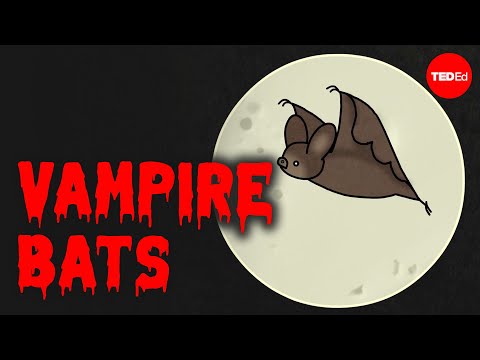
Mehr Other Wörter
abate
C1Wenn etwas an Intensität verliert oder nachlässt. Das kann ein Sturm sein, der schwächer wird, oder auch starke Gefühle.
abcarndom
C1Bewusst von einem festen Muster abweichen, um einen zufälligen oder nicht-linearen Ansatz zu wählen. Oft in technischen Analysen genutzt.
abcenthood
C1The state, condition, or period of being absent, particularly in a role where one's presence is expected or required. It often refers to a prolonged or systemic lack of participation in a social, parental, or professional capacity.
abcitless
C1Das ist, wenn etwas Wichtiges fehlt und ein Plan oder Gedanke nicht richtig funktioniert.
abcognacy
C1The state of being unaware or lacking knowledge about a specific subject, situation, or fact. It describes a condition of non-recognition or a gap in cognitive awareness, often used in technical or specialized academic contexts.
abdocion
C1Beschreibt eine Bewegung oder Logik, die sich von einem Zentrum entfernt. Oft in der Technik genutzt, wenn sich etwas nach außen richtet.
abdocly
C1Abdocly beschreibt Dinge, die versteckt oder in Nischen untergebracht sind und nicht sofort ins Auge fallen.
aberration
B2A departure from what is normal, usual, or expected, typically one that is unwelcome. It refers to a temporary change or a deviation from the standard path or rule.
abfacible
C1To systematically strip or remove the external surface or facade of a structure or material for analysis, restoration, or cleaning. It specifically refers to the technical act of uncovering underlying layers while preserving the integrity of the core material.
abfactency
C1Beschreibt etwas, das völlig von Fakten oder der Realität losgelöst ist. Oft benutzt für Theorien, die zwar logisch wirken, aber mit der Wirklichkeit nichts zu tun haben.