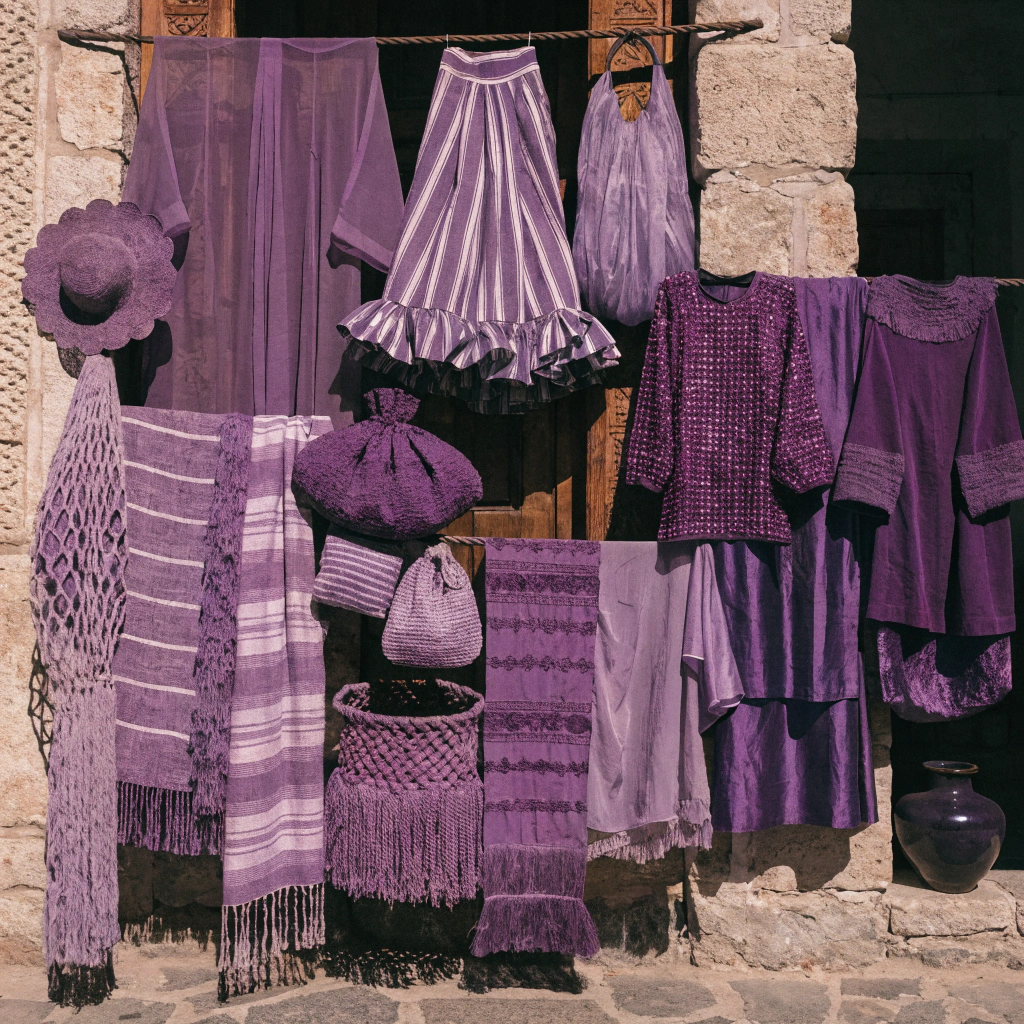
Beautiful Traditional Clothes in Iran
Iran is a very big country. People in Iran wear beautiful clothes. These traditional clothes are called Poushāk-e Sonnati. In different regions, the clothes are different. The colors are very bright. Some clothes are red, blue, and yellow. Women wear long dresses with flowers. Men wear special hats and jackets. Many people make these clothes by hand. They use many patterns. These patterns tell a story about their home. Traditional clothes are an important part of life in Iran. People wear them for festivals and weddings. They are very proud of their history.
Gramática destacada
Patrón: Present Simple (Verb 'to be')
"Iran is a very big country."
We use 'is' with singular subjects like 'Iran' to state facts. It connects the subject to a description.
Patrón: Present Simple (Action Verbs)
"People wear beautiful clothes."
We use the base form of the verb for plural subjects like 'people'. It describes a general truth or habit.
Pon a prueba tu comprensión
10 preguntas · A1 Principiante · 1 vista previa gratis
Pon a prueba lo que aprendiste en este artículo. ¡Responde todas las preguntas para ganar XP!
What are the traditional clothes in Iran called?
¿Quieres terminar el quiz?
9 preguntas más te esperan. ¡Regístrate gratis para desbloquear el quiz completo y ganar XP!
Regístrate gratis¿Ya tienes cuenta? Acceder
Desglose de preguntas
What are the traditional clothes in Iran called?
Tu respuesta:
Respuesta correcta: Poushāk-e Sonnati
Traditional clothes in Iran only use black and white colors.
Tu respuesta:
Respuesta correcta: Falso
What does 'bright' mean?
Tu respuesta:
Respuesta correcta: Strong and easy to see colors
Many people make these clothes by _____.
Tu respuesta:
Respuesta correcta: hand
Traditional Clothes of Iran: A World of Color
Iran is a very big country with many different groups of people. In the past, every region had its own traditional clothes. These clothes are called Poushāk-e Sonnati. They are very beautiful because they have many bright colors and special patterns.
In the north, women wore long, colorful skirts. These skirts were heavier than modern skirts because they had many layers. In the south, near the sea, the clothes were lighter. This was because the weather was very hot. Men in the mountains, like the Kurds, wore wide belts and strong boots.
Today, people in big cities usually wear modern clothes. However, many people still wear traditional dress for weddings and festivals. These clothes are more interesting than simple city clothes. They show the history of the people. Each piece of clothing tells a story about where the person came from. People are proud of these traditions because they are a part of their culture.
Gramática destacada
Patrón: Comparative Adjectives
"These skirts were heavier than modern skirts because they had many layers."
We use comparative adjectives to compare two things. For short words, we add '-er' + 'than'. For longer words, we use 'more' + adjective + 'than'.
Patrón: Past Simple
"In the past, every region had its own traditional clothes."
The past simple is used to talk about completed actions in the past. 'Had' is the past form of 'have', and 'wore' is the past form of 'wear'.
Pon a prueba tu comprensión
11 preguntas · A2 Básico · 1 vista previa gratis
Pon a prueba lo que aprendiste en este artículo. ¡Responde todas las preguntas para ganar XP!
What is the name for traditional Iranian clothes?
¿Quieres terminar el quiz?
10 preguntas más te esperan. ¡Regístrate gratis para desbloquear el quiz completo y ganar XP!
Regístrate gratis¿Ya tienes cuenta? Acceder
Desglose de preguntas
What is the name for traditional Iranian clothes?
Tu respuesta:
Respuesta correcta: Poushāk-e Sonnati
People in the south of Iran wore heavy clothes because it was cold.
Tu respuesta:
Respuesta correcta: Falso
What does 'modern' mean?
Tu respuesta:
Respuesta correcta: New and current
In the past, northern skirts were _____ than modern skirts.
Tu respuesta:
Respuesta correcta: heavier
Why did men in the mountains wear wide belts and boots?
Tu respuesta:
Respuesta correcta: Because they lived in the mountains
Poushāk-e Sonnati: The Colorful Tradition of Iranian Dress
Traditional Iranian fashion is often misunderstood by people who only see the modern styles of Tehran. However, if you travel across the country, you will discover a beautiful world of regional dress known as Poushāk-e Sonnati. These clothes have been worn for centuries by different ethnic groups, such as the Kurds, Lurs, and Baluchis.
Each region has its own unique style which reflects the local geography and climate. For example, in the northern province of Gilan, women wear long, colorful skirts that are decorated with horizontal stripes. These bright colors represent the flowers and natural beauty of the Caspian Sea region. In contrast, the Baluchi people from the southeast are famous for their incredibly detailed needlework. This traditional art, called 'Suzanduzi', is passed down from mothers to daughters.
Many of these garments are made of high-quality silk or wool. The patterns are not just for decoration; they often have symbolic meanings. Some designs represent protection, while others show the social status of the person wearing them. Although modern fashion is popular today, these traditional styles have not disappeared. In fact, many young designers have started to include traditional elements in their modern collections.
Today, Poushāk-e Sonnati is still celebrated during weddings and local festivals. These clothes are more than just fabric; they are a visual map of Iran’s history. By wearing these outfits, people maintain a strong connection to their ancestors and their land.
Gramática destacada
Patrón: Relative Clauses with 'who' and 'which'
"Each region has its own unique style which reflects the local geography and climate."
Relative clauses give more information about a noun. We use 'who' for people and 'which' or 'that' for things. In this sentence, 'which' describes the specific 'unique style'.
Patrón: Passive Voice (Present Simple)
"This traditional art, called 'Suzanduzi', is passed down from mothers to daughters."
The passive voice is used when the action is more important than the person doing it. It is formed with 'am/is/are' + the past participle. Here, the focus is on the art being transferred through generations.
Pon a prueba tu comprensión
11 preguntas · B1 Intermedio · 1 vista previa gratis
Pon a prueba lo que aprendiste en este artículo. ¡Responde todas las preguntas para ganar XP!
What is the main purpose of the article?
¿Quieres terminar el quiz?
10 preguntas más te esperan. ¡Regístrate gratis para desbloquear el quiz completo y ganar XP!
Regístrate gratis¿Ya tienes cuenta? Acceder
Desglose de preguntas
What is the main purpose of the article?
Tu respuesta:
Respuesta correcta: To explain the diversity of regional Iranian clothing
The patterns on Poushāk-e Sonnati are only used for decoration.
Tu respuesta:
Respuesta correcta: Falso
What does the word 'garments' mean?
Tu respuesta:
Respuesta correcta: Items of clothing
The patterns on the clothes often have _____ meanings.
Tu respuesta:
Respuesta correcta: symbolic
Why do women in Gilan wear colorful skirts with horizontal stripes?
Tu respuesta:
Respuesta correcta: To represent the natural beauty of their region
Beyond the Veil: The Vibrancy of Iran’s Traditional Attire
While international perceptions of Iranian fashion are frequently limited to the monochromatic dress codes seen in urban Tehran, a closer examination reveals a breathtakingly diverse heritage known as Poushāk-e Sonnati. This regional dress acts as a visual map of the country’s vast geography and ethnic diversity, encompassing the distinct styles of Persians, Kurds, Lurs, Gilaks, and Baluchis. Far from being simple garments, these outfits represent a sophisticated synthesis of environmental adaptation, social status, and ancient craftsmanship. Consequently, understanding these textiles is essential for anyone seeking to grasp the true complexity of Iranian identity.
In the northern provinces near the Caspian Sea, the Gilak people wear vibrant, pleated skirts that mirror the colorful landscapes of their humid environment. In contrast, the attire of the Baluchi people in the southeast is characterized by heavy, intricate needlework known as 'Suzanduzi.' This craftsmanship is so detailed that a single dress may take months to complete. These garments are not only aesthetically pleasing but also functional; for example, the wide trousers and loose tunics worn by many nomadic groups were specifically designed to facilitate movement across rugged terrain. Furthermore, the materials used—ranging from heavy wool in the mountainous regions to light silks in the central plateaus—demonstrate a profound understanding of local climates.
Symbolism plays a crucial role in the construction of Poushāk-e Sonnati. The specific patterns and colors chosen often indicate a person’s marital status, tribe, or even their wealth. For instance, the Lurs and Kurds utilize layers and specific headgear that have been passed down through generations, serving as a silent language of heritage. However, the rise of globalized fast fashion has posed a significant threat to these traditions. Many younger Iranians have begun to favor Western-style clothing, leading to a decline in the number of artisans who possess the skills to create traditional textiles.
Despite these challenges, there has been a recent resurgence of interest in regional dress among contemporary designers. By integrating traditional motifs into modern silhouettes, they are ensuring that this cultural legacy is preserved for future generations. This preservation is vital, as these garments are more than just clothing; they are the threads that weave together the history and collective memory of a nation. Ultimately, Poushāk-e Sonnati remains a powerful testament to the resilience of Iranian culture in an ever-changing world.
Gramática destacada
Patrón: Passive Voice (Present Simple)
"These garments are not only aesthetically pleasing but also functional."
The passive voice is used here to focus on the objects (the garments) rather than who made them. It is formed using the verb 'to be' plus the past participle.
Patrón: Relative Clauses
"The Gilak people wear vibrant, pleated skirts that mirror the colorful landscapes of their humid environment."
The relative pronoun 'that' introduces a clause that provides essential information about the 'skirts'. This helps combine complex ideas into a single sentence.
Patrón: Contrast Markers
"In contrast, the attire of the Baluchi people in the southeast is characterized by heavy, intricate needlework."
The phrase 'In contrast' is a discourse marker used to introduce a significant difference between two subjects. It is essential for academic writing to organize comparisons.
Pon a prueba tu comprensión
11 preguntas · B2 Intermedio alto · 1 vista previa gratis
Pon a prueba lo que aprendiste en este artículo. ¡Responde todas las preguntas para ganar XP!
What does the author suggest about the relationship between geography and clothing in Iran?
¿Quieres terminar el quiz?
10 preguntas más te esperan. ¡Regístrate gratis para desbloquear el quiz completo y ganar XP!
Regístrate gratis¿Ya tienes cuenta? Acceder
Desglose de preguntas
What does the author suggest about the relationship between geography and clothing in Iran?
Tu respuesta:
Respuesta correcta: Regional dress serves as a visual map of geography and ethnic groups.
The 'Suzanduzi' needlework of the Baluchi people can be completed very quickly.
Tu respuesta:
Respuesta correcta: Falso
What does 'monochromatic' mean in the context of the article?
Tu respuesta:
Respuesta correcta: Consisting of only one color
The rise of globalized fast fashion has posed a significant _____ to traditional Iranian dress.
Tu respuesta:
Respuesta correcta: threat
How are contemporary designers helping to keep Poushāk-e Sonnati alive?
Tu respuesta:
Respuesta correcta: By integrating traditional patterns into modern silhouettes.
Poushāk-e Sonnati: El Tapiz Vibrante de la Indumentaria Regional Iraní
Mientras que la percepción global de la moda iraní a menudo se limita a los códigos urbanos contemporáneos que imperan en Teherán, la nación persa atesora un legado cultural de una diversidad asombrosa: la indumentaria regional tradicional, conocida como Poushāk-e Sonnati. Lejos de la monocromía que caracteriza la vida citadina, estas vestimentas constituyen un mapa visual efervescente de la geografía y los grupos étnicos de Irán, incluyendo persas, kurdos, luros, gilakis, baluchis y muchos otros, cada uno con su narrativa textil particular.
Es en la riqueza cromática y la intrincada labor de aguja donde reside la verdadera esencia del Poushāk-e Sonnati. No es meramente una cuestión de estética; cada color, cada patrón y cada bordado encierra un significado simbólico profundamente arraigado en la historia, las creencias y las condiciones de vida de las comunidades que los portan. Por ejemplo, en las regiones montañosas del Kurdistán, las mujeres lucen faldas voluminosas y chaquetas adornadas, a menudo confeccionadas en telas brillantes que reflejan su espíritu resiliente y su conexión con la naturaleza. Los hombres, por su parte, se distinguen por sus amplios pantalones y chalecos, acompañados de un tocado distintivo.
La diversidad climática y topográfica de Irán ha sido, sin duda, un factor determinante en la evolución de estas prendas. Así, en las áridas llanuras de Baluchistán, la vestimenta tradicional se adapta a las altas temperaturas y la necesidad de protección solar, con tejidos ligeros y holgados que contrastan con los diseños más pesados y abrigados de las zonas montañosas. Los baluchis, tanto hombres como mujeres, son reconocidos por sus camisas largas y decoradas con elaborados bordados que pueden llevar meses de minuciosa confección, un testimonio de la paciencia y el arte de sus creadores.
Lo que verdaderamente fascina del Poushāk-e Sonnati es su capacidad para contar historias sin pronunciar palabra alguna. La elección de los materiales, la paleta de colores empleada, los motivos geométricos o florales; todo ello funciona como un lenguaje silencioso que comunica la identidad tribal, el estatus social, la edad e incluso el estado civil del portador. Es más, la transmisión de estas habilidades textiles de generación en generación ha permitido la salvaguarda de un patrimonio inmaterial de incalculable valor.
Sin embargo, la globalización y la urbanización plantean desafíos significativos a la preservación de estas tradiciones. Si bien la indumentaria moderna es omnipresente, la conciencia sobre la importancia cultural del Poushāk-e Sonnati está creciendo, impulsada por esfuerzos locales y nacionales para documentar, revitalizar y promover su uso en festivales, ceremonias y como expresión de orgullo cultural. Es imperativo que se reconozca el valor intrínseco de estas "obras de arte portátiles", no solo como elementos folclóricos, sino como una manifestación viva de la identidad iraní, un crisol de culturas y tradiciones que merecen ser celebradas y salvaguardadas para las generaciones venideras. La continuidad de esta tradición es un espejo de la resiliencia cultural de un pueblo milenario.
Gramática destacada
Patrón: Oraciones hendidas (Cleft Sentences)
"Es en la riqueza cromática y la intrincada labor de aguja donde reside la verdadera esencia del Poushāk-e Sonnati."
Las oraciones hendidas se usan para enfatizar una parte de la oración, separándola en dos cláusulas. Se forman con "ser + elemento enfatizado + que/donde/cuando/quien...". En este caso, se enfatiza el lugar o la característica donde reside la esencia.
Patrón: Nominalización de verbos y adjetivos
"La diversidad climática y topográfica de Irán ha sido, sin duda, un factor determinante en la evolución de estas prendas."
La nominalización consiste en transformar un verbo o adjetivo en un sustantivo. Aquí, "diversidad" (de diverso) y "evolución" (de evolucionar) se utilizan como nombres para expresar conceptos de manera más abstracta y formal, típica del registro C1.
Patrón: Inversión del sujeto y el verbo
"Así, en las áridas llanuras de Baluchistán, la vestimenta tradicional se adapta a las altas temperaturas y la necesidad de protección solar."
Aunque el ejemplo dado es más una colocación adverbial al inicio, la idea de inversión se ve en el uso de "Es en... donde reside" previamente. Un ejemplo más directo de inversión para énfasis podría ser "Reside en la riqueza cromática... la esencia". La inversión del sujeto y el verbo se emplea para dar mayor énfasis al predicado o para variar la estructura sintáctica, aportando elegancia y complejidad al discurso.
Pon a prueba tu comprensión
12 preguntas · C1 Avanzado · 1 vista previa gratis
Pon a prueba lo que aprendiste en este artículo. ¡Responde todas las preguntas para ganar XP!
¿Cuál es la principal diferencia entre la moda urbana de Teherán y el Poushāk-e Sonnati?
¿Quieres terminar el quiz?
11 preguntas más te esperan. ¡Regístrate gratis para desbloquear el quiz completo y ganar XP!
Regístrate gratis¿Ya tienes cuenta? Acceder
Desglose de preguntas
¿Cuál es la principal diferencia entre la moda urbana de Teherán y el Poushāk-e Sonnati?
Tu respuesta:
Respuesta correcta: El Poushāk-e Sonnati es vibrante y diverso, mientras que la moda urbana tiende a ser monocromática.
El significado de los colores y patrones en el Poushāk-e Sonnati es puramente estético y no tiene un valor simbólico.
Tu respuesta:
Respuesta correcta: Falso
¿Qué significa la palabra "arraigado" en el contexto del artículo?
Tu respuesta:
Respuesta correcta: Profundamente establecido y duradero.
La diversidad climática y topográfica de Irán ha sido un factor __________ en la evolución de las prendas tradicionales.
Tu respuesta:
Respuesta correcta: determinante
¿Qué comunica el Poushāk-e Sonnati sin necesidad de palabras?
Tu respuesta:
Respuesta correcta: La identidad tribal, el estatus social y la edad del portador.
La globalización y la urbanización no representan ningún desafío para la preservación de las tradiciones del Poushāk-e Sonnati.
Tu respuesta:
Respuesta correcta: Falso
The Semiotics of Silk and Soil: Deconstructing the Poushāk-e Sonnati of Iran
To survey the kaleidoscopic breadth of Iranian regional attire—collectively termed Poushāk-e Sonnati—is to engage with a visual cartography of a civilization whose historical strata are as multifaceted as the textiles it produces. While the global zeitgeist often reduces Iranian sartorial identity to the monochromatic austerity of urban centers, such a reductive lens fails to account for the idiosyncratic vibrancy inherent in the country’s peripheral provinces. From the verdant littoral of the Caspian Sea to the arid expanses of Sistan and Baluchestan, traditional dress serves as a nuanced lexicon, articulating ethnic sovereignty, climatic adaptation, and metaphysical belief.
Seldom does one encounter such a profound juxtaposition of utility and ornamentation as in the attire of the Gilak and Mazandarani peoples. Were it not for the humidity of the northern forests, the layered, tiered skirts of the Gilak women—designed to facilitate movement through damp undergrowth—might never have evolved their distinctive silhouette. Conversely, the voluminous, intricately embroidered 'Pashk' of the Baluchi women functions as a testament to the endurance of craftsmanship in the face of environmental extremity. Each stitch in the 'Suzanduzi' needlework is not merely decorative; it is a vestigial archive of tribal lineage, often incorporating geometric motifs that date back to pre-Islamic antiquity.
The Lurs and Kurds, inhabiting the rugged Zagros range, utilize dress as a performative expression of martial and pastoral heritage. The 'Koulanj' or the 'Chokha' are not merely garments but symbols of a collective identity that has resisted the homogenization of the modern era. It is imperative that the scholar recognize these sartorial choices not as stagnant relics of a bygone era, but as dynamic responses to the encroachment of globalized fashion. Should these traditions be subsumed by the relentless march of industrial mass-production, the world would lose a vital semiotic system that conveys status, age, and marital availability through the mere placement of a tassel or the hue of a headscarf. This semiotic density ensures that every garment functions as a readable text for those initiated into its specific cultural grammar.
Furthermore, the academic discourse surrounding Poushāk-e Sonnati must avoid the trap of orientalist romanticism. While the aesthetic appeal is undeniable, one must also analyze the socio-economic underpinnings of textile production. The labor-intensive nature of hand-weaving and natural dyeing processes suggests a societal valuation of time and patience that stands in stark contrast to the ephemeral nature of 'fast fashion.' It could be argued that the preservation of these garments is a form of cultural resistance—a refusal to allow the nuances of regional heritage to be erased by the utilitarian demands of modernity. In conclusion, the study of Iranian traditional dress offers a window into the interstices of history and geography. By examining the intricate interplay of fabric, color, and form, one gains a deeper appreciation for the resilience of the human spirit. Lest we forget the importance of these living archives, it is essential that we continue to document and celebrate the diversity of Poushāk-e Sonnati, ensuring that the tapestry of Iranian identity remains as rich and variegated as the threads from which it is woven.
Gramática destacada
Patrón: Negative Inversion
"Seldom does one encounter such a profound juxtaposition of utility and ornamentation..."
When a sentence starts with a negative or restrictive adverb like 'seldom', the auxiliary verb is placed before the subject. This is used in formal writing to add emphasis or a rhetorical flourish.
Patrón: The Present Subjunctive
"It is imperative that the scholar recognize these sartorial choices not as stagnant relics..."
The subjunctive mood is used after certain adjectives (like imperative, essential, vital) to express necessity. The base form of the verb ('recognize' instead of 'recognizes') is used regardless of the subject.
Patrón: Inverted Conditional (Zero/First/Second type variation)
"Should these traditions be subsumed by the relentless march of industrial mass-production..."
The word 'Should' replaces 'If' at the beginning of a conditional clause to make the tone more formal and hypothetical. It follows the structure: Should + subject + base verb.
Pon a prueba tu comprensión
12 preguntas · C2 Dominio · 1 vista previa gratis
Pon a prueba lo que aprendiste en este artículo. ¡Responde todas las preguntas para ganar XP!
What is the primary thesis of the article regarding Poushāk-e Sonnati?
¿Quieres terminar el quiz?
11 preguntas más te esperan. ¡Regístrate gratis para desbloquear el quiz completo y ganar XP!
Regístrate gratis¿Ya tienes cuenta? Acceder
Desglose de preguntas
What is the primary thesis of the article regarding Poushāk-e Sonnati?
Tu respuesta:
Respuesta correcta: It serves as a complex semiotic system that maps Iran's diverse ethnic and geographical identity.
The author suggests that the tiered skirts of Gilak women were influenced by the environmental conditions of the Caspian region.
Tu respuesta:
Respuesta correcta: Verdadero
Which word best describes something that is transitory or short-lived?
Tu respuesta:
Respuesta correcta: Ephemeral
The author argues that traditional dress has resisted the _____ of the modern era.
Tu respuesta:
Respuesta correcta: homogenization
According to the text, what does 'Suzanduzi' needlework represent?
Tu respuesta:
Respuesta correcta: A vestigial archive of tribal lineage dating back to antiquity.
The author views the preservation of regional dress as a form of cultural resistance.
Tu respuesta:
Respuesta correcta: Verdadero

