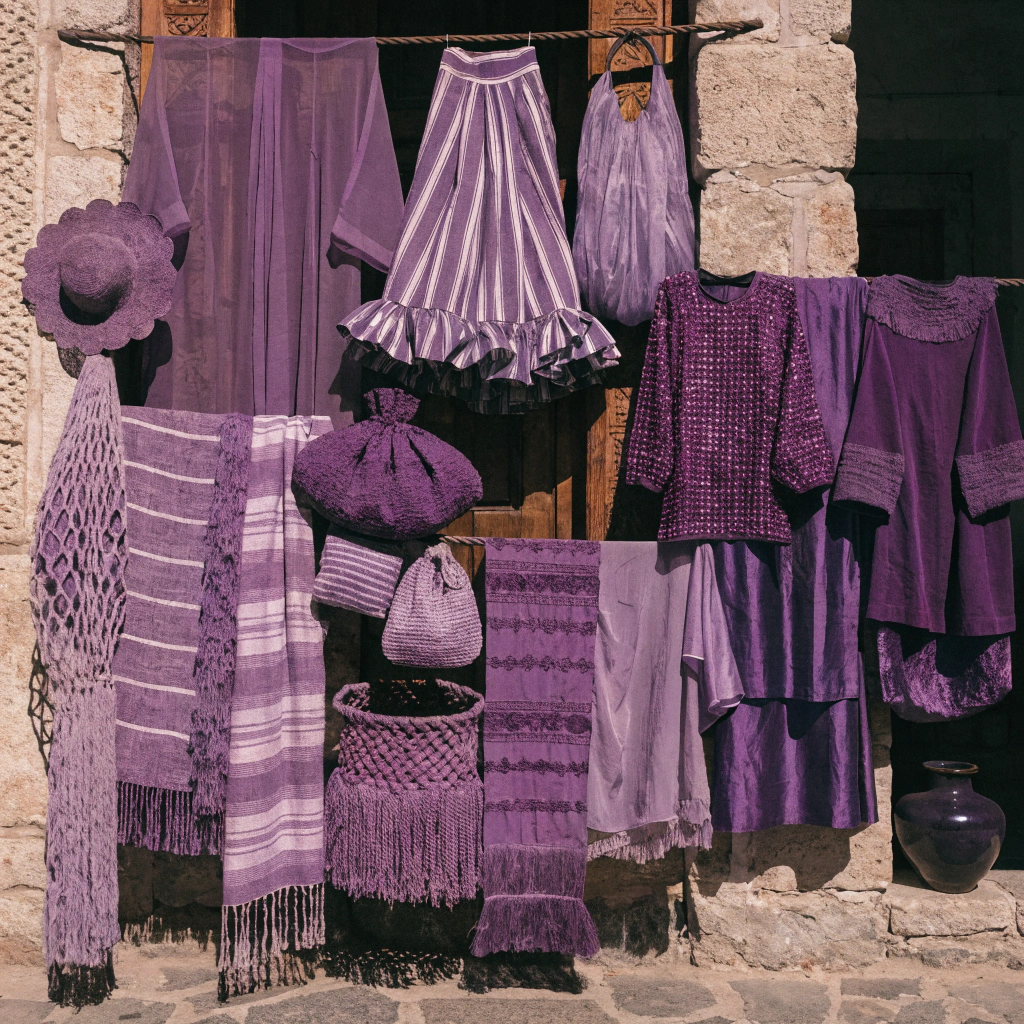
Poushāk-e Sonnati : Les beaux vêtements d'Iran
En Iran, il y a beaucoup de vêtements traditionnels. On appelle ces vêtements "Poushāk-e Sonnati". Ce sont des habits très beaux et très colorés. Chaque région et chaque famille a ses propres vêtements, qui sont différents. Les gens portent ces habits pour des fêtes ou des occasions spéciales. Les couleurs sont souvent vives, comme le rouge ou le bleu. Il y a aussi des motifs uniques. Par exemple, les Kurdes ont des vêtements spécifiques, et les Baloutches ont d'autres styles. Cette tradition est très importante. Elle montre la grande diversité de l'Iran et de ses peuples. Les femmes et les hommes ont leurs propres styles. C'est très intéressant à découvrir et à regarder.
Point grammaire
Structure: Il y a (il y a)
"En Iran, il y a beaucoup de vêtements traditionnels."
« Il y a » sert à dire qu'une chose existe ou est présente à un endroit. C'est une expression très courante. On l'utilise pour montrer la présence de quelque chose.
Structure: Les adjectifs (accord)
"Ce sont des habits très beaux et très colorés."
En français, les adjectifs décrivent les noms. Ils changent de forme pour s'accorder avec le nom qu'ils décrivent. Par exemple, 'beau' devient 'beaux' pour des habits (masculin pluriel) et 'coloré' devient 'colorés'.
Teste ta compréhension
10 questions · A1 Débutant · 1 aperçu gratuit
Teste ce que tu as appris dans cet article. Réponds à toutes les questions pour gagner des XP !
Comment s'appellent les vêtements traditionnels en Iran ?
Tu veux terminer le quiz ?
9 questions supplémentaires t'attendent. Inscris-toi gratuitement pour débloquer le quiz complet et gagner des XP !
S'inscrire gratuitementTu as dj un compte ? Connexion
Bien joué !
Continue à pratiquer !
Déjà terminé — pas de XP supplémentaire
Inscris-toi pour gagner des XPDétail des questions
Comment s'appellent les vêtements traditionnels en Iran ?
Ta réponse:
Bonne réponse: Poushāk-e Sonnati
Toutes les régions d'Iran ont les mêmes vêtements traditionnels.
Ta réponse:
Bonne réponse: Faux
Que signifie le mot "vêtements" ?
Ta réponse:
Bonne réponse: Clothes, garments
Les gens portent ces _____ pour des fêtes ou des occasions spéciales.
Ta réponse:
Bonne réponse: habits
Les Vêtements Traditionnels d'Iran : Une Fête de Couleurs
L'Iran est un pays avec une histoire riche et une grande diversité. Quand on pense à la mode iranienne, on imagine souvent les vêtements des grandes villes, comme à Téhéran. Mais l'Iran possède aussi un magnifique patrimoine de robes traditionnelles. On les appelle "Poushāk-e Sonnati".
Ces vêtements sont très différents des habits de la ville. Ils sont comme une carte visuelle de l'Iran ! Chaque région et chaque groupe ethnique, par exemple les Persans, les Kurdes, les Baloutches, a ses propres Poushāk-e Sonnati. Ils ne sont pas monochromes, comme souvent en ville, mais une vraie explosion de couleurs ! On voit beaucoup de rouge, de bleu, de vert.
Les Poushāk-e Sonnati ont des motifs complexes et de belles broderies. Chaque motif et chaque couleur peut avoir un sens spécial. Ces vêtements montrent l'identité, les traditions et l'histoire des gens. C'est une partie très belle et importante de la culture iranienne. Ils sont plus colorés et plus symboliques que les vêtements modernes.
Point grammaire
Structure: Les adjectifs possessifs
"Chaque région et chaque groupe ethnique a ses propres Poushāk-e Sonnati."
Les adjectifs possessifs, comme 'ses', indiquent à qui appartient quelque chose. Ils s'accordent en genre et en nombre avec le nom qu'ils accompagnent, pas avec la personne qui possède.
Structure: Les comparatifs (plus... que)
"Ils sont plus colorés et plus symboliques que les vêtements modernes."
On utilise 'plus... que' pour comparer deux choses et dire que l'une a plus d'une qualité que l'autre. On met l'adjectif (ici 'colorés' et 'symboliques') entre 'plus' et 'que'.
Teste ta compréhension
11 questions · A2 mentaire · 1 aperçu gratuit
Teste ce que tu as appris dans cet article. Réponds à toutes les questions pour gagner des XP !
Qu'est-ce que le 'Poushāk-e Sonnati' ?
Tu veux terminer le quiz ?
10 questions supplémentaires t'attendent. Inscris-toi gratuitement pour débloquer le quiz complet et gagner des XP !
S'inscrire gratuitementTu as dj un compte ? Connexion
Bien joué !
Continue à pratiquer !
Déjà terminé — pas de XP supplémentaire
Inscris-toi pour gagner des XPDétail des questions
Qu'est-ce que le 'Poushāk-e Sonnati' ?
Ta réponse:
Bonne réponse: Les robes traditionnelles d'Iran
Les vêtements traditionnels iraniens sont souvent monochromes, comme en ville.
Ta réponse:
Bonne réponse: Faux
Que signifie le mot 'patrimoine' ?
Ta réponse:
Bonne réponse: L'héritage culturel
Chaque région et chaque groupe ethnique a _____ propres Poushāk-e Sonnati.
Ta réponse:
Bonne réponse: ses
Quelle est une caractéristique importante des Poushāk-e Sonnati ?
Ta réponse:
Bonne réponse: Ils sont une explosion de couleurs et ont des motifs.
Poushāk-e Sonnati : Le Tapis Tissé des Vêtements Régionaux d'Iran
Le monde a souvent associé la mode iranienne aux styles urbains modernes que l'on voit à Téhéran. Cependant, l'Iran possède un patrimoine d'une richesse incroyable : ses vêtements traditionnels régionaux, connus sous le nom de Poushāk-e Sonnati. Ces habits ne sont pas seulement des vêtements ; ils sont une carte visuelle de la géographie et de la diversité ethnique du pays.
En effet, chaque région et chaque groupe ethnique, comme les Persans, les Kurdes, les Lors, les Guilaks ou les Baloutches, a développé ses propres styles distincts. Loin des tons monochromes que l'on trouve souvent dans les grandes villes, le Poushāk-e Sonnati est une explosion de couleurs vives, de broderies complexes et de motifs symboliques. Chaque élément, chaque fil, chaque couleur a une signification profonde. Les motifs peuvent raconter des histoires sur la nature, la vie quotidienne ou la spiritualité du groupe qui les porte. Par exemple, certaines broderies représentent des fleurs ou des animaux typiques de la région.
La confection de ces vêtements est un art qui se transmet de génération en génération. Des tissus sont choisis avec soin, puis teints et brodés à la main, souvent par les femmes. Ces pratiques ne sont pas seulement une tradition esthétique, mais aussi un moyen puissant de préserver l'identité culturelle. Par exemple, les femmes kurdes sont souvent vêtues de robes aux couleurs éclatantes et de vestes ornées, tandis que les Baloutches portent des tuniques amples avec des broderies géométriques uniques. La manière dont ces vêtements sont fabriqués et portés est un signe d'appartenance et de fierté.
Aujourd'hui, bien que les vêtements modernes soient largement adoptés dans la vie de tous les jours, le Poushāk-e Sonnati continue d'être porté lors des fêtes nationales, des mariages et des événements spéciaux. Il est un témoignage vivant de l'attachement des Iraniens à leurs racines et de la richesse de leur culture. C'est une véritable tapisserie tissée d'histoires, de traditions et d'identités, qui dévoile la beauté et la profondeur de l'Iran.
Point grammaire
Structure: La voix passive
"Des tissus sont choisis avec soin, puis teints et brodés à la main."
La voix passive est utilisée quand l'action est subie par le sujet, et non faite par lui. Elle est formée avec l'auxiliaire "être" conjugué et le participe passé du verbe. L'agent de l'action peut être introduit par "par" ou "de".
Structure: Les pronoms relatifs "qui" et "que"
"La confection de ces vêtements est un art qui se transmet de génération en génération."
Les pronoms relatifs "qui" et "que" permettent de relier deux phrases pour éviter les répétitions. "Qui" est utilisé pour le sujet de la proposition relative (souvent suivi d'un verbe), tandis que "que" est utilisé pour l'objet direct (souvent suivi d'un sujet + verbe).
Teste ta compréhension
11 questions · B1 Intermédiaire · 1 aperçu gratuit
Teste ce que tu as appris dans cet article. Réponds à toutes les questions pour gagner des XP !
Qu'est-ce que le "Poushāk-e Sonnati" ?
Tu veux terminer le quiz ?
10 questions supplémentaires t'attendent. Inscris-toi gratuitement pour débloquer le quiz complet et gagner des XP !
S'inscrire gratuitementTu as dj un compte ? Connexion
Bien joué !
Continue à pratiquer !
Déjà terminé — pas de XP supplémentaire
Inscris-toi pour gagner des XPDétail des questions
Qu'est-ce que le "Poushāk-e Sonnati" ?
Ta réponse:
Bonne réponse: Les vêtements traditionnels régionaux iraniens
Les vêtements régionaux iraniens sont connus pour leurs tons monochromes.
Ta réponse:
Bonne réponse: Faux
Que signifie le mot "patrimoine" dans le contexte de l'article ?
Ta réponse:
Bonne réponse: Un héritage culturel
La confection de ces vêtements est un art qui se _______ de génération en génération.
Ta réponse:
Bonne réponse: transmet
Quelle est une caractéristique principale du Poushāk-e Sonnati ?
Ta réponse:
Bonne réponse: Il est une explosion de couleurs et de broderies.
Beyond the Veil: The Vibrancy of Iran’s Traditional Attire
While international perceptions of Iranian fashion are frequently limited to the monochromatic dress codes seen in urban Tehran, a closer examination reveals a breathtakingly diverse heritage known as Poushāk-e Sonnati. This regional dress acts as a visual map of the country’s vast geography and ethnic diversity, encompassing the distinct styles of Persians, Kurds, Lurs, Gilaks, and Baluchis. Far from being simple garments, these outfits represent a sophisticated synthesis of environmental adaptation, social status, and ancient craftsmanship. Consequently, understanding these textiles is essential for anyone seeking to grasp the true complexity of Iranian identity.
In the northern provinces near the Caspian Sea, the Gilak people wear vibrant, pleated skirts that mirror the colorful landscapes of their humid environment. In contrast, the attire of the Baluchi people in the southeast is characterized by heavy, intricate needlework known as 'Suzanduzi.' This craftsmanship is so detailed that a single dress may take months to complete. These garments are not only aesthetically pleasing but also functional; for example, the wide trousers and loose tunics worn by many nomadic groups were specifically designed to facilitate movement across rugged terrain. Furthermore, the materials used—ranging from heavy wool in the mountainous regions to light silks in the central plateaus—demonstrate a profound understanding of local climates.
Symbolism plays a crucial role in the construction of Poushāk-e Sonnati. The specific patterns and colors chosen often indicate a person’s marital status, tribe, or even their wealth. For instance, the Lurs and Kurds utilize layers and specific headgear that have been passed down through generations, serving as a silent language of heritage. However, the rise of globalized fast fashion has posed a significant threat to these traditions. Many younger Iranians have begun to favor Western-style clothing, leading to a decline in the number of artisans who possess the skills to create traditional textiles.
Despite these challenges, there has been a recent resurgence of interest in regional dress among contemporary designers. By integrating traditional motifs into modern silhouettes, they are ensuring that this cultural legacy is preserved for future generations. This preservation is vital, as these garments are more than just clothing; they are the threads that weave together the history and collective memory of a nation. Ultimately, Poushāk-e Sonnati remains a powerful testament to the resilience of Iranian culture in an ever-changing world.
Point grammaire
Structure: Passive Voice (Present Simple)
"These garments are not only aesthetically pleasing but also functional."
The passive voice is used here to focus on the objects (the garments) rather than who made them. It is formed using the verb 'to be' plus the past participle.
Structure: Relative Clauses
"The Gilak people wear vibrant, pleated skirts that mirror the colorful landscapes of their humid environment."
The relative pronoun 'that' introduces a clause that provides essential information about the 'skirts'. This helps combine complex ideas into a single sentence.
Structure: Contrast Markers
"In contrast, the attire of the Baluchi people in the southeast is characterized by heavy, intricate needlework."
The phrase 'In contrast' is a discourse marker used to introduce a significant difference between two subjects. It is essential for academic writing to organize comparisons.
Teste ta compréhension
11 questions · B2 Intermédiaire supérieur · 1 aperçu gratuit
Teste ce que tu as appris dans cet article. Réponds à toutes les questions pour gagner des XP !
What does the author suggest about the relationship between geography and clothing in Iran?
Tu veux terminer le quiz ?
10 questions supplémentaires t'attendent. Inscris-toi gratuitement pour débloquer le quiz complet et gagner des XP !
S'inscrire gratuitementTu as dj un compte ? Connexion
Bien joué !
Continue à pratiquer !
Déjà terminé — pas de XP supplémentaire
Inscris-toi pour gagner des XPDétail des questions
What does the author suggest about the relationship between geography and clothing in Iran?
Ta réponse:
Bonne réponse: Regional dress serves as a visual map of geography and ethnic groups.
The 'Suzanduzi' needlework of the Baluchi people can be completed very quickly.
Ta réponse:
Bonne réponse: Faux
What does 'monochromatic' mean in the context of the article?
Ta réponse:
Bonne réponse: Consisting of only one color
The rise of globalized fast fashion has posed a significant _____ to traditional Iranian dress.
Ta réponse:
Bonne réponse: threat
How are contemporary designers helping to keep Poushāk-e Sonnati alive?
Ta réponse:
Bonne réponse: By integrating traditional patterns into modern silhouettes.
Beyond the Urban Monolith: Deciphering the Semiotics of Poushāk-e Sonnati
To the uninitiated observer, the sartorial landscape of modern Iran might appear defined by the monochromatic austerity of urban centers like Tehran. However, such a narrow perspective overlooks a kaleidoscope of cultural expression: Poushāk-e Sonnati. Seldom has a nation’s geography been so vividly mapped onto its textiles as in the regional attire of the Iranian plateau. From the verdant Caspian shores of Gilan to the sun-scorched deserts of Sistan and Baluchestan, traditional dress serves as a complex semiotic system, communicating ethnic identity, social status, and historical lineage.
The sheer diversity of these garments is staggering. Among the Kurds, the voluminous trousers and ornate sashes reflect a rugged mountainous heritage, while the Lurs favor layered vests that denote both utility and prestige. It is the intricate needlework of the Baluchi women, however, that truly exemplifies the mastery of indigenous craftsmanship. Known as 'Suzanduzi', this embroidery is not merely decorative; it is a repository of ancestral patterns, each stitch a testament to a communal memory that predates modern borders.
Moreover, the interplay between climate and cloth is undeniable. In the humid northern provinces, the Gilak people utilize lightweight silks and vibrant, multi-layered skirts, facilitating both movement and ventilation. Conversely, the heavy wools of the nomadic Qashqai provide essential insulation against the biting winds of the Zagros Mountains. The aesthetic choices are rarely arbitrary; they are the result of centuries of adaptation to the environment. The preservation of Poushāk-e Sonnati faces significant challenges in an era dominated by the homogenizing forces of global fast fashion.
Yet, a recent resurgence in interest among the younger generation suggests a paradigm shift. Designers are increasingly incorporating traditional motifs into contemporary silhouettes, bridging the gap between antiquity and modernity. It is this synthesis that ensures the survival of the Iranian textile legacy. By analyzing these garments, we gain insight into a society that values the continuity of its aesthetic heritage amidst a rapidly changing world. The study of these textiles provides a vestige of a world where clothing was a profound narrative of one's place in the universe.
Point grammaire
Structure: Negative Inversion
"Seldom has a nation’s geography been so vividly mapped onto its textiles as in the regional attire of the Iranian plateau."
This is used for emphasis by placing a negative or restrictive adverb at the beginning of the sentence, followed by the auxiliary verb and then the subject.
Structure: Cleft Sentences
"It is the intricate needlework of the Baluchi women, however, that truly exemplifies the mastery of indigenous craftsmanship."
Cleft sentences are used to focus on a specific part of the sentence. They follow the structure 'It + is/was + [focused part] + that/who...'
Structure: Nominalisation
"The preservation of Poushāk-e Sonnati faces significant challenges in an era dominated by the homogenizing forces of global fast fashion."
Nominalisation turns verbs or adjectives into nouns (e.g., 'preserve' becomes 'preservation'). This creates a more formal, academic tone typical of C1 level writing.
Teste ta compréhension
12 questions · C1 Avancé · 1 aperçu gratuit
Teste ce que tu as appris dans cet article. Réponds à toutes les questions pour gagner des XP !
What is the primary argument regarding regional dress in Iran?
Tu veux terminer le quiz ?
11 questions supplémentaires t'attendent. Inscris-toi gratuitement pour débloquer le quiz complet et gagner des XP !
S'inscrire gratuitementTu as dj un compte ? Connexion
Bien joué !
Continue à pratiquer !
Déjà terminé — pas de XP supplémentaire
Inscris-toi pour gagner des XPDétail des questions
What is the primary argument regarding regional dress in Iran?
Ta réponse:
Bonne réponse: It serves as a complex symbolic system reflecting geography and identity.
The article suggests that environmental factors like climate have no influence on the choice of fabric in Poushāk-e Sonnati.
Ta réponse:
Bonne réponse: Faux
What does 'semiotic' refer to in the context of the article?
Ta réponse:
Bonne réponse: A system of signs and symbols used for communication.
A recent _____ in interest among the younger generation suggests that traditional motifs are being embraced again.
Ta réponse:
Bonne réponse: resurgence
How does the article describe the Baluchi 'Suzanduzi'?
Ta réponse:
Bonne réponse: A repository of ancestral patterns and communal memory.
Designers are currently attempting to bridge the gap between antiquity and modernity by using traditional motifs.
Ta réponse:
Bonne réponse: Vrai
The Semiotics of Silk and Soil: Deconstructing the Poushāk-e Sonnati of Iran
To survey the kaleidoscopic breadth of Iranian regional attire—collectively termed Poushāk-e Sonnati—is to engage with a visual cartography of a civilization whose historical strata are as multifaceted as the textiles it produces. While the global zeitgeist often reduces Iranian sartorial identity to the monochromatic austerity of urban centers, such a reductive lens fails to account for the idiosyncratic vibrancy inherent in the country’s peripheral provinces. From the verdant littoral of the Caspian Sea to the arid expanses of Sistan and Baluchestan, traditional dress serves as a nuanced lexicon, articulating ethnic sovereignty, climatic adaptation, and metaphysical belief.
Seldom does one encounter such a profound juxtaposition of utility and ornamentation as in the attire of the Gilak and Mazandarani peoples. Were it not for the humidity of the northern forests, the layered, tiered skirts of the Gilak women—designed to facilitate movement through damp undergrowth—might never have evolved their distinctive silhouette. Conversely, the voluminous, intricately embroidered 'Pashk' of the Baluchi women functions as a testament to the endurance of craftsmanship in the face of environmental extremity. Each stitch in the 'Suzanduzi' needlework is not merely decorative; it is a vestigial archive of tribal lineage, often incorporating geometric motifs that date back to pre-Islamic antiquity.
The Lurs and Kurds, inhabiting the rugged Zagros range, utilize dress as a performative expression of martial and pastoral heritage. The 'Koulanj' or the 'Chokha' are not merely garments but symbols of a collective identity that has resisted the homogenization of the modern era. It is imperative that the scholar recognize these sartorial choices not as stagnant relics of a bygone era, but as dynamic responses to the encroachment of globalized fashion. Should these traditions be subsumed by the relentless march of industrial mass-production, the world would lose a vital semiotic system that conveys status, age, and marital availability through the mere placement of a tassel or the hue of a headscarf. This semiotic density ensures that every garment functions as a readable text for those initiated into its specific cultural grammar.
Furthermore, the academic discourse surrounding Poushāk-e Sonnati must avoid the trap of orientalist romanticism. While the aesthetic appeal is undeniable, one must also analyze the socio-economic underpinnings of textile production. The labor-intensive nature of hand-weaving and natural dyeing processes suggests a societal valuation of time and patience that stands in stark contrast to the ephemeral nature of 'fast fashion.' It could be argued that the preservation of these garments is a form of cultural resistance—a refusal to allow the nuances of regional heritage to be erased by the utilitarian demands of modernity. In conclusion, the study of Iranian traditional dress offers a window into the interstices of history and geography. By examining the intricate interplay of fabric, color, and form, one gains a deeper appreciation for the resilience of the human spirit. Lest we forget the importance of these living archives, it is essential that we continue to document and celebrate the diversity of Poushāk-e Sonnati, ensuring that the tapestry of Iranian identity remains as rich and variegated as the threads from which it is woven.
Point grammaire
Structure: Negative Inversion
"Seldom does one encounter such a profound juxtaposition of utility and ornamentation..."
When a sentence starts with a negative or restrictive adverb like 'seldom', the auxiliary verb is placed before the subject. This is used in formal writing to add emphasis or a rhetorical flourish.
Structure: The Present Subjunctive
"It is imperative that the scholar recognize these sartorial choices not as stagnant relics..."
The subjunctive mood is used after certain adjectives (like imperative, essential, vital) to express necessity. The base form of the verb ('recognize' instead of 'recognizes') is used regardless of the subject.
Structure: Inverted Conditional (Zero/First/Second type variation)
"Should these traditions be subsumed by the relentless march of industrial mass-production..."
The word 'Should' replaces 'If' at the beginning of a conditional clause to make the tone more formal and hypothetical. It follows the structure: Should + subject + base verb.
Teste ta compréhension
12 questions · C2 Maîtrise · 1 aperçu gratuit
Teste ce que tu as appris dans cet article. Réponds à toutes les questions pour gagner des XP !
What is the primary thesis of the article regarding Poushāk-e Sonnati?
Tu veux terminer le quiz ?
11 questions supplémentaires t'attendent. Inscris-toi gratuitement pour débloquer le quiz complet et gagner des XP !
S'inscrire gratuitementTu as dj un compte ? Connexion
Bien joué !
Continue à pratiquer !
Déjà terminé — pas de XP supplémentaire
Inscris-toi pour gagner des XPDétail des questions
What is the primary thesis of the article regarding Poushāk-e Sonnati?
Ta réponse:
Bonne réponse: It serves as a complex semiotic system that maps Iran's diverse ethnic and geographical identity.
The author suggests that the tiered skirts of Gilak women were influenced by the environmental conditions of the Caspian region.
Ta réponse:
Bonne réponse: Vrai
Which word best describes something that is transitory or short-lived?
Ta réponse:
Bonne réponse: Ephemeral
The author argues that traditional dress has resisted the _____ of the modern era.
Ta réponse:
Bonne réponse: homogenization
According to the text, what does 'Suzanduzi' needlework represent?
Ta réponse:
Bonne réponse: A vestigial archive of tribal lineage dating back to antiquity.
The author views the preservation of regional dress as a form of cultural resistance.
Ta réponse:
Bonne réponse: Vrai

