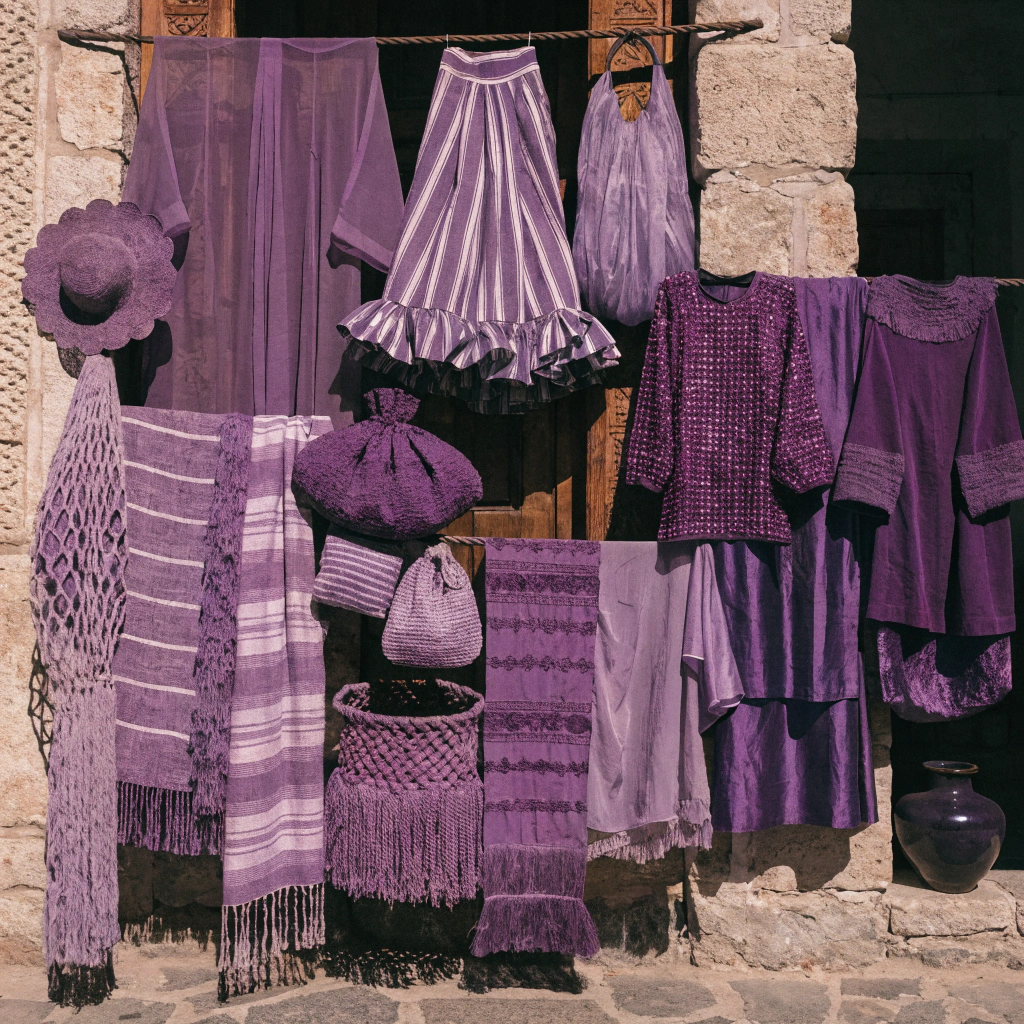
Beautiful Traditional Clothes in Iran
Iran is a very big country. People in Iran wear beautiful clothes. These traditional clothes are called Poushāk-e Sonnati. In different regions, the clothes are different. The colors are very bright. Some clothes are red, blue, and yellow. Women wear long dresses with flowers. Men wear special hats and jackets. Many people make these clothes by hand. They use many patterns. These patterns tell a story about their home. Traditional clothes are an important part of life in Iran. People wear them for festivals and weddings. They are very proud of their history.
نکته دستوری
الگو: Present Simple (Verb 'to be')
"Iran is a very big country."
We use 'is' with singular subjects like 'Iran' to state facts. It connects the subject to a description.
الگو: Present Simple (Action Verbs)
"People wear beautiful clothes."
We use the base form of the verb for plural subjects like 'people'. It describes a general truth or habit.
درک خود را بسنجید
10 سوال · A1 مبتدی · 1 پیشنمایش رایگان
آنچه از این مقاله آموختید را بسنجید. به همه سؤالات پاسخ دهید و XP کسب کنید!
What are the traditional clothes in Iran called?
آیا میخواهید آزمون را تمام کنید؟
9 سؤال دیگر منتظر شماست. ثبتنام رایگان کنید تا آزمون کامل را باز کنید و XP کسب کنید!
ثبتنام رایگانقبلاً ثبتنام کردی؟ ورود
جزئیات سؤالات
What are the traditional clothes in Iran called?
پاسخ شما:
پاسخ درست: Poushāk-e Sonnati
Traditional clothes in Iran only use black and white colors.
پاسخ شما:
پاسخ درست: نادرست
What does 'bright' mean?
پاسخ شما:
پاسخ درست: Strong and easy to see colors
Many people make these clothes by _____.
پاسخ شما:
پاسخ درست: hand
Traditional Clothes of Iran: A World of Color
Iran is a very big country with many different groups of people. In the past, every region had its own traditional clothes. These clothes are called Poushāk-e Sonnati. They are very beautiful because they have many bright colors and special patterns.
In the north, women wore long, colorful skirts. These skirts were heavier than modern skirts because they had many layers. In the south, near the sea, the clothes were lighter. This was because the weather was very hot. Men in the mountains, like the Kurds, wore wide belts and strong boots.
Today, people in big cities usually wear modern clothes. However, many people still wear traditional dress for weddings and festivals. These clothes are more interesting than simple city clothes. They show the history of the people. Each piece of clothing tells a story about where the person came from. People are proud of these traditions because they are a part of their culture.
نکته دستوری
الگو: Comparative Adjectives
"These skirts were heavier than modern skirts because they had many layers."
We use comparative adjectives to compare two things. For short words, we add '-er' + 'than'. For longer words, we use 'more' + adjective + 'than'.
الگو: Past Simple
"In the past, every region had its own traditional clothes."
The past simple is used to talk about completed actions in the past. 'Had' is the past form of 'have', and 'wore' is the past form of 'wear'.
درک خود را بسنجید
11 سوال · A2 مقدماتی · 1 پیشنمایش رایگان
آنچه از این مقاله آموختید را بسنجید. به همه سؤالات پاسخ دهید و XP کسب کنید!
What is the name for traditional Iranian clothes?
آیا میخواهید آزمون را تمام کنید؟
10 سؤال دیگر منتظر شماست. ثبتنام رایگان کنید تا آزمون کامل را باز کنید و XP کسب کنید!
ثبتنام رایگانقبلاً ثبتنام کردی؟ ورود
جزئیات سؤالات
What is the name for traditional Iranian clothes?
پاسخ شما:
پاسخ درست: Poushāk-e Sonnati
People in the south of Iran wore heavy clothes because it was cold.
پاسخ شما:
پاسخ درست: نادرست
What does 'modern' mean?
پاسخ شما:
پاسخ درست: New and current
In the past, northern skirts were _____ than modern skirts.
پاسخ شما:
پاسخ درست: heavier
Why did men in the mountains wear wide belts and boots?
پاسخ شما:
پاسخ درست: Because they lived in the mountains
Poushāk-e Sonnati: The Colorful Tradition of Iranian Dress
Traditional Iranian fashion is often misunderstood by people who only see the modern styles of Tehran. However, if you travel across the country, you will discover a beautiful world of regional dress known as Poushāk-e Sonnati. These clothes have been worn for centuries by different ethnic groups, such as the Kurds, Lurs, and Baluchis.
Each region has its own unique style which reflects the local geography and climate. For example, in the northern province of Gilan, women wear long, colorful skirts that are decorated with horizontal stripes. These bright colors represent the flowers and natural beauty of the Caspian Sea region. In contrast, the Baluchi people from the southeast are famous for their incredibly detailed needlework. This traditional art, called 'Suzanduzi', is passed down from mothers to daughters.
Many of these garments are made of high-quality silk or wool. The patterns are not just for decoration; they often have symbolic meanings. Some designs represent protection, while others show the social status of the person wearing them. Although modern fashion is popular today, these traditional styles have not disappeared. In fact, many young designers have started to include traditional elements in their modern collections.
Today, Poushāk-e Sonnati is still celebrated during weddings and local festivals. These clothes are more than just fabric; they are a visual map of Iran’s history. By wearing these outfits, people maintain a strong connection to their ancestors and their land.
نکته دستوری
الگو: Relative Clauses with 'who' and 'which'
"Each region has its own unique style which reflects the local geography and climate."
Relative clauses give more information about a noun. We use 'who' for people and 'which' or 'that' for things. In this sentence, 'which' describes the specific 'unique style'.
الگو: Passive Voice (Present Simple)
"This traditional art, called 'Suzanduzi', is passed down from mothers to daughters."
The passive voice is used when the action is more important than the person doing it. It is formed with 'am/is/are' + the past participle. Here, the focus is on the art being transferred through generations.
درک خود را بسنجید
11 سوال · B1 متوسط · 1 پیشنمایش رایگان
آنچه از این مقاله آموختید را بسنجید. به همه سؤالات پاسخ دهید و XP کسب کنید!
What is the main purpose of the article?
آیا میخواهید آزمون را تمام کنید؟
10 سؤال دیگر منتظر شماست. ثبتنام رایگان کنید تا آزمون کامل را باز کنید و XP کسب کنید!
ثبتنام رایگانقبلاً ثبتنام کردی؟ ورود
جزئیات سؤالات
What is the main purpose of the article?
پاسخ شما:
پاسخ درست: To explain the diversity of regional Iranian clothing
The patterns on Poushāk-e Sonnati are only used for decoration.
پاسخ شما:
پاسخ درست: نادرست
What does the word 'garments' mean?
پاسخ شما:
پاسخ درست: Items of clothing
The patterns on the clothes often have _____ meanings.
پاسخ شما:
پاسخ درست: symbolic
Why do women in Gilan wear colorful skirts with horizontal stripes?
پاسخ شما:
پاسخ درست: To represent the natural beauty of their region
Beyond the Veil: The Vibrancy of Iran’s Traditional Attire
While international perceptions of Iranian fashion are frequently limited to the monochromatic dress codes seen in urban Tehran, a closer examination reveals a breathtakingly diverse heritage known as Poushāk-e Sonnati. This regional dress acts as a visual map of the country’s vast geography and ethnic diversity, encompassing the distinct styles of Persians, Kurds, Lurs, Gilaks, and Baluchis. Far from being simple garments, these outfits represent a sophisticated synthesis of environmental adaptation, social status, and ancient craftsmanship. Consequently, understanding these textiles is essential for anyone seeking to grasp the true complexity of Iranian identity.
In the northern provinces near the Caspian Sea, the Gilak people wear vibrant, pleated skirts that mirror the colorful landscapes of their humid environment. In contrast, the attire of the Baluchi people in the southeast is characterized by heavy, intricate needlework known as 'Suzanduzi.' This craftsmanship is so detailed that a single dress may take months to complete. These garments are not only aesthetically pleasing but also functional; for example, the wide trousers and loose tunics worn by many nomadic groups were specifically designed to facilitate movement across rugged terrain. Furthermore, the materials used—ranging from heavy wool in the mountainous regions to light silks in the central plateaus—demonstrate a profound understanding of local climates.
Symbolism plays a crucial role in the construction of Poushāk-e Sonnati. The specific patterns and colors chosen often indicate a person’s marital status, tribe, or even their wealth. For instance, the Lurs and Kurds utilize layers and specific headgear that have been passed down through generations, serving as a silent language of heritage. However, the rise of globalized fast fashion has posed a significant threat to these traditions. Many younger Iranians have begun to favor Western-style clothing, leading to a decline in the number of artisans who possess the skills to create traditional textiles.
Despite these challenges, there has been a recent resurgence of interest in regional dress among contemporary designers. By integrating traditional motifs into modern silhouettes, they are ensuring that this cultural legacy is preserved for future generations. This preservation is vital, as these garments are more than just clothing; they are the threads that weave together the history and collective memory of a nation. Ultimately, Poushāk-e Sonnati remains a powerful testament to the resilience of Iranian culture in an ever-changing world.
نکته دستوری
الگو: Passive Voice (Present Simple)
"These garments are not only aesthetically pleasing but also functional."
The passive voice is used here to focus on the objects (the garments) rather than who made them. It is formed using the verb 'to be' plus the past participle.
الگو: Relative Clauses
"The Gilak people wear vibrant, pleated skirts that mirror the colorful landscapes of their humid environment."
The relative pronoun 'that' introduces a clause that provides essential information about the 'skirts'. This helps combine complex ideas into a single sentence.
الگو: Contrast Markers
"In contrast, the attire of the Baluchi people in the southeast is characterized by heavy, intricate needlework."
The phrase 'In contrast' is a discourse marker used to introduce a significant difference between two subjects. It is essential for academic writing to organize comparisons.
درک خود را بسنجید
11 سوال · B2 بالاتر از متوسط · 1 پیشنمایش رایگان
آنچه از این مقاله آموختید را بسنجید. به همه سؤالات پاسخ دهید و XP کسب کنید!
What does the author suggest about the relationship between geography and clothing in Iran?
آیا میخواهید آزمون را تمام کنید؟
10 سؤال دیگر منتظر شماست. ثبتنام رایگان کنید تا آزمون کامل را باز کنید و XP کسب کنید!
ثبتنام رایگانقبلاً ثبتنام کردی؟ ورود
جزئیات سؤالات
What does the author suggest about the relationship between geography and clothing in Iran?
پاسخ شما:
پاسخ درست: Regional dress serves as a visual map of geography and ethnic groups.
The 'Suzanduzi' needlework of the Baluchi people can be completed very quickly.
پاسخ شما:
پاسخ درست: نادرست
What does 'monochromatic' mean in the context of the article?
پاسخ شما:
پاسخ درست: Consisting of only one color
The rise of globalized fast fashion has posed a significant _____ to traditional Iranian dress.
پاسخ شما:
پاسخ درست: threat
How are contemporary designers helping to keep Poushāk-e Sonnati alive?
پاسخ شما:
پاسخ درست: By integrating traditional patterns into modern silhouettes.
Beyond the Urban Monolith: Deciphering the Semiotics of Poushāk-e Sonnati
To the uninitiated observer, the sartorial landscape of modern Iran might appear defined by the monochromatic austerity of urban centers like Tehran. However, such a narrow perspective overlooks a kaleidoscope of cultural expression: Poushāk-e Sonnati. Seldom has a nation’s geography been so vividly mapped onto its textiles as in the regional attire of the Iranian plateau. From the verdant Caspian shores of Gilan to the sun-scorched deserts of Sistan and Baluchestan, traditional dress serves as a complex semiotic system, communicating ethnic identity, social status, and historical lineage.
The sheer diversity of these garments is staggering. Among the Kurds, the voluminous trousers and ornate sashes reflect a rugged mountainous heritage, while the Lurs favor layered vests that denote both utility and prestige. It is the intricate needlework of the Baluchi women, however, that truly exemplifies the mastery of indigenous craftsmanship. Known as 'Suzanduzi', this embroidery is not merely decorative; it is a repository of ancestral patterns, each stitch a testament to a communal memory that predates modern borders.
Moreover, the interplay between climate and cloth is undeniable. In the humid northern provinces, the Gilak people utilize lightweight silks and vibrant, multi-layered skirts, facilitating both movement and ventilation. Conversely, the heavy wools of the nomadic Qashqai provide essential insulation against the biting winds of the Zagros Mountains. The aesthetic choices are rarely arbitrary; they are the result of centuries of adaptation to the environment. The preservation of Poushāk-e Sonnati faces significant challenges in an era dominated by the homogenizing forces of global fast fashion.
Yet, a recent resurgence in interest among the younger generation suggests a paradigm shift. Designers are increasingly incorporating traditional motifs into contemporary silhouettes, bridging the gap between antiquity and modernity. It is this synthesis that ensures the survival of the Iranian textile legacy. By analyzing these garments, we gain insight into a society that values the continuity of its aesthetic heritage amidst a rapidly changing world. The study of these textiles provides a vestige of a world where clothing was a profound narrative of one's place in the universe.
نکته دستوری
الگو: Negative Inversion
"Seldom has a nation’s geography been so vividly mapped onto its textiles as in the regional attire of the Iranian plateau."
This is used for emphasis by placing a negative or restrictive adverb at the beginning of the sentence, followed by the auxiliary verb and then the subject.
الگو: Cleft Sentences
"It is the intricate needlework of the Baluchi women, however, that truly exemplifies the mastery of indigenous craftsmanship."
Cleft sentences are used to focus on a specific part of the sentence. They follow the structure 'It + is/was + [focused part] + that/who...'
الگو: Nominalisation
"The preservation of Poushāk-e Sonnati faces significant challenges in an era dominated by the homogenizing forces of global fast fashion."
Nominalisation turns verbs or adjectives into nouns (e.g., 'preserve' becomes 'preservation'). This creates a more formal, academic tone typical of C1 level writing.
درک خود را بسنجید
12 سوال · C1 پیشرفته · 1 پیشنمایش رایگان
آنچه از این مقاله آموختید را بسنجید. به همه سؤالات پاسخ دهید و XP کسب کنید!
What is the primary argument regarding regional dress in Iran?
آیا میخواهید آزمون را تمام کنید؟
11 سؤال دیگر منتظر شماست. ثبتنام رایگان کنید تا آزمون کامل را باز کنید و XP کسب کنید!
ثبتنام رایگانقبلاً ثبتنام کردی؟ ورود
جزئیات سؤالات
What is the primary argument regarding regional dress in Iran?
پاسخ شما:
پاسخ درست: It serves as a complex symbolic system reflecting geography and identity.
The article suggests that environmental factors like climate have no influence on the choice of fabric in Poushāk-e Sonnati.
پاسخ شما:
پاسخ درست: نادرست
What does 'semiotic' refer to in the context of the article?
پاسخ شما:
پاسخ درست: A system of signs and symbols used for communication.
A recent _____ in interest among the younger generation suggests that traditional motifs are being embraced again.
پاسخ شما:
پاسخ درست: resurgence
How does the article describe the Baluchi 'Suzanduzi'?
پاسخ شما:
پاسخ درست: A repository of ancestral patterns and communal memory.
Designers are currently attempting to bridge the gap between antiquity and modernity by using traditional motifs.
پاسخ شما:
پاسخ درست: درست
The Semiotics of Silk and Soil: Deconstructing the Poushāk-e Sonnati of Iran
To survey the kaleidoscopic breadth of Iranian regional attire—collectively termed Poushāk-e Sonnati—is to engage with a visual cartography of a civilization whose historical strata are as multifaceted as the textiles it produces. While the global zeitgeist often reduces Iranian sartorial identity to the monochromatic austerity of urban centers, such a reductive lens fails to account for the idiosyncratic vibrancy inherent in the country’s peripheral provinces. From the verdant littoral of the Caspian Sea to the arid expanses of Sistan and Baluchestan, traditional dress serves as a nuanced lexicon, articulating ethnic sovereignty, climatic adaptation, and metaphysical belief.
Seldom does one encounter such a profound juxtaposition of utility and ornamentation as in the attire of the Gilak and Mazandarani peoples. Were it not for the humidity of the northern forests, the layered, tiered skirts of the Gilak women—designed to facilitate movement through damp undergrowth—might never have evolved their distinctive silhouette. Conversely, the voluminous, intricately embroidered 'Pashk' of the Baluchi women functions as a testament to the endurance of craftsmanship in the face of environmental extremity. Each stitch in the 'Suzanduzi' needlework is not merely decorative; it is a vestigial archive of tribal lineage, often incorporating geometric motifs that date back to pre-Islamic antiquity.
The Lurs and Kurds, inhabiting the rugged Zagros range, utilize dress as a performative expression of martial and pastoral heritage. The 'Koulanj' or the 'Chokha' are not merely garments but symbols of a collective identity that has resisted the homogenization of the modern era. It is imperative that the scholar recognize these sartorial choices not as stagnant relics of a bygone era, but as dynamic responses to the encroachment of globalized fashion. Should these traditions be subsumed by the relentless march of industrial mass-production, the world would lose a vital semiotic system that conveys status, age, and marital availability through the mere placement of a tassel or the hue of a headscarf. This semiotic density ensures that every garment functions as a readable text for those initiated into its specific cultural grammar.
Furthermore, the academic discourse surrounding Poushāk-e Sonnati must avoid the trap of orientalist romanticism. While the aesthetic appeal is undeniable, one must also analyze the socio-economic underpinnings of textile production. The labor-intensive nature of hand-weaving and natural dyeing processes suggests a societal valuation of time and patience that stands in stark contrast to the ephemeral nature of 'fast fashion.' It could be argued that the preservation of these garments is a form of cultural resistance—a refusal to allow the nuances of regional heritage to be erased by the utilitarian demands of modernity. In conclusion, the study of Iranian traditional dress offers a window into the interstices of history and geography. By examining the intricate interplay of fabric, color, and form, one gains a deeper appreciation for the resilience of the human spirit. Lest we forget the importance of these living archives, it is essential that we continue to document and celebrate the diversity of Poushāk-e Sonnati, ensuring that the tapestry of Iranian identity remains as rich and variegated as the threads from which it is woven.
نکته دستوری
الگو: Negative Inversion
"Seldom does one encounter such a profound juxtaposition of utility and ornamentation..."
When a sentence starts with a negative or restrictive adverb like 'seldom', the auxiliary verb is placed before the subject. This is used in formal writing to add emphasis or a rhetorical flourish.
الگو: The Present Subjunctive
"It is imperative that the scholar recognize these sartorial choices not as stagnant relics..."
The subjunctive mood is used after certain adjectives (like imperative, essential, vital) to express necessity. The base form of the verb ('recognize' instead of 'recognizes') is used regardless of the subject.
الگو: Inverted Conditional (Zero/First/Second type variation)
"Should these traditions be subsumed by the relentless march of industrial mass-production..."
The word 'Should' replaces 'If' at the beginning of a conditional clause to make the tone more formal and hypothetical. It follows the structure: Should + subject + base verb.
درک خود را بسنجید
12 سوال · C2 تسلط · 1 پیشنمایش رایگان
آنچه از این مقاله آموختید را بسنجید. به همه سؤالات پاسخ دهید و XP کسب کنید!
What is the primary thesis of the article regarding Poushāk-e Sonnati?
آیا میخواهید آزمون را تمام کنید؟
11 سؤال دیگر منتظر شماست. ثبتنام رایگان کنید تا آزمون کامل را باز کنید و XP کسب کنید!
ثبتنام رایگانقبلاً ثبتنام کردی؟ ورود
جزئیات سؤالات
What is the primary thesis of the article regarding Poushāk-e Sonnati?
پاسخ شما:
پاسخ درست: It serves as a complex semiotic system that maps Iran's diverse ethnic and geographical identity.
The author suggests that the tiered skirts of Gilak women were influenced by the environmental conditions of the Caspian region.
پاسخ شما:
پاسخ درست: درست
Which word best describes something that is transitory or short-lived?
پاسخ شما:
پاسخ درست: Ephemeral
The author argues that traditional dress has resisted the _____ of the modern era.
پاسخ شما:
پاسخ درست: homogenization
According to the text, what does 'Suzanduzi' needlework represent?
پاسخ شما:
پاسخ درست: A vestigial archive of tribal lineage dating back to antiquity.
The author views the preservation of regional dress as a form of cultural resistance.
پاسخ شما:
پاسخ درست: درست

