Россия
Rusia
Sobre Rusia
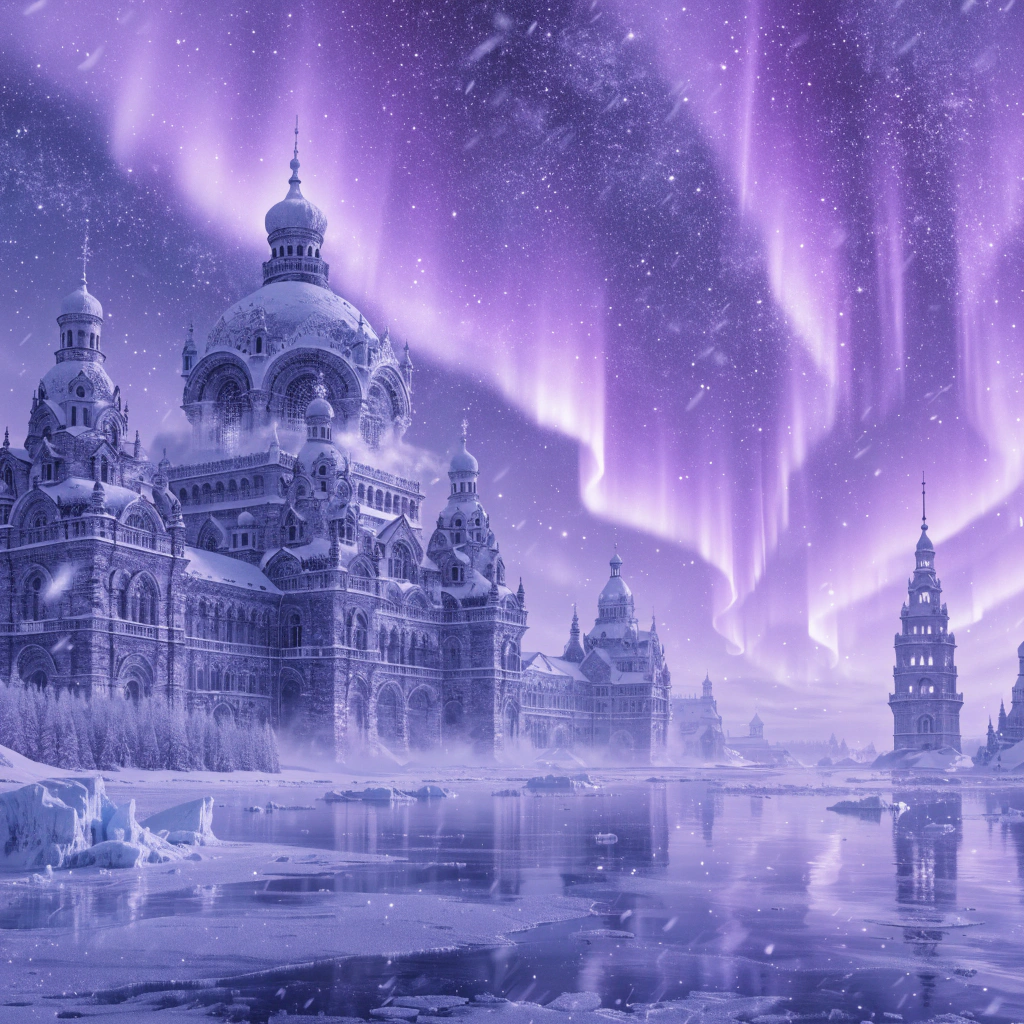
Stretching across eleven time zones from Eastern Europe to the Pacific Ocean, Russia is the world's largest nation and a bridge between Western and Eastern civilizations. Its history is marked by the grand architectural legacies of the Tsars and the transformative Soviet era, fostering a culture that has produced global giants in literature, classical music, and space exploration. Today, Russia's identity is defined by a resilient spirit, a deep connection to its vast wilderness, and a rich tapestry of over 190 ethnic groups.
Datos rápidos
Capital
Moscow
Población
145,934,462
Región
Europe · Eastern Europe
Moneda
Russian Ruble (RUB)
Idiomas hablados

Russian
Русский
¿Sabías que?
Lake Baikal in Siberia is the deepest and oldest freshwater lake in the world, containing approximately 20% of the planet's unfrozen surface fresh water.
The Trans-Siberian Railway is the longest rail line in the world, spanning nearly 9,300 kilometers and taking about six days to travel from Moscow to Vladivostok.
The State Hermitage Museum in Saint Petersburg is so vast that it is estimated a visitor would need 11 years to view every exhibit for just one minute.
Russia is home to the world's coldest inhabited place, Oymyakon, where temperatures have been recorded as low as -67.7°C (-89.9°F).
Monumentos famosos
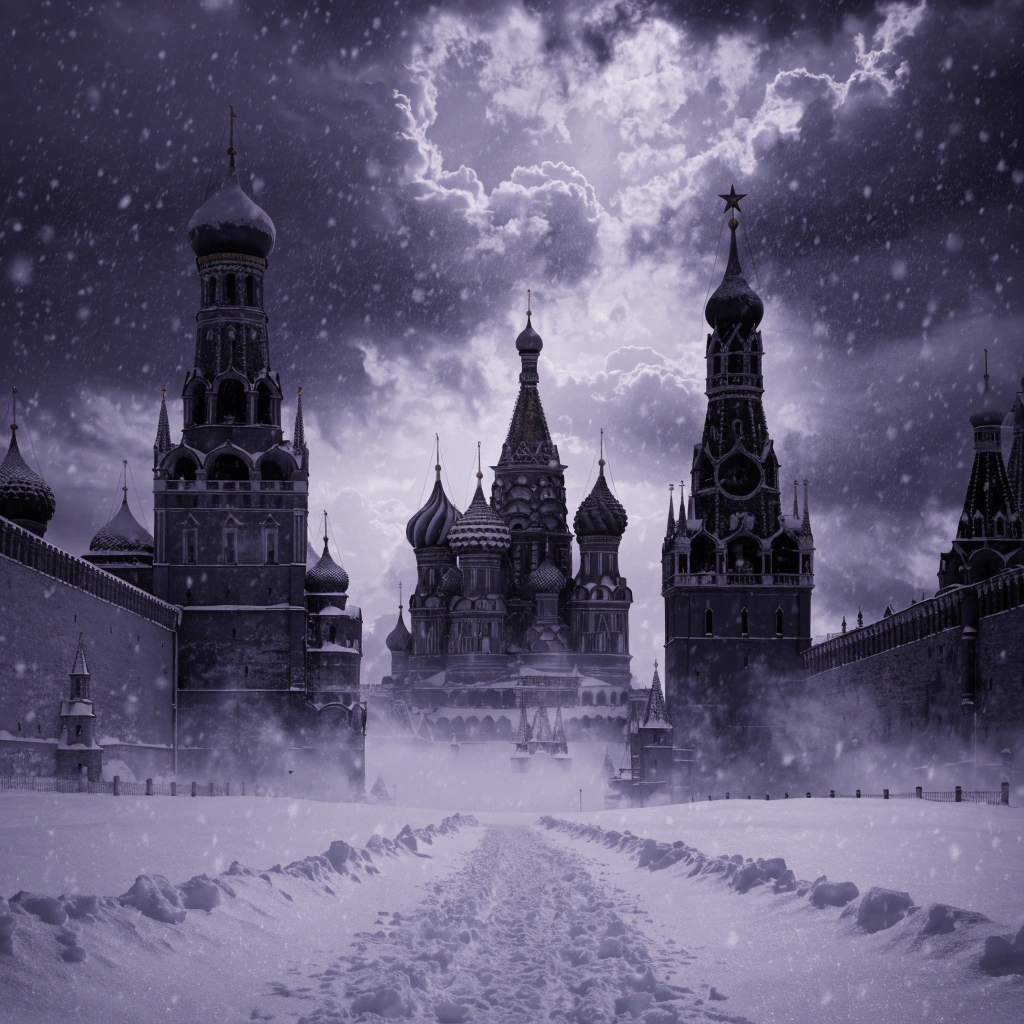
Red Square y el Kremlin
El corazón simbólico de Moscow y de toda Russia, este complejo histórico sirve como sede del gobierno y es un testimonio de siglos de evolución arquitectónica y política.
Leer más
Lake Baikal
Known as the 'Pearl of Siberia,' Lake Baikal is the world's deepest and oldest freshwater lake, containing twenty percent of the planet's unfrozen surface water.
Leer más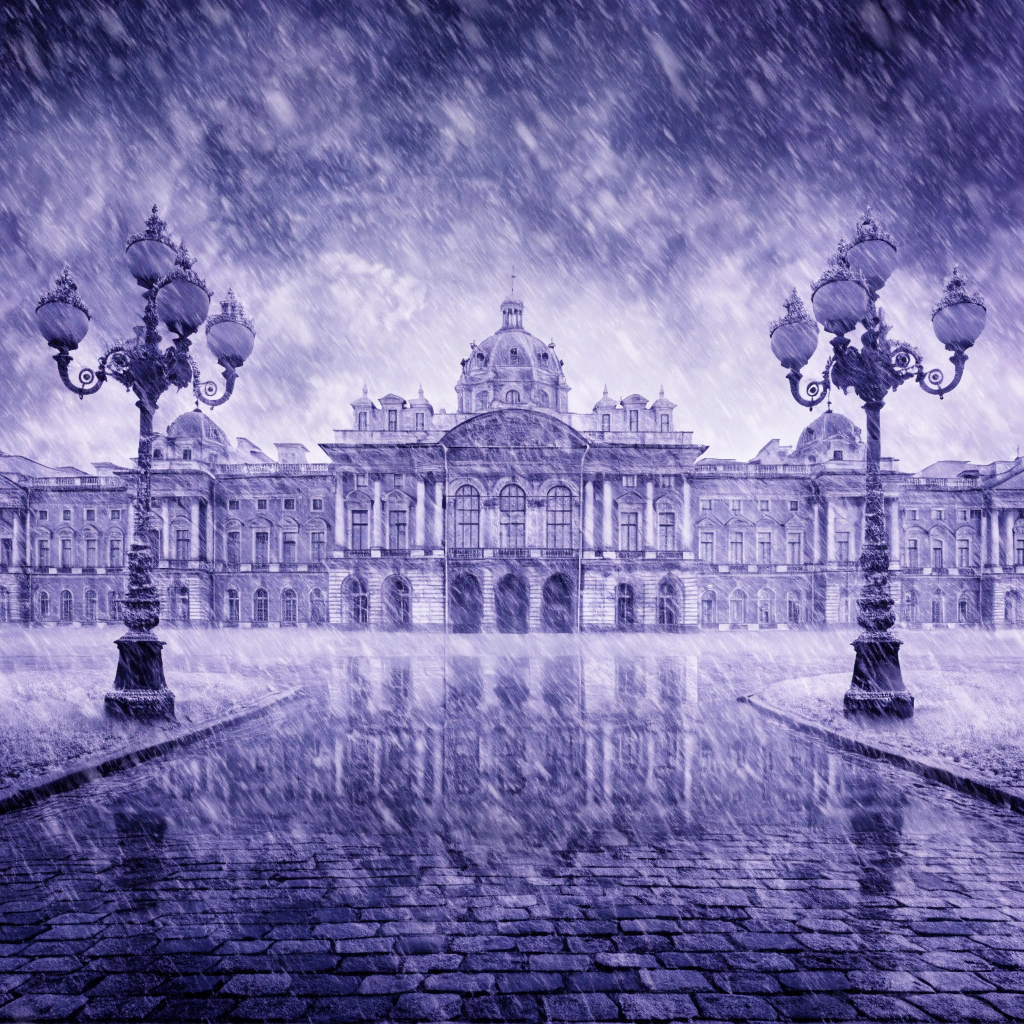
The State Hermitage Museum
Housed in the majestic Winter Palace of St. Petersburg, the Hermitage is one of the largest and oldest museums in the world, showcasing a vast collection of global art and culture.
Leer más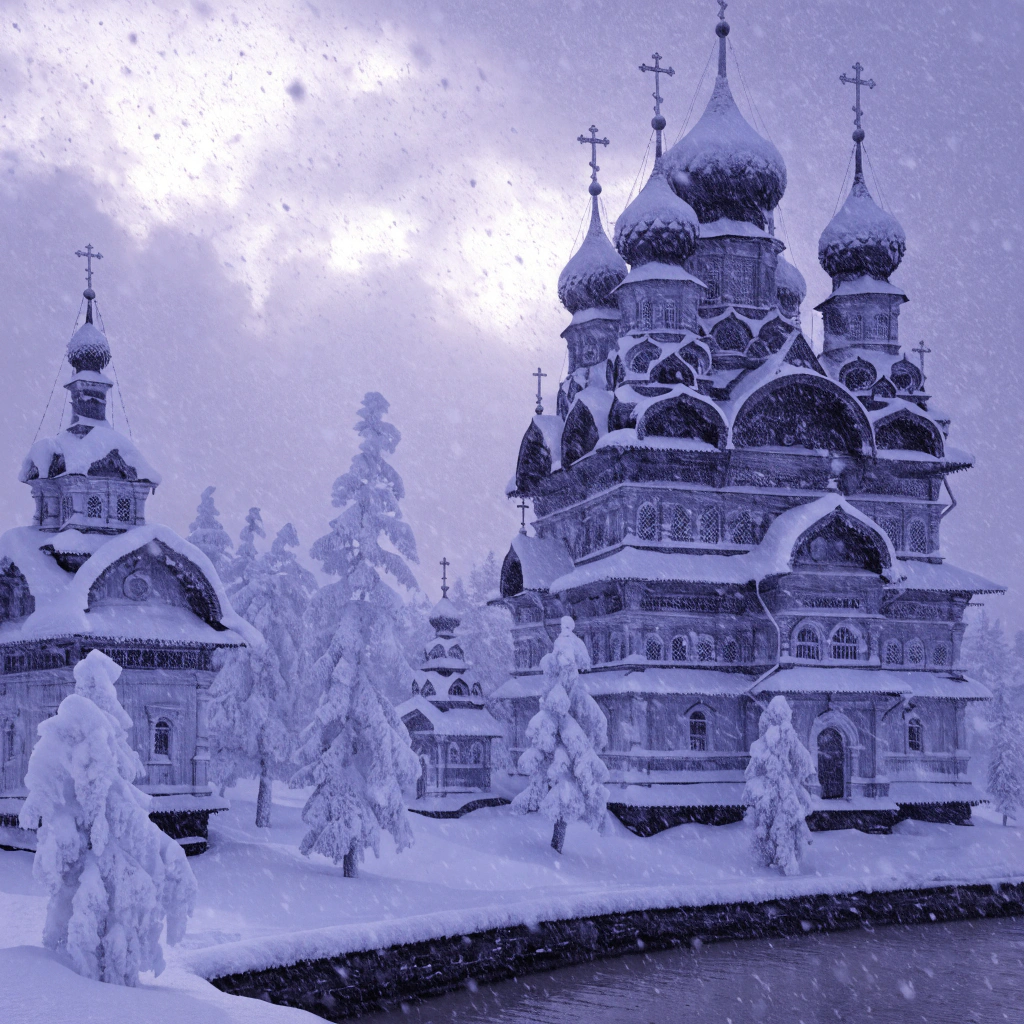
Kizhi Pogost
Una maravilla de la arquitectura en la Republic of Karelia. Este lugar en una isla tiene iglesias de madera del siglo 18 hechas totalmente sin clavos, ¡lo máximo de la carpintería rusa!
Leer másGastronomía
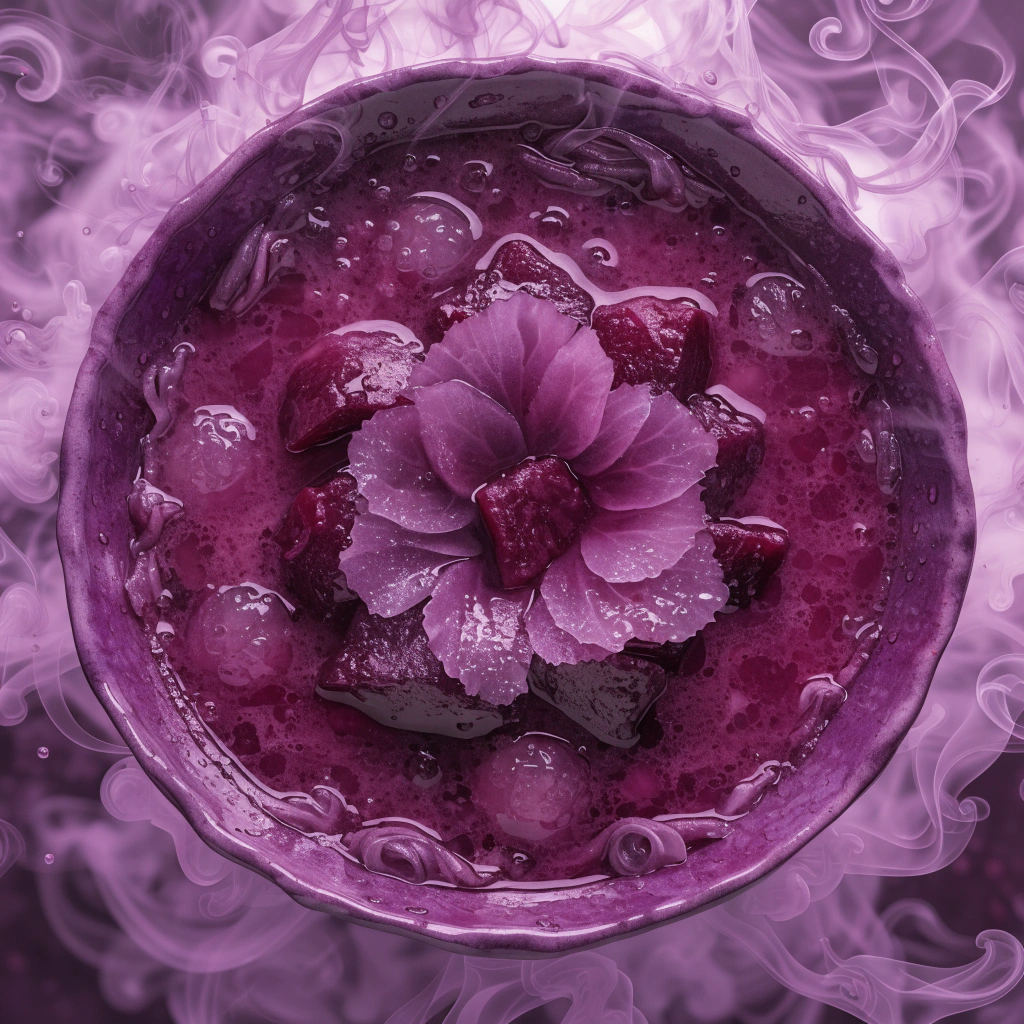
Borsch
A vibrant, hearty beet-based soup that serves as the cornerstone of traditional Russian home cooking and national identity.
Leer más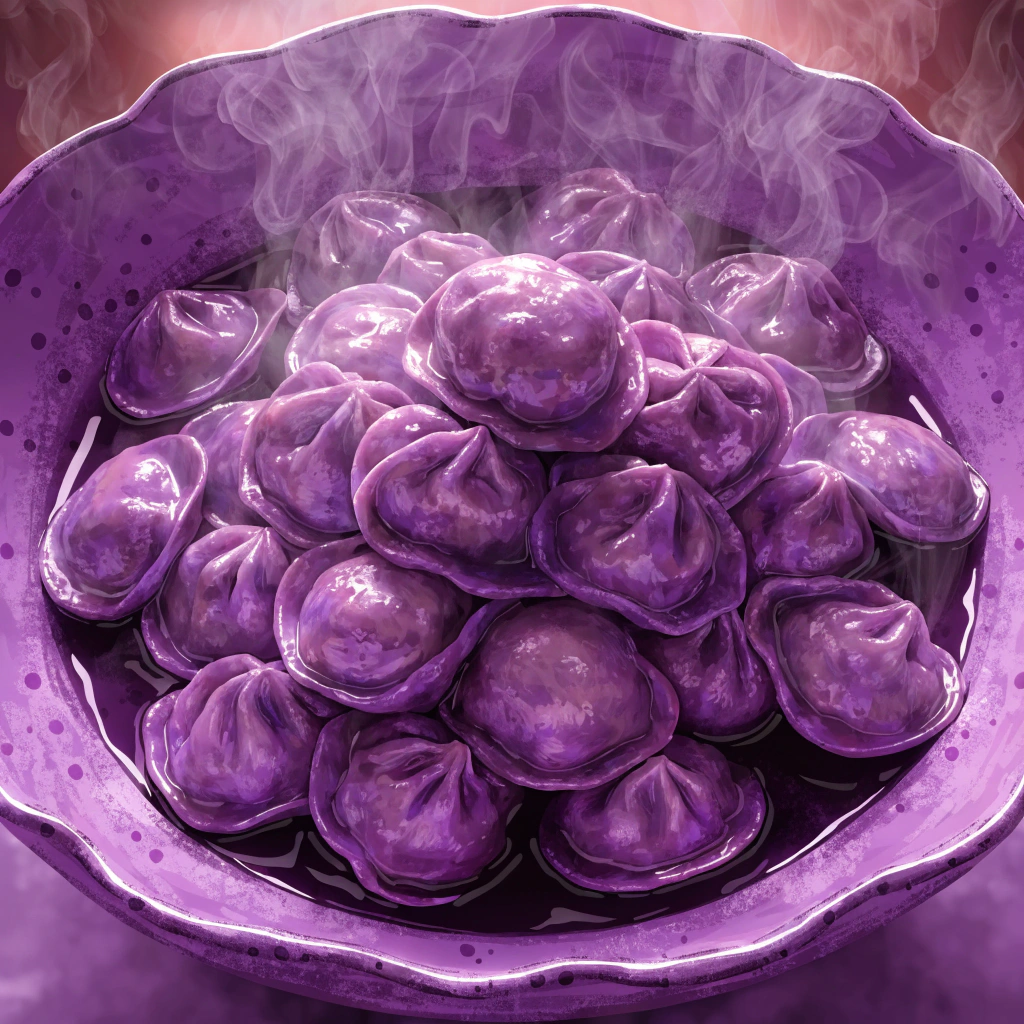
Pelmeni
Pequeñas empanaditas rellenas de carne, a menudo conocidas como 'el corazón de la cocina siberiana' y un elemento básico de la hospitalidad rusa.
Leer más
Blini
Thin, golden pancakes representing the sun and serving as the essential centerpiece of the traditional Maslenitsa festival.
Leer más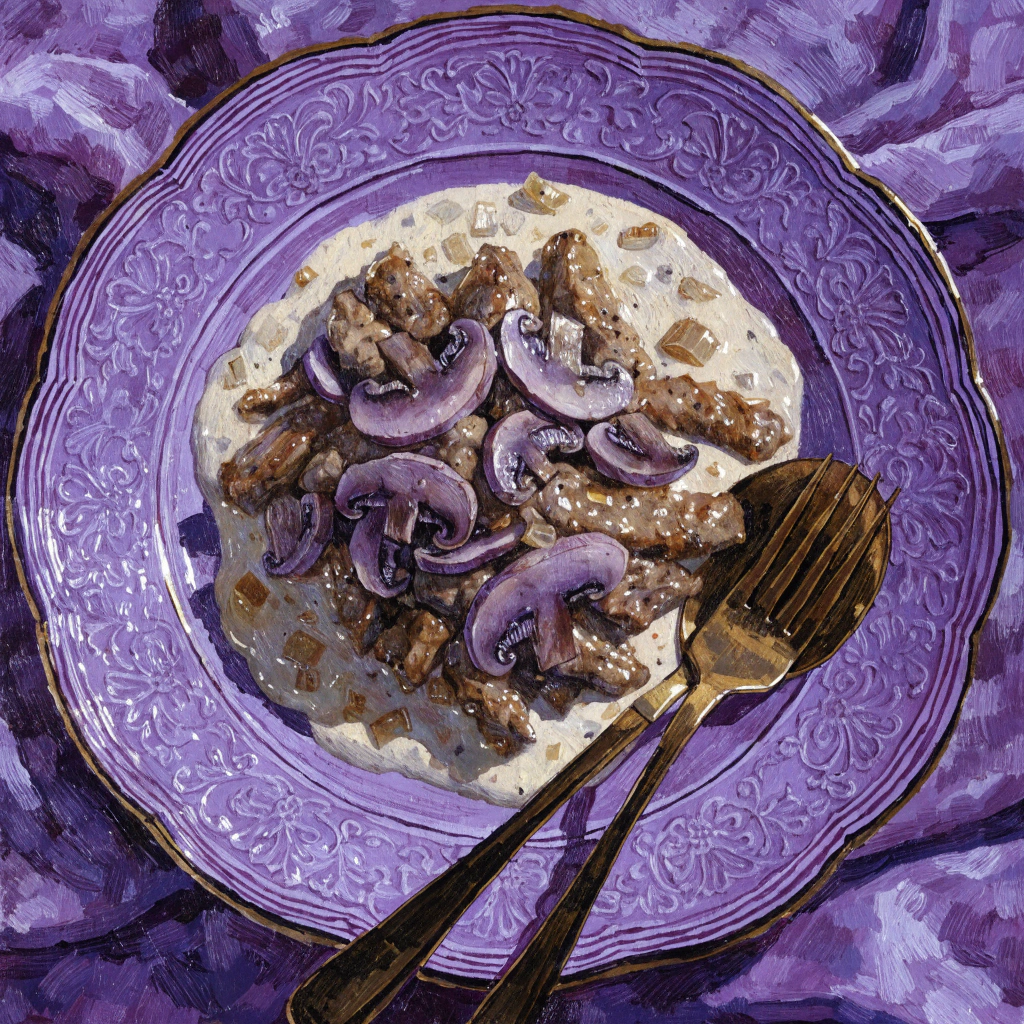
Beef Stroganoff
A sophisticated dish of sautéed beef in a sour cream sauce, showcasing the historic blend of French culinary influence and Russian flavors.
Leer másMúsica y artes
Russia's artistic landscape is a profound synthesis of deep-rooted Slavic folklore and sophisticated imperial traditions, ranging from the haunting melodies of the balalaika to the technical precision of world-class ballet. Its cultural legacy is defined by iconic contributions to classical music, intricate folk crafts like Khokhloma, and a literary tradition that explores the depths of the human soul through both oral and written forms.
Artes tradicionales
Eventos y festivales
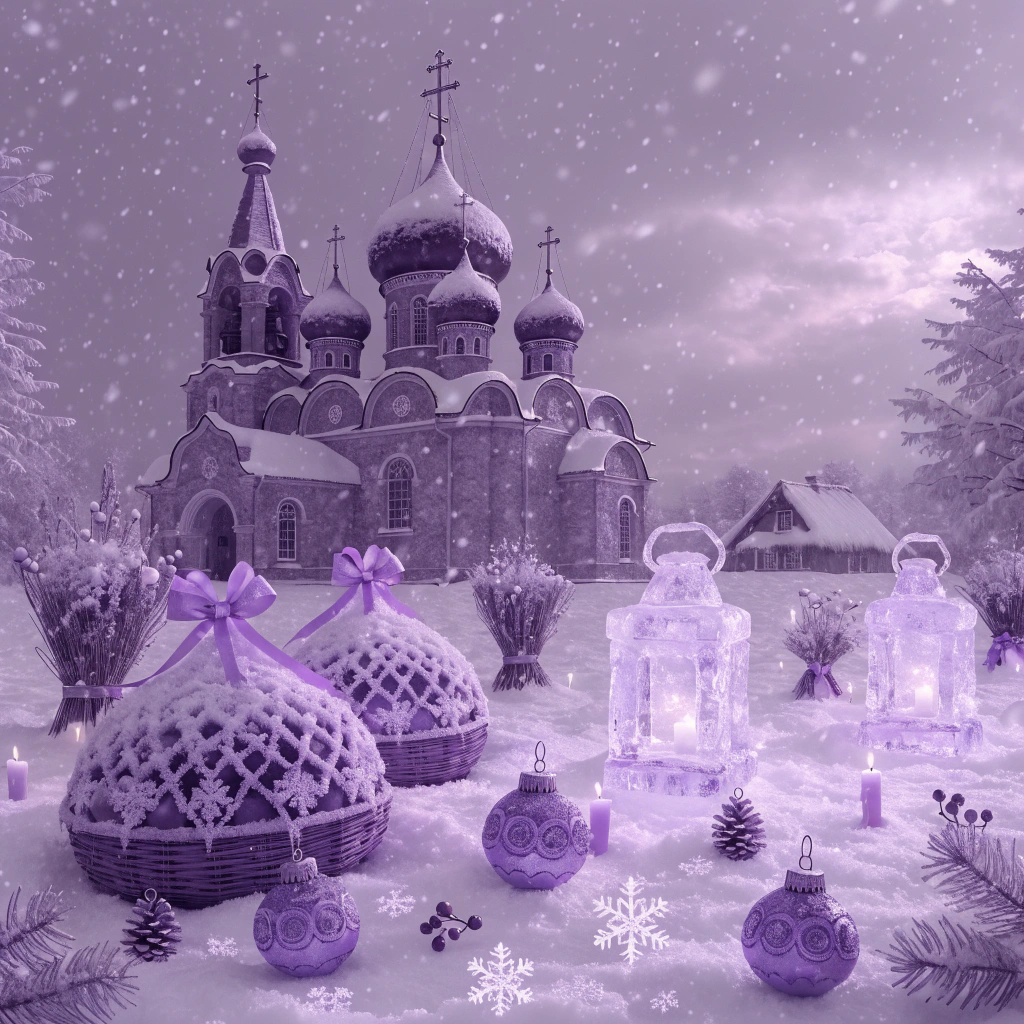
Navidad Ortodoxa (Rozhdestvo)
7 de eneroUna festividad espiritual y familiar que celebra el nacimiento de Jesucristo según el calendario juliano.
Leer más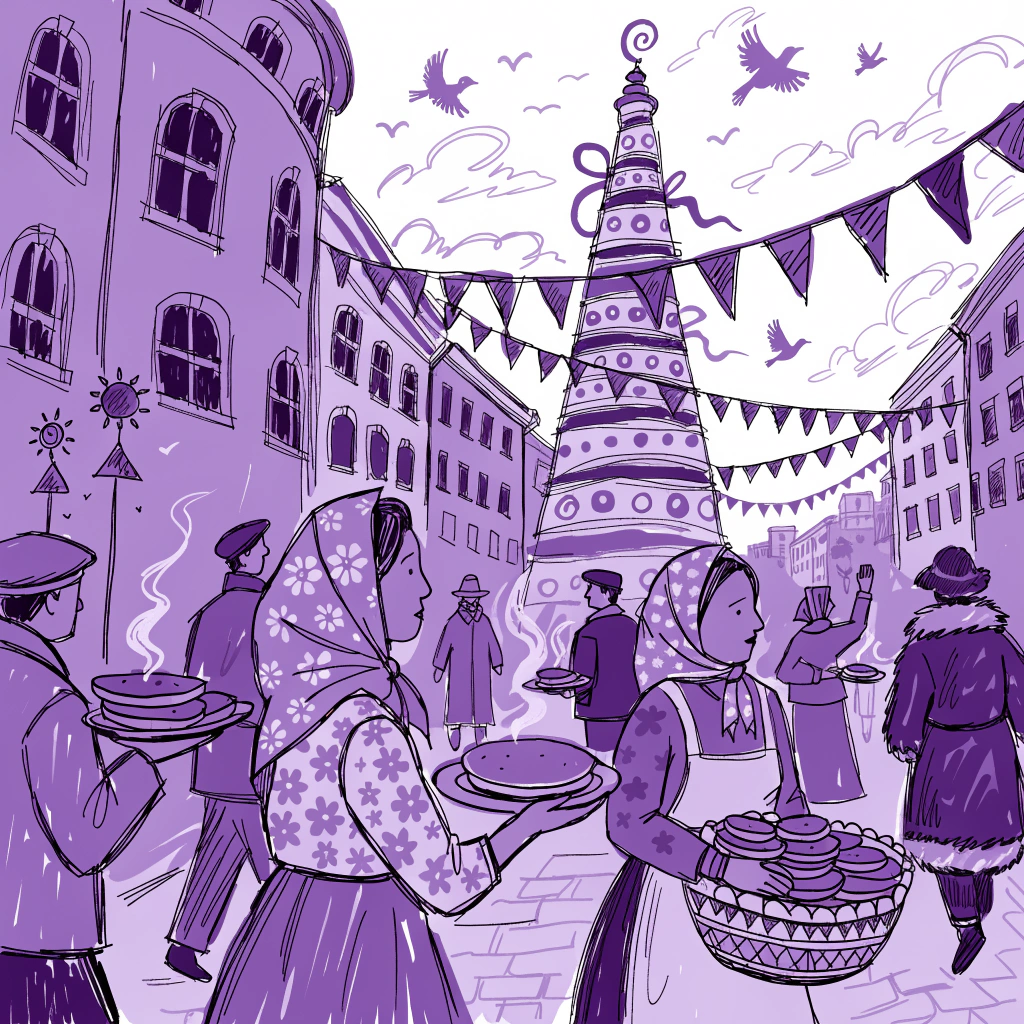
Maslenitsa (Pancake Week)
Late February - Early MarchAn ancient Slavic festival marking the end of winter and the arrival of spring with pancakes and public celebrations.
Leer más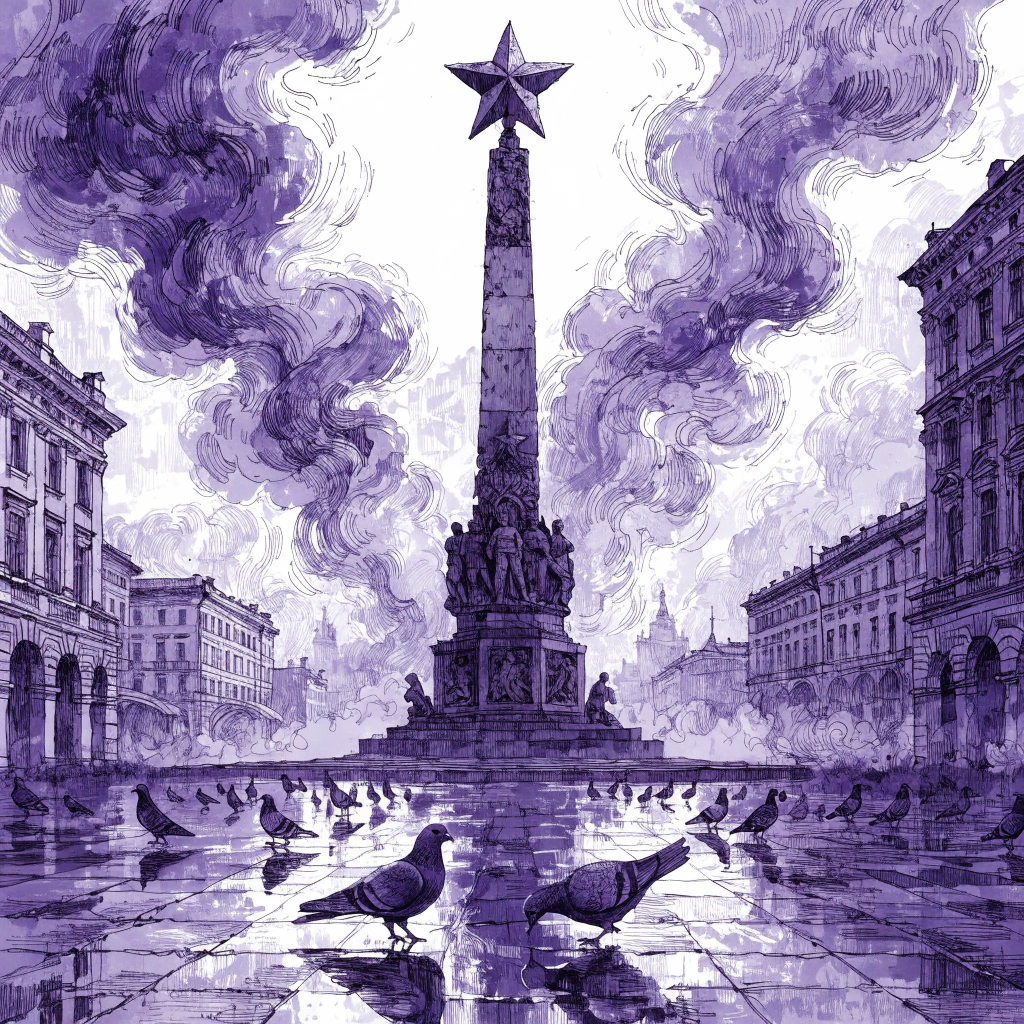
Victory Day (Den Pobedy)
May 9A solemn national holiday commemorating the victory over Nazi Germany in the Great Patriotic War.
Leer más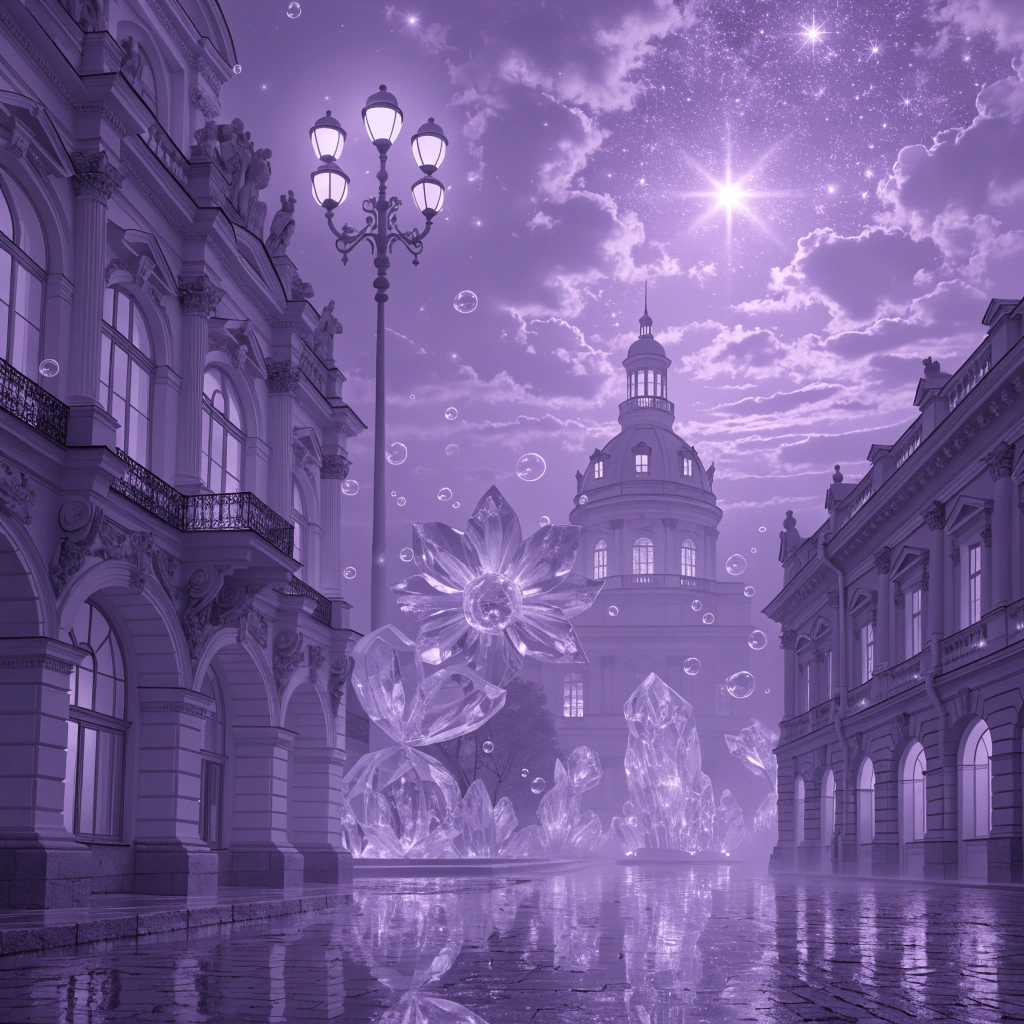
Festival de las Noches Blancas (Belye Nochi)
Late May - JulyUn festival internacional de artes en St. Petersburg que celebra la alta cultura durante la temporada del sol de medianoche.
Leer más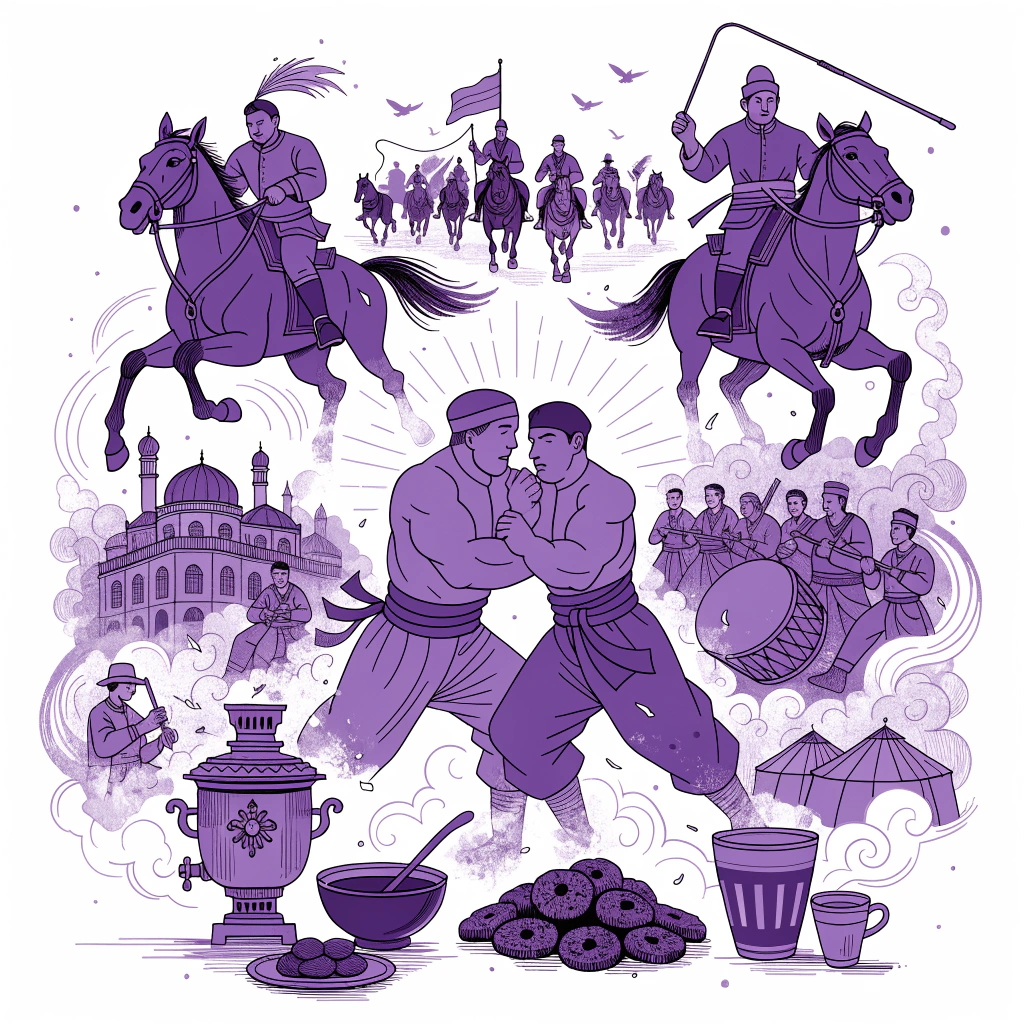
Sabantuy (Festival of the Plow)
JuneA vibrant Turkic folk festival celebrated by Tatars and Bashkirs with traditional wrestling, horse racing, and food.
Leer másFrases de viaje
Здравствуйте
Zdravstvuyte
Hello (Formal)
Спасибо
Spasibo
Thank you
Привет
Privet
Hi (Informal)
Как дела?
Kak dela?
How are you?
Пожалуйста
Pozhaluysta
Please / You're welcome
Извините
Izvinite
Excuse me / Sorry
Estilo de vida y costumbres
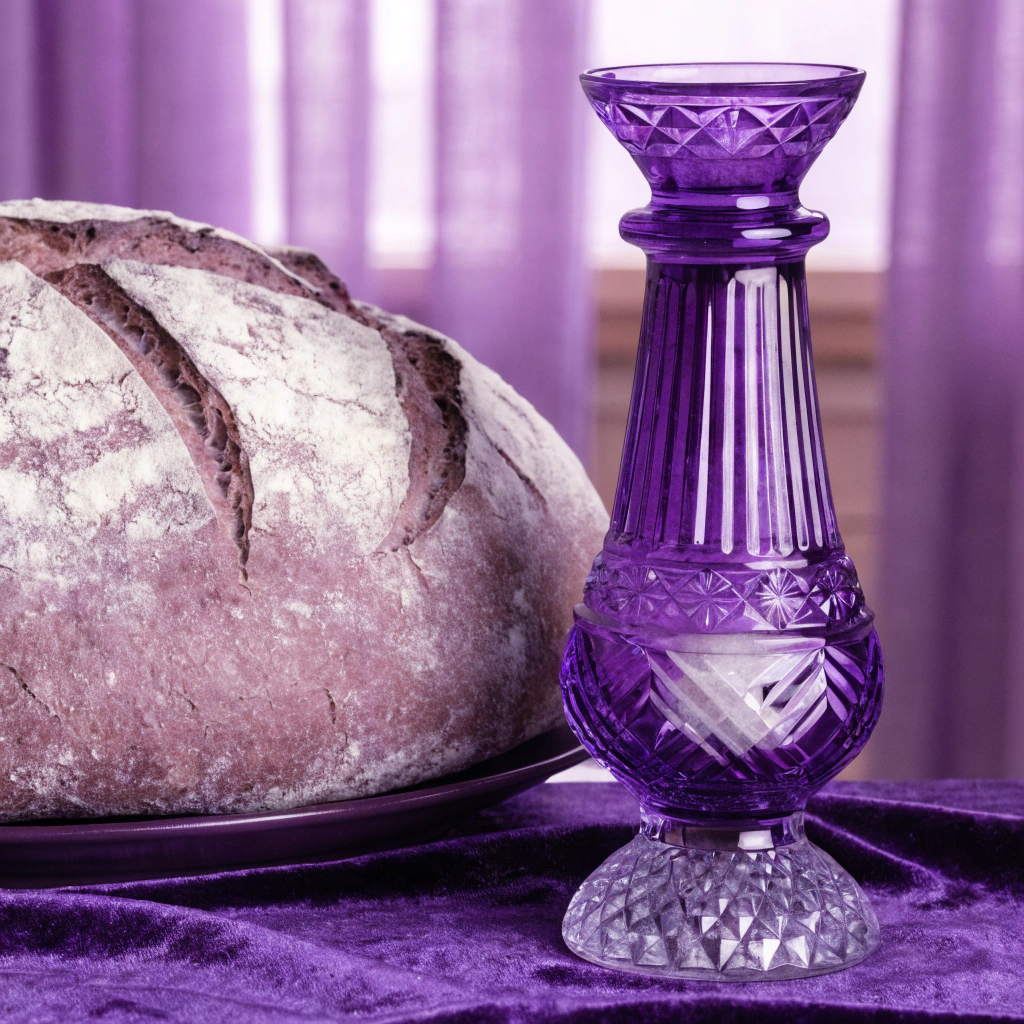
Bread and Salt: The Pinnacle of Russian Hospitality
The age-old ritual of 'Khleb-da-sol' represents the heart of Russian welcome, symbolizing prosperity, protection, and the sacred bond between host and guest.
Leer más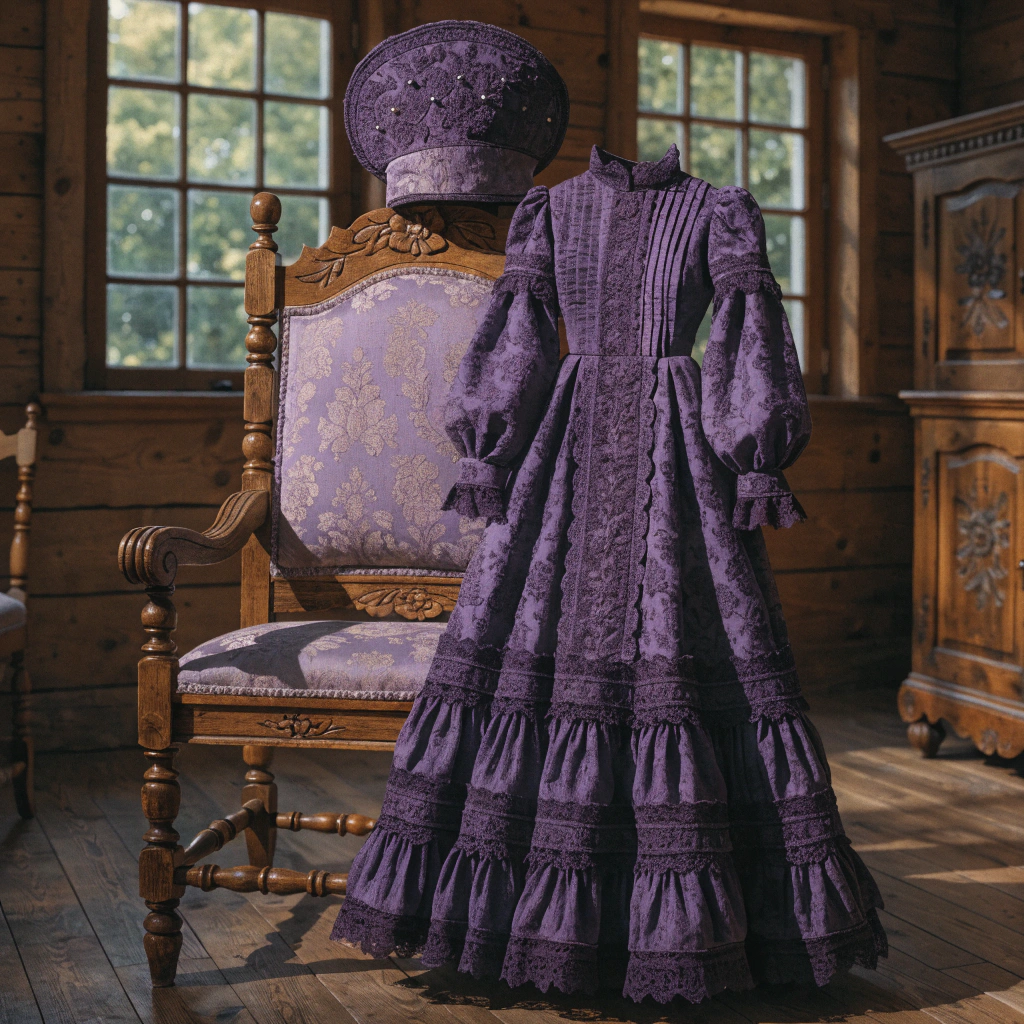
The Sarafan and Kokoshnik: Icons of Traditional Dress
The sarafan dress and kokoshnik headdress are the definitive symbols of Russian femininity, reflecting regional history and the enduring spirit of folk craftsmanship.
Leer más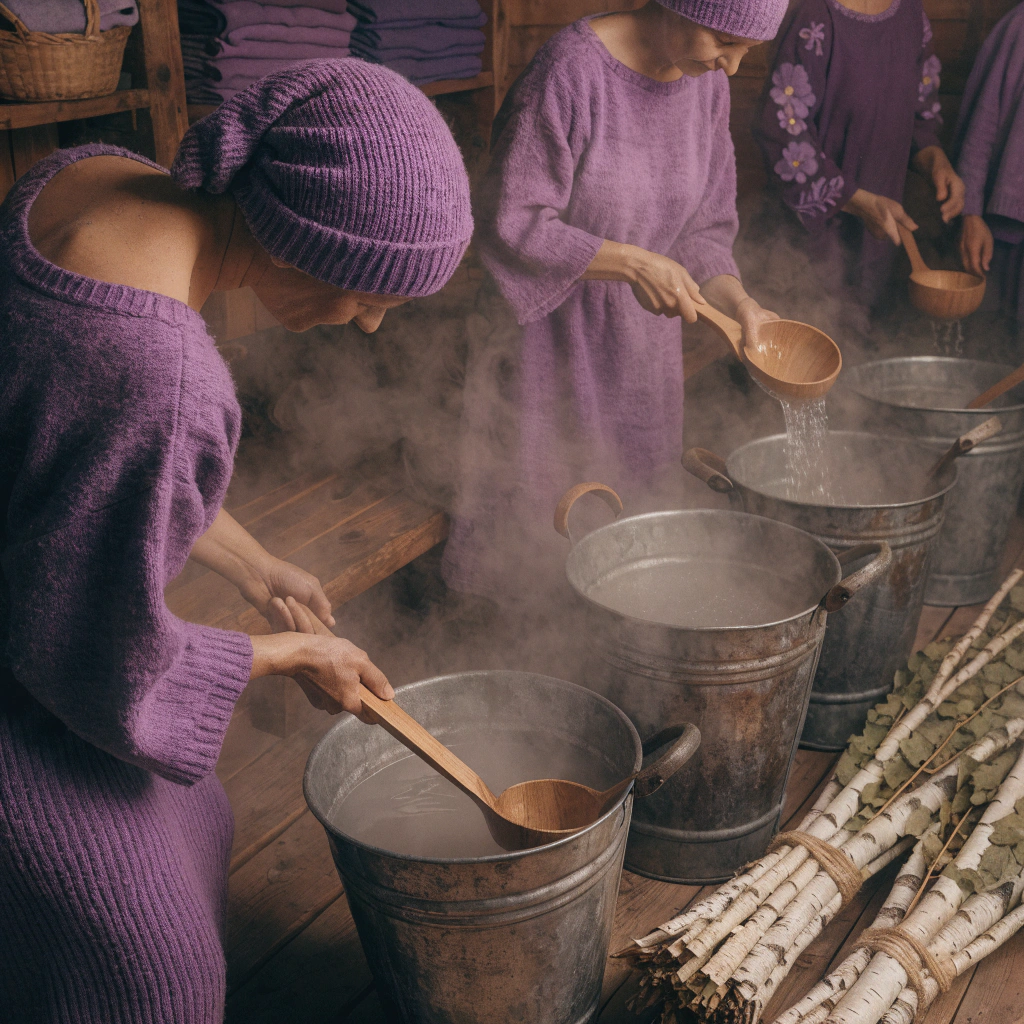
La Banya rusa: Un ritual de pureza física y espiritual
Más que un simple baño de vapor, la banya rusa es un santuario centenario para los vínculos sociales, la salud y una forma única de relajación 'intensa'.
Leer másConsejos de etiqueta
Remove your shoes and wear provided slippers (tapochki) when entering someone's home.
Wear outdoor shoes inside a Russian household as it is considered unhygienic and disrespectful.
Bring an odd number of flowers if giving them as a gift; even numbers are strictly for funerals.
Give an even number of flowers to a living person or for a celebratory occasion.
Dress modestly when visiting Orthodox churches; women should cover their heads and men should remove hats.
Enter a church wearing shorts, tank tops, or revealing clothing.
Offer your seat to elderly people, pregnant women, or passengers with children on public transport.
Remain seated while someone who clearly needs a seat is standing nearby.
Explorar más países en Eastern Europe





Aprende Russian para conectar con Rusia
Empieza a aprender Russian con videos, ejercicios y herramientas de IA en SubLearn.
Empezar a aprender
