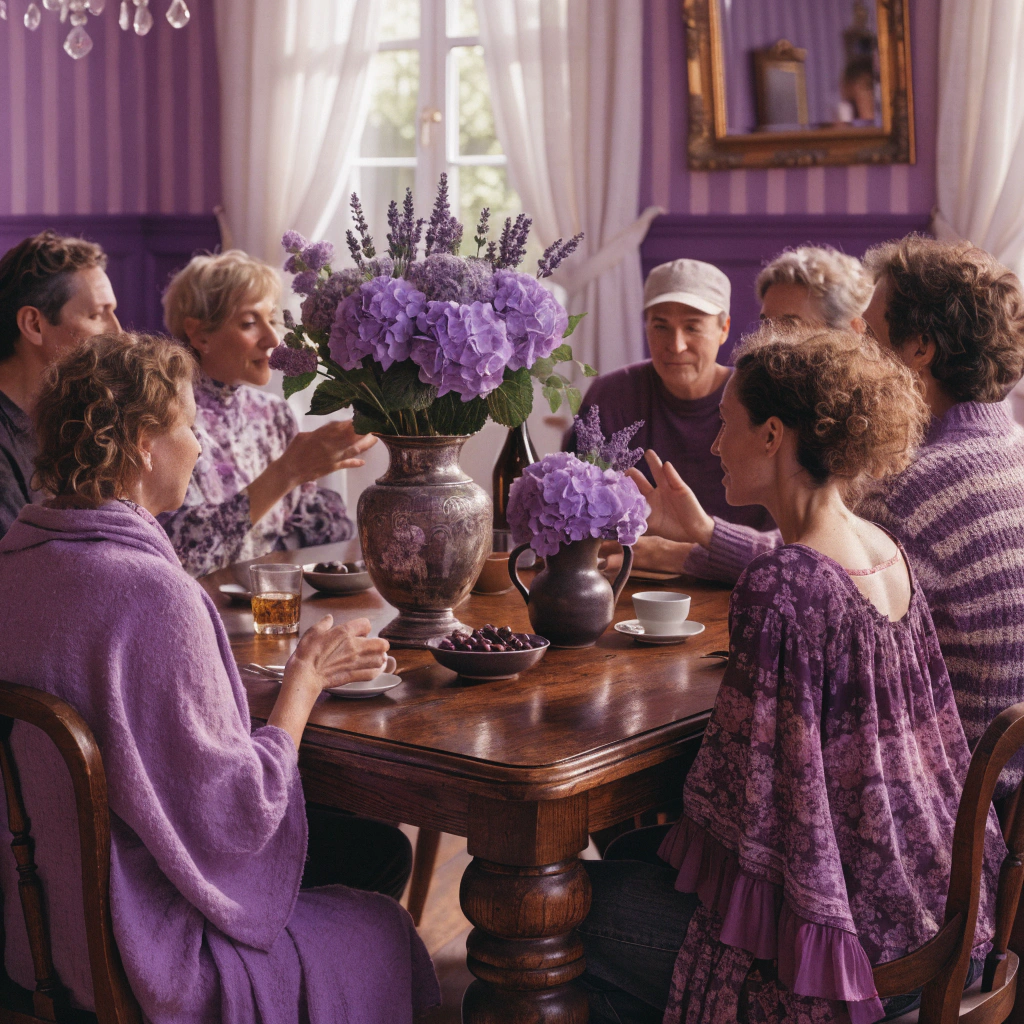
Eating and Talking in Spain
In Spain, lunch is a very important meal. People eat with family or friends. After the meal, they do not leave the table. This time is called 'Sobremesa'. People drink coffee or tea. They talk and laugh for a long time. They talk about their day or work. It is a time to relax. People do not hurry. Sobremesa is special. It is about friends and family. It is a slow and happy tradition in Spain.
Gramática destacada
Patrón: Present Simple (to be)
"In Spain, lunch is a very important meal."
We use 'is' with singular subjects like 'lunch' to state facts. This is the most common form of the verb 'to be' for descriptions.
Patrón: Present Simple (Plural)
"They talk and laugh for a long time."
With plural subjects like 'they' or 'people', we use the base form of the verb. We do not add an 's' at the end.
Pon a prueba tu comprensión
10 preguntas · A1 Principiante · 1 vista previa gratis
Pon a prueba lo que aprendiste en este artículo. ¡Responde todas las preguntas para ganar XP!
Where is this tradition from?
¿Quieres terminar el quiz?
9 preguntas más te esperan. ¡Regístrate gratis para desbloquear el quiz completo y ganar XP!
Regístrate gratis¿Ya tienes cuenta? Acceder
Desglose de preguntas
Where is this tradition from?
Tu respuesta:
Respuesta correcta: Spain
People leave the table immediately after eating.
Tu respuesta:
Respuesta correcta: Falso
What does 'relax' mean?
Tu respuesta:
Respuesta correcta: To rest and feel calm
People drink _____ or tea.
Tu respuesta:
Respuesta correcta: coffee
La Sobremesa: The Art of Talking After Lunch
In Spain, lunch is the most important meal of the day. Families and friends often meet at a restaurant or at home. They eat delicious food and drink water or juice. But the most interesting part happens after the meal. This special time is called "La Sobremesa."
The word "Sobremesa" means "over the table." After people finish their food and coffee, they do not leave the table. Instead, they stay and talk for one or two hours. They tell stories, laugh, and enjoy each other's company. It is a very slow and relaxed tradition. Last summer, I visited Madrid and I saw many people enjoying this tradition.
This custom is more popular in Spain than in other countries. In many Western nations, people eat quickly because they are busy. However, Spanish people believe that talking is as important as eating. They think that life is better when you spend time with your friends. Sobremesa helps people feel happy and connected.
Gramática destacada
Patrón: Comparatives with 'more'
"This custom is more popular in Spain than in other countries."
We use 'more + adjective + than' to compare two things when the adjective is long. In this sentence, we compare how popular the custom is in Spain versus other places.
Patrón: Past Simple
"Last summer, I visited Madrid and I saw many people enjoying this tradition."
We use the past simple for finished actions in the past. Regular verbs like 'visit' add -ed, while irregular verbs like 'see' change to 'saw'.
Pon a prueba tu comprensión
11 preguntas · A2 Básico · 1 vista previa gratis
Pon a prueba lo que aprendiste en este artículo. ¡Responde todas las preguntas para ganar XP!
What is the most important meal in Spain according to the text?
¿Quieres terminar el quiz?
10 preguntas más te esperan. ¡Regístrate gratis para desbloquear el quiz completo y ganar XP!
Regístrate gratis¿Ya tienes cuenta? Acceder
Desglose de preguntas
What is the most important meal in Spain according to the text?
Tu respuesta:
Respuesta correcta: Lunch
The word 'Sobremesa' literally means 'under the table'.
Tu respuesta:
Respuesta correcta: Falso
What does the word 'quickly' mean?
Tu respuesta:
Respuesta correcta: At a fast speed
Spanish people believe that _____ is as important as eating.
Tu respuesta:
Respuesta correcta: talking
How long do people usually stay at the table for Sobremesa?
Tu respuesta:
Respuesta correcta: One or two hours
The Art of the Long Lunch: Spain's La Sobremesa
Have you ever finished a delicious meal but felt like you didn't want to leave the table? In Spain, this feeling has been turned into a famous cultural tradition called 'La Sobremesa.' The word literally translates to 'over the table,' and it describes the period of time spent talking after a meal has finished. Families often gather at large tables where multiple generations sit together. It is common to see grandparents sharing advice with their grandchildren while they enjoy their drinks. These moments are considered the heart of Spanish social life.
While many Western countries have adopted a 'fast-food' mentality, Spain has kept a commitment to slow living. Once the coffee has been served and the last crumbs have been cleared, guests stay in their seats. This is a moment which is dedicated to laughter and deep conversation. It is not just about eating; it is about the interpersonal connection between friends and family. Furthermore, this practice is not limited to homes; it is a vital part of the restaurant industry too.
During La Sobremesa, many different topics are discussed, ranging from politics to personal stories. The tradition is often practiced during the weekends when people have more free time. In many Spanish restaurants, customers are never rushed to leave because the staff understands the importance of this social ritual. This tradition, which can last from thirty minutes to several hours, is seen as essential for mental health. It allows people to relax and escape the stress of daily life. Even though the world is becoming busier, La Sobremesa is still valued by both the young and the old. It is a beautiful reminder that life should be enjoyed slowly, one conversation at a time.
Gramática destacada
Patrón: Present Perfect
"Spain has kept a commitment to slow living."
The present perfect is used here to describe an action or state that started in the past and continues to the present. It is formed using 'has/have' plus the past participle.
Patrón: Relative Clauses
"This is a moment which is dedicated to laughter and deep conversation."
A relative clause provides more information about a noun. In this sentence, 'which' introduces extra details about the 'moment' being described.
Pon a prueba tu comprensión
11 preguntas · B1 Intermedio · 1 vista previa gratis
Pon a prueba lo que aprendiste en este artículo. ¡Responde todas las preguntas para ganar XP!
What does the word 'La Sobremesa' literally mean?
¿Quieres terminar el quiz?
10 preguntas más te esperan. ¡Regístrate gratis para desbloquear el quiz completo y ganar XP!
Regístrate gratis¿Ya tienes cuenta? Acceder
Desglose de preguntas
What does the word 'La Sobremesa' literally mean?
Tu respuesta:
Respuesta correcta: Over the table
La Sobremesa only happens in private homes and never in restaurants.
Tu respuesta:
Respuesta correcta: Falso
What does 'essential' mean in the context of the article?
Tu respuesta:
Respuesta correcta: Extremely important
The word literally _____ to 'over the table'.
Tu respuesta:
Respuesta correcta: translates
How long can La Sobremesa last?
Tu respuesta:
Respuesta correcta: From thirty minutes to several hours
The Art of Slow Living: Understanding La Sobremesa in Spain
While many Western cultures prioritize efficiency, the Spanish tradition of 'La Sobremesa' offers a refreshing alternative. This term, which literally means 'over the table,' refers to the extended period of conversation that follows a meal. It is not merely a break from work; rather, it is a deliberate choice to prioritize human connection over productivity. In an era where 'fast-food' and 'quick results' dominate our daily routines, this practice serves as a vital cornerstone of Spanish identity.
The mechanics of La Sobremesa are straightforward yet profound. Once the coffee has been served and the last crumbs have been cleared, guests remain seated. There is no rush to clear the dishes or return to mundane tasks. Instead, the time is dedicated to the art of conversation. Had it not been for this deep-seated cultural value, the social fabric of Spain might have evolved differently under the immense pressure of globalization. During these hours, interpersonal bonds are strengthened as family members and friends share anecdotes, debate current events, or simply enjoy each other's company in a relaxed environment.
Historically, this tradition has been passed down through generations, surviving various socio-economic shifts. It acts as a bridge between the old and the new, ensuring that despite technological advancements, the fundamental human need for connection is met. Moreover, the topics discussed during La Sobremesa are diverse, ranging from light-hearted gossip to profound philosophical inquiries. This diversity of dialogue ensures that every participant, regardless of age, feels included in the communal experience.
Furthermore, the psychological benefits of such unhurried social interaction cannot be overlooked. Experts suggest that these moments of communal reflection contribute significantly to the overall well-being of the population. By allowing individuals to unwind and disconnect from the stressors of professional life, La Sobremesa promotes a healthier work-life balance. Consequently, the practice remains a vital component of daily life, even in bustling cities where the pace of life is increasingly rapid.
The enduring appeal of this custom lies in its inherent simplicity. It requires no expensive equipment or complex planning—only a shared meal and the willingness to stay present. In conclusion, La Sobremesa is more than just a post-meal chat; it is a cultural commitment to slow living. By valuing time spent with others above the pursuit of efficiency, Spaniards maintain a tradition that fosters emotional resilience and social cohesion.
Gramática destacada
Patrón: Third Conditional (Inverted)
"Had it not been for this deep-seated cultural value, the social fabric of Spain might have evolved differently."
This is a formal version of 'If it had not been for...'. It is used to talk about hypothetical situations in the past and their hypothetical results.
Patrón: Passive Voice with Modal Verbs
"The psychological benefits of such unhurried social interaction cannot be overlooked."
Formed by 'modal + be + past participle'. This structure focuses on the action rather than the person performing it, often used in academic writing.
Patrón: Non-defining Relative Clauses
"This term, which literally means 'over the table,' refers to the extended period of conversation."
These provide extra information about a noun. They are separated by commas and cannot use 'that' as the relative pronoun.
Pon a prueba tu comprensión
11 preguntas · B2 Intermedio alto · 1 vista previa gratis
Pon a prueba lo que aprendiste en este artículo. ¡Responde todas las preguntas para ganar XP!
What is the primary focus of La Sobremesa?
¿Quieres terminar el quiz?
10 preguntas más te esperan. ¡Regístrate gratis para desbloquear el quiz completo y ganar XP!
Regístrate gratis¿Ya tienes cuenta? Acceder
Desglose de preguntas
What is the primary focus of La Sobremesa?
Tu respuesta:
Respuesta correcta: Prioritizing human connection over productivity
La Sobremesa is a modern invention created due to globalization.
Tu respuesta:
Respuesta correcta: Falso
What does 'unwind' mean in the context of the article?
Tu respuesta:
Respuesta correcta: To relax and release stress
La Sobremesa serves as a vital _____ of Spanish identity.
Tu respuesta:
Respuesta correcta: cornerstone
According to the text, what are the psychological benefits of this tradition?
Tu respuesta:
Respuesta correcta: Improved overall well-being
The Art of the Lingering Table: Deconstructing the Spanish Sobremesa
Rarely does a cultural phenomenon encapsulate the soul of a nation quite like 'La Sobremesa'. To the uninitiated observer, the sight of diners lingering over an empty table for hours after the final morsel has been consumed might appear as an exercise in indolence. However, such a superficial reading fails to grasp the profound socio-cultural significance of this Spanish ritual. La Sobremesa—literally 'over the table'—is the antithesis of the modern, perfunctory approach to nourishment that characterizes many Western societies. In an era dominated by the relentless pursuit of efficiency, this practice represents a radical commitment to slow living and interpersonal connection. What defines this practice is not the consumption of food, but the communal digestion of shared experience. Once the coffee has been served and the bill settled, the real event begins. It is during these ephemeral hours that the rigid hierarchies of professional life dissolve, replaced by a genuine camaraderie that serves as the bedrock of Spanish social cohesion. The conversation flows without a predefined agenda, oscillating between the trivial and the existential. In these moments, time ceases to be a commodity to be managed and instead becomes a space to be inhabited. The ritualistic nature of La Sobremesa provides a necessary respite from the frantic pace of globalization. While other nations might view the post-prandial period as a mere transition to the next task, for Spaniards, it is the quintessential expression of life’s true purpose. The preservation of this tradition, however, faces significant challenges. The commodification of time and the encroachment of digital distractions threaten to erode the focused attention that La Sobremesa demands. As the 'fast-food' mentality gains traction globally, the deliberate deceleration inherent in Spanish dining culture stands as a poignant critique of our contemporary obsession with productivity. Furthermore, the psychological benefits of this practice cannot be overstated. By prioritizing human connection over the clock, participants experience a reduction in the stress levels associated with modern urban living. The ingrained expectation that a meal will be followed by lengthy discourse allows for a mental decompression that is seldom found in cultures where 'grabbing a bite' is the norm. It is this psychological sanctuary that makes La Sobremesa more than just a habit; it is a vital component of mental well-being. Ultimately, La Sobremesa serves as a reminder that the most valuable things in life are often those that cannot be measured by a stopwatch. It is a celebration of the present moment, an acknowledgment that the company we keep is far more nourishing than the food we eat. Whether it survives the pressures of the twenty-first century remains to be seen, but its enduring presence in Spanish life continues to offer a compelling alternative to the perfunctory existence mandated by the modern world.
Gramática destacada
Patrón: Negative Inversion
"Rarely does a cultural phenomenon encapsulate the soul of a nation quite like 'La Sobremesa'."
In formal English, when a sentence begins with a negative adverbial like 'rarely' or 'never', the auxiliary verb is placed before the subject. This is used to create emphasis or a more sophisticated tone.
Patrón: Pseudo-cleft Sentences
"What defines this practice is not the consumption of food, but the communal digestion of shared experience."
Cleft sentences use a 'What' clause to focus on specific information. It allows the writer to emphasize the most important part of the sentence by placing it after the verb 'to be'.
Patrón: Nominalization
"The commodification of time and the encroachment of digital distractions threaten to erode the focused attention that La Sobremesa demands."
Nominalization involves turning verbs or adjectives into nouns (e.g., 'commodification' from 'commodify'). This is a hallmark of C1/C2 writing, as it allows for the discussion of abstract concepts in a concise, academic manner.
Pon a prueba tu comprensión
12 preguntas · C1 Avanzado · 1 vista previa gratis
Pon a prueba lo que aprendiste en este artículo. ¡Responde todas las preguntas para ganar XP!
What is the primary focus of La Sobremesa according to the article?
¿Quieres terminar el quiz?
11 preguntas más te esperan. ¡Regístrate gratis para desbloquear el quiz completo y ganar XP!
Regístrate gratis¿Ya tienes cuenta? Acceder
Desglose de preguntas
What is the primary focus of La Sobremesa according to the article?
Tu respuesta:
Respuesta correcta: Interpersonal connection
The author suggests that globalization and digital distractions are potential threats to the tradition of Sobremesa.
Tu respuesta:
Respuesta correcta: Verdadero
What does 'ephemeral' mean in the context of the article?
Tu respuesta:
Respuesta correcta: Lasting for a very short time
The conversation flows without a predefined _____, oscillating between the trivial and the existential.
Tu respuesta:
Respuesta correcta: agenda
How does the author describe professional hierarchies during the post-meal period?
Tu respuesta:
Respuesta correcta: They dissolve into camaraderie
The author believes that the 'fast-food' mentality is a positive development for modern productivity.
Tu respuesta:
Respuesta correcta: Falso
La Sobremesa: Un Epítome de la Convivencia y la Cultura del Lento en España
La sobremesa, ese intersticio temporal y espacial que se sucede al concluir una comida, tras haber apurado el último sorbo de café y disipado los postreros vestigios del ágape, trasciende la mera definición léxica para erigirse en uno de los pilares más idiosincrásicos y arraigados de la cultura española. Lejos de ser un mero apéndice de la ingesta, constituye una ceremonia en sí misma, un rito social que encapsula la predilección ibérica por la conexión interpersonal profunda y el disfrute pausado de la vida, en neta contraposición a la celeridad y el pragmatismo que a menudo caracterizan a otras sociedades occidentales.
En un mundo cada vez más vertiginoso, donde la eficiencia y la productividad parecen dictar el ritmo de la existencia, la sobremesa se presenta como un bastión de resistencia, una suerte de oasis donde el tiempo se dilata y las prisas se disuelven. No se trata, en absoluto, de una pérdida de tiempo, sino de una inversión inestimable en el capital social y emocional. Es el escenario propicio para la disquisición filosófica, el intercambio de anécdotas, el debate apasionado sobre la política o el fútbol, o simplemente, el solaz de la compañía en un ambiente distendido y cómplice. La conversación fluye sin cortapisas, las carcajadas resuenan y, a menudo, los lazos afectivos se refuerzan o incluso se forjan.
Cabría señalar que la sobremesa no es un fenómeno homogéneo ni inmutable; sus matices varían en función de la región, el contexto social y el grado de familiaridad entre los comensales. No es lo mismo una sobremesa familiar dominical, que puede prolongarse durante horas con la consabida siesta posterior, que una sobremesa de negocios, donde, si bien se mantiene el espíritu de distensión, los temas y la duración suelen estar más acotados. Sin embargo, la esencia permanece: la deliberada prolongación del encuentro, el valor intrínseco de la conversación y la primacía de lo humano sobre lo meramente funcional.
Podría argüirse que la ubiquidad de la sobremesa en España es un reflejo de una cosmovisión particular, una filosofía de vida que valora la calidad de las interacciones por encima de la cantidad de tareas realizadas. Es menester reconocer que este hábito cultural, si bien profundamente arraigado, no está exento de desafíos en la era contemporánea. La presión de los horarios laborales, la globalización de las costumbres y la omnipresencia de la tecnología amenazan, en ocasiones, con erosionar esta tradición. No obstante, su persistencia atestigua una resiliencia cultural notable, una reafirmación de que hay aspectos de la vida que merecen ser saboreados con calma, sin la apremiante exigencia de la inmediatez.
En definitiva, la sobremesa es mucho más que el tiempo transcurrido tras una comida; es un crisol de identidades, un ágora informal donde se tejen y destejen relaciones, se comparten intimidades y se construye comunidad. Es el epítome de la hospitalidad española, una invitación tácita a desacelerar, a conectar y a recordar que, en la vorágine de la vida moderna, los momentos de pausa compartida son, quizá, los más preciosos. Por muy apretada que sea la agenda, siempre hay un resquicio para esa charla pausada, ese café prolongado que nutre el alma y afianza los vínculos, demostrando que la verdadera riqueza reside en la calidad de nuestro tiempo compartido.
Gramática destacada
Patrón: Subjuntivo para expresar propósito o resultado esperado (tras 'para que' implícito)
"No se trata, en absoluto, de una pérdida de tiempo, sino de una inversión inestimable en el capital social y emocional. Es el escenario propicio para la disquisición filosófica, el intercambio de anécdotas, el debate apasionado sobre la política o el fútbol, o simplemente, el solaz de la compañía en un ambiente distendido y cómplice."
Aunque no se usa 'para que' explícitamente, la oración implica un propósito. El subjuntivo se utiliza para expresar un resultado deseado o una finalidad, incluso cuando el verbo principal no es de deseo o mandato, si el contexto establece una relación de propósito. Aquí, el escenario 'es propicio para' que ocurran ciertas cosas.
Patrón: Verbos modales de posibilidad o probabilidad ('cabría', 'podría') para atenuar afirmaciones (Academic Hedging)
"Cabría señalar que la sobremesa no es un fenómeno homogéneo ni inmutable; sus matices varían en función de la región... Podría argüirse que la ubiquidad de la sobremesa en España es un reflejo de una cosmovisión particular..."
El uso de condicionales como 'cabría' (del verbo 'caber') o 'podría' (del verbo 'poder') permite introducir ideas o argumentos con un grado de cautela o modestia intelectual. Sirve para presentar una opinión o una observación como una posibilidad o una sugerencia, en lugar de una afirmación categórica, muy común en el discurso académico.
Patrón: Concesivas con 'Por muy... que + subjuntivo'
"Por muy apretada que sea la agenda, siempre hay un resquicio para esa charla pausada..."
Esta estructura se utiliza para expresar una concesión, indicando que, a pesar de la intensidad de una cualidad (apretada, en este caso), la acción de la oración principal sigue siendo válida o posible. Requiere el subjuntivo después de 'que' porque se refiere a una situación hipotética o no afirmada como un hecho.
Pon a prueba tu comprensión
12 preguntas · C2 Dominio · 1 vista previa gratis
Pon a prueba lo que aprendiste en este artículo. ¡Responde todas las preguntas para ganar XP!
¿Cuál de las siguientes opciones describe mejor la esencia de la sobremesa según el artículo?
¿Quieres terminar el quiz?
11 preguntas más te esperan. ¡Regístrate gratis para desbloquear el quiz completo y ganar XP!
Regístrate gratis¿Ya tienes cuenta? Acceder
Desglose de preguntas
¿Cuál de las siguientes opciones describe mejor la esencia de la sobremesa según el artículo?
Tu respuesta:
Respuesta correcta: Una prolongación intencionada de la interacción social y la conversación tras la comida.
El artículo sugiere que la sobremesa es un fenómeno homogéneo y sin variaciones en toda España.
Tu respuesta:
Respuesta correcta: Falso
¿Qué significa 'ubicuidad' en el contexto del artículo?
Tu respuesta:
Respuesta correcta: La cualidad de estar presente en muchos lugares o de forma extendida.
La sobremesa se presenta como un bastión de resistencia, una suerte de ______ donde el tiempo se dilata y las prisas se disuelven.
Tu respuesta:
Respuesta correcta: oasis
¿Qué tipo de valor se le atribuye a la sobremesa en el párrafo dos?
Tu respuesta:
Respuesta correcta: Una inversión inestimable en el capital social y emocional.
El artículo afirma que la sobremesa ha desaparecido completamente debido a la modernidad.
Tu respuesta:
Respuesta correcta: Falso

