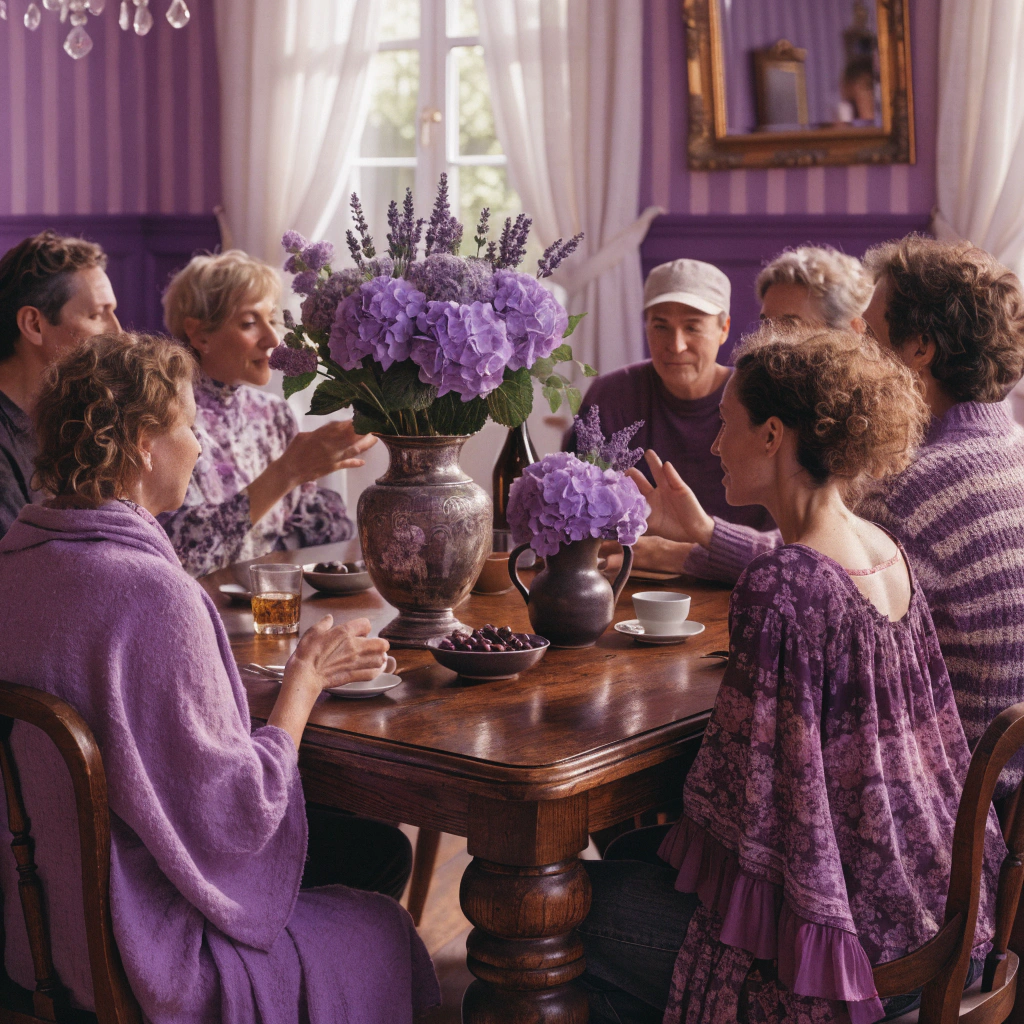
صحبت بعد از غذا در اسپانیا
«لا سوبرهمسا» یک رسم زیبا در اسپانیا است. این به معنی «روی میز» است، اما بعد از غذا. بعد از اینکه غذا تمام میشود، مردم هنوز سر میز مینشینند. آنها قهوه یا چای مینوشند. دوستان و خانواده با هم صحبت میکنند. آنها داستان میگویند و میخندند. این یک زمان خوب برای آرامش است. مردم با هم ارتباط برقرار میکنند. این رسم نشان میدهد که وقت گذراندن با عزیزان مهم است. مردم اسپانیا این سنت را خیلی دوست دارند. این یک قسمت از فرهنگ آنهاست. این زمان برای عجله نیست. این زمان برای لذت بردن از لحظه است.
نکته دستوری
الگو: فعل مضارع اخباری (زمان حال ساده)
"مردم هنوز سر میز مینشینند."
این زمان برای صحبت درباره کارهای روزمره یا واقعیتها است. برای ساختن آن، ما پیشوند «می-» را به ریشه فعل اضافه میکنیم و سپس شناسهی زمان حال را میآوریم.
الگو: اضافه (کسره اضافه)
"رسم زیبا در اسپانیا"
«اضافه» برای وصل کردن دو اسم یا یک اسم و یک صفت استفاده میشود. حرف «ـِـ» یا «ی» بین کلمات قرار میگیرد تا آنها را به هم ربط دهد.
درک خود را بسنجید
10 سوال · A1 مبتدی · 1 پیشنمایش رایگان
آنچه از این مقاله آموختید را بسنجید. به همه سؤالات پاسخ دهید و XP کسب کنید!
«لا سوبرهمسا» در کدام کشور یک رسم است؟
آیا میخواهید آزمون را تمام کنید؟
9 سؤال دیگر منتظر شماست. ثبتنام رایگان کنید تا آزمون کامل را باز کنید و XP کسب کنید!
ثبتنام رایگانقبلاً ثبتنام کردی؟ ورود
جزئیات سؤالات
«لا سوبرهمسا» در کدام کشور یک رسم است؟
پاسخ شما:
پاسخ درست: اسپانیا
«لا سوبرهمسا» یعنی مردم بعد از غذا زود از سر میز بلند میشوند.
پاسخ شما:
پاسخ درست: نادرست
معنی کلمه «مردم» چیست؟
پاسخ شما:
پاسخ درست: چند نفر انسان
مردم بعد از غذا قهوه یا _______ مینوشند.
پاسخ شما:
پاسخ درست: چای
La Sobremesa: The Art of Talking After Lunch
In Spain, lunch is the most important meal of the day. Families and friends often meet at a restaurant or at home. They eat delicious food and drink water or juice. But the most interesting part happens after the meal. This special time is called "La Sobremesa."
The word "Sobremesa" means "over the table." After people finish their food and coffee, they do not leave the table. Instead, they stay and talk for one or two hours. They tell stories, laugh, and enjoy each other's company. It is a very slow and relaxed tradition. Last summer, I visited Madrid and I saw many people enjoying this tradition.
This custom is more popular in Spain than in other countries. In many Western nations, people eat quickly because they are busy. However, Spanish people believe that talking is as important as eating. They think that life is better when you spend time with your friends. Sobremesa helps people feel happy and connected.
نکته دستوری
الگو: Comparatives with 'more'
"This custom is more popular in Spain than in other countries."
We use 'more + adjective + than' to compare two things when the adjective is long. In this sentence, we compare how popular the custom is in Spain versus other places.
الگو: Past Simple
"Last summer, I visited Madrid and I saw many people enjoying this tradition."
We use the past simple for finished actions in the past. Regular verbs like 'visit' add -ed, while irregular verbs like 'see' change to 'saw'.
درک خود را بسنجید
11 سوال · A2 مقدماتی · 1 پیشنمایش رایگان
آنچه از این مقاله آموختید را بسنجید. به همه سؤالات پاسخ دهید و XP کسب کنید!
What is the most important meal in Spain according to the text?
آیا میخواهید آزمون را تمام کنید؟
10 سؤال دیگر منتظر شماست. ثبتنام رایگان کنید تا آزمون کامل را باز کنید و XP کسب کنید!
ثبتنام رایگانقبلاً ثبتنام کردی؟ ورود
جزئیات سؤالات
What is the most important meal in Spain according to the text?
پاسخ شما:
پاسخ درست: Lunch
The word 'Sobremesa' literally means 'under the table'.
پاسخ شما:
پاسخ درست: نادرست
What does the word 'quickly' mean?
پاسخ شما:
پاسخ درست: At a fast speed
Spanish people believe that _____ is as important as eating.
پاسخ شما:
پاسخ درست: talking
How long do people usually stay at the table for Sobremesa?
پاسخ شما:
پاسخ درست: One or two hours
The Art of the Long Lunch: Spain's La Sobremesa
Have you ever finished a delicious meal but felt like you didn't want to leave the table? In Spain, this feeling has been turned into a famous cultural tradition called 'La Sobremesa.' The word literally translates to 'over the table,' and it describes the period of time spent talking after a meal has finished. Families often gather at large tables where multiple generations sit together. It is common to see grandparents sharing advice with their grandchildren while they enjoy their drinks. These moments are considered the heart of Spanish social life.
While many Western countries have adopted a 'fast-food' mentality, Spain has kept a commitment to slow living. Once the coffee has been served and the last crumbs have been cleared, guests stay in their seats. This is a moment which is dedicated to laughter and deep conversation. It is not just about eating; it is about the interpersonal connection between friends and family. Furthermore, this practice is not limited to homes; it is a vital part of the restaurant industry too.
During La Sobremesa, many different topics are discussed, ranging from politics to personal stories. The tradition is often practiced during the weekends when people have more free time. In many Spanish restaurants, customers are never rushed to leave because the staff understands the importance of this social ritual. This tradition, which can last from thirty minutes to several hours, is seen as essential for mental health. It allows people to relax and escape the stress of daily life. Even though the world is becoming busier, La Sobremesa is still valued by both the young and the old. It is a beautiful reminder that life should be enjoyed slowly, one conversation at a time.
نکته دستوری
الگو: Present Perfect
"Spain has kept a commitment to slow living."
The present perfect is used here to describe an action or state that started in the past and continues to the present. It is formed using 'has/have' plus the past participle.
الگو: Relative Clauses
"This is a moment which is dedicated to laughter and deep conversation."
A relative clause provides more information about a noun. In this sentence, 'which' introduces extra details about the 'moment' being described.
درک خود را بسنجید
11 سوال · B1 متوسط · 1 پیشنمایش رایگان
آنچه از این مقاله آموختید را بسنجید. به همه سؤالات پاسخ دهید و XP کسب کنید!
What does the word 'La Sobremesa' literally mean?
آیا میخواهید آزمون را تمام کنید؟
10 سؤال دیگر منتظر شماست. ثبتنام رایگان کنید تا آزمون کامل را باز کنید و XP کسب کنید!
ثبتنام رایگانقبلاً ثبتنام کردی؟ ورود
جزئیات سؤالات
What does the word 'La Sobremesa' literally mean?
پاسخ شما:
پاسخ درست: Over the table
La Sobremesa only happens in private homes and never in restaurants.
پاسخ شما:
پاسخ درست: نادرست
What does 'essential' mean in the context of the article?
پاسخ شما:
پاسخ درست: Extremely important
The word literally _____ to 'over the table'.
پاسخ شما:
پاسخ درست: translates
How long can La Sobremesa last?
پاسخ شما:
پاسخ درست: From thirty minutes to several hours
The Art of Slow Living: Understanding La Sobremesa in Spain
While many Western cultures prioritize efficiency, the Spanish tradition of 'La Sobremesa' offers a refreshing alternative. This term, which literally means 'over the table,' refers to the extended period of conversation that follows a meal. It is not merely a break from work; rather, it is a deliberate choice to prioritize human connection over productivity. In an era where 'fast-food' and 'quick results' dominate our daily routines, this practice serves as a vital cornerstone of Spanish identity.
The mechanics of La Sobremesa are straightforward yet profound. Once the coffee has been served and the last crumbs have been cleared, guests remain seated. There is no rush to clear the dishes or return to mundane tasks. Instead, the time is dedicated to the art of conversation. Had it not been for this deep-seated cultural value, the social fabric of Spain might have evolved differently under the immense pressure of globalization. During these hours, interpersonal bonds are strengthened as family members and friends share anecdotes, debate current events, or simply enjoy each other's company in a relaxed environment.
Historically, this tradition has been passed down through generations, surviving various socio-economic shifts. It acts as a bridge between the old and the new, ensuring that despite technological advancements, the fundamental human need for connection is met. Moreover, the topics discussed during La Sobremesa are diverse, ranging from light-hearted gossip to profound philosophical inquiries. This diversity of dialogue ensures that every participant, regardless of age, feels included in the communal experience.
Furthermore, the psychological benefits of such unhurried social interaction cannot be overlooked. Experts suggest that these moments of communal reflection contribute significantly to the overall well-being of the population. By allowing individuals to unwind and disconnect from the stressors of professional life, La Sobremesa promotes a healthier work-life balance. Consequently, the practice remains a vital component of daily life, even in bustling cities where the pace of life is increasingly rapid.
The enduring appeal of this custom lies in its inherent simplicity. It requires no expensive equipment or complex planning—only a shared meal and the willingness to stay present. In conclusion, La Sobremesa is more than just a post-meal chat; it is a cultural commitment to slow living. By valuing time spent with others above the pursuit of efficiency, Spaniards maintain a tradition that fosters emotional resilience and social cohesion.
نکته دستوری
الگو: Third Conditional (Inverted)
"Had it not been for this deep-seated cultural value, the social fabric of Spain might have evolved differently."
This is a formal version of 'If it had not been for...'. It is used to talk about hypothetical situations in the past and their hypothetical results.
الگو: Passive Voice with Modal Verbs
"The psychological benefits of such unhurried social interaction cannot be overlooked."
Formed by 'modal + be + past participle'. This structure focuses on the action rather than the person performing it, often used in academic writing.
الگو: Non-defining Relative Clauses
"This term, which literally means 'over the table,' refers to the extended period of conversation."
These provide extra information about a noun. They are separated by commas and cannot use 'that' as the relative pronoun.
درک خود را بسنجید
11 سوال · B2 بالاتر از متوسط · 1 پیشنمایش رایگان
آنچه از این مقاله آموختید را بسنجید. به همه سؤالات پاسخ دهید و XP کسب کنید!
What is the primary focus of La Sobremesa?
آیا میخواهید آزمون را تمام کنید؟
10 سؤال دیگر منتظر شماست. ثبتنام رایگان کنید تا آزمون کامل را باز کنید و XP کسب کنید!
ثبتنام رایگانقبلاً ثبتنام کردی؟ ورود
جزئیات سؤالات
What is the primary focus of La Sobremesa?
پاسخ شما:
پاسخ درست: Prioritizing human connection over productivity
La Sobremesa is a modern invention created due to globalization.
پاسخ شما:
پاسخ درست: نادرست
What does 'unwind' mean in the context of the article?
پاسخ شما:
پاسخ درست: To relax and release stress
La Sobremesa serves as a vital _____ of Spanish identity.
پاسخ شما:
پاسخ درست: cornerstone
According to the text, what are the psychological benefits of this tradition?
پاسخ شما:
پاسخ درست: Improved overall well-being
The Art of the Lingering Table: Deconstructing the Spanish Sobremesa
Rarely does a cultural phenomenon encapsulate the soul of a nation quite like 'La Sobremesa'. To the uninitiated observer, the sight of diners lingering over an empty table for hours after the final morsel has been consumed might appear as an exercise in indolence. However, such a superficial reading fails to grasp the profound socio-cultural significance of this Spanish ritual. La Sobremesa—literally 'over the table'—is the antithesis of the modern, perfunctory approach to nourishment that characterizes many Western societies. In an era dominated by the relentless pursuit of efficiency, this practice represents a radical commitment to slow living and interpersonal connection. What defines this practice is not the consumption of food, but the communal digestion of shared experience. Once the coffee has been served and the bill settled, the real event begins. It is during these ephemeral hours that the rigid hierarchies of professional life dissolve, replaced by a genuine camaraderie that serves as the bedrock of Spanish social cohesion. The conversation flows without a predefined agenda, oscillating between the trivial and the existential. In these moments, time ceases to be a commodity to be managed and instead becomes a space to be inhabited. The ritualistic nature of La Sobremesa provides a necessary respite from the frantic pace of globalization. While other nations might view the post-prandial period as a mere transition to the next task, for Spaniards, it is the quintessential expression of life’s true purpose. The preservation of this tradition, however, faces significant challenges. The commodification of time and the encroachment of digital distractions threaten to erode the focused attention that La Sobremesa demands. As the 'fast-food' mentality gains traction globally, the deliberate deceleration inherent in Spanish dining culture stands as a poignant critique of our contemporary obsession with productivity. Furthermore, the psychological benefits of this practice cannot be overstated. By prioritizing human connection over the clock, participants experience a reduction in the stress levels associated with modern urban living. The ingrained expectation that a meal will be followed by lengthy discourse allows for a mental decompression that is seldom found in cultures where 'grabbing a bite' is the norm. It is this psychological sanctuary that makes La Sobremesa more than just a habit; it is a vital component of mental well-being. Ultimately, La Sobremesa serves as a reminder that the most valuable things in life are often those that cannot be measured by a stopwatch. It is a celebration of the present moment, an acknowledgment that the company we keep is far more nourishing than the food we eat. Whether it survives the pressures of the twenty-first century remains to be seen, but its enduring presence in Spanish life continues to offer a compelling alternative to the perfunctory existence mandated by the modern world.
نکته دستوری
الگو: Negative Inversion
"Rarely does a cultural phenomenon encapsulate the soul of a nation quite like 'La Sobremesa'."
In formal English, when a sentence begins with a negative adverbial like 'rarely' or 'never', the auxiliary verb is placed before the subject. This is used to create emphasis or a more sophisticated tone.
الگو: Pseudo-cleft Sentences
"What defines this practice is not the consumption of food, but the communal digestion of shared experience."
Cleft sentences use a 'What' clause to focus on specific information. It allows the writer to emphasize the most important part of the sentence by placing it after the verb 'to be'.
الگو: Nominalization
"The commodification of time and the encroachment of digital distractions threaten to erode the focused attention that La Sobremesa demands."
Nominalization involves turning verbs or adjectives into nouns (e.g., 'commodification' from 'commodify'). This is a hallmark of C1/C2 writing, as it allows for the discussion of abstract concepts in a concise, academic manner.
درک خود را بسنجید
12 سوال · C1 پیشرفته · 1 پیشنمایش رایگان
آنچه از این مقاله آموختید را بسنجید. به همه سؤالات پاسخ دهید و XP کسب کنید!
What is the primary focus of La Sobremesa according to the article?
آیا میخواهید آزمون را تمام کنید؟
11 سؤال دیگر منتظر شماست. ثبتنام رایگان کنید تا آزمون کامل را باز کنید و XP کسب کنید!
ثبتنام رایگانقبلاً ثبتنام کردی؟ ورود
جزئیات سؤالات
What is the primary focus of La Sobremesa according to the article?
پاسخ شما:
پاسخ درست: Interpersonal connection
The author suggests that globalization and digital distractions are potential threats to the tradition of Sobremesa.
پاسخ شما:
پاسخ درست: درست
What does 'ephemeral' mean in the context of the article?
پاسخ شما:
پاسخ درست: Lasting for a very short time
The conversation flows without a predefined _____, oscillating between the trivial and the existential.
پاسخ شما:
پاسخ درست: agenda
How does the author describe professional hierarchies during the post-meal period?
پاسخ شما:
پاسخ درست: They dissolve into camaraderie
The author believes that the 'fast-food' mentality is a positive development for modern productivity.
پاسخ شما:
پاسخ درست: نادرست
«لا سوبرمسا»: بازتاب فرهنگ «آهسته زیستن» در اسپانیا
در میان انبوه سنتهای اجتماعی که هر فرهنگی را از دیگری متمایز میسازد، «لا سوبرمسا» (La Sobremesa) در اسپانیا جایگاهی ویژه و قابل تأمل دارد. این مفهوم، که در ظاهر صرفاً به معنای «روی میز» یا «پس از صرف غذا» ترجمه میشود، در واقعیت نمایانگر فلسفهای عمیقتر از تعاملات انسانی و ارزشی است که جامعه اسپانیایی برای ارتباطات پایدار و غنی قائل است. لا سوبرمسا، برخلاف سرعت سرسامآور زندگی مدرن و فرهنگ «فستفود» که بسیاری از جوامع غربی را فراگرفته، دعوتی است به مکث، تأمل و لذت بردن از لحظات پس از یک وعده غذایی مشترک.
این سنت دیرینه، فراتر از یک عادت صرف، به مثابه ستون فقراتی برای بافت اجتماعی اسپانیا عمل میکند. پس از آنکه آخرین لقمهها خورده شد، قهوه سرو گردید و خردههای نان از روی میز پاک شد، مهمانان و میزبانان همچنان بر سر میز مینشینند. این نشستن صرفاً برای استراحت نیست؛ بلکه فرصتی مغتنم برای گفتوگوهای طولانی، تبادل افکار، خندههای از ته دل و تقویت پیوندهای عاطفی است. این لحظات، که گاه ممکن است ساعتها به طول انجامد، به افراد امکان میدهد تا از دغدغههای روزمره فاصله گرفته و به عمق ارتباطات انسانی بپردازند. در این فضا، هیچ عجلهای برای ترک میز و بازگشت به وظایف وجود ندارد؛ زمان گویی از حرکت باز میایستد تا مجال برای همدلی و همصحبتی فراهم آید.
از منظر جامعهشناختی، لا سوبرمسا را میتوان پادزهری در برابر فردگرایی فزاینده و گسستهای اجتماعی دانست. در دنیایی که ارتباطات مجازی جایگزین تعاملات چهره به چهره شده است، این سنت اسپانیایی بر اهمیت حضور فیزیکی و گفتوگوی بیواسطه تأکید میکند. این پدیده نه تنها به تقویت خانوادهها و دوستیها کمک میکند، بلکه بستر مناسبی برای تبادل فرهنگی و انتقال ارزشها از نسلی به نسل دیگر نیز فراهم میآورد. کودکان از همان سنین پایین میآموزند که صرف غذا تنها عملی برای سیر شدن نیست، بلکه آیینی اجتماعی است که با خود مسئولیتهایی چون گوش دادن فعال، مشارکت در گفتوگو و احترام به دیدگاههای دیگران را به همراه دارد.
رابطه لا سوبرمسا با مفهوم «آهسته زیستن» (Slow Living) نیز انکارناپذیر است. در جهانی که سرعت و کارایی به ارزشهای برتر تبدیل شدهاند، لا سوبرمسا یادآور میشود که گاهی اوقات، مهمترین دستاوردها در آرامش و سکون حاصل میشوند. این سنت به افراد میآموزد که چگونه از هر لحظه زندگی لذت ببرند، بدون آنکه تحت فشار زمان یا انتظارات بیرونی قرار گیرند. این مکث پس از غذا، فرصتی برای هضم نه تنها غذا، بلکه رویدادهای روز و تجربیات زیسته است. این رویکرد به زندگی، نه تنها به سلامت روان افراد کمک میکند، بلکه به ایجاد جامعهای با همبستگی بیشتر و استرس کمتر نیز میانجامد.
بهرغم تغییر و تحولات سریع جهانی، لا سوبرمسا همچنان جایگاه خود را در فرهنگ اسپانیایی حفظ کرده است. هرچند ممکن است در شهرهای بزرگ و زندگی پرشتاب امروزی، این سنت کمی کمرنگتر شده باشد، اما جوهره آن همچنان در بطن جامعه اسپانیا زنده است. این پدیده فرهنگی، نه تنها برای اسپانیاییها، بلکه برای تمام کسانی که در پی یافتن تعادلی میان سرعت زندگی مدرن و نیازهای عمیق انسانی برای ارتباط و تعلق هستند، درسآموز است. لا سوبرمسا بیش از یک رسم، یک شیوه زندگی است؛ دعوتی است به بازگشت به ریشههای انسانی و ارزش نهادن به لحظاتی که در کنار عزیزانمان سپری میشود، لحظاتی که در آن زمان از حرکت باز میایستد و تنها صدای خنده و گفتوگوست که طنینانداز میشود. این مفهوم، بیشک، یکی از غنیترین و دلنشینترین جنبههای میراث فرهنگی اسپانیا محسوب میشود که شایسته تأمل و الگوبرداری است.
نکته دستوری
الگو: ساختار «به مثابه + اسم»
"این سنت دیرینه، فراتر از یک عادت صرف، به مثابه ستون فقراتی برای بافت اجتماعی اسپانیا عمل میکند."
این ساختار برای تشبیه یا مقایسه چیزی با چیز دیگر به کار میرود و معنای «به عنوانِ» یا «مانندِ» را میدهد، اما با تأکید بیشتر بر نقش یا هویت. در اینجا، سنت به عنوان ستون فقرات جامعه معرفی شده است. این ساختار به متن جنبهای ادبیتر و تحلیلیتر میبخشد.
الگو: استفاده از وجه التزامی برای بیان احتمال یا ضرورت
"این لحظات، که گاه ممکن است ساعتها به طول انجامد، به افراد امکان میدهد تا از دغدغههای روزمره فاصله گرفته و به عمق ارتباطات انسانی بپردازند."
وجه التزامی (مانند «به طول انجامد» یا «بپردازند») در اینجا برای بیان احتمال یا امکان وقوع یک عمل در آینده یا در یک شرایط خاص استفاده شده است. این وجه اغلب پس از افعالی مانند «ممکن است»، «لازم است»، «باید» یا در جملات شرطی و تبعی میآید و نشاندهنده عدم قطعیت یا لزوم است.
الگو: جملات معترضه و توضیحی با «که»
"در میان انبوه سنتهای اجتماعی که هر فرهنگی را از دیگری متمایز میسازد، «لا سوبرمسا» (La Sobremesa) در اسپانیا جایگاهی ویژه و قابل تأمل دارد."
جمله معترضه یا توضیحی با «که» برای افزودن اطلاعات بیشتر درباره یک اسم یا مفهوم در جمله اصلی به کار میرود، بدون آنکه ساختار اصلی جمله را مختل کند. این جملات معمولاً با «که» شروع شده و به روشنتر شدن مقصود نویسنده کمک میکنند و میتوانند جزئیات یا ویژگیهای اضافی را بیان کنند.
درک خود را بسنجید
12 سوال · C2 تسلط · 1 پیشنمایش رایگان
آنچه از این مقاله آموختید را بسنجید. به همه سؤالات پاسخ دهید و XP کسب کنید!
«لا سوبرمسا» در اسپانیا عمدتاً چه چیزی را نشان میدهد؟
آیا میخواهید آزمون را تمام کنید؟
11 سؤال دیگر منتظر شماست. ثبتنام رایگان کنید تا آزمون کامل را باز کنید و XP کسب کنید!
ثبتنام رایگانقبلاً ثبتنام کردی؟ ورود
جزئیات سؤالات
«لا سوبرمسا» در اسپانیا عمدتاً چه چیزی را نشان میدهد؟
پاسخ شما:
پاسخ درست: اهمیت دادن به ارتباطات انسانی و آرامش پس از صرف غذا
بر اساس متن، «لا سوبرمسا» به معنای واقعی کلمه فقط به «روی میز» ترجمه میشود و مفهوم عمیقتری ندارد.
پاسخ شما:
پاسخ درست: نادرست
کدام گزینه بهترین تعریف برای واژه «مغتنم» است؟
پاسخ شما:
پاسخ درست: فرصت یا موقعیتی که بسیار باارزش است و باید از آن استفاده کرد
«لا سوبرمسا» را میتوان پادزهری در برابر __________ فزاینده و گسستهای اجتماعی دانست.
پاسخ شما:
پاسخ درست: فردگرایی
چه چیزی از منظر جامعهشناختی، یکی از کارکردهای «لا سوبرمسا» نیست؟
پاسخ شما:
پاسخ درست: تشویق به ارتباطات مجازی به جای حضوری
متن بیان میکند که «لا سوبرمسا» در شهرهای بزرگ اسپانیا کاملاً از بین رفته است.
پاسخ شما:
پاسخ درست: نادرست

