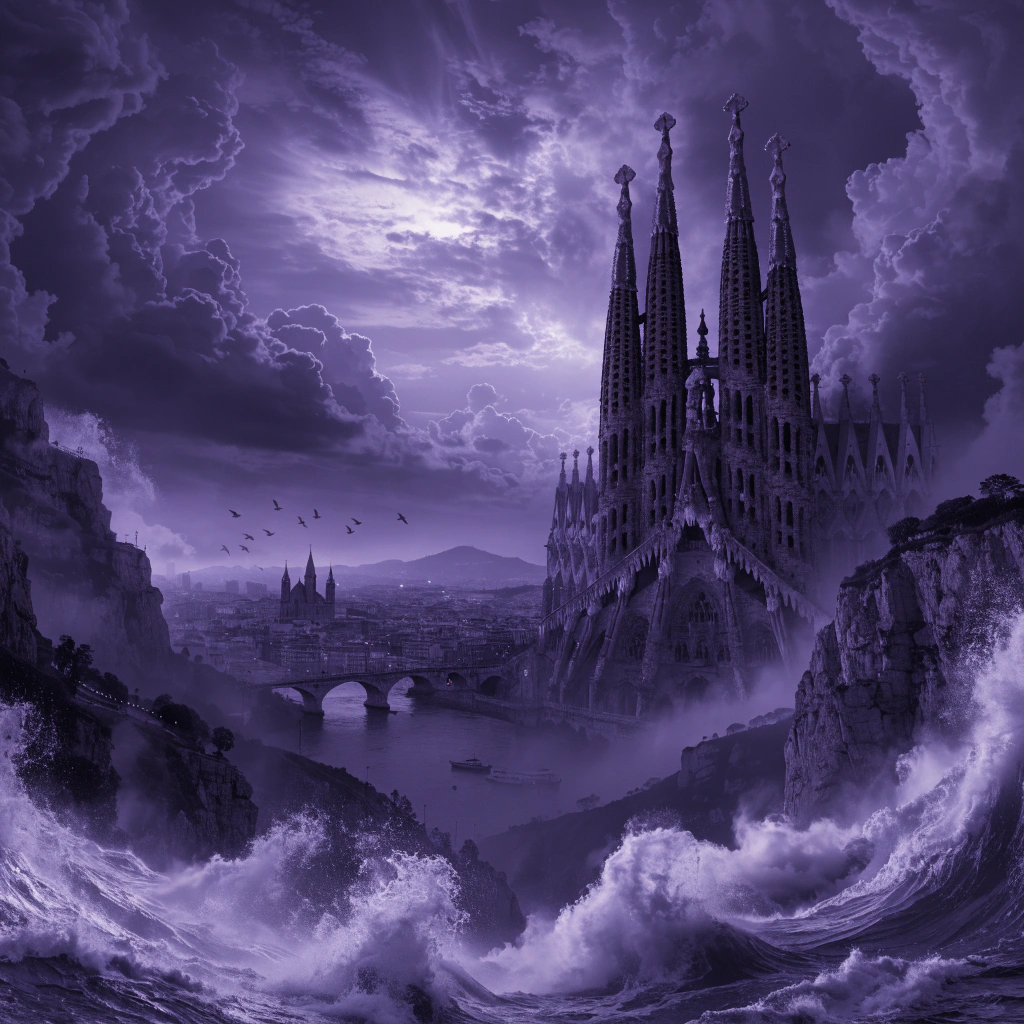
España
اسپانیا
درباره اسپانیا
Located on the Iberian Peninsula in Southwestern Europe, Spain is a nation defined by its diverse geography—from the lush green mountains of the north to the sun-drenched beaches of the Mediterranean. Its history is a rich tapestry of Roman, Visigoth, and Moorish influences, which have shaped a unique cultural identity celebrated through vibrant festivals and world-class art. As the birthplace of the Spanish language, it remains a global cultural powerhouse with a legacy that spans continents.
اطلاعات سریع
پایتخت
Madrid
جمعیت
46,754,778
منطقه
Europe · Southern Europe
واحد پول
Euro (EUR)
زبانهای رایج

اسپانیایی
Español
آیا میدانستید؟
Spain is the world's leading producer of olive oil, accounting for nearly half of the global supply.
Instead of a tooth fairy, Spanish children are visited by 'Ratoncito Pérez,' a mouse who collects teeth left under pillows in exchange for small gifts.
The Spanish National Anthem, the 'Marcha Real,' is one of the few in the world that has no official lyrics.
Spain is home to the world's oldest existing restaurant, Sobrino de Botín in Madrid, which has been open continuously since 1725.
جاذبههای معروف
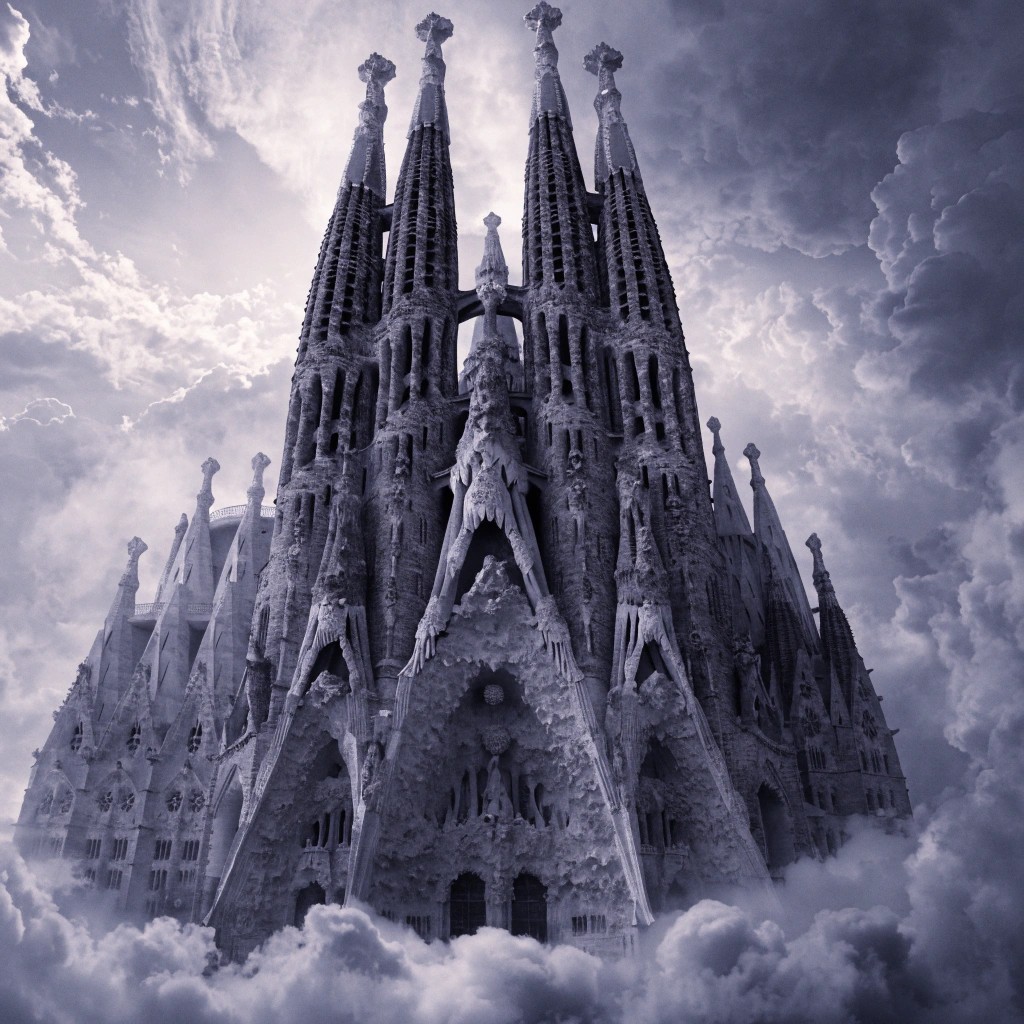
La Sagrada Família
An architectural masterpiece by Antoni Gaudí, this iconic basilica in Barcelona remains unfinished after over a century of construction.
بیشتر بخوانید
الحمرا (The Alhambra)
یه مجموعه قلعه و قصر خیرهکننده توی گرانادا (Granada) که به عنوان اوج معماری اسلامی توی اروپای غربی شناخته میشه.
بیشتر بخوانید
Mount Teide
Spain's highest peak, this massive volcano in Tenerife offers a lunar landscape and some of the world's best stargazing conditions.
بیشتر بخوانید
Mezquita-Catedral de Córdoba
A stunning symbol of religious history where a grand Islamic mosque and a Christian cathedral coexist within the same architectural structure.
بیشتر بخوانیدآشپزی
Paella Valenciana
A world-renowned rice dish from Valencia, traditionally cooked over an open fire with rabbit, chicken, and green beans.
بیشتر بخوانید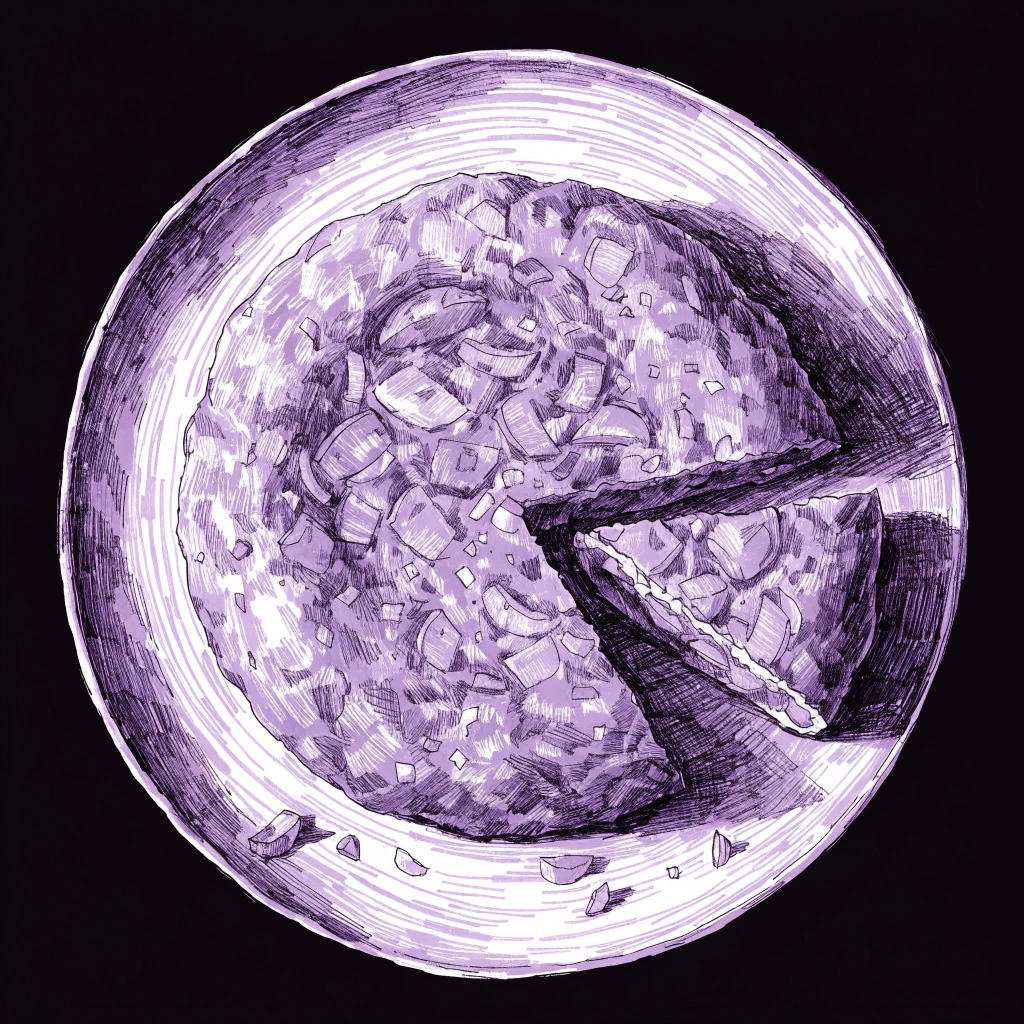
Tortilla de Patatas
A humble yet essential thick omelet made with eggs, potatoes, and often onions, served in every Spanish household and bar.
بیشتر بخوانید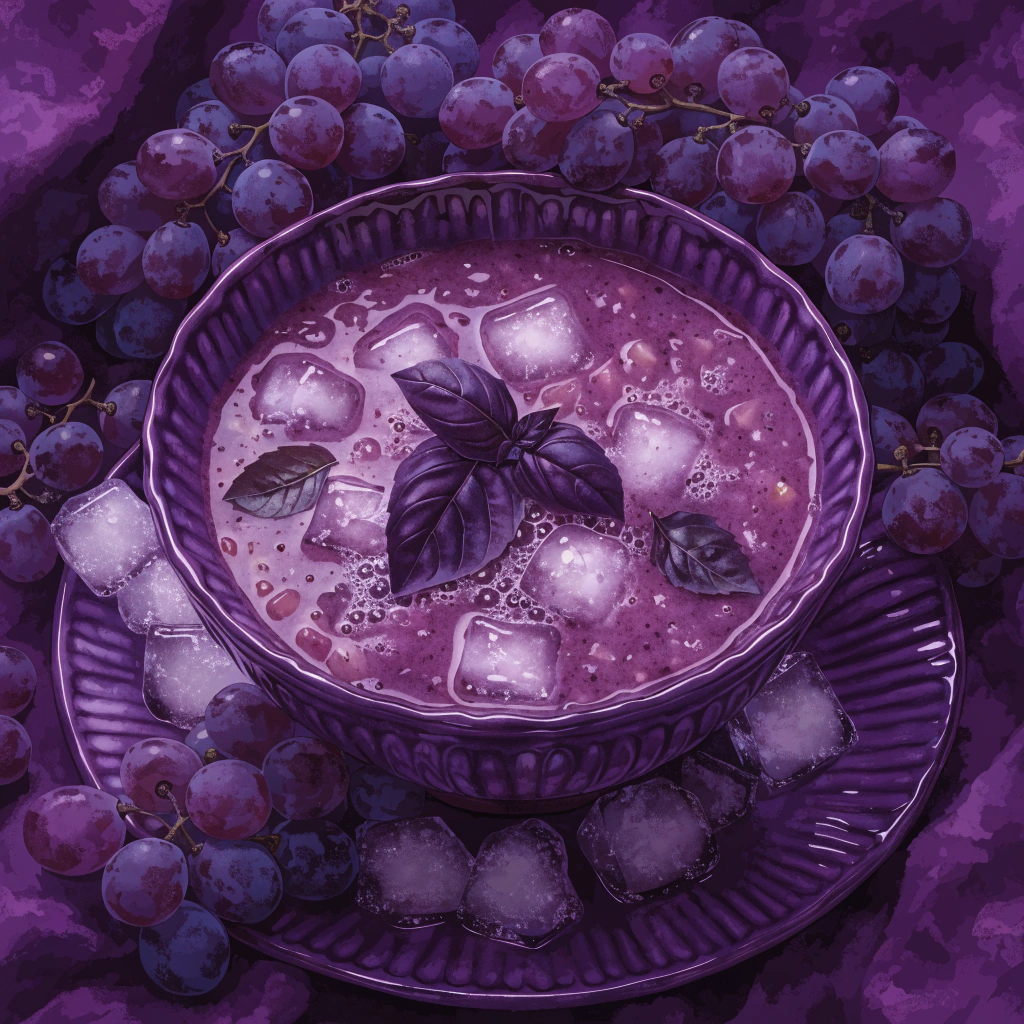
Gazpacho Andaluz
A refreshing cold soup made from blended raw vegetables, predominantly tomatoes, originating from the scorching plains of Andalusia.
بیشتر بخوانید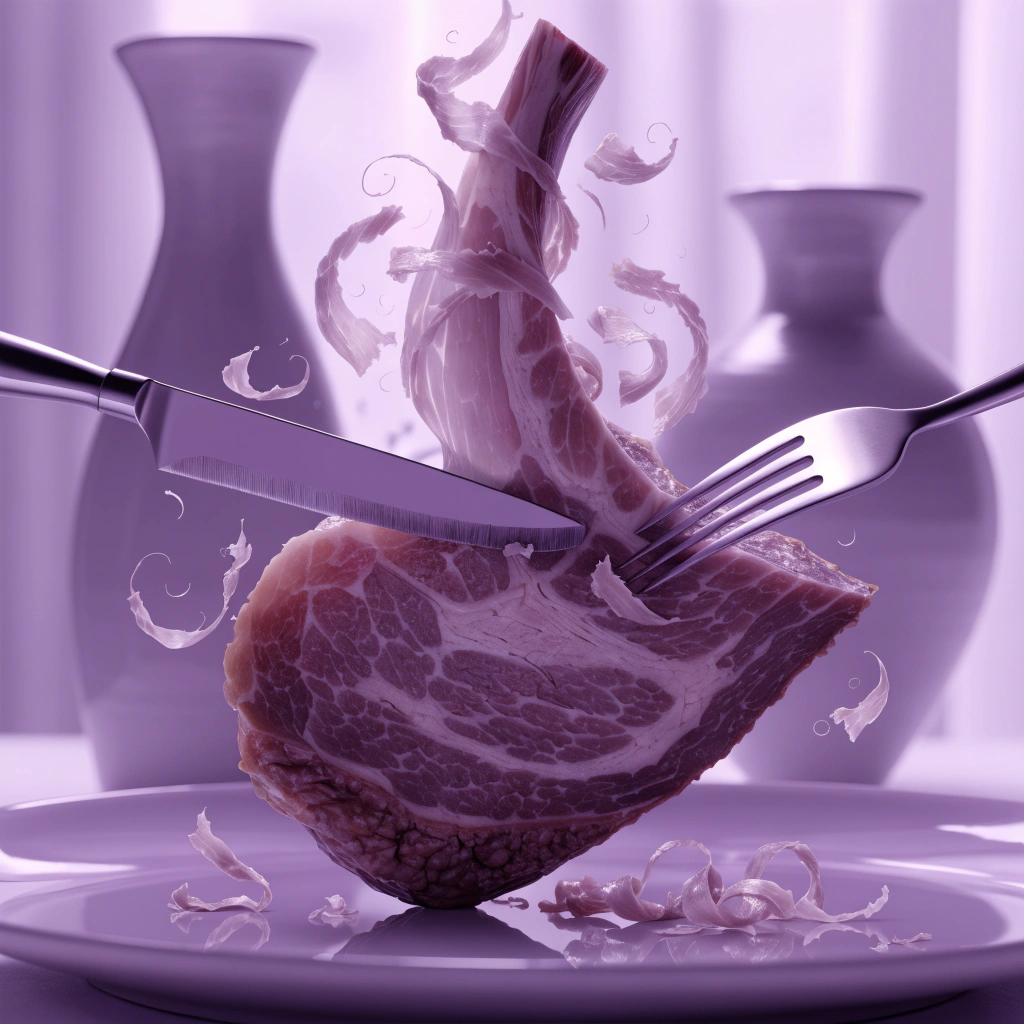
Jamón Ibérico de Bellota
The crown jewel of Spanish gastronomy, this cured ham comes from free-roaming Iberian pigs fed on acorns in the 'dehesa' forests.
بیشتر بخوانیدموسیقی و هنر
Spain's music and arts are a vibrant reflection of its diverse regional identities, blending ancient Mediterranean roots with Romani, Moorish, and European influences. From the rhythmic intensity of Andalusian Flamenco to the communal grace of the Catalan Sardana, the country's performing arts are characterized by deep emotional expression and a strong connection to shared cultural heritage. Many of these traditions are protected by UNESCO, ensuring that Spain's unique artistic voice continues to resonate in the modern world.
هنرهای سنتی
رویدادها و جشنها
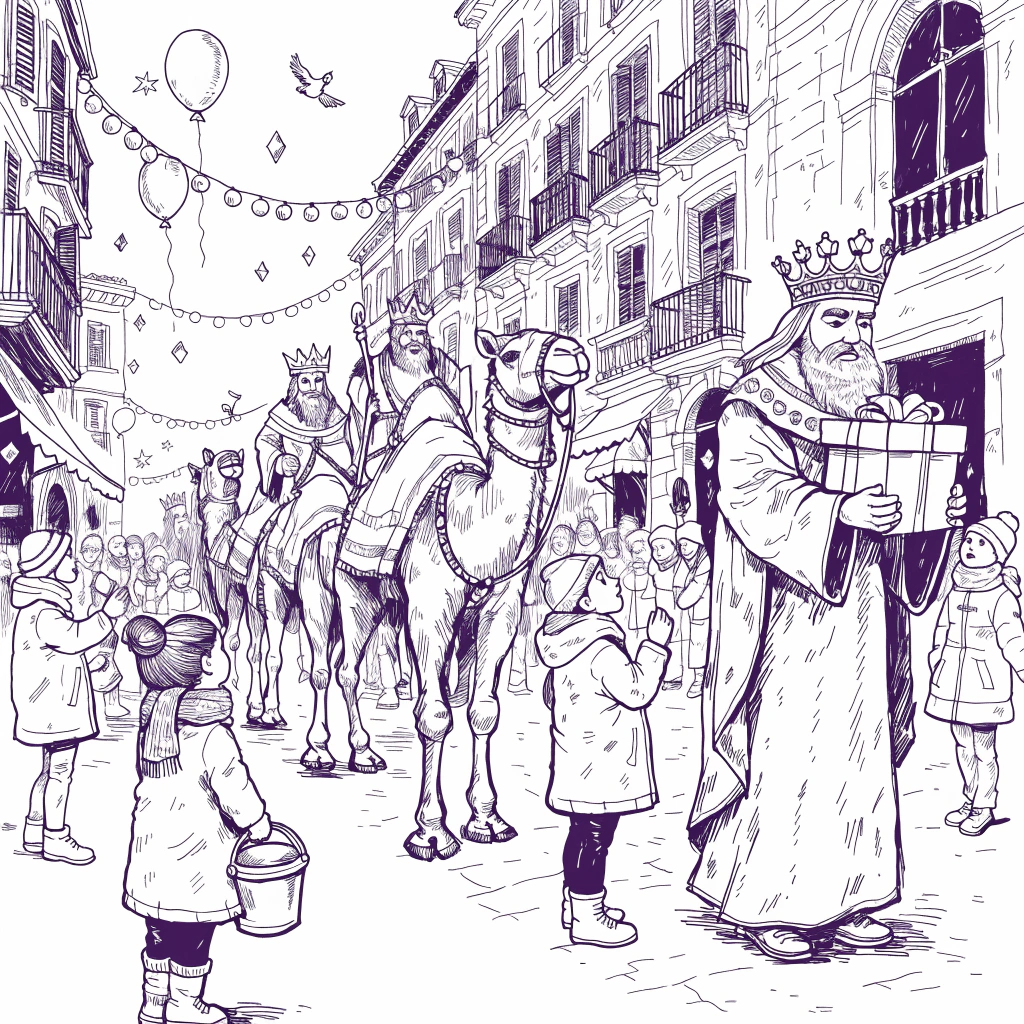
Los Reyes Magos (Three Kings Day)
January 5-6Spain's most beloved family celebration where the Three Wise Men bring gifts to children across the country.
بیشتر بخوانید
Las Fallas de Valencia
March 15-19A spectacular festival of fire, art, and satire where giant sculptures are burned to celebrate the arrival of spring.
بیشتر بخوانید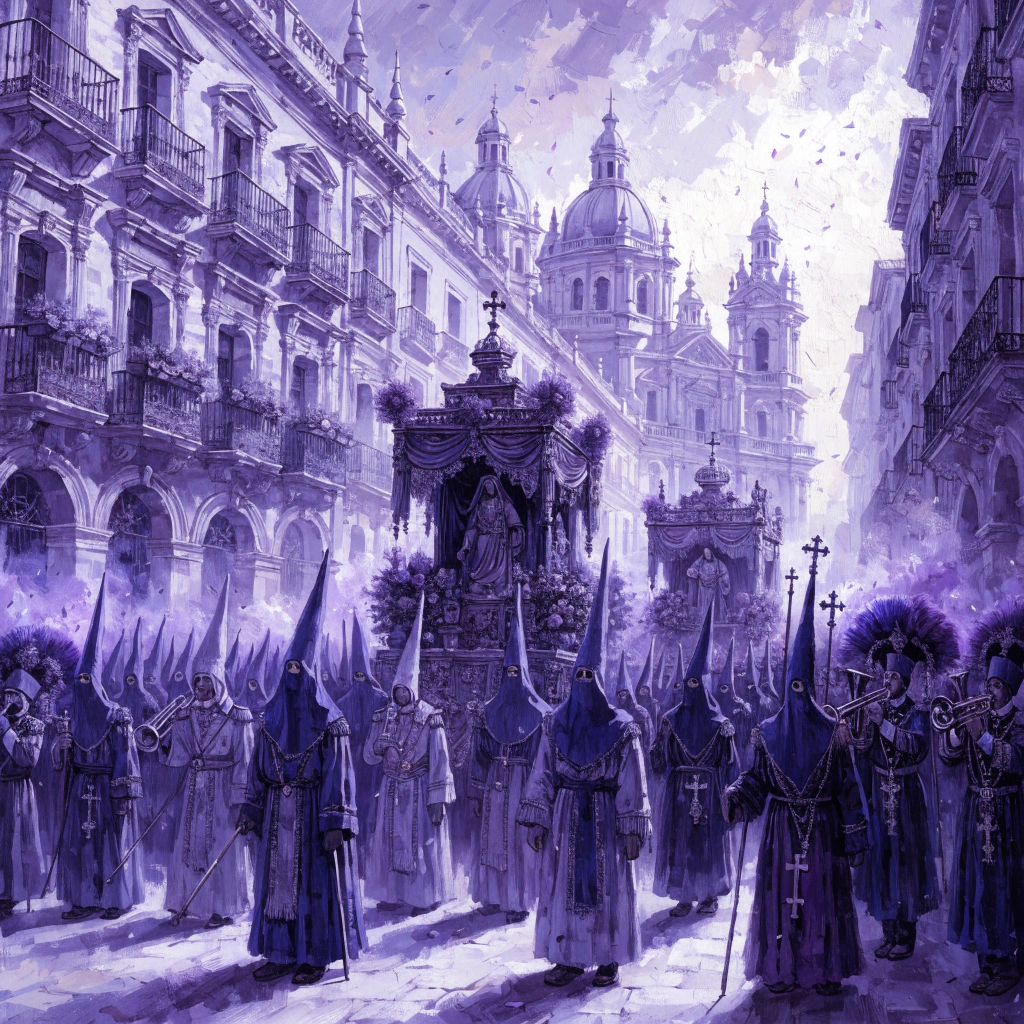
Semana Santa (Holy Week)
March or April (The week leading up to Easter)A deeply moving religious event featuring solemn processions of ornate floats and penitents through historic streets.
بیشتر بخوانید
San Fermín (Running of the Bulls)
July 6-14An internationally famous festival in Pamplona known for its daring bull runs and non-stop street celebrations.
بیشتر بخوانید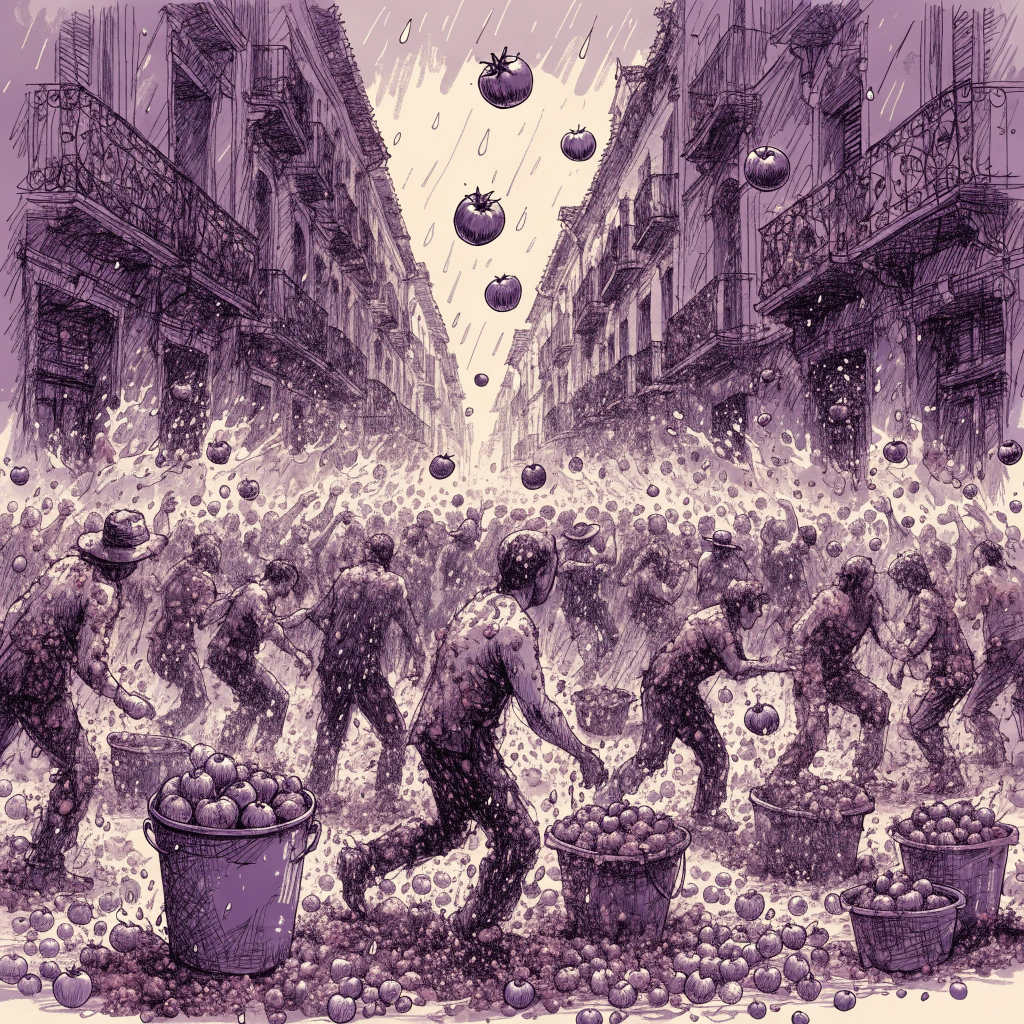
لا توماتینا
آخرین چهارشنبه آگوستبزرگترین جنگ غذایی دنیا، جایی که هزاران نفر توی شهر کوچیک بونیول جمع میشن تا به هم گوجه پرت کنن.
بیشتر بخوانیدعبارات سفر
¡Buenos días!
Good morning
Gracias
Thank you
¡Hola!
Hello
¿Cómo estás?
How are you?
Por favor
Please
Perdón
Excuse me / I'm sorry
سبک زندگی و آداب و رسوم
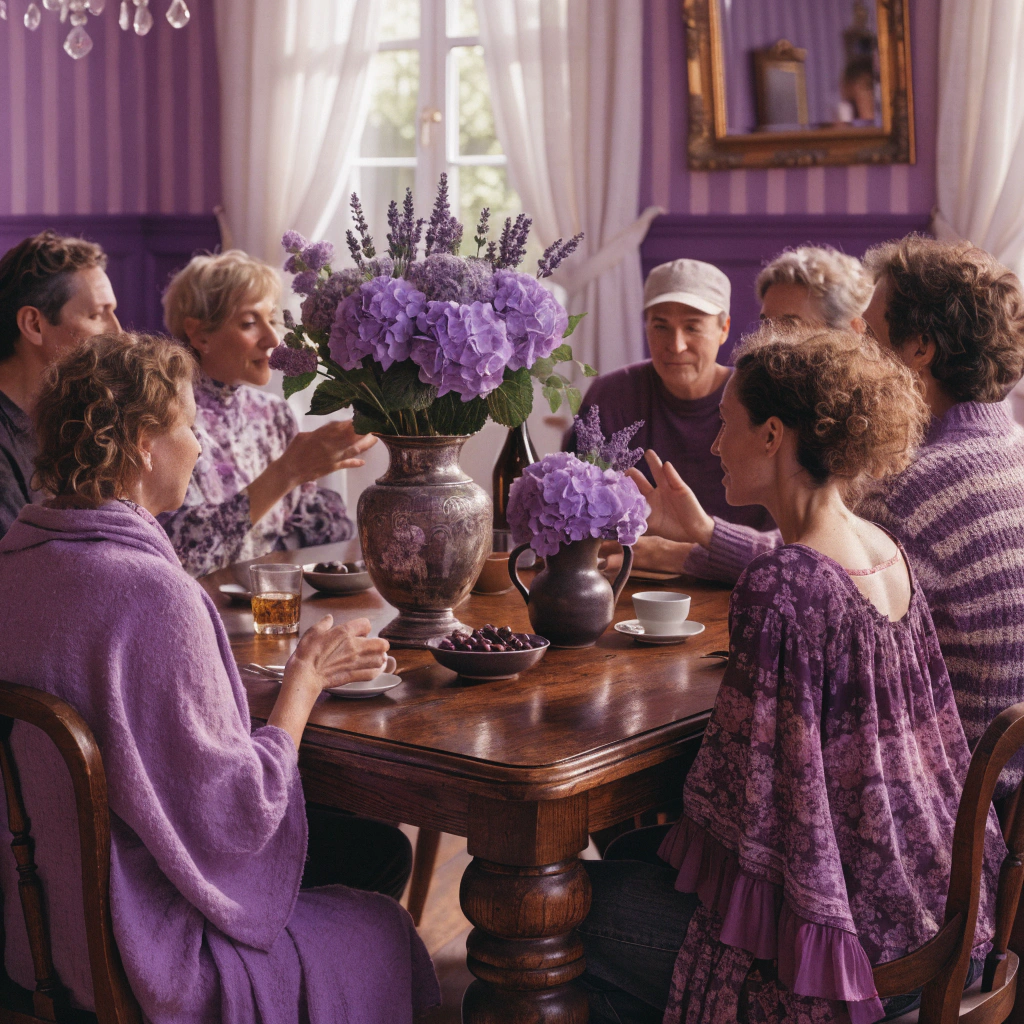
La Sobremesa
The cherished Spanish tradition of lingering at the table after a meal to share relaxed conversation and strengthen social bonds.
بیشتر بخوانید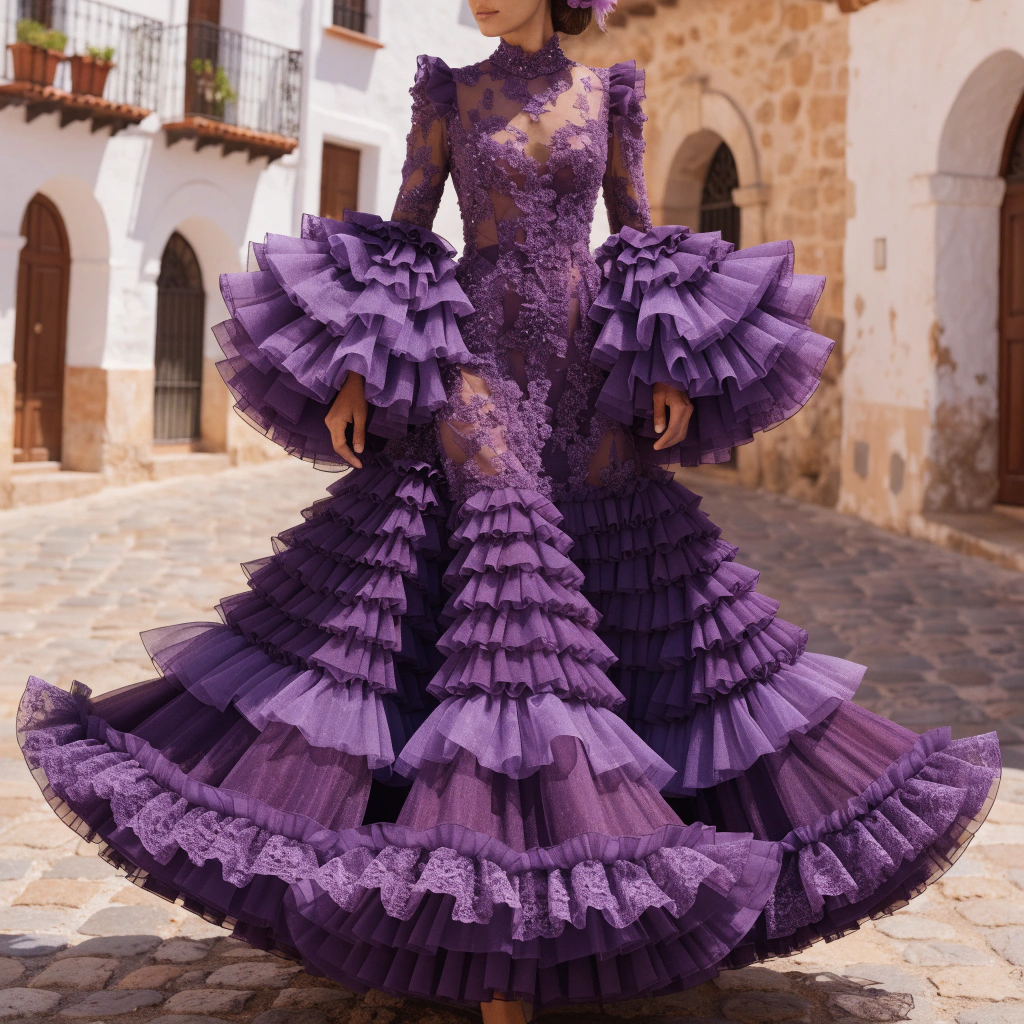
El Traje de Flamenca
The iconic, ruffled traditional dress of Andalusia that has evolved from humble 19th-century roots into a dynamic symbol of Spanish fashion and regional identity.
بیشتر بخوانید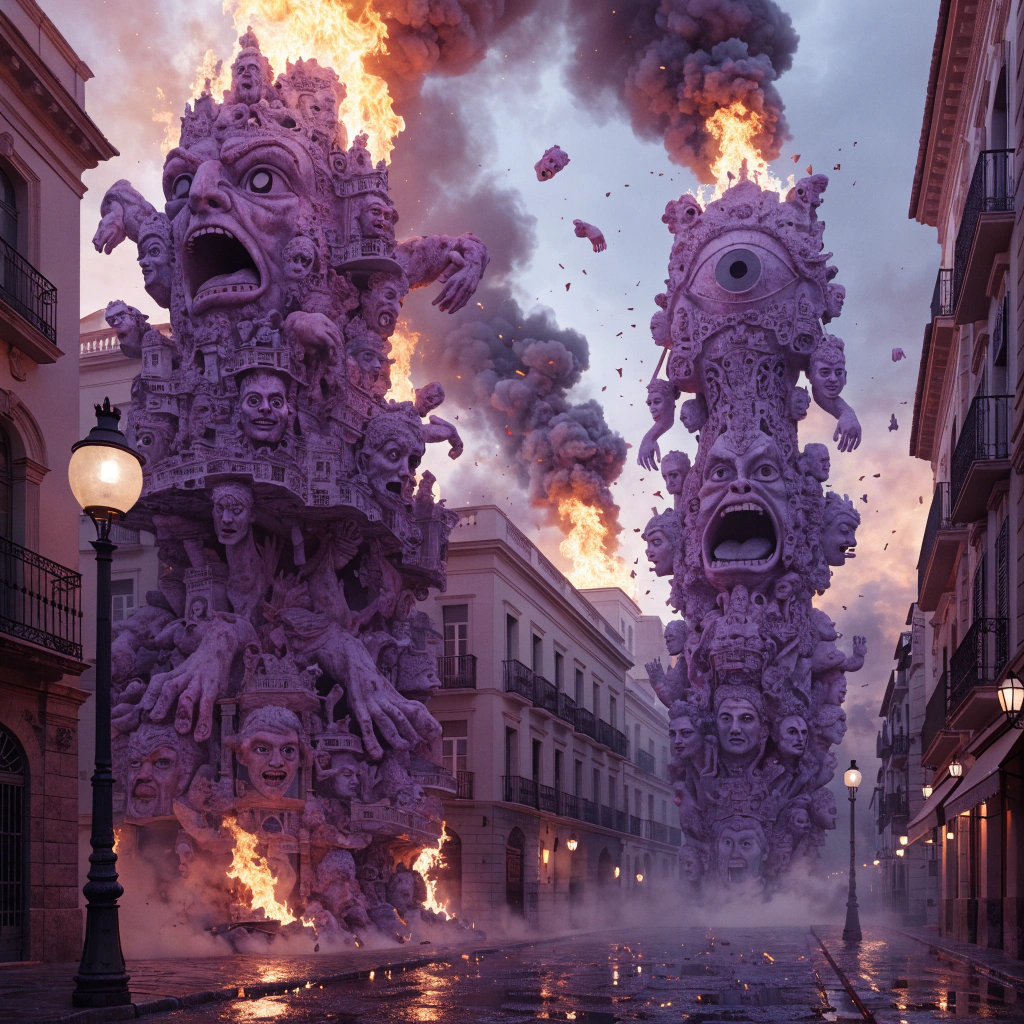
Las Fallas de Valencia
A spectacular and satirical spring festival in Valencia where massive, artistic monuments are constructed and then ceremoniously burned to celebrate rebirth.
بیشتر بخوانیدنکات آداب معاشرت
Greet staff with a friendly '¡Hola!' or 'Buenos días' when entering a establishment.
Start browsing or ordering immediately without acknowledging the people working there.
Explicitly ask for the check ('la cuenta') when you are ready to leave a restaurant.
Wait for the waiter to bring the bill automatically, as they consider it rude to rush guests.
Keep your hands visible on the table at all times during a meal.
Rest your hands in your lap while eating, which is considered impolite in Spanish culture.
Accept the 'dos besos' (two kisses on the cheeks) when being introduced to someone in a social setting.
Offer a firm handshake in casual situations, as it can seem overly formal or cold.
کشورهای بیشتر در Southern Europe را کاوش کنید




اسپانیایی بیاموزید تا با اسپانیا ارتباط برقرار کنید
یادگیری اسپانیایی را با ویدیو، تمرین و ابزارهای هوش مصنوعی در SubLearn شروع کنید.
شروع یادگیری
