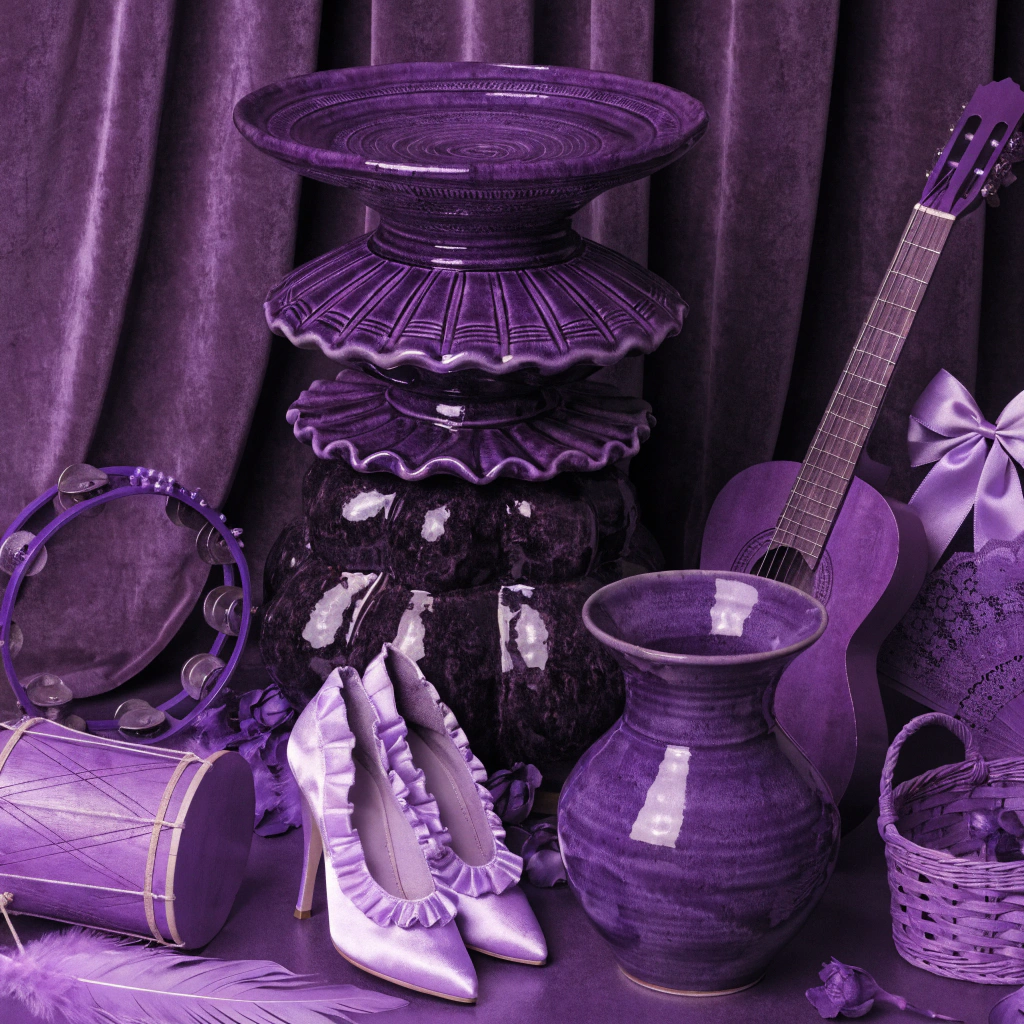
Zarzuela: Beautiful Music from Spain
Zarzuela is a special type of music from Spain. It is a show with singing and talking. It is like a musical. Many people in Spain love this music. It is very famous.
The name comes from a palace in Madrid. Long ago, kings and queens watched these shows. Today, people watch Zarzuela in big theaters.
In a Zarzuela show, actors wear beautiful clothes. They sing songs and they dance. Some parts are funny and some parts are sad. It is a great part of Spanish culture.
نکته دستوری
الگو: Present Simple: To Be
"Zarzuela is a special type of music from Spain."
We use 'is' with singular subjects like 'Zarzuela' to describe what something is. It shows a permanent fact.
الگو: Present Simple: Regular Verbs
"Many people in Spain love this music."
We use the base form of the verb 'love' for plural subjects like 'people'. It describes a general feeling.
درک خود را بسنجید
10 سوال · A1 مبتدی · 1 پیشنمایش رایگان
آنچه از این مقاله آموختید را بسنجید. به همه سؤالات پاسخ دهید و XP کسب کنید!
Where is Zarzuela from?
آیا میخواهید آزمون را تمام کنید؟
9 سؤال دیگر منتظر شماست. ثبتنام رایگان کنید تا آزمون کامل را باز کنید و XP کسب کنید!
ثبتنام رایگانقبلاً ثبتنام کردی؟ ورود
جزئیات سؤالات
Where is Zarzuela from?
پاسخ شما:
پاسخ درست: Spain
A Zarzuela show only has singing and no talking.
پاسخ شما:
پاسخ درست: نادرست
What is a 'palace'?
پاسخ شما:
پاسخ درست: A large house for kings
In a Zarzuela show, actors wear beautiful _____.
پاسخ شما:
پاسخ درست: clothes
Zarzuela: The Musical Soul of Spain
Zarzuela is a very special type of music and theater from Spain. It started a long time ago in the 17th century. The name comes from a palace near Madrid called 'Palacio de la Zarzuela.' At first, these shows were only for the royal family, but later they became popular for everyone.
In the 19th century, Zarzuela changed a lot. It became a way to show Spanish culture and traditions. In a Zarzuela show, the actors sing and they also speak. This is different from a normal opera because in an opera, the actors only sing. Zarzuela is more like a modern musical because the stories are often about normal people and their daily lives.
Today, many people in Spain still love Zarzuela because the music is beautiful and the stories are exciting. It is smaller than a grand opera, but it is more colorful. If you visit Madrid, you should definitely see a show. It is a great way to learn about Spanish history and music.
نکته دستوری
الگو: Past Simple
"It started a long time ago in the 17th century."
We use the past simple to talk about actions that finished in the past. For regular verbs like 'start', we add '-ed' to the end of the word.
الگو: Comparatives
"It is smaller than a grand opera, but it is more colorful."
We use comparatives to compare two things. For short adjectives like 'small', we add '-er'. For longer adjectives like 'colorful', we use 'more' before the word.
درک خود را بسنجید
11 سوال · A2 مقدماتی · 1 پیشنمایش رایگان
آنچه از این مقاله آموختید را بسنجید. به همه سؤالات پاسخ دهید و XP کسب کنید!
Where does the name 'Zarzuela' come from?
آیا میخواهید آزمون را تمام کنید؟
10 سؤال دیگر منتظر شماست. ثبتنام رایگان کنید تا آزمون کامل را باز کنید و XP کسب کنید!
ثبتنام رایگانقبلاً ثبتنام کردی؟ ورود
جزئیات سؤالات
Where does the name 'Zarzuela' come from?
پاسخ شما:
پاسخ درست: A palace near Madrid
In a Zarzuela show, the actors only sing and never speak.
پاسخ شما:
پاسخ درست: نادرست
What does 'palace' mean?
پاسخ شما:
پاسخ درست: A large house for royalty
Zarzuela is a very special type of _____ and theater from Spain.
پاسخ شما:
پاسخ درست: music
When did Zarzuela change a lot to show Spanish culture?
پاسخ شما:
پاسخ درست: The 19th century
Zarzuela: The Heart of Spanish Musical Theater
Have you ever heard of Zarzuela? It is a unique Spanish musical tradition that has been popular for centuries. This special genre, which combines singing, dancing, and spoken dialogue, is often described as Spain’s version of opera or musical theater.
The name Zarzuela comes from the Palacio de la Zarzuela, a royal palace near Madrid. In the 17th century, the first performances were held there for the king and his guests. At first, these plays were filled with mythological stories about gods and heroes. However, the style has changed significantly over time. In the 19th century, composers began to write about the daily lives of ordinary Spanish people. This made the performances much more popular with the public.
There are two main types of Zarzuela that you might see today. The first is called género grande, which usually has three acts and features complex music. The second is género chico, which is shorter and often more humorous. These shorter plays became very famous because they were affordable for everyone to watch.
Today, Zarzuela is considered a national treasure. Although modern music is very common now, these traditional shows are still performed in beautiful theaters across Spain. Many festivals have been organized to celebrate this art form, ensuring that it is not forgotten by younger generations. If you visit Madrid, you should definitely experience a live performance. It is a wonderful way to understand Spanish culture and history.
نکته دستوری
الگو: Passive Voice
"This special genre... is often described as Spain’s version of opera."
The passive voice is used when the action is more important than the person doing it. It is formed using the verb 'to be' and the past participle of the main verb.
الگو: Relative Clauses
"The first is called género grande, which usually has three acts and features complex music."
Relative clauses give more information about a noun. We use 'which' for things and 'who' for people to connect two ideas into one sentence.
درک خود را بسنجید
11 سوال · B1 متوسط · 1 پیشنمایش رایگان
آنچه از این مقاله آموختید را بسنجید. به همه سؤالات پاسخ دهید و XP کسب کنید!
What is unique about Zarzuela compared to standard opera?
آیا میخواهید آزمون را تمام کنید؟
10 سؤال دیگر منتظر شماست. ثبتنام رایگان کنید تا آزمون کامل را باز کنید و XP کسب کنید!
ثبتنام رایگانقبلاً ثبتنام کردی؟ ورود
جزئیات سؤالات
What is unique about Zarzuela compared to standard opera?
پاسخ شما:
پاسخ درست: It combines singing, dancing, and spoken dialogue.
Zarzuela performances were originally created for ordinary people in the 17th century.
پاسخ شما:
پاسخ درست: نادرست
What does 'treasure' mean in this context?
پاسخ شما:
پاسخ درست: Something very valuable or important to a culture.
Zarzuela is a _____ Spanish musical tradition that has been popular for centuries.
پاسخ شما:
پاسخ درست: unique
Why did 'género chico' become very famous?
پاسخ شما:
پاسخ درست: Because it was affordable for everyone.
Zarzuela: Spain’s Distinctive Operatic Legacy
While the grand operas of Italy and Germany often dominate the conversation regarding European musical theater, Spain boasts a uniquely captivating tradition known as Zarzuela. This lyric-dramatic genre, which alternates between spoken dialogue and operatic singing, serves as a profound reflection of Spanish identity and cultural evolution. Originating in the 17th century at the Palacio de la Zarzuela near Madrid, the genre was initially conceived as a form of courtly entertainment for the royal family. These early baroque spectacles were heavily influenced by mythological themes and featured elaborate stage designs that sought to impress the aristocracy. However, it was during the 19th century that Zarzuela underwent a significant revitalization, transforming from an elite pastime into a vibrant medium for nationalistic expression. As Spain navigated a period of intense socio-political change, the genre branched into two distinct forms: the 'Género Grande' and the 'Género Chico.' The former typically consisted of three acts with complex musical structures, whereas the latter was a more concise, one-act performance that focused on the daily lives and struggles of the working class. By incorporating local dialects, traditional dances, and folk melodies, Zarzuela became deeply intertwined with the collective consciousness of the Spanish people. One of the most distinguishable features of Zarzuela is its seamless integration of spoken word and music. Unlike traditional opera, where the narrative is often carried entirely through song, Zarzuela allows for a more naturalistic progression of the plot. This accessibility ensured that the genre remained popular across various social strata. Moreover, the themes explored in these works often addressed contemporary issues, ranging from romantic entanglements to satirical critiques of the ruling elite. If the genre had not adapted to the tastes of the burgeoning middle class during this era, it might have faded into obscurity like many other courtly traditions. In the modern era, Zarzuela continues to be celebrated as a vital component of Spain’s cultural heritage. Although it faced challenges during the 20th century, particularly with the rise of cinema and international pop culture, dedicated efforts have been made to preserve and promote this intricate art form. Today, prestigious theaters like the Teatro de la Zarzuela in Madrid regularly stage both classic and contemporary productions, ensuring that the legacy of this Spanish 'operetta' endures. Ultimately, Zarzuela represents a fascinating fusion of high art and popular culture, offering a window into the soul of Spain that remains as relevant today as it was centuries ago.
نکته دستوری
الگو: Passive Voice
"the genre was initially conceived as a form of courtly entertainment"
The passive voice is used here to focus on the genre itself rather than the specific people who created it. It is formed using the verb 'to be' plus the past participle.
الگو: Third Conditional
"If the genre had not adapted to the tastes of the burgeoning middle class during this era, it might have faded into obscurity"
This structure describes a hypothetical situation in the past and its imaginary result. It uses 'if + past perfect' and 'would/might have + past participle'.
الگو: Non-defining Relative Clause
"This lyric-dramatic genre, which alternates between spoken dialogue and operatic singing, serves as a profound reflection"
This clause provides extra information about 'this lyric-dramatic genre'. It is separated by commas and uses the relative pronoun 'which'.
درک خود را بسنجید
11 سوال · B2 بالاتر از متوسط · 1 پیشنمایش رایگان
آنچه از این مقاله آموختید را بسنجید. به همه سؤالات پاسخ دهید و XP کسب کنید!
What is the primary characteristic that distinguishes Zarzuela from traditional grand opera?
آیا میخواهید آزمون را تمام کنید؟
10 سؤال دیگر منتظر شماست. ثبتنام رایگان کنید تا آزمون کامل را باز کنید و XP کسب کنید!
ثبتنام رایگانقبلاً ثبتنام کردی؟ ورود
جزئیات سؤالات
What is the primary characteristic that distinguishes Zarzuela from traditional grand opera?
پاسخ شما:
پاسخ درست: It alternates between spoken dialogue and singing.
Zarzuela originated in the 19th century as a working-class entertainment.
پاسخ شما:
پاسخ درست: نادرست
Which word describes the joining of two different styles into one?
پاسخ شما:
پاسخ درست: Fusion
Zarzuela is considered a vital component of Spain's cultural _____.
پاسخ شما:
پاسخ درست: heritage
What was the main focus of the 'Género Chico'?
پاسخ شما:
پاسخ درست: The daily lives and struggles of the working class.
The Resonance of Zarzuela: A Cultural Tapestry of Spanish Identity
Seldom has a musical genre captured the multifaceted spirit of a nation as poignantly as Zarzuela. Often dismissed by the uninitiated as a mere Spanish iteration of operetta, Zarzuela is, in fact, a complex lyrical-dramatic form that weaves together spoken dialogue, song, and dance. Its nomenclature traces back to the 17th-century Palacio de la Zarzuela, where the Spanish royal court first indulged in these baroque spectacles. Initially, these performances were characterized by mythological themes and aristocratic refinement, serving as a diversion for the elite. However, it was the 19th-century transformation that truly solidified Zarzuela’s place in the Spanish psyche. The burgeoning nationalism of the 1800s necessitated a cultural medium that could articulate the idiosyncrasies of the Spanish identity. This era saw the emergence of the 'Género Grande' and the 'Género Chico,' a dichotomy that reflected the social stratification of the time. While the former consisted of multi-act works with elaborate structures, the latter focused on shorter, one-act depictions of everyday life in Madrid. Through the democratization of the genre, Zarzuela transitioned from royal entertainment to a poignant social commentary, often utilizing satire as a tool for political subversion. Despite the vestiges of its aristocratic origins, the genre became deeply rooted in the working-class 'barrios.' It was here that the local customs, dialects, and grievances of the common people found a voice. The ephemeral nature of these theatrical trends might have led to their disappearance, yet Zarzuela persisted, surviving civil unrest and the encroachment of globalized pop culture. Today, we are witnessing a significant resurgence of interest in these works. Modern productions seek not only to preserve the tradition but to reinterpret it for a contemporary audience, proving that the emotional resonance of the human experience remains universal. Ultimately, Zarzuela is not merely a relic of the past; it is a living testament to the evolution of Spanish society. Its ability to balance the high-brow with the popular, the mythological with the mundane, ensures its continued relevance. For the student of Spanish culture, understanding Zarzuela is essential to grasping the nuanced interplay between tradition and modernity.
نکته دستوری
الگو: Negative Inversion
"Seldom has a musical genre captured the multifaceted spirit of a nation as poignantly as Zarzuela."
When a sentence starts with a negative or restrictive adverb like 'seldom', the subject and auxiliary verb are inverted to add emphasis and formality.
الگو: Cleft Sentence
"However, it was the 19th-century transformation that truly solidified Zarzuela’s place in the Spanish psyche."
Cleft sentences use 'It is/was... that' to focus on a specific piece of information, highlighting the 19th-century transformation as the key factor.
الگو: Nominalization
"Through the democratization of the genre, Zarzuela transitioned from royal entertainment to a poignant social commentary."
Nominalization involves turning verbs (democratize) into nouns (democratization) to create a more formal, academic tone typical of C1 writing.
درک خود را بسنجید
12 سوال · C1 پیشرفته · 1 پیشنمایش رایگان
آنچه از این مقاله آموختید را بسنجید. به همه سؤالات پاسخ دهید و XP کسب کنید!
What was the primary focus of early Zarzuela performances in the 17th century?
آیا میخواهید آزمون را تمام کنید؟
11 سؤال دیگر منتظر شماست. ثبتنام رایگان کنید تا آزمون کامل را باز کنید و XP کسب کنید!
ثبتنام رایگانقبلاً ثبتنام کردی؟ ورود
جزئیات سؤالات
What was the primary focus of early Zarzuela performances in the 17th century?
پاسخ شما:
پاسخ درست: Mythological themes and aristocratic refinement
The 'Género Chico' was known for its multi-act, elaborate structures.
پاسخ شما:
پاسخ درست: نادرست
What does 'resurgence' mean in the context of the article?
پاسخ شما:
پاسخ درست: A revival after a period of inactivity
The burgeoning nationalism of the 1800s necessitated a cultural medium that could articulate the _____ of the Spanish identity.
پاسخ شما:
پاسخ درست: idiosyncrasies
Which social group became the primary audience for Zarzuela as it became rooted in the 'barrios'?
پاسخ شما:
پاسخ درست: The working-class common people
The article suggests that Zarzuela is currently a dead genre with no modern relevance.
پاسخ شما:
پاسخ درست: نادرست
The Zarzuela: A Sophisticated Synthesis of Iberian Lyricism and Socio-Political Discourse
To speak of the Zarzuela is to engage with the very ontological essence of the Spanish cultural identity—a genre that, notwithstanding its royal provenance, evolved into a quintessential expression of the vernacular spirit. This uniquely Spanish lyric-dramatic form, characterized by its fluid alternation between spoken dialogue and operatic song, defies simplistic categorization. Its nomenclature is derived from the Palacio de la Zarzuela, a hunting lodge near Madrid where, in the mid-17th century, the court of Philip IV sought a distinct diversion from the pervasive hegemony of Italian opera. Had the 17th-century Spanish court not sought a distinct diversion, the genre might never have coalesced into its baroque form, which initially favored mythological themes and extravagant stagecraft. However, the Zarzuela we recognize today is largely a product of a 19th-century metamorphosis, a period during which it became an idiosyncratic vehicle for nationalistic sentiment.
As the 19th century progressed, the genre diverged into two principal manifestations: the 'género grande' and the 'género chico'. The former, typically spanning three acts, mirrored the structural complexity of grand opera, while the latter, a more concise one-act format, focused on the quotidian lives of the Madrid proletariat. It is imperative that the analyst recognize the Zarzuela not merely as a musical artifact, but as a socio-political mirror. Through its verisimilitude, the 'género chico' captured the linguistic nuances and social anxieties of the working class, often employing satire to critique the ruling elite. Scarcely had the 19th century dawned when the Zarzuela began to serve as a bastion against foreign cultural encroachment, asserting a Spanish musical language through the integration of folk rhythms such as the jota and the seguidilla.
Furthermore, the juxtaposition of high-art operatic technique with the raw energy of street life created a unique aesthetic tension. This hybridity allowed the Zarzuela to bridge the gap between social strata, appealing simultaneously to the aristocracy and the masses. Yet, the genre's ephemeral nature, tied as it was to the specific zeitgeist of late 19th and early 20th-century Spain, led to a gradual decline following the Spanish Civil War. The subsequent decades saw the genre relegated to a vestige of a bygone era, often dismissed by modernists as a nostalgic relic of parochial nationalism.
Notwithstanding this period of stagnation, the contemporary era has witnessed a scholarly and performative resurgence. Modern directors have sought to strip away the layers of kitsch that occasionally obscured the genre's depth, revealing the sophisticated interlocutor it once was in the dialogue between music and society. By re-examining the Zarzuela’s proclivity for subverting social norms, contemporary productions have reinvigorated its relevance for a globalized audience. Ultimately, the Zarzuela remains a testament to the enduring power of local traditions to resist homogenization, offering a rich tapestry of human experience that is as complex and contradictory as the nation from which it sprang.
نکته دستوری
الگو: Inverted Conditional (Third Conditional)
"Had the 17th-century Spanish court not sought a distinct diversion, the genre might never have coalesced into its baroque form."
This formal structure replaces 'If the court had not sought' with an inverted 'Had the court not sought'. It is used in C2 academic writing to express hypothetical past situations with greater rhetorical weight.
الگو: The Mandative Subjunctive
"It is imperative that the analyst recognize the Zarzuela not merely as a musical artifact, but as a socio-political mirror."
After adjectives of necessity (imperative, essential), the base form of the verb ('recognize' instead of 'recognizes') is used. This emphasizes the urgency or requirement of the action.
الگو: Negative Inversion
"Scarcely had the 19th century dawned when the Zarzuela began to serve as a bastion against foreign cultural encroachment."
When a sentence begins with a negative or restrictive adverb like 'scarcely', the auxiliary verb and subject are inverted. This creates a dramatic, formal emphasis on the timing of events.
درک خود را بسنجید
12 سوال · C2 تسلط · 1 پیشنمایش رایگان
آنچه از این مقاله آموختید را بسنجید. به همه سؤالات پاسخ دهید و XP کسب کنید!
What primary factor distinguishes the 'género chico' from the 'género grande'?
آیا میخواهید آزمون را تمام کنید؟
11 سؤال دیگر منتظر شماست. ثبتنام رایگان کنید تا آزمون کامل را باز کنید و XP کسب کنید!
ثبتنام رایگانقبلاً ثبتنام کردی؟ ورود
جزئیات سؤالات
What primary factor distinguishes the 'género chico' from the 'género grande'?
پاسخ شما:
پاسخ درست: The length of the performance and the social class it depicted.
The Zarzuela was originally created as a form of entertainment for the Spanish working class.
پاسخ شما:
پاسخ درست: نادرست
Which word refers to the appearance of being true or real?
پاسخ شما:
پاسخ درست: Verisimilitude
The genre's _____ nature, tied to a specific historical period, contributed to its mid-20th-century decline.
پاسخ شما:
پاسخ درست: ephemeral
According to the text, why did the Zarzuela become a tool for nationalism in the 19th century?
پاسخ شما:
پاسخ درست: It incorporated folk rhythms to resist foreign cultural influence.
Modern productions of Zarzuela have attempted to highlight its potential for social subversion.
پاسخ شما:
پاسخ درست: درست

