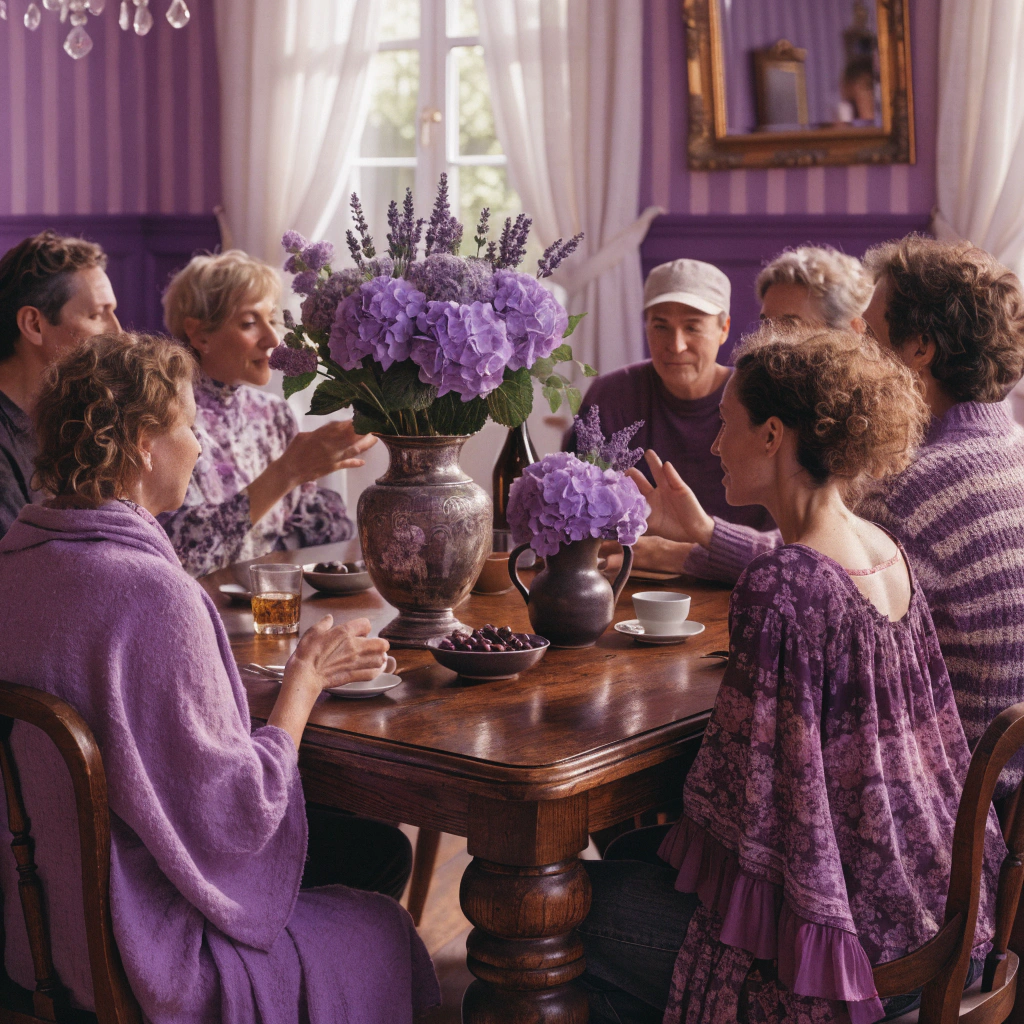
Eating and Talking in Spain
In Spain, lunch is a very important meal. People eat with family or friends. After the meal, they do not leave the table. This time is called 'Sobremesa'. People drink coffee or tea. They talk and laugh for a long time. They talk about their day or work. It is a time to relax. People do not hurry. Sobremesa is special. It is about friends and family. It is a slow and happy tradition in Spain.
문법 스포트라이트
패턴: Present Simple (to be)
"In Spain, lunch is a very important meal."
We use 'is' with singular subjects like 'lunch' to state facts. This is the most common form of the verb 'to be' for descriptions.
패턴: Present Simple (Plural)
"They talk and laugh for a long time."
With plural subjects like 'they' or 'people', we use the base form of the verb. We do not add an 's' at the end.
이해도를 테스트하세요
10 질문 · A1 초급 · 무료 미리보기 1회
이 기사에서 배운 내용을 테스트하세요. 모든 질문에 답하여 XP를 획득하세요!
Where is this tradition from?
문제별 결과
Where is this tradition from?
내 답변:
정답: Spain
People leave the table immediately after eating.
내 답변:
정답: 거짓
What does 'relax' mean?
내 답변:
정답: To rest and feel calm
People drink _____ or tea.
내 답변:
정답: coffee
스페인의 특별한 시간, 소브레메사
스페인 사람들은 식사를 아주 중요하게 생각합니다. 하지만 식사보다 더 중요한 시간이 있습니다. 바로 '소브레메사(Sobremesa)'입니다. 이 말은 스페인어로 '식탁 위에서'라는 뜻입니다.
보통 식사가 끝난 후에 사람들은 바로 식탁에서 일어나지 않습니다. 커피나 차를 마시면서 가족, 친구들과 긴 대화를 나눕니다. 가끔은 30분에서 한 시간 넘게 이야기를 하기도 합니다. 이 시간 동안 사람들은 서로의 생활에 대해 이야기하고 많이 웃습니다.
요즘 많은 나라 사람들은 밥을 아주 빨리 먹습니다. 하지만 스페인 사람들은 소브레메사를 통해 삶의 여유를 즐깁니다. 이 문화 덕분에 사람들은 주변 사람들과 더 친해질 수 있습니다. 여러분도 식사 후에 친구들과 천천히 대화를 나누어 보세요. 마음이 아주 행복해질 것입니다.
문법 스포트라이트
패턴: -보다
"식사보다 더 중요한 시간이 있습니다."
두 대상을 비교할 때 사용합니다. 기준이 되는 명사 뒤에 붙여서 'A가 B보다 더 ~하다'라고 말합니다.
패턴: -(으)면서
"커피나 차를 마시면서 가족, 친구들과 긴 대화를 나눕니다."
두 가지 행동을 동시에 할 때 사용합니다. 동사의 어간 뒤에 붙여서 표현합니다.
이해도를 테스트하세요
11 질문 · A2 초등급 · 무료 미리보기 1회
이 기사에서 배운 내용을 테스트하세요. 모든 질문에 답하여 XP를 획득하세요!
'소브레메사'는 무슨 뜻인가요?
문제별 결과
'소브레메사'는 무슨 뜻인가요?
내 답변:
정답: 식탁 위에서
스페인 사람들은 식사가 끝나면 바로 일어납니다.
내 답변:
정답: 거짓
'대화'의 뜻으로 알맞은 것은 무엇입니까?
내 답변:
정답: 사람들과 이야기를 주고받는 것
사람들은 커피를 _____ 대화를 나눕니다.
내 답변:
정답: 마시면서
소브레메사 시간은 보통 얼마나 걸립니까?
내 답변:
정답: 30분에서 한 시간 넘게
The Art of the Long Lunch: Spain's La Sobremesa
Have you ever finished a delicious meal but felt like you didn't want to leave the table? In Spain, this feeling has been turned into a famous cultural tradition called 'La Sobremesa.' The word literally translates to 'over the table,' and it describes the period of time spent talking after a meal has finished. Families often gather at large tables where multiple generations sit together. It is common to see grandparents sharing advice with their grandchildren while they enjoy their drinks. These moments are considered the heart of Spanish social life.
While many Western countries have adopted a 'fast-food' mentality, Spain has kept a commitment to slow living. Once the coffee has been served and the last crumbs have been cleared, guests stay in their seats. This is a moment which is dedicated to laughter and deep conversation. It is not just about eating; it is about the interpersonal connection between friends and family. Furthermore, this practice is not limited to homes; it is a vital part of the restaurant industry too.
During La Sobremesa, many different topics are discussed, ranging from politics to personal stories. The tradition is often practiced during the weekends when people have more free time. In many Spanish restaurants, customers are never rushed to leave because the staff understands the importance of this social ritual. This tradition, which can last from thirty minutes to several hours, is seen as essential for mental health. It allows people to relax and escape the stress of daily life. Even though the world is becoming busier, La Sobremesa is still valued by both the young and the old. It is a beautiful reminder that life should be enjoyed slowly, one conversation at a time.
문법 스포트라이트
패턴: Present Perfect
"Spain has kept a commitment to slow living."
The present perfect is used here to describe an action or state that started in the past and continues to the present. It is formed using 'has/have' plus the past participle.
패턴: Relative Clauses
"This is a moment which is dedicated to laughter and deep conversation."
A relative clause provides more information about a noun. In this sentence, 'which' introduces extra details about the 'moment' being described.
이해도를 테스트하세요
11 질문 · B1 중급 · 무료 미리보기 1회
이 기사에서 배운 내용을 테스트하세요. 모든 질문에 답하여 XP를 획득하세요!
What does the word 'La Sobremesa' literally mean?
문제별 결과
What does the word 'La Sobremesa' literally mean?
내 답변:
정답: Over the table
La Sobremesa only happens in private homes and never in restaurants.
내 답변:
정답: 거짓
What does 'essential' mean in the context of the article?
내 답변:
정답: Extremely important
The word literally _____ to 'over the table'.
내 답변:
정답: translates
How long can La Sobremesa last?
내 답변:
정답: From thirty minutes to several hours
스페인의 느림의 미학: 식탁 위의 여유, '소브레메사'의 가치
스페인 문화의 정수를 논할 때 결코 빠질 수 없는 요소가 바로 '소브레메사(La Sobremesa)'이다. 이는 단순히 식사 후의 휴식을 넘어, 스페인 사람들의 삶에 대한 철학과 인간관계를 바라보는 관점이 투영된 독특한 문화적 관습이라고 할 수 있다. 현대 사회가 눈부신 경제 성장을 이룩하며 효율성과 속도를 최우선 가치로 지향함에 따라, 전 세계적으로 '패스트푸드'와 같은 빠름의 문화가 지배적으로 자리 잡았다. 그러나 스페인은 이러한 시대적 흐름 속에서도 식탁 위에서의 여유를 고수하며 자신들만의 속도를 유지하고 있다.
소브레메사는 직역하면 '식탁 위에서'라는 의미를 지니는데, 이는 식사가 끝난 후 디저트나 커피를 즐기며 자리에 머무르는 시간을 뜻한다. 보통 짧게는 30분에서 길게는 서너 시간까지 이어지는 이 시간 동안, 사람들은 일상의 소소한 이야기부터 정치, 경제, 철학에 이르기까지 폭넓은 주제로 대화를 나눈다. 이 과정에서 구성원들 간의 정서적 유대감은 더욱 깊어지며, 사회적 결속력 또한 강화된다. 개인주의가 심화되는 현대 사회에서 타인과 진심으로 연결되는 이러한 시간은 현대인들에게 정서적 안정감을 제공하는 중요한 역할을 한다.
또한, 소브레메사는 스페인 사람들이 추구하는 '느림의 미학'을 상징한다. 그들에게 식사는 단순히 생존을 위한 영양 섭취의 과정이라기보다는, 삶의 즐거움을 나누고 인간적인 온기를 확인하는 의식에 가깝다. 성과 중심의 사회에서는 식사 시간조차 업무의 연장선으로 여겨지거나 빨리 해치워야 할 과제로 인식되기 마련이지만, 스페인 사람들은 소브레메사를 통해 현재의 순간에 온전히 몰입하는 법을 배운다.
결론적으로 소브레메사는 스페인의 소중한 문화적 유산이며, 각박한 현대 사회를 살아가는 우리에게 진정한 소통의 의미가 무엇인지 시사하는 바가 크다. 타인과 눈을 맞추고 이야기를 들어주는 그 짧은 시간이 우리의 삶을 얼마나 풍요롭게 만드는지, 소브레메사는 식탁 위에서 증명하고 있다.
문법 스포트라이트
패턴: -(으)ㅁ에 따라
"현대 사회가 효율성과 속도를 최우선 가치로 지향함에 따라, 전 세계적으로 '패스트푸드'와 같은 빠름의 문화가 지배적으로 자리 잡았다."
앞의 내용이 뒤의 현상에 대한 근거나 기준이 됨을 나타낼 때 사용합니다. 주로 공식적인 문장이나 글에서 원인과 결과를 연결할 때 쓰입니다.
패턴: -다기보다는
"그들에게 식사는 단순히 생존을 위한 영양 섭취의 과정이라기보다는, 삶의 즐거움을 나누고 인간적인 온기를 확인하는 의식에 가깝다."
앞의 사실을 완전히 부정하지는 않으면서, 뒤의 사실이 더 정확하거나 적절한 설명임을 나타낼 때 사용합니다.
패턴: -기 마련이다
"성과 중심의 사회에서는 식사 시간조차 업무의 연장선으로 여겨지거나 빨리 해치워야 할 과제로 인식되기 마련이지만..."
어떤 일이 일어나는 것이 당연하거나 자연스러운 이치임을 나타낼 때 사용합니다.
이해도를 테스트하세요
11 질문 · B2 중상급 · 무료 미리보기 1회
이 기사에서 배운 내용을 테스트하세요. 모든 질문에 답하여 XP를 획득하세요!
이 글에서 설명하는 '소브레메사'의 주요 특징은 무엇입니까?
문제별 결과
이 글에서 설명하는 '소브레메사'의 주요 특징은 무엇입니까?
내 답변:
정답: 식사 후 함께 앉아 대화를 나누며 여유를 즐기는 것
스페인 사람들은 현대 사회의 효율성 때문에 소브레메사 전통을 포기했다.
내 답변:
정답: 거짓
'어떤 목표로 뜻이 쏠려 향하다'라는 뜻을 가진 단어는?
내 답변:
정답: 지향하다
소브레메사는 현대인들에게 정서적 _____를 제공하는 중요한 역할을 합니다.
내 답변:
정답: 안정감
글쓴이가 생각하는 소브레메사의 가치는 무엇입니까?
내 답변:
정답: 진정한 소통과 인간관계의 깊이
The Art of the Lingering Table: Deconstructing the Spanish Sobremesa
Rarely does a cultural phenomenon encapsulate the soul of a nation quite like 'La Sobremesa'. To the uninitiated observer, the sight of diners lingering over an empty table for hours after the final morsel has been consumed might appear as an exercise in indolence. However, such a superficial reading fails to grasp the profound socio-cultural significance of this Spanish ritual. La Sobremesa—literally 'over the table'—is the antithesis of the modern, perfunctory approach to nourishment that characterizes many Western societies. In an era dominated by the relentless pursuit of efficiency, this practice represents a radical commitment to slow living and interpersonal connection. What defines this practice is not the consumption of food, but the communal digestion of shared experience. Once the coffee has been served and the bill settled, the real event begins. It is during these ephemeral hours that the rigid hierarchies of professional life dissolve, replaced by a genuine camaraderie that serves as the bedrock of Spanish social cohesion. The conversation flows without a predefined agenda, oscillating between the trivial and the existential. In these moments, time ceases to be a commodity to be managed and instead becomes a space to be inhabited. The ritualistic nature of La Sobremesa provides a necessary respite from the frantic pace of globalization. While other nations might view the post-prandial period as a mere transition to the next task, for Spaniards, it is the quintessential expression of life’s true purpose. The preservation of this tradition, however, faces significant challenges. The commodification of time and the encroachment of digital distractions threaten to erode the focused attention that La Sobremesa demands. As the 'fast-food' mentality gains traction globally, the deliberate deceleration inherent in Spanish dining culture stands as a poignant critique of our contemporary obsession with productivity. Furthermore, the psychological benefits of this practice cannot be overstated. By prioritizing human connection over the clock, participants experience a reduction in the stress levels associated with modern urban living. The ingrained expectation that a meal will be followed by lengthy discourse allows for a mental decompression that is seldom found in cultures where 'grabbing a bite' is the norm. It is this psychological sanctuary that makes La Sobremesa more than just a habit; it is a vital component of mental well-being. Ultimately, La Sobremesa serves as a reminder that the most valuable things in life are often those that cannot be measured by a stopwatch. It is a celebration of the present moment, an acknowledgment that the company we keep is far more nourishing than the food we eat. Whether it survives the pressures of the twenty-first century remains to be seen, but its enduring presence in Spanish life continues to offer a compelling alternative to the perfunctory existence mandated by the modern world.
문법 스포트라이트
패턴: Negative Inversion
"Rarely does a cultural phenomenon encapsulate the soul of a nation quite like 'La Sobremesa'."
In formal English, when a sentence begins with a negative adverbial like 'rarely' or 'never', the auxiliary verb is placed before the subject. This is used to create emphasis or a more sophisticated tone.
패턴: Pseudo-cleft Sentences
"What defines this practice is not the consumption of food, but the communal digestion of shared experience."
Cleft sentences use a 'What' clause to focus on specific information. It allows the writer to emphasize the most important part of the sentence by placing it after the verb 'to be'.
패턴: Nominalization
"The commodification of time and the encroachment of digital distractions threaten to erode the focused attention that La Sobremesa demands."
Nominalization involves turning verbs or adjectives into nouns (e.g., 'commodification' from 'commodify'). This is a hallmark of C1/C2 writing, as it allows for the discussion of abstract concepts in a concise, academic manner.
이해도를 테스트하세요
12 질문 · C1 고급 · 무료 미리보기 1회
이 기사에서 배운 내용을 테스트하세요. 모든 질문에 답하여 XP를 획득하세요!
What is the primary focus of La Sobremesa according to the article?
문제별 결과
What is the primary focus of La Sobremesa according to the article?
내 답변:
정답: Interpersonal connection
The author suggests that globalization and digital distractions are potential threats to the tradition of Sobremesa.
내 답변:
정답: 참
What does 'ephemeral' mean in the context of the article?
내 답변:
정답: Lasting for a very short time
The conversation flows without a predefined _____, oscillating between the trivial and the existential.
내 답변:
정답: agenda
How does the author describe professional hierarchies during the post-meal period?
내 답변:
정답: They dissolve into camaraderie
The author believes that the 'fast-food' mentality is a positive development for modern productivity.
내 답변:
정답: 거짓
The Liminality of Commensality: A Socio-Cultural Analysis of the Spanish Sobremesa
To the uninitiated observer, the Spanish tradition of 'la sobremesa' might appear as a mere vestigial relic of a pre-industrial era, an inefficient temporal indulgence that defies the rigorous cadences of modern capitalist productivity. Yet, to dismiss it as such is to overlook a profound sociological underpinning that characterizes the Iberian Peninsula’s approach to interpersonal connectivity. It is, in its quintessential form, a rejection of the transactional nature of social interaction, prioritizing the ephemeral beauty of discourse over the utilitarian consumption of sustenance. Rarely does a cultural practice so succinctly encapsulate the antithetical relationship between slow-living and the deleterious effects of the 'fast-food' mentality prevalent in other Western hegemonies.
The term itself, translating ostensibly to 'over the table,' fails to capture the nuanced liminality of the experience. It is that distinctive period after the digestive process has commenced but before the participants have physically or psychologically disentangled themselves from the shared space of the meal. In this idiosyncratic vacuum of time, the hierarchy of the workplace or the domestic sphere often dissolves, replaced by a democratic flow of ideas, anecdotes, and critiques. Were one to excise the sobremesa from the Spanish day, the very socio-cultural fabric of the nation would likely fray, as this is the primary arena where social bonds are forged and reinforced.
Furthermore, the sobremesa serves as a bulwark against the encroachment of digital isolation. In an age where commensality is increasingly threatened by the individualistic glow of smartphones, the Spanish table remains a sanctuary of presence. It is the absence of a definitive conclusion that grants the sobremesa its power; there is no 'bill-arrival' to signal a perfunctory exit. Instead, the transition from eating to conversing is seamless, often facilitated by the ritualistic serving of coffee or digestifs, which act as catalysts for deeper philosophical or political inquiry. This practice suggests that the value of a meal lies not in the nutritional content of the food, but in the communal resonance it facilitates.
From a psychological perspective, the benefits of this prolonged engagement are manifold. The reduction of cortisol levels and the concomitant rise in oxytocin during relaxed social interaction are well-documented. However, the sobremesa offers something more profound: a reclamation of time. In a world that demands constant output, the act of sitting still—of simply 'being' with others—becomes a radical act of resistance. It is an acknowledgment that human connection is not a commodity to be optimized, but a fragile state to be nurtured. Be it through the sharing of a joke or the heated debate of current affairs, the participants affirm their shared humanity in a way that transcends the mundane.
Ultimately, the resilience of the sobremesa in the face of globalization and the accelerating pace of life is a testament to its ontological significance. While other cultures may view the post-prandial period as a mere transition to the next task, the Spanish recognize it as the main event. It is a sophisticated manifestation of emotional intelligence, a commitment to the belief that the quality of one's life is inextricably linked to the quality of one's conversations. As we navigate an increasingly fragmented existence, perhaps there is much to be learned from this Mediterranean devotion to the art of staying put, reminding us that the most meaningful moments often occur after the last crumb has been cleared.
문법 스포트라이트
패턴: Inversion for Emphasis
"Rarely does a cultural practice so succinctly encapsulate the antithetical relationship between slow-living and the deleterious effects of the 'fast-food' mentality."
When negative or restrictive adverbs like 'rarely' start a sentence, the auxiliary verb is placed before the subject. This structure is used in formal C2 writing to add rhetorical weight.
패턴: Hypothetical Inverted Subjunctive
"Were one to excise the sobremesa from the Spanish day, the very socio-cultural fabric of the nation would likely fray."
This is a formal alternative to 'If one were to excise...'. By omitting 'if' and inverting the verb and subject, the sentence becomes more academic and stylistically sophisticated.
패턴: Cleft Sentences
"It is the absence of a definitive conclusion that grants the sobremesa its power."
Cleft sentences use 'It is/was... that' to focus on a specific part of the sentence. Here, it emphasizes 'the absence of a definitive conclusion' as the primary source of power.
이해도를 테스트하세요
12 질문 · C2 마스터 · 무료 미리보기 1회
이 기사에서 배운 내용을 테스트하세요. 모든 질문에 답하여 XP를 획득하세요!
Which of the following best describes the author's view of the sobremesa?
문제별 결과
Which of the following best describes the author's view of the sobremesa?
내 답변:
정답: A profound sociological practice that rejects utilitarian social interaction
The author suggests that the value of a meal is primarily found in its nutritional content.
내 답변:
정답: 거짓
What does 'commensality' refer to in the context of the article?
내 답변:
정답: The social practice of eating together
The term translates _____ to 'over the table,' though this doesn't capture its full meaning.
내 답변:
정답: ostensibly
What does the 'liminality' of the sobremesa refer to?
내 답변:
정답: The transitional state between eating and leaving
The article mentions that relaxed social interaction can lead to a reduction in cortisol levels.
내 답변:
정답: 참

